Echoloop
Luxuan Ding
Designing harmony where paws and hands meet.
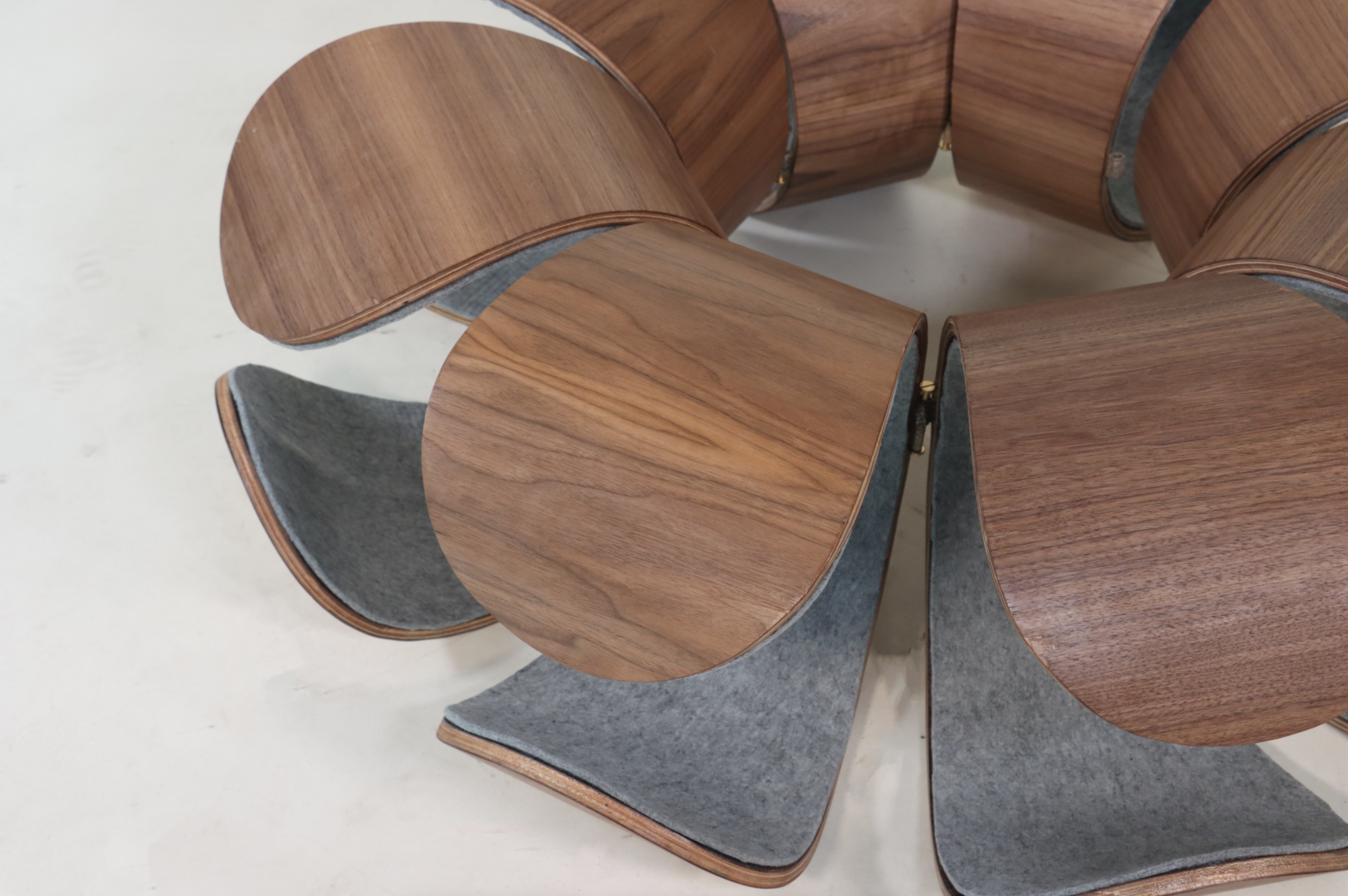
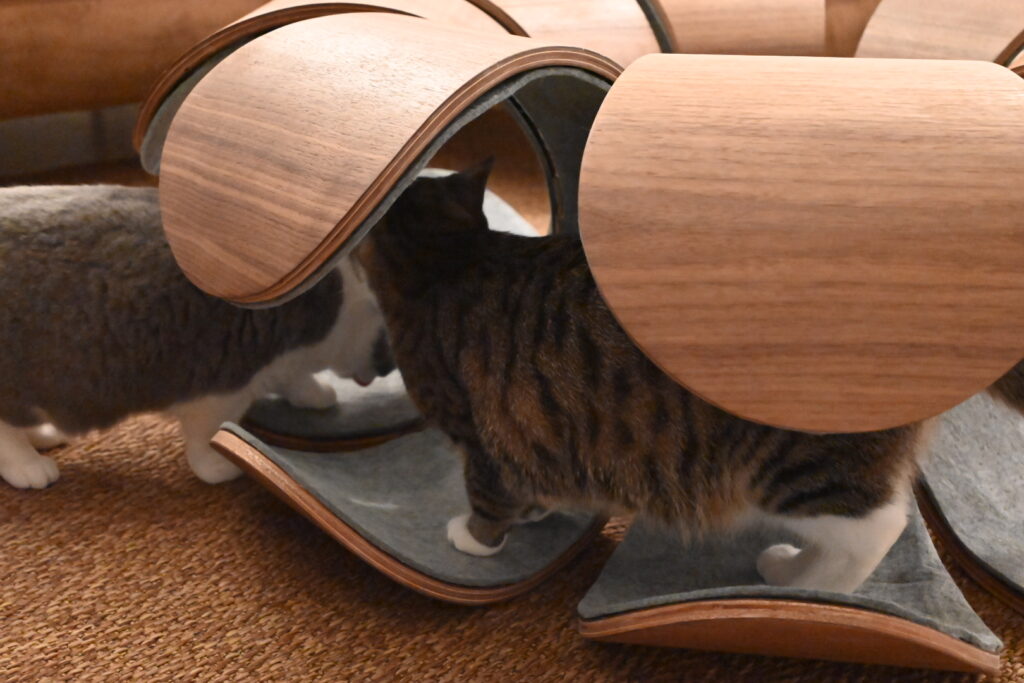
This project began with a simple but personal problem: living with cats means living with cat hair. At first, I focused too much on collecting hair for humans, but I realized the design should not force cats into a cleaning system. Instead, it should follow their instincts.
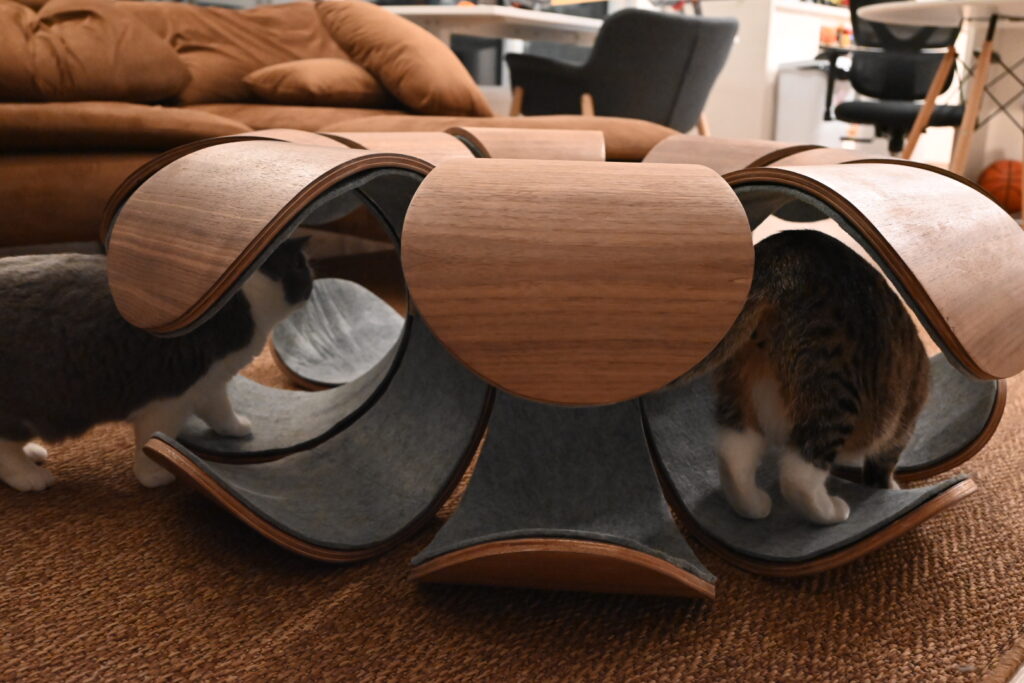
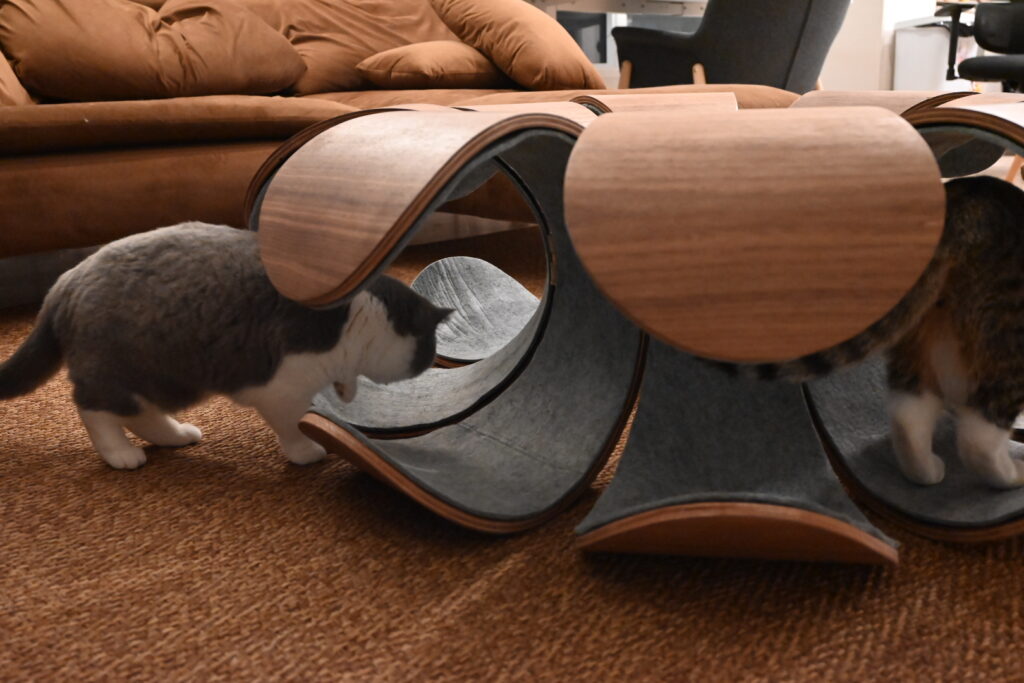
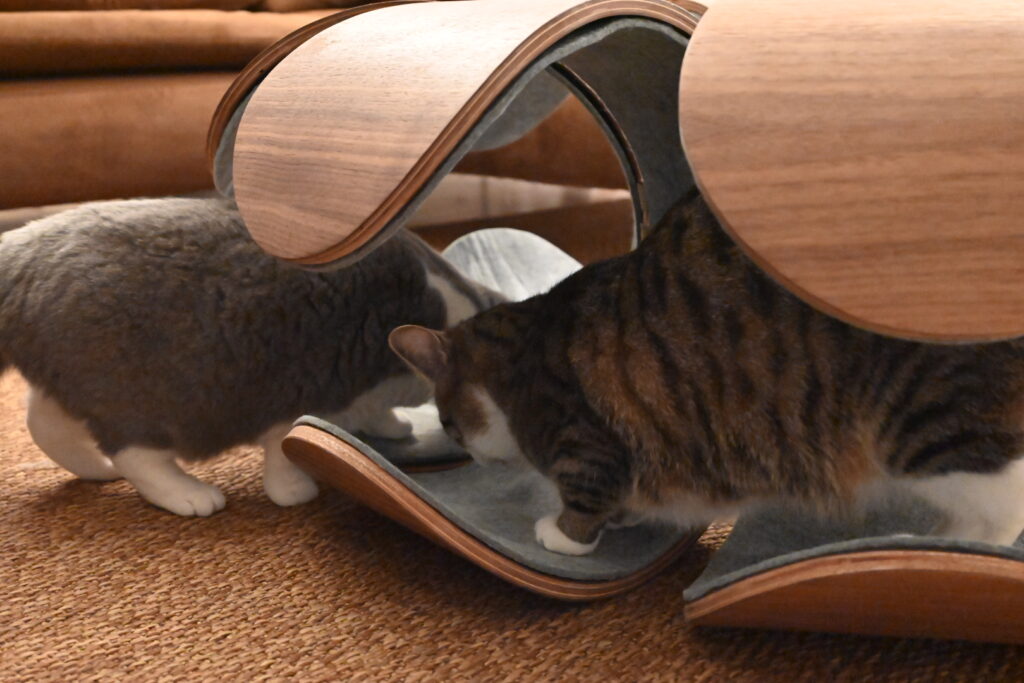
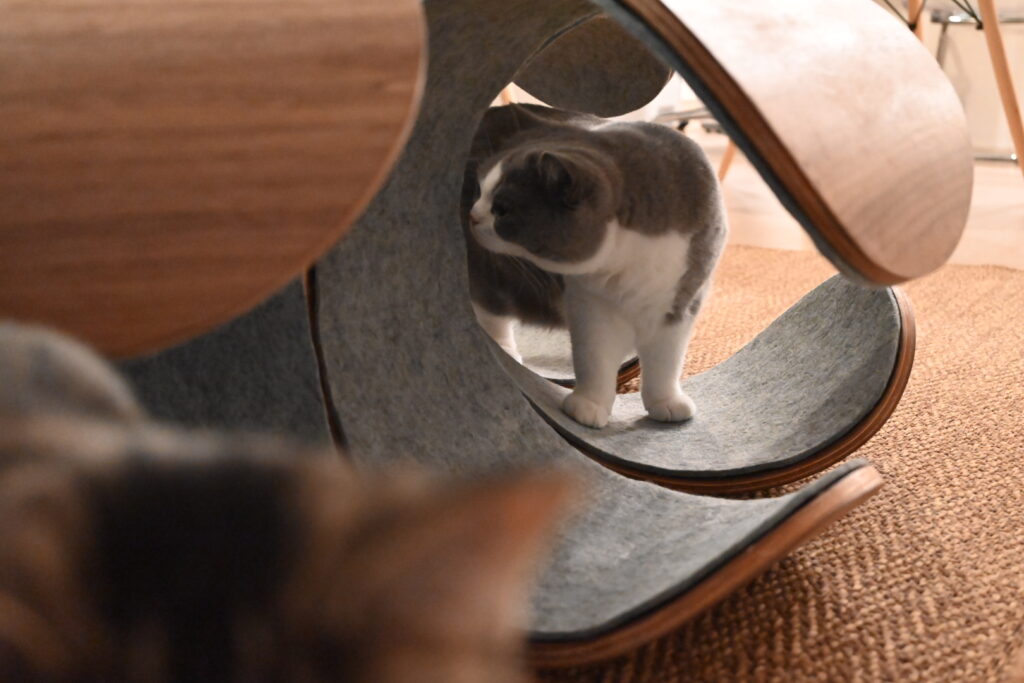
Through observing how cats rub, chase, rest, and move through furniture, I developed a modular furniture system that supports both cat behaviour and human living. The project explores how cleaning, play, furniture, and co-living can become one shared domestic experience.
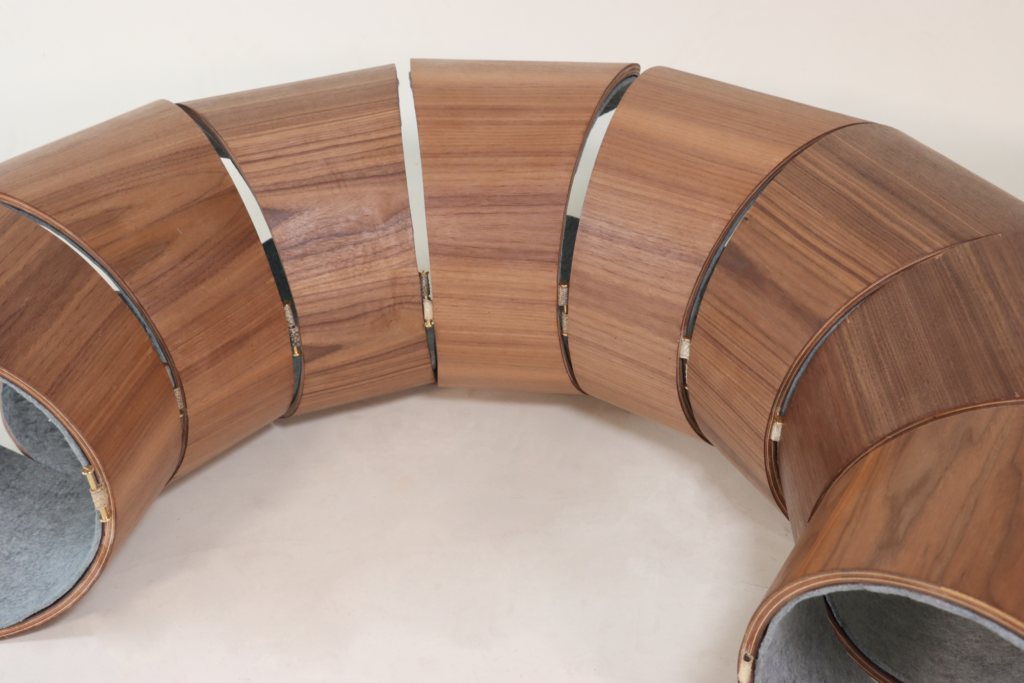
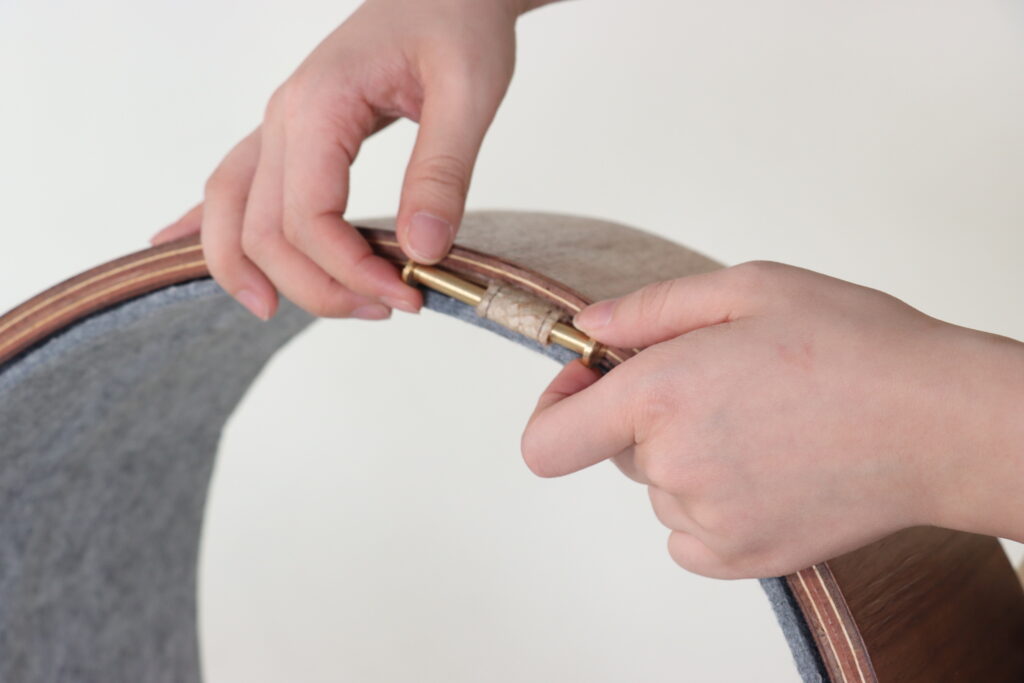
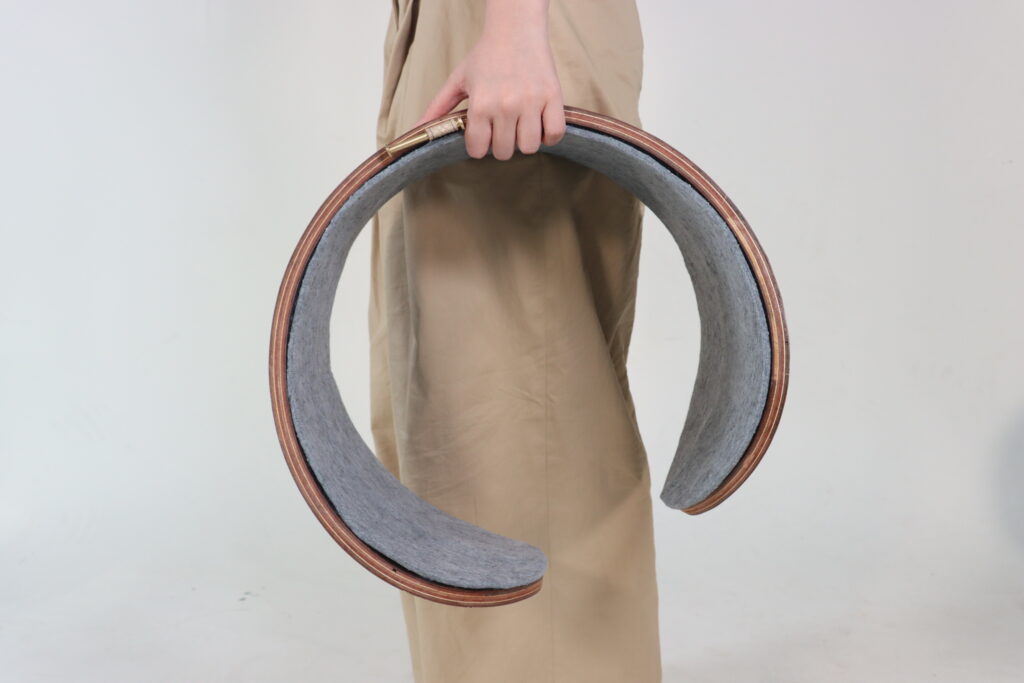
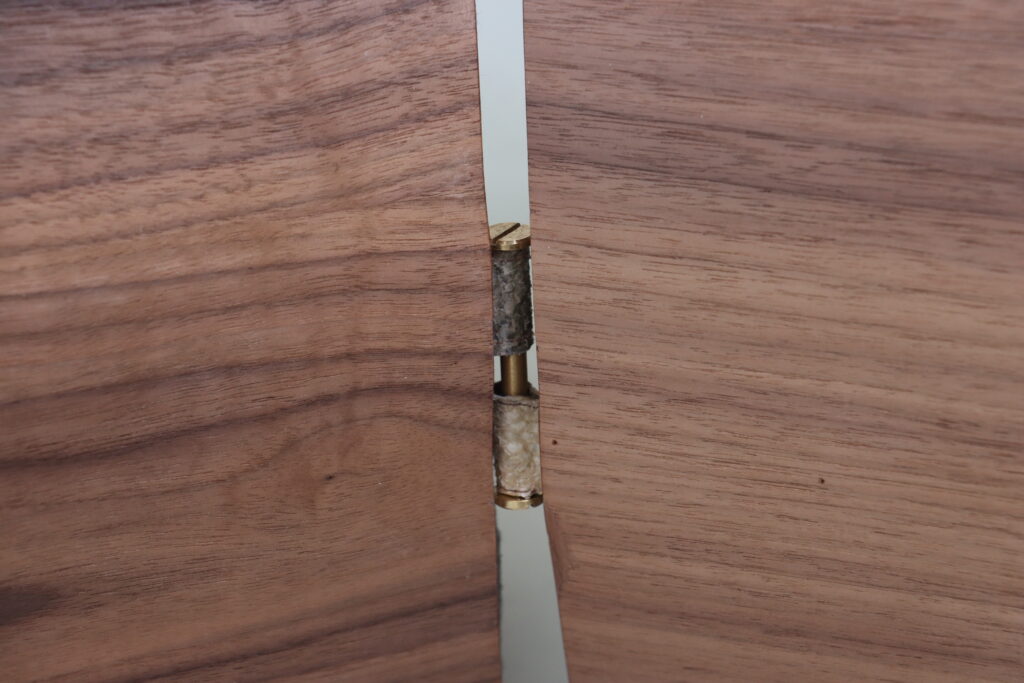
My collaborator, Mingze, whose research on fish leather opened up a new direction for me. She was exploring how fish leather might relate to pet environments, and I had the chance to bring one of her samples home. What I didn’t expect was how strongly my cat reacted to it. They kept smelling it, and even tried to lick it.
This also led me to rethink one important part of the design — the connections. At the beginning, I explored different ways to connect the structure. It could be rubber, it could be 3D-printed joints, or even leather. Ming’s fish leather changed that. Because it wasn’t just connecting parts — it was something the cat was actively drawn to.
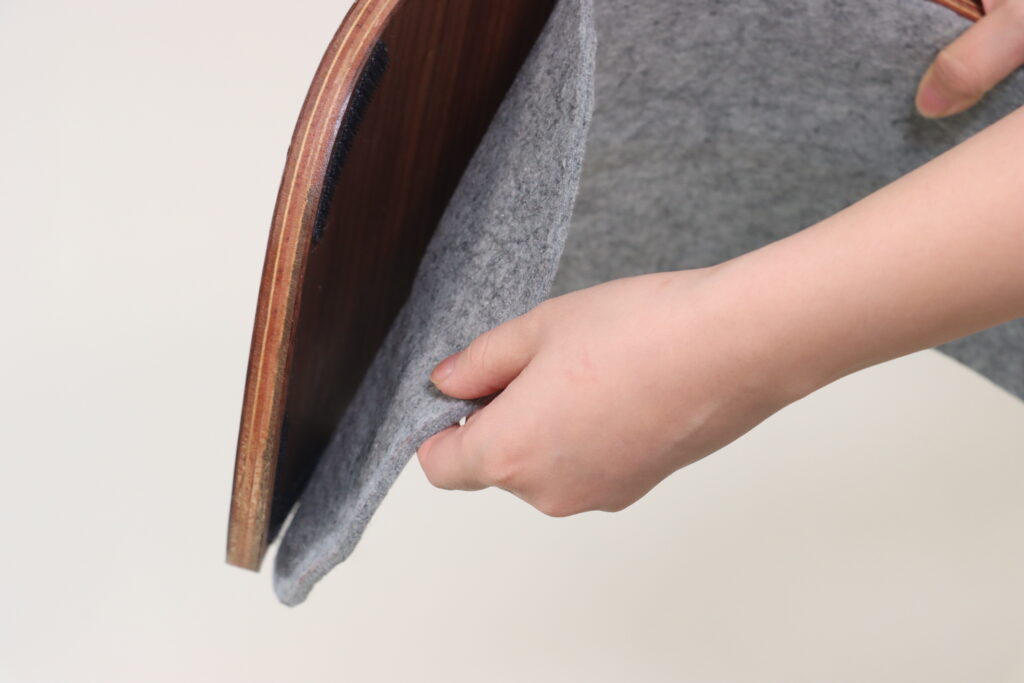
At the same time, I began testing different materials. Not based on what I thought would work, but based on how the cat actually responds. And I noticed that many pet products use felt. So I looked into it more carefully. Felt has some very practical qualities — it can capture cat hair, while still being easy to clean. It’s also soft, affordable, and most importantly, cats naturally like interacting with it.


![A New Hope [Chest] by Audrey Allanson](https://2026.theshow-ecuad.org/wp-content/uploads/2026/05/DSC01131-2-300x300.jpeg)