An Inventory of Unarchived Things
Frankie Fowle
Introduction
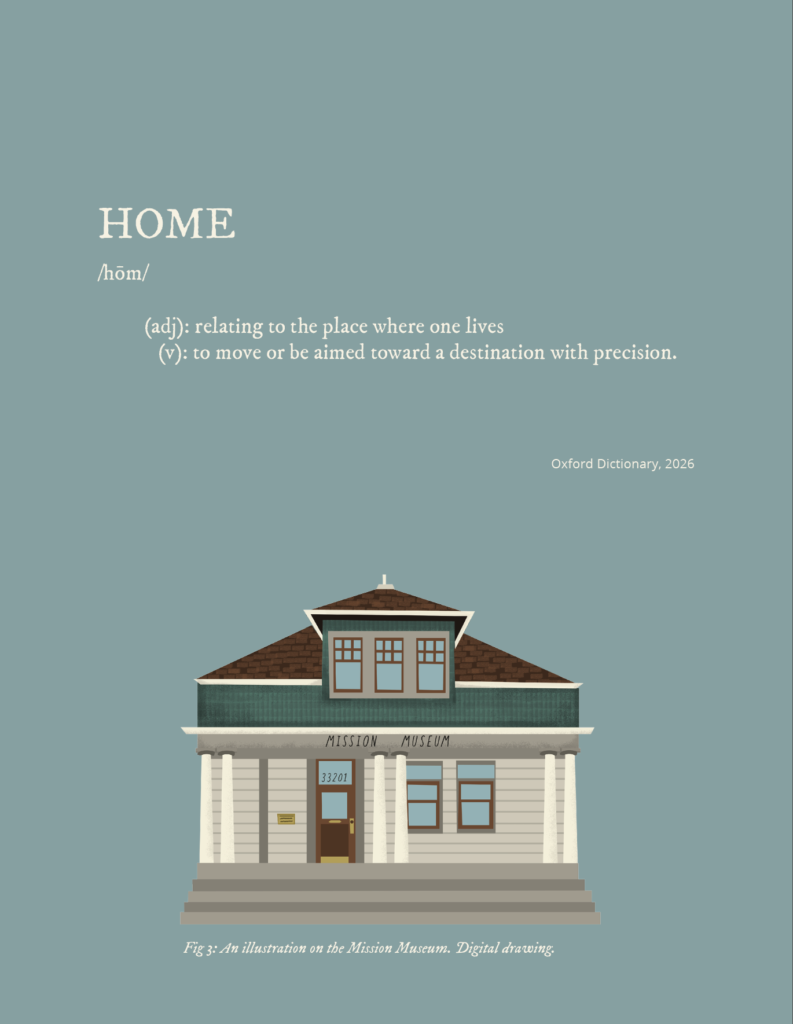
This project begins with the idea of “home”, both as a place and as a way of working. It is rooted in Mission, British Columbia, and shaped by a slow, careful approach to noticing what matters in everyday life.
I started my MDes at Emily Carr University of Art and Design looking for a design practice that felt sustainable and meaningful. Instead of following habits I hadn’t chosen, I turned to the ordinary, the objects and routines that quietly shape daily life. Things like key tags, storefronts, menus, and tools carry personal and collective stories, but they are often overlooked.
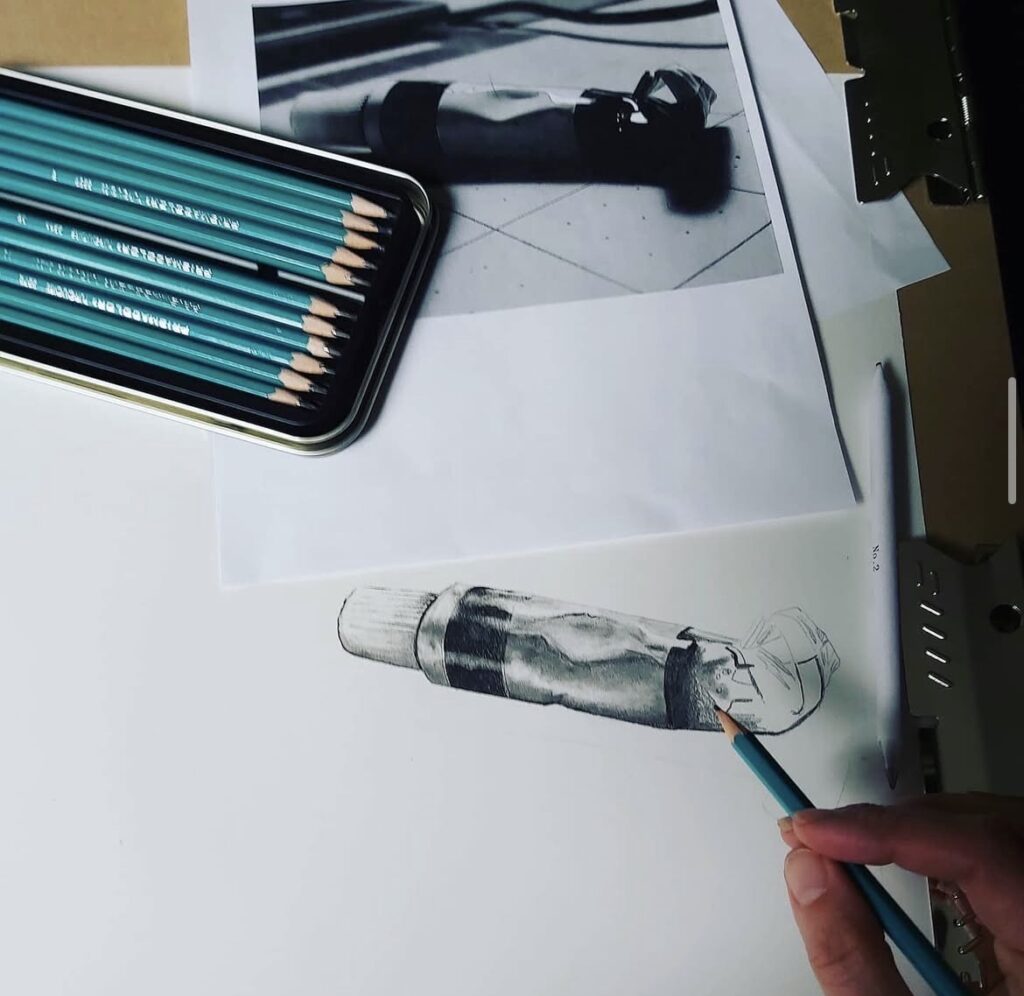
Drawing these objects became a way of paying closer attention. Unlike photography, illustration asks for time. It requires me to sit with texture, wear, and detail, often revealing stories and relationships that would otherwise go unnoticed.
Through this process, illustration shifted from just an outcome to a way of understanding. It became a method of research, one grounded in care, patience, and reflection. At the same time, it pushed me to question what I value, what I notice, and what I choose to preserve.
An Inventory of Unarchived Things is both a study of overlooked local heritage and a record of my own design practice. It treats drawing as a way to document not only objects, but also the decisions, habits, and values that shape how work is made over time.
By focusing on what often goes unrecorded, this project reframes both heritage and design as ongoing, everyday processes. It is an act of attention, one that makes space for the ordinary to be seen, valued, and remembered.
Taking Inventory of the Problem
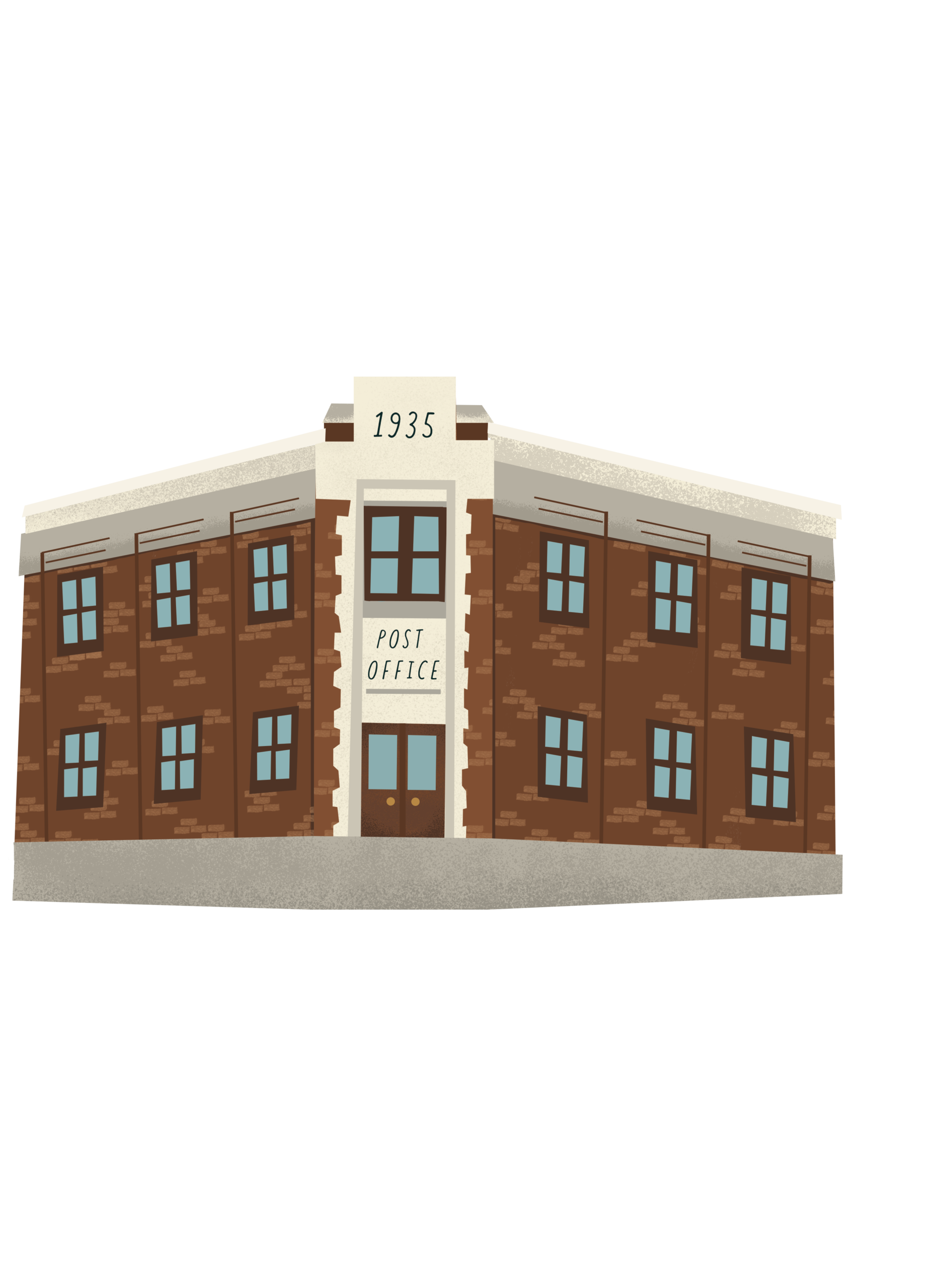
The everyday rarely announces itself. It sits quietly in the background, shaping memory, identity, and belonging without asking to be noticed. Only when it disappears do we begin to understand its value.
Yet ordinary objects are rarely recognized within formal heritage or design practices. Because they are so familiar, they are often overlooked in the present moment, slipping past attention until they are gone.
Dominant design workflows further compound this erasure by privileging speed, efficiency, and resolution, leaving little room for sustained attention or reflexivity. Even when design engages with everyday life, it often translates it into systems to be optimized. A daily commute becomes a route to streamline, rather than an experience to be felt. In this shift, the richness of lived experience is flattened.
These conditions also shape the designer. In fast-paced environments, there is little space to reflect on how work is made. Much of what designers know remains unspoken, embedded in habits rather than consciously examined. Over time, both everyday culture and the designer’s own evolving practice risk being lost through neglect.
This project responds to that gap. It calls for slower, more attentive design approaches, ones that create space for reflection, surface hidden knowledge, and build deeper relationships between people, objects, and place before they are dismissed as too ordinary to matter.
Research Questions & Rational
My thesis is guided by two interconnected research questions reflecting a dual orientation: outwardly, toward community heritage and inwardly, toward the development of my own design practice. This structure responds to a twofold rationale.
First, I entered the MDes program seeking sustained growth, using the thesis as a site to critically examine and reshape my design habits toward a more durable practice. Second, this research contributes to the emerging field of illustration as a qualitative research method, extending its role beyond representation toward inquiry and knowledge generation.
Primary research question:
How can illustration, as a practice-led research method, reframe everyday objects in ways that activate emotional connections and collective memory around local heritage in Mission, BC?
Secondary research question:
How can illustration function reflexively as a redirective tool that reshapes the assumptions, habits, and values within my own design practice?
These questions operate in parallel and continually inform one another. As everyday objects are investigated through drawing, the act of illustration simultaneously redirects the practice itself, ensuring that community engagement and practice transformation remain in sustained dialogue.
An Inventory of the Opportunity
Illustration as Research
Drawing does not begin with answers. It begins with looking, with staying, with following something long enough for it to reveal more than it first offers.
In this research, illustration is not used to communicate finished ideas. It is the research itself. Rather than explaining what is already known, drawing becomes a way of asking questions and generating understanding through the act of making.
This shifts illustration from outcome to process. Each drawing is a form of investigation, where meaning develops over time through attention to materials, objects, and mark-making. Working across different tools, scales, and levels of detail allows me to test how meaning changes depending on how something is drawn. These choices are not just aesthetic, they shape what is noticed, what is emphasized, and what remains unseen.
Drawing, in this sense, is a way of thinking. It creates space for insights that cannot be reached through analysis alone. As I spend more time with an object, subtle qualities begin to emerge, signs of use, care, repair, or loss that are often missed in faster forms of documentation.
This slowness also turns the lens back on my own practice. Habits like simplifying, resolving quickly, or prioritizing clarity become visible. Instead of operating unconsciously, they can be questioned and reworked.
Through this approach, illustration becomes both a method for studying everyday objects and a way of examining how design itself produces meaning. It is not separate from reflection but embedded within the act of making, allowing thinking and doing to happen at the same time.
In this thesis, drawing is where knowledge emerges. It is a way of working that values attention over speed, process over resolution, and ongoing inquiry over fixed conclusions.
An Inventory of Case Studies
The case studies that follow document moments where illustration is asked to do real work. Each project begins with a specific situation, object, or encounter, but unfolds through sustained engagement that draws together studio practice, theoretical commitments, and lived experience. These projects are not presented as isolated acts of making.
Instead, they show how conceptual concerns surface through decisions made at the drawing table, through hesitation, repetition, and material resistance. Ideas drawn from everyday life theory, affect, and reflective practice do not sit behind the work as abstract justification. They appear within it, sometimes clarifying intention, sometimes disrupting it. The case studies therefore trace how understanding develops through practice, revealing what illustration can make perceptible when thinking and making are allowed to remain entangled.
Stationery Wisdom
This case study examines Stationery Wisdom, a studio-based inquiry that uses observational drawing, authorial illustration, and reflexive writing to explore how everyday objects carry memory, emotional attachment, and ethical value. The project functions as a reflexive autoethnography of my design practice, using my own studio process as both site and subject of research.
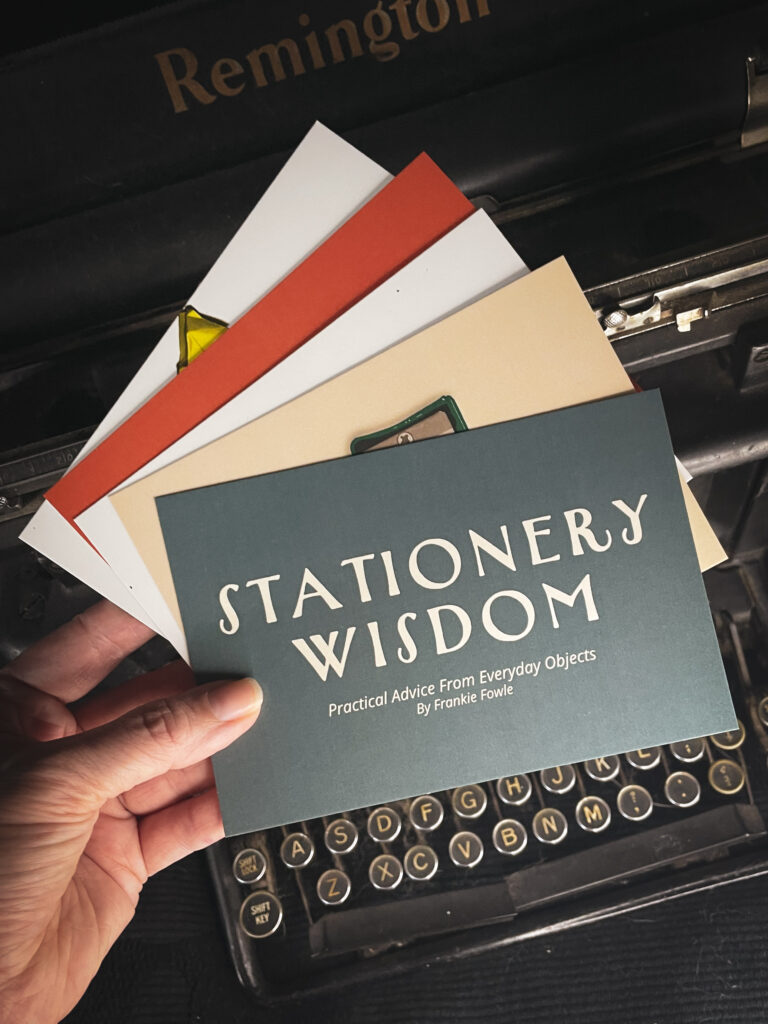
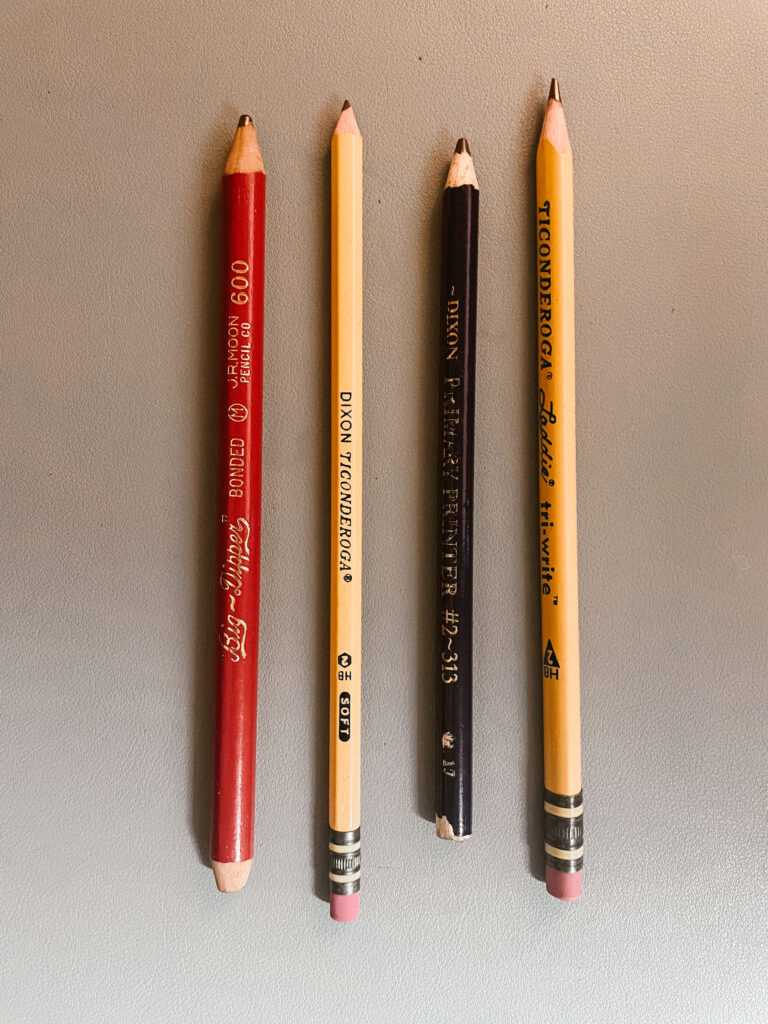
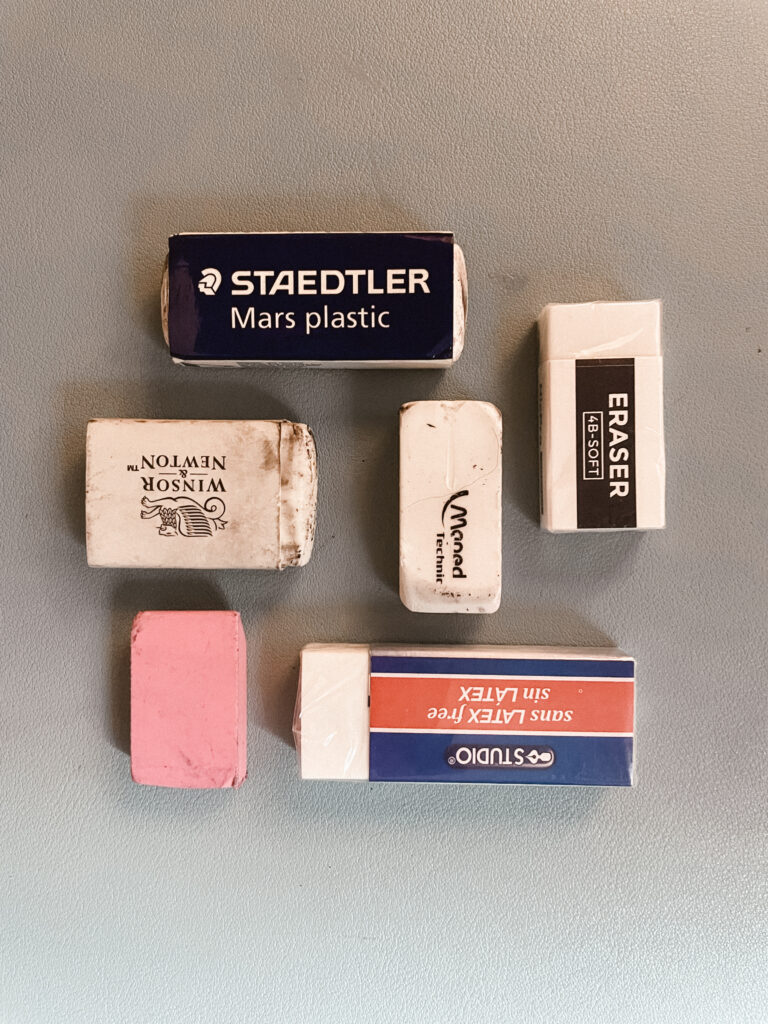
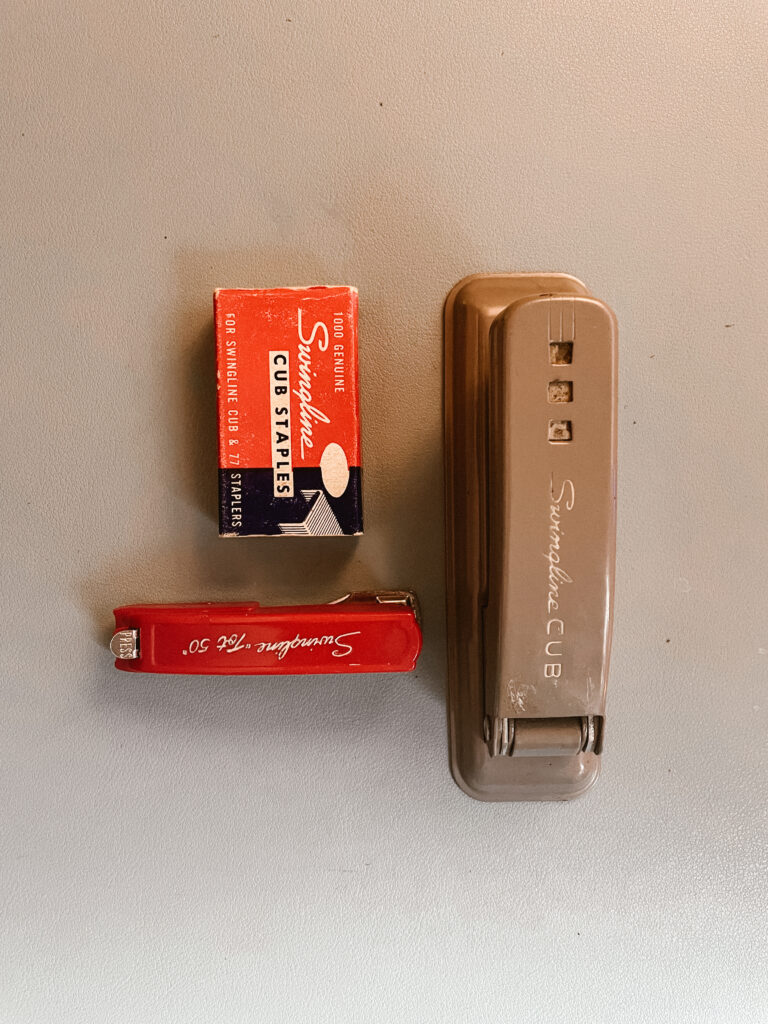
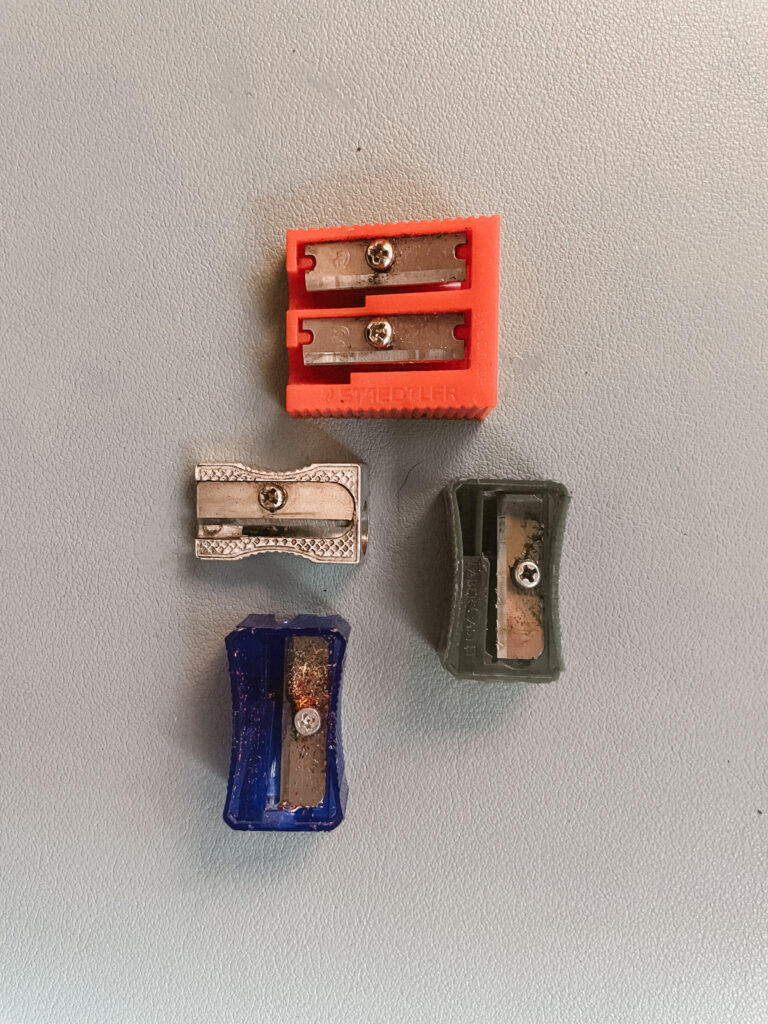
The project began with sustained observational engagement with a set of everyday stationery objects. Rather than treating these objects as neutral tools, I approached them as active participants in my creative practice. Drawing each object by hand became a method of discovery. Through repeated sketching, handling, and close observation, details emerged that exceeded representational accuracy.
Wear marks, surface patina, balance, and resistance became legible through time spent drawing rather than through prior knowledge. Through this observational drawing and sustained connection with the objects the style of the drawing shifted from representational and illustrative to highly detailed. This aligns with more-than-representational approaches, where meaning is produced through attention, duration, and embodied engagement rather than extraction or summary.
As the project developed, I began constructing paired human-centered and thing-centered narratives for each object. Writing initially from a human perspective allowed emotional attachment and personal memory to surface. Shifting toward thing-centered narratives required the deliberate removal of function of the object as the organizing frame. This constraint revealed how easily objects collapse back into tools when function dominates the story. When function was minimized, objects began to register as autonomous, relational entities with temporal depth and presence beyond use. This narrative shift was mirrored in the drawing process, where illustration moved from descriptive accuracy toward expressive emphasis. Authorial illustration played a central role in this transition.
illustration shaping the tone, pacing, and emotional register of the narratives. The images did not illustrate completed stories but participated in their formation. Through this process, practice became theory-generating with insight emerging from making rather than being applied to it. Subtle signs of care, loss, and belonging became visible through the accumulation of small gestures across drawings and texts. These signs revealed how cultural memory and personal identity are held within ordinary objects through repeated, often unnoticed interaction.
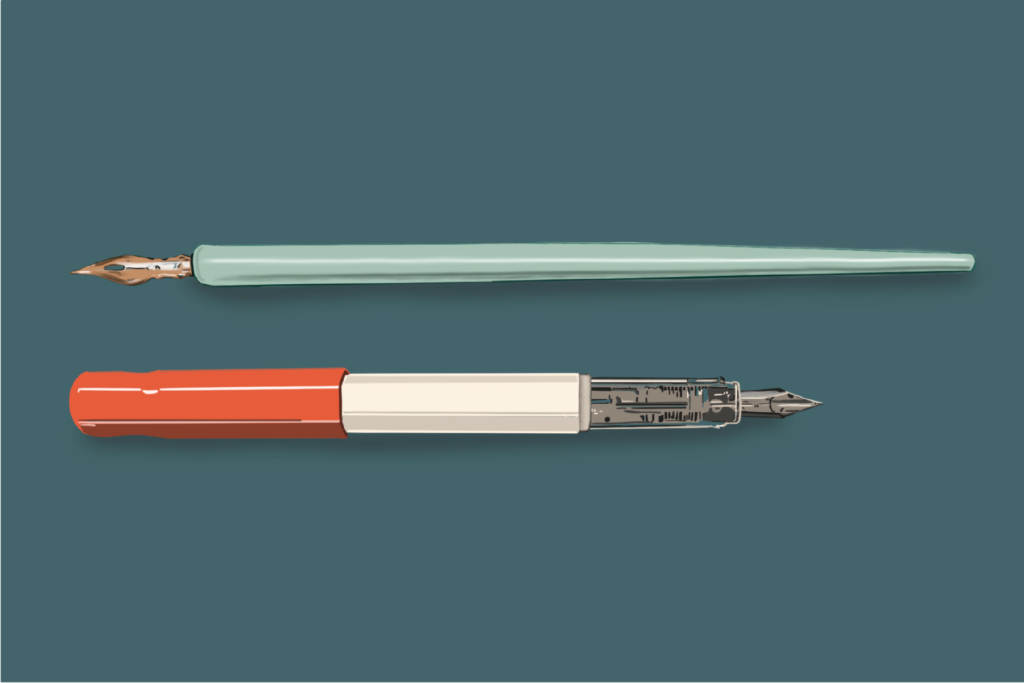

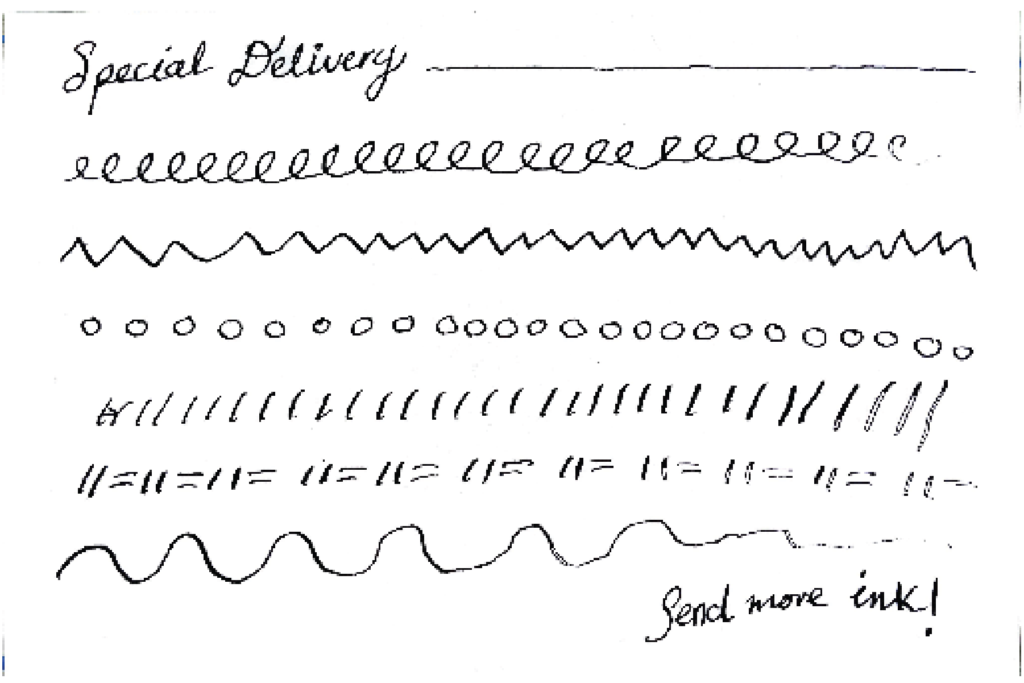

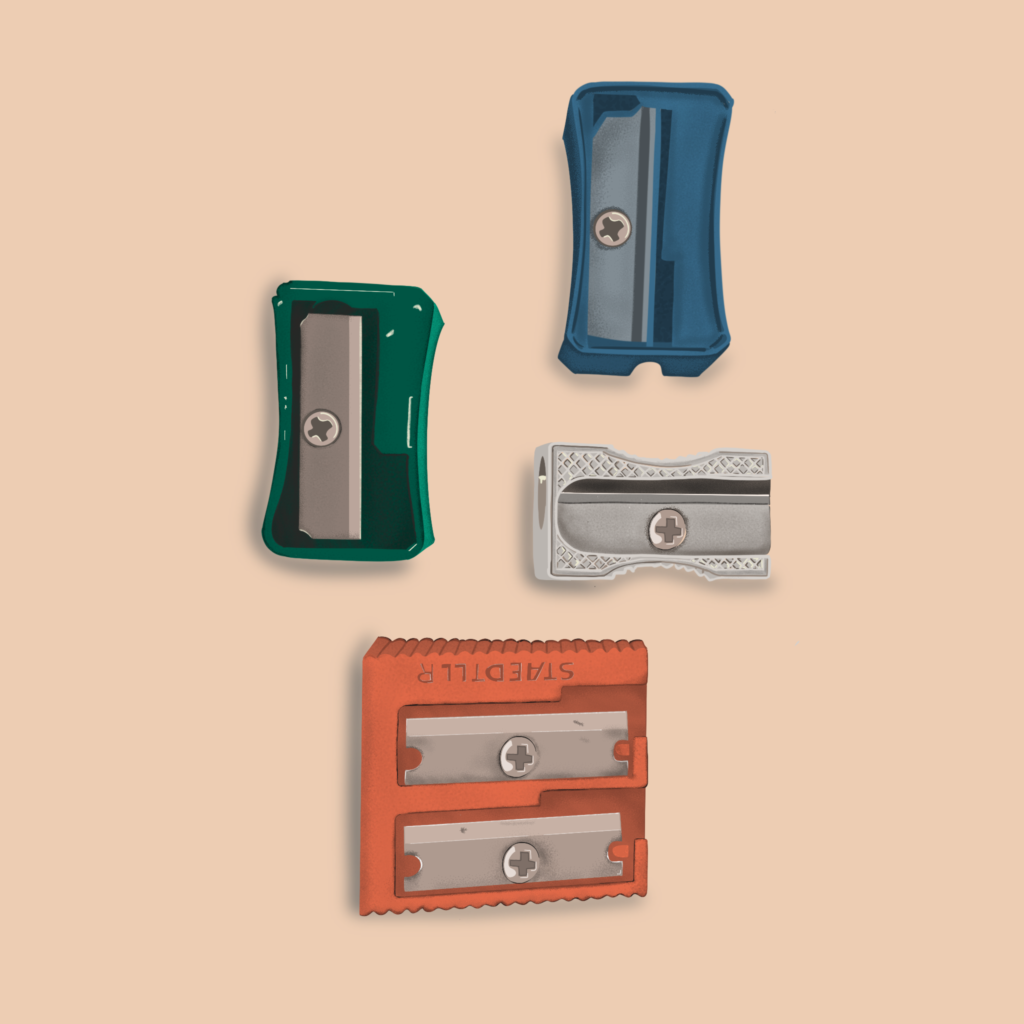
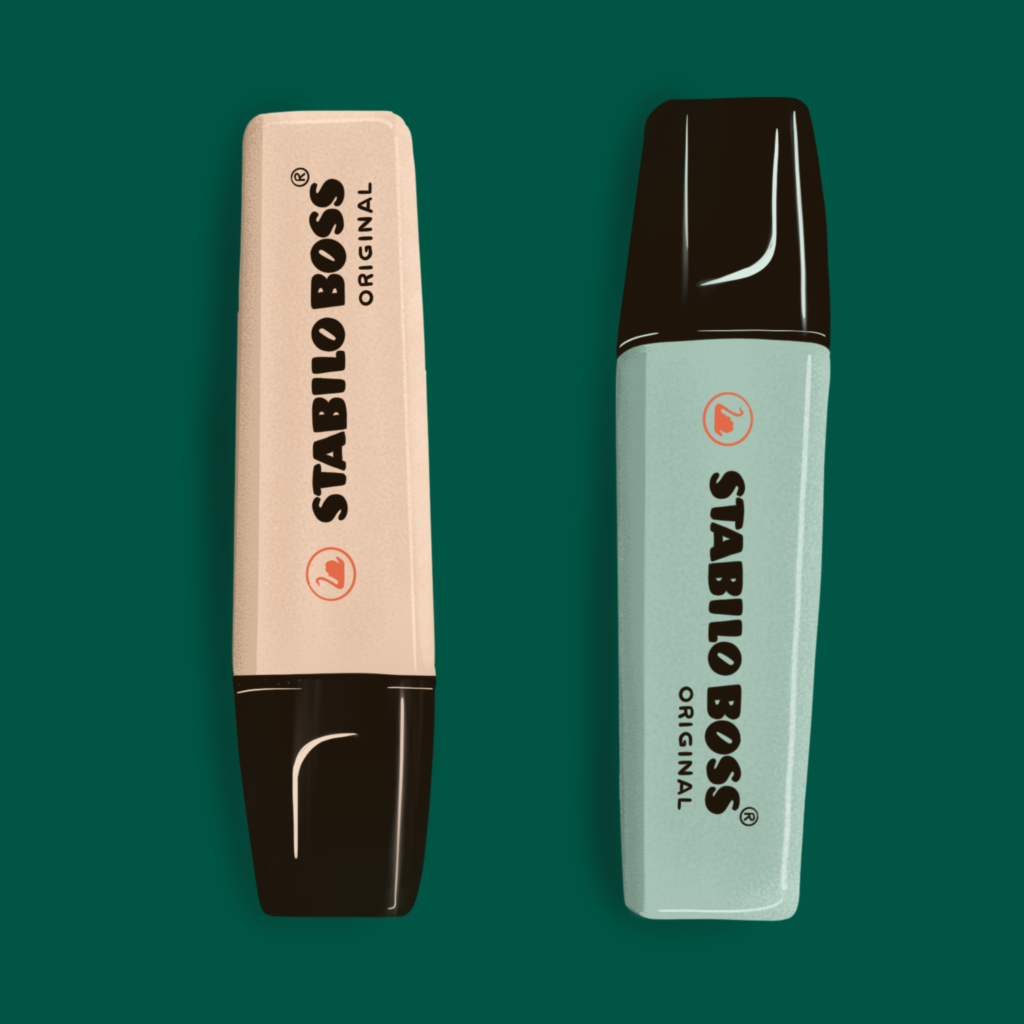
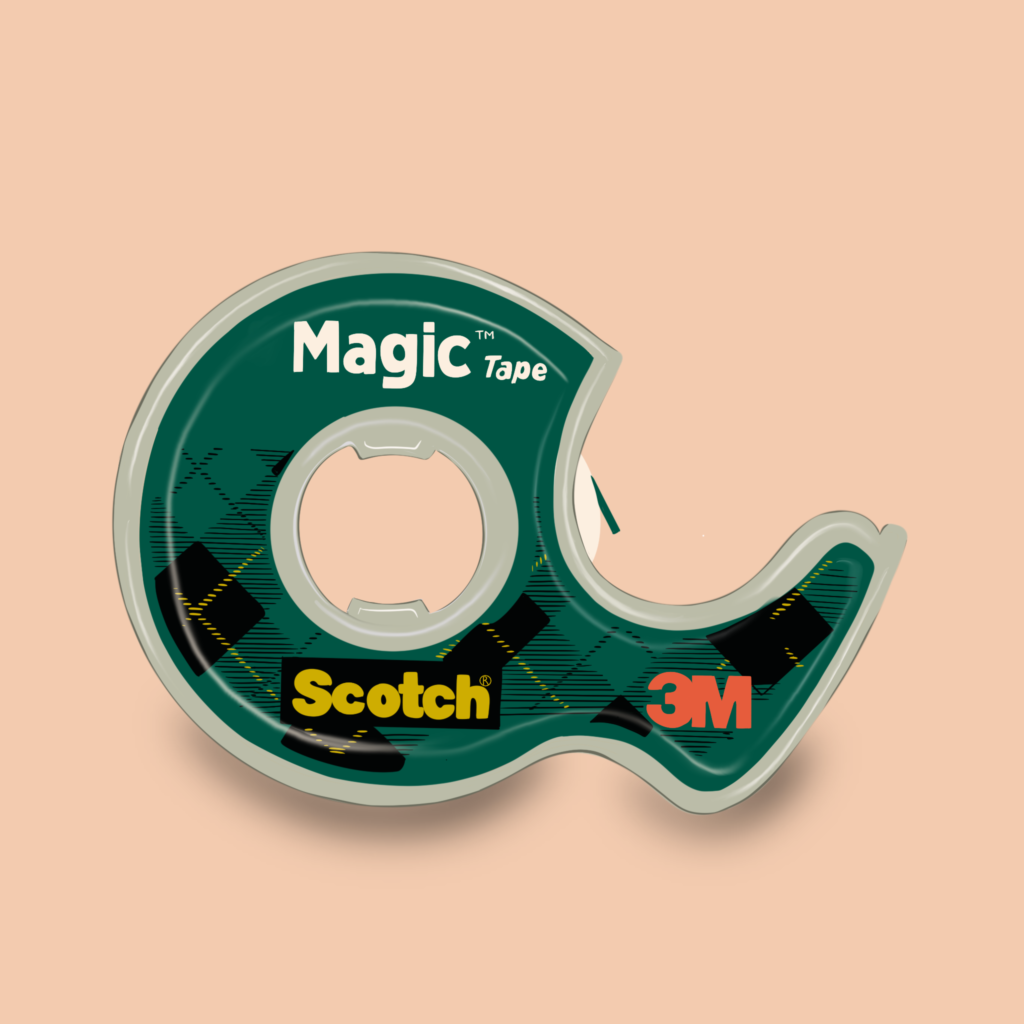
As a methodological case study, Stationery Wisdom demonstrates how reflexive autoethnography, when grounded in observational drawing and sustained studio practice, can surface tacit knowledge that is difficult to access through conventional research methods. It establishes illustration not as a representational endpoint but as an investigative act that reveals relational, affective, and ethical dimensions of everyday objects. These insights inform the larger methodological framework of this thesis and support the use of studio work as a legitimate and rigorous site of knowledge production.
Longitudinal Illustration
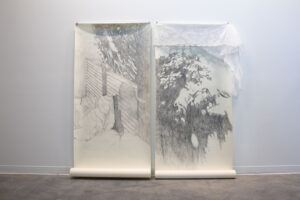
This Longitudinal Illustration project functioned as a critical testing ground for the methodological and theoretical concerns that now shape my studio practice. While initially framed as an exercise in repeated observation, the project evolved into an inquiry into how illustration mediates relationships between time, objects, and perception. Through sustained engagement with a single object over an extended period, the project revealed limitations in representational thinking and prompted a shift in how I understand illustration as a research method.
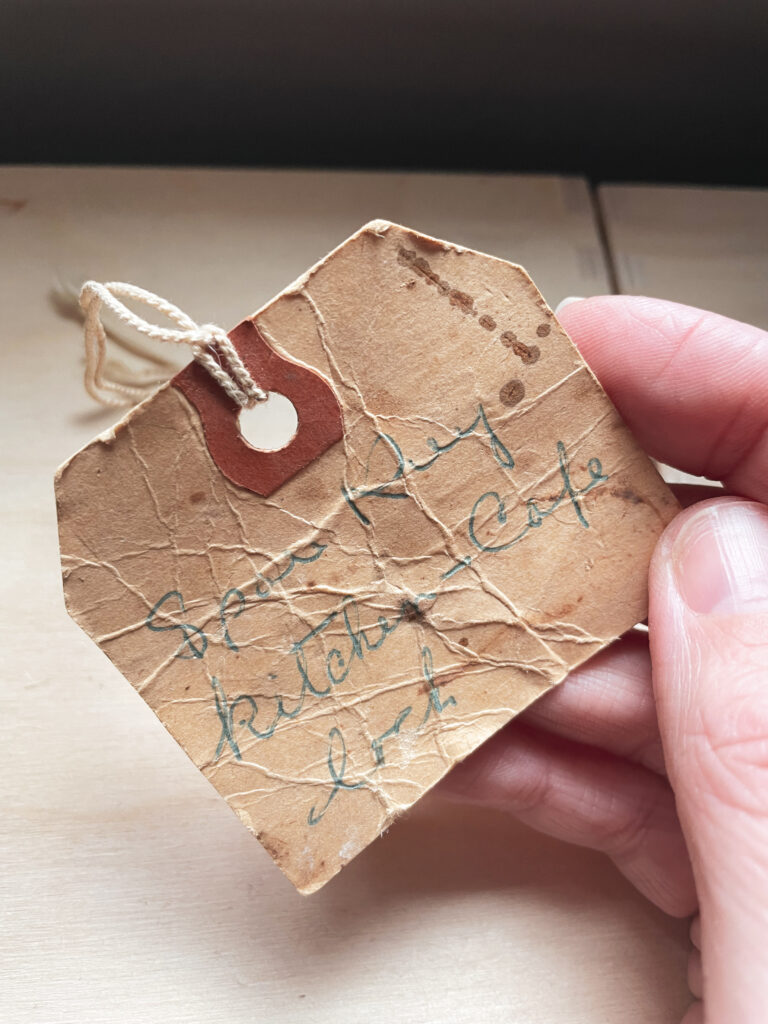
One of the primary insights from this project was that meaning does not accumulate linearly through repetition. Instead, each return to the object produced a slightly altered relationship shaped by context, bodily state, memory, and temporal distance. This experience aligns with Actor-Network Theory’s (ANT) emphasis on relationally. As Holmes summarizes, Actor-Network Theory “everything in the social and natural world exists through networks of relationships,” operating through a flat ontological structure in which humans and non-humans are understood through their participation in varying networks (Holmes, 2020, p. 69). Within the longitudinal drawing process, the illustrated object did not function as a stable entity awaiting clearer representation. Its significance emerged through shifting relations between myself, the object, the conditions of encounter, and the passage of time.
At the same time, the project complicated a purely relational reading. While ANT helps articulate how meaning emerges through networks of interaction, the longitudinal format raises questions about continuity and persistence. The object did not dissolve entirely into relational flux. Certain material qualities, forms, and traces endured across drawings, even as my attention and interpretation shifted. This tension between relational emergence and material persistence became central to my methodological thinking and highlighted the limits of ANT for fully accounting for longitudinal meaning-making.
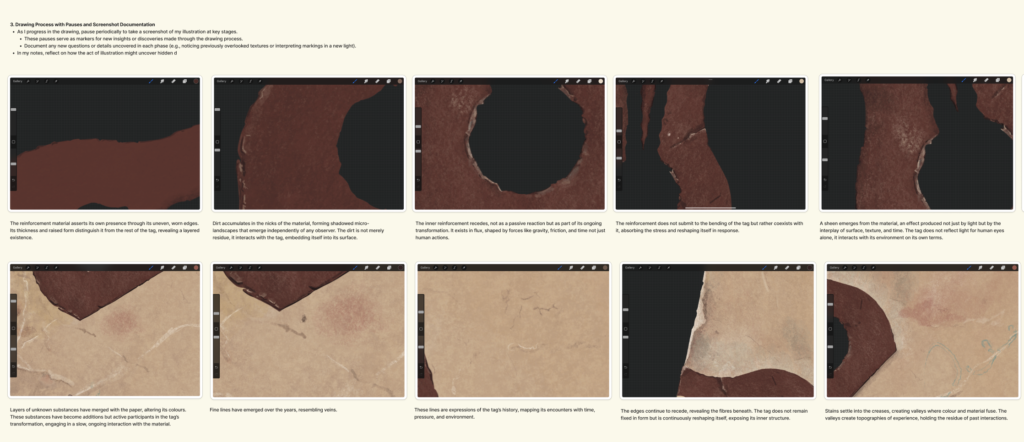
Annotations functioned as temporal records of attention that tracked shifts in perception, attachment, frustration, and uncertainty. Over time, it became clear that what was changing most significantly was not the object itself but my relationship to it.
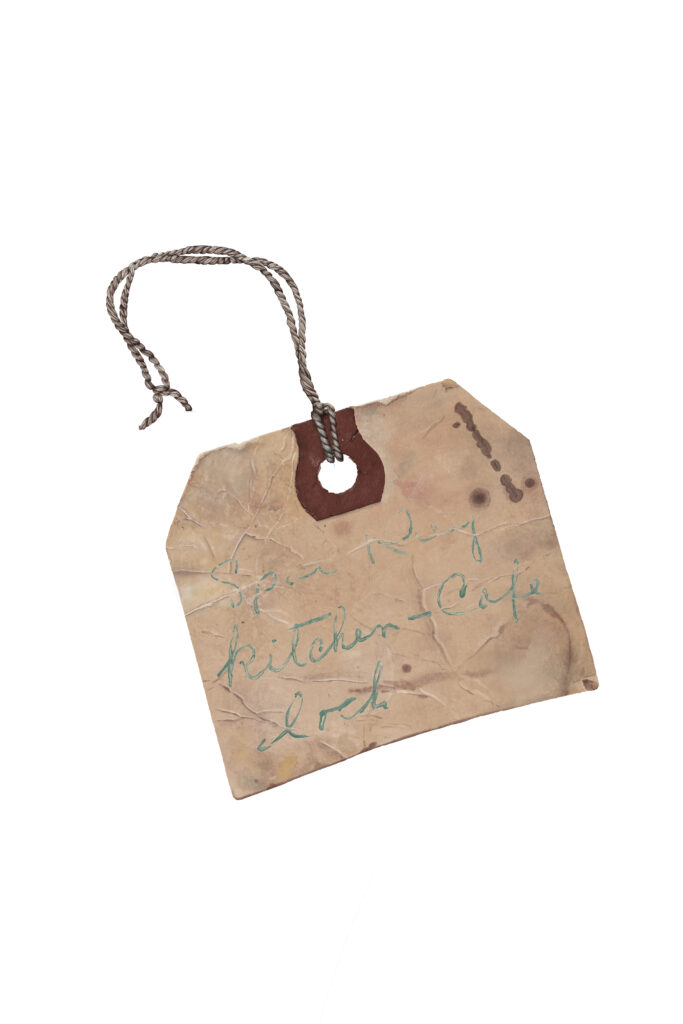
One of the primary insights from this project was that meaning does not accumulate linearly through repetition.
Instead, each return to the object produced a slightly altered relationship shaped by context, bodily state, memory, and temporal distance. This experience aligns with Actor-Network Theory’s emphasis on relationality. As Holmes summarizes, Actor-Network Theory “everything in the social and natural world exists through networks of relationships,” operating through a flat ontological structure in which humans and non-humans are understood through their participation in varying networks (Holmes, 2020, p. 69). Within the longitudinal drawing process, the illustrated object did not function as a stable entity awaiting clearer representation. Its significance emerged through shifting relations between myself, the object, the conditions of encounter, and the passage of time.
Community Co-Design Zine Workshop
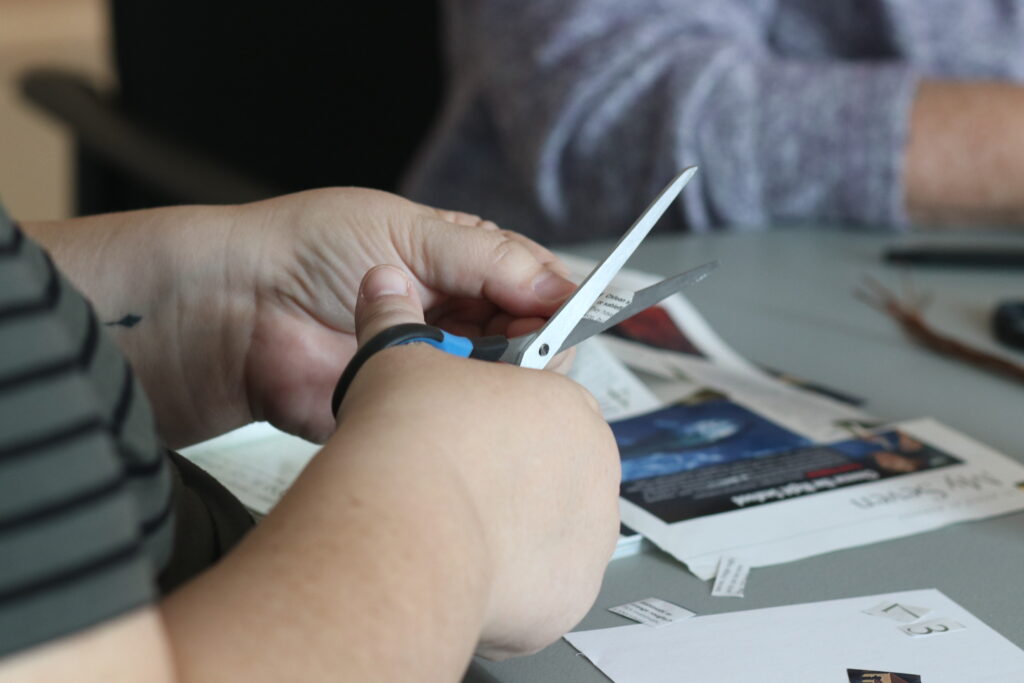
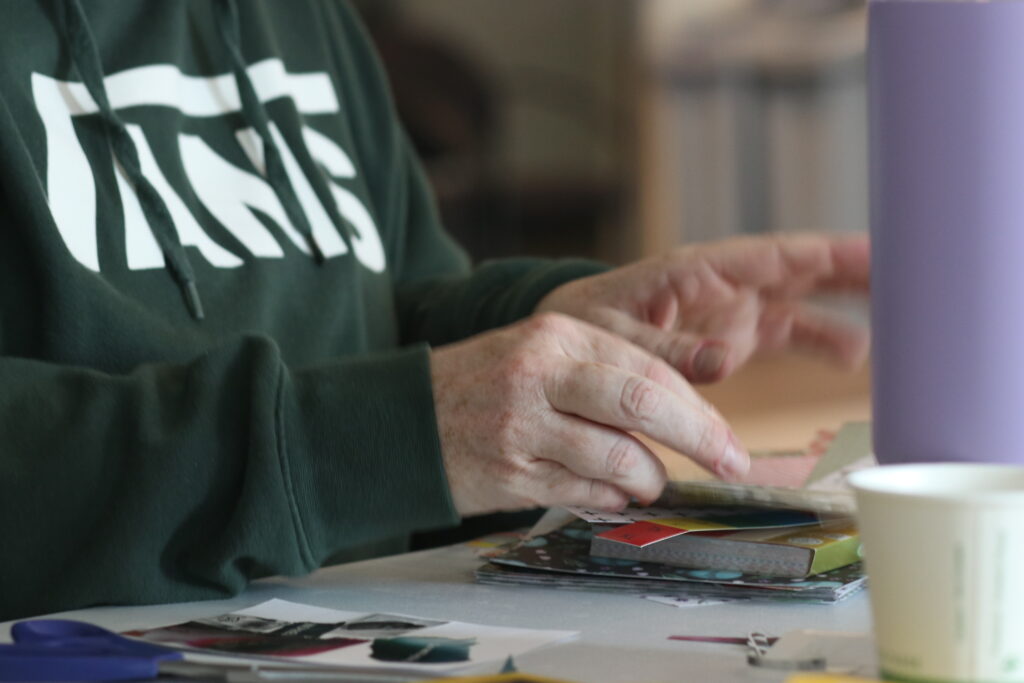
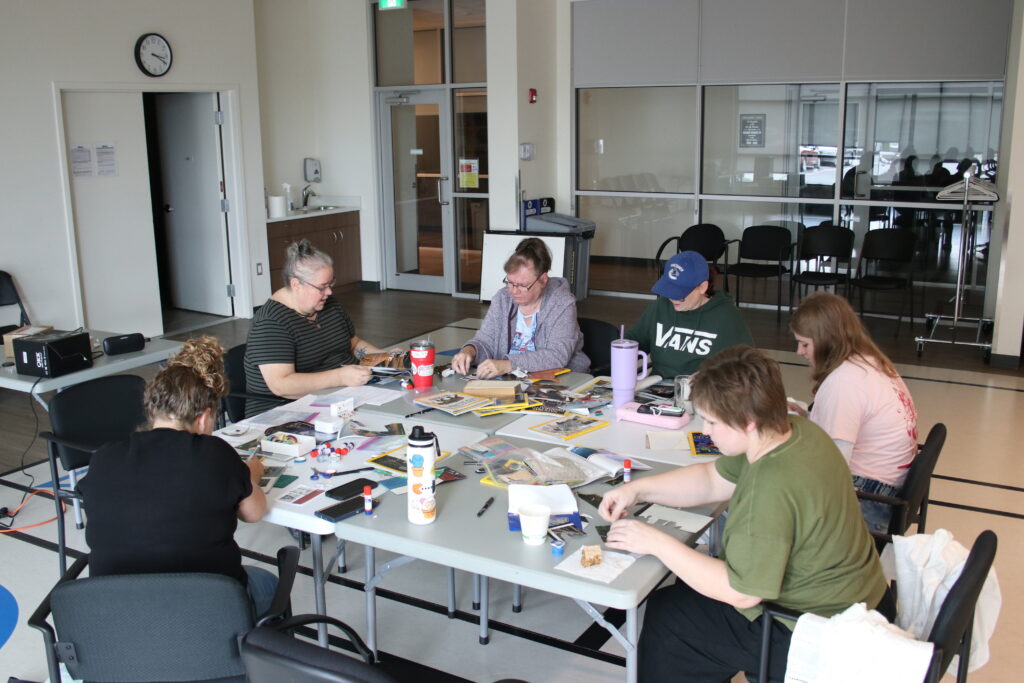
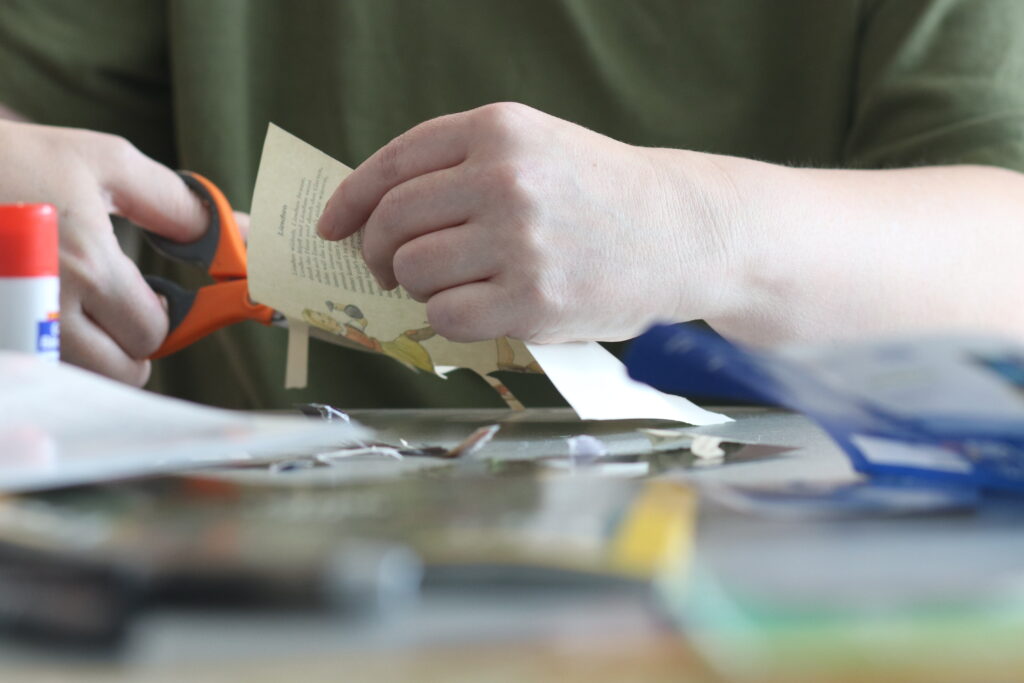
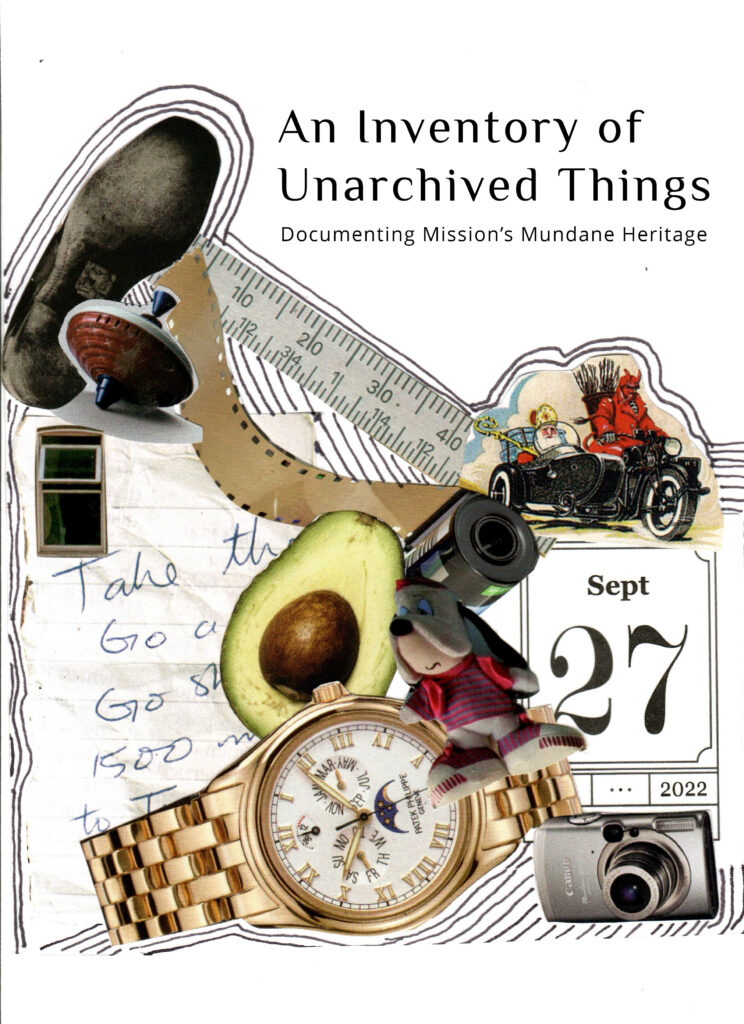
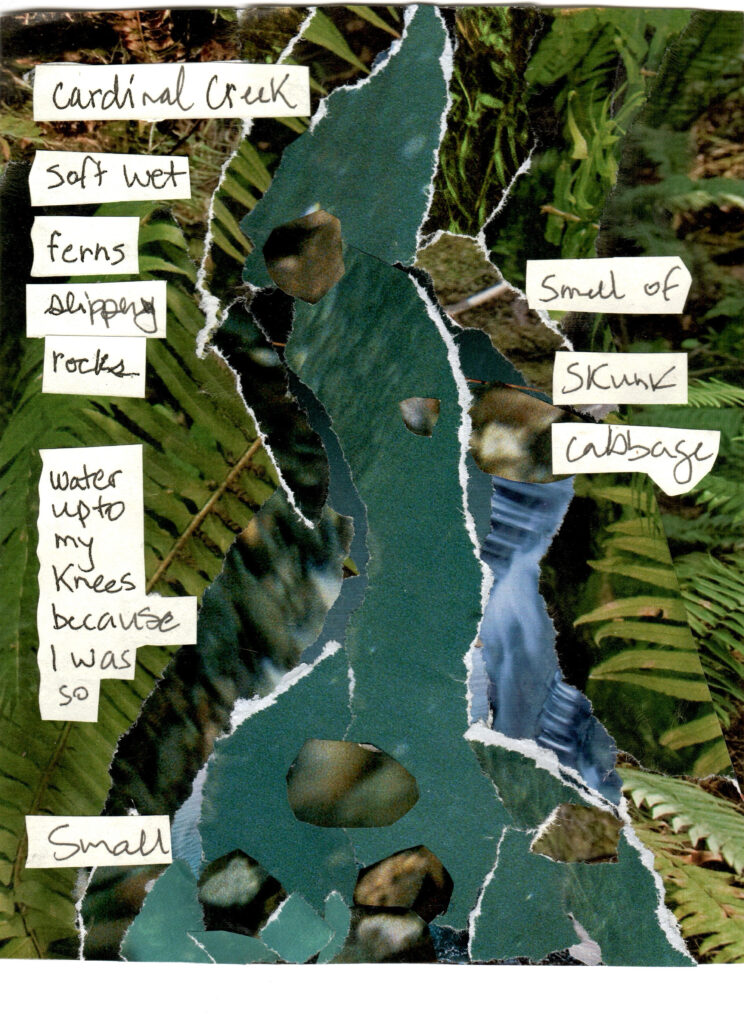
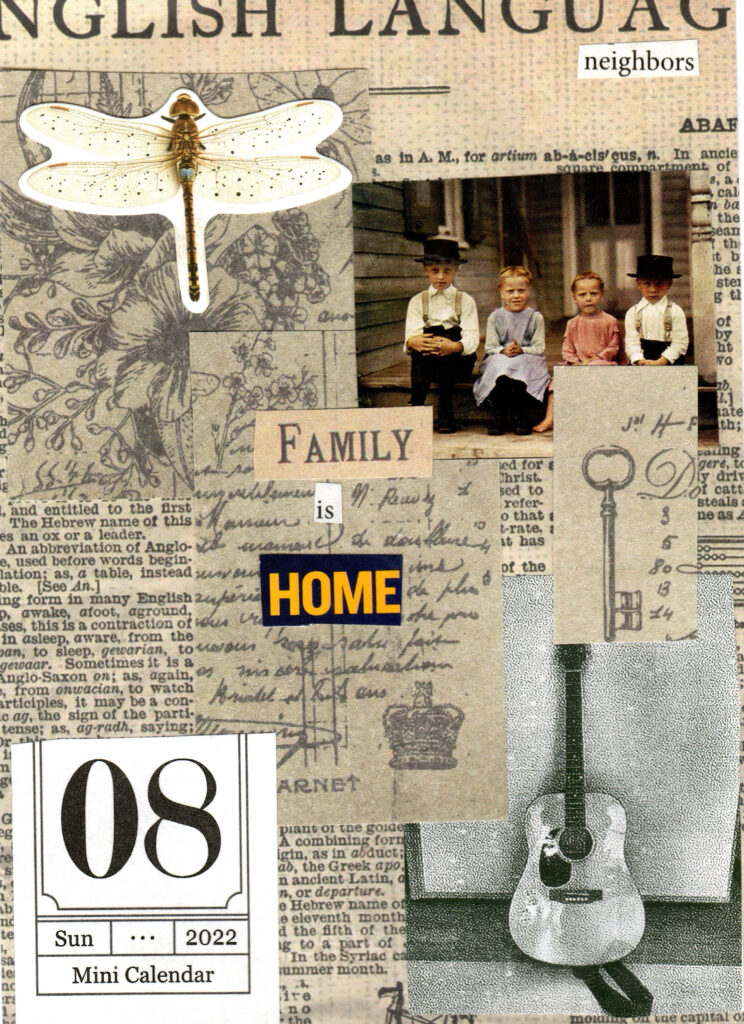
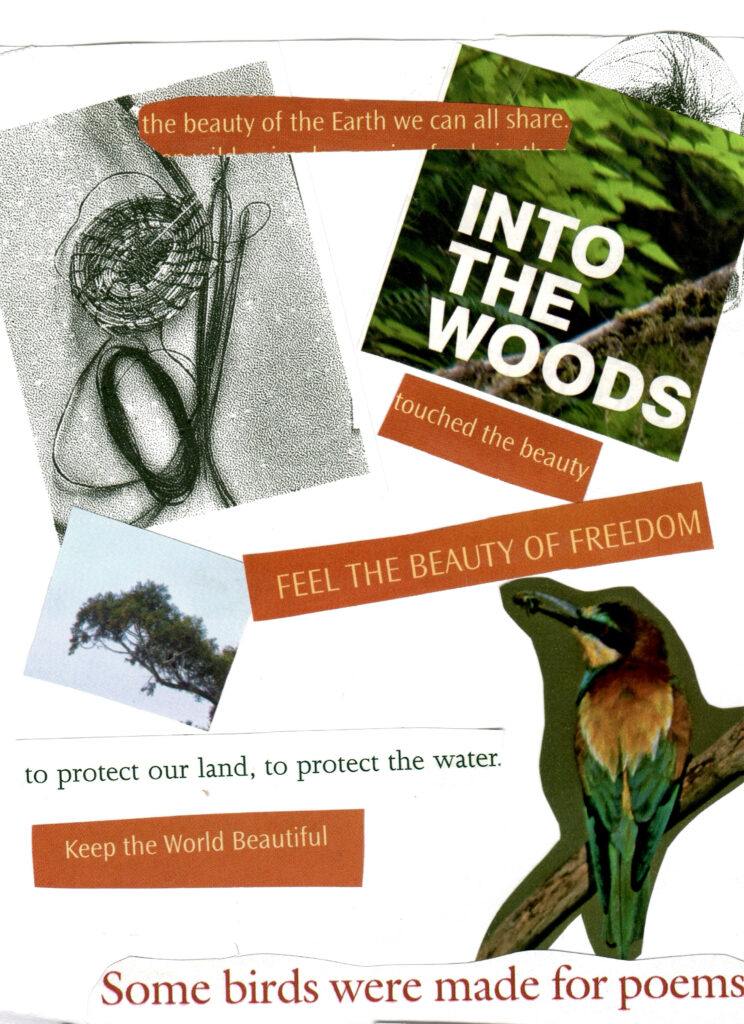
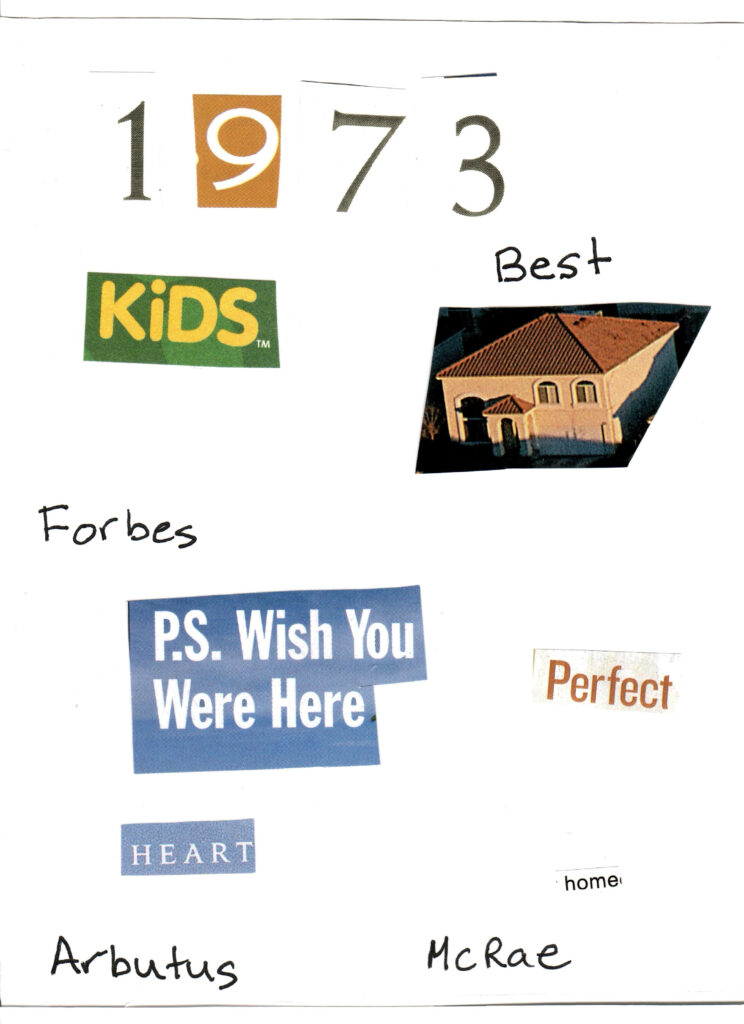
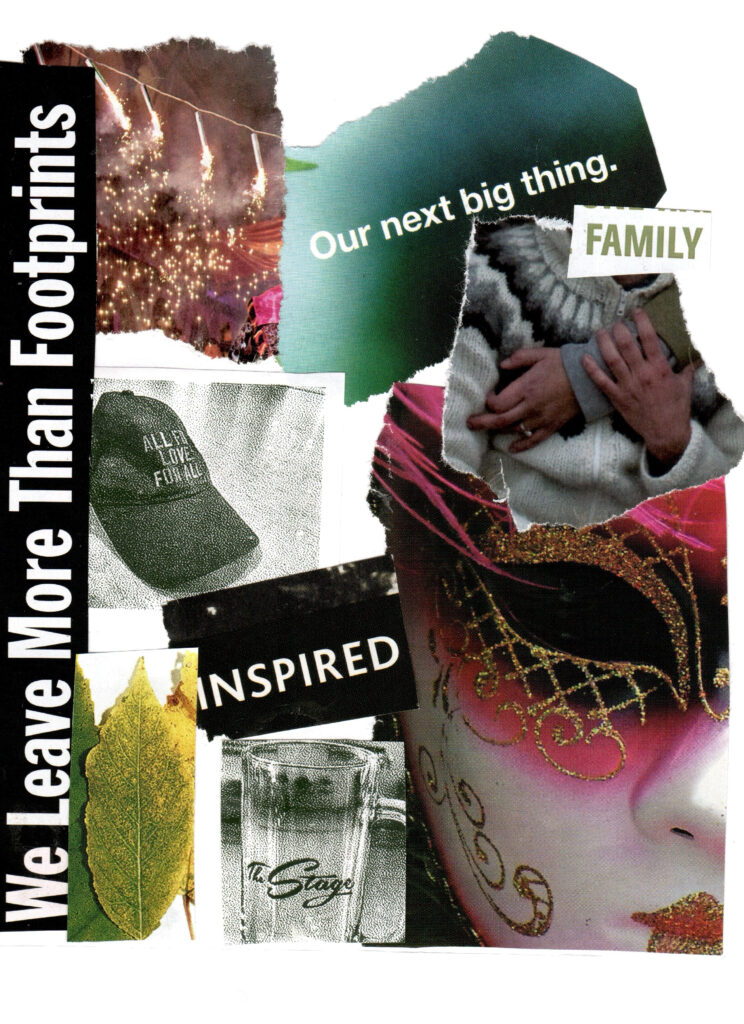
The Mission Culture Days Zine Workshop explored how everyday memories can help document local heritage through collective making. Seven participants took part.
Participants were invited to bring an object or memory connected to Mission, though most arrived with memories instead of physical items. This revealed how stories, emotions, and lived experiences can carry as much meaning as objects themselves.
As participants cut, drew, and assembled a shared zine, conversations naturally emerged about old buildings, changing neighbourhoods, and places that no longer exist. Many reflected on feelings of nostalgia, loss, and belonging, describing Mission as a place that still felt like home.
The zine format created a relaxed, collaborative space where memories could be shared visually and verbally. Through the slow, hands-on process of making, participants were able to reflect together and transform personal memories into a collective record of place.
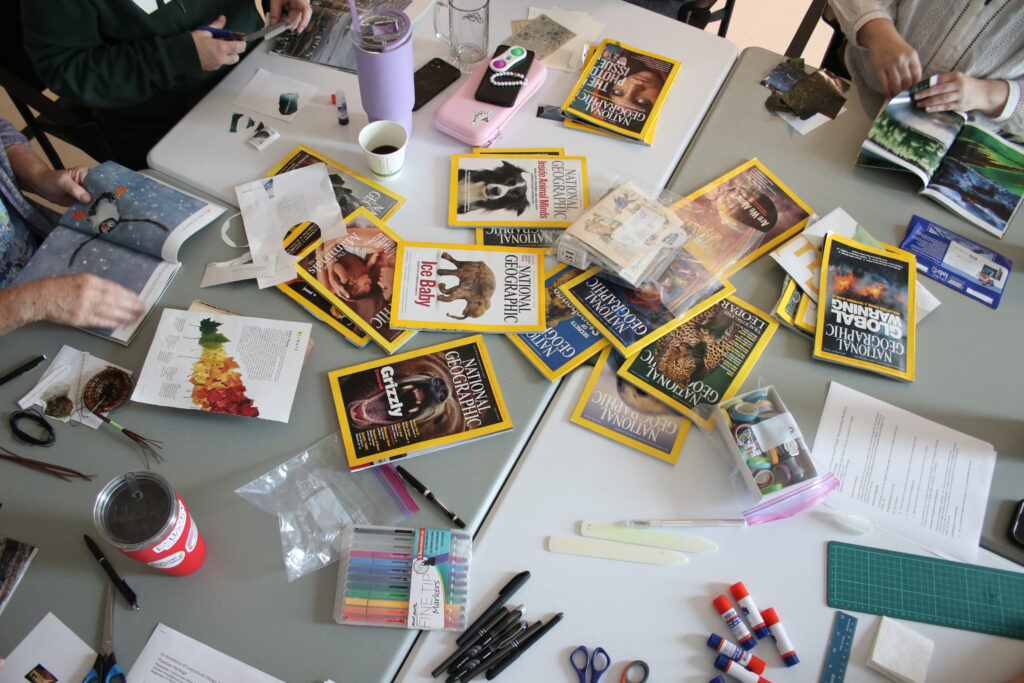
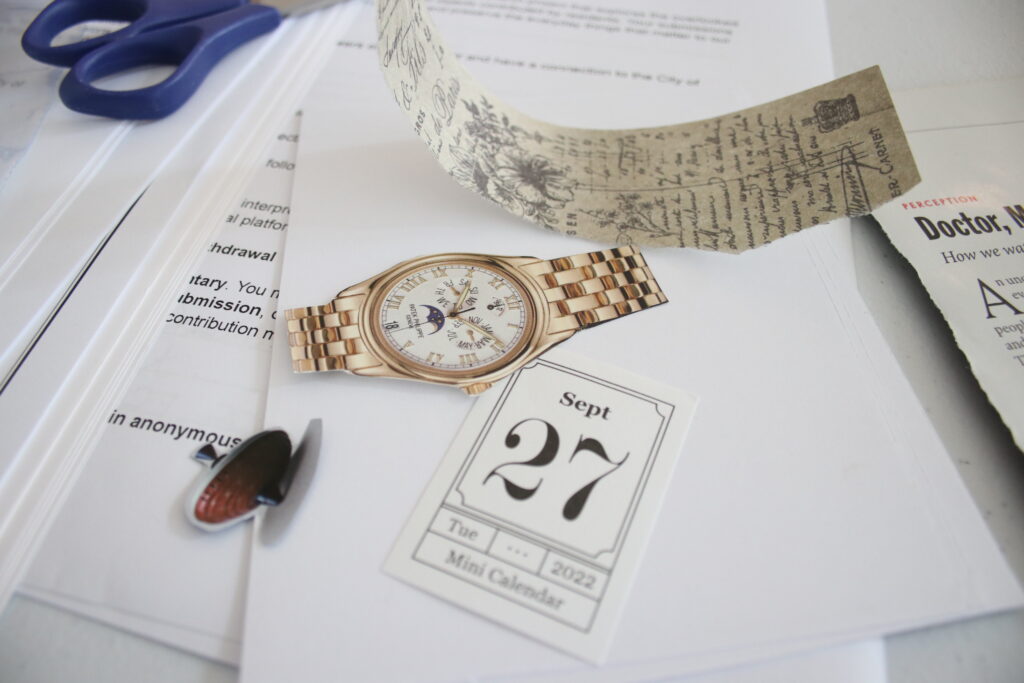
The workshop also became a space for reflection within my own practice. Listening to participants’ stories challenged my assumptions about Mission and revealed the town as a place shaped by many different experiences rather than a single shared narrative.
The memories shared showed that while objects can anchor heritage, it is memory that gives them emotional and cultural meaning. Through drawing and collective making, participants mapped personal experiences of belonging, loss, and connection to place.
This case study reinforced the importance of participatory and affective methods within An Inventory of Unarchived Things. It showed how co-creation and illustration can help surface forms of everyday heritage that are often overlooked or left undocumented.
Affective Drawing Sprint & Community Engagment
In this studio case study, I used a series of short drawing sprints to explore how ordinary objects connected to Mission carry emotional and nostalgic meaning. Across several sessions, I created drawings alongside brief written reflections, focusing less on accuracy and more on sustained attention and observation.
One drawing centred on a Mandarin Palace takeout menu kept in a household junk drawer. Over the course of an hour, I drew the menu without planning, paying attention to its texture, wear, and the memories attached to it, crumpled folds, sauce stains, and associations with family meals and routines.
As I continued drawing, the menu shifted from a disposable object to something emotionally significant. It became a record of shared experiences, connection, and everyday life in Mission. The process showed how slowing down through drawing can reveal layers of meaning that are often overlooked in ordinary objects.
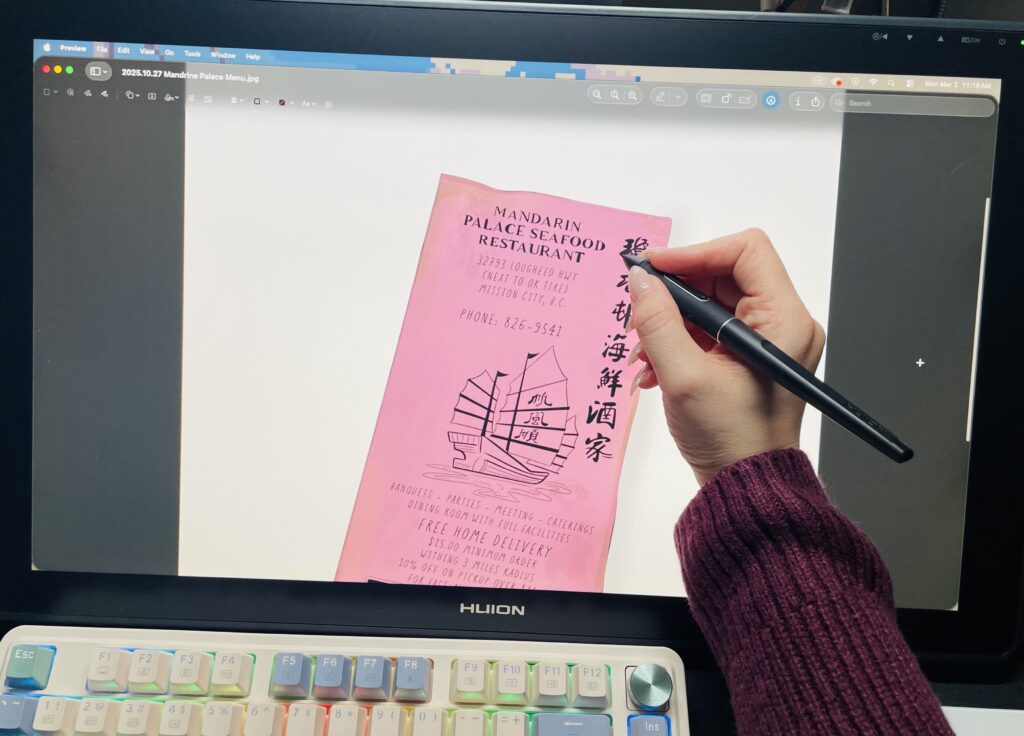
The drawing was later shared on a Mission community Facebook page to invite public responses. Community members shared around twenty stories about Chinese food in Mission, many centred on family, routine, nostalgia, and belonging.
These responses echoed themes that had also emerged during the zine workshop, showing how shared memories consistently surfaced across different participatory settings. Rather than functioning as a finished artwork, the illustration became a prompt for conversation and collective memory, inviting community members to contribute to a shared story about place.
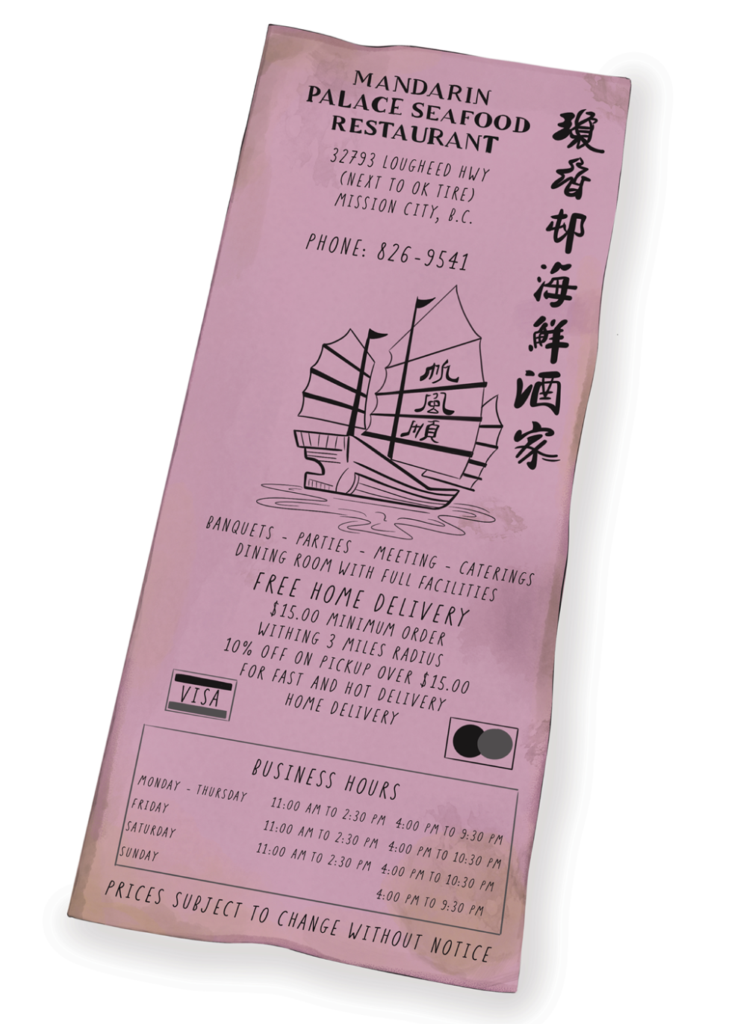
The drawing was later shared on a Mission community Facebook page as a prompt for response. Community members contributed approximately twenty short stories recalling Chinese food in Mission, many echoing themes of family, routine, nostalgia, and belonging. These responses closely mirrored narratives shared during the zine workshop, reinforcing the consistency of affective themes across different participatory contexts. The illustration functioned less as a finished artifact than as an invitation, activating collective memory and positioning community members as contributors to a shared narrative.
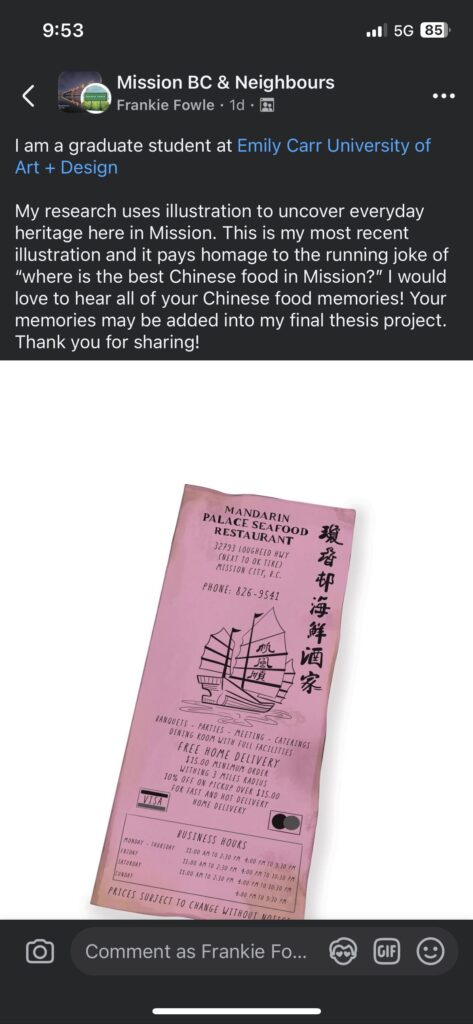
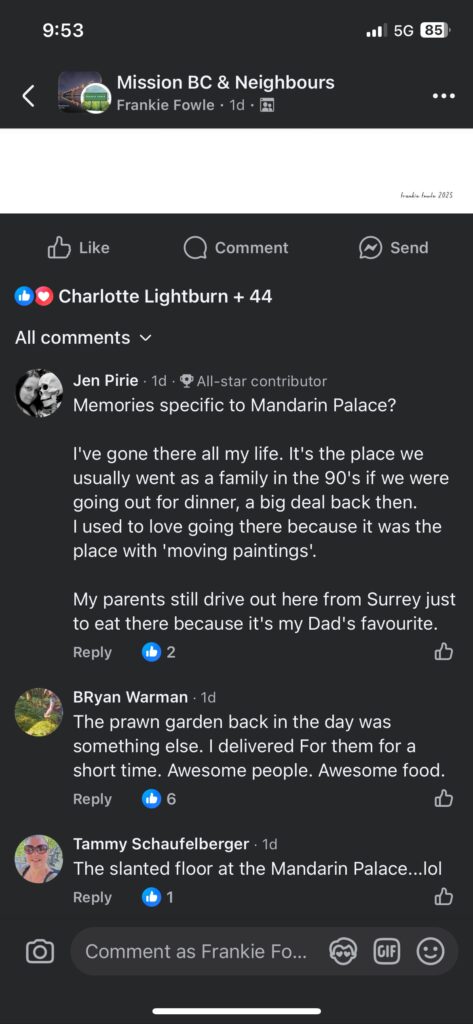
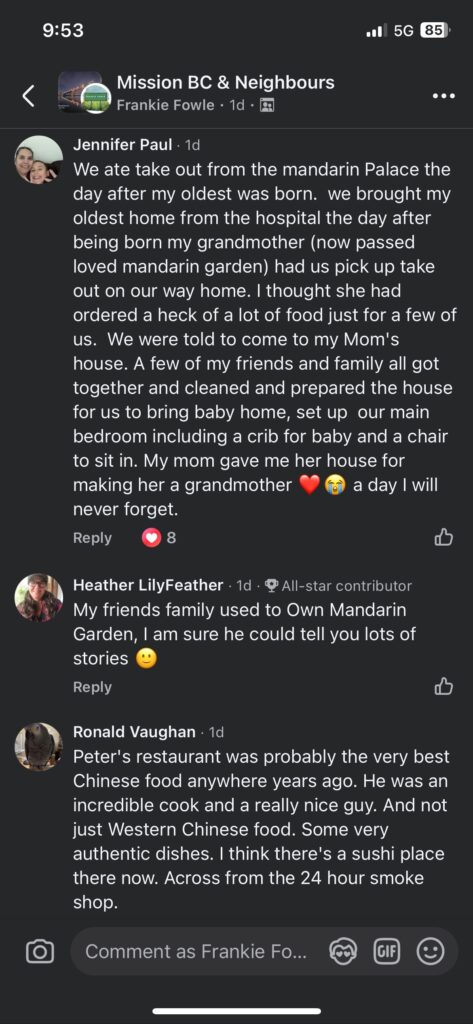
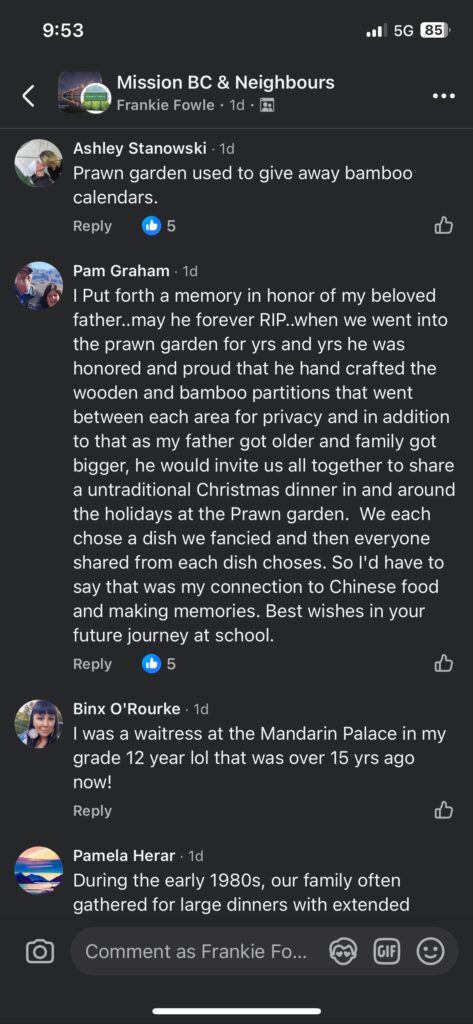
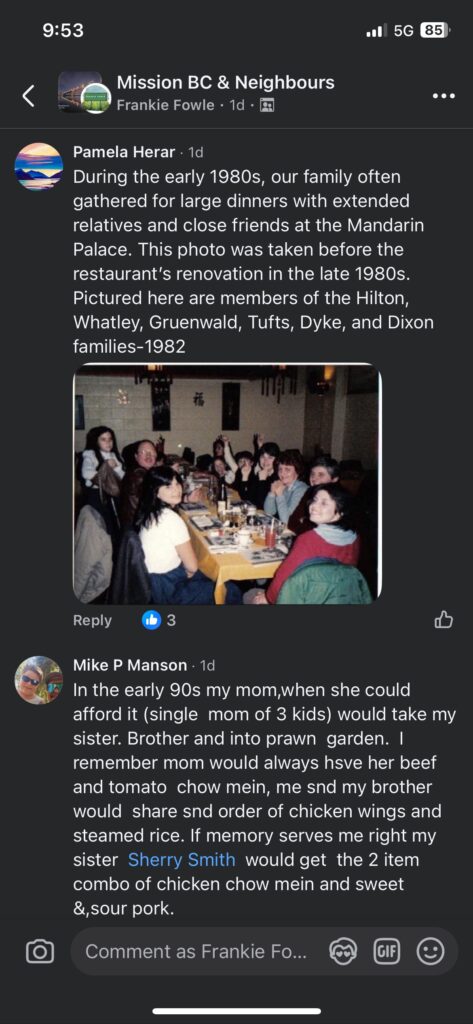
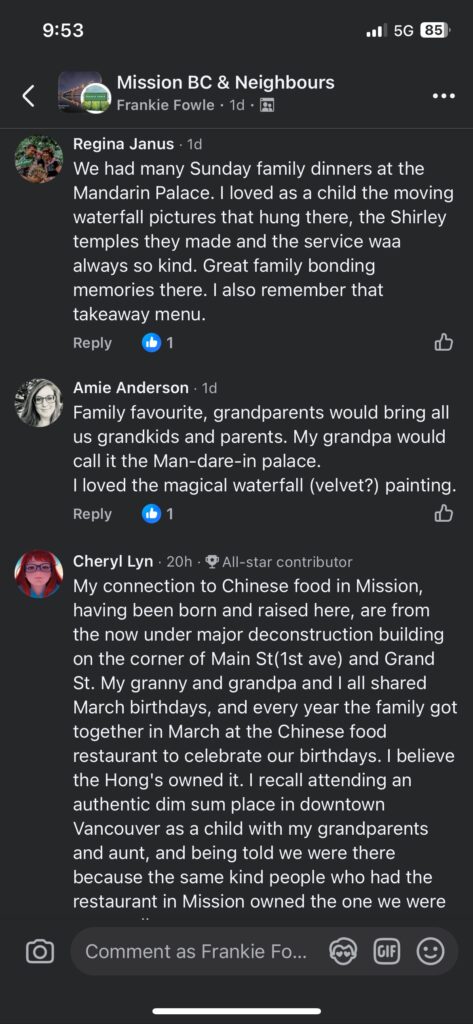
This case study demonstrates how affective drawing sprints operate as a method for accessing everyday heritage. Through slow, attentive illustration, ordinary objects become sites where personal memory, community identity, and place-based meaning converge. The process confirms that illustration can surface forms of heritage that remain largely absent from formal archives, while also creating openings for communal recognition and dialogue.
Manual Drawing
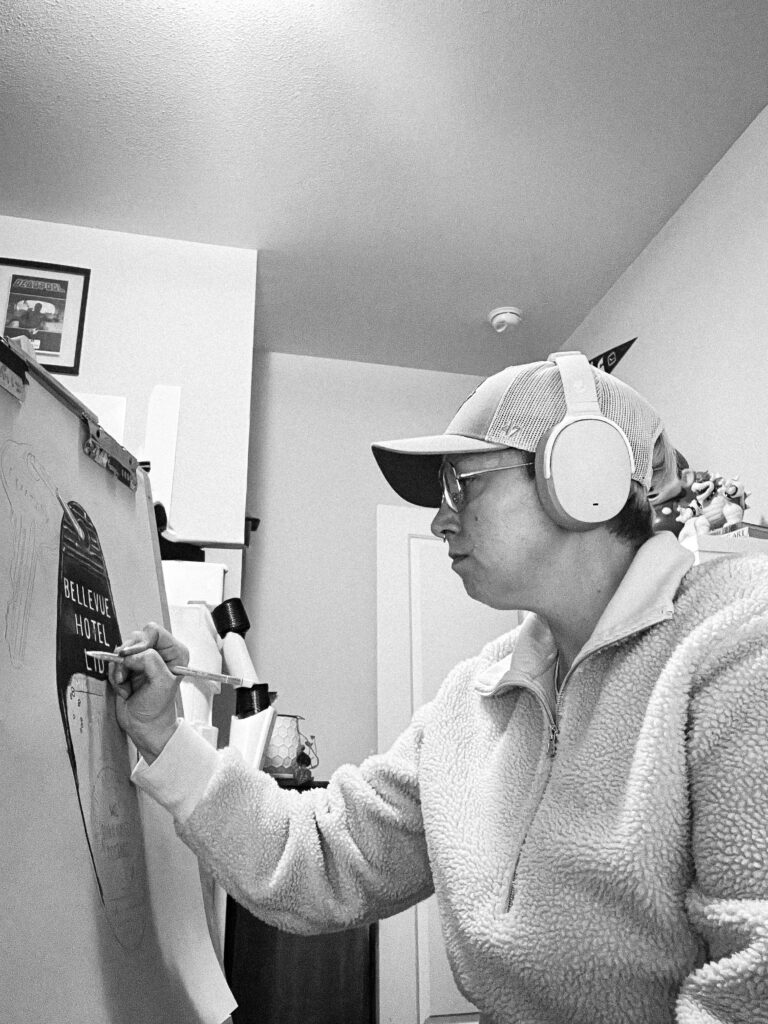
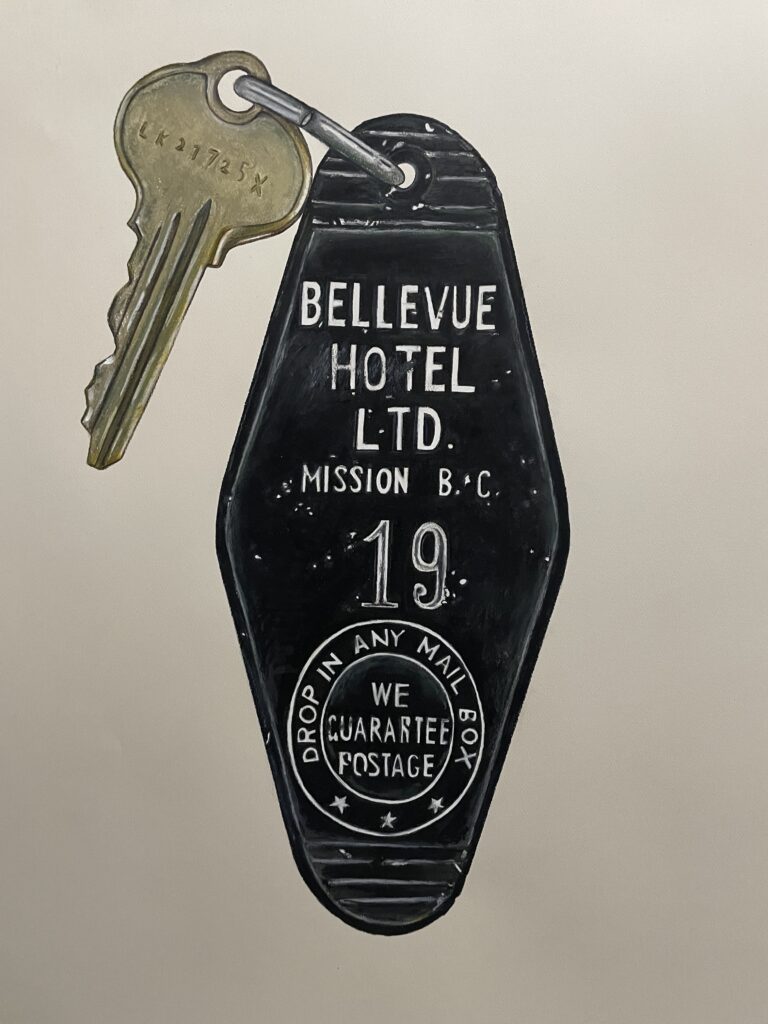
This case study explores how manual drawing with oil pastels can be used to investigate everyday objects connected to Mission’s local heritage. Moving away from digital tools created a slower, more physical way of working, one shaped by touch, material resistance, and close observation.
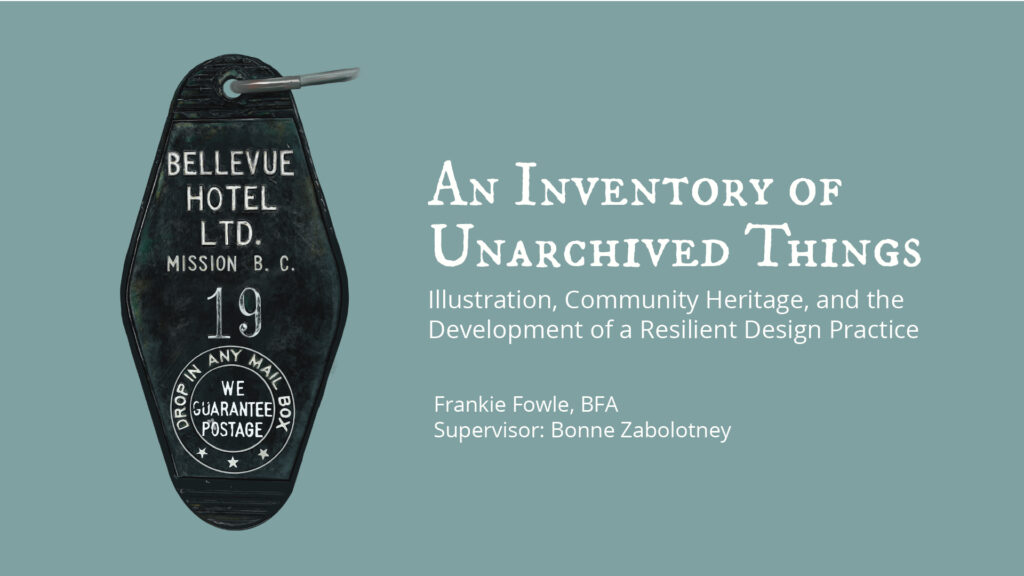
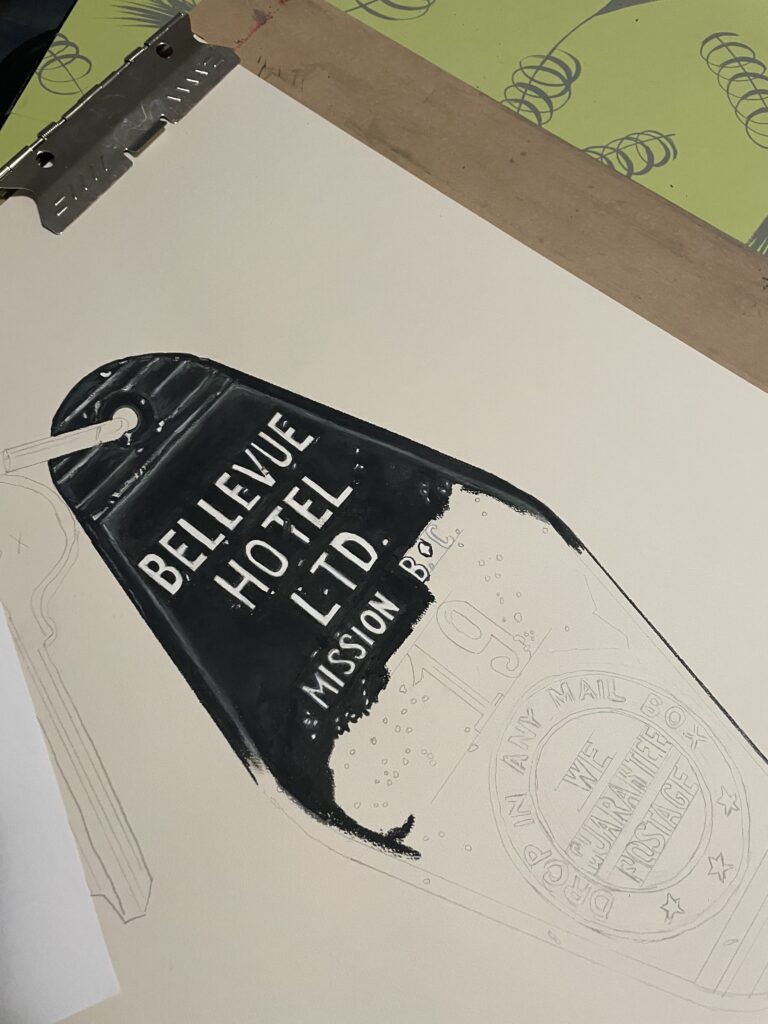
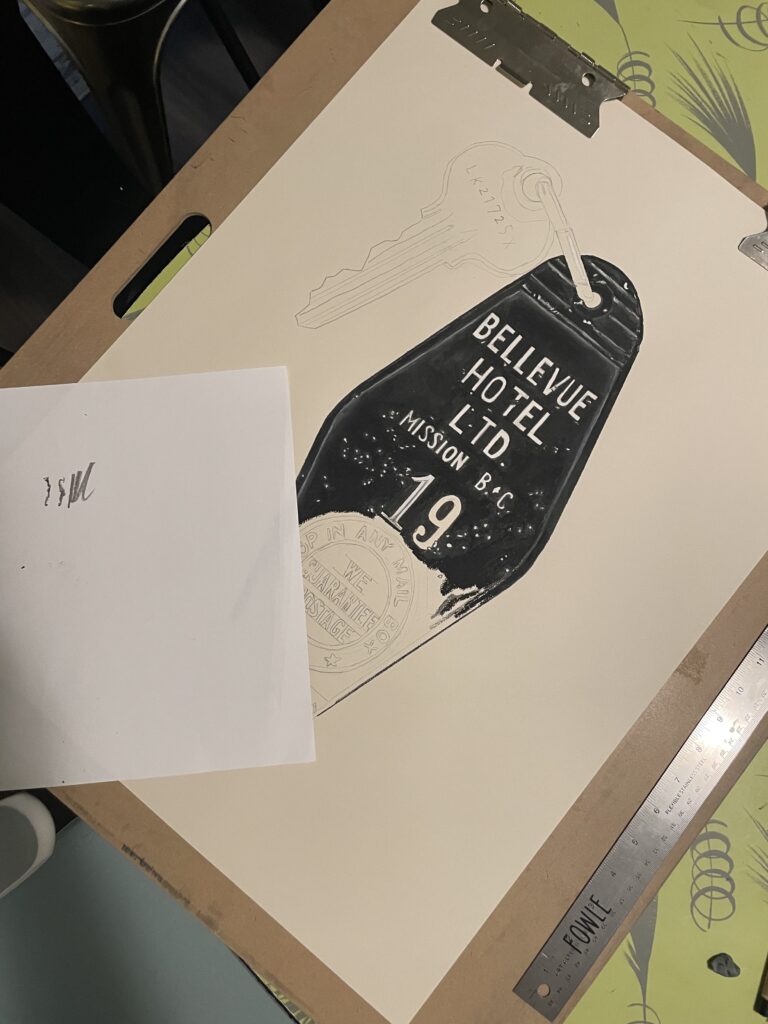
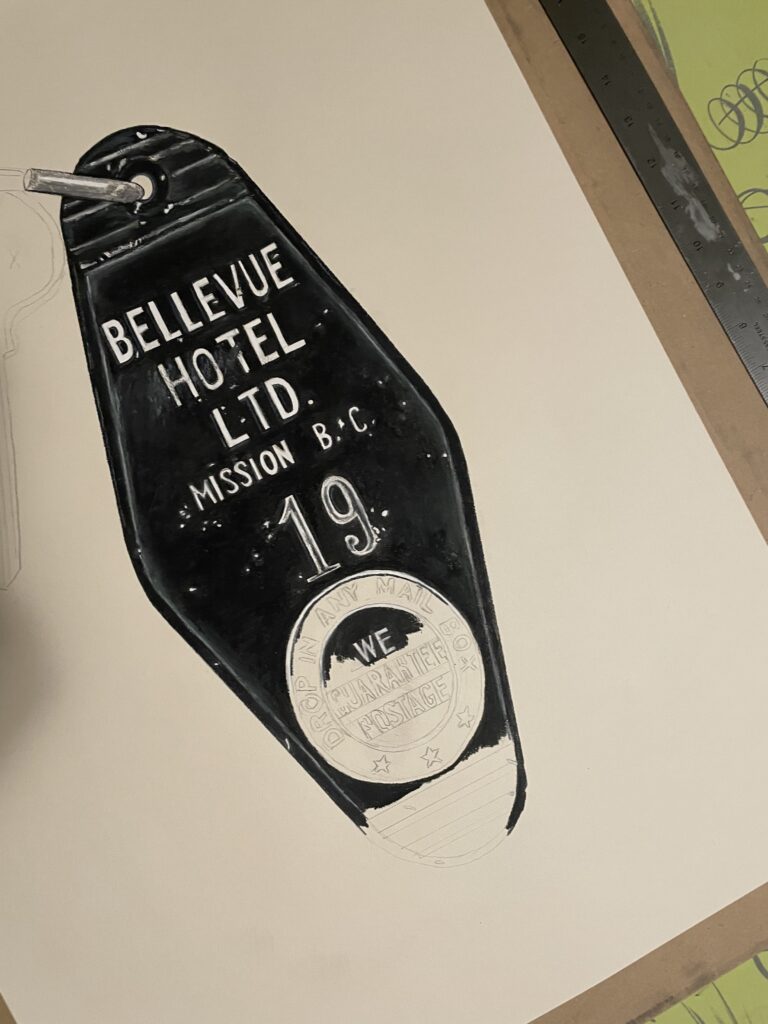
The object chosen was a Bellevue Hotel key tag, a small artifact connected to Mission’s local history. Drawing it by hand created a stronger sense of connection through sustained attention and physical engagement.
Unlike digital drawing, oil pastels could not be easily corrected. Smudges remained visible, pressure left traces, and each mark carried consequence. These limitations slowed the process down, encouraging a more careful and deliberate relationship with both the object and the act of drawing itself.
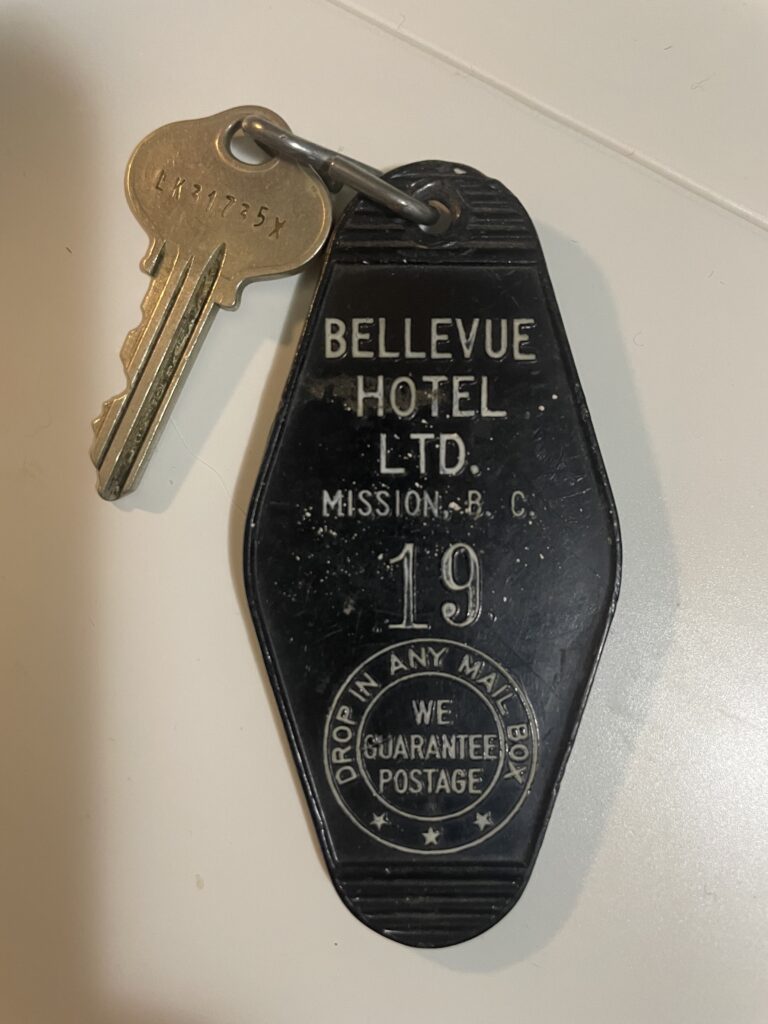
Early stages of the drawing revealed practical challenges, including unsuitable paper and dull tools. Rather than interrupting the process, these setbacks became moments of reflection, showing how materials shape attention and influence the way a drawing develops.
As the work progressed, imperfections, uneven blending, and visible layers became part of the final image, reflecting the worn surface and history of the key tag itself. Working with oil pastels also heightened sensory awareness. Holding the object while drawing encouraged a closer connection through touch, weight, and texture.
Choices about what to include or leave out became interpretive decisions. Instead of aiming for perfect accuracy, the drawing focused on capturing the object’s character, wear, and emotional presence.
This case study shows how manual illustration expands the possibilities of illustration-as-research. Comparing digital and hand-drawn approaches revealed how different tools shape what is noticed, emphasized, or overlooked.
The slower, more physical process of manual drawing encouraged greater attention to material, touch, and detail. In doing so, it reinforced the project’s focus on care, attentiveness, and everyday heritage.
An Inventory of Analysis & Reflection
My research shows that learning and transformation often happen in the unfinished spaces of practice, where making, reflection, and experience remain open and ongoing. Rather than producing fixed answers, illustration became a way of generating insight through attention, uncertainty, and sustained engagement.
Across the community-based projects, common themes of family, nostalgia, and home consistently emerged in how participants remembered Mission. These findings suggest that everyday heritage is shaped less by official histories and more by lived experiences, emotional connections, and shared routines.
The research also demonstrated illustration’s strength as a flexible research method. Drawing supported observation, reflection, experimentation, and community engagement all at once. Through different materials and processes, illustration helped surface forms of knowledge, emotional, sensory, and personal, that are difficult to capture through text alone.
On a personal level, drawing changed how I relate to everyday objects and places. Slowing down through illustration allowed overlooked details, traces of use, and emotional connections to become visible over time. This process reinforced illustration as a practice grounded in care, attention, and ongoing relationship-building.
This thesis contributes to growing conversations around illustration as a research method and its role in documenting everyday heritage. By combining reflexive and participatory approaches, it shows how illustration can support more thoughtful, affective, and community-centered forms of design research.
At the same time, this work remains situated and personal. The findings are shaped by Mission, British Columbia, and by my own position within the research. Rather than aiming for universal conclusions, the project highlights the value of process, attentiveness, and relational ways of knowing.
Ultimately, this research suggests that illustration’s power lies not in providing final answers, but in its ability to hold space for the everyday, the unfinished, and the deeply human.
An Inventory of A Practitioner Transformed
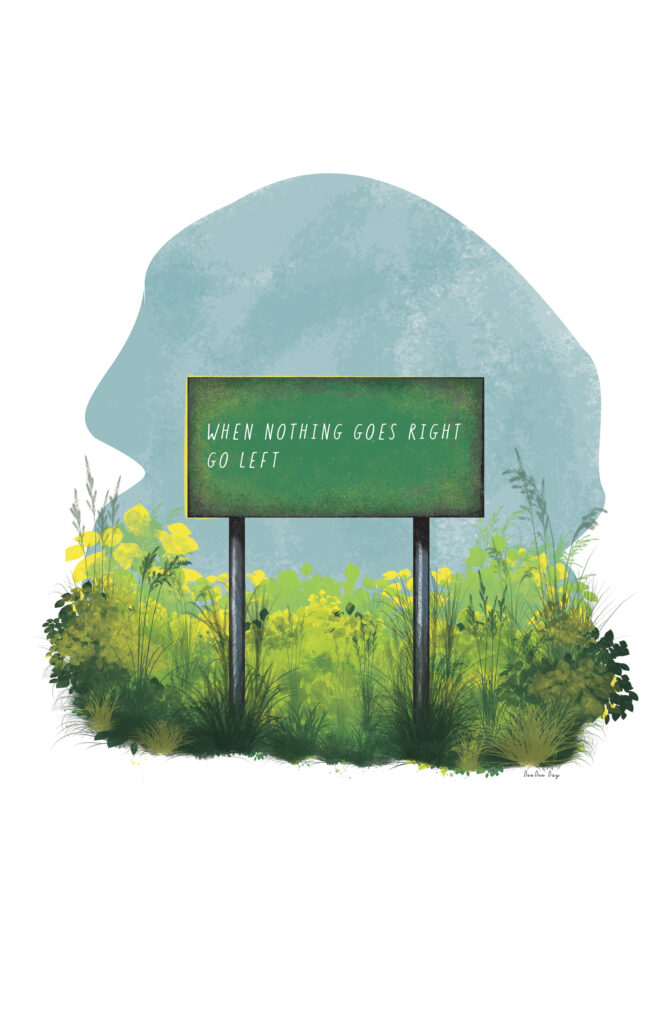
My research fundamentally changed how I understand design practice. I entered the MDes program looking for a way of working that felt more attentive, meaningful, and sustainable, rather than driven only by speed and productivity.
Through illustration-as-research, my practice gradually shifted toward slower forms of attention, reflection, and care.
One of the biggest changes was moving away from output-driven work toward attention-led practice. Drawing slowly and repeatedly taught me to stay with objects, materials, and questions over time. Instead of rushing toward solutions, illustration created space for meaning to emerge through observation, uncertainty, and repetition. This changed how I measure the value of design work, focusing less on efficiency and more on the quality of attention involved in the process.
The research also helped me see my own practice as something worth documenting and examining. Through sketchbooks, notes, and reflection, habits and assumptions that once felt automatic became visible. This allowed my practice to evolve more intentionally over time.
Illustration itself also changed meaning for me. It became more than a way to communicate ideas, it became a way of thinking and learning. Experimenting with materials and processes revealed how drawing can surface emotional, sensory, and relational forms of knowledge that are difficult to express through words alone.
My relationship to community and place also shifted. Through workshops and memory-based projects, I came to understand heritage as something ongoing and relational rather than fixed or complete. Instead of simply interpreting stories, my role became creating space for memories, emotions, and experiences to emerge through shared attention and making.
Together, these experiences transformed my practice from one shaped by speed and professional habit into one grounded in slowness, reflexivity, and care. The MDes program gave me the space to build a practice that feels sustainable, accountable, and deeply connected to everyday life, a foundation that will continue to shape my work beyond this thesis.
About The Designer
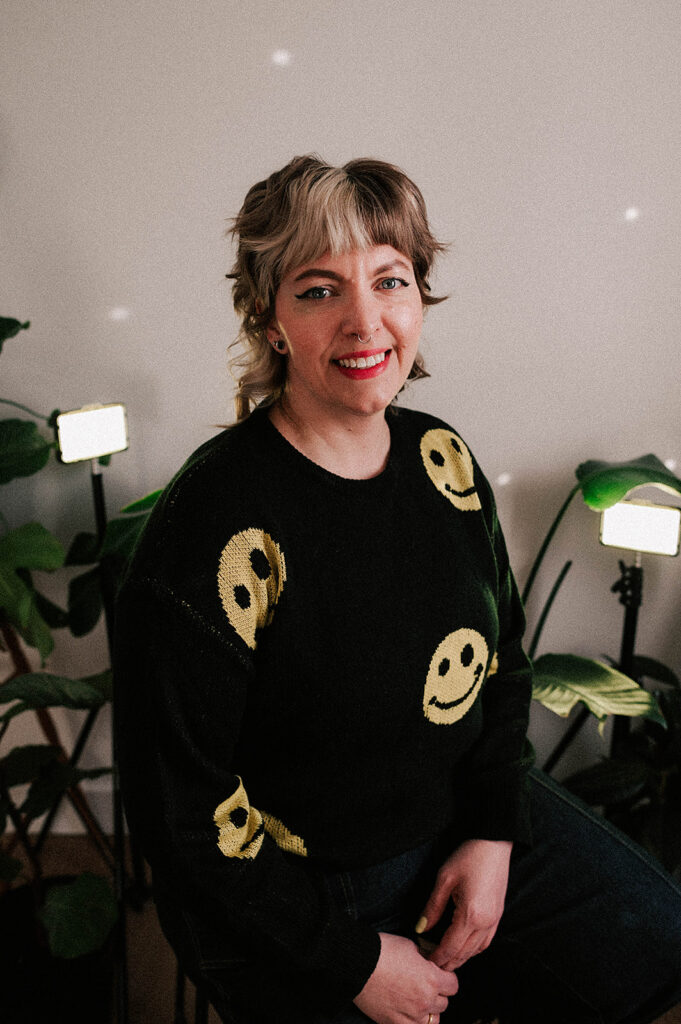
Frankie Fowle
Frankie Fowle is a designer, illustrator, and researcher whose work explores the cultural significance of everyday life. Through illustration, community engagement, and practice-led research, her work examines how ordinary objects, places, and memories can reveal overlooked forms of local heritage and collective identity.
Her graduate research, An Inventory of Unarchived Things, investigates illustration as a qualitative research method, using slow and sustained drawing practices to uncover the emotional and cultural narratives embedded within everyday objects. Rooted in Mission, British Columbia, her work is interested in memory, affect, material culture, and the ways communities form connections through shared experiences and lived environments.
Frankie’s practice combines illustration, storytelling, and reflexive design methodologies to create work that invites people to pause, reflect, and reconsider the value of the ordinary. She is particularly interested in participatory and co-designed approaches that engage communities in documenting and preserving the textures of everyday life before they disappear.
Contact Frankie
email: frankiegfowle@gmail.com
portfolio: https://frankiefowle.myportfolio.com
Release Granted