A New Hope [Chest]
Audrey Allanson
ECU Award Recipient
Honourable Mention, DESIS Radical Sustainability Award. Honourable Mention, Emily Carr Alumni Association Graduation Award for Community Engagement.
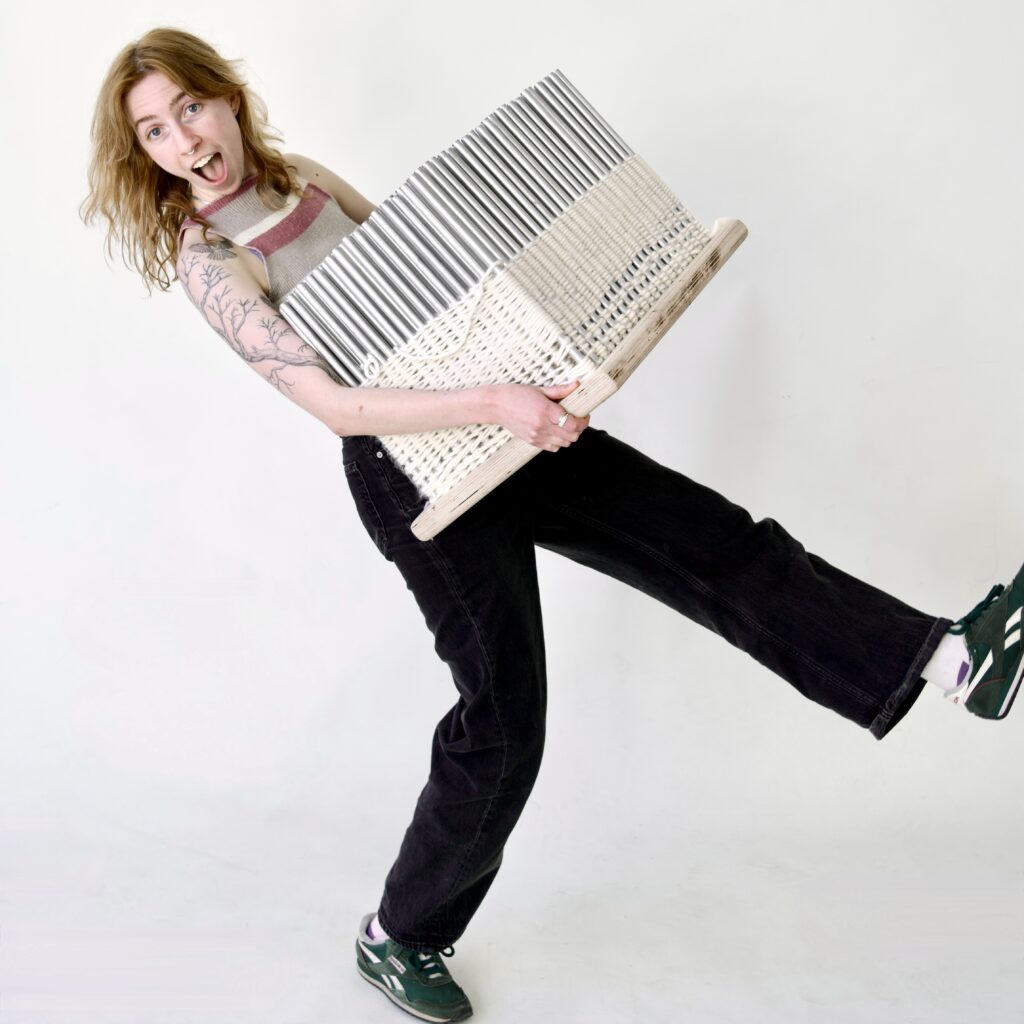
If you could pass just one skill onto every member of the next generation, what would it be?
Now, what if instead of passing down a skill, you had to pass down an object? Would your answer change, or do skill and object begin to blur at the seams? I have spent the year designing in this blurry space, using the hope chest as a catalyst to explore matriarchal knowledge systems, the languages of textiles, and how community craft can forge a path to sustainable social and material change.
[ It Was ]
The hope chest has existed across cultures for millennia, and it is essentially a bridal box, intended to support a daughter in her future duties as a wife and mother. In today’s context, we view the hope chest as a structure that reinforces the expectations a patriarchal society places upon women. But that’s not the whole story…
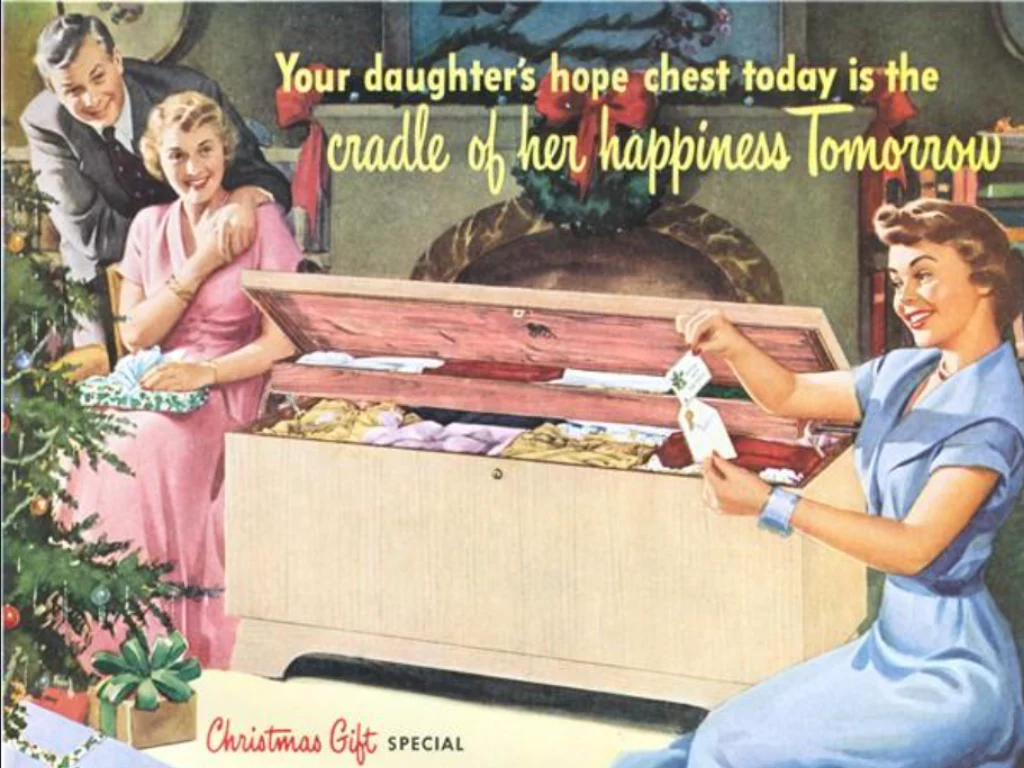
The hope chest was also one of the few stages where domestic textile arts enabled a woman to have influence within society. These skills were highly valued within a culture that prioritized the preservation and repair of heirlooms, instead of a constant cycle of consumerism.
[ It Can Be ]
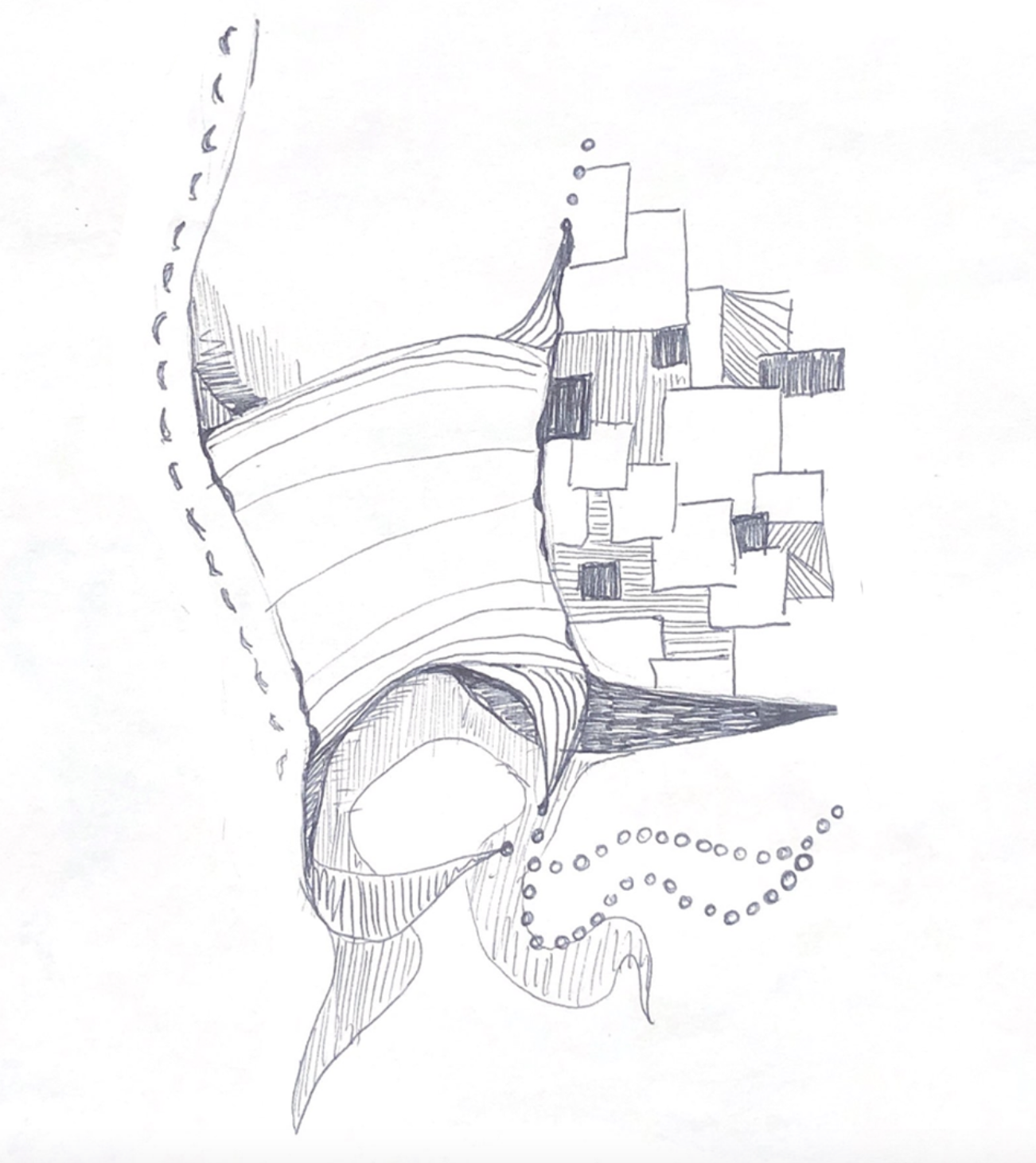
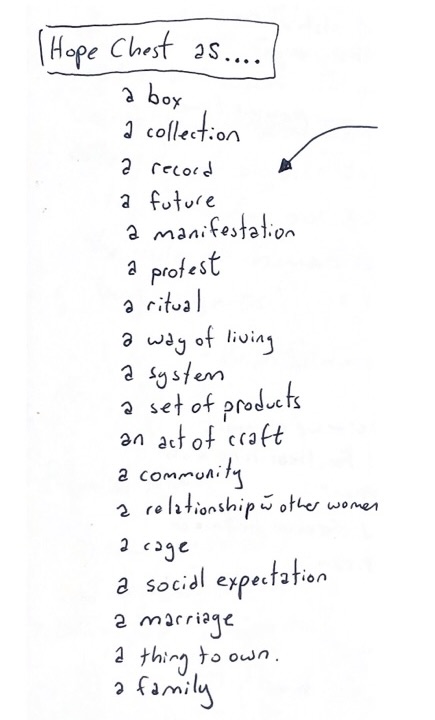
As I uncovered these nuances of the hope chest, I saw a design opportunity. The hope chest can hold both sustainable craft practices and complex, evolving human values. Thus, the hope chest became a prompt…
A vessel to reimagine a more caring, soft, interwoven world.
[ What Goes Inside? ]
I begin by collecting the stories of textile artists like my grandmother.
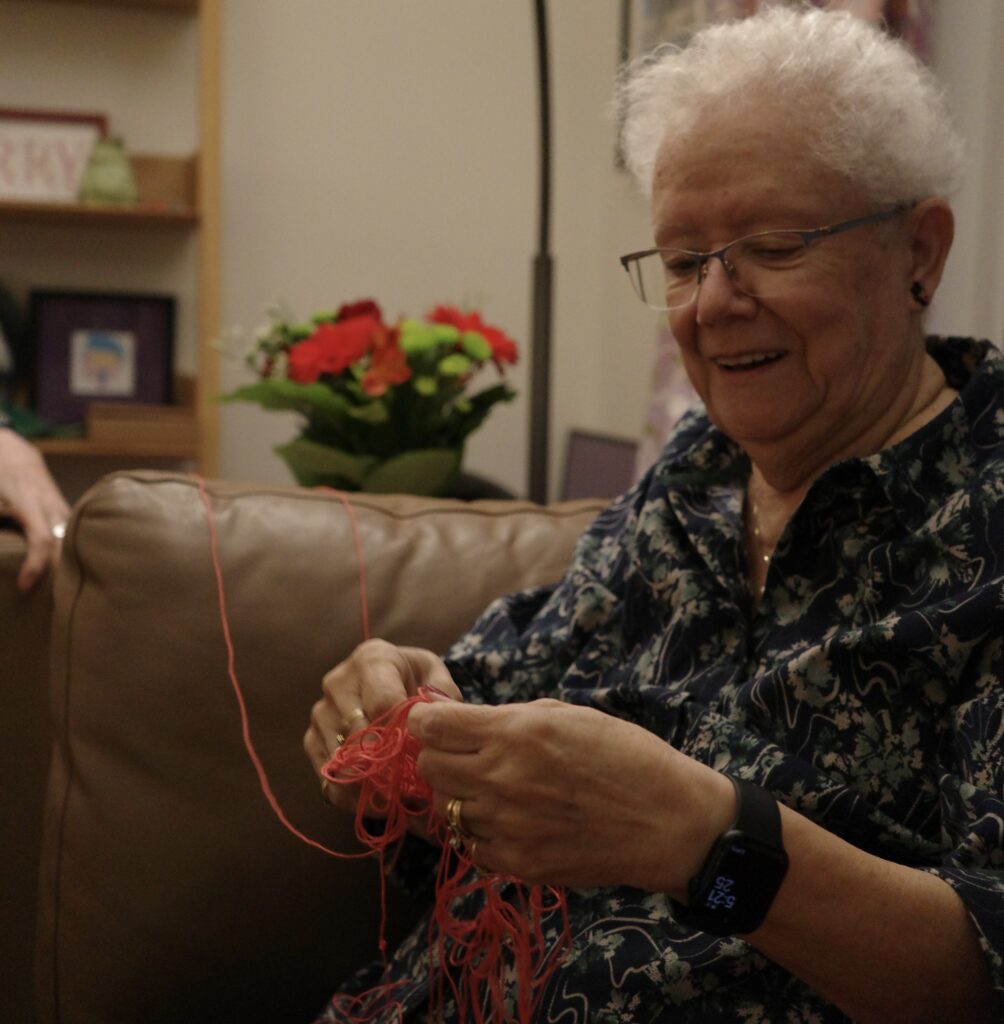
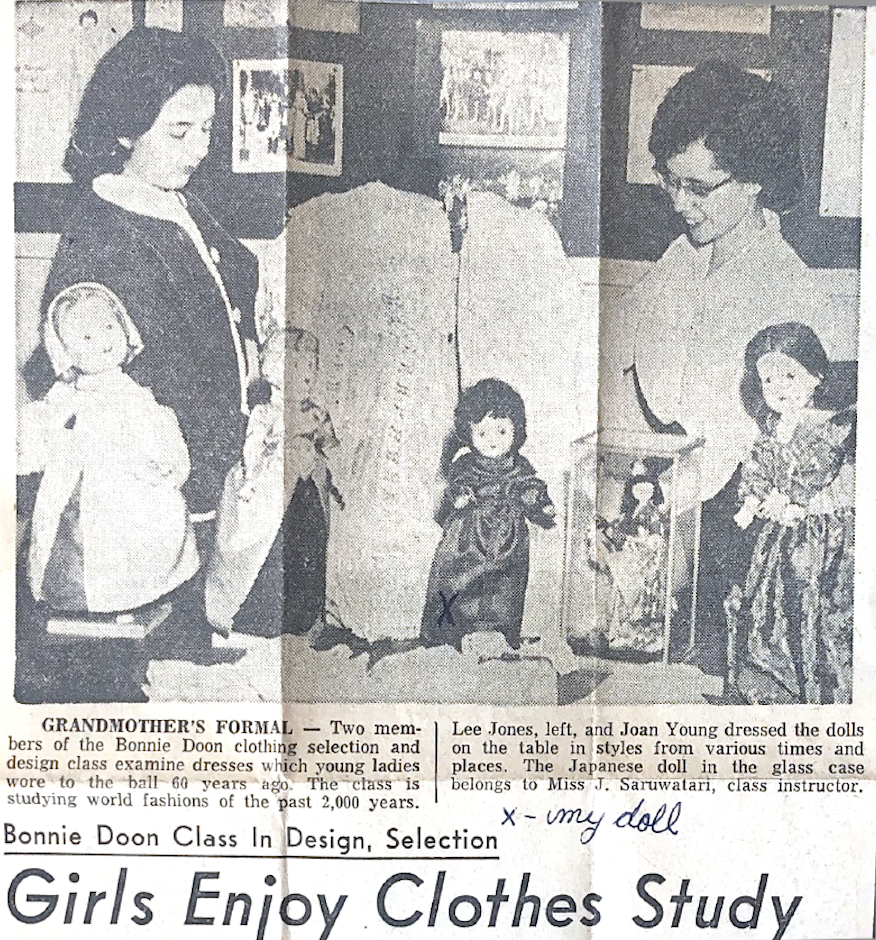
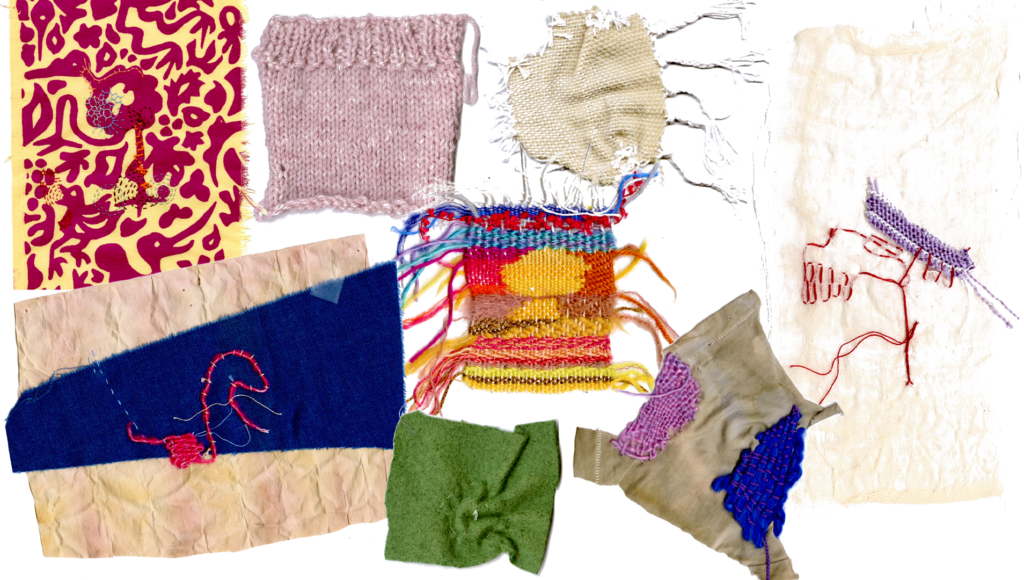
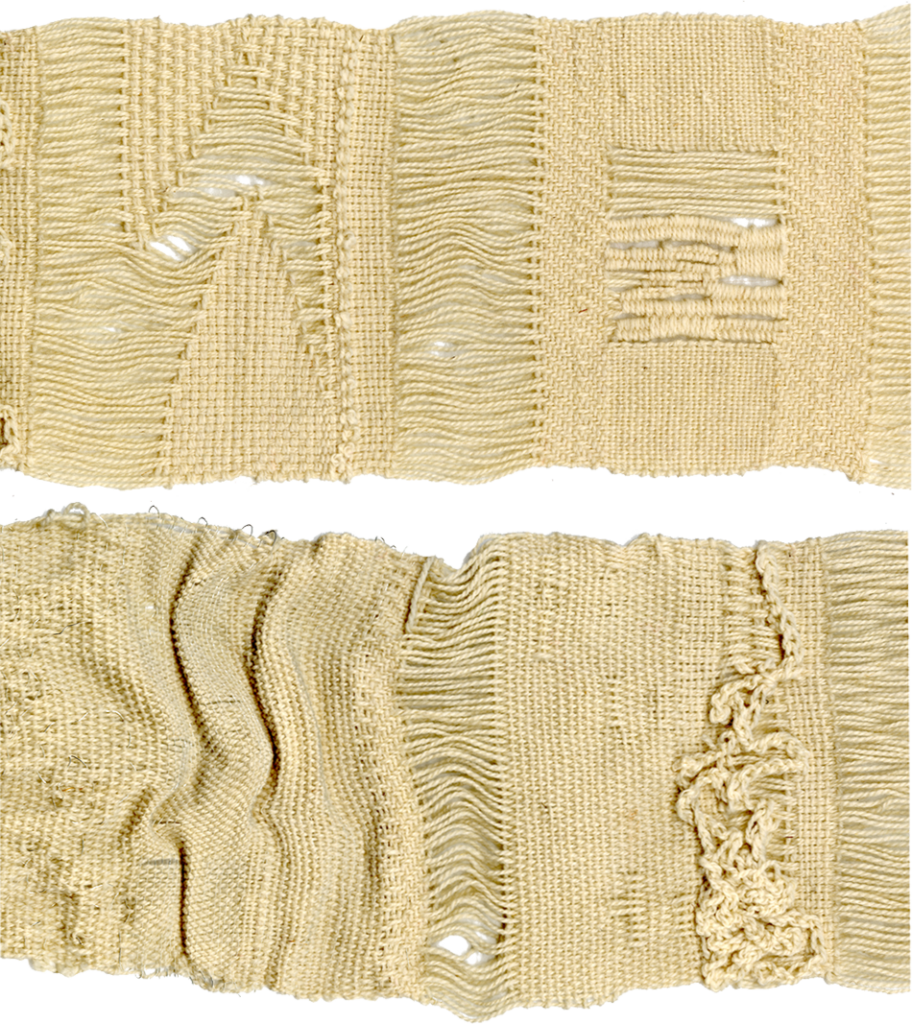
I build material empathy through a sampler of small textile explorations.
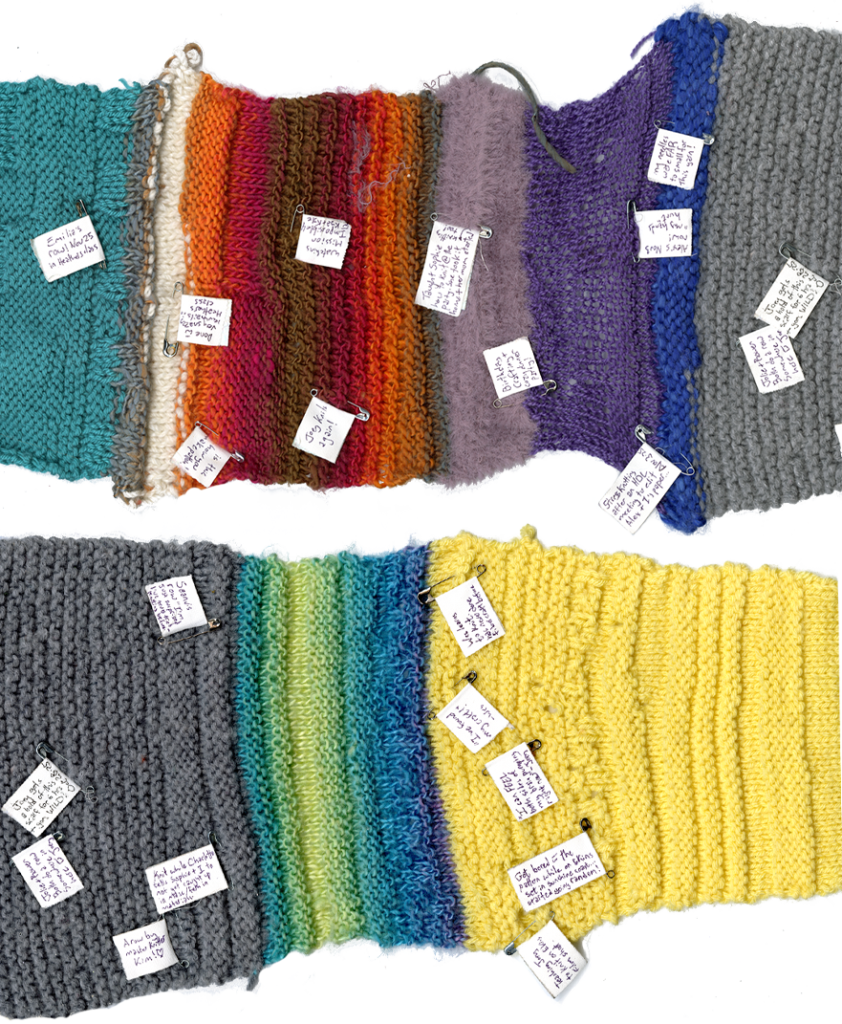
I challenge myself to get better at knitting, and it becomes a community practice. Each tag represents a person who contributed.
I expand this teaching into textile workshops and exhibition curation.
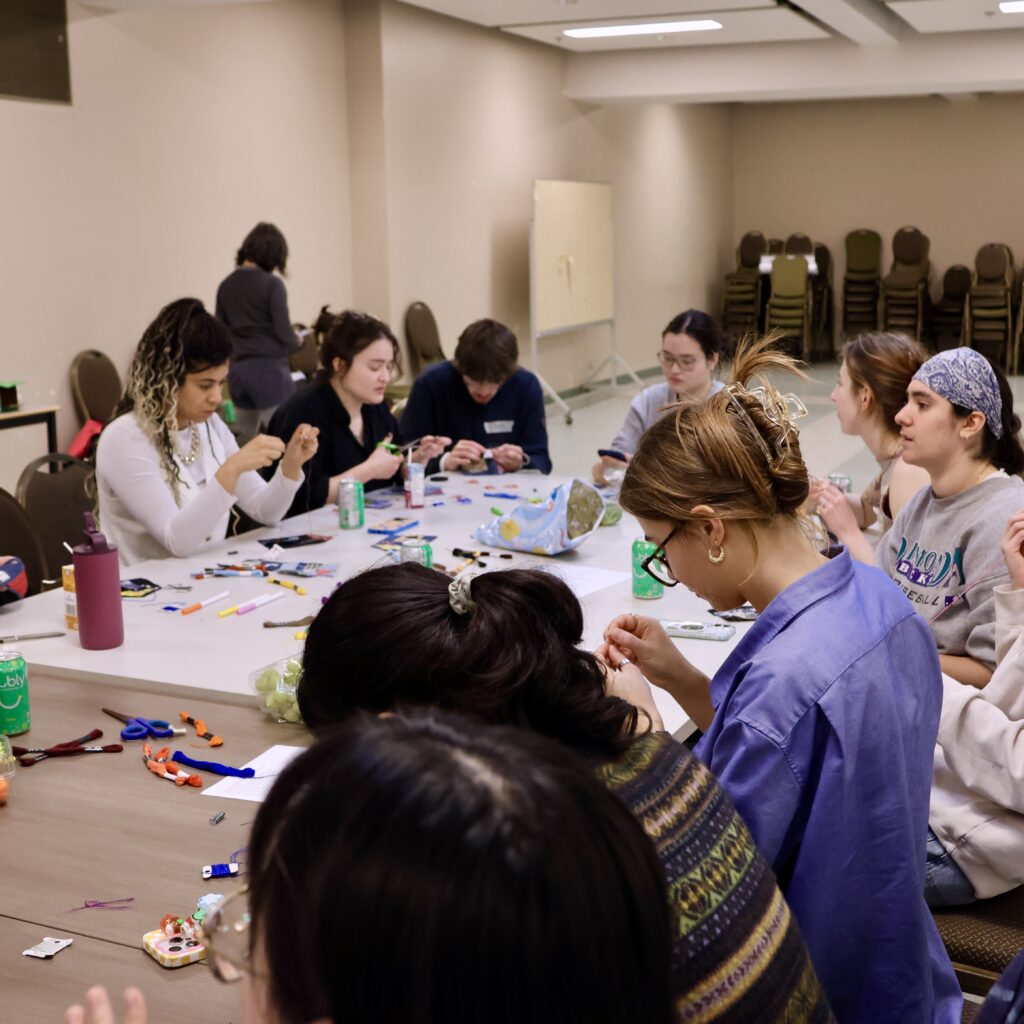
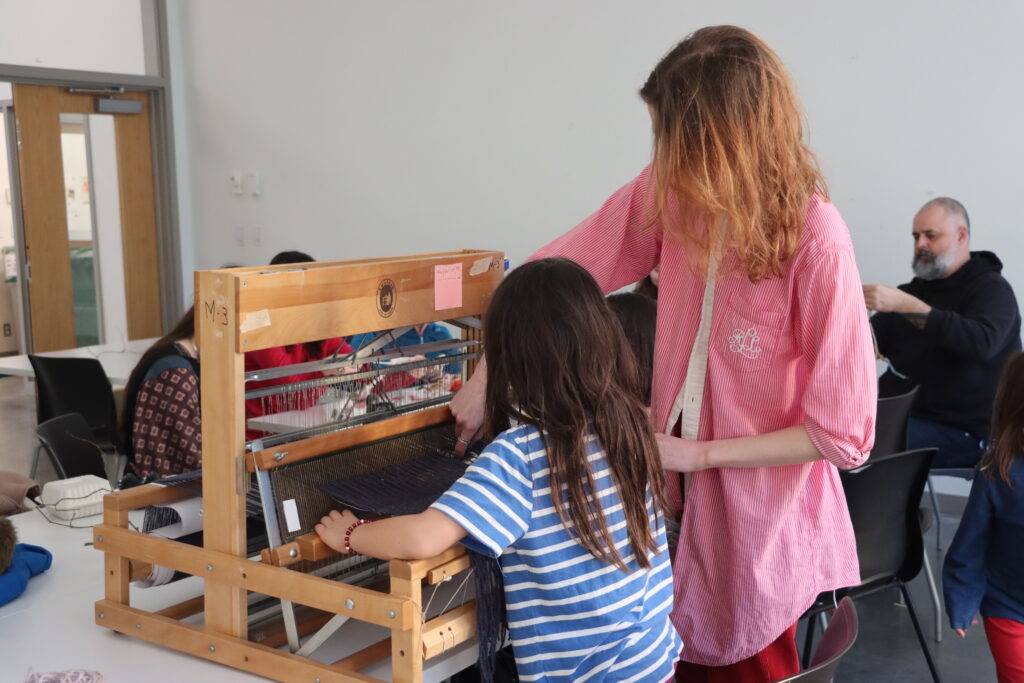
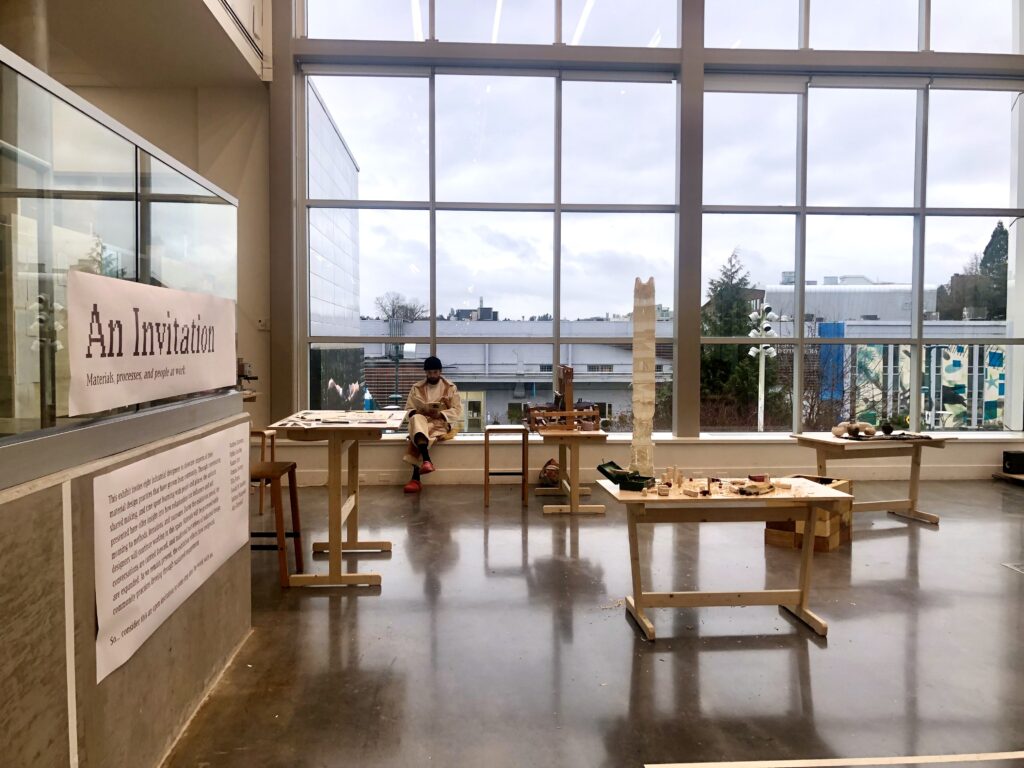
“An Invitation” functioned as an open studio space for research and learning.
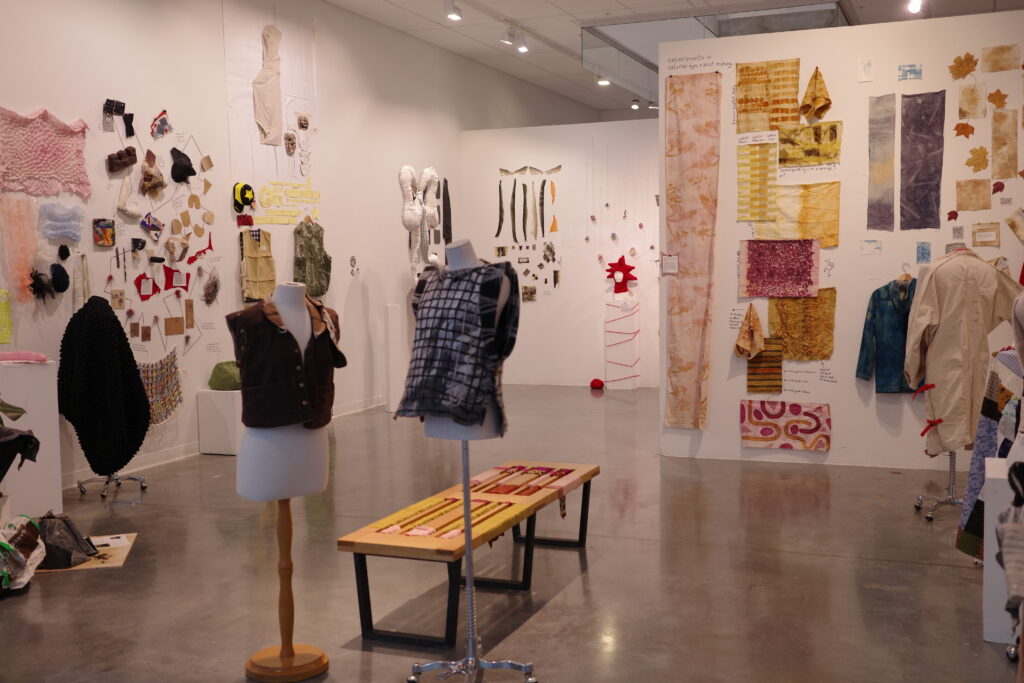
“SWATCH” showcased the diverse ways that designers work with textiles.
Through iterative community engagement and reconnecting with history through materials, my understanding of what a hope chest is filled with shifted. It moved away from objects and towards pedagogy. Textiles became a bridge between the roles of teacher and student. Together, we unpacked our internal biases around perfectionism, found satisfaction in slowness, and sat together sharing stories with busy hands that didn’t reach for our phones.
[ The Chest ]
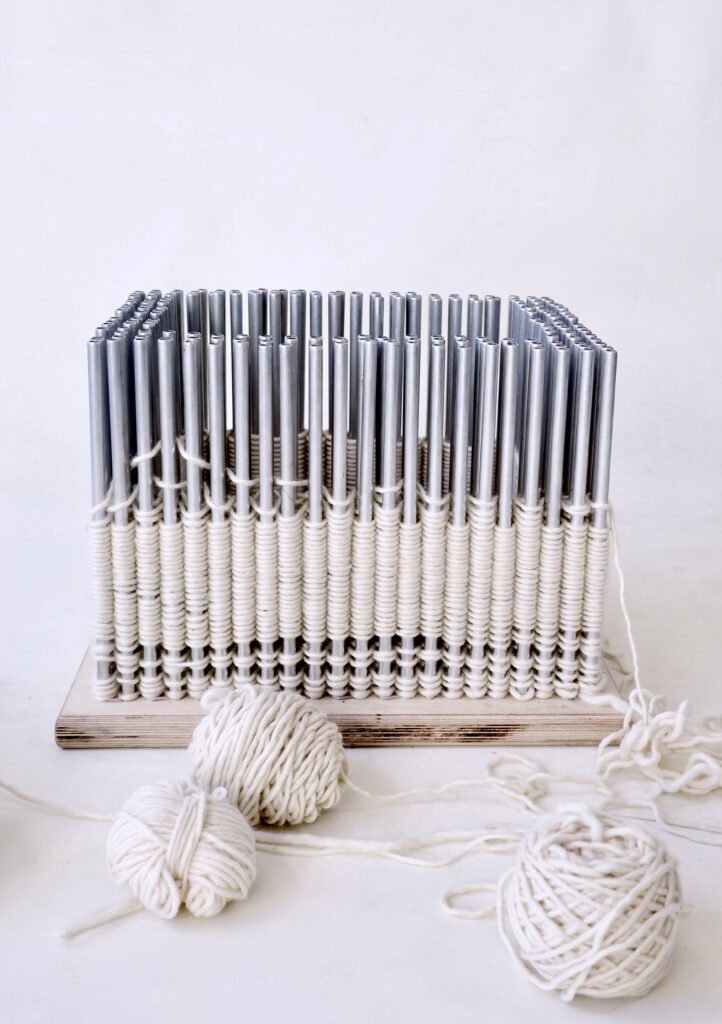
As I was articulating all the practices and engagement that would go inside A New Hope [Chest], I still had an inherent desire to make with textiles on a large scale. This led me to structural weaving and looms. I became fixated on how to make a chest that could hold textile teachings, while also being made completely out of textile.
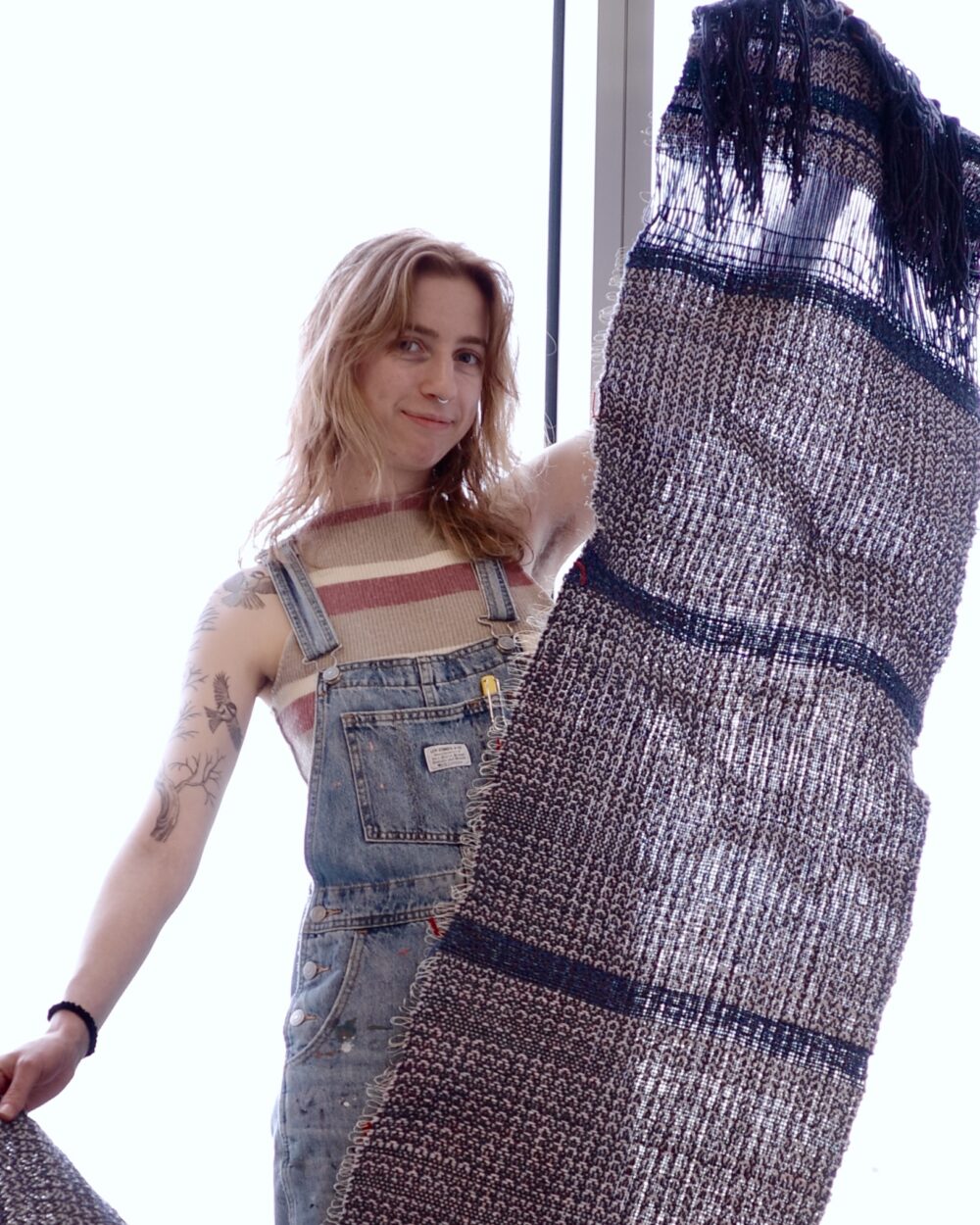
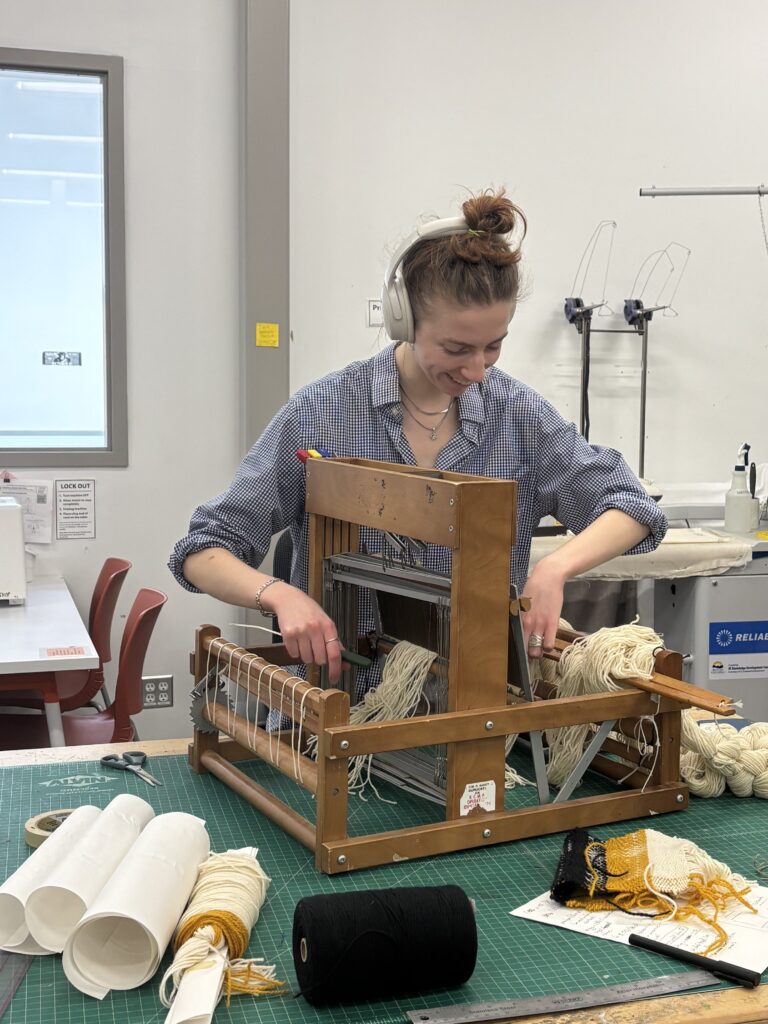
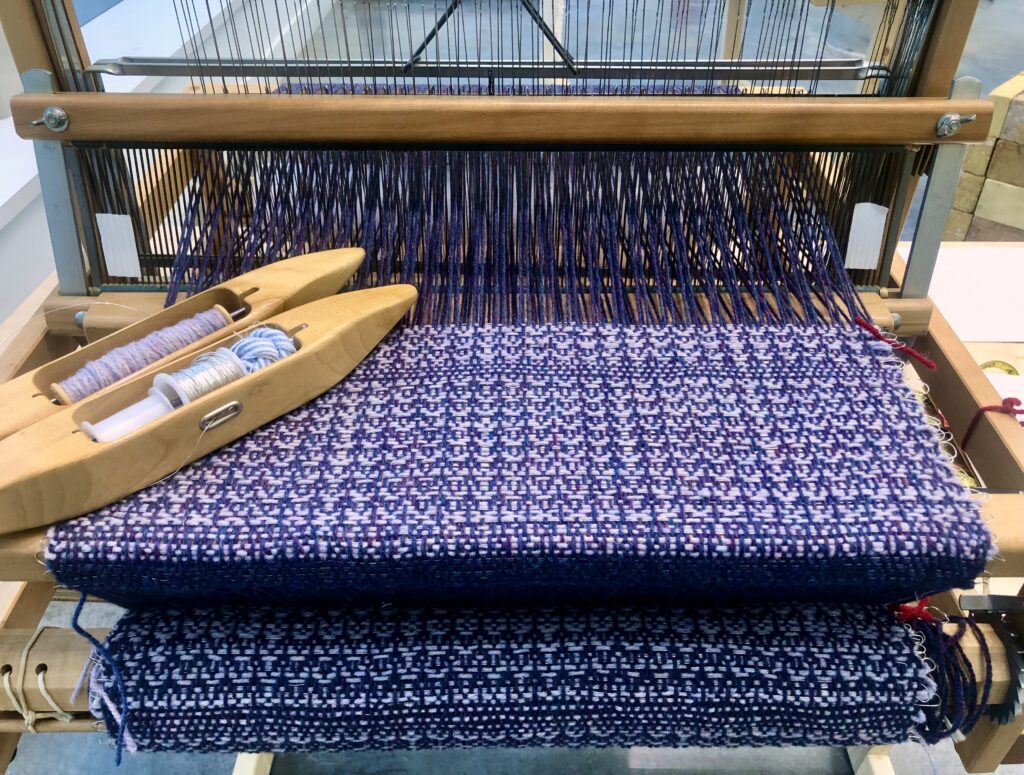
I begin with the Leclerc loom, which asks for two weeks of patience to thread.
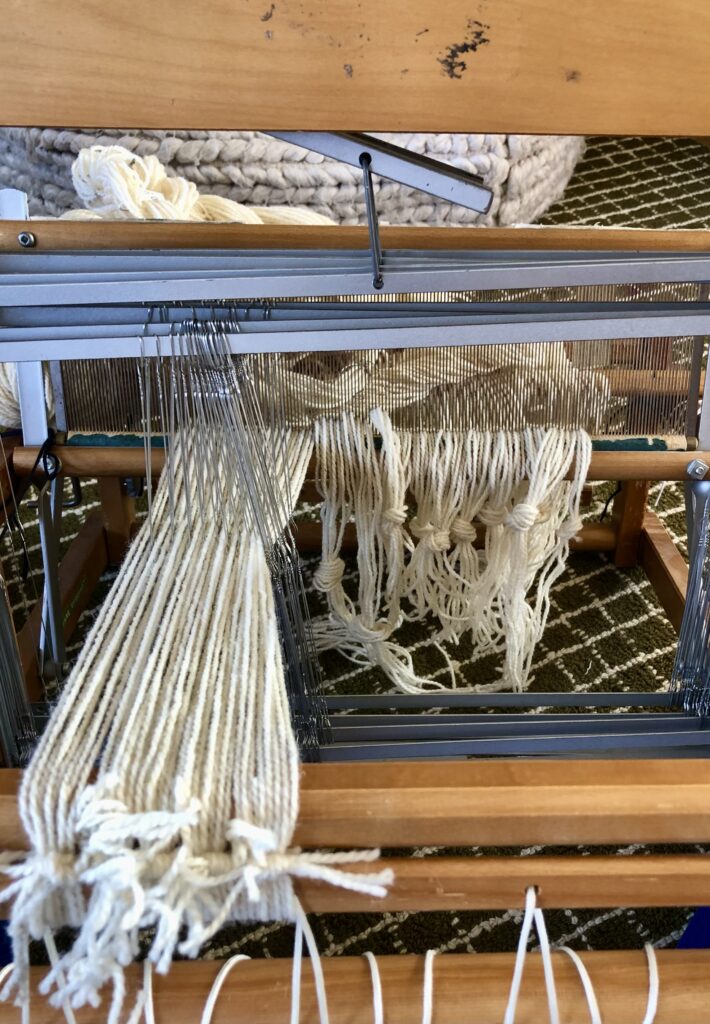
But it also gives me the ability to experiment with custom structural methods like darts, wire, and density.
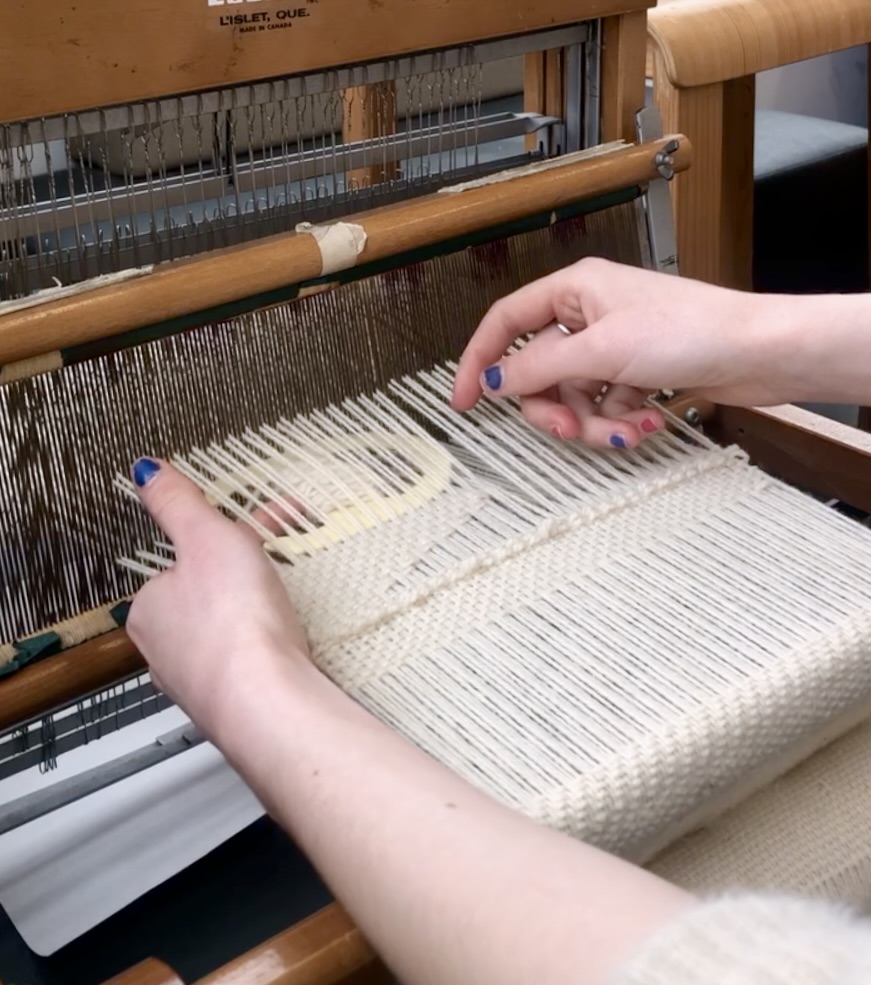
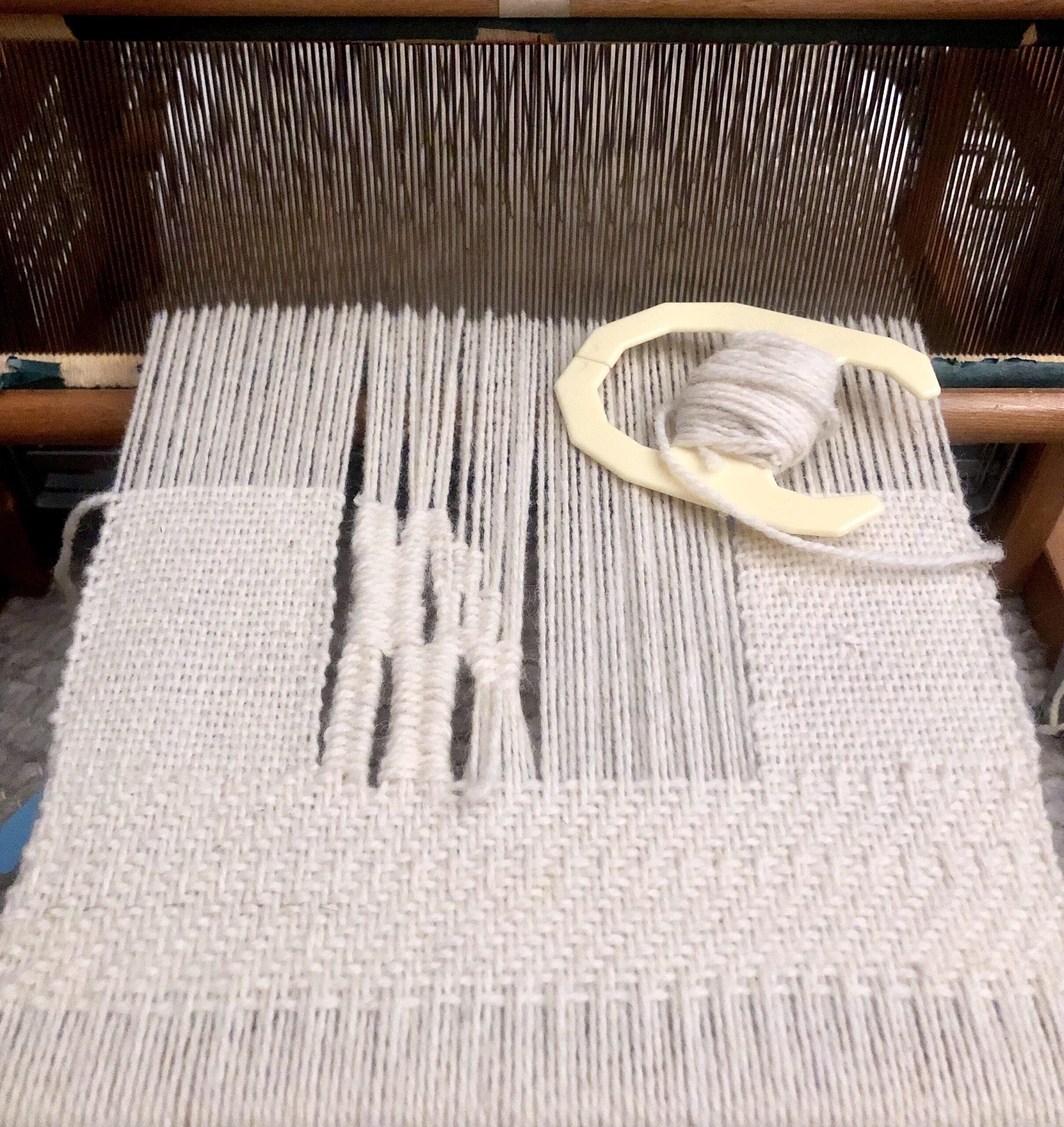
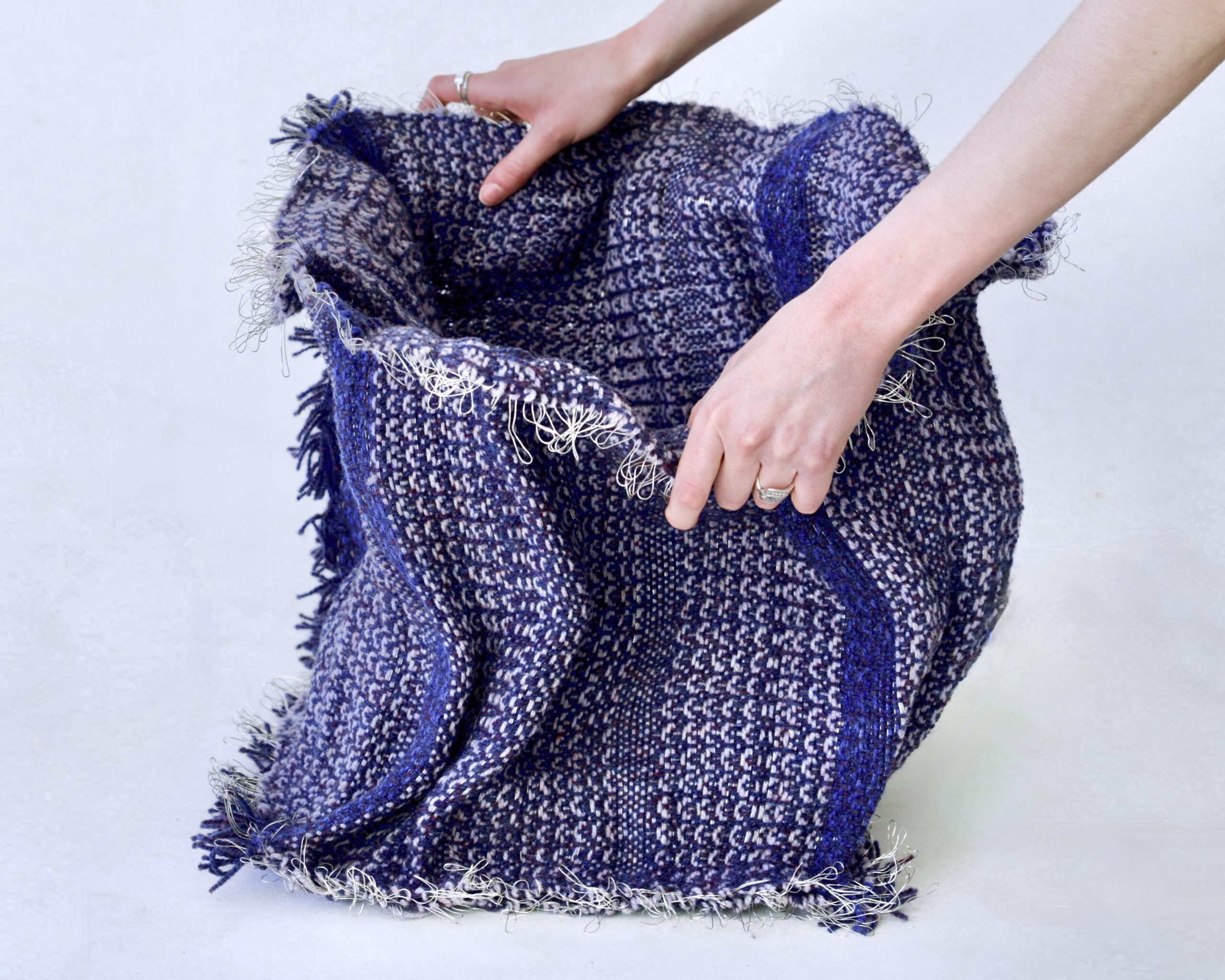
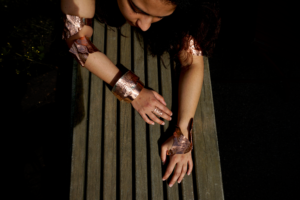
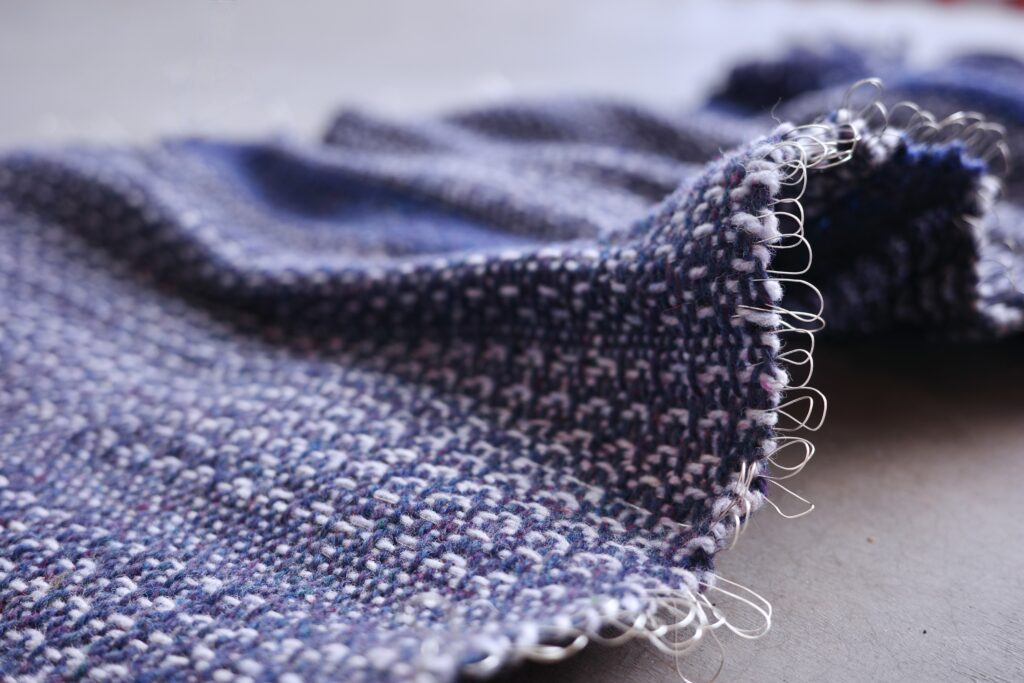
I am drawn to wire and wool and how together they become a moldable plane.
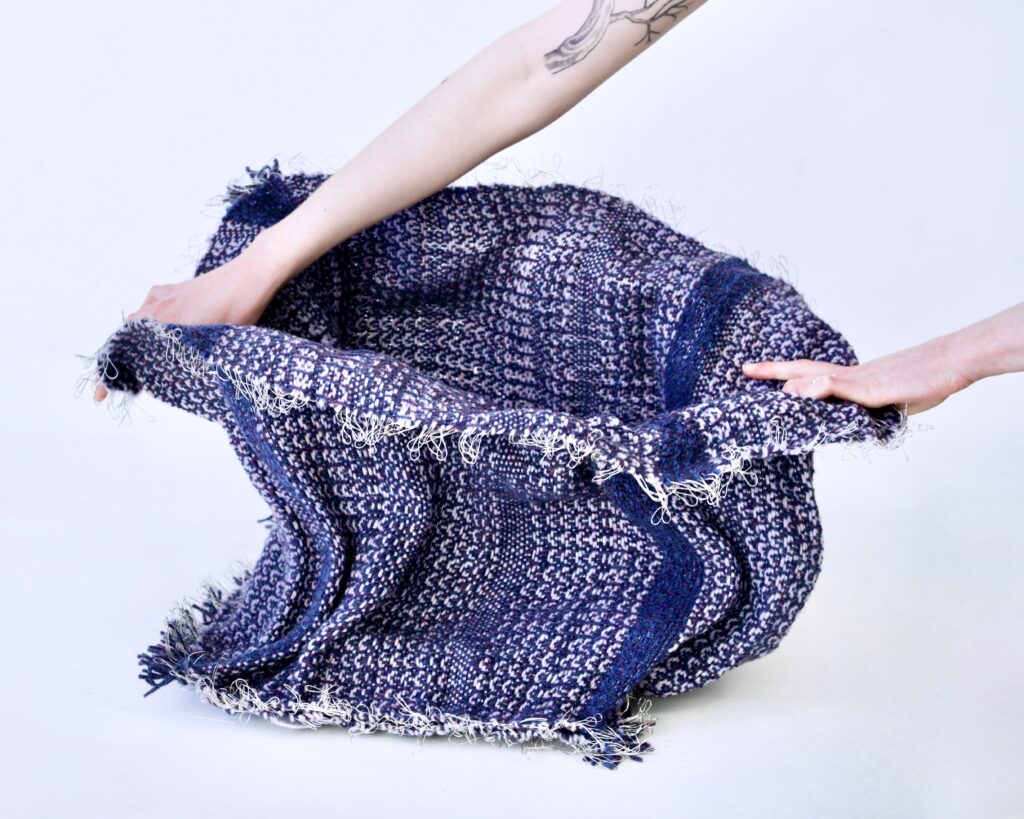
I scale this sample up into a vessel.
I leave the wire edges visible and use a graphic pattern to emphasize movement.
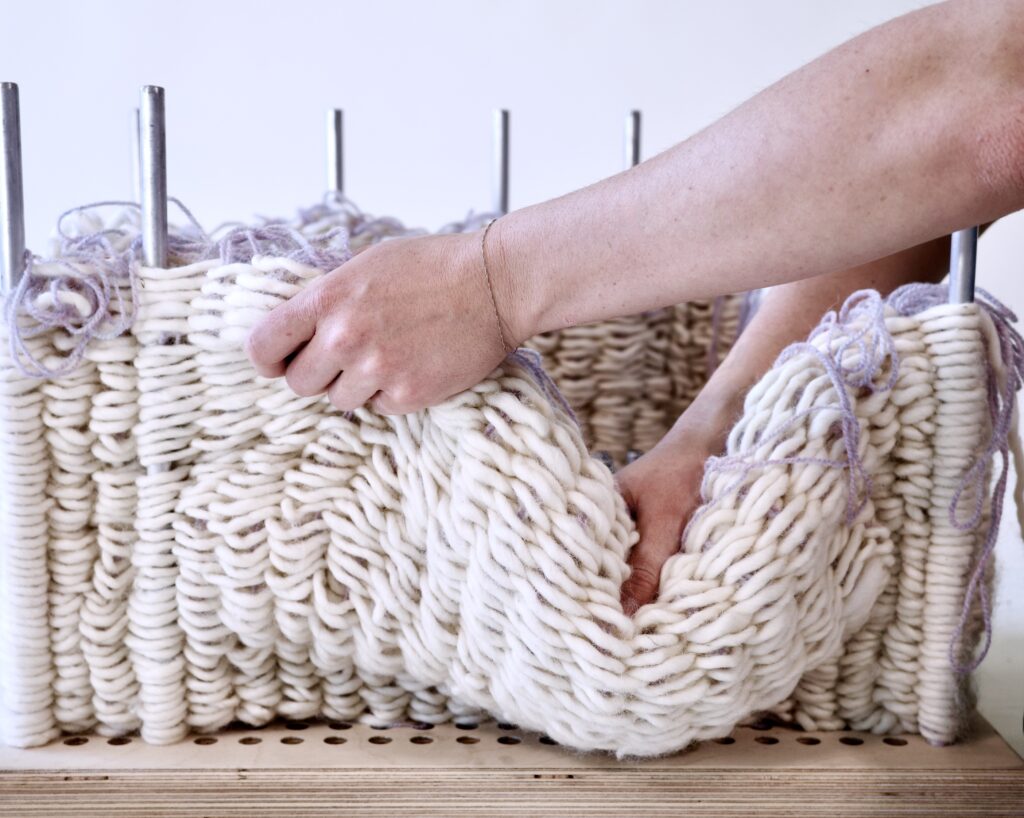
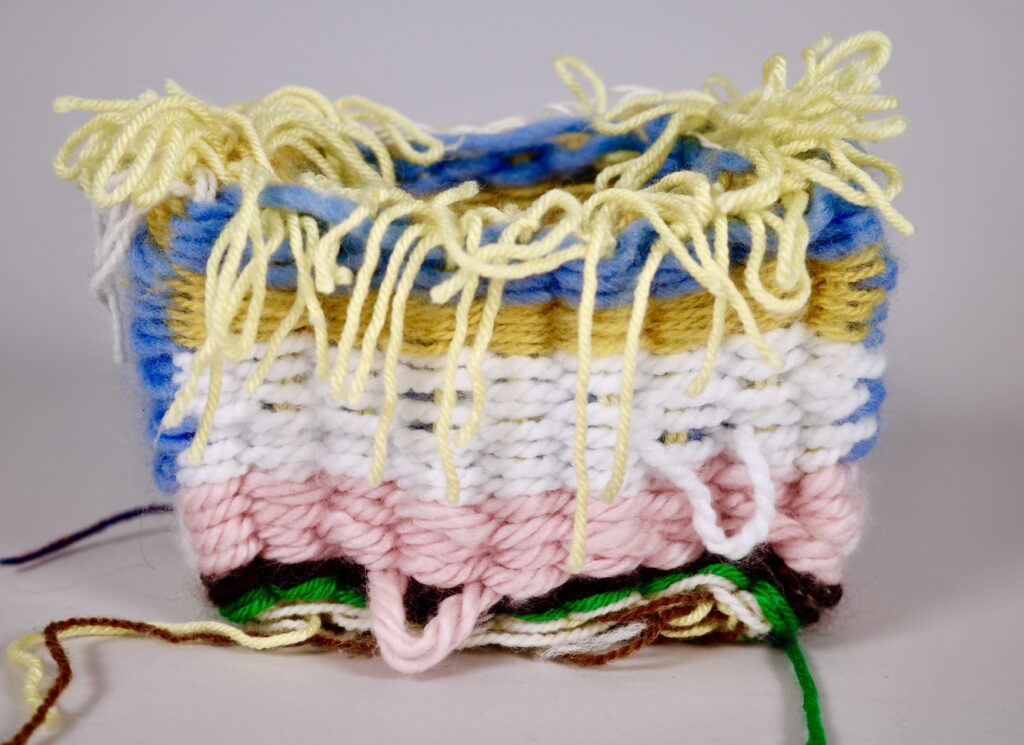
Simultaneously, I look beyond traditional looms and towards a more experimental method, 3D weaving. Sample #1 is small, but I love how the layers of wool have a sponge-like feel.
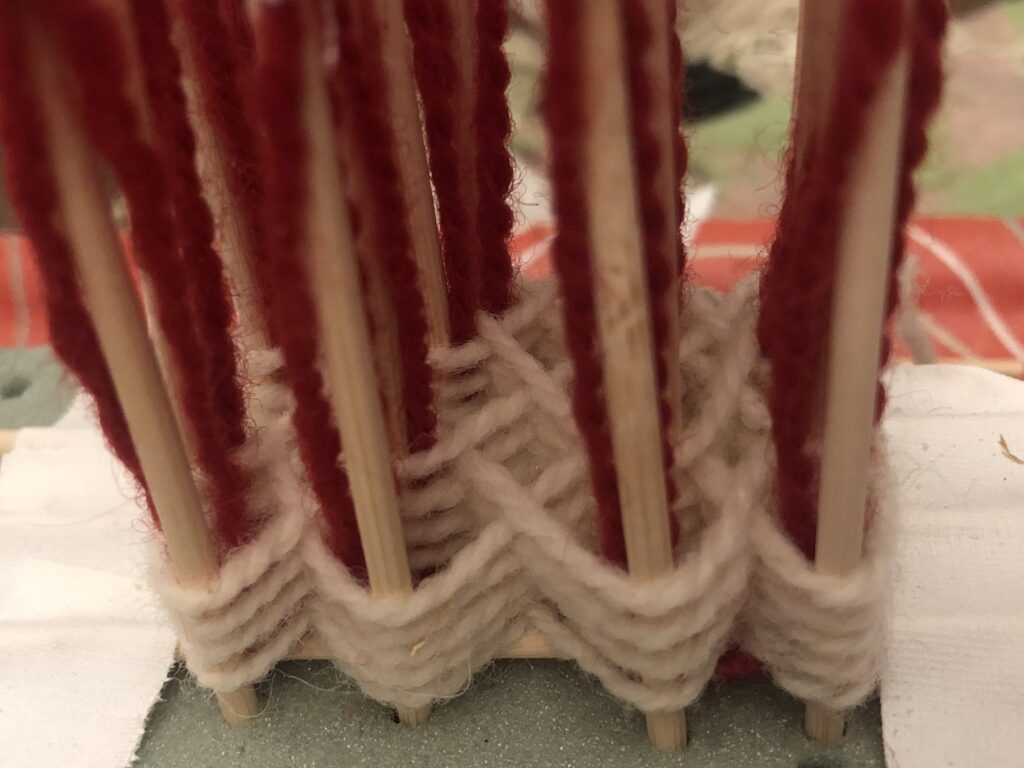
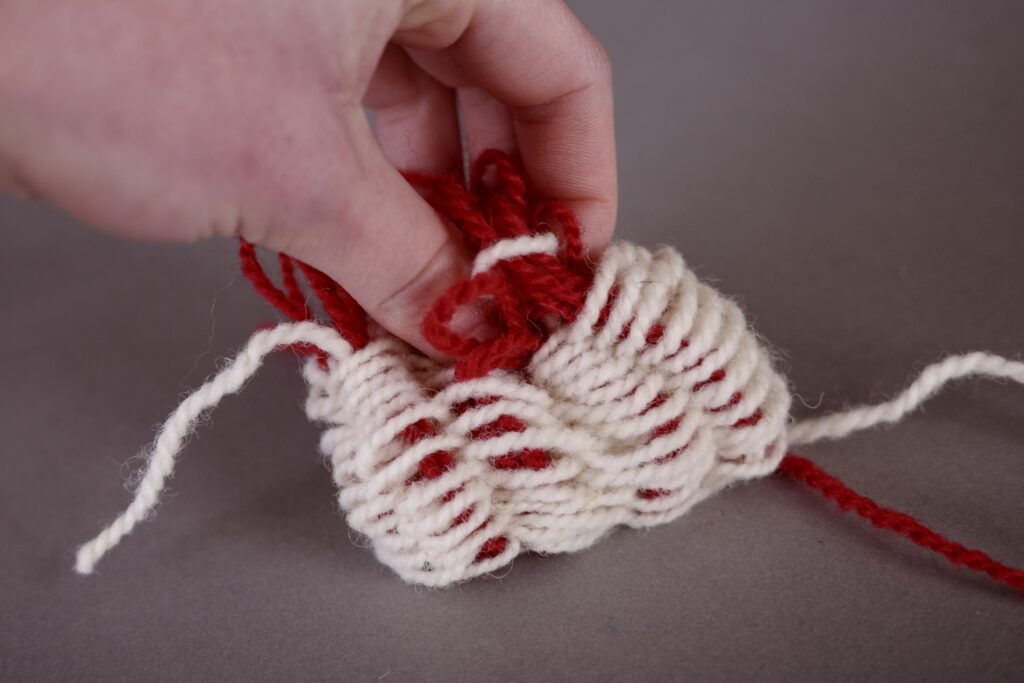
Sample #2 tests how to weave a hollow form. Its unusual composition is universally intriguing.
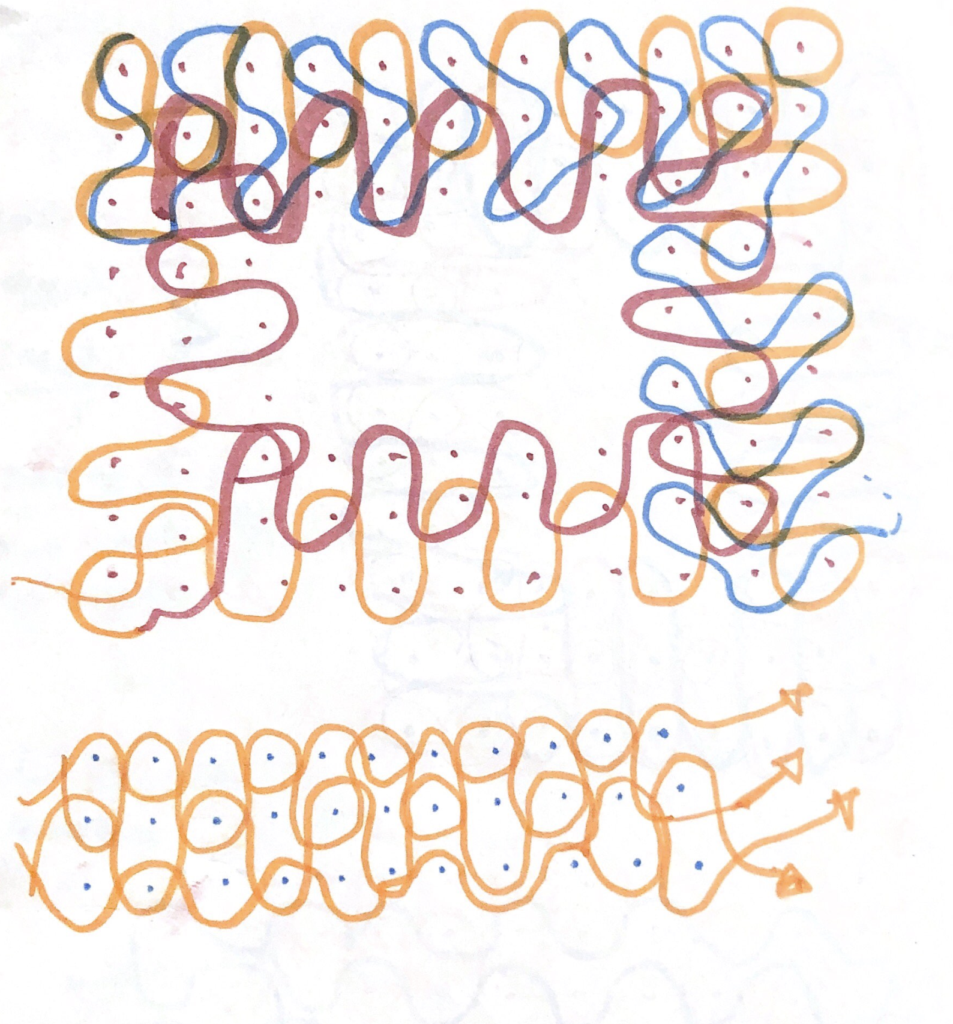
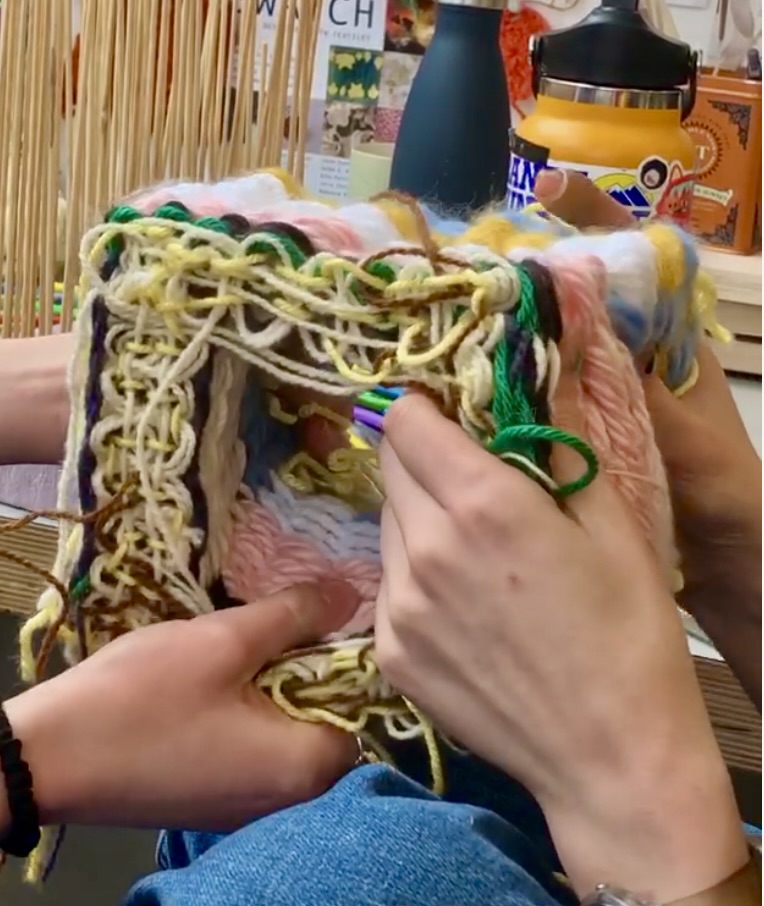
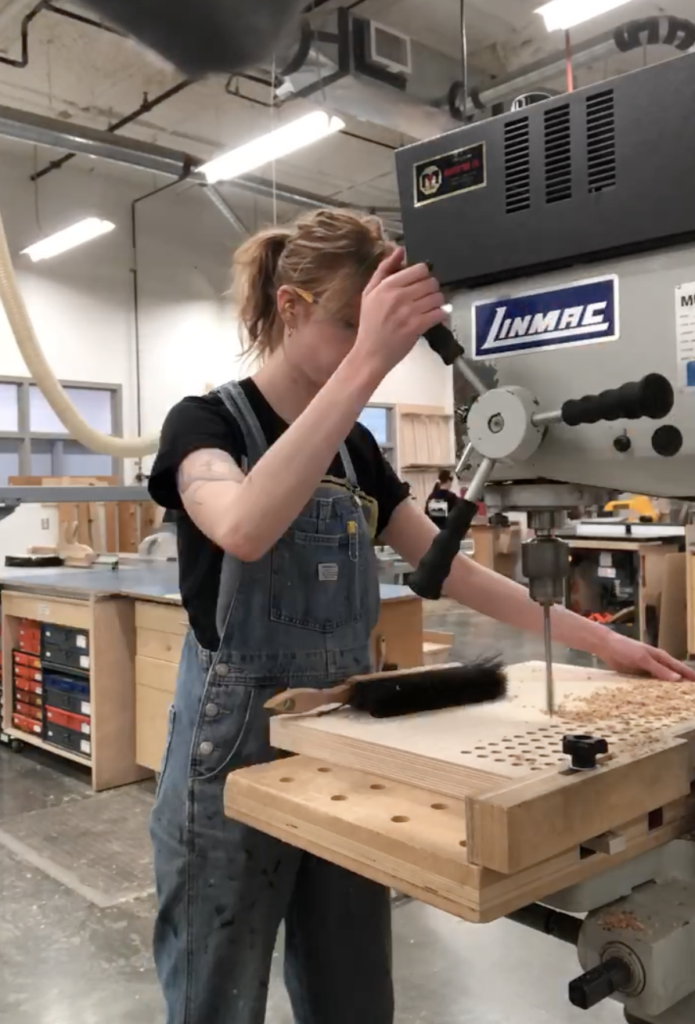
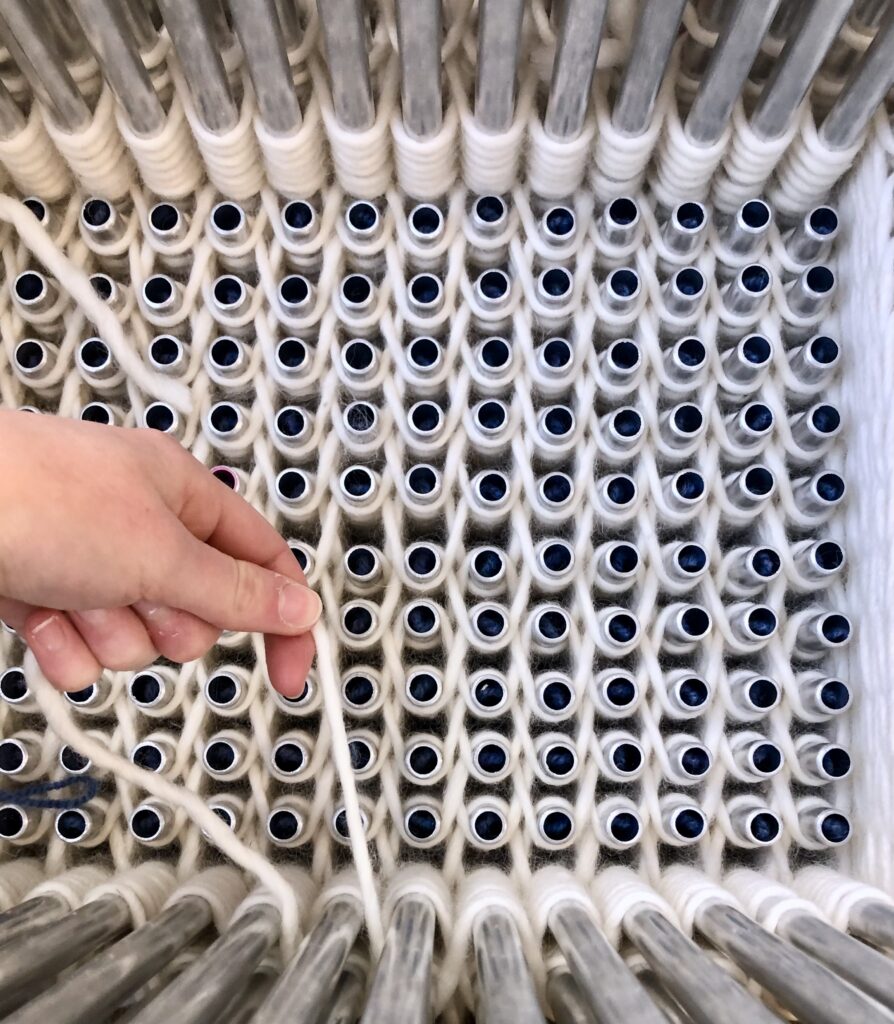
I scale up by building a large 3D loom. Drilling, sanding, degreasing, threading, and then finally weaving. Each step is repeated 352 times (for each warp thread).
[The New Hope Chest]
If you could pass just one skill onto every member of the next generation what would it be?
To end by answering my own question, I would pass down the ability to notice the small stitches that build some of our humanity’s most essential materials. Textiles and the people who make them have so much to teach us about ourselves and the world. It is my sincerest hope that the objects I have made, and the pedagogical values that they embody, inspire at least one person to look a little closer at the patterns around them, to touch materials, learn a new skill, or perhaps even try to make their own hope chest…