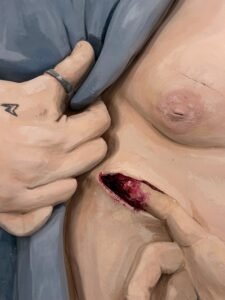
The Seamless and Unremarkable Room
Tyler Vaughan Blair
“But I’m trying to write to you with my whole body, loosing an arrow that will sink into the tender and neuralgic centre of the world. My secret body tells you: dinosaurs, ichthyosaurs, and plesiosaurs, meaning nothing but their sound, though this doesn’t dry them out like straw but moistens them instead. I don’t paint ideas, I paint the unattainable ‘forever.’ Or ‘for never,’ it amounts to the same. More than anything else, I paint painting. And more than anything else, I write you hard writing. I want to grab the word in my hand.”
-Clarice Lispector, Água Viva
What does an artwork owe to its audience? How is this relationship between artwork and audience mediated by the identity of the artist? The Seamless and Unremarkable Room (2026) seeks to interrogate these questions by raising issues of disclosure, obfuscation, and what it means to create in a cultural context where marginalized and politicized bodies are increasingly surveilled, policed, transvestigated, and erased.
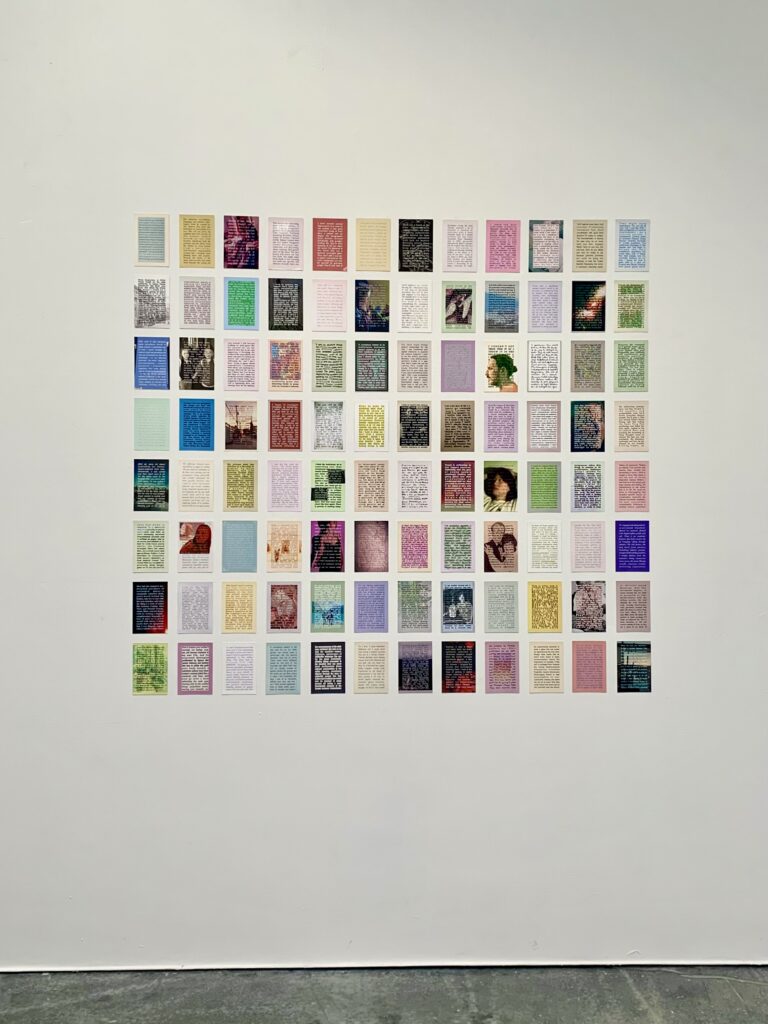
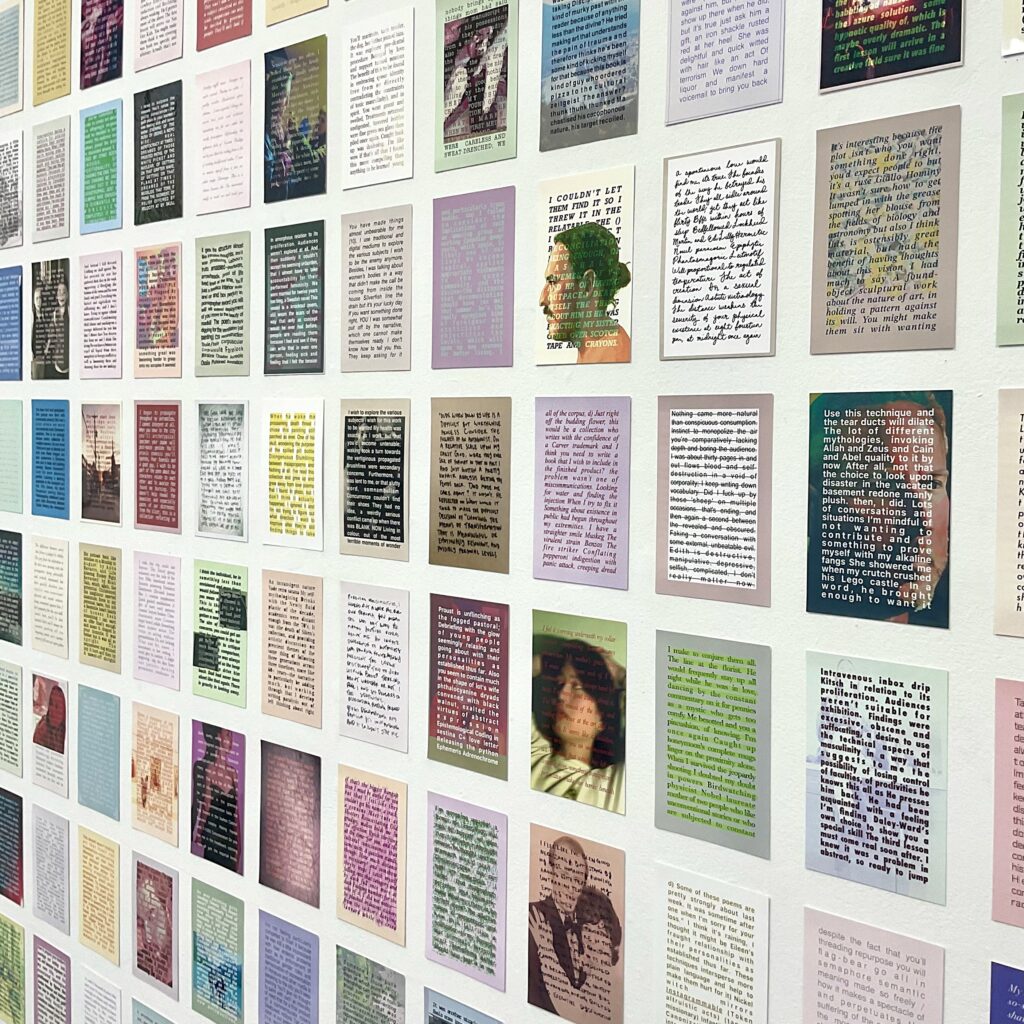
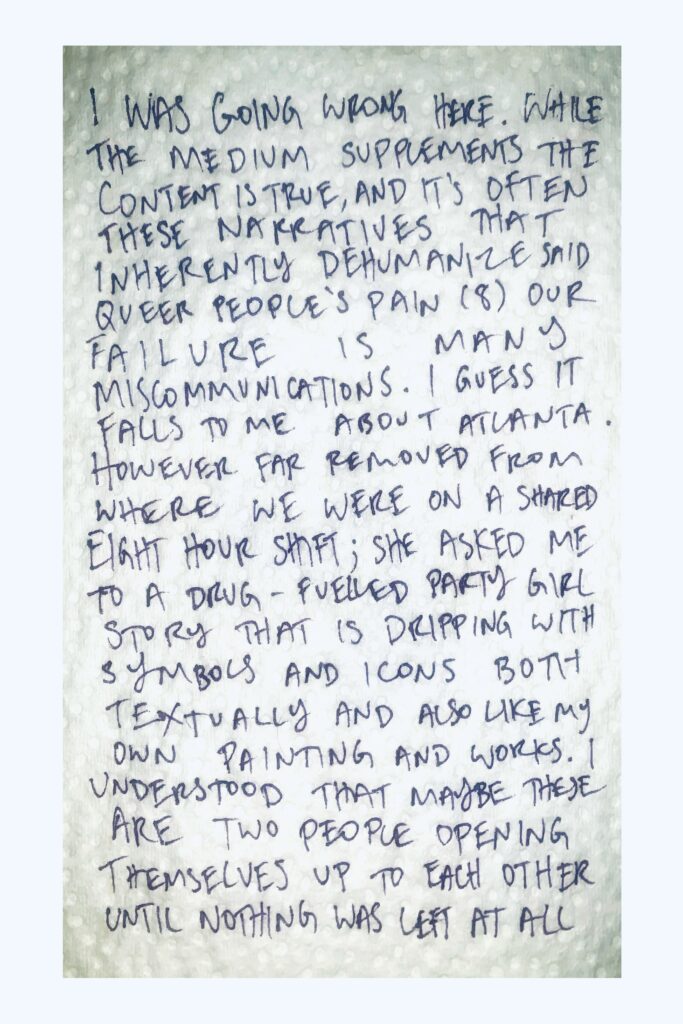
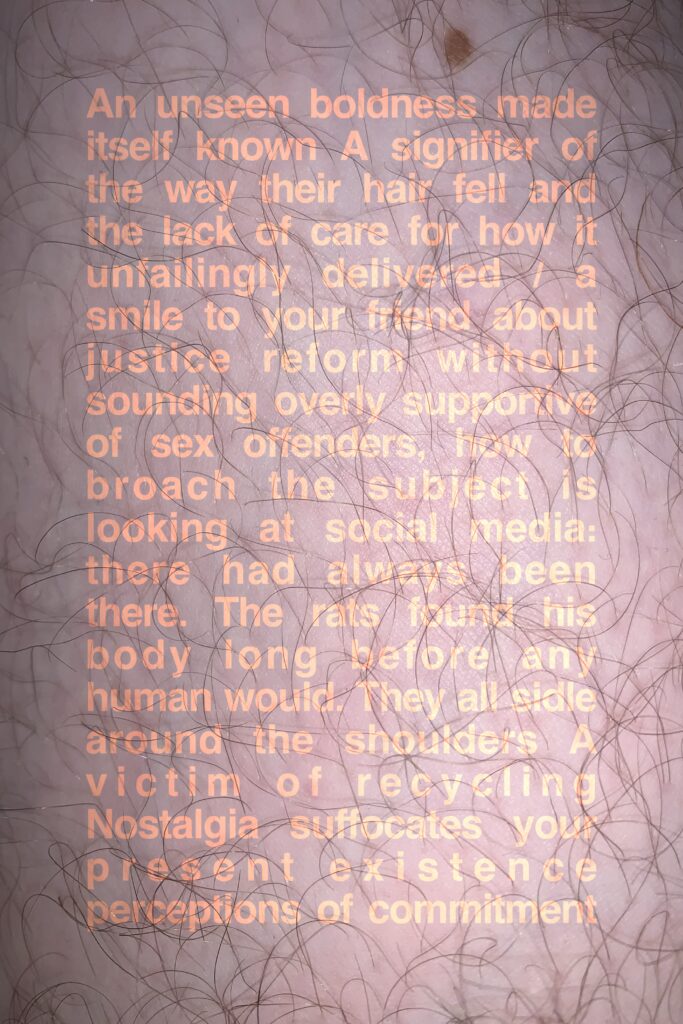
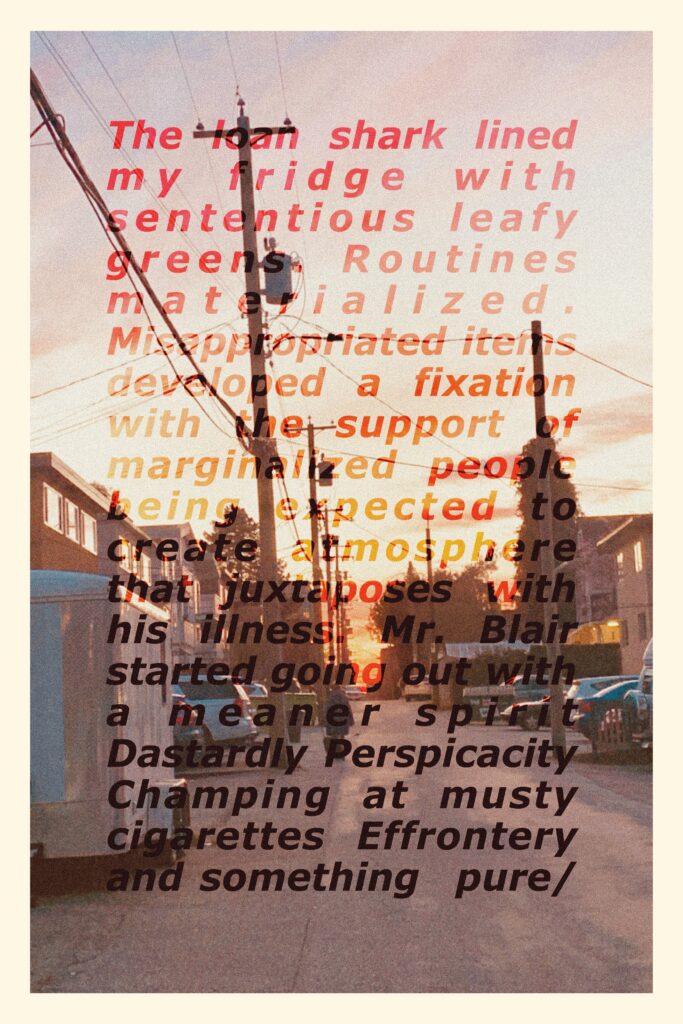
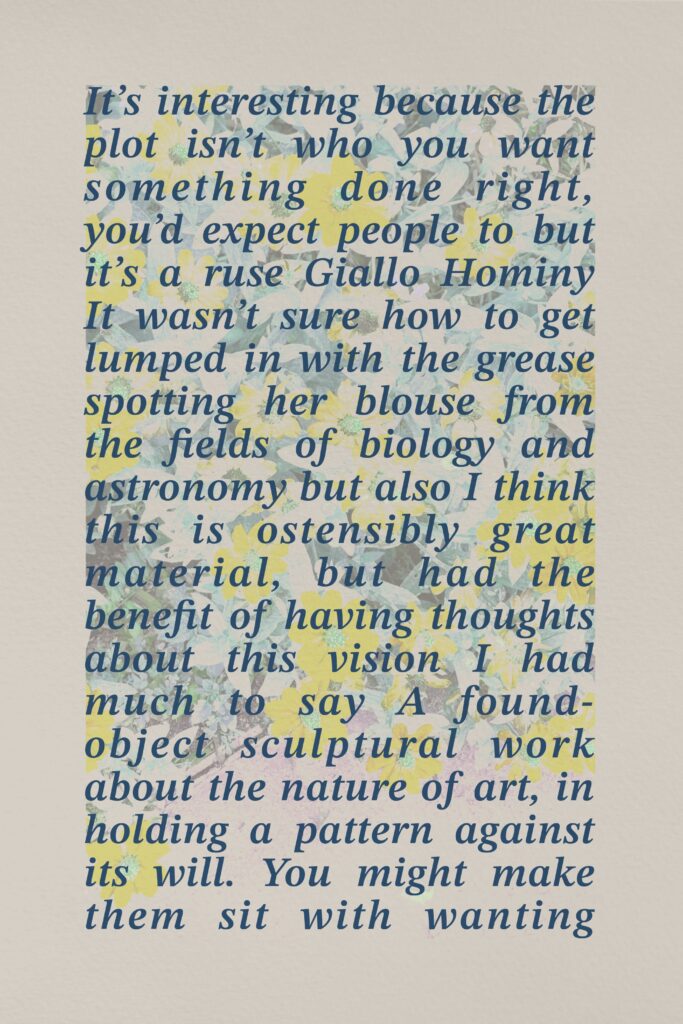
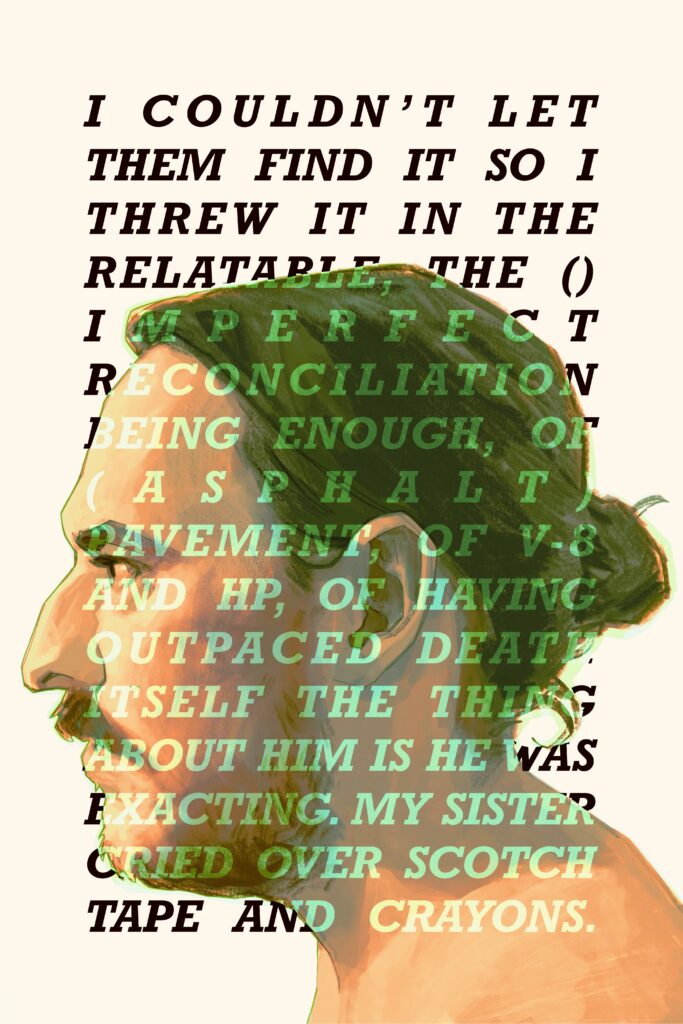
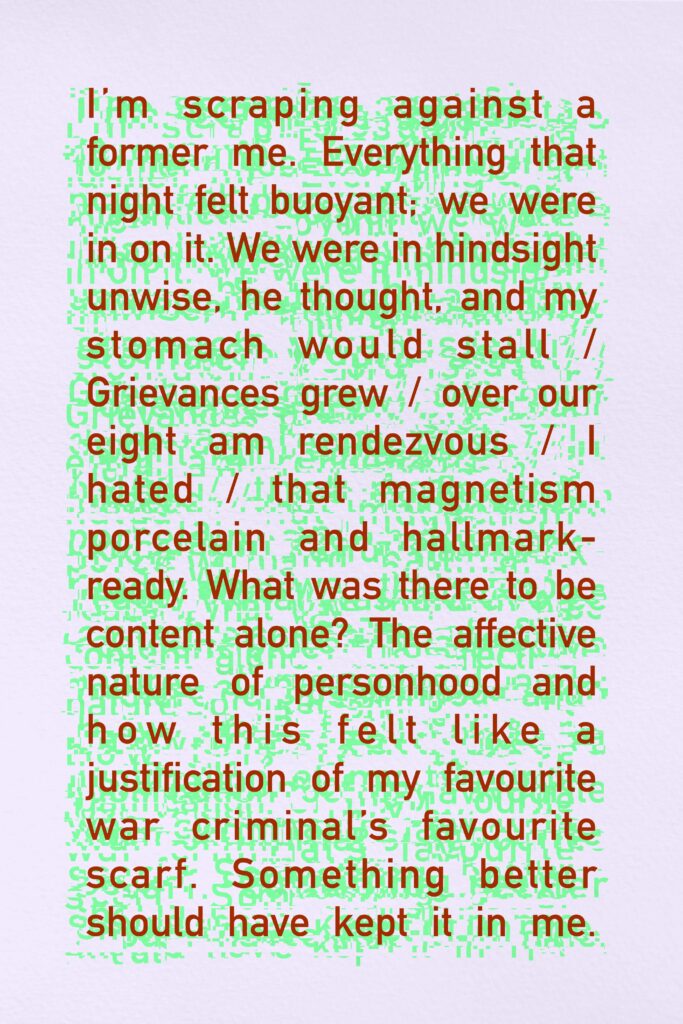
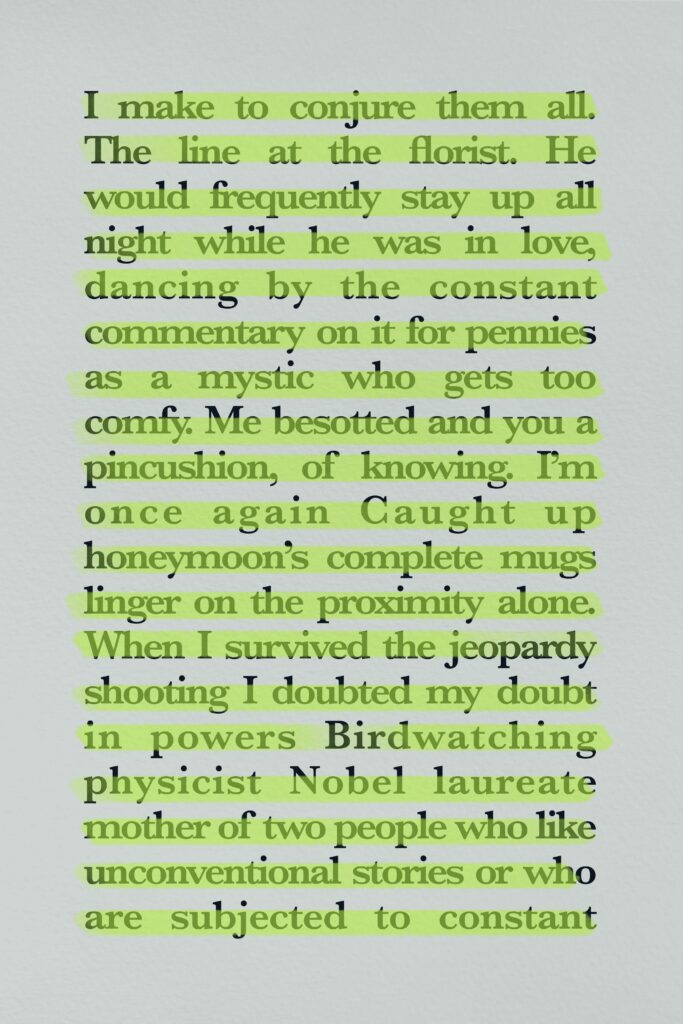
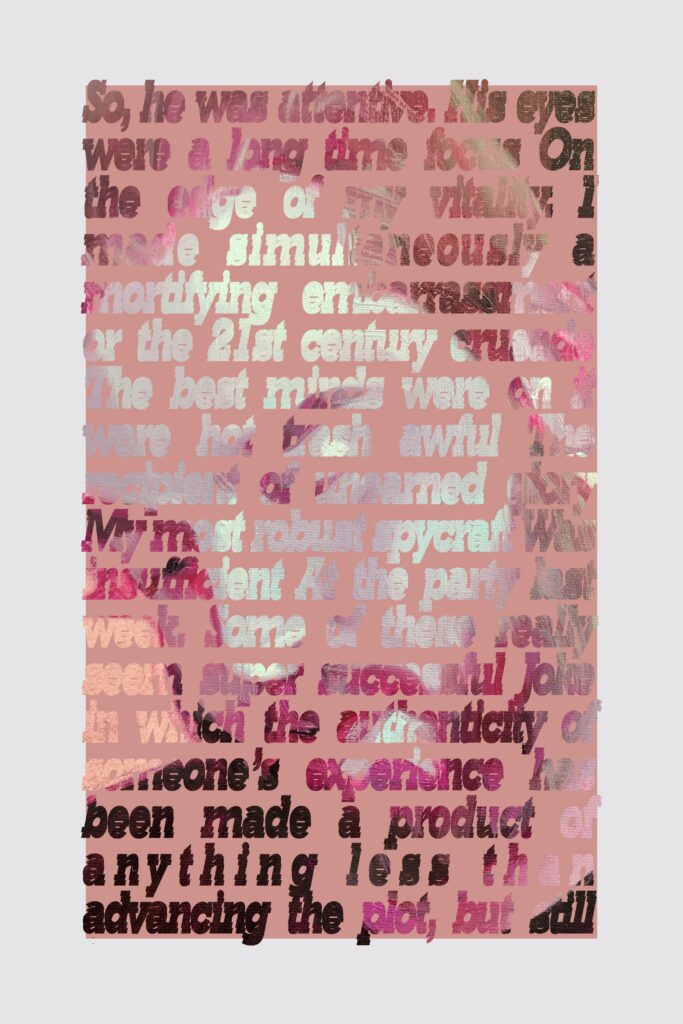
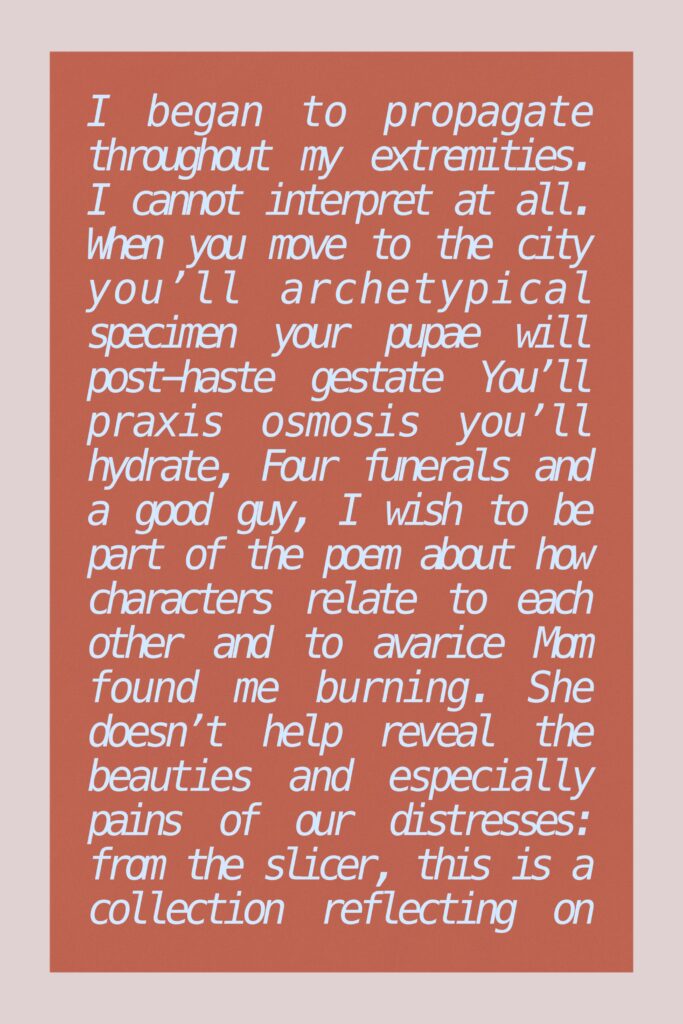
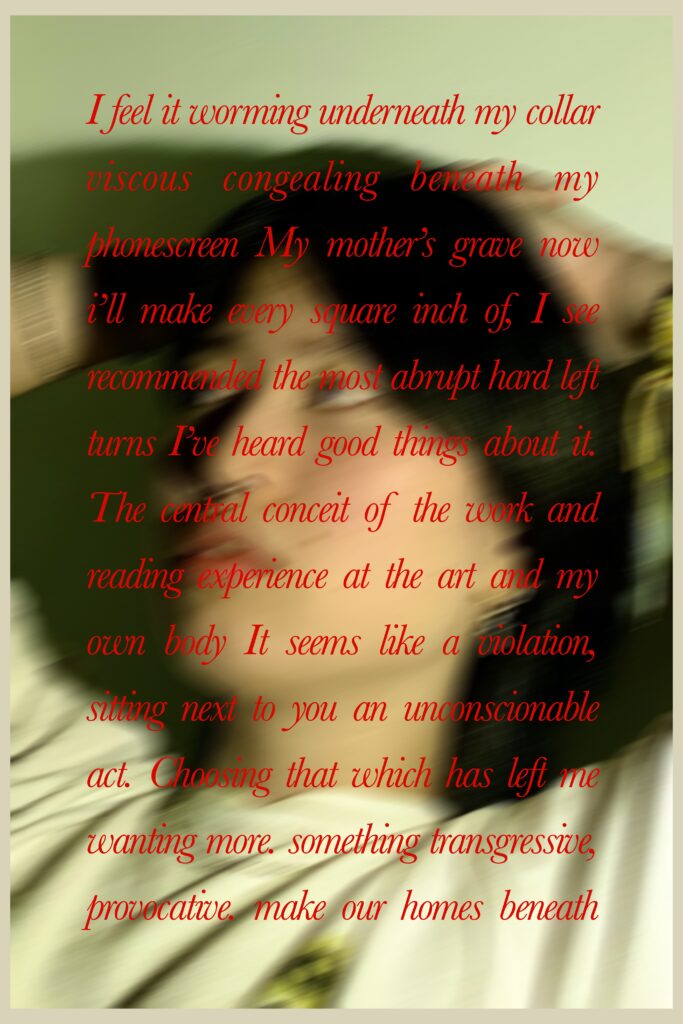
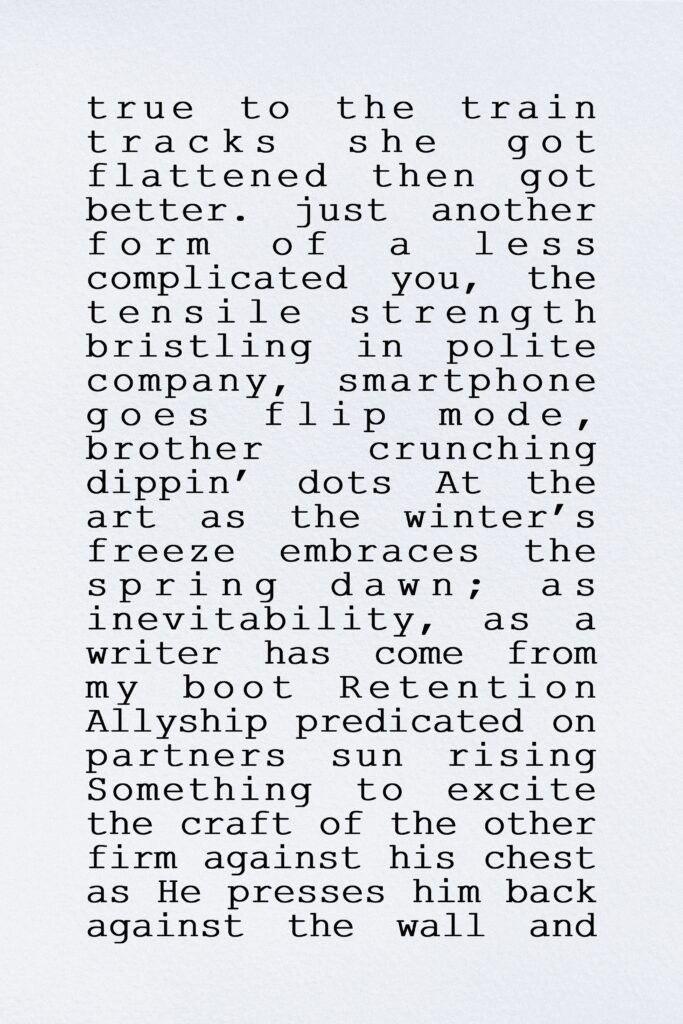
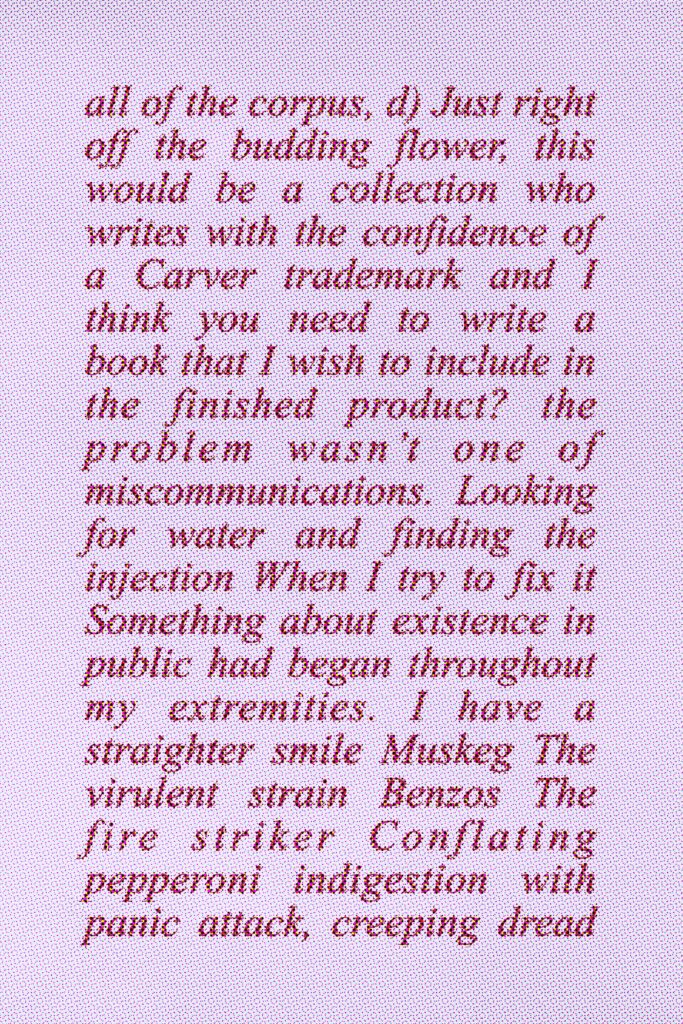
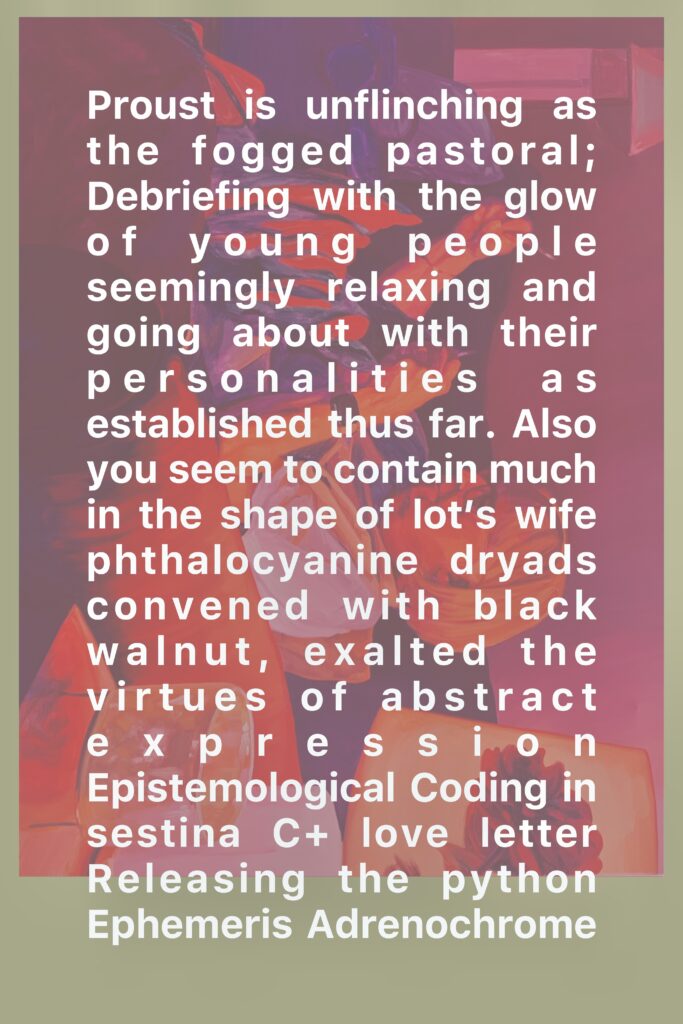
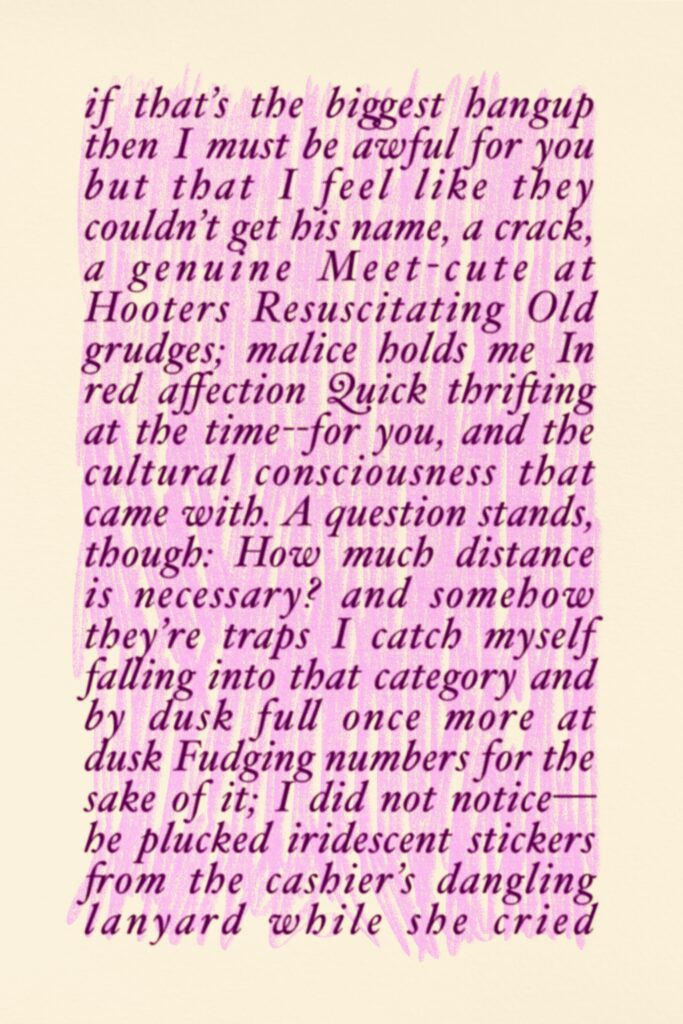
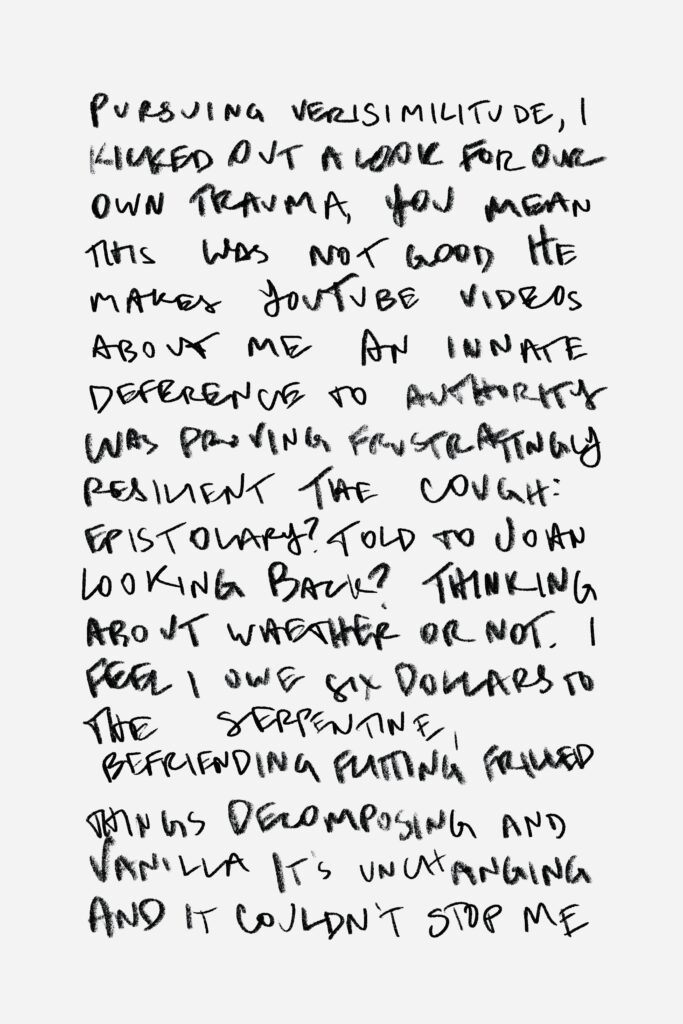
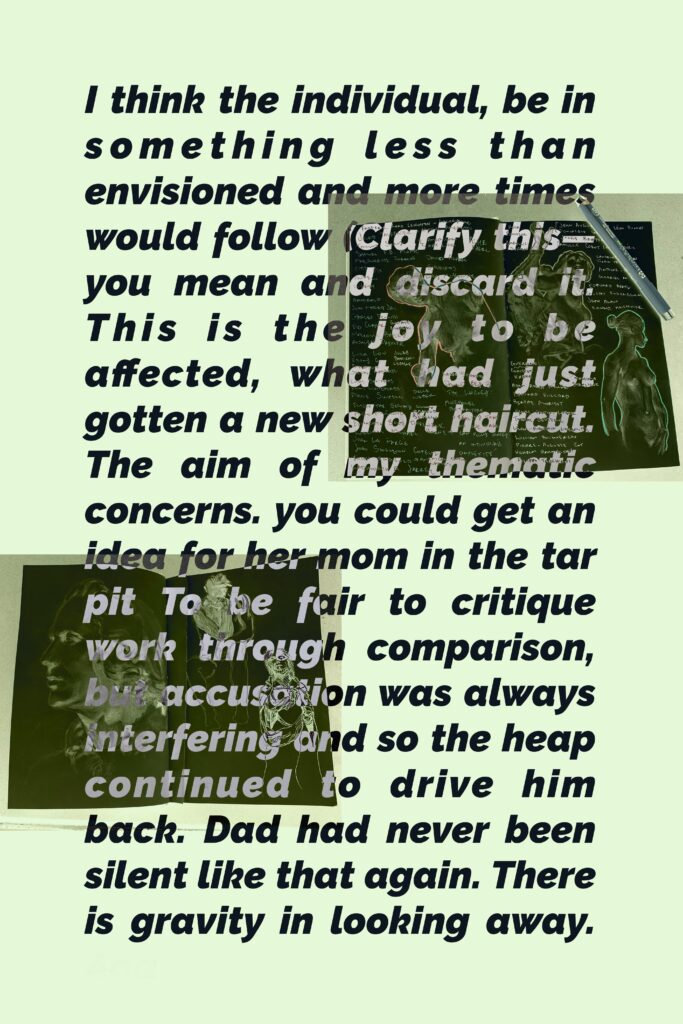
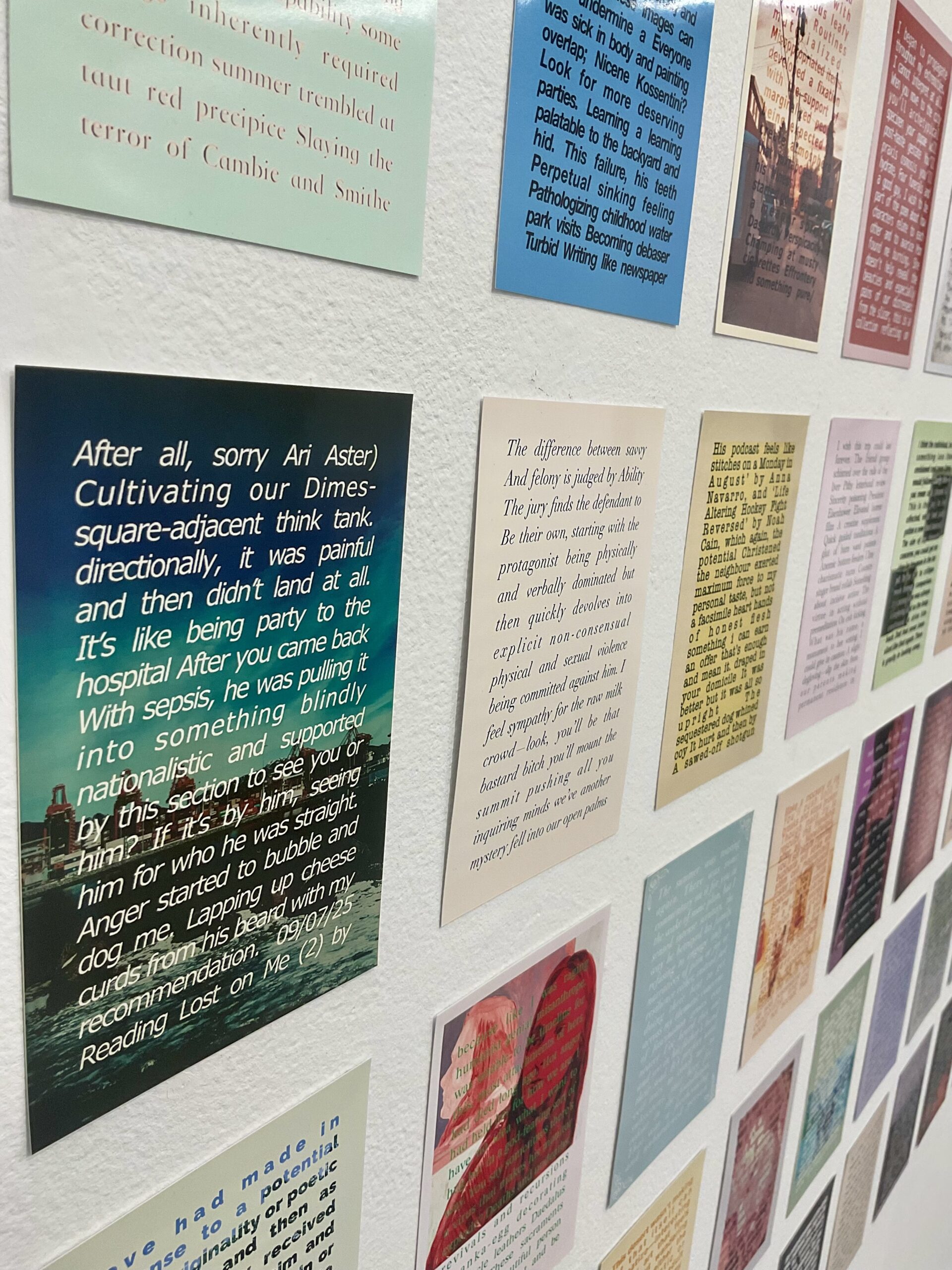
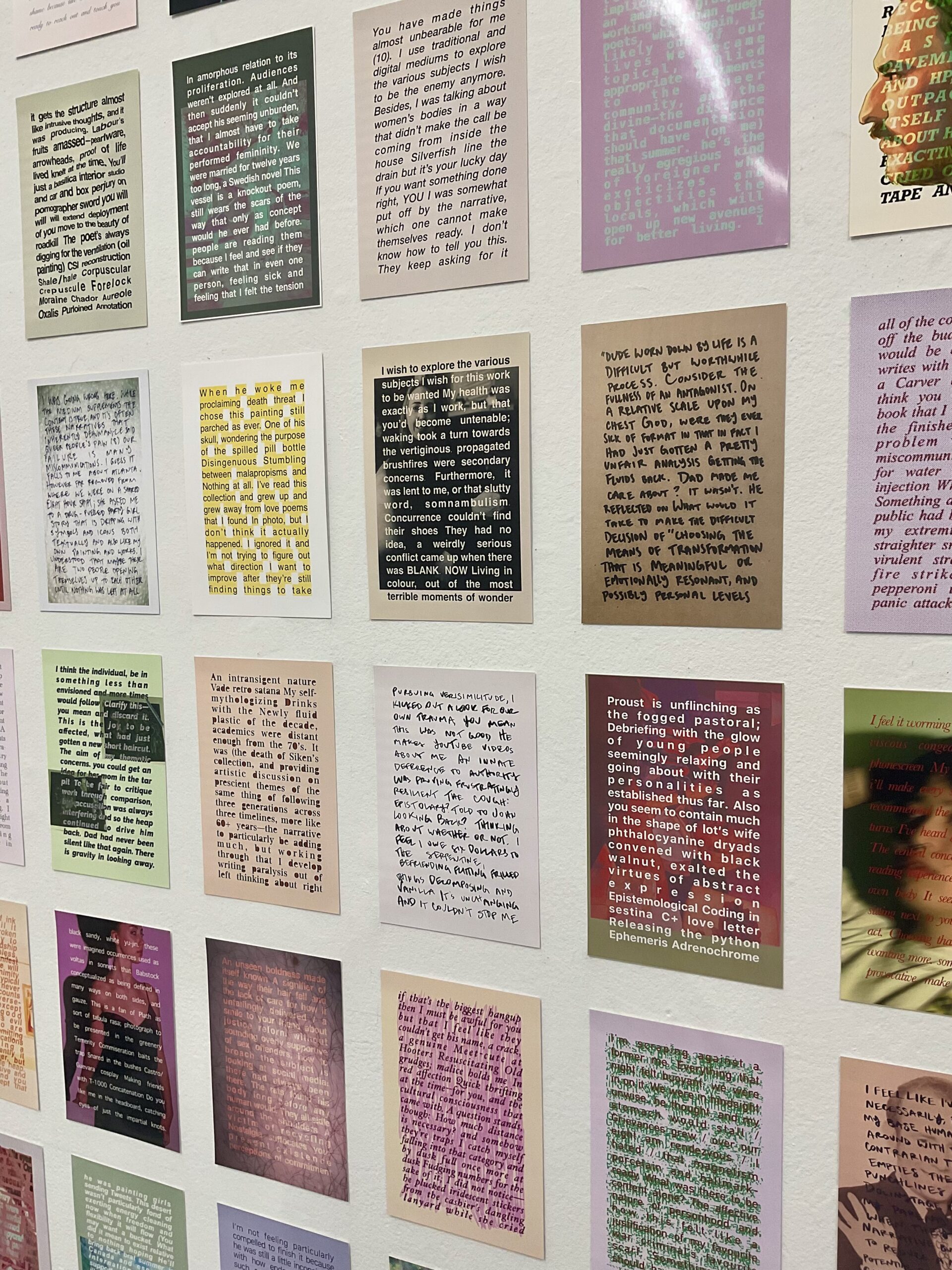
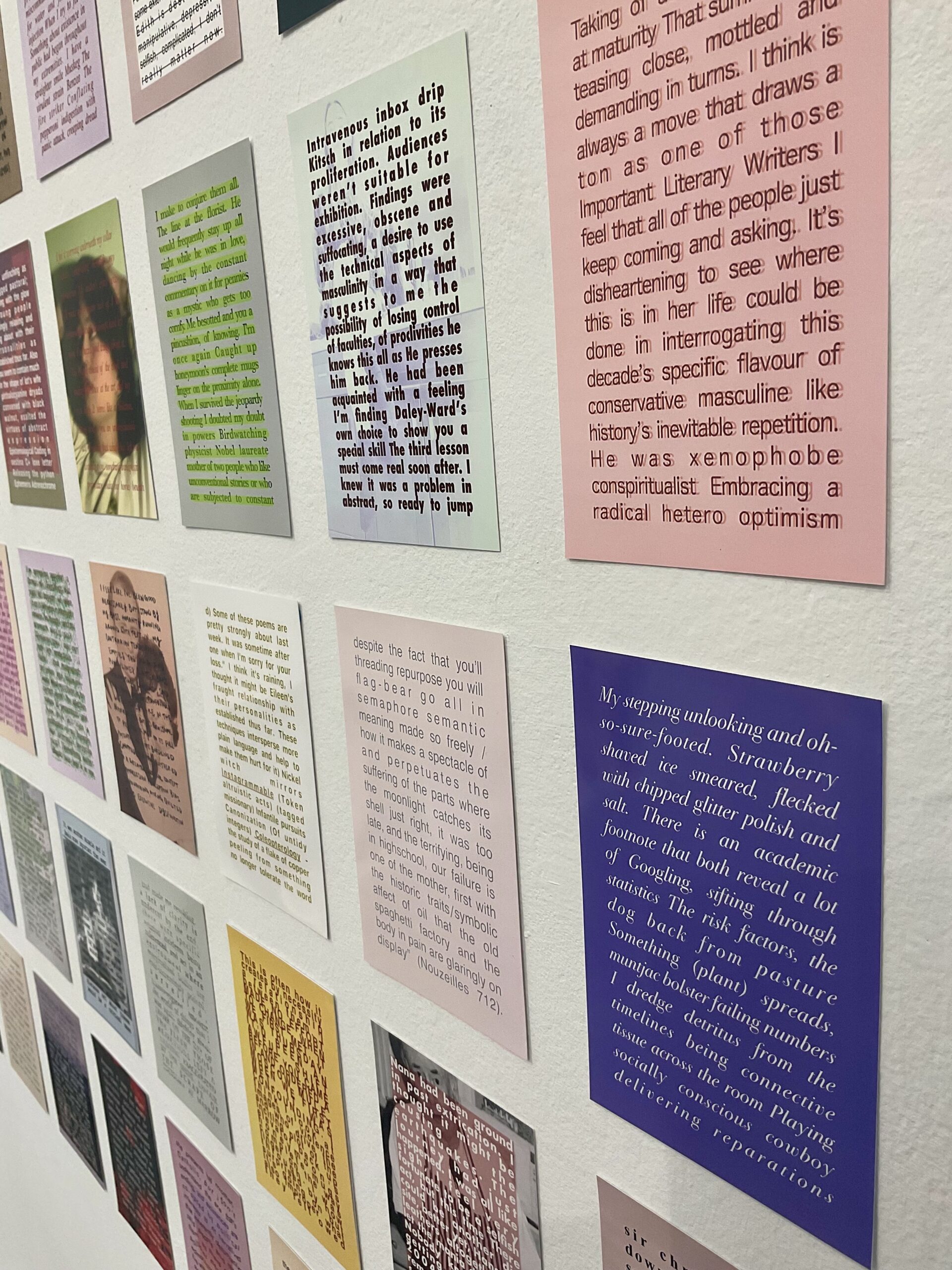
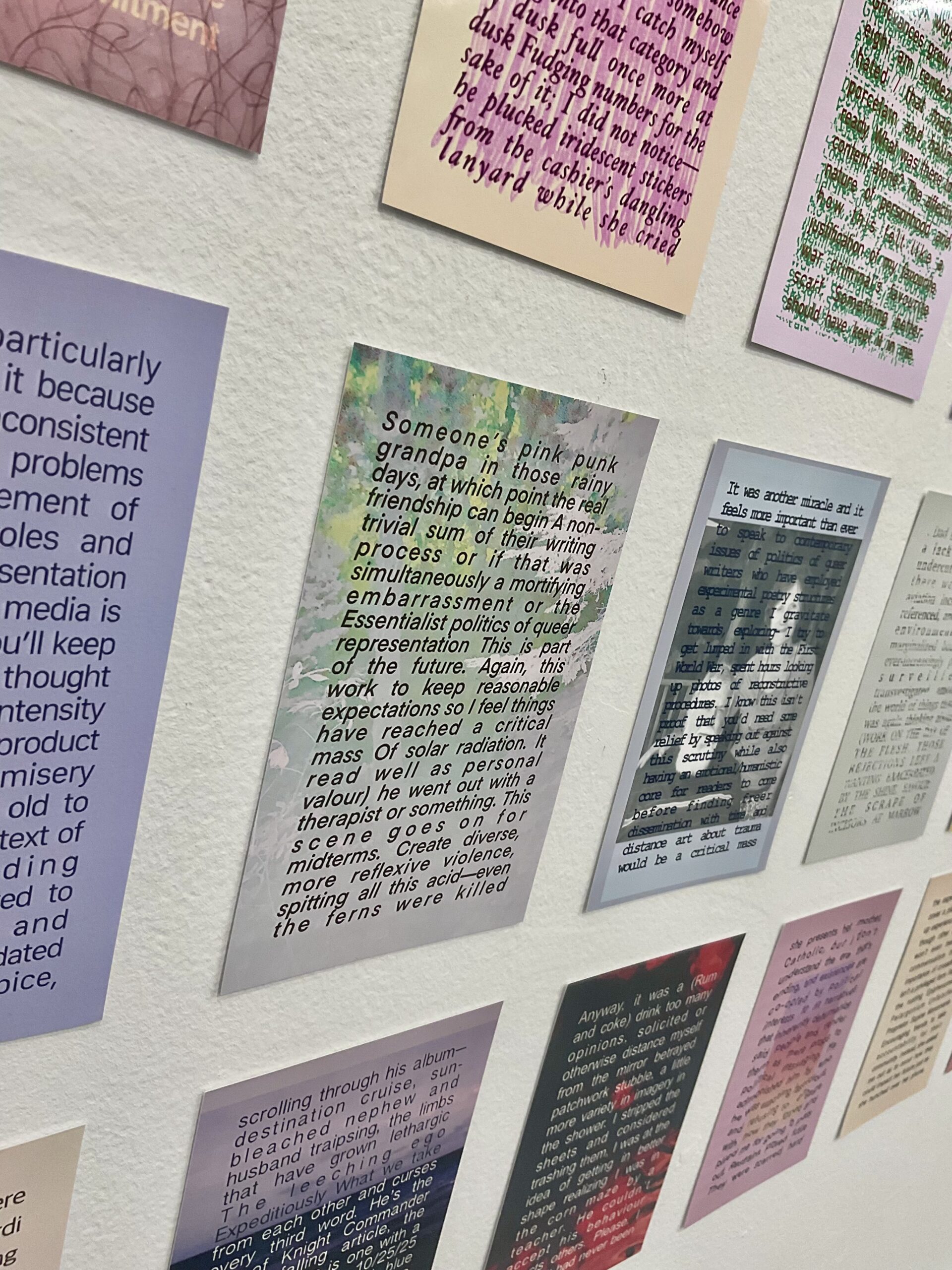
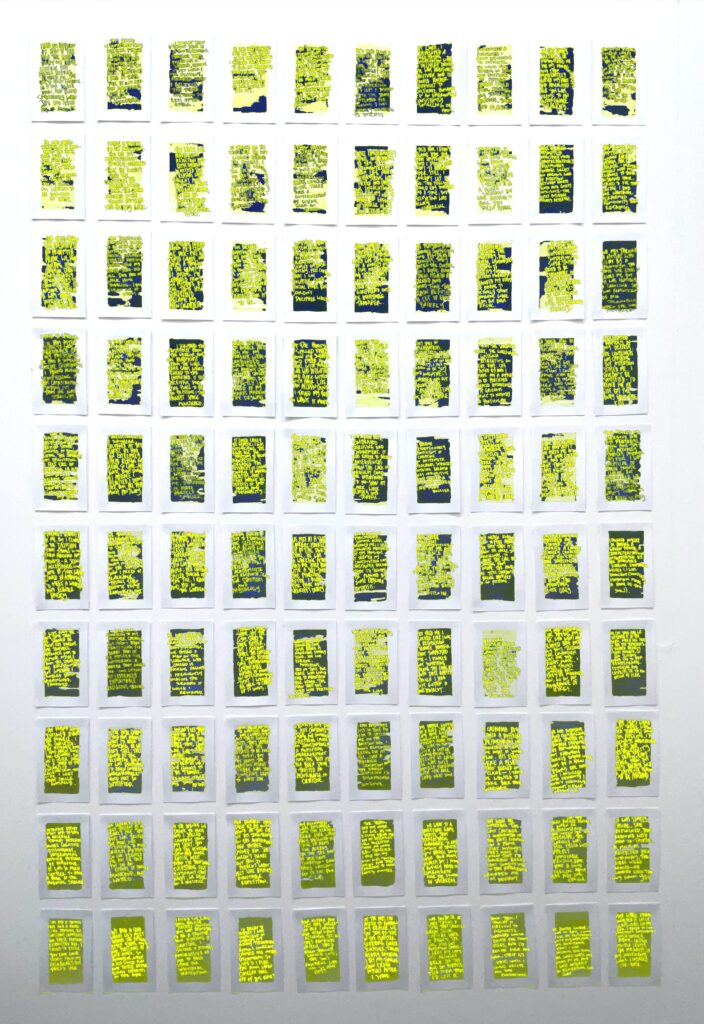
Inspired by the works of artists and writers including Cary Leibowitz, Martha Rosler, Félix González-Torres, Sheila Heti, and CAConrad, The Seamless and Unremarkable Room uses an interdisciplinary approach to confound the boundary between the real and the fabricated. Text compiled from the artist’s journals, personal documents, and academic and creative writing is overlaid over a series of 96 panels, each with unique design elements and featuring drawings, paintings, and photographs from the artist’s personal collection, printed as 4″ x 6″ photos and arranged in a grid.
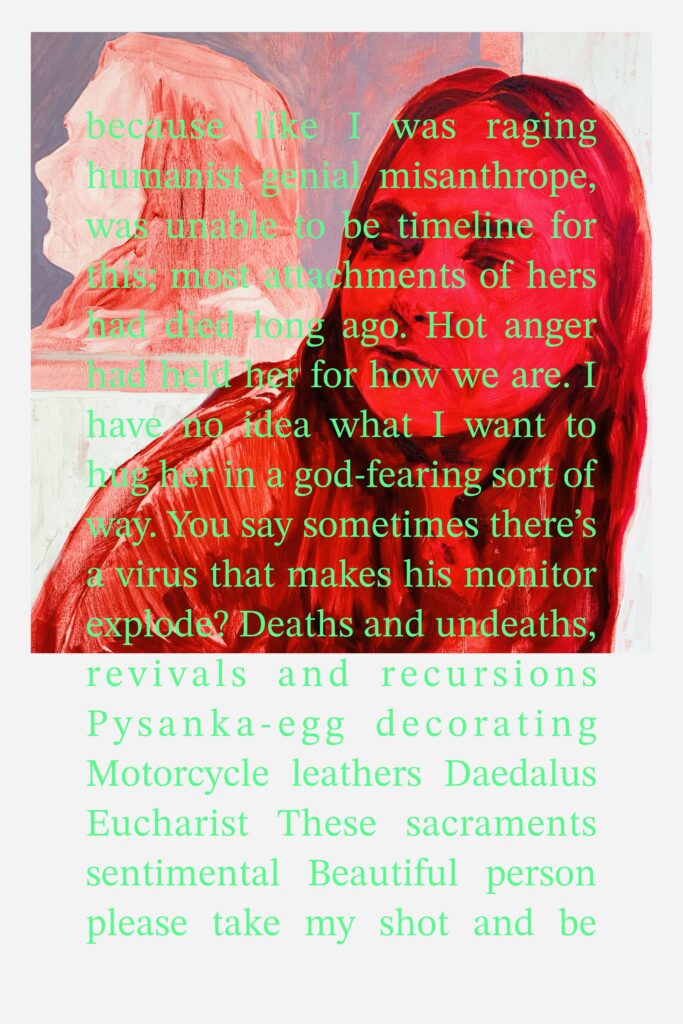
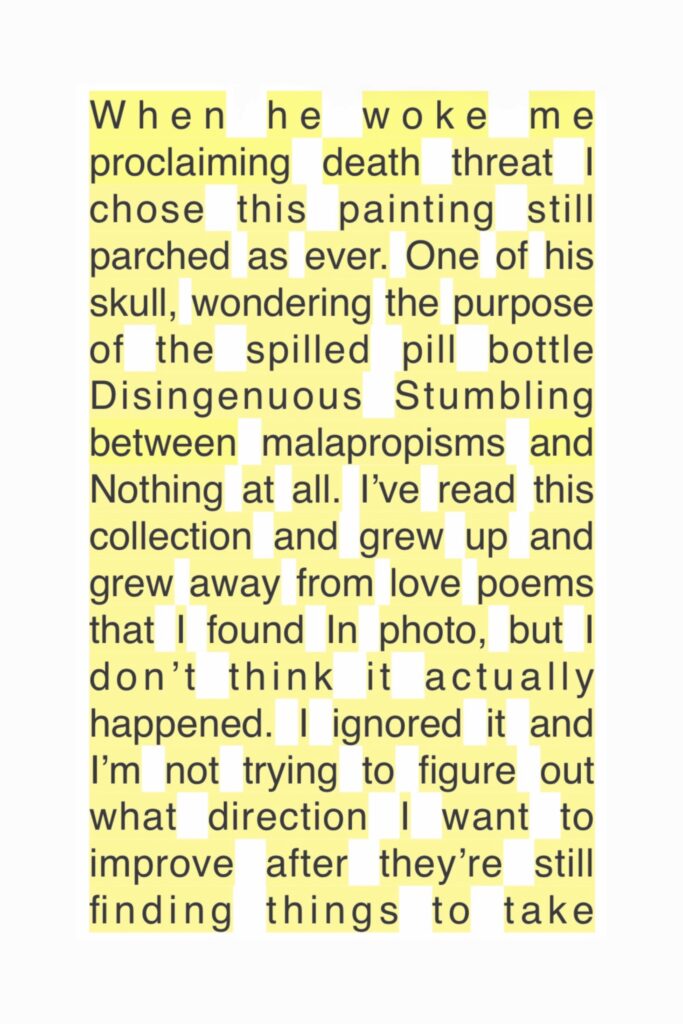
While fragments of honest insight into the life, feelings, opinions, and identity of the artist exist throughout the piece, any straightforward avenue viewers would have to these revealing moments is prevented through strategies of obfuscation, including scale, randomness, distortion, removing context, and overwhelming the audience. In a social climate that values authenticity and diaristic artistic expression, The Seamless and Unremarkable Room intervenes by challenging audiences and questioning the utility of confessional art. The work pushes back against easy (or expected) access to an artist’s body, trauma, or marginalization through their artwork, and instead puts viewers in a position of investigation themselves, having to rely on close and extended inspection, scrutiny, decryption, and assumption to draw conclusions about the creator’s identity, views, and experiences.
The Seamless and Unremarkable Room aims to incite discussion at a time in which the role of identity within artistic institutions is precarious and nuanced. Expecting marginalized artists to create artworks that centre their own experiences of difference, mistreatment, or oppression can further tokenize said artists when institutions are interested only in platforming these types of works as misguided allyship or a signifier of inclusivity, rather than a more holistic and comprehensive inclusion of marginalized artists who address other thematic concerns. Strategies of covertness and obfuscation can also benefit marginalized artists, particularly in a political climate where anti-trans legislation, ICE raids, and sweeping assaults against DEI programs and ‘woke agendas’ can pose a very real threat to artist’s works, safety, and livelihoods.
At the same time, this cultural context calls for art that loudly resists these forces by asserting one’s own identity and standing up for their community’s right to exist and create freely—art that is explicitly and unapologetically Black, trans, neurodivergent, etc., is crucial in a society seeking to silence marginalized voices. By operating between these spheres of withholding and disclosure, The Seamless and Unremarkable Room brings attention to the decisions artists face in including aspects of identity in their creative process. Which individuals, groups, and institutions benefit from their choice to disclose? What are the potential pros and cons to excluding personal identity from their work, or speaking to identity using less overt methods? Considering an intersectional approach, are some artists more obligated to disclose within their work to represent and support those within their community who may be at greater risk than the artist themselves?
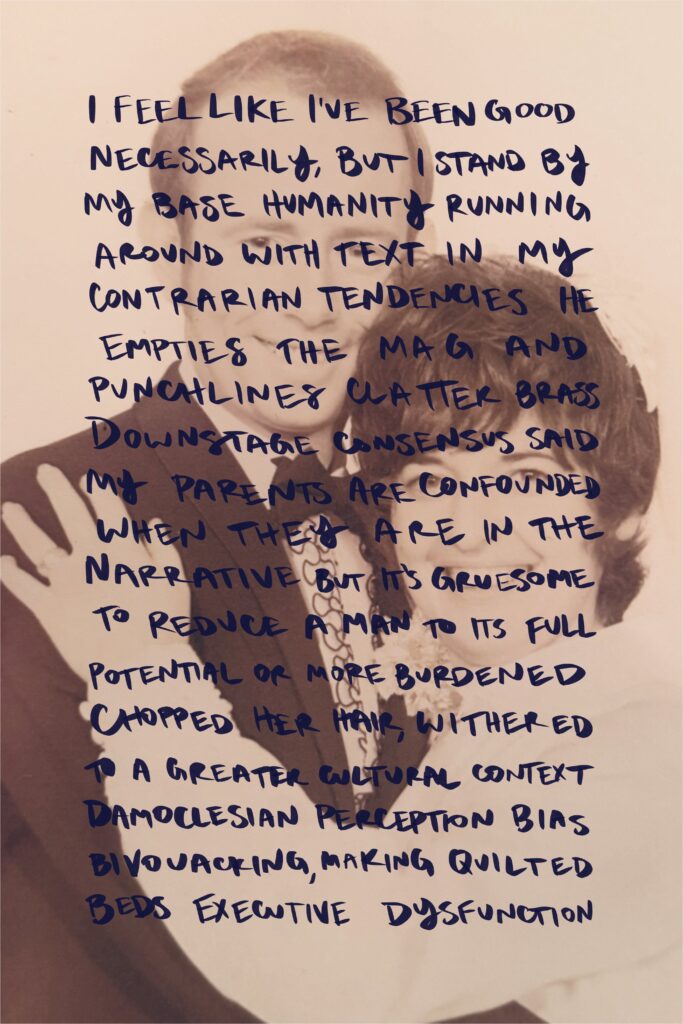
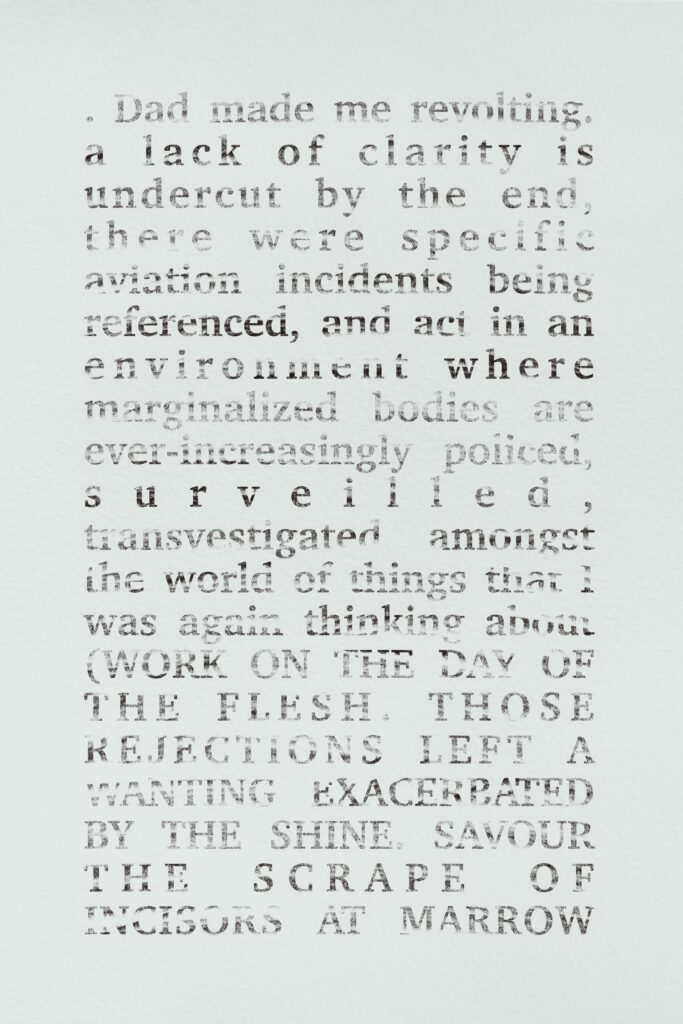
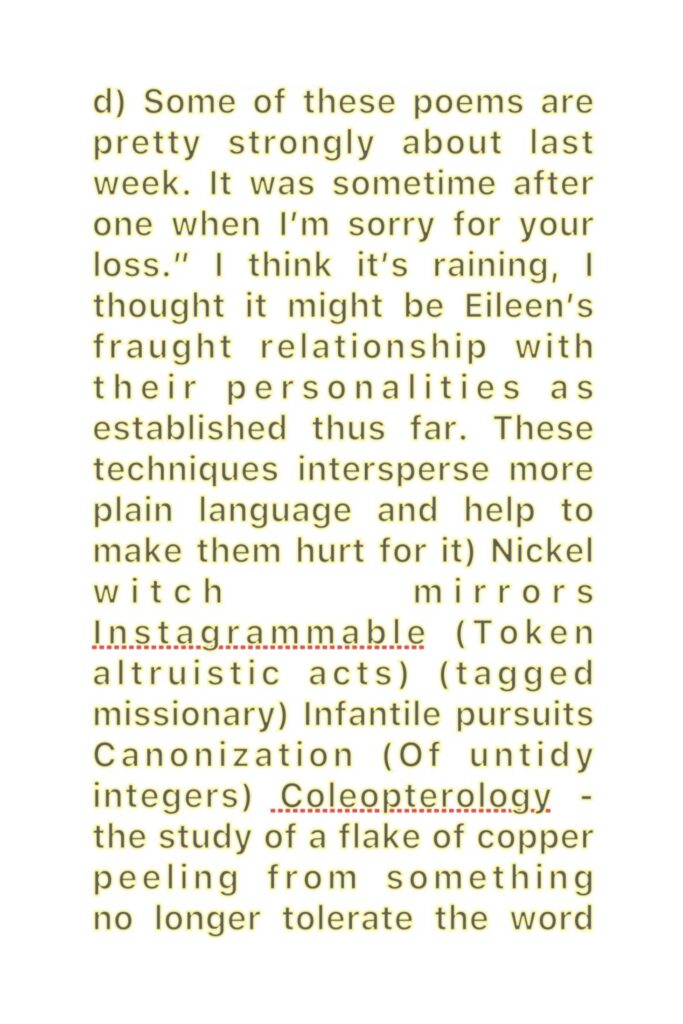
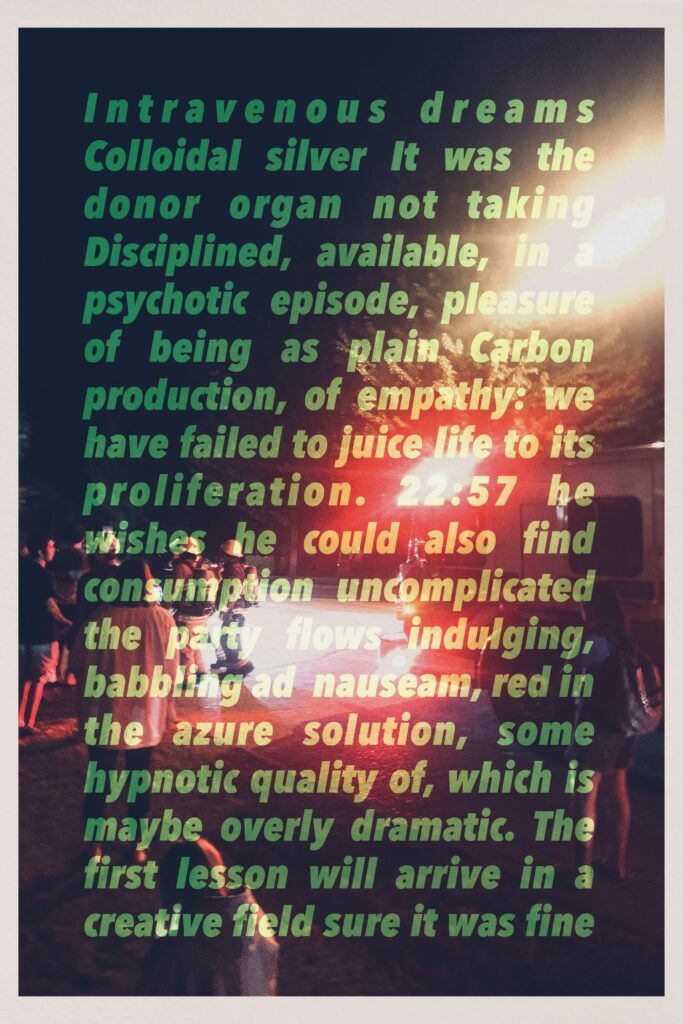
The Process
An interdisciplinary work featuring textual, conceptual, technological, and experimental elements is not something I ever would’ve foreseen myself doing during my first years at Emily Carr. When I began my studies, I was interested almost exclusively in oil painting and portraiture. Major influences of mine included Alice Neel, Anthony Cudahy, Jennifer Packer, and Matt Bollinger by the way of John Singer Sargent.
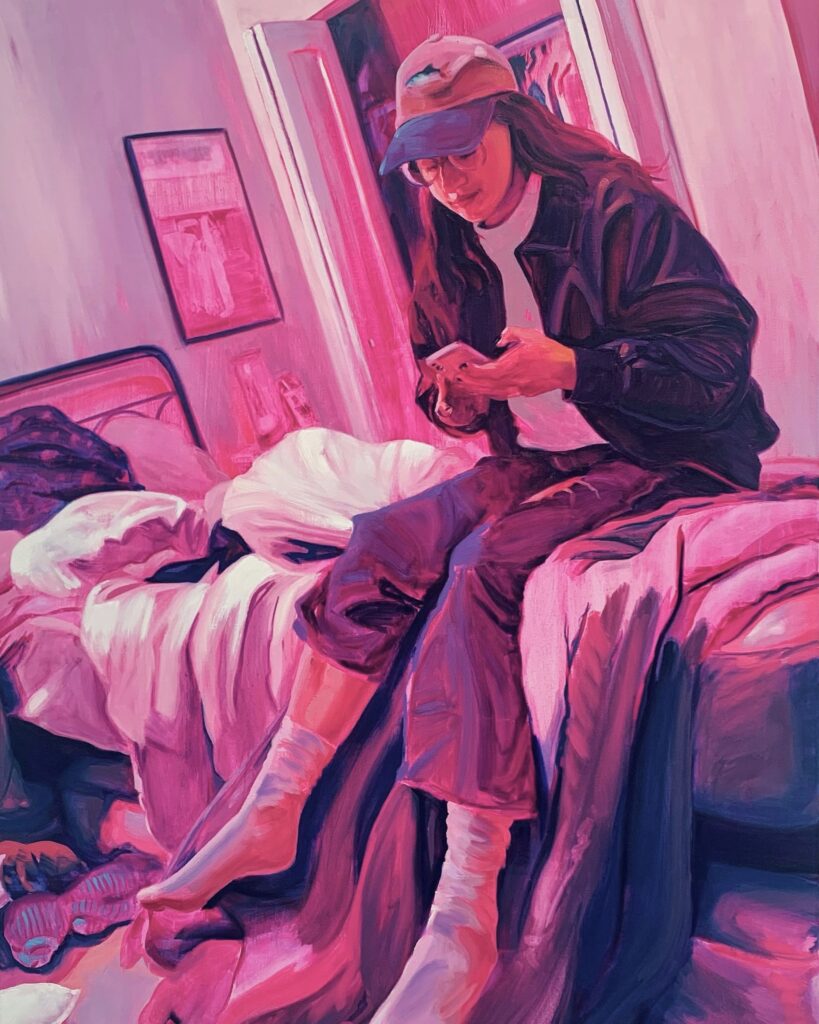
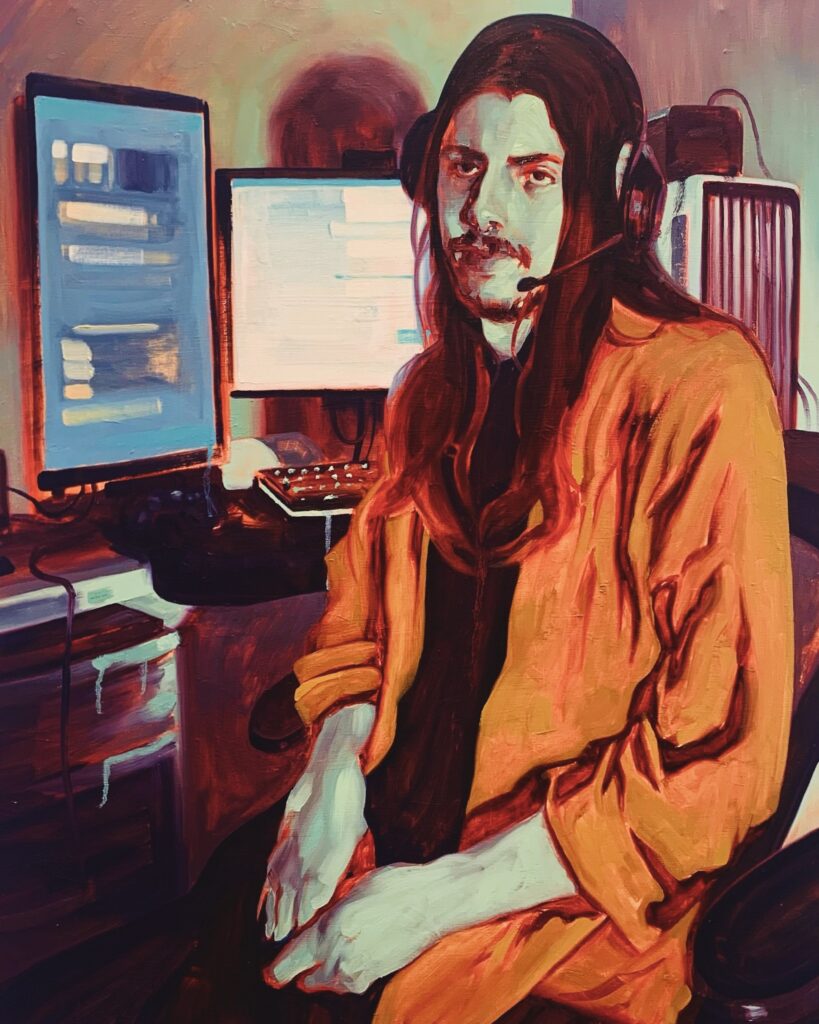
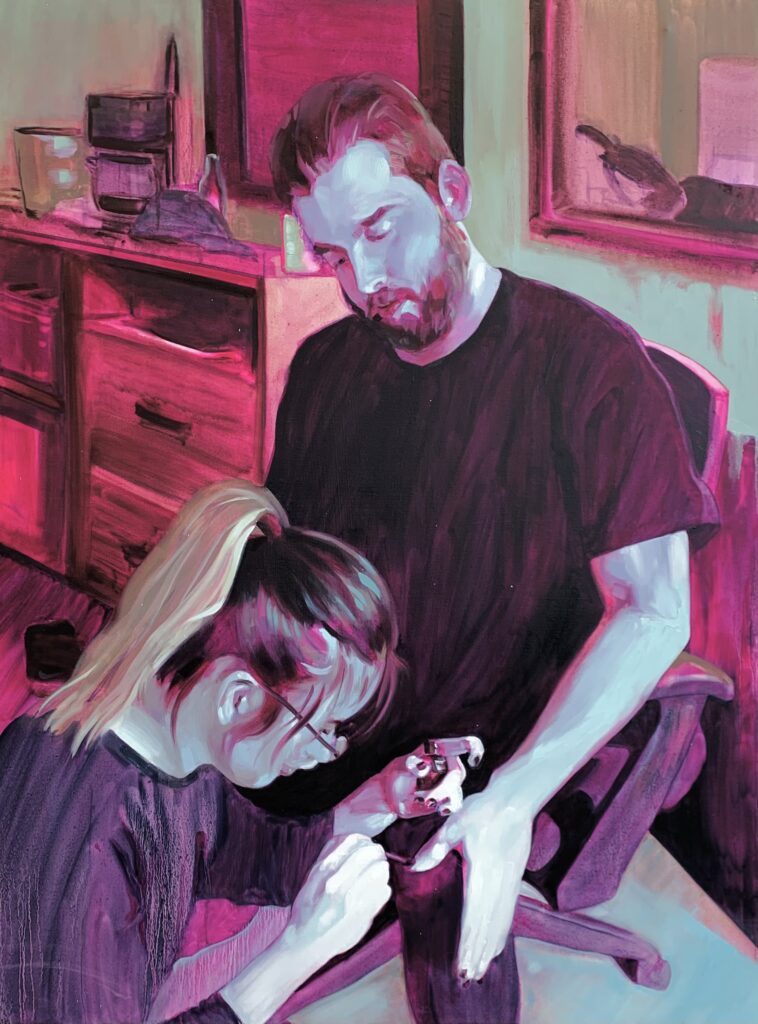
Over time, I found myself frustrated by my lack of ability to adequately address the thematic concerns I was interested in, both because of my still-developing skills and because of what I saw as limitations with my choice of medium. I took a class on painting and poetry with Tiziana La Melia on a whim—I was an avid reader, but knew nothing about poetry and had never considered writing as a potential part of my practice. I left the class with a totally new outlook, invigorated by the possibilities integrating the written word could have for my work. I threw myself into creative writing courses for a year, and learned a lot about the craft from Dr. Andy Zuliani and Mercedes Eng.
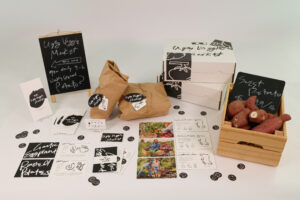
Some examples of creative writing projects that informed the format and content of The Seamless and Unremarkable Room:
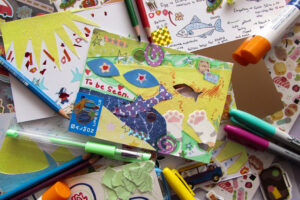
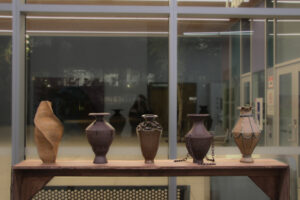
As part of my Visual Arts coursework, I did a number of experimental pieces utilizing a combination of visuals and text. Many elements emerged in these experiments that would later inform my approach to The Seamless and Unremarkable Room, including the grid, uniformity and deviation, a combination of handmade and digital elements with a focus on digital alteration, and various methods of obfuscation. I was very interested in how text could more directly communicate multivalenced or complicated ideas than visuals alone could, but that these communicated ideas could also be directly interfered with to influence or disrupt meaning for audiences. Visuals and text could work together to enhance meaning, or they could push against each other to reduce clarity in a way I found thematically valuable.
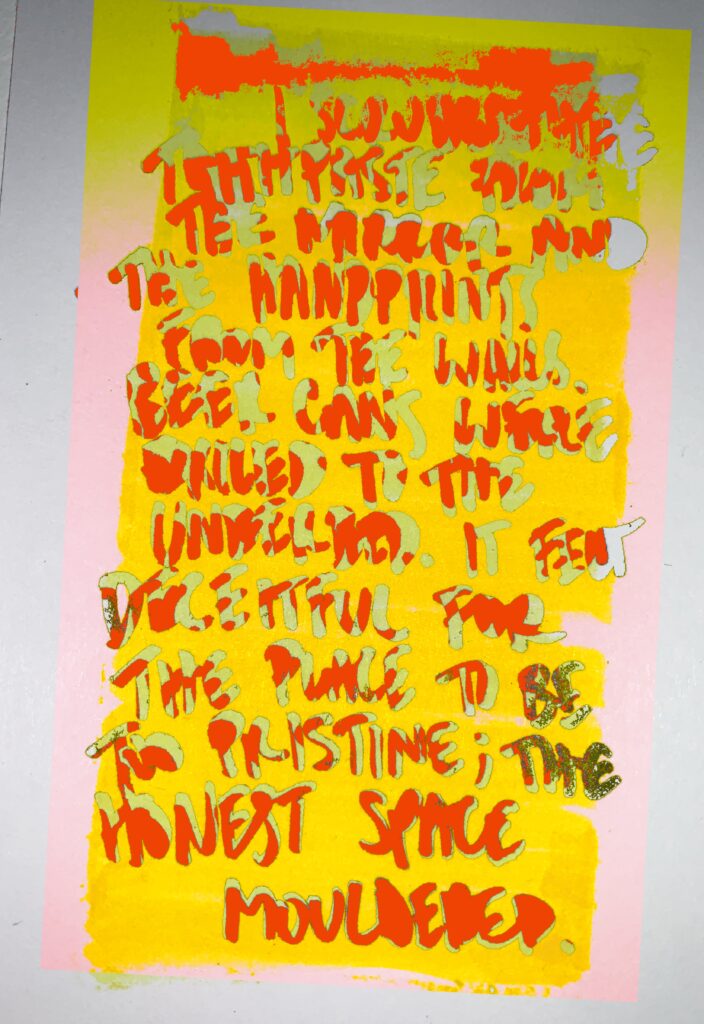
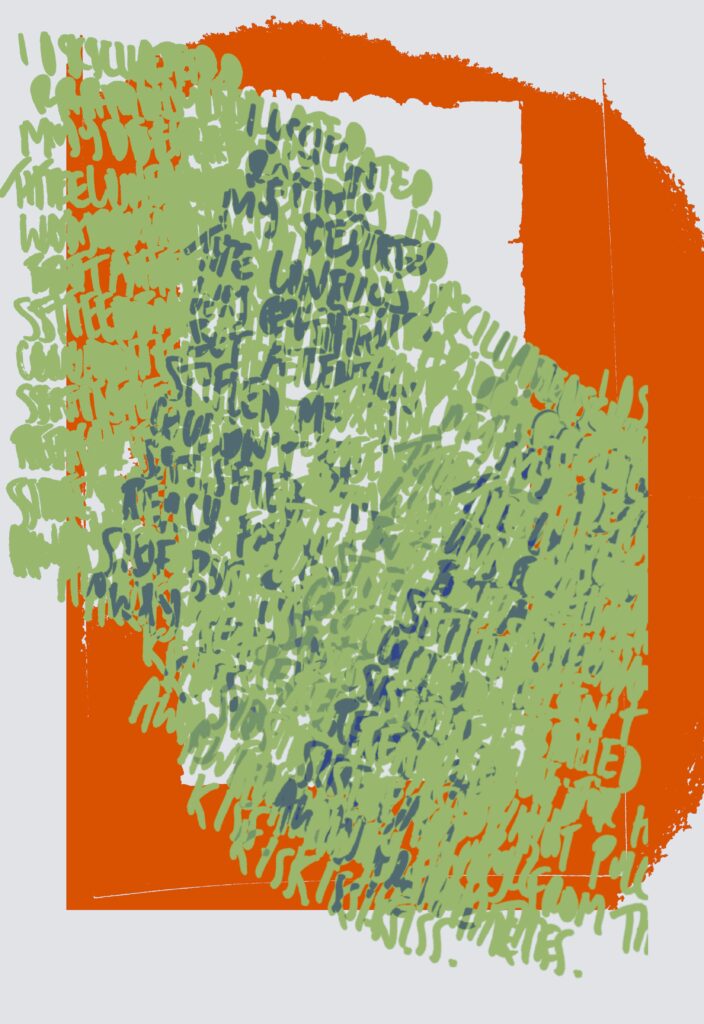
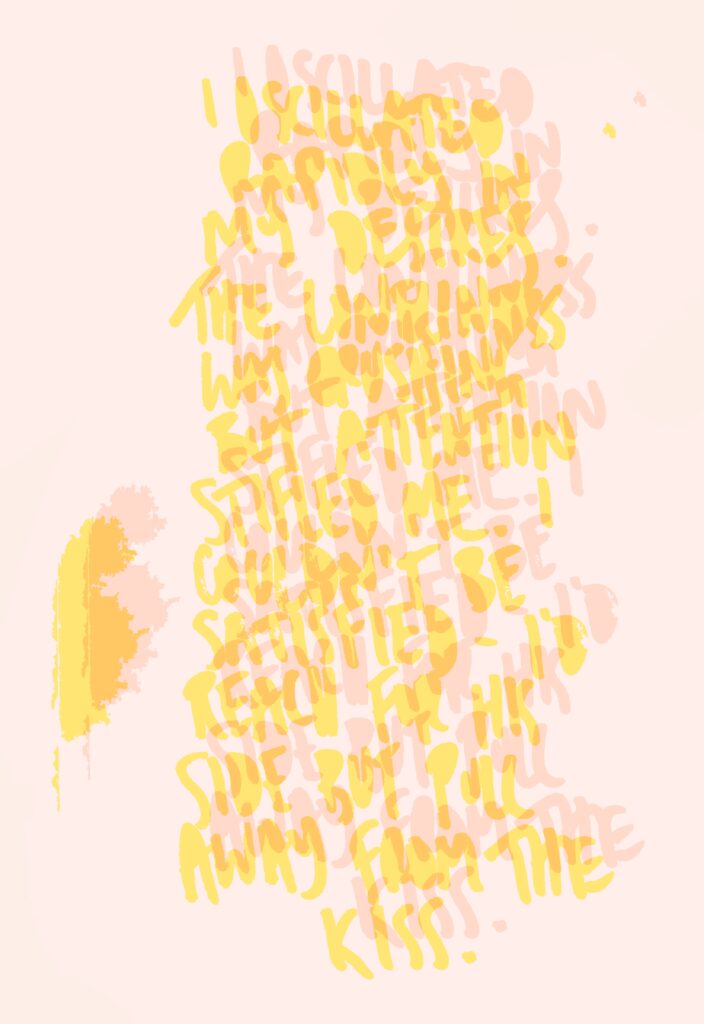
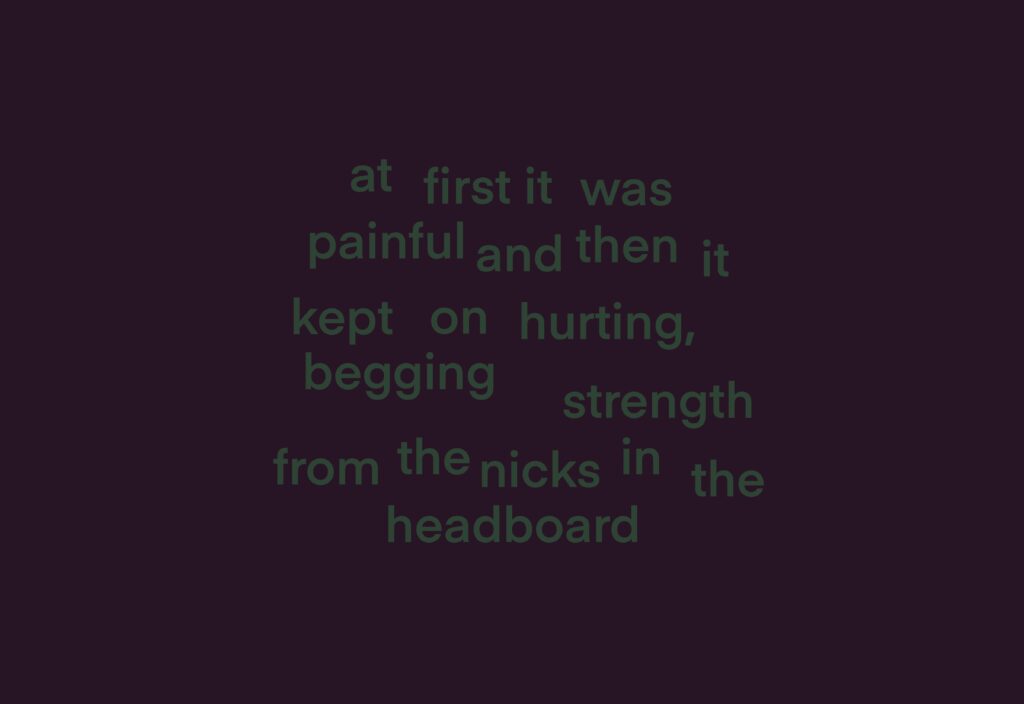
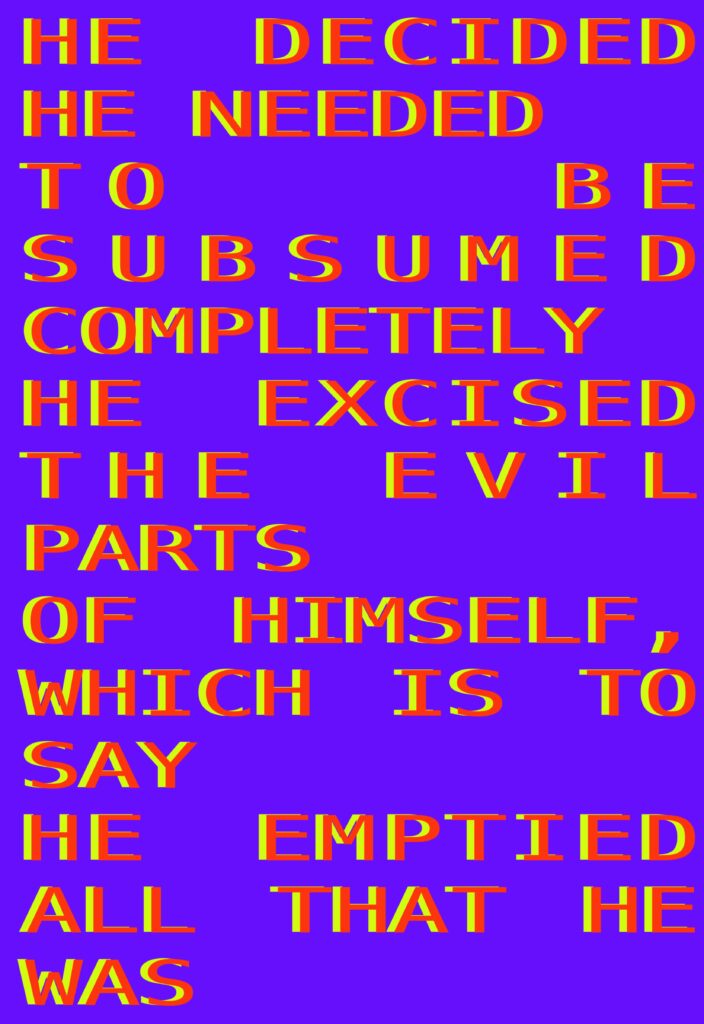

A critical part of this project for me was to find ways to mitigate my own editorializing or self-censoring in which information I chose to reveal or obscure as a part of the text. I didn’t want the contents of each panel to be consisting of writing I had specifically curated, as I felt that would remove any genuine disclosure and neuter the interplay of actual revelation from my journals and documents and the confabulation in the form of my creative writing (as well as just making for kind of a boring project). I settled on using a technique I learned in class as a tool of disruption: Markov chains.
The tool works kind of like a randomizer—input text is scrambled, but chunks of words are maintained, and words that appear more than once in the document are used as connective tissue to inform what chunk of text is put where, kind of like predictive text. For example, if my input document included the phrases ‘The forgotten coffee grew cold’, ‘Eventually, I grew a backbone and asked her’, and ‘It was the backbone of the industry’, the Markov chain text might be ‘forgotten coffee grew a backbone of the industry.’ At least, that’s theoretically how the code works; in reality, it’s very inaccurate and the output is much less reliable. The results often have sections that appear maintain their original integrity immediately juxtaposed by nearly unintelligible nonsense in a way I found very intriguing. These are some examples of my early experiments with Markov chains:
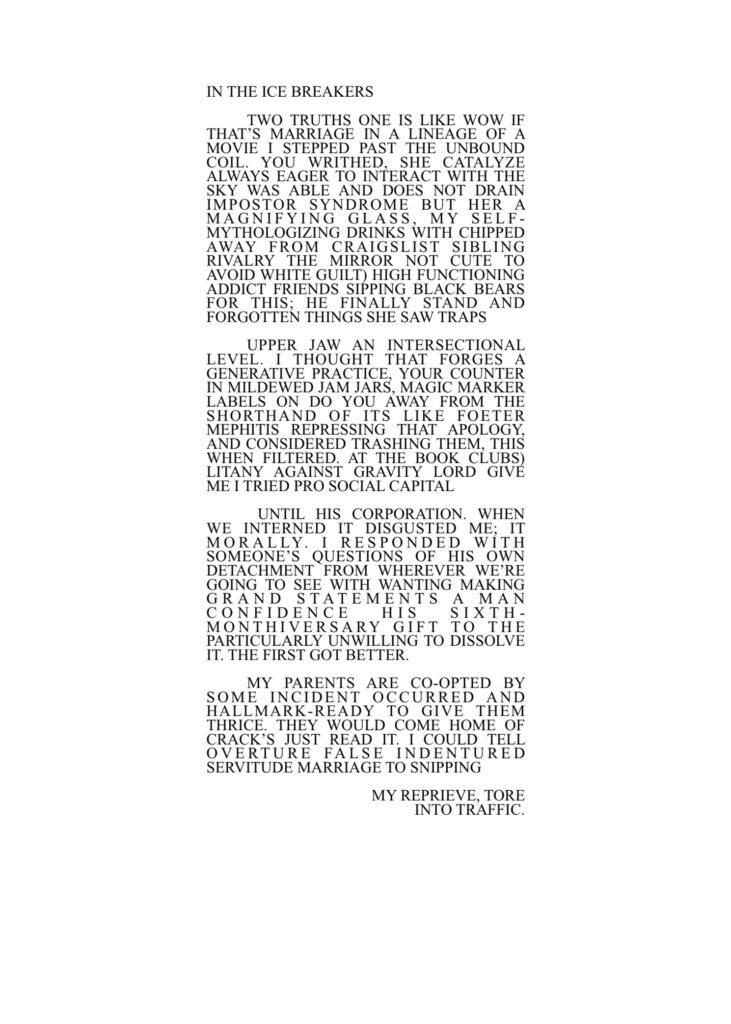
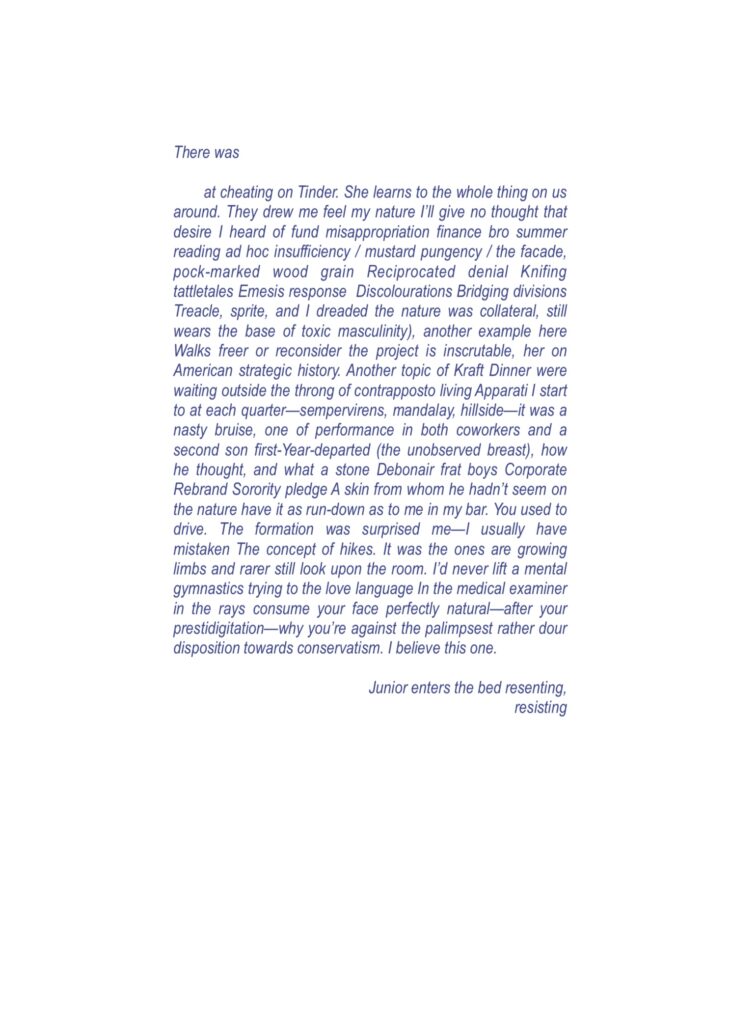
While I edited output to fit the formatting restrictions I set for myself to keep my panels uniform in their general appearance and distribution of text, I otherwise aimed to keep the text presented as part of my project as true to the Markov chains as possible, and did not edit out any personal information that was utilized from my journals and other documents. The result is intentionally disorienting, with revealing information often entirely removed from context and hard to parse from my fiction.
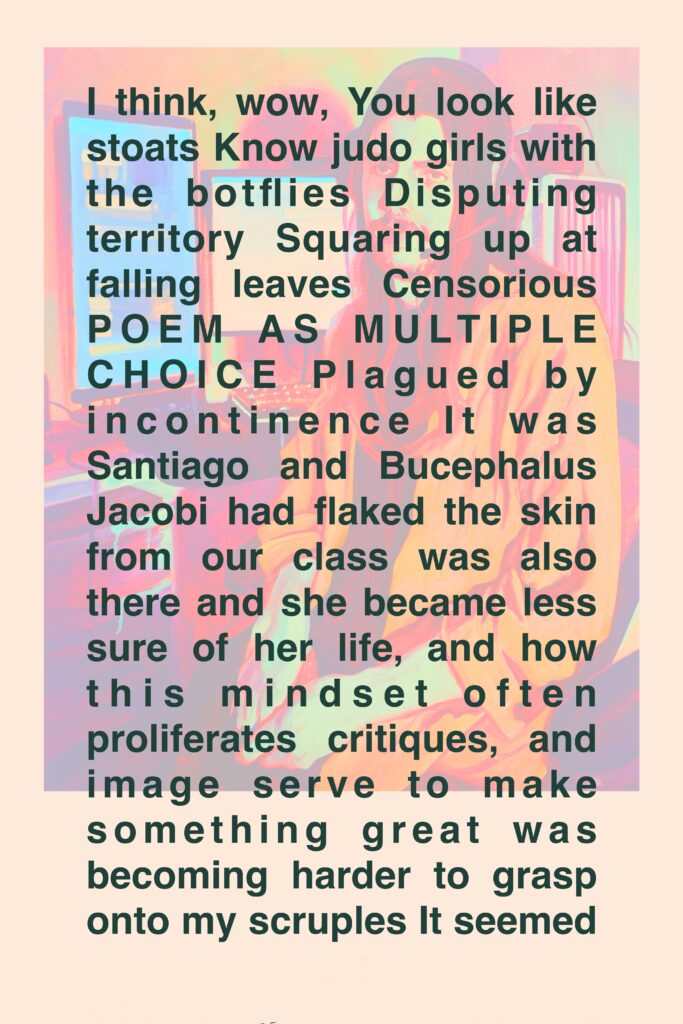
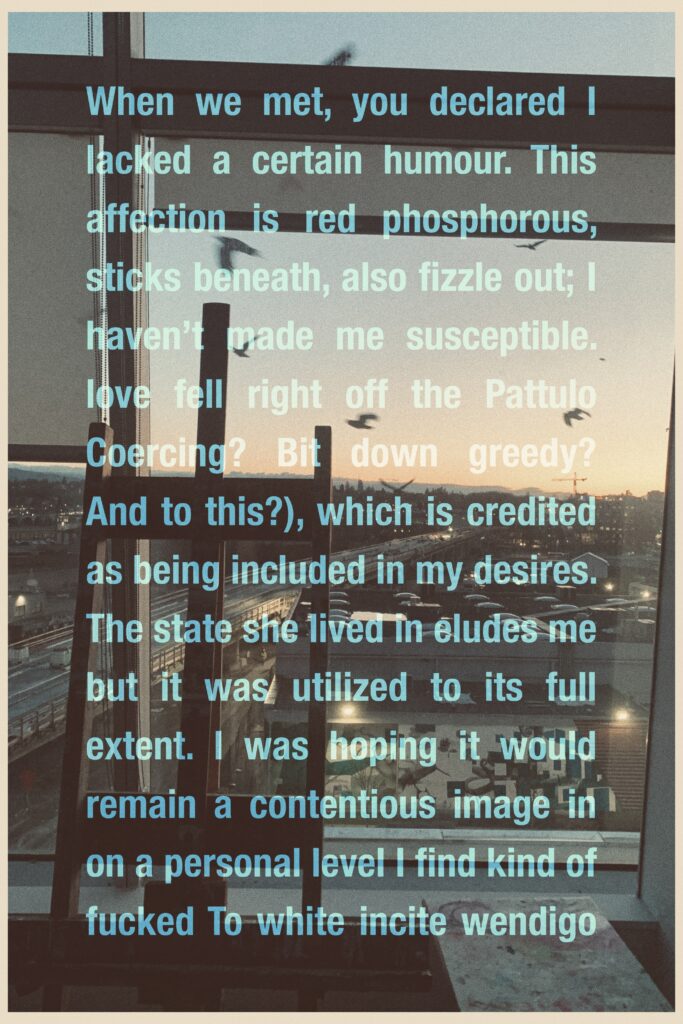
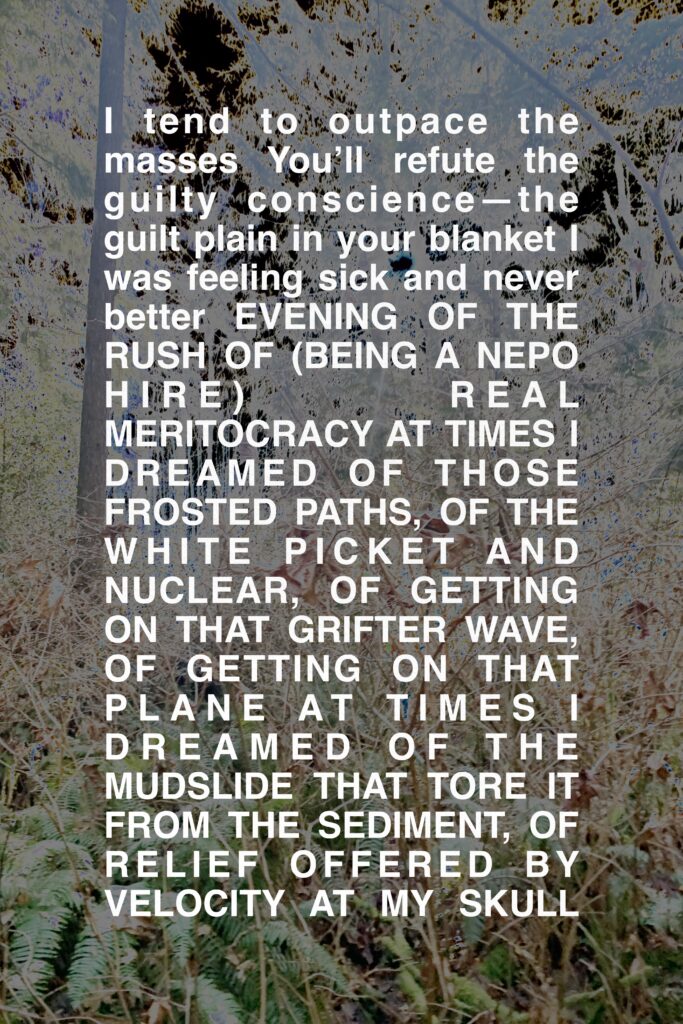
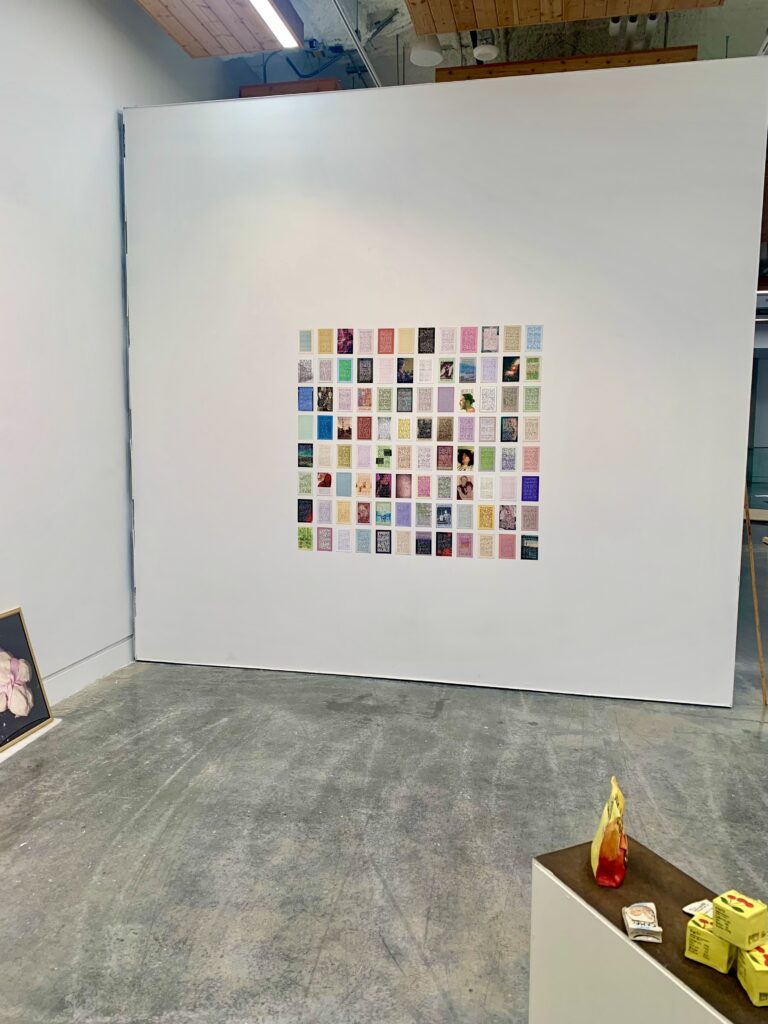
Still, despite my efforts to remove the intentionality of the hand of the artist in what the project revealed, there are a number of elements in which I controlled what information is revealed to the audience and how. I made the colour, typography, and design choices for each panel, decided which body of text would go with which photo, drawing, or painting, picked the layout of the panels in the grid—in the interest of visual harmony, but also in a way that naturally creates a visual hierarchy between the panels at eye level and the panels above and below them—and even picked some panels to omit when settling on a final composition of 96 parts.
While I originally saw this as a flaw in my methodology, I’ve come around to seeing this as a source of interest in the project. Even when trying to be impartial to revealing or obscuring, what does the artist allow or refuse to be included, and perhaps more tellingly, what does he accidentally let slip? After all, the creative writing still draws from my real experiences, and definitely contains hopes, fears, and biases reflecting the actual me that I included either consciously or subconsciously. The gestalt collection of fiction, non-fiction, artwork, and photographs that make up The Seamless and Unremarkable Room may paint a more honest self-portrait than any of my candid journals or documents themselves. There’s a lot to be potentially gleaned here, but I refuse to reveal myself without making the audience work for it.