Wearable Armour
Megan Hippisley
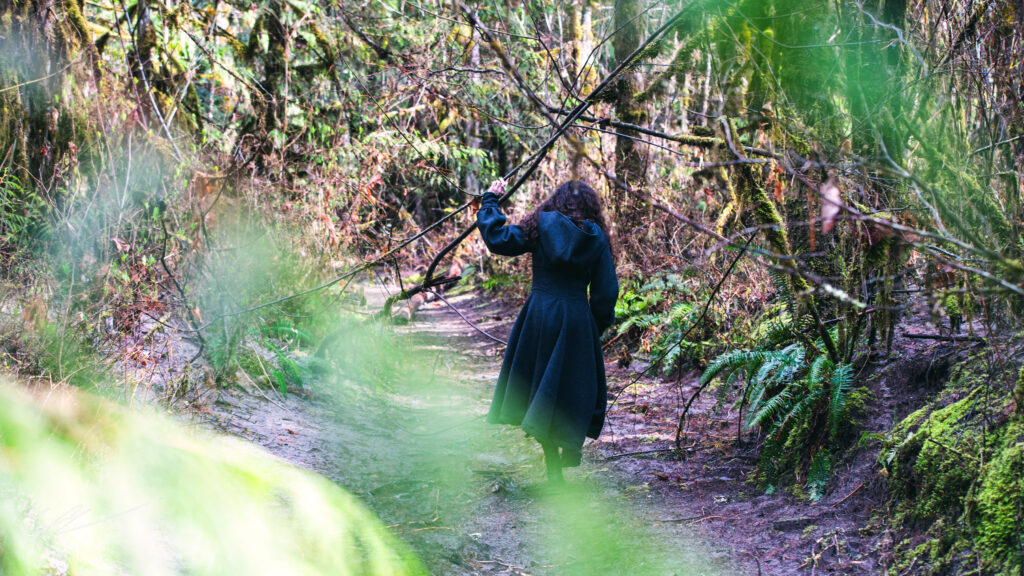
Wearable forms that blend softness and strength, creating a sense of empowerment.
Clothing can change the way we move through the world. A garment can shift how we stand, how we carry ourselves, and how we feel in our own body.
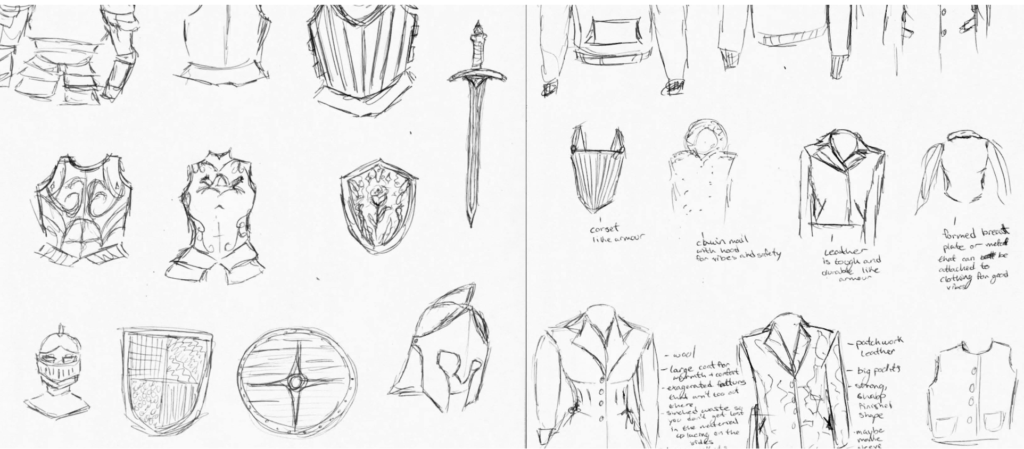
My project explores empowerment through clothing. I started by thinking about armour, like, actual protection, and I decided to commit to that direction and see where it would take me. I did want to create something that carries that same feeling, just in a way that fits into daily life.
This project is personal to me. I’ve always been drawn to clothing that changes how I feel, like structured pieces that make me stand taller, or small objects I can hold onto when I feel overwhelmed.
I started noticing how common that is. People have favourite jackets they always reach for, rings they never take off, or objects they carry without really thinking about them.
I wanted to explore how design could intentionally create that feeling. Not just something that looks good, but something that actually helps you move through your day with a bit more confidence or at least makes things feel slightly more manageable.
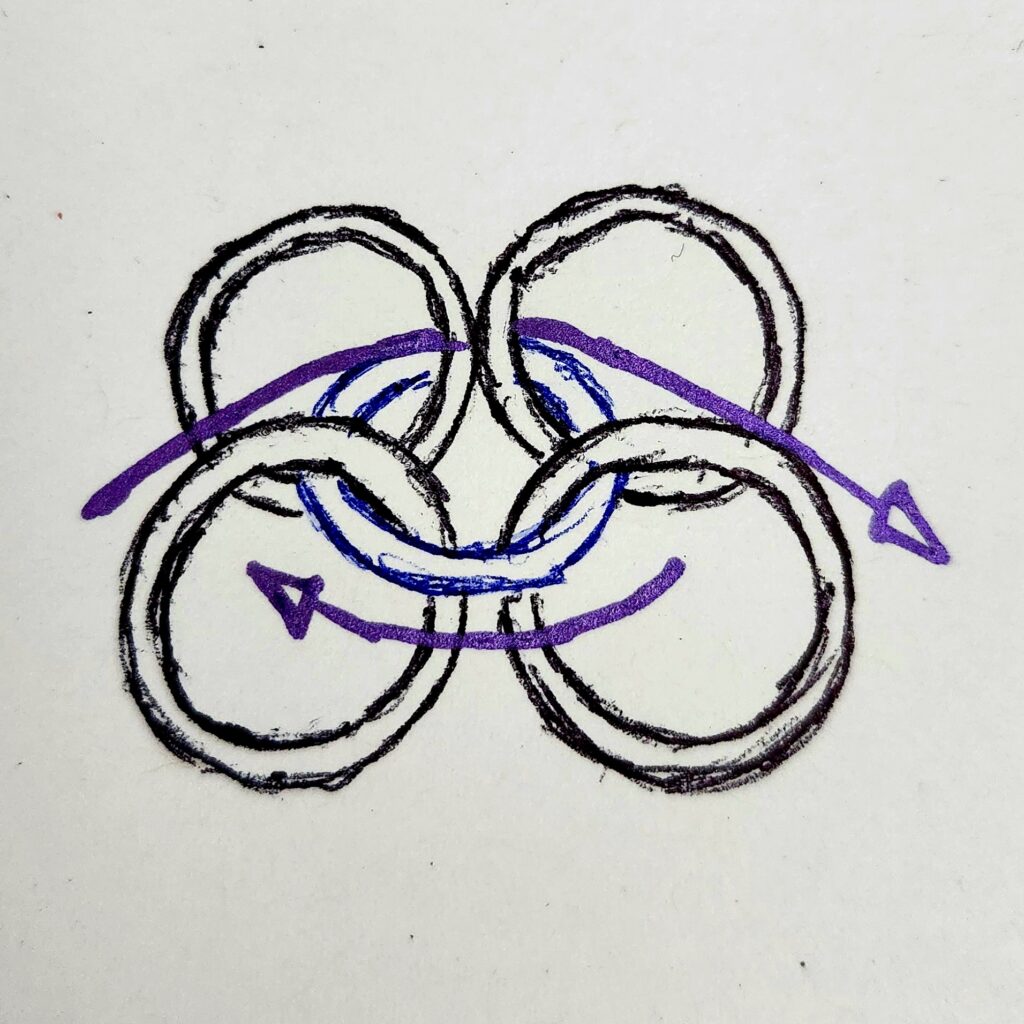
I began by researching historical armour, especially chainmail, focusing on how it protects the body while still allowing movement.
I was interested in how something could feel protective without restricting the body, and how that balance between safety and mobility could translate into something wearable today.
But after talking to people, my focus shifted pretty quickly. No one I interviewed was asking for wearable armour in the literal sense, which is probably a good sign.
Instead, people talked about clothing and objects that make them feel more like themselves. Things that hold memory, meaning, or familiarity.
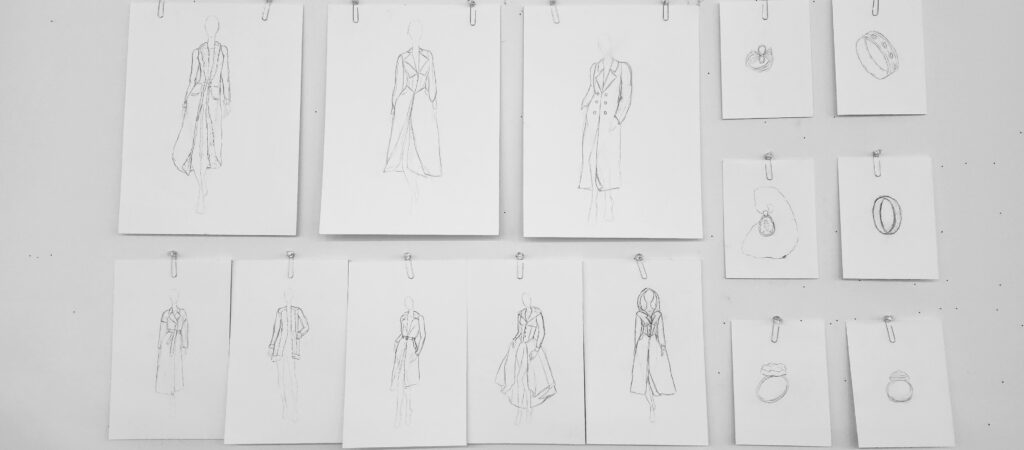
That is when the project changed direction. It became less about building a physical shield and more about exploring how clothing and objects can provide emotional support, something quieter, but still powerful.
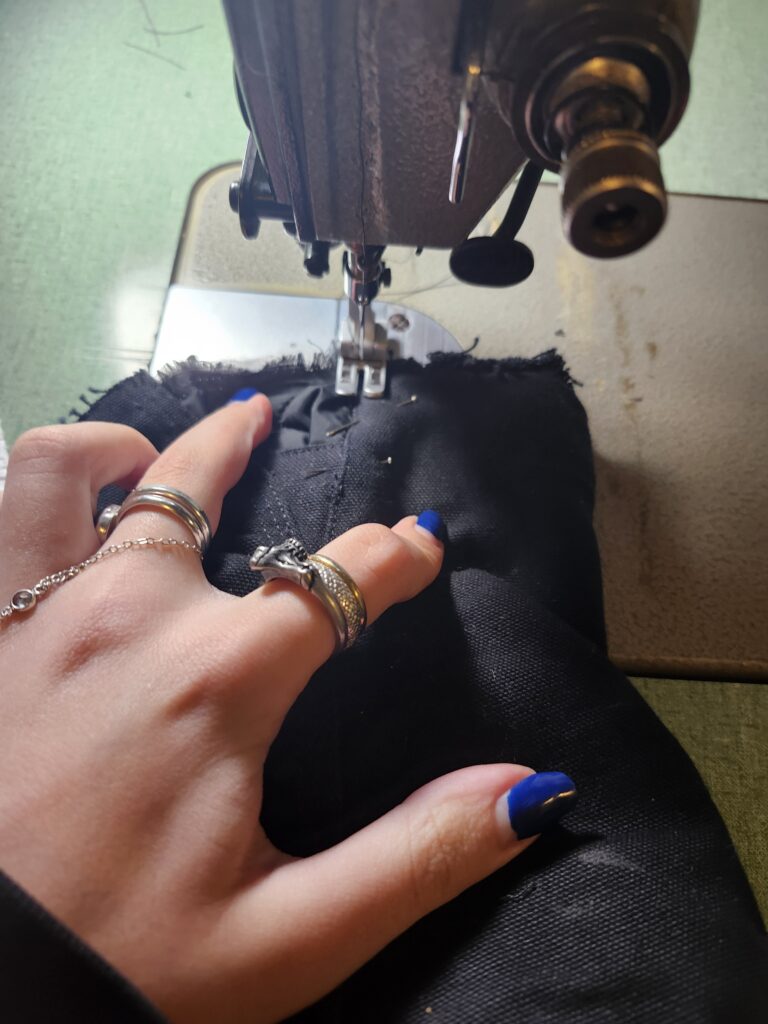
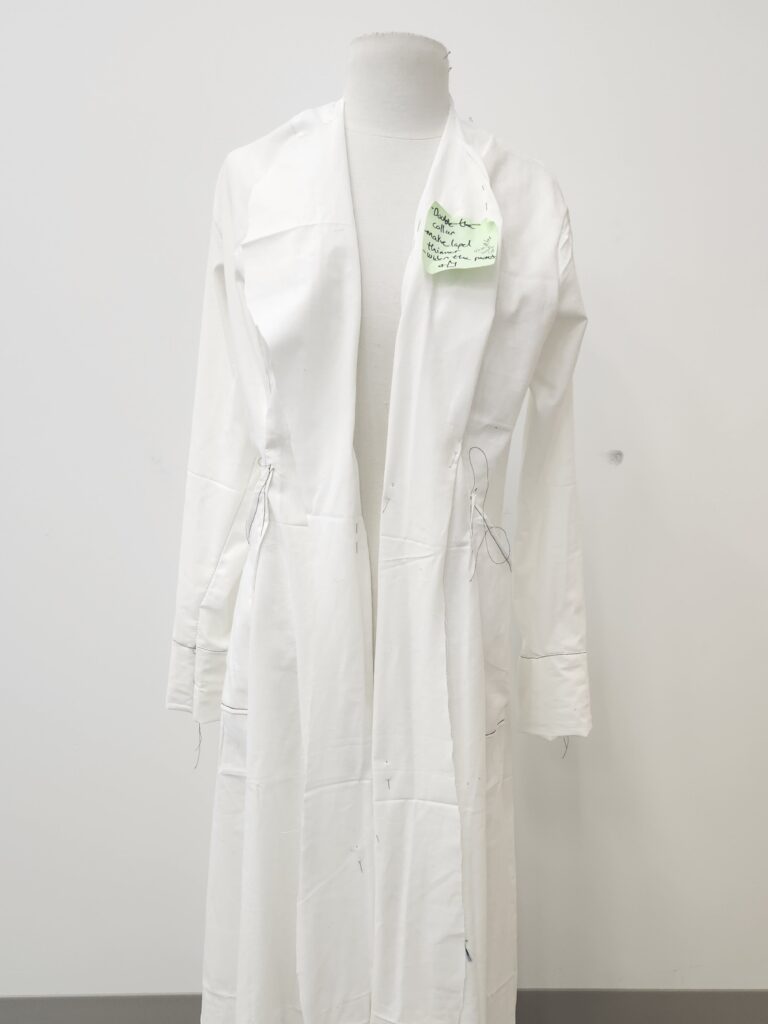
As I moved into the process phase, I started translating these ideas into physical forms. I drafted all my sewing patterns on a dress form, then later transferred those patterns to an InDesign file, and got to sewing.
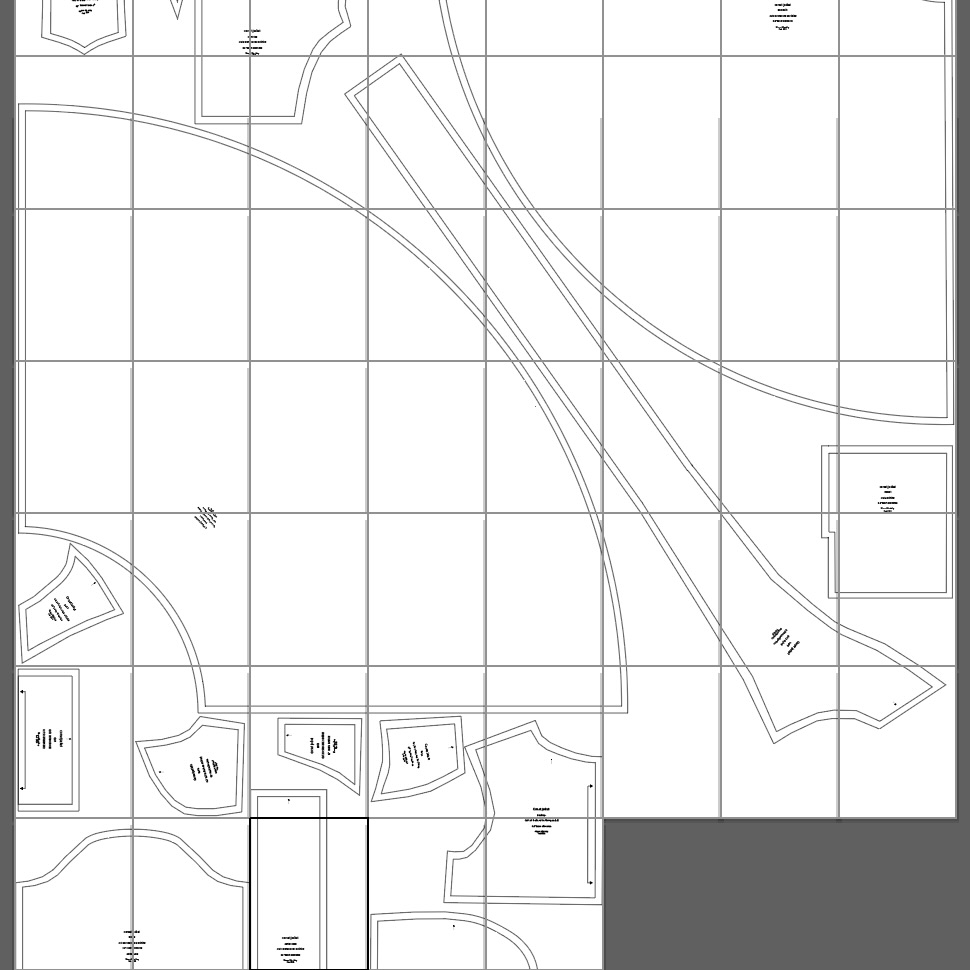
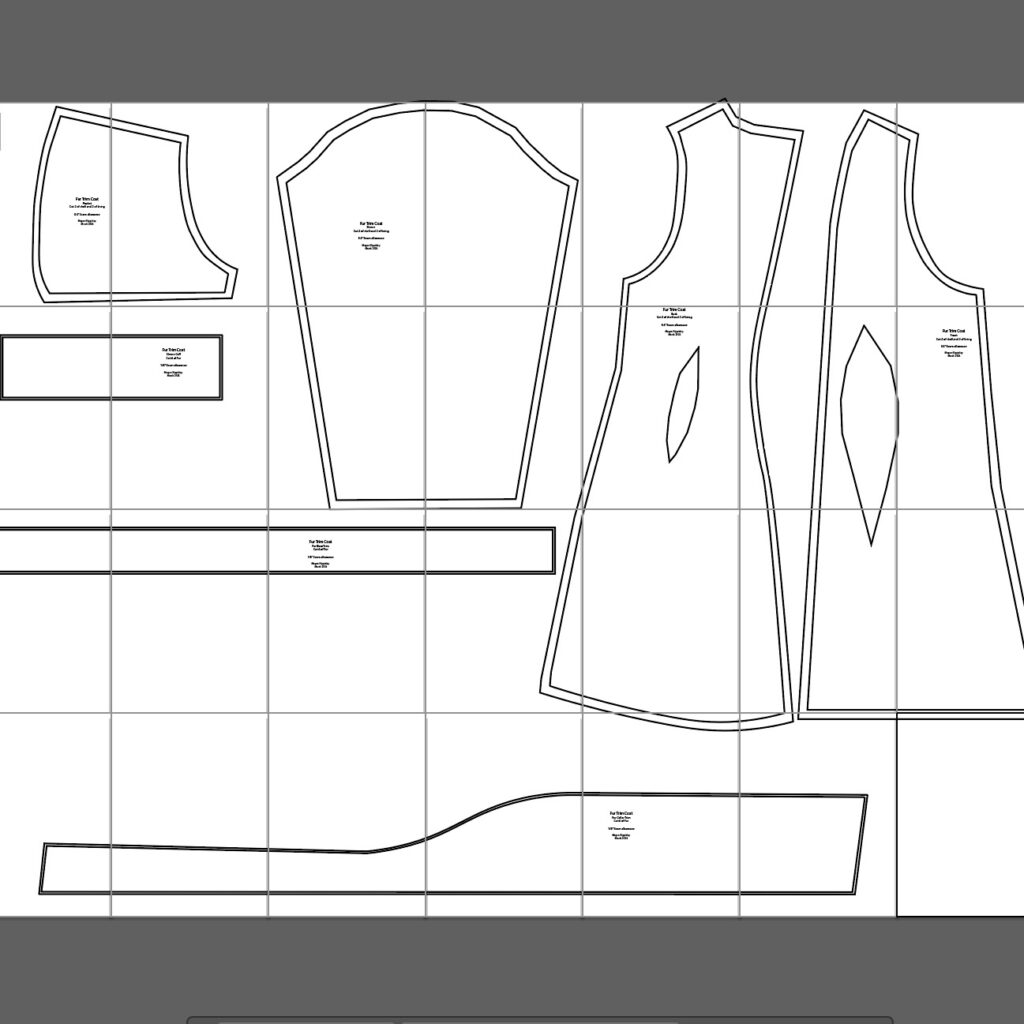
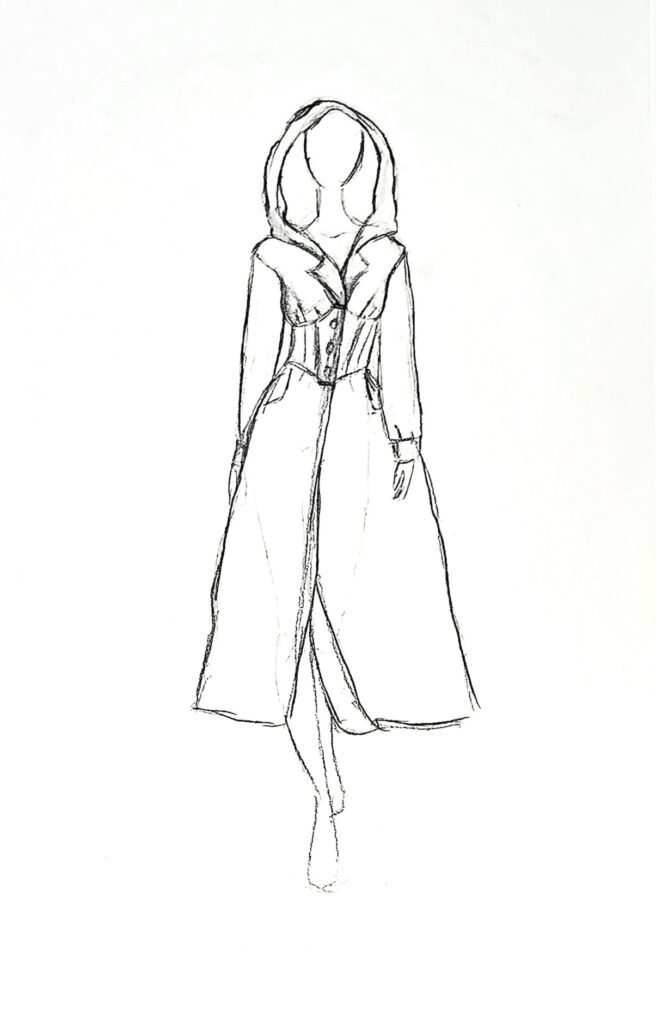
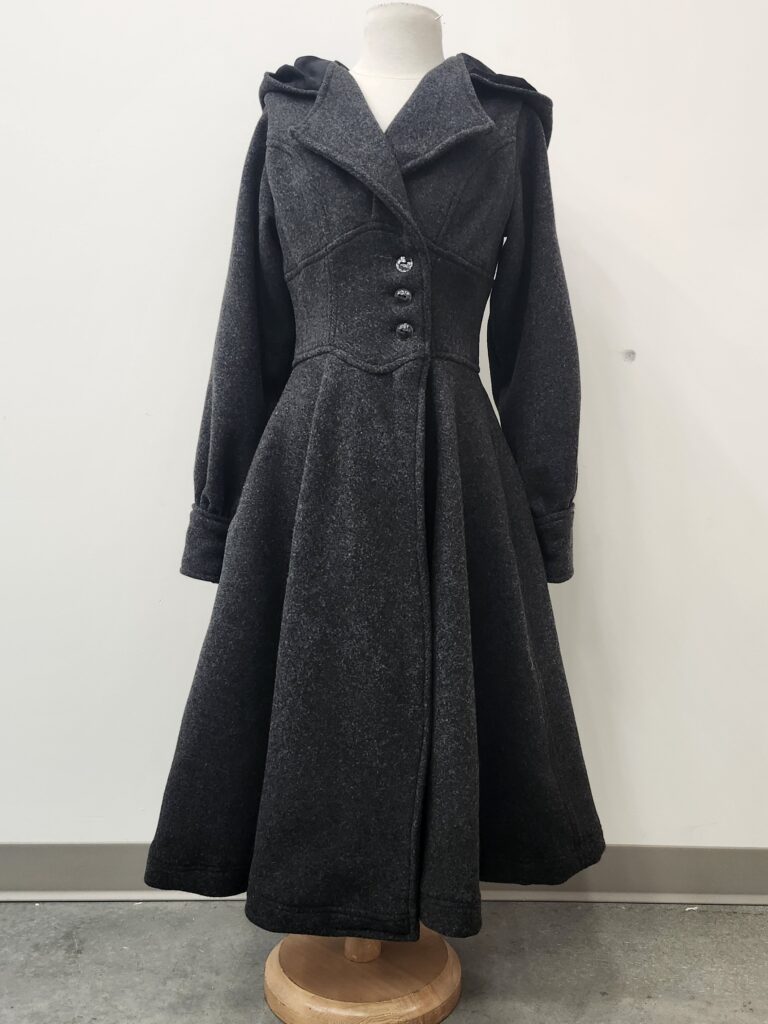
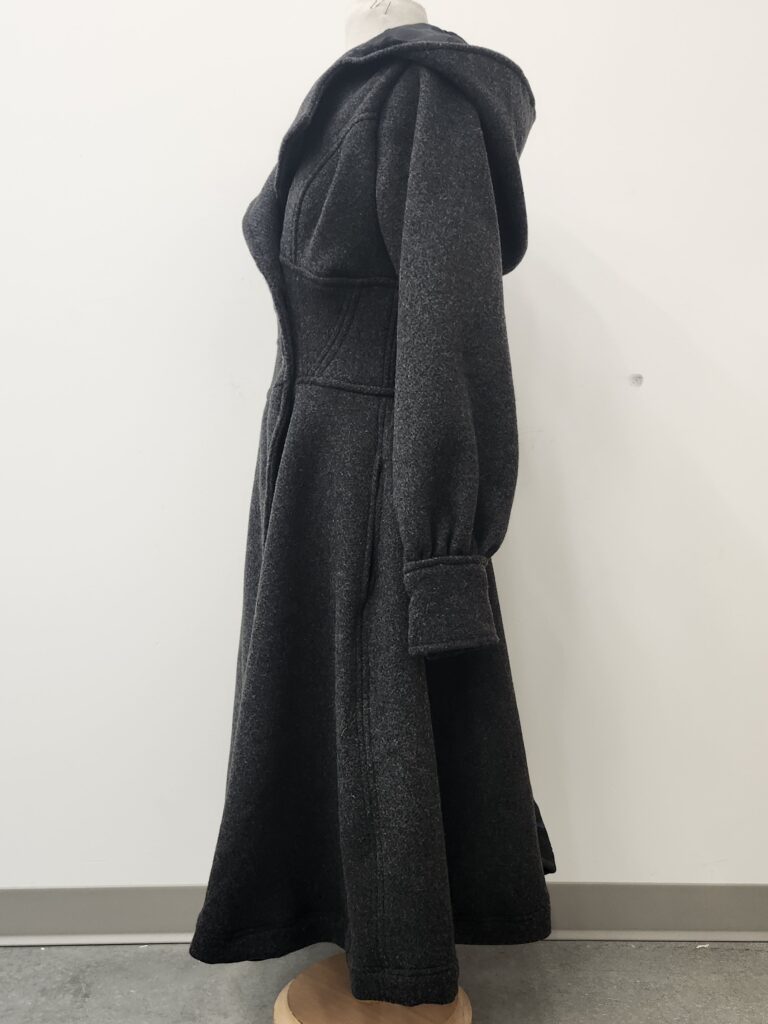
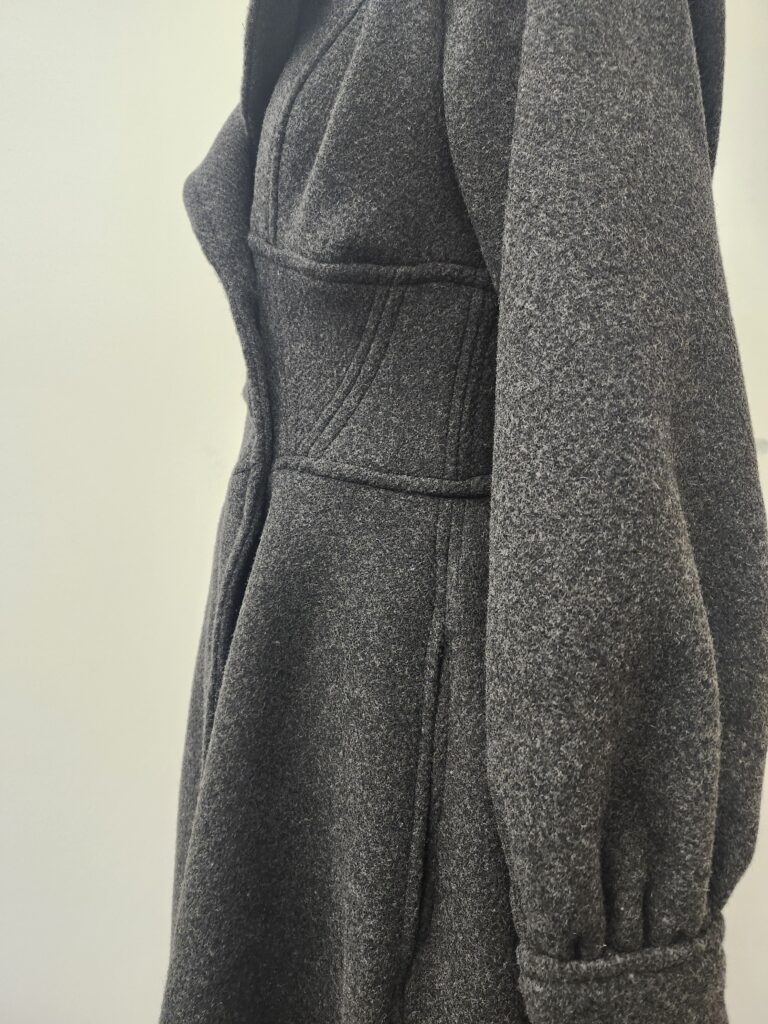
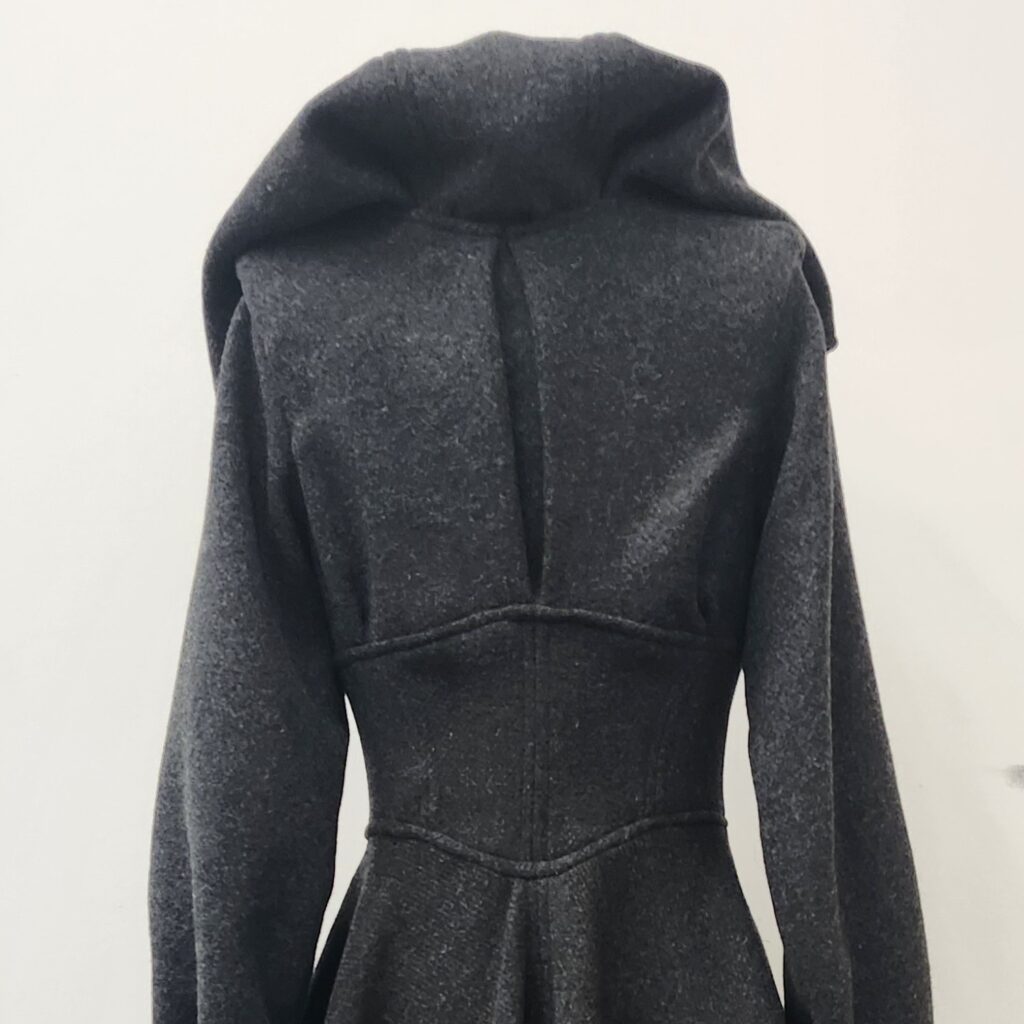
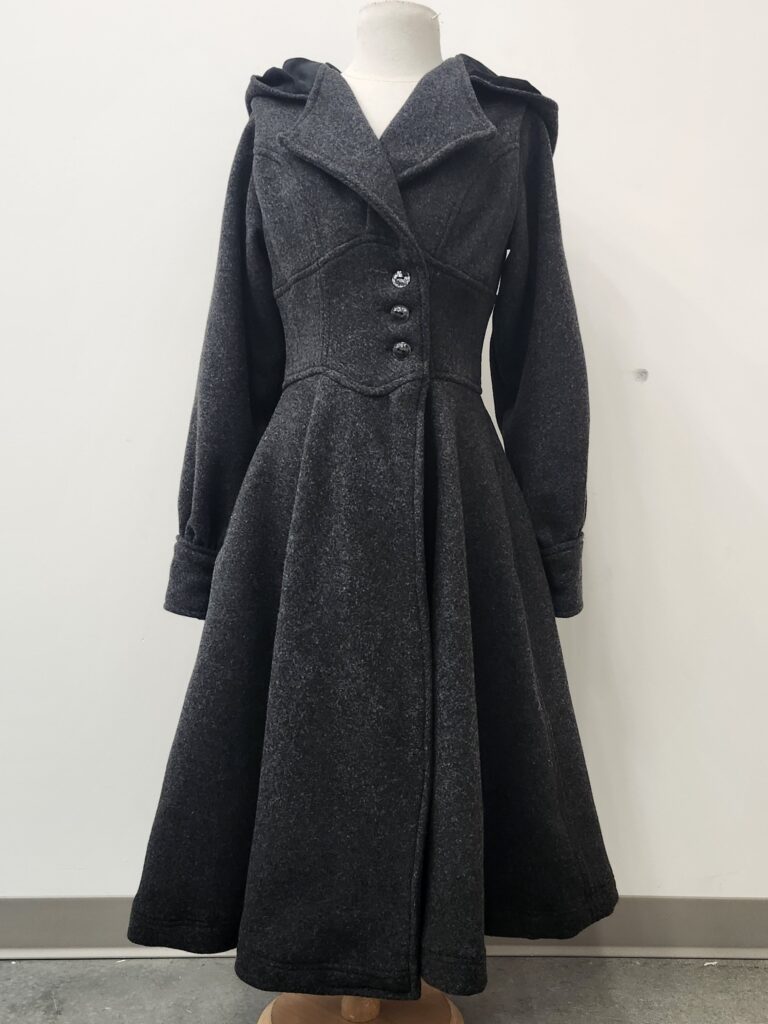
For the wool coat, I focused on structure. I developed patterns that shape the body and create a sense of support and presence. There were a lot of iterations, but each one helped refine the final direction.
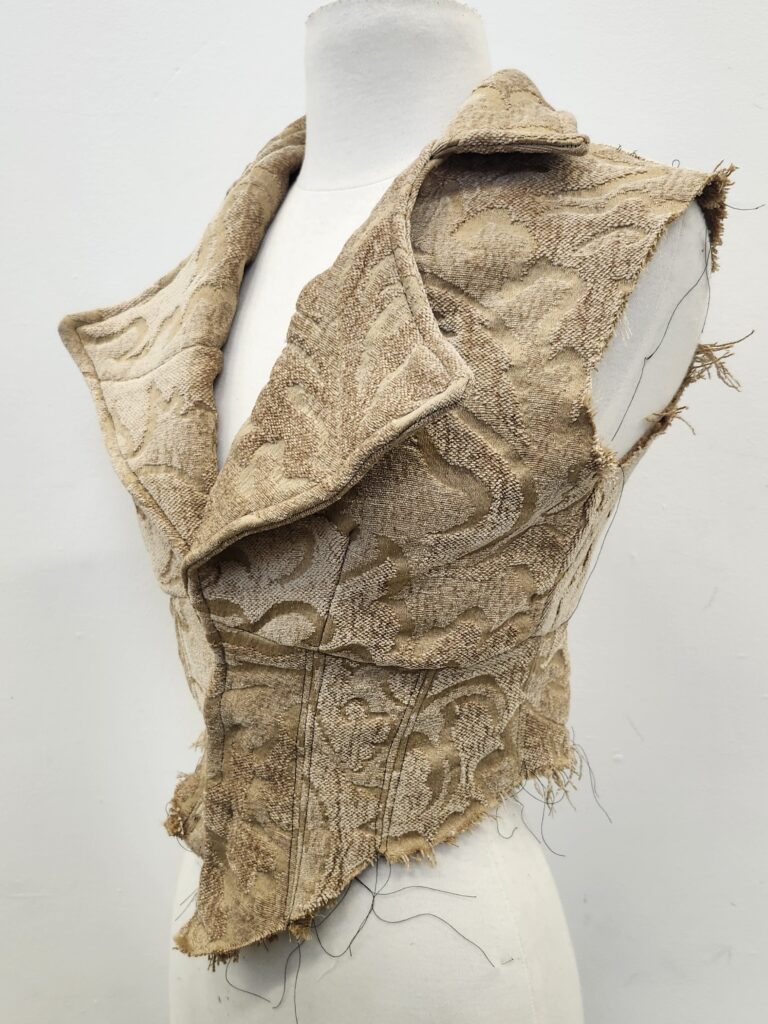
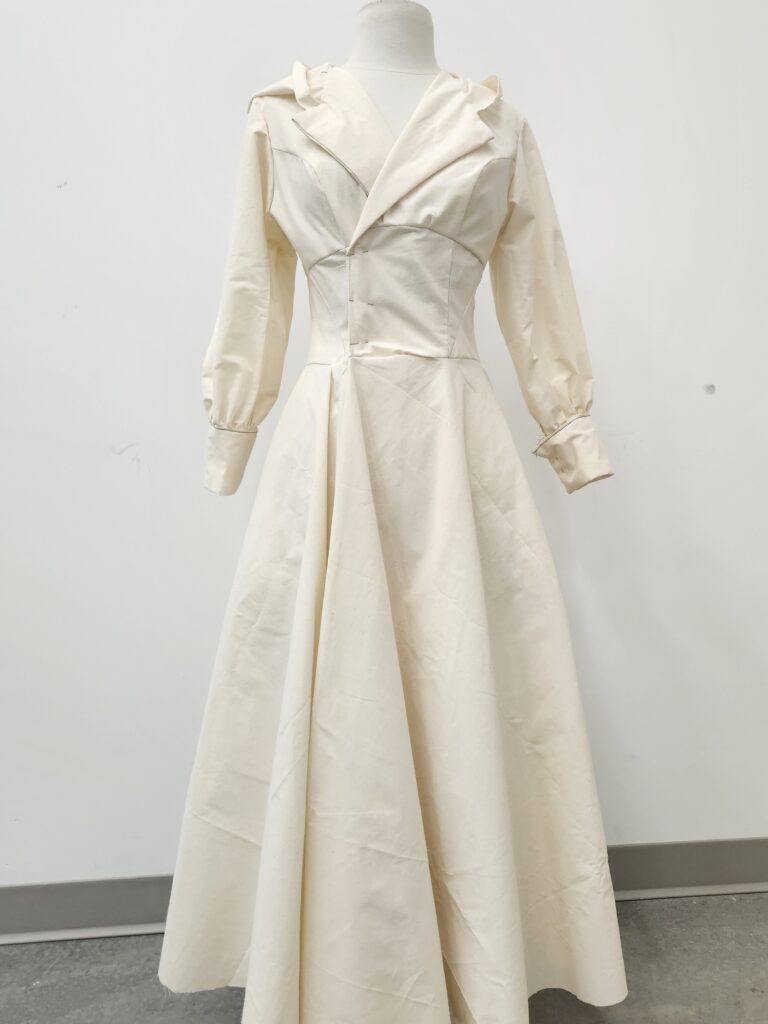
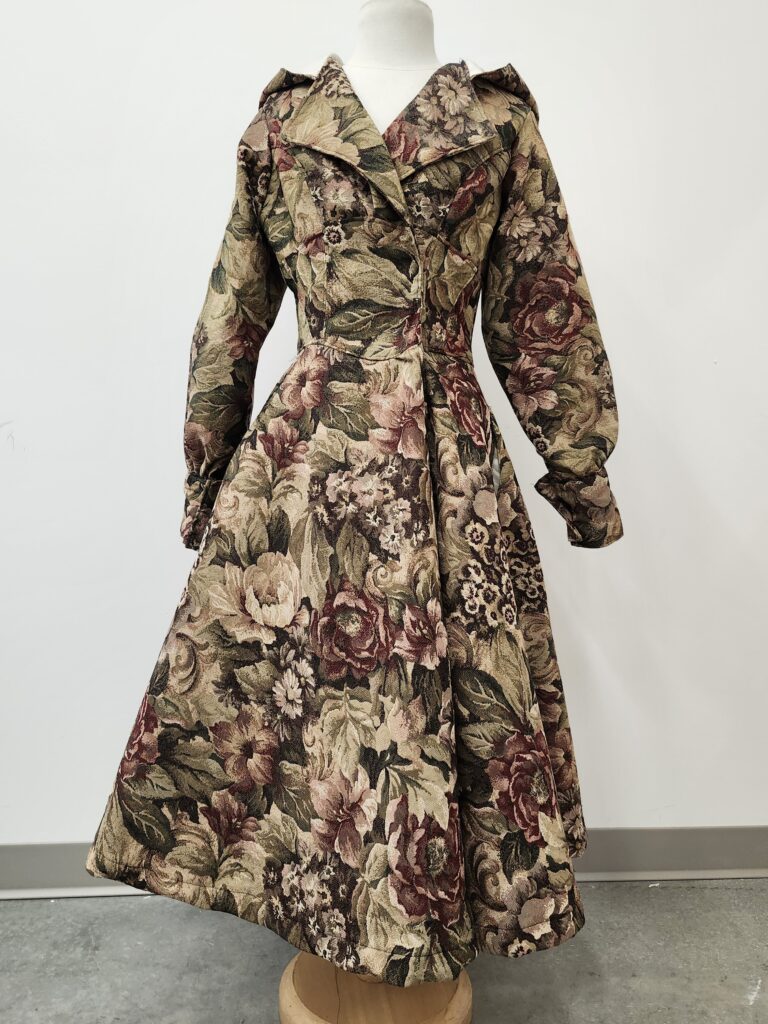
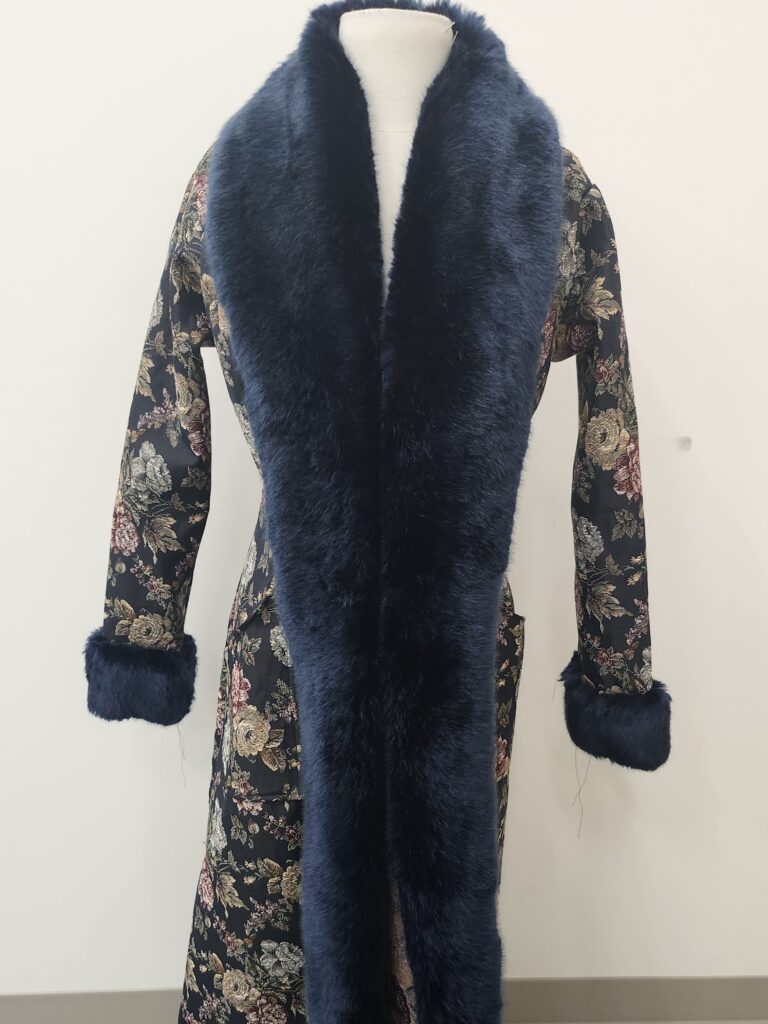
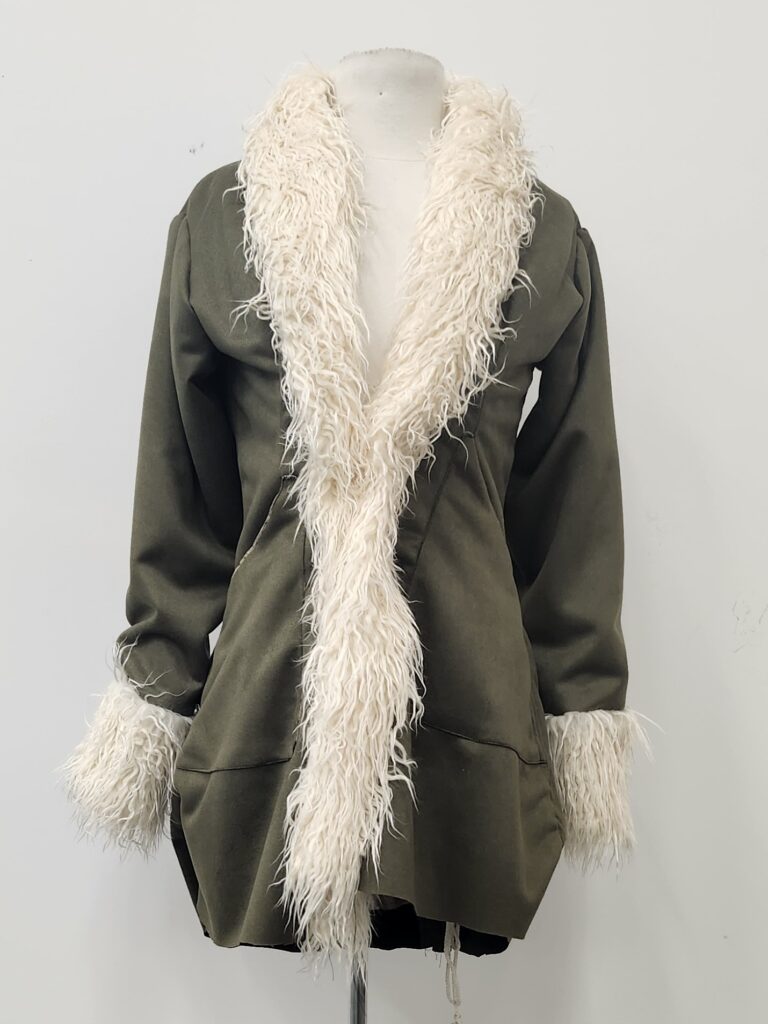
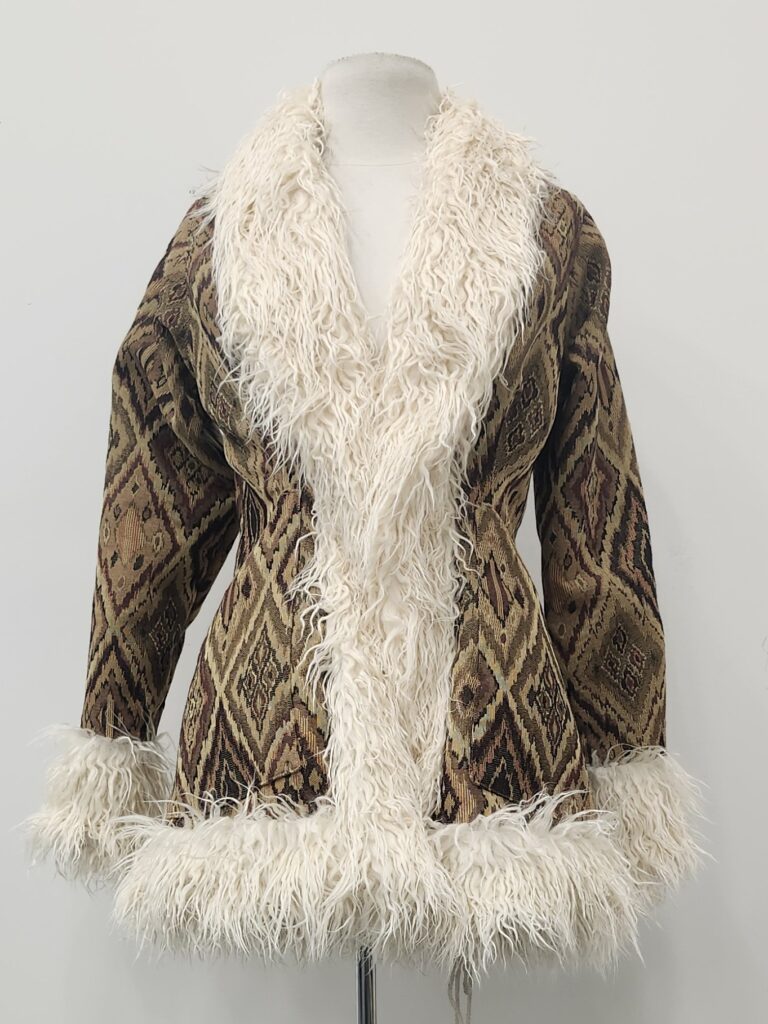
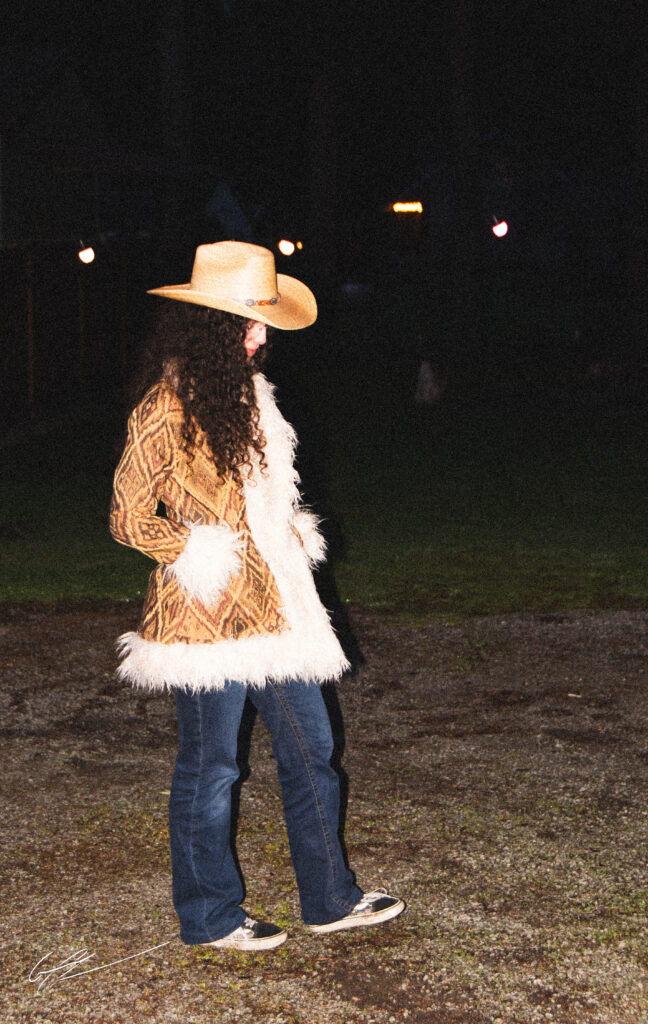
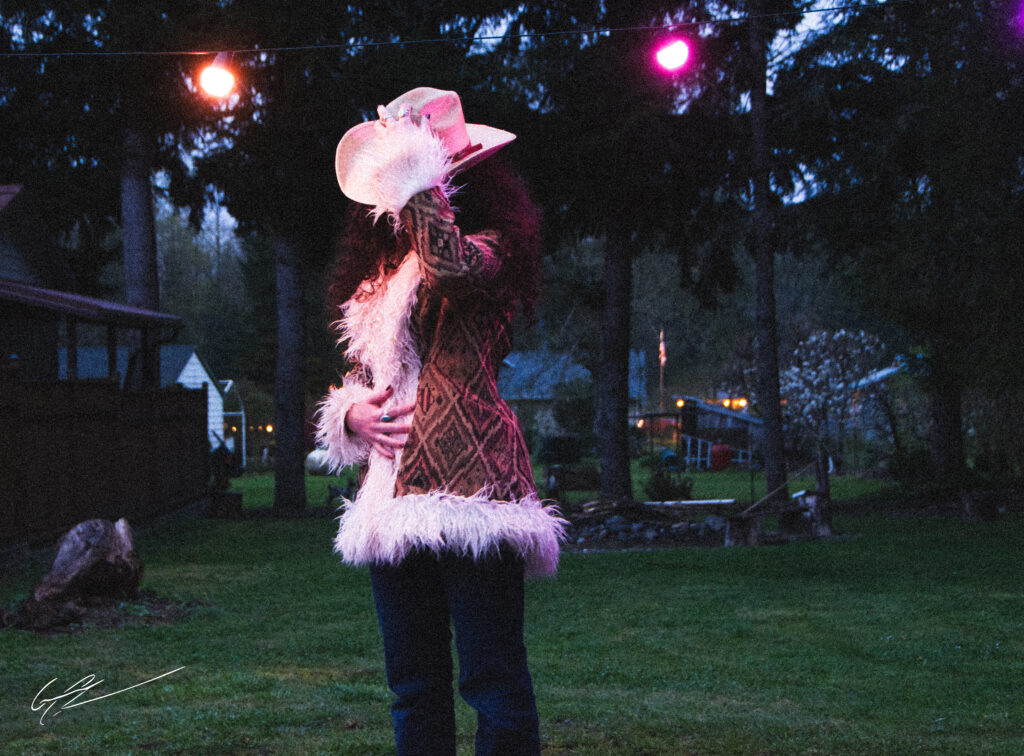
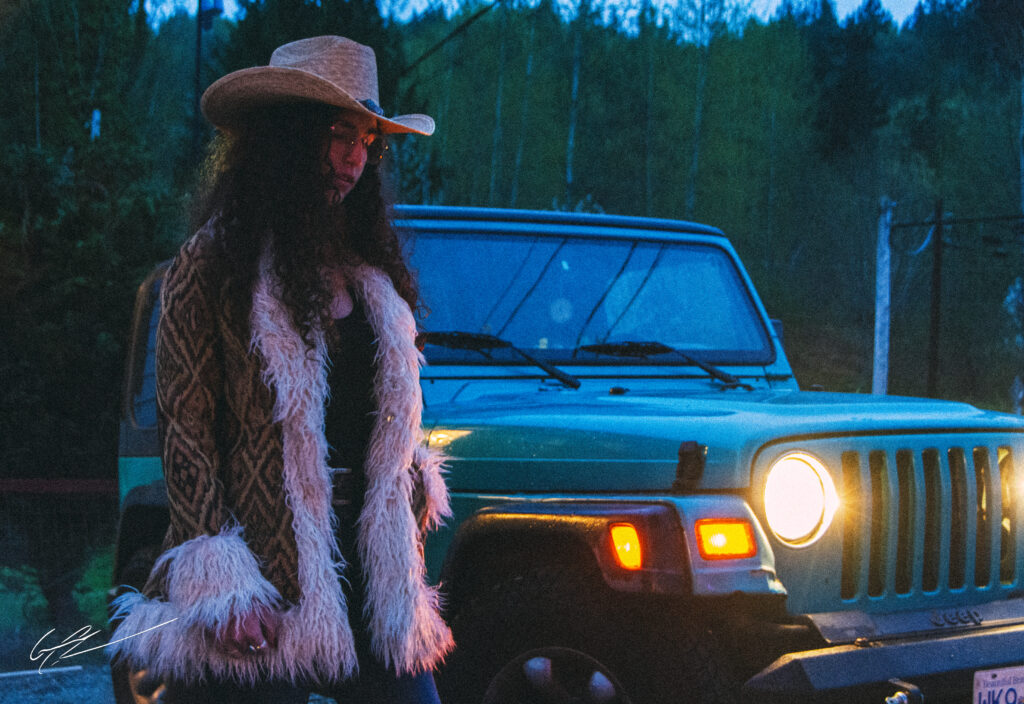
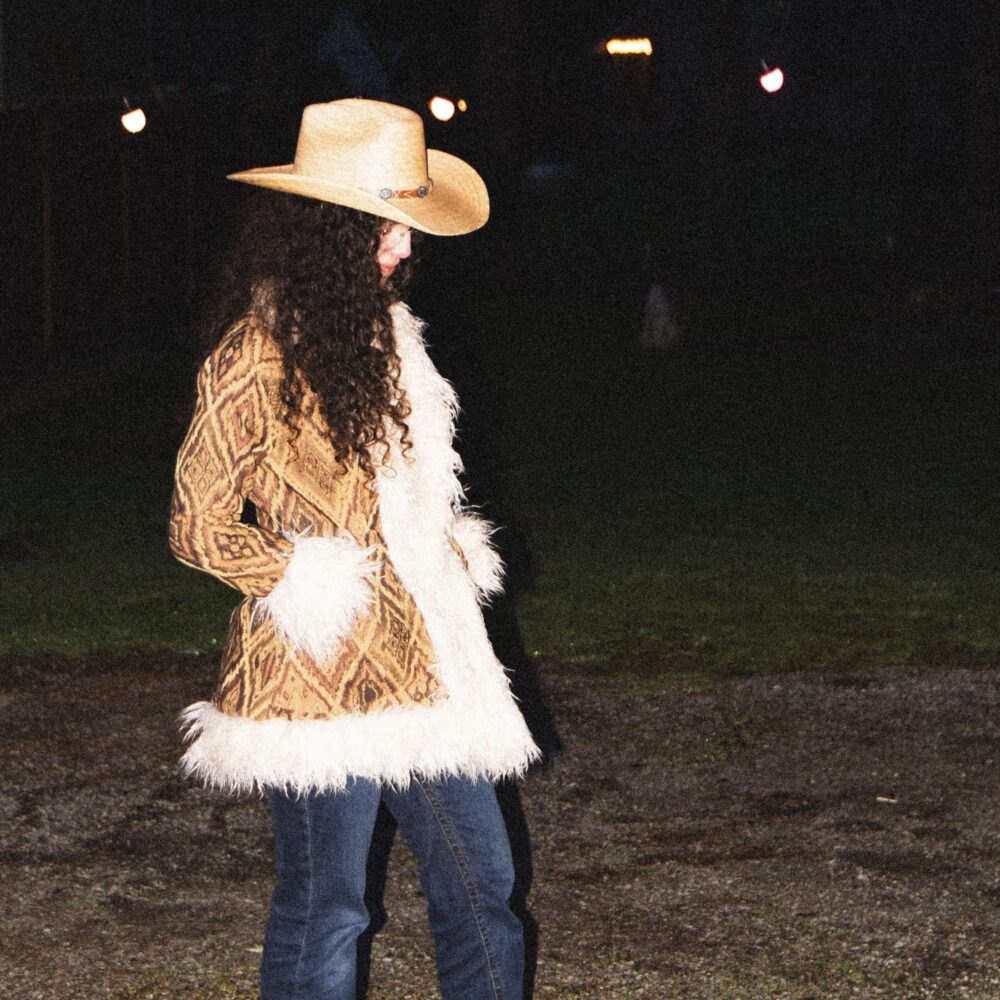
For the fur-trimmed coat, I explored volume and silhouette. I was interested in how the garment moves and how it occupies space.
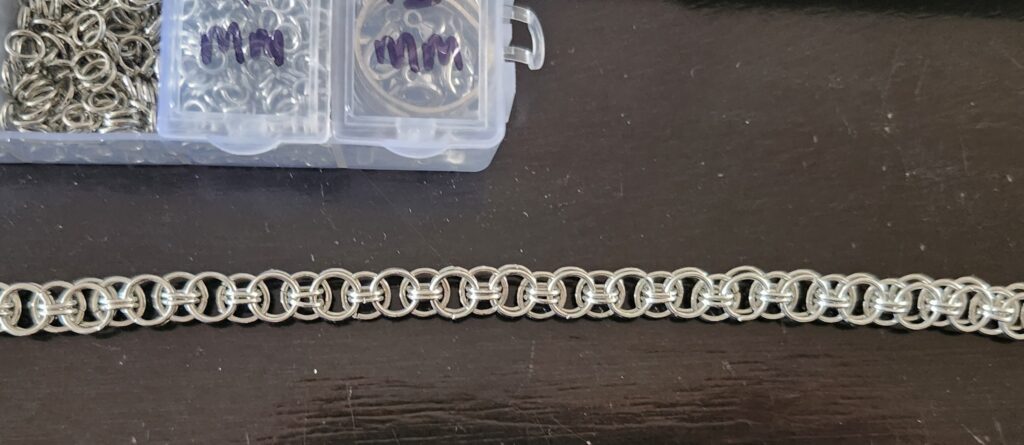
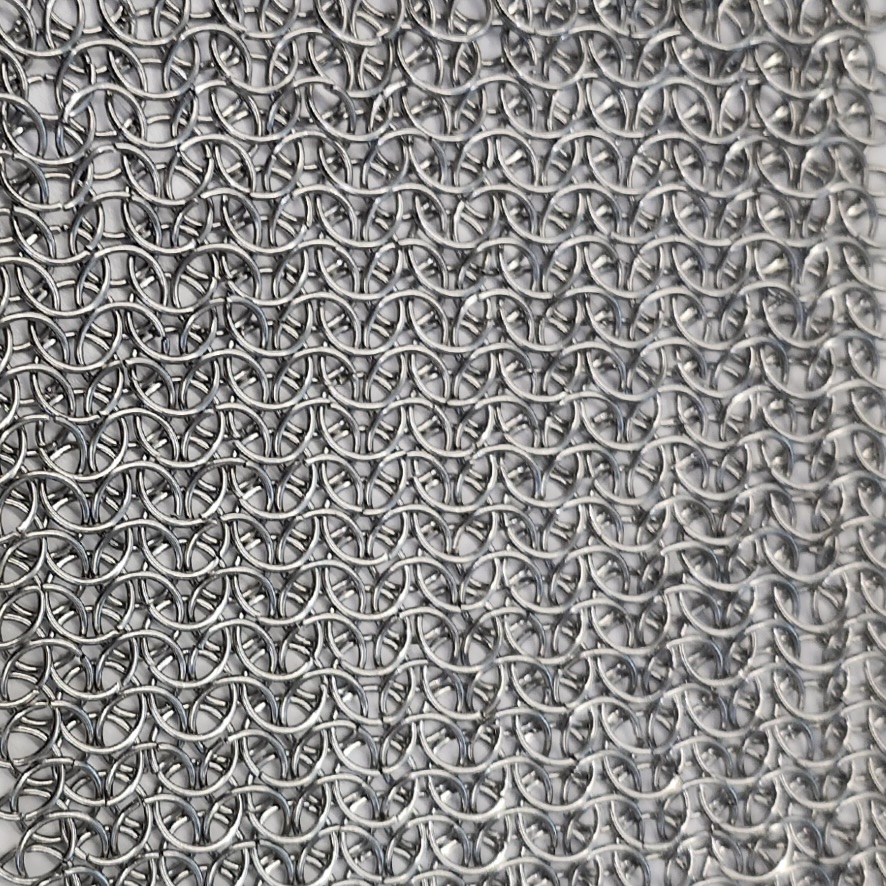
Alongside the garments, I worked on chainmail pieces and small tokens. This part of the process became more intuitive. I started by testing different chainmail patterns.
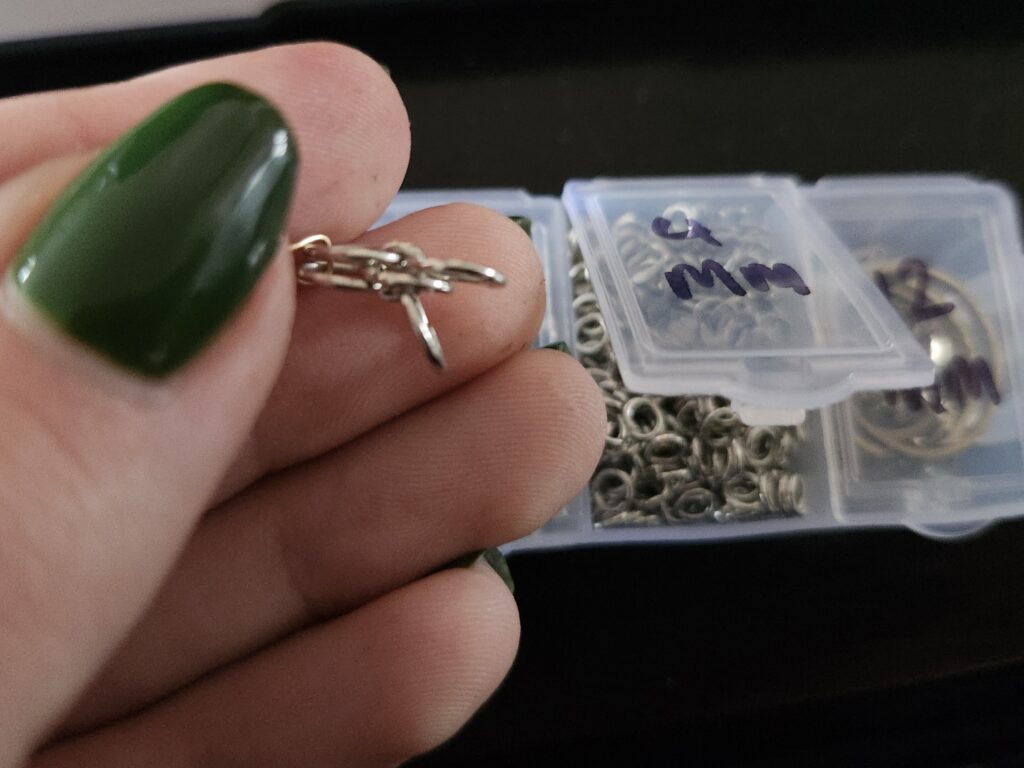
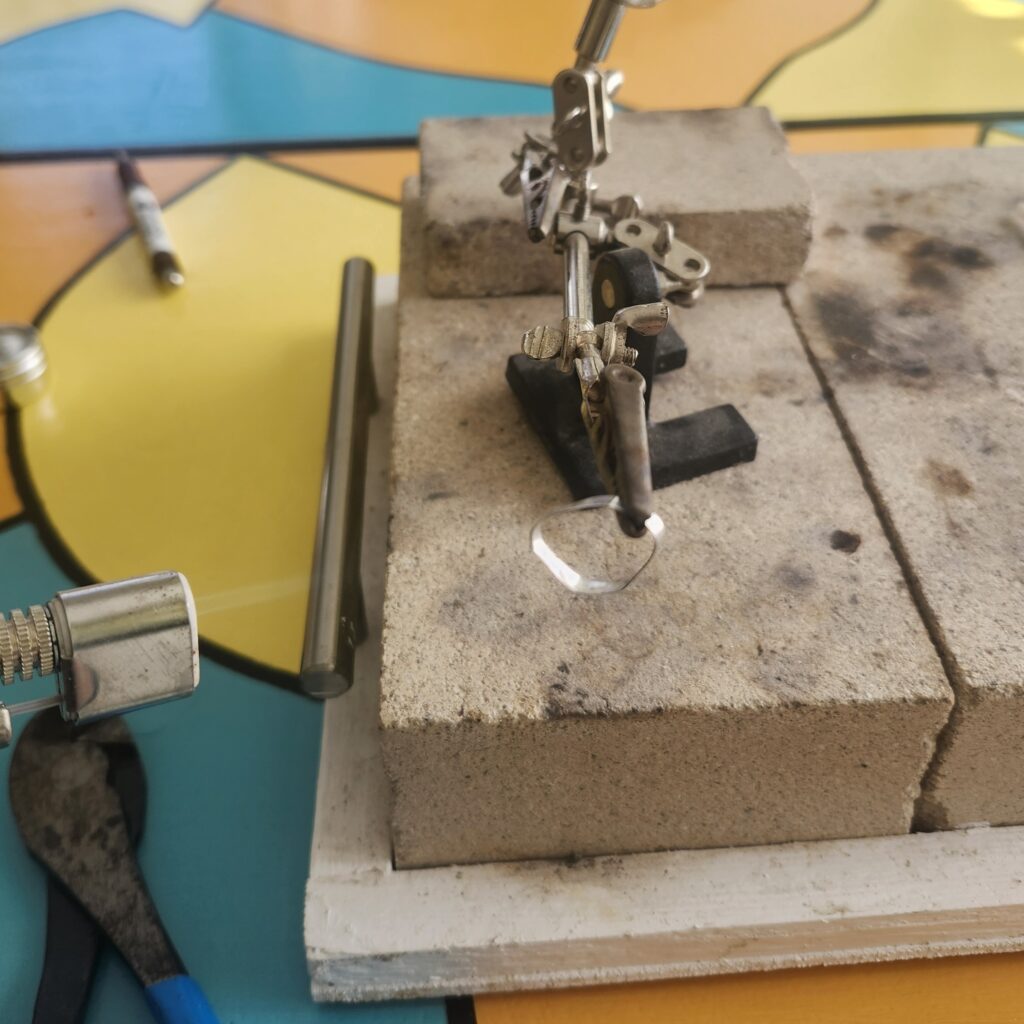
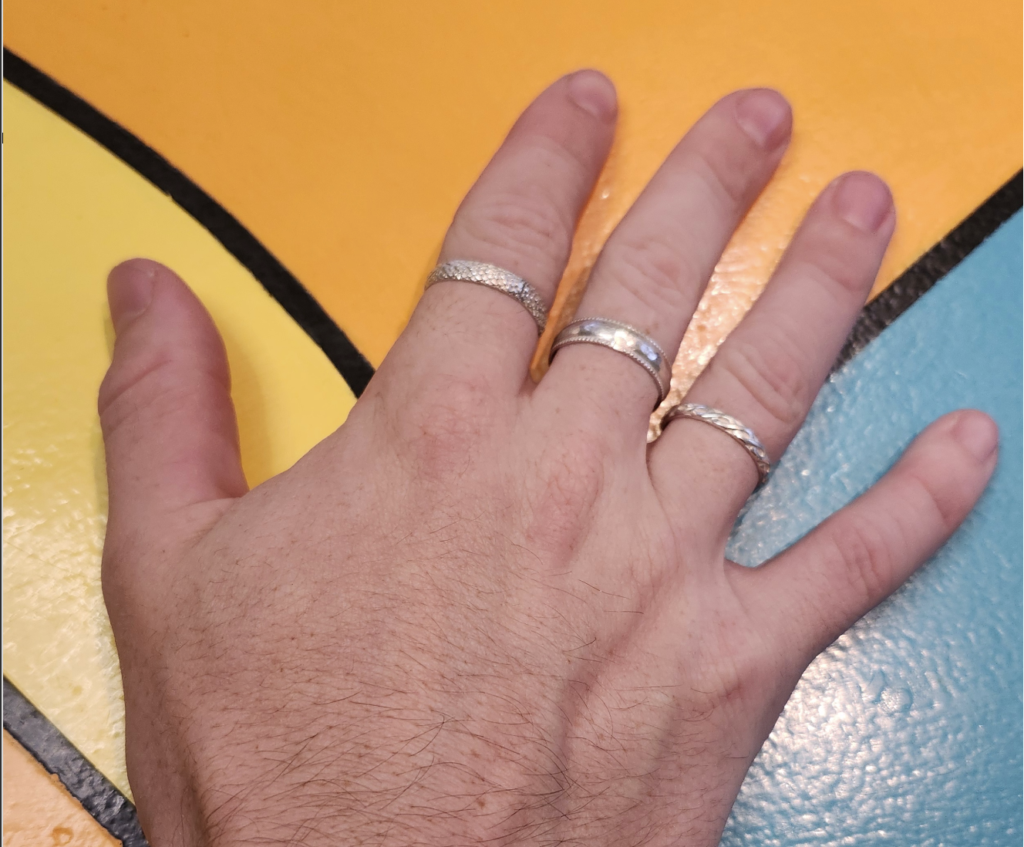
I also began making silver rings, experimenting with different wire patterns and soldering techniques to create a range of shapes and forms.
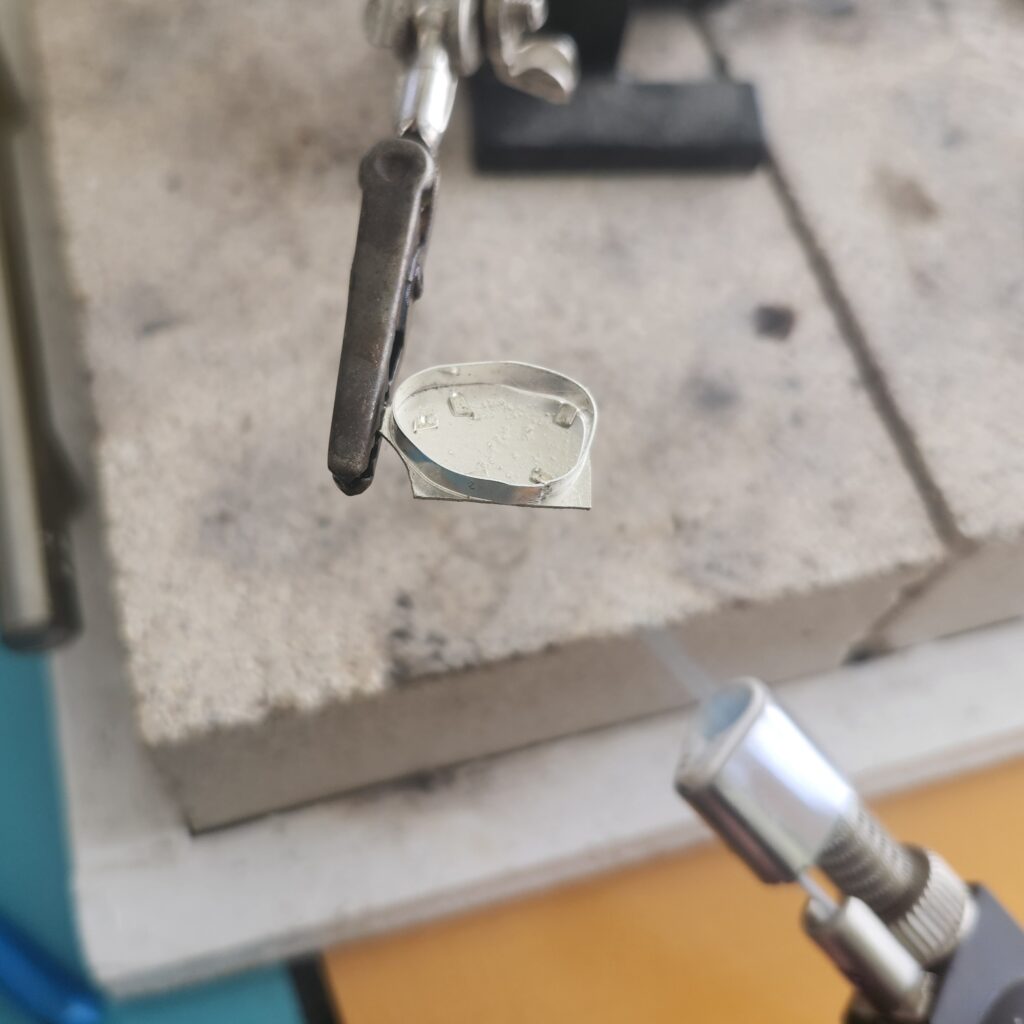
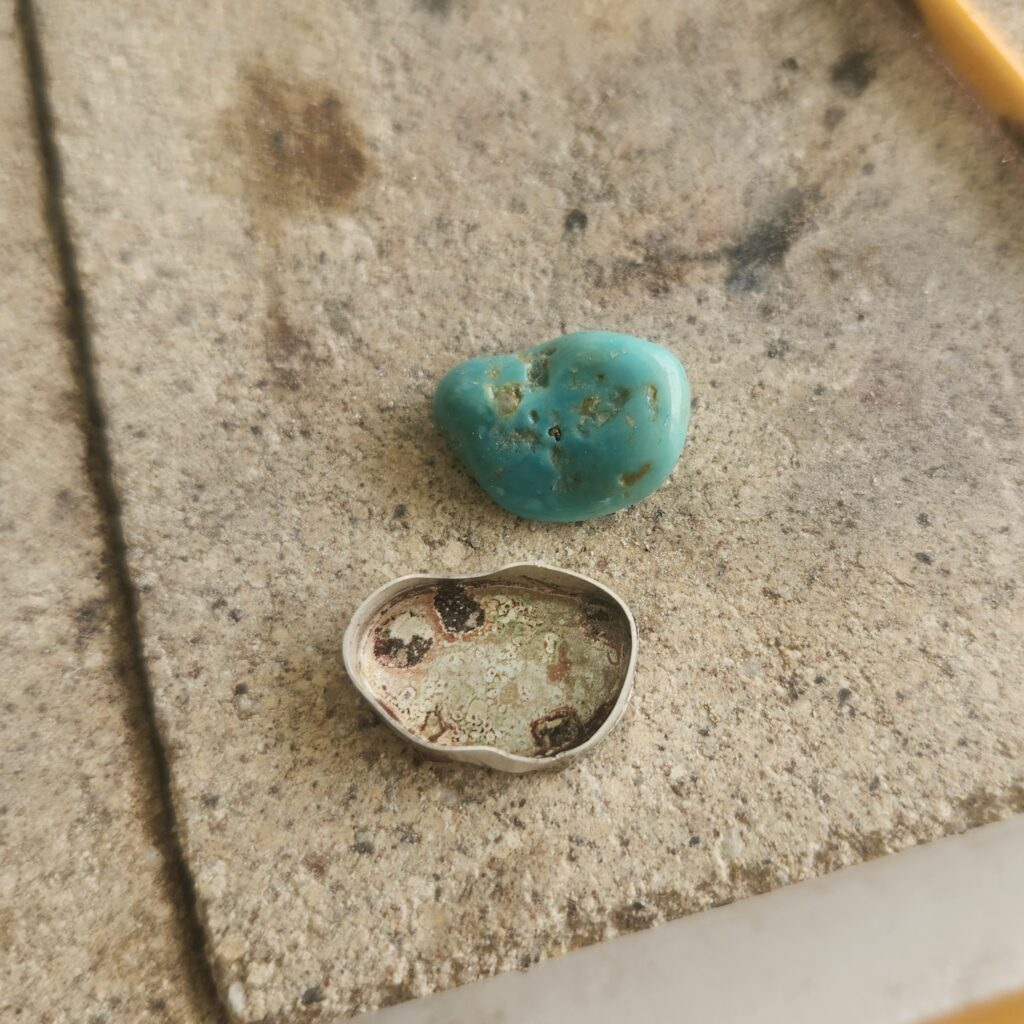
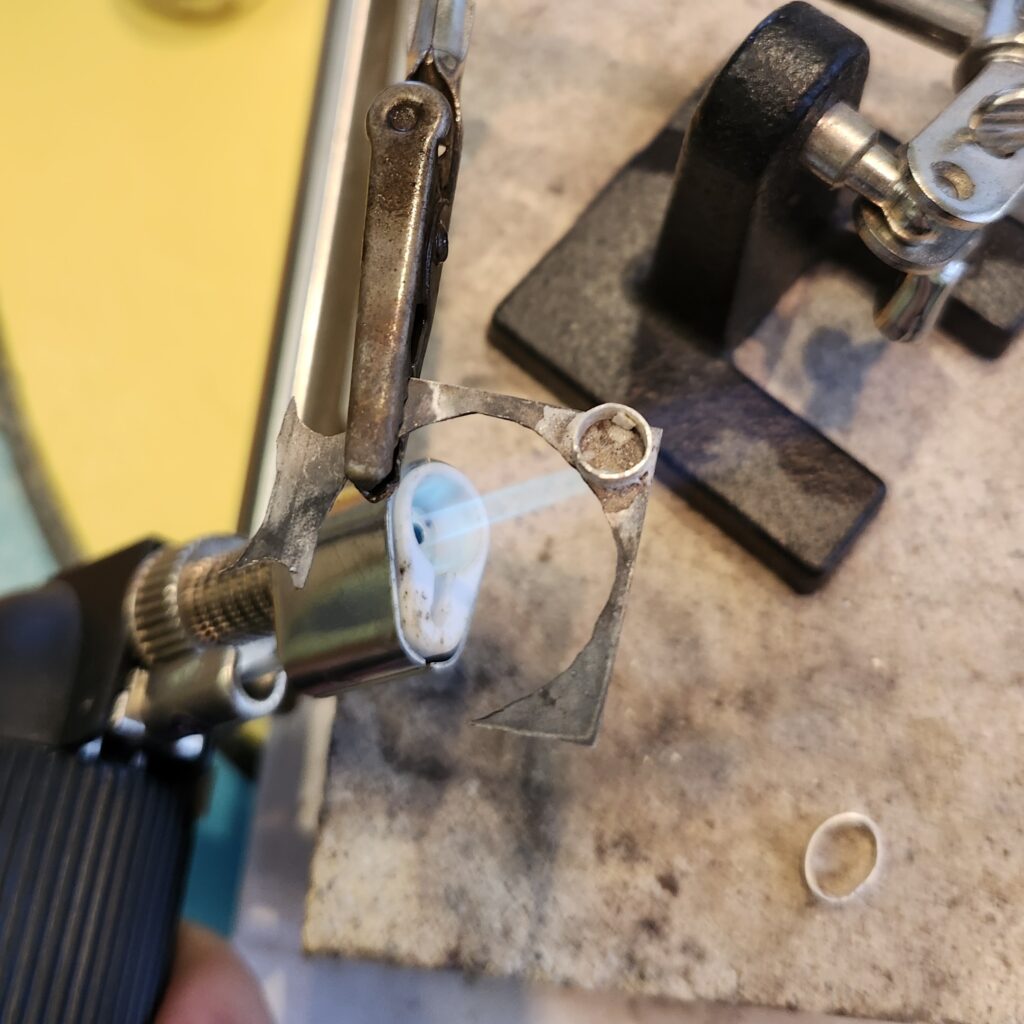
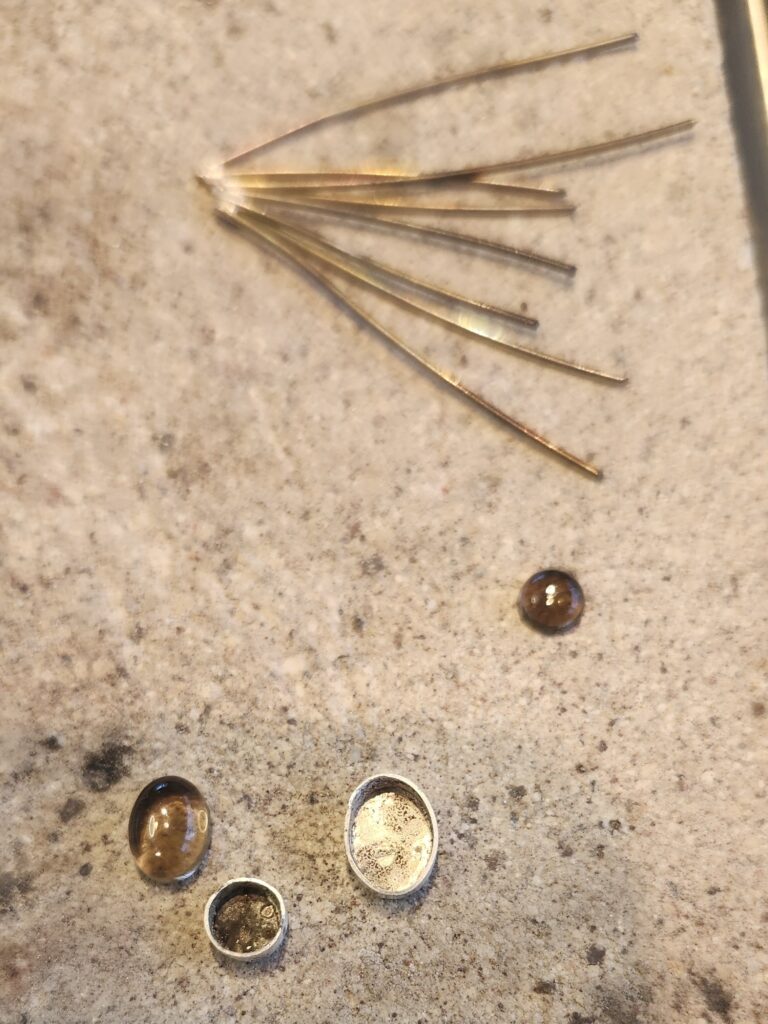
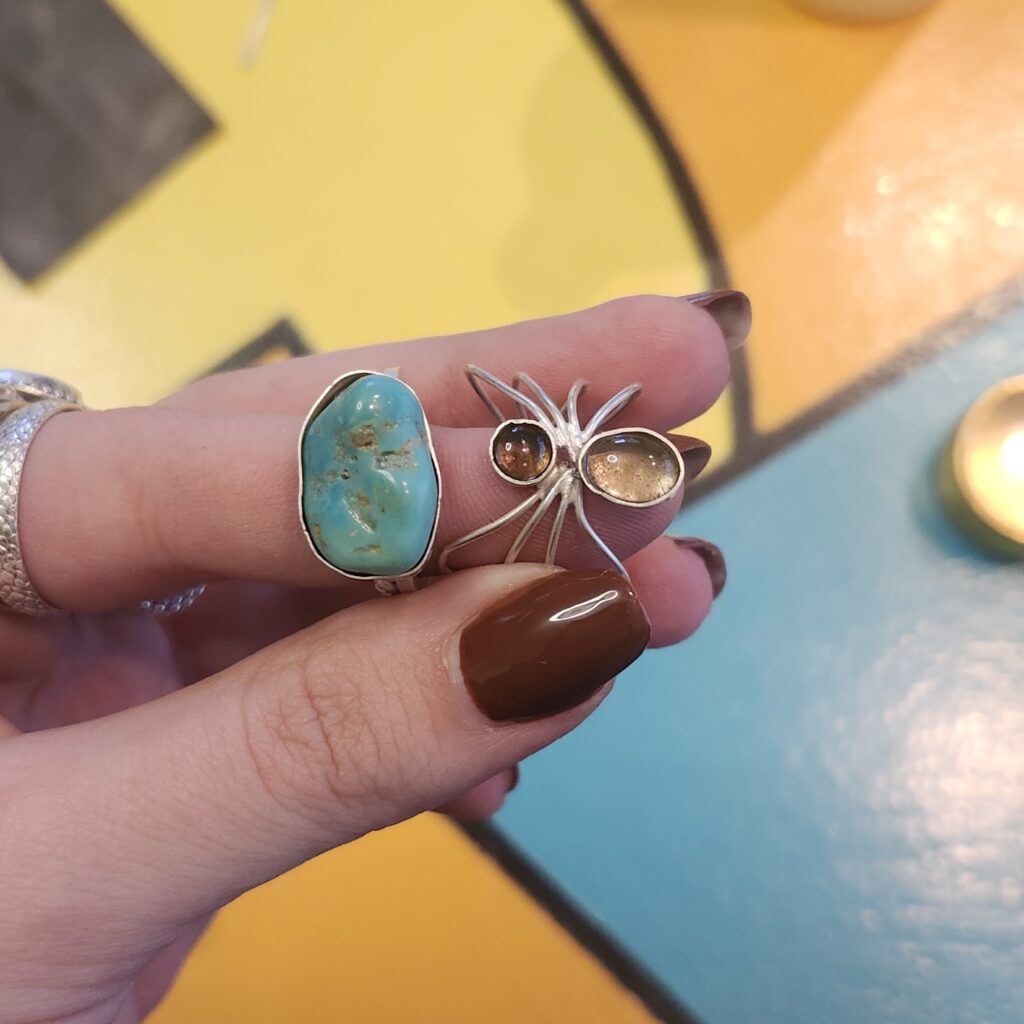
This phase became a lot about hands-on exploration, learning through making and seeing how small changes in pattern or material could shift both the look and the feeling of each piece.
To support the process, I explored a range of material studies.
I learned traditional chainmail techniques, including ring making and different weaves, beginning with a basic 4-in-1 weave, and then exploring more complex variations to understand how structure and movement change between them.
This gave me an understanding of how something can be both strong and flexible.
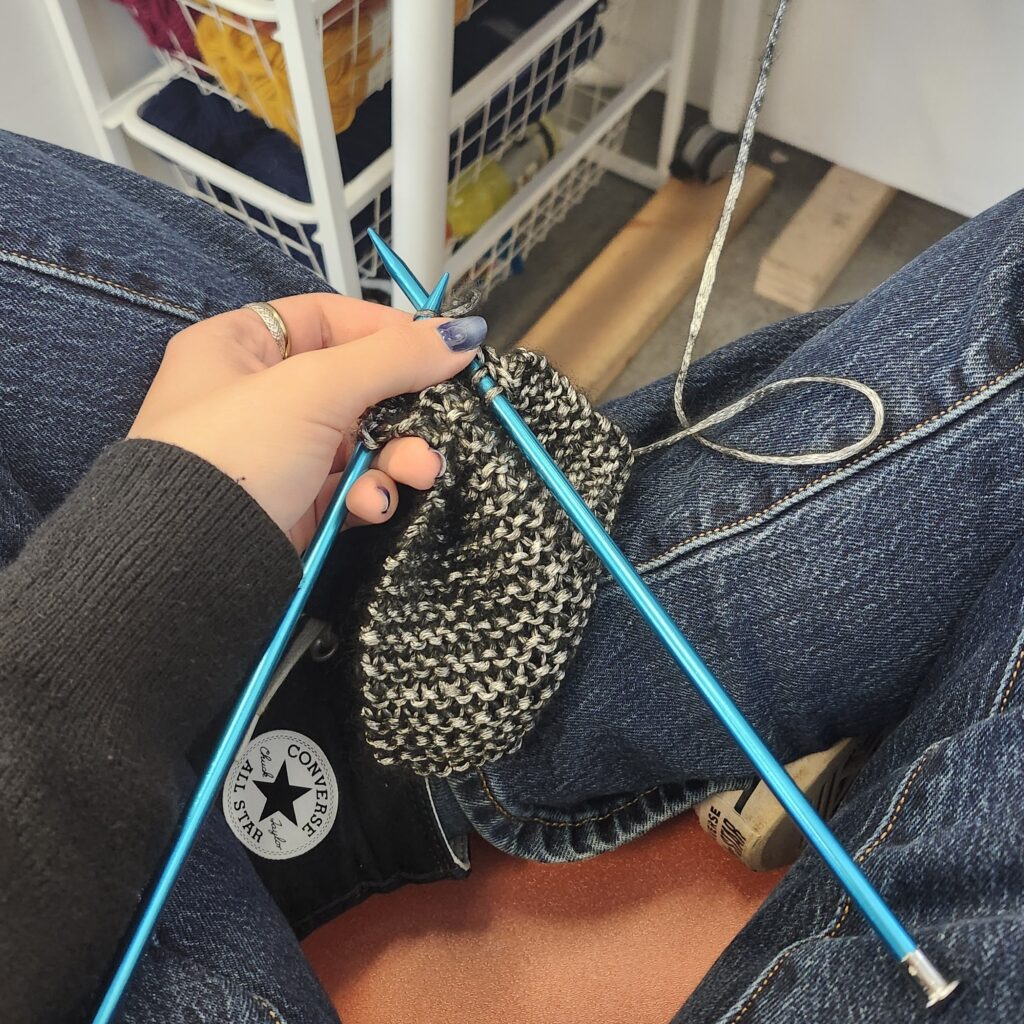
At the same time, I experimented with softer interpretations. I started by knitting fake chainmail, very loosely inspired by Monty Python, so it was slightly less “historically accurate armour”. I made a knitted scarf as an initial exploration. I then wanted to push that further and create something that more closely resembled actual chainmail. I made a hood, this time crocheted, designed to imitate a chainmail coif.
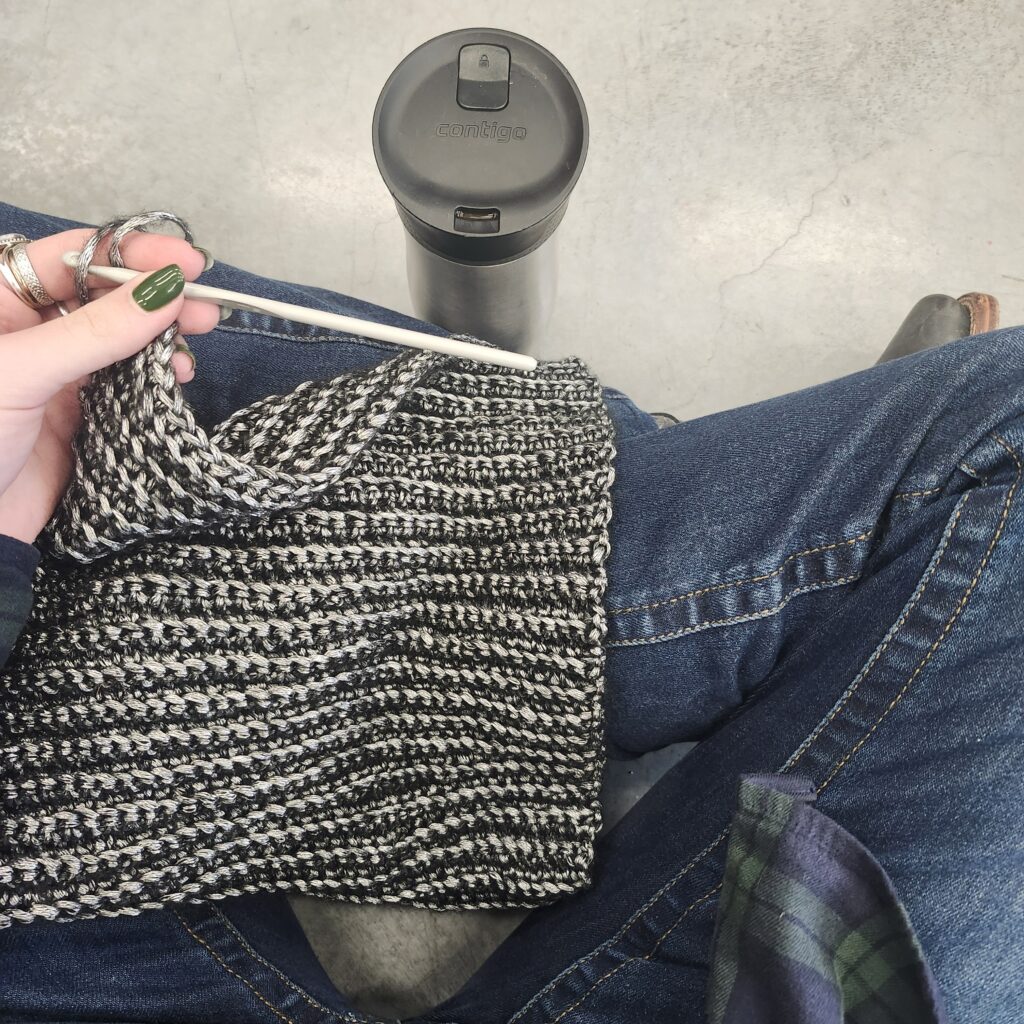
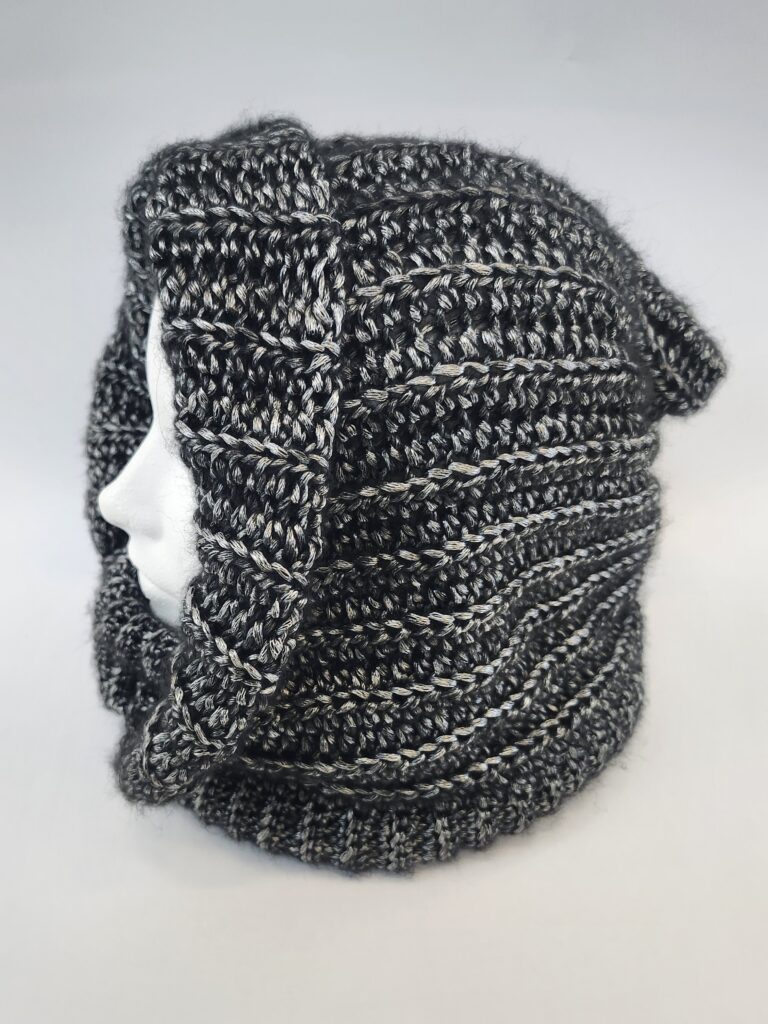
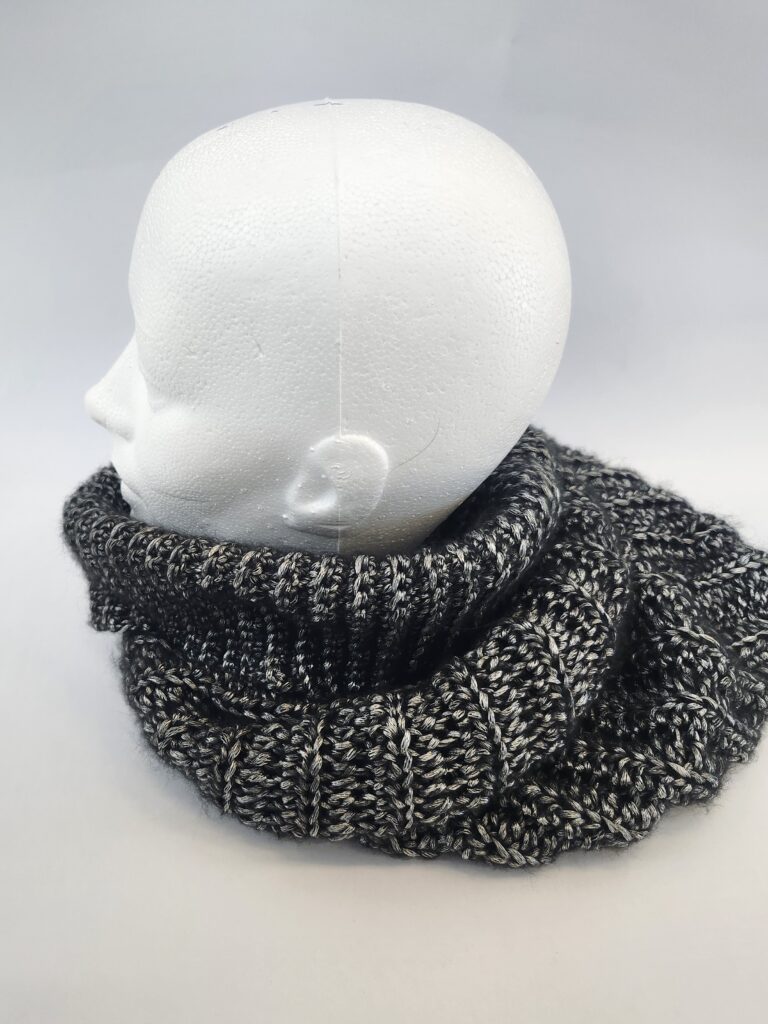
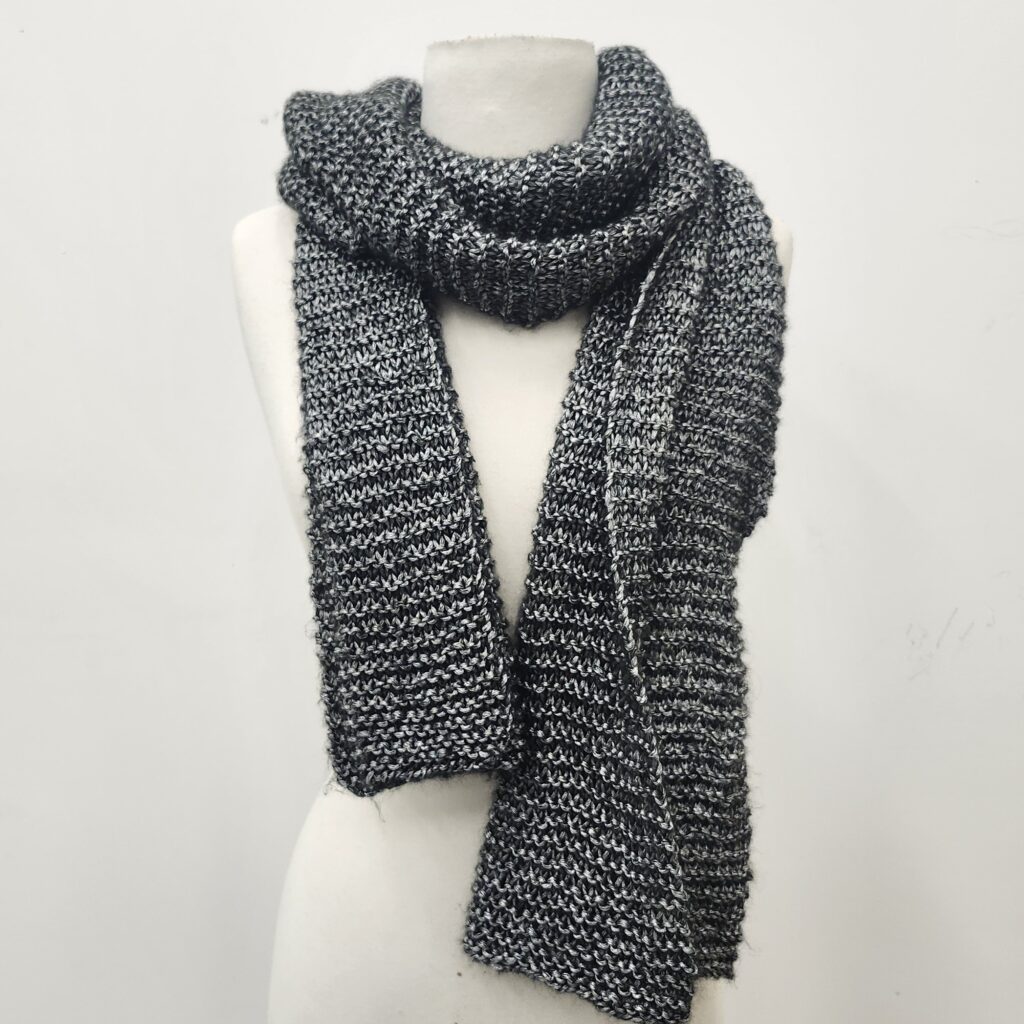
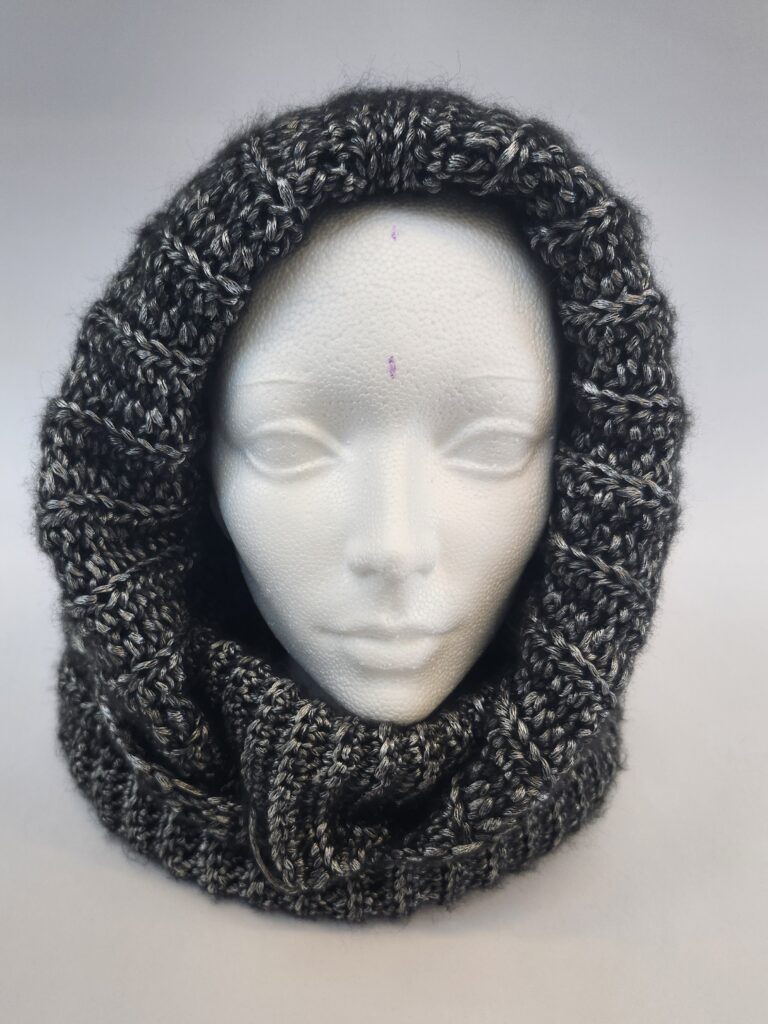
Through this, I explored how the visual language of armour could exist in textiles instead of metal. This shifted my understanding of strength. It didn’t have to be rigid; it could also be soft and comforting.
I also studied garment structure, particularly 1950s silhouettes and corseted forms that shape the body and create a defined waist. That kind of structure can subtly change posture and presence.
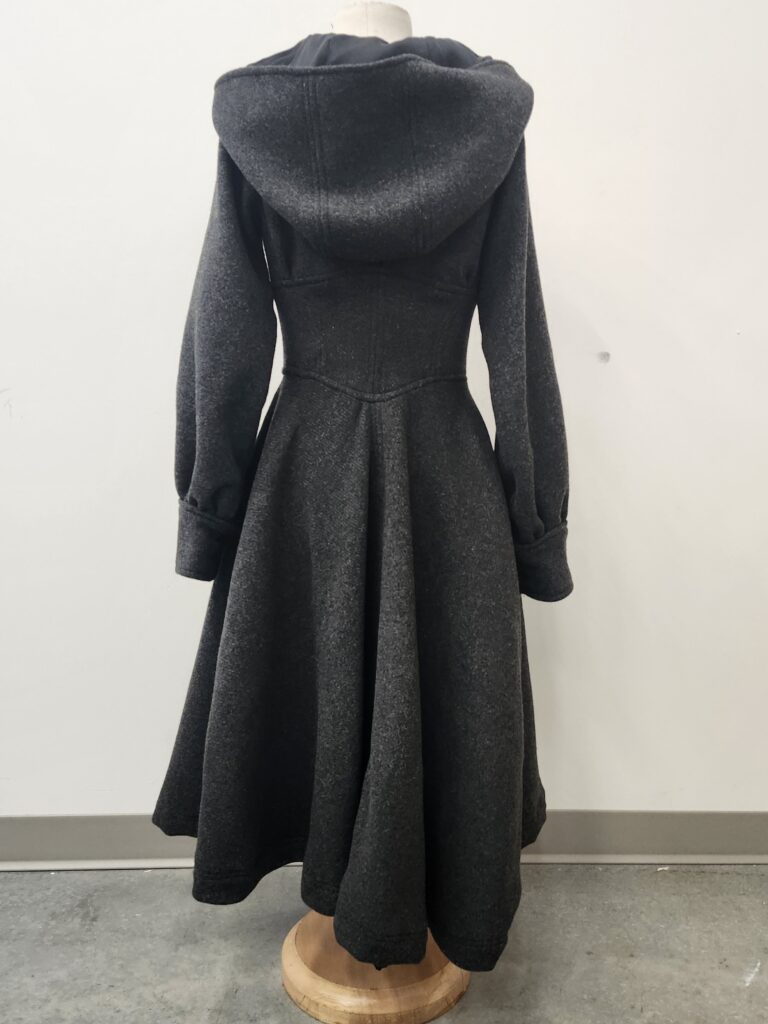
In contrast, I explored 1970s-inspired and fur silhouettes, which feel bold and take up space. They carry a different kind of confidence, less controlled, more expressive.
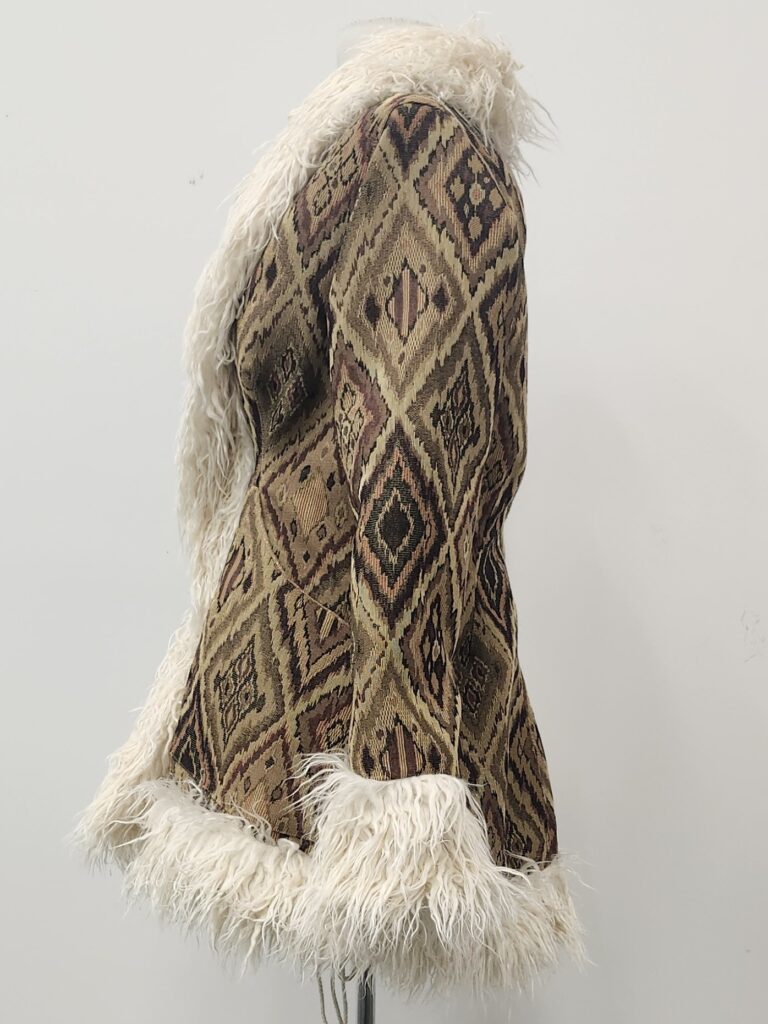
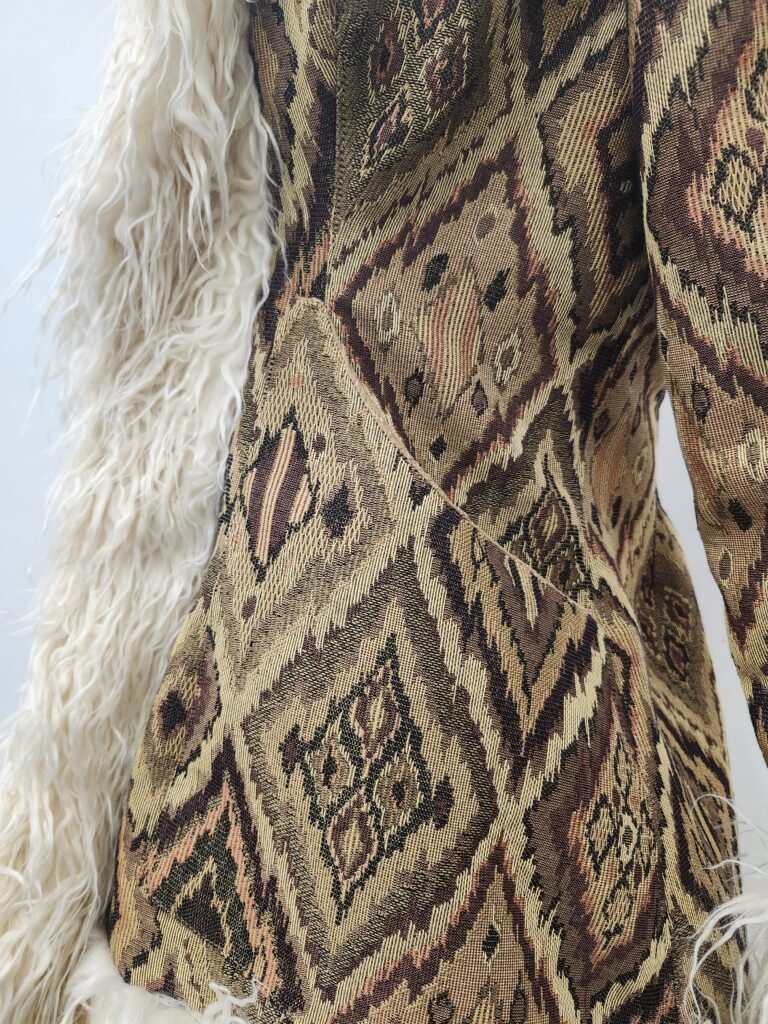
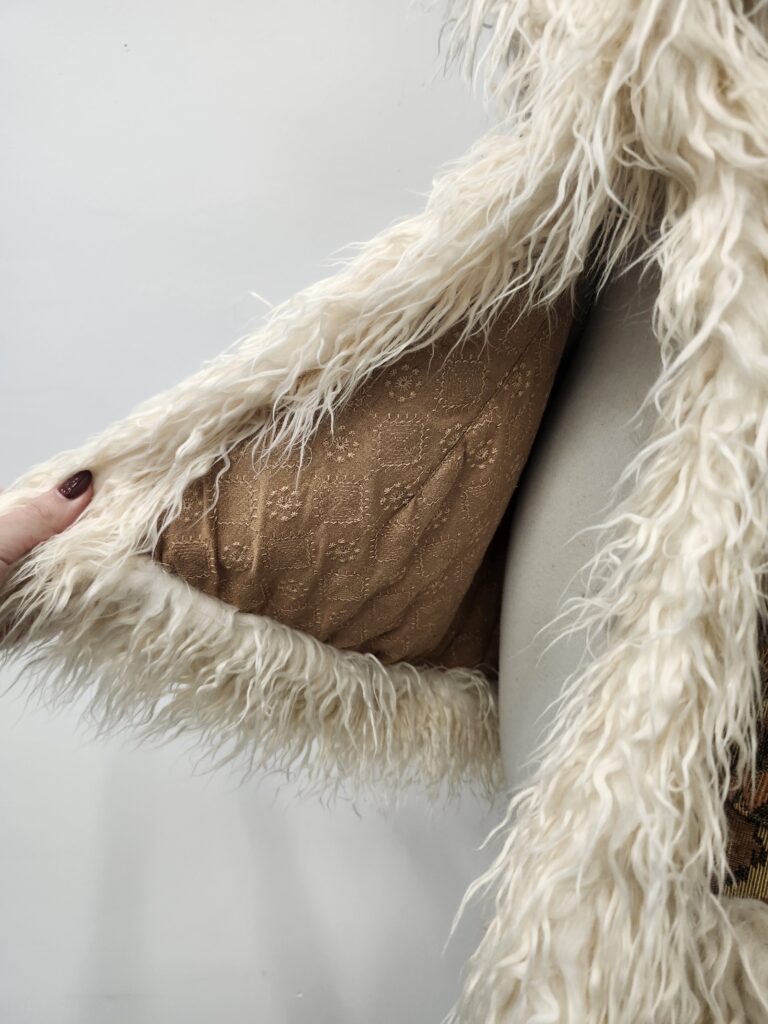
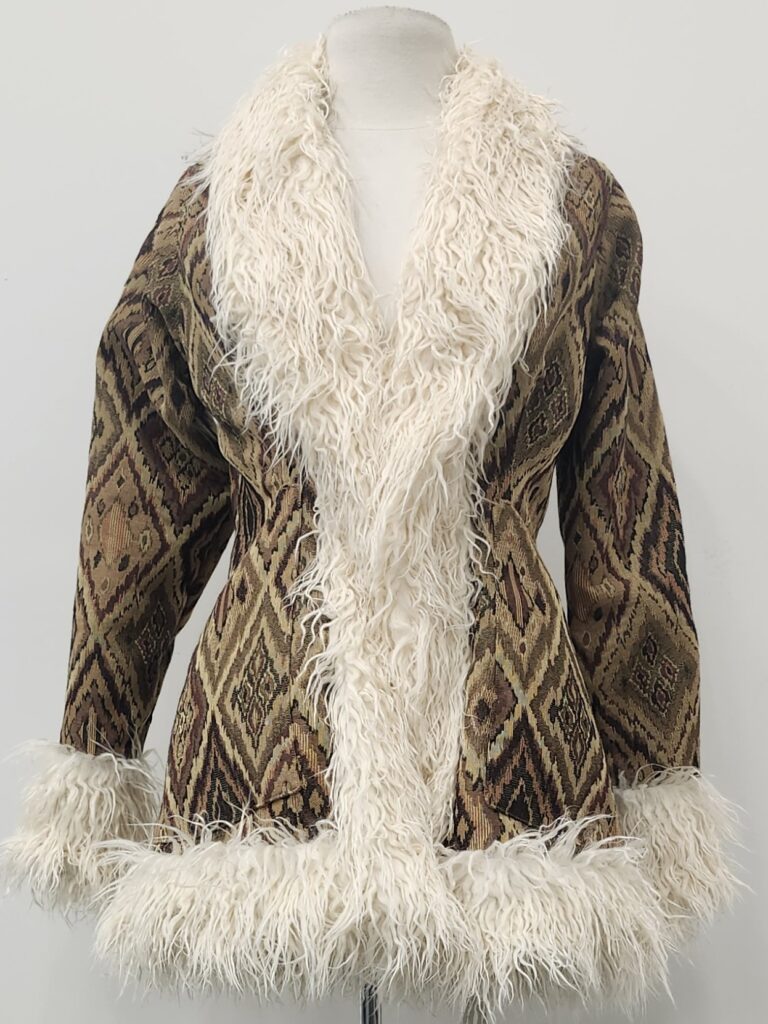
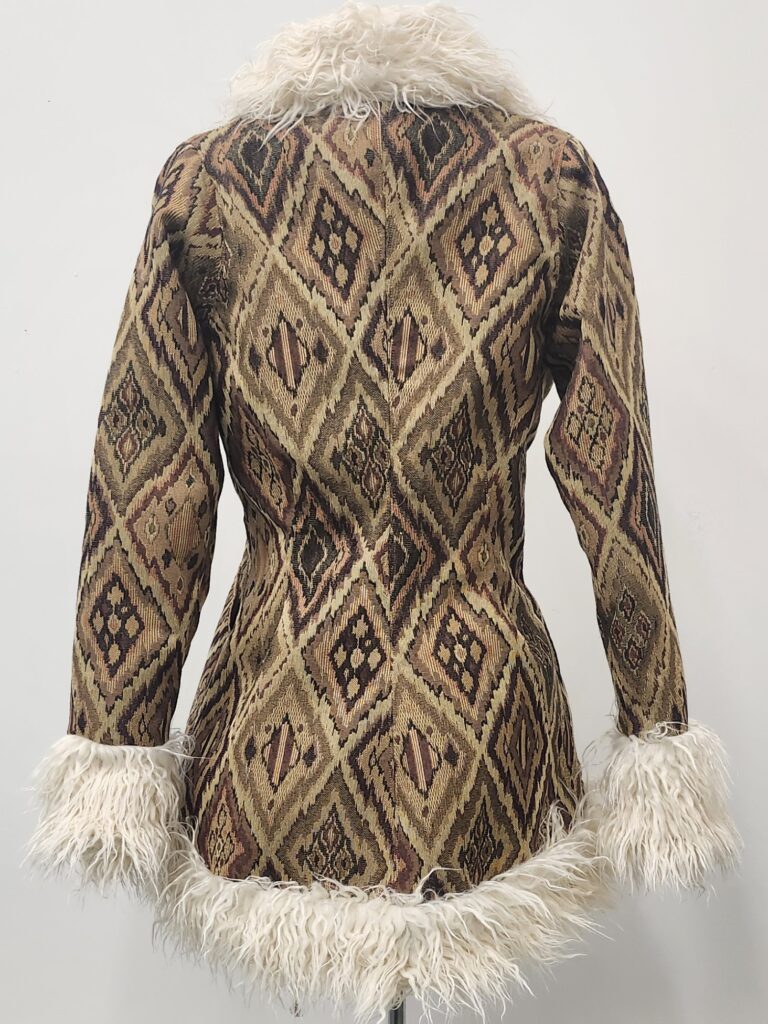
This phase became less about recreating armour and more about redefining it, figuring out how protection could exist in a way that feels relevant and wearable today.
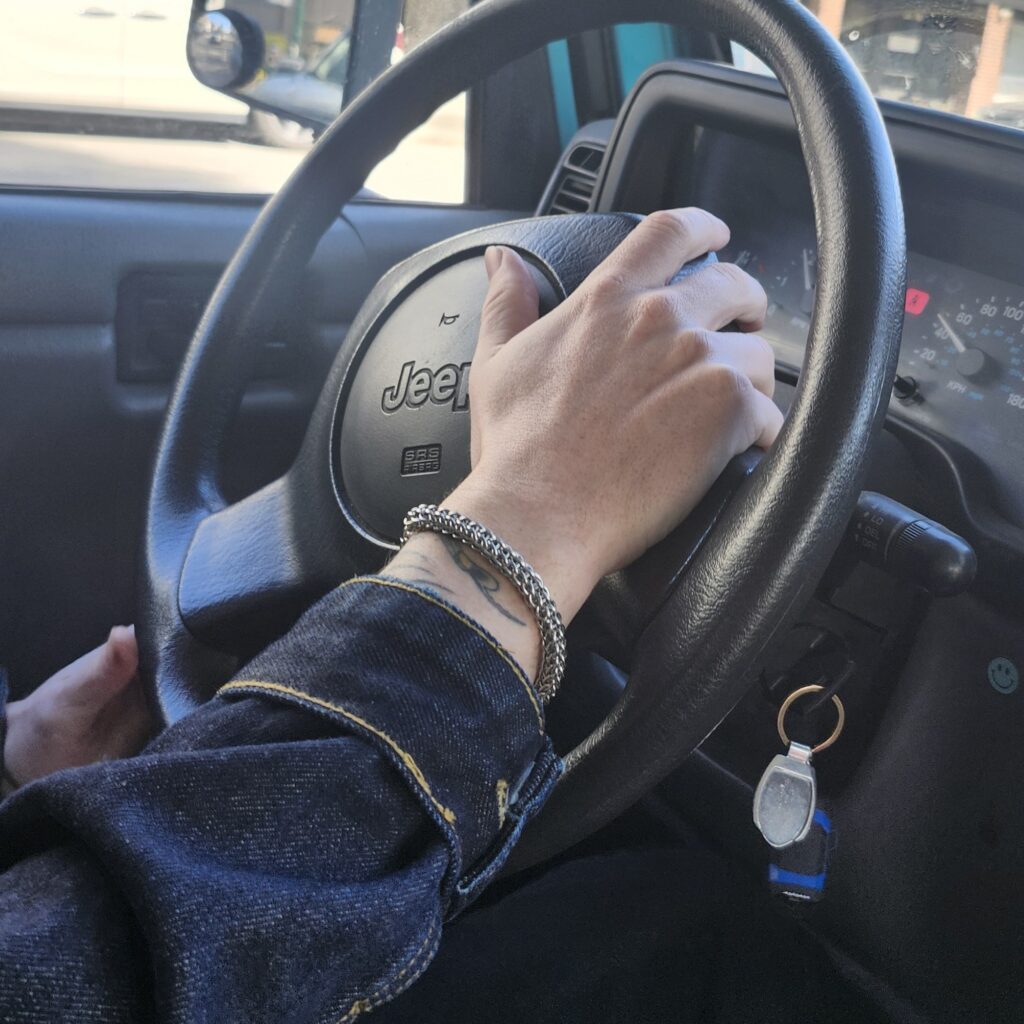
During testing, I focused on how these ideas function in everyday use.
I worked with chainmail on a smaller scale through jewelry, making bracelets and small handheld objects.
They became very interactive. The rings move and spin, which makes them surprisingly engaging, like something you can fidget with.
That movement can be calming, giving the wearer something small to focus on throughout the day.
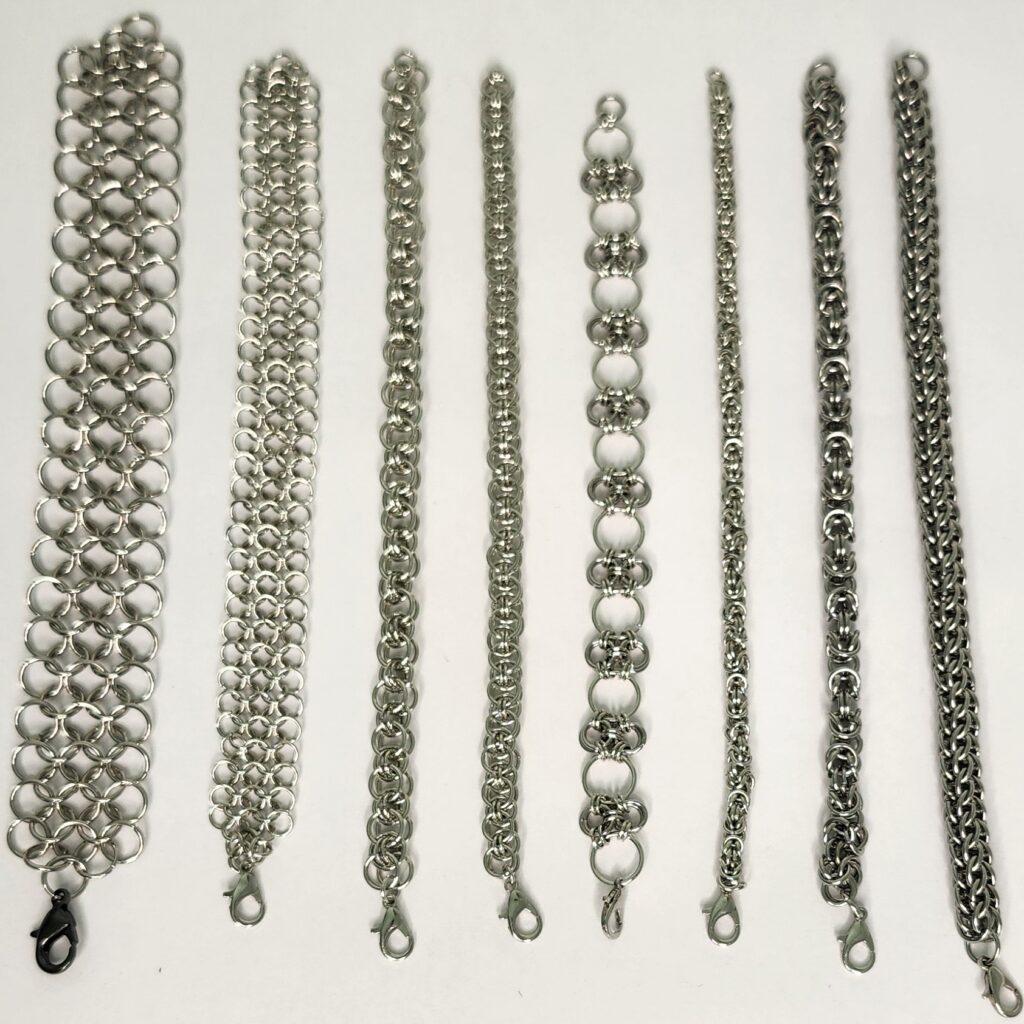
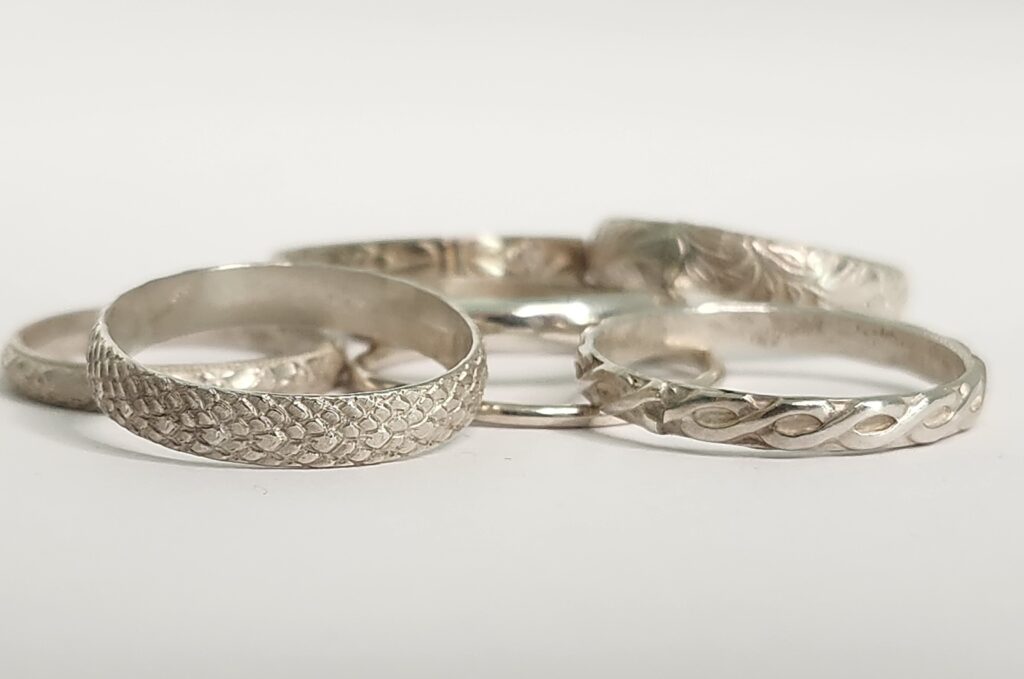
This also helped with my focus on other jewelry, such as the silver rings I made. These pieces can hold personal meaning depending on how they’re made, who they’re for, or the materials used.
I became interested in how even small changes in form or intention could completely shift the emotional weight of an object.
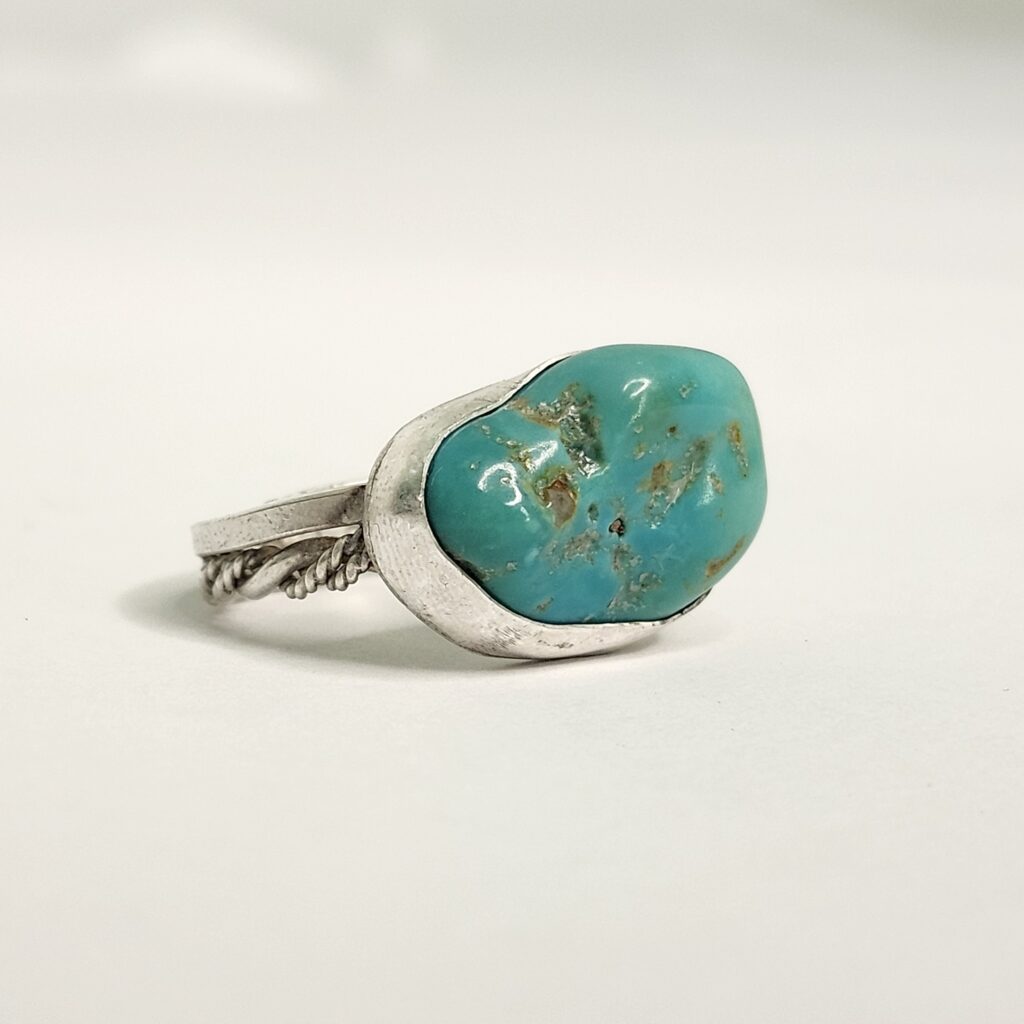
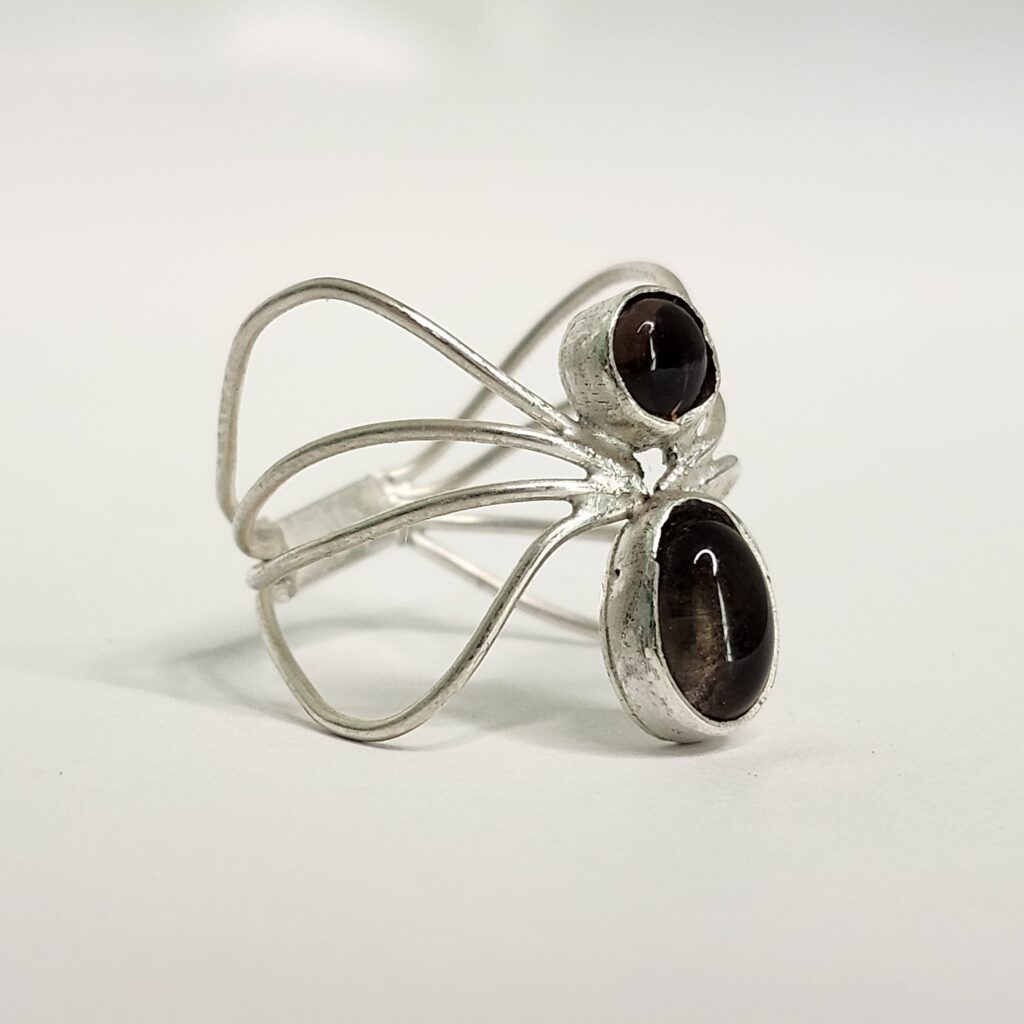
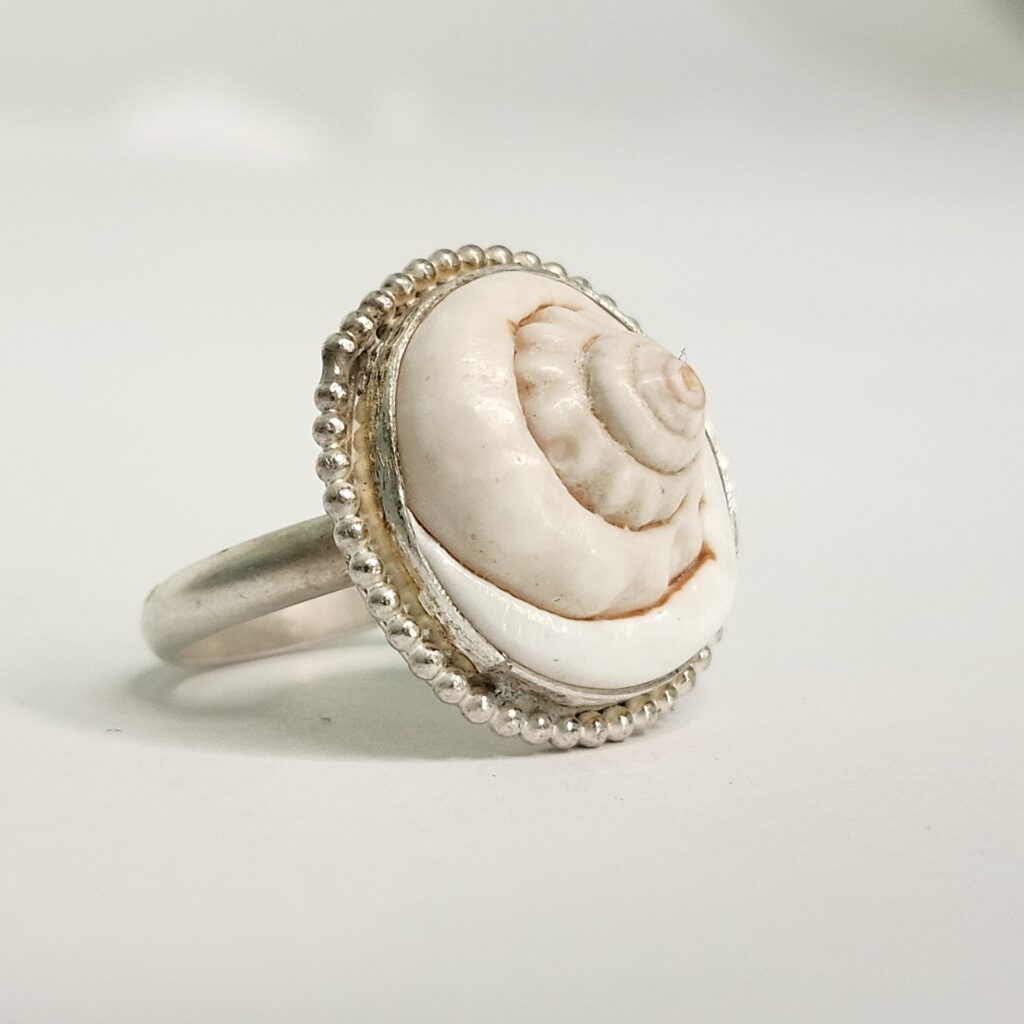
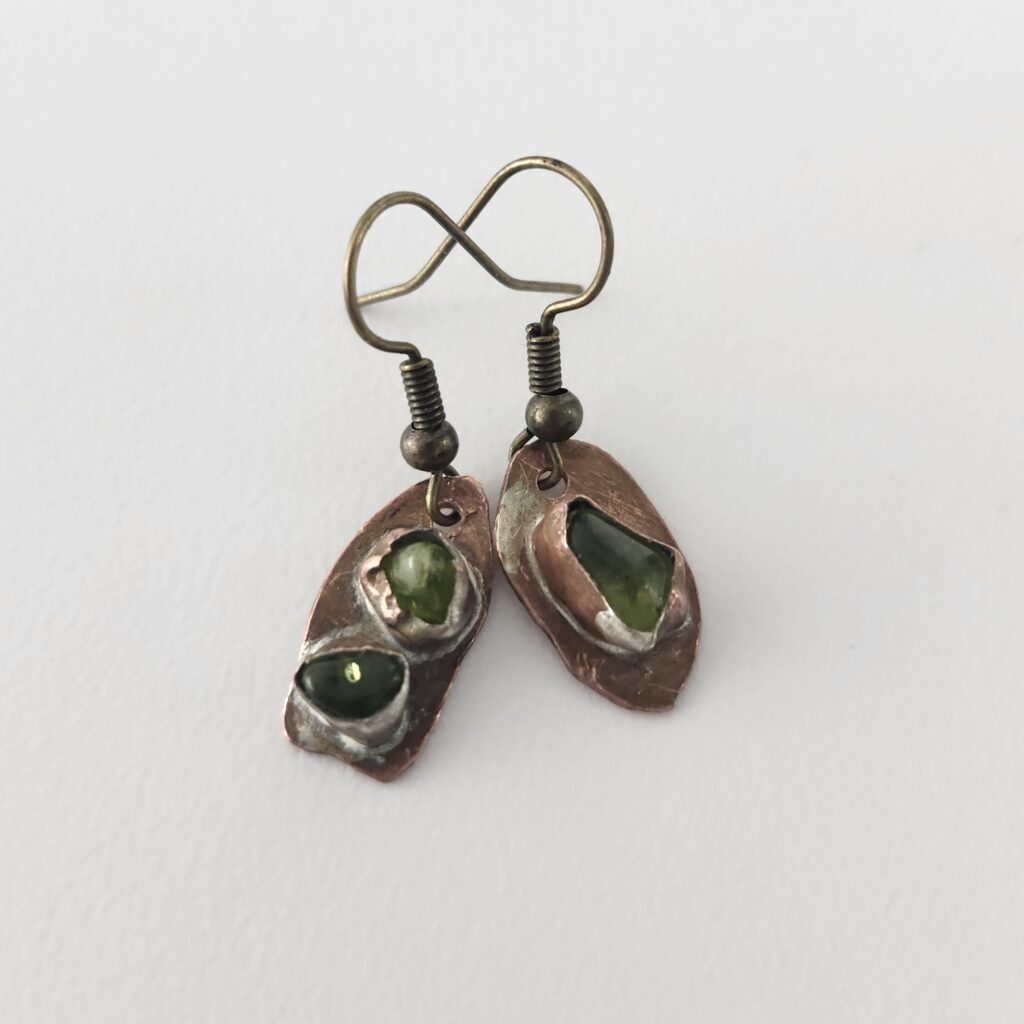
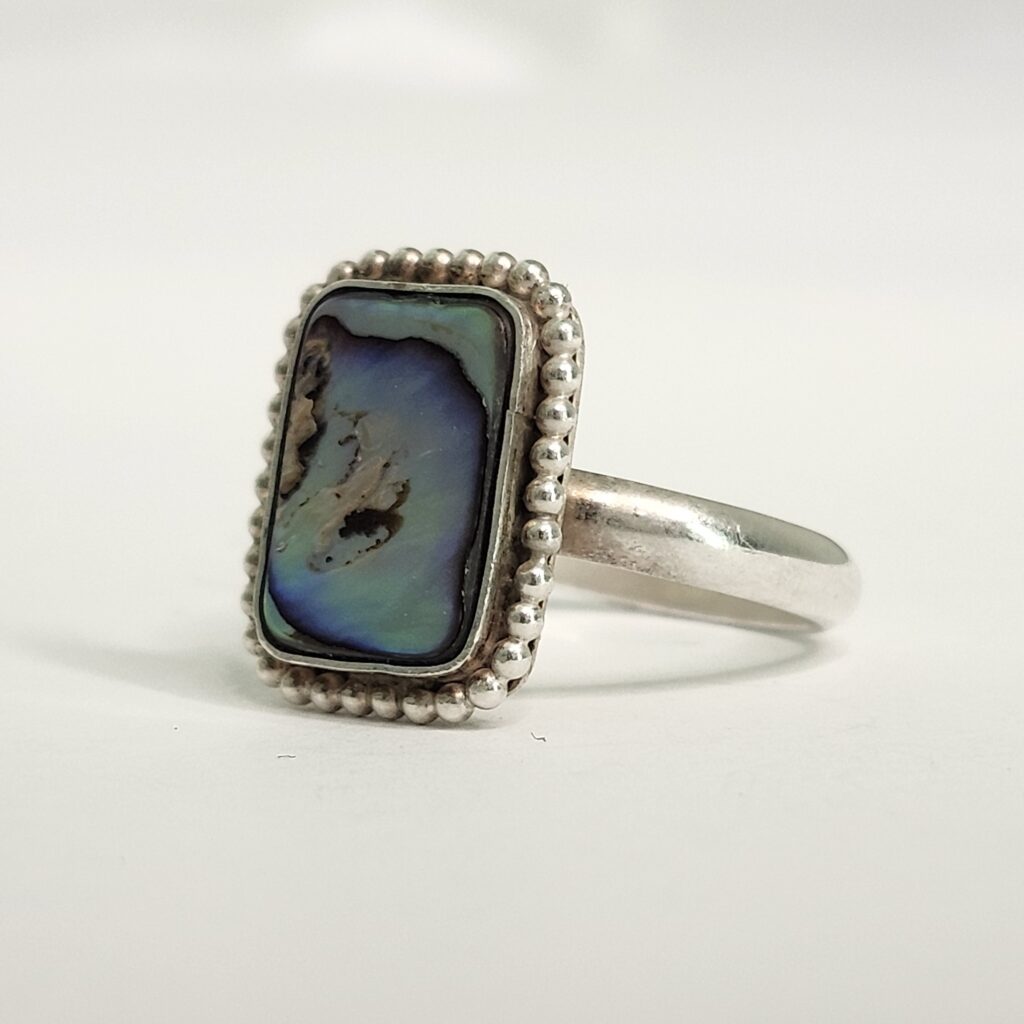
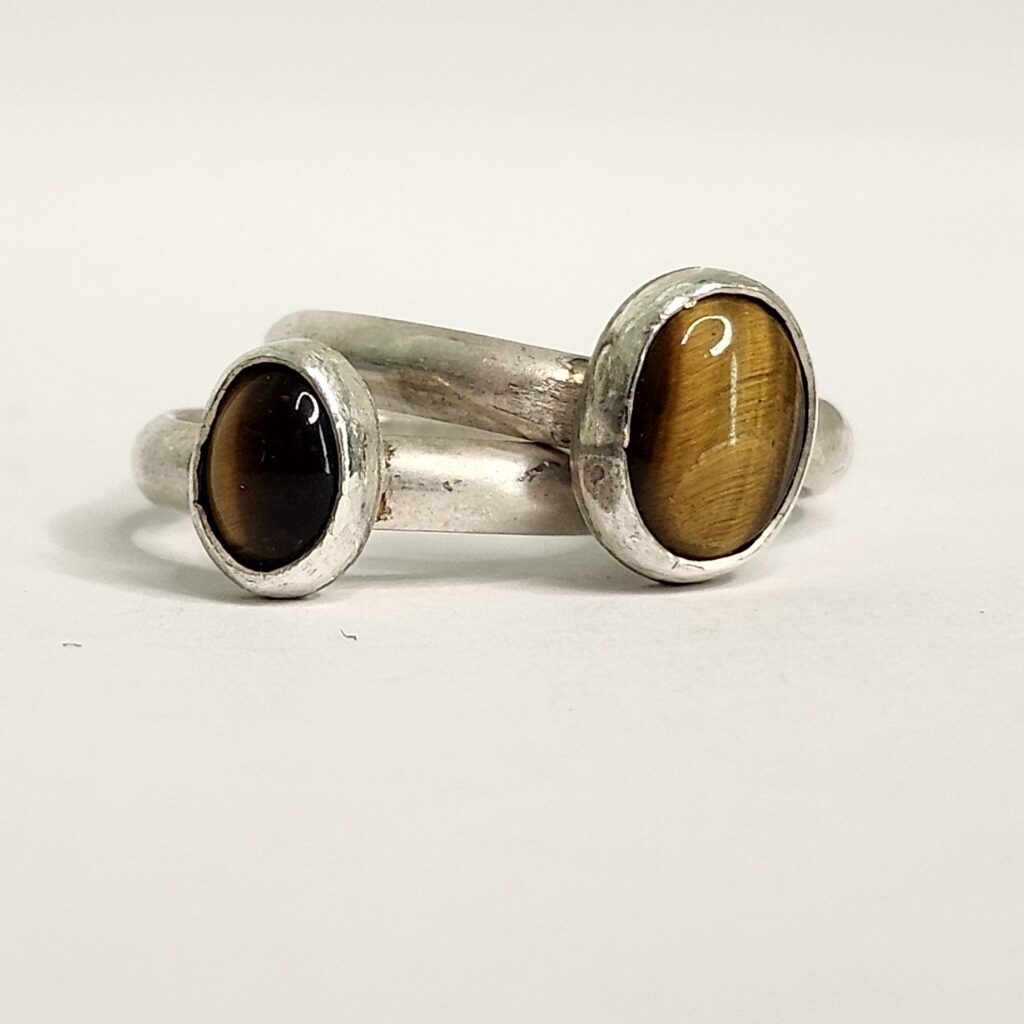
This made me think about how support doesn’t always have to be visible. A garment might change how you present yourself outwardly, while a small object can offer something more private, something you carry just for yourself.
And sometimes, that small interaction is enough to shift how you feel, even slightly.
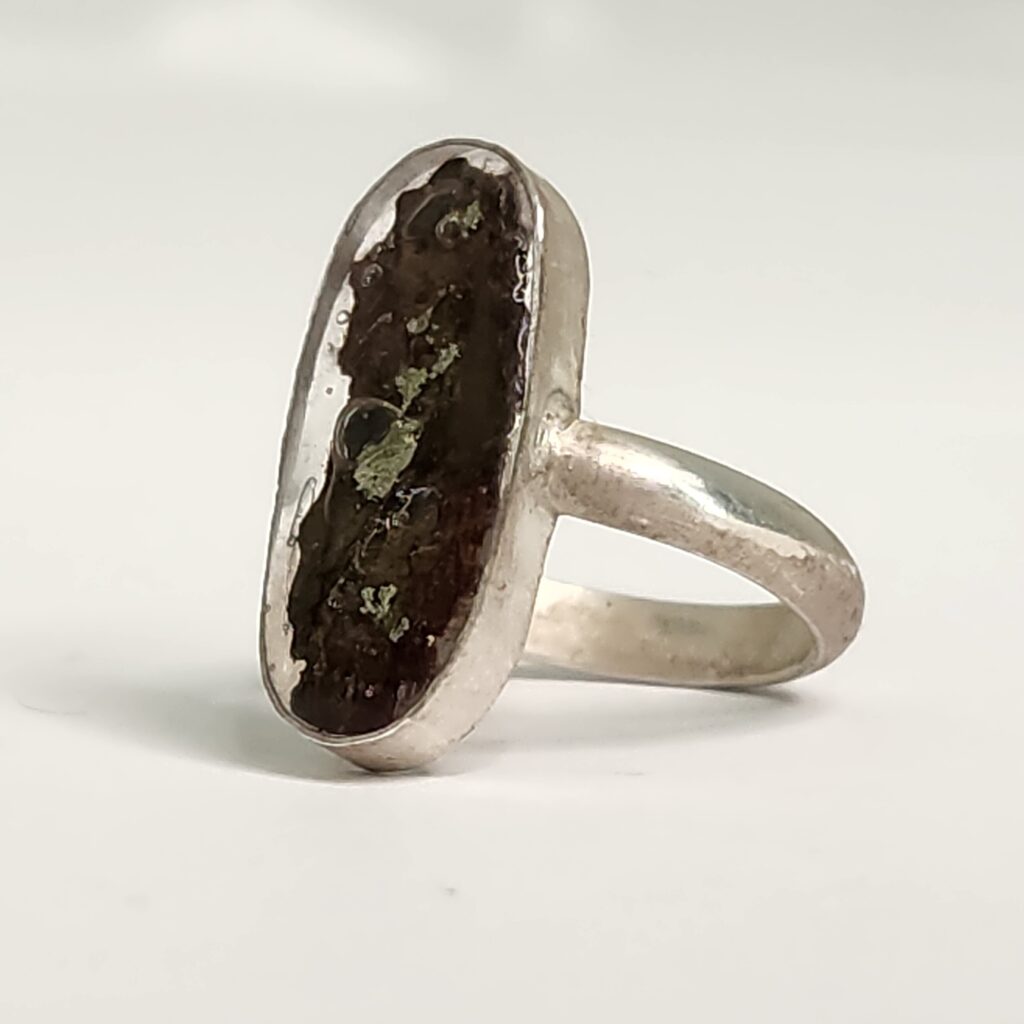
The final outcomes of my project include both garments and smaller wearable objects.
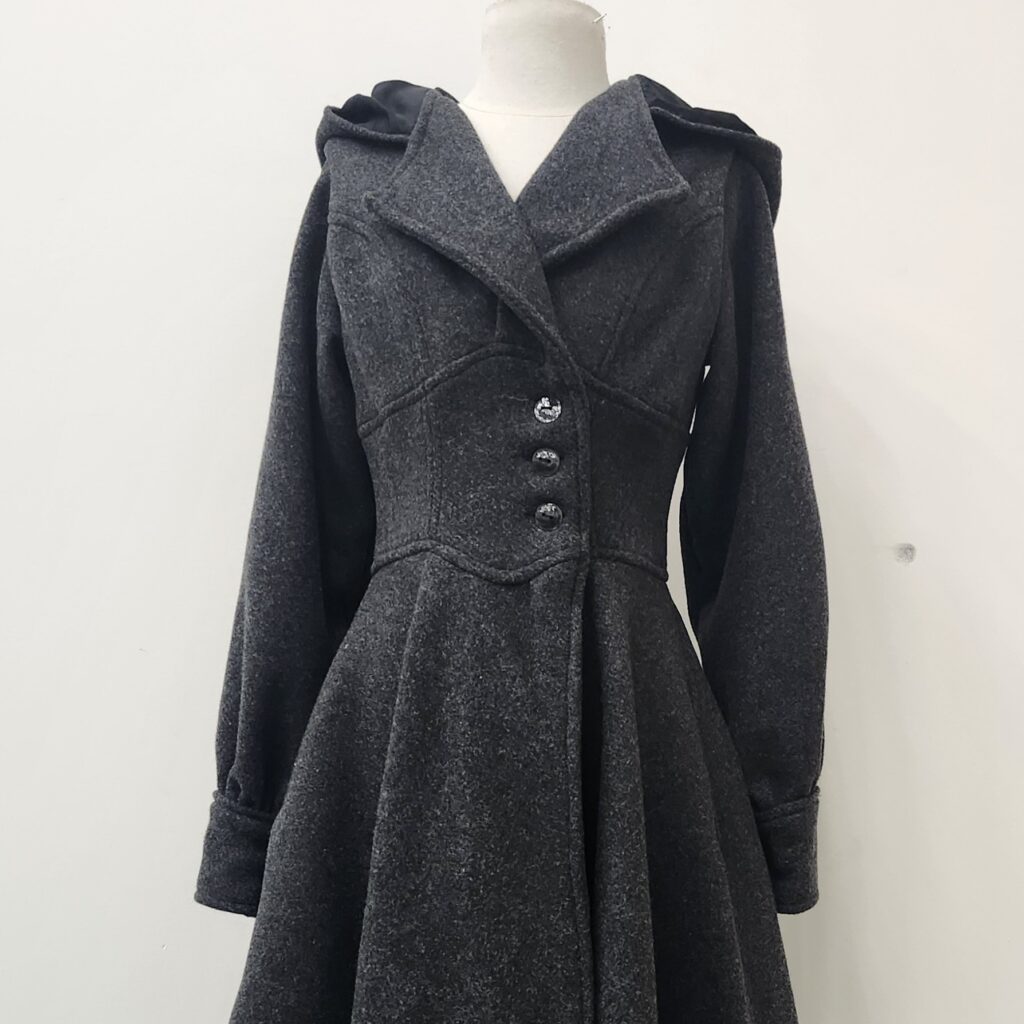
The main pieces are coat designs inspired by structured 1950s silhouettes and corsetry, alongside a fur-trimmed coat influenced by 1970s forms.
These garments focus on shaping the body and creating presence. This contrast allowed me to explore different ways clothing can communicate confidence through silhouette and structure.
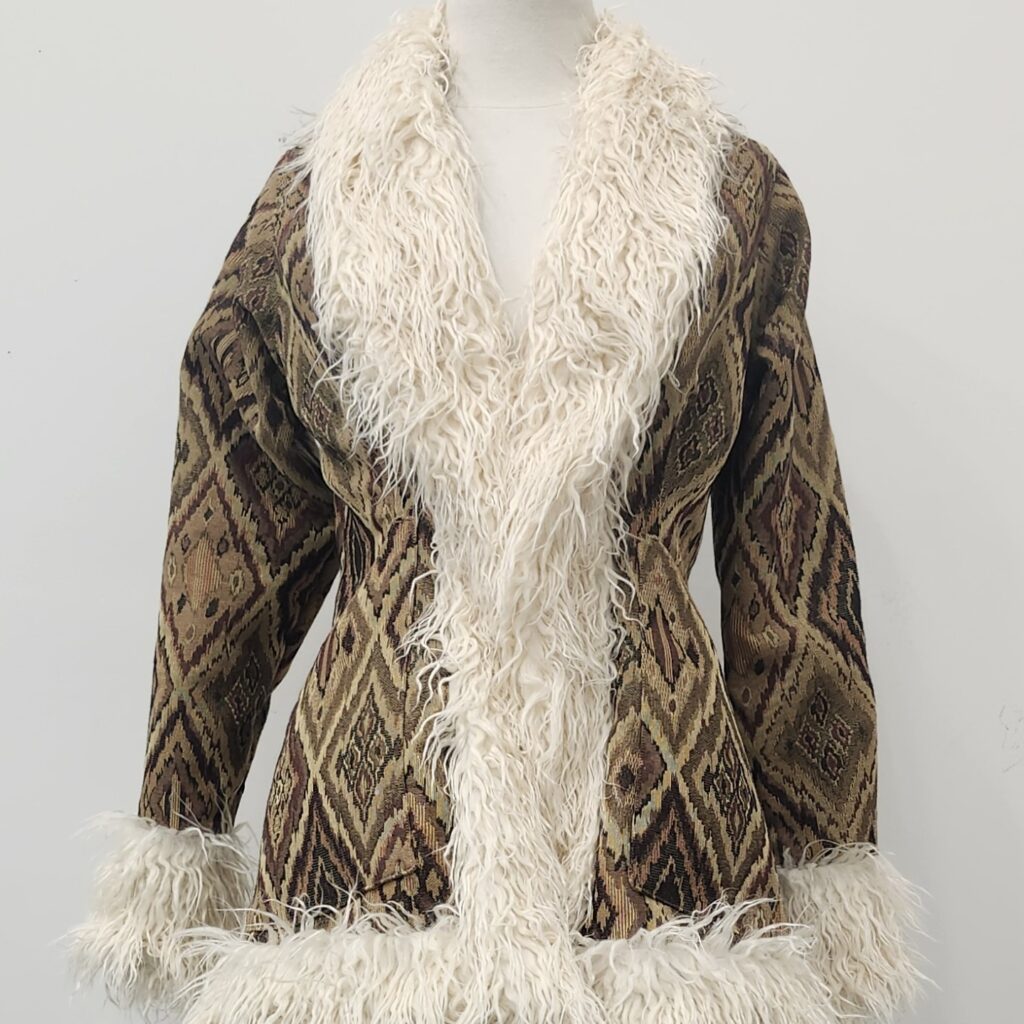
Alongside them, I created chainmail jewelry and small tokens. These are meant to be worn, held, or interacted with, depending on what the person needs in that moment.
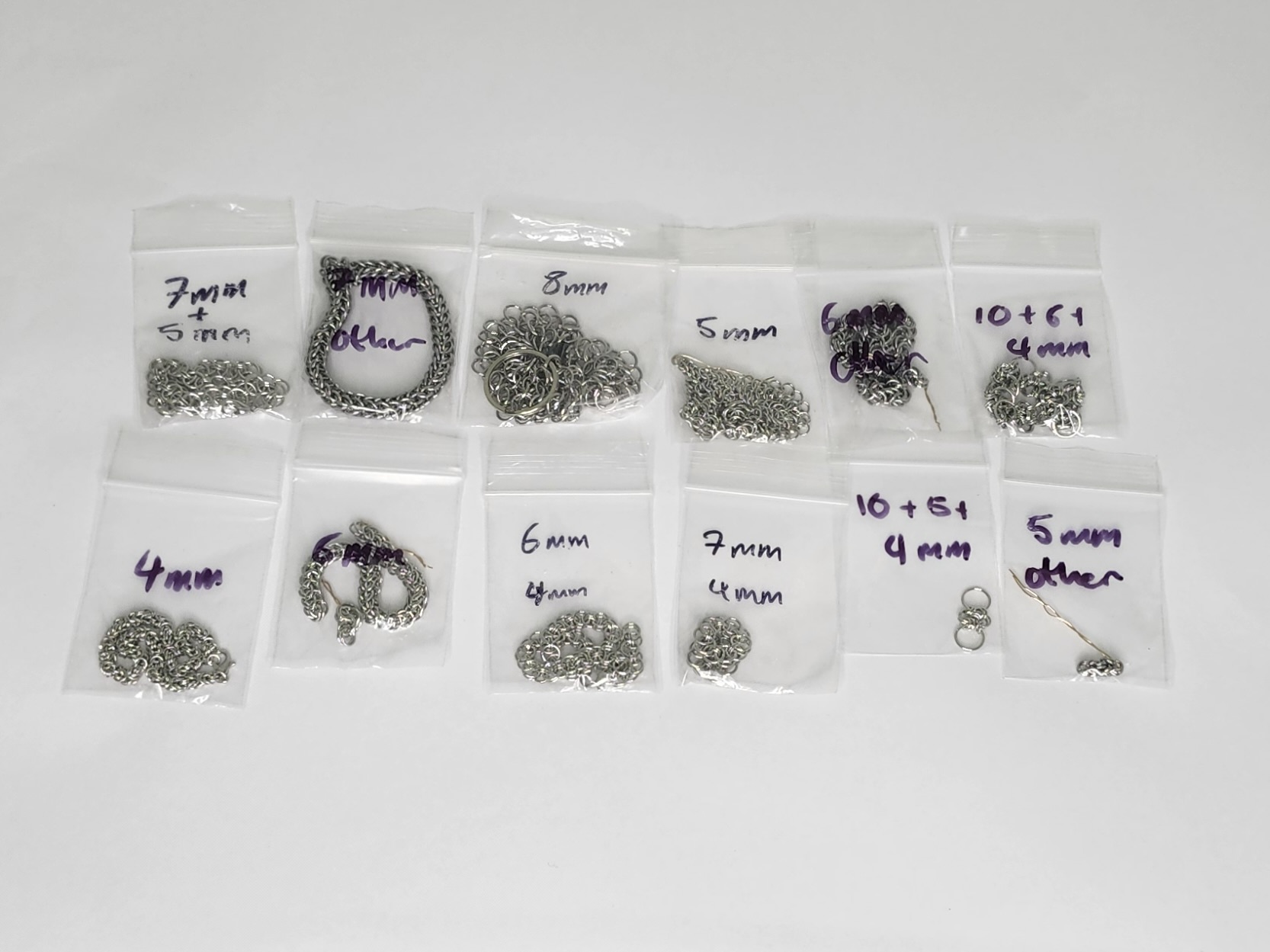
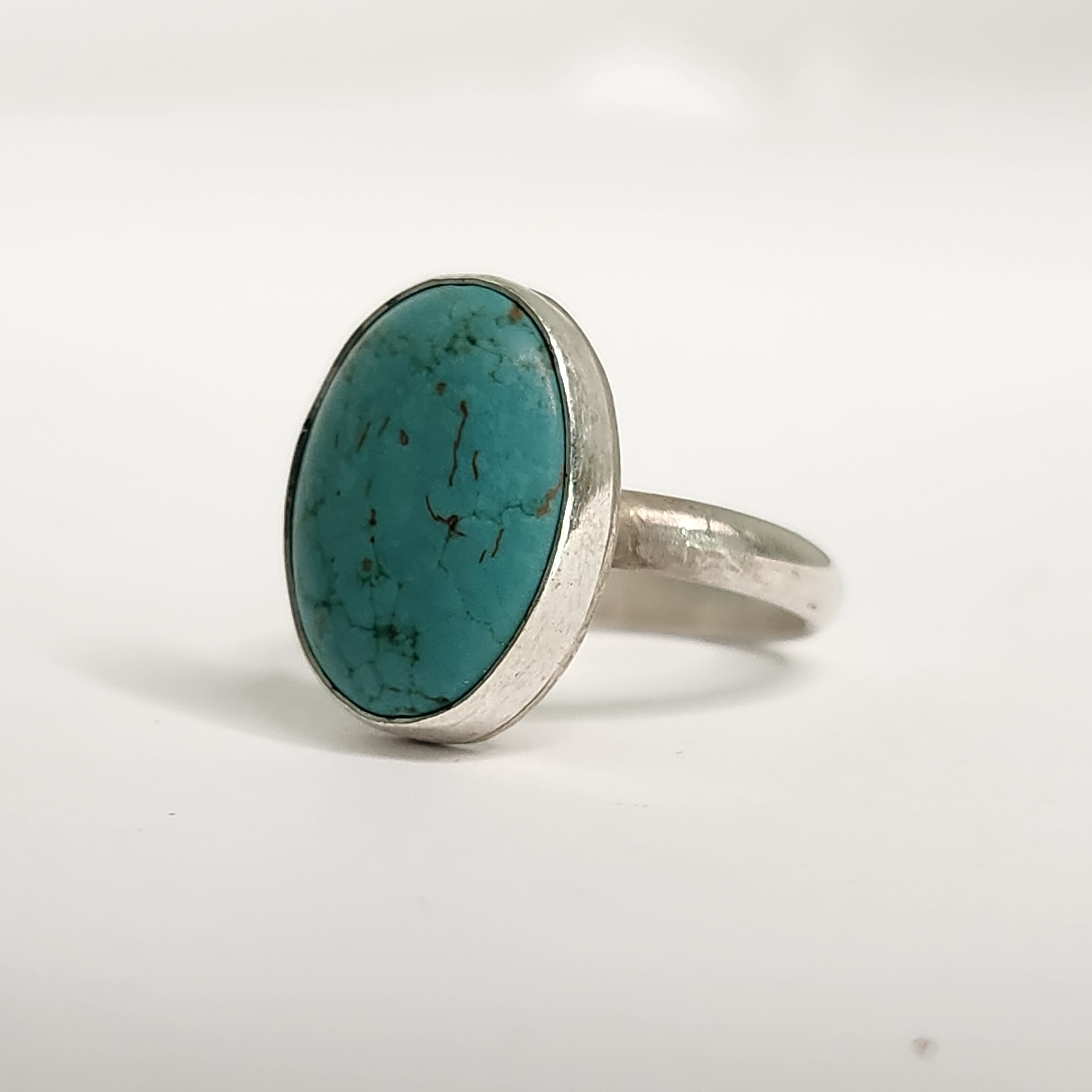
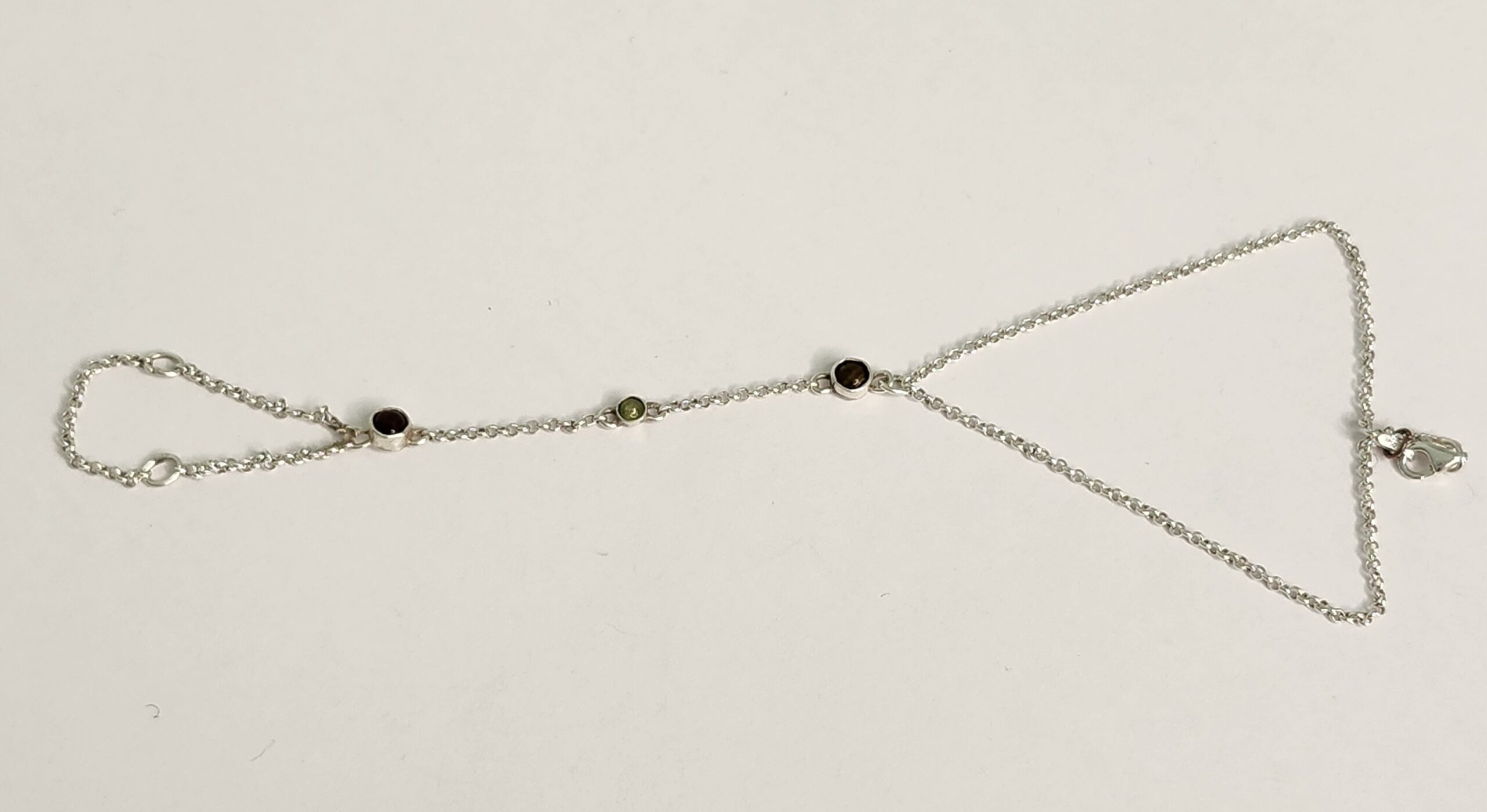
Together, they explore how empowerment can exist at different scales, from something that fully surrounds the body to something small you can keep in your hand.
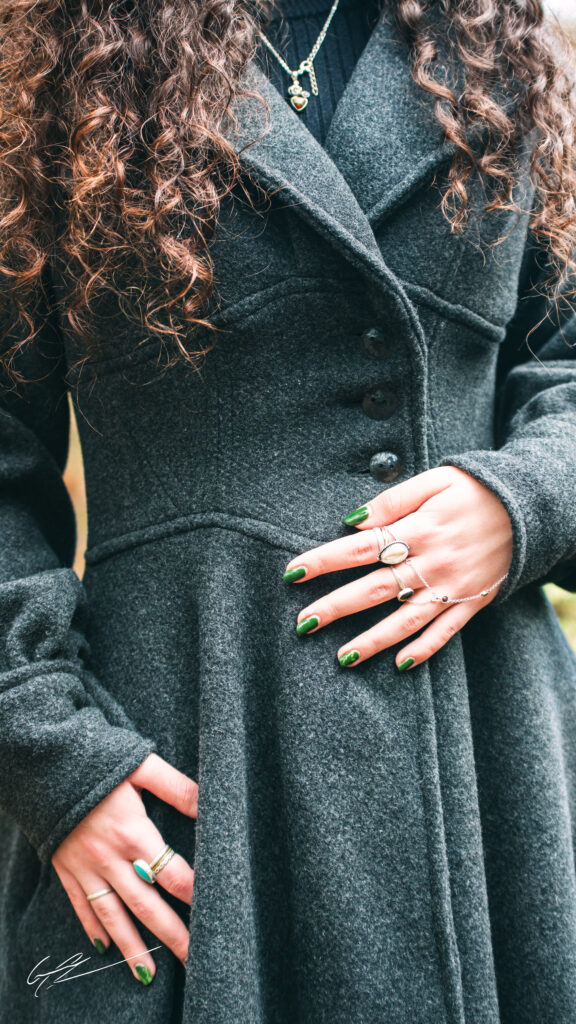
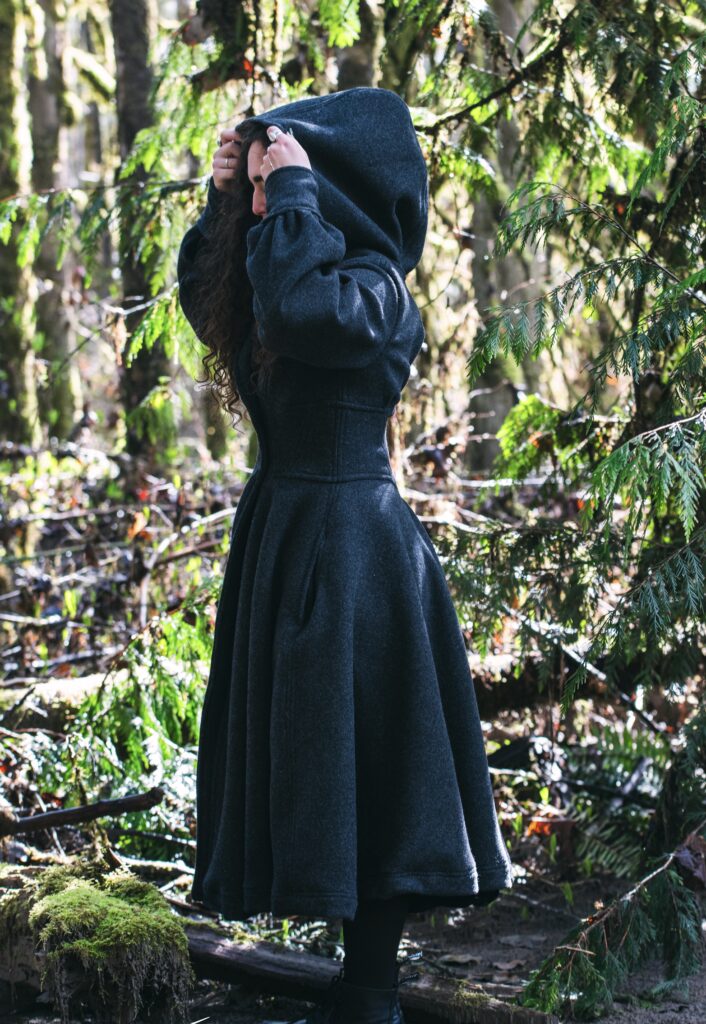

This project changed how I think about clothing. It showed me that garments can do more than just exist on the body; they can influence how someone feels, how they move, and how they take up space.
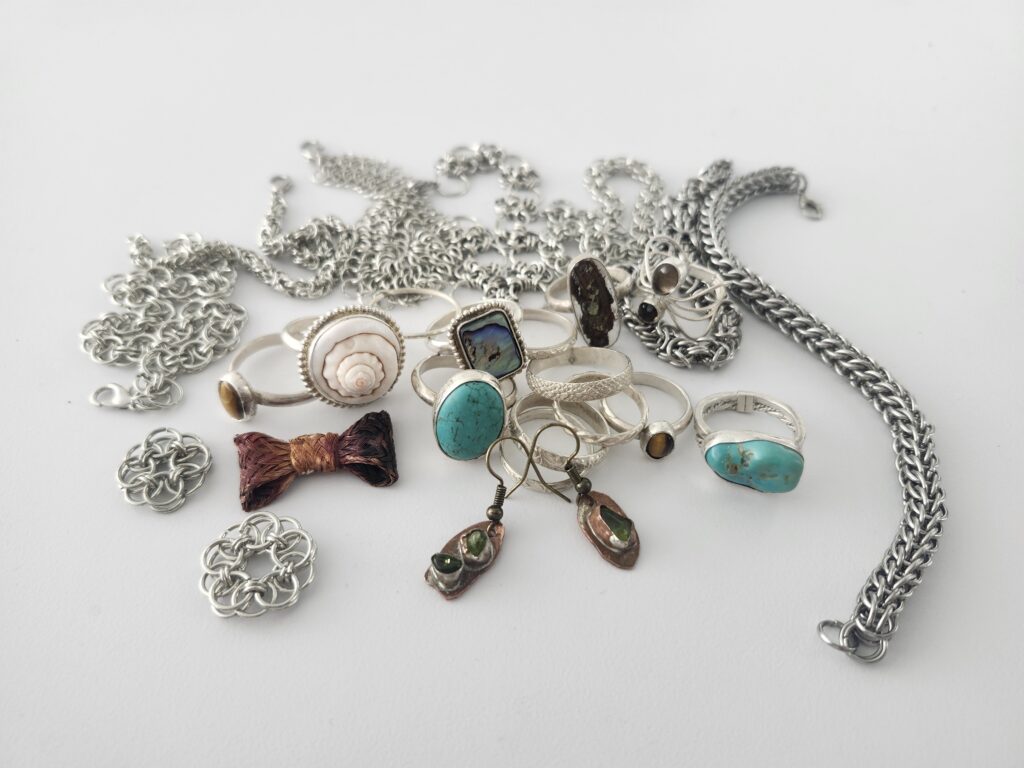
I also learned that empowerment doesn’t have to be loud or obvious. It can come from structure, from material, from memory, or from something small that you keep with you. It doesn’t need to be something visible to everyone else, but something that quietly changes how you carry yourself, something that makes you stand a little taller without you even really noticing.
Moving forward, I want to continue exploring how design can support people in these subtle ways. Creating pieces that not only look strong, but help people feel it in a way that’s personal to them.
At the end of the day, it’s not really about armour, it’s about what helps someone feel like they can face whatever they need to.
Thank you!
![A New Hope [Chest] by Audrey Allanson](https://2026.theshow-ecuad.org/wp-content/uploads/2026/05/DSC01131-2-300x300.jpeg)