Dawnfield-A Wellness Ecosystem
Terrence H.
Terrence H. | Emily Carr University of Art & Design | The Show 2026
Overview
Dawnfield is a Service Design project focused on improving the waitlist experience for youth and young adults seeking mental health support.
Project Type
Service Design
Role
Service Designer & Researcher
Duration
10 months
Problem Statement
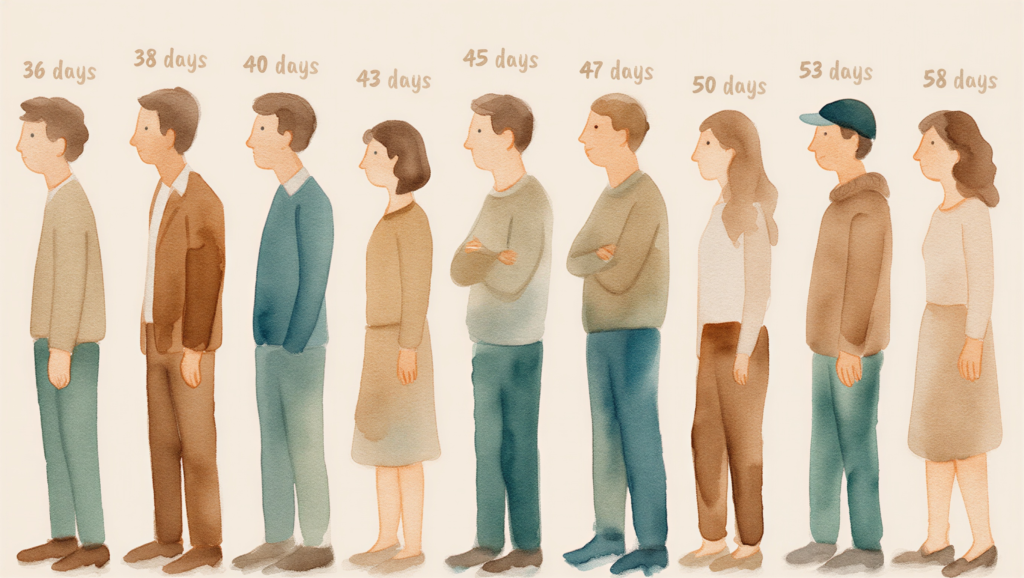
In British Columbia, the average wait time for young adults over the age of 24 seeking for mental health support is 34 days.
For many, it is much longer. During the wait time, symptoms can get worse.
And often, people are left to wait alone, with no guidance and no one checking in. This could lead to motivation fading, or even self harming behaviour developing.
Research Insight ( by interviwing professionals & individuals)
- The waitlist period carries high emotional risk, including symptom worsening and a decline in motivation to seek help
- Adults over 24 often face longer waits and fewer free resources
- Many young adults wait 30–120+ days for counselling, depending on region
Conceptual Development & Validation
An ecosystem that fills the gap between referral and treatment.
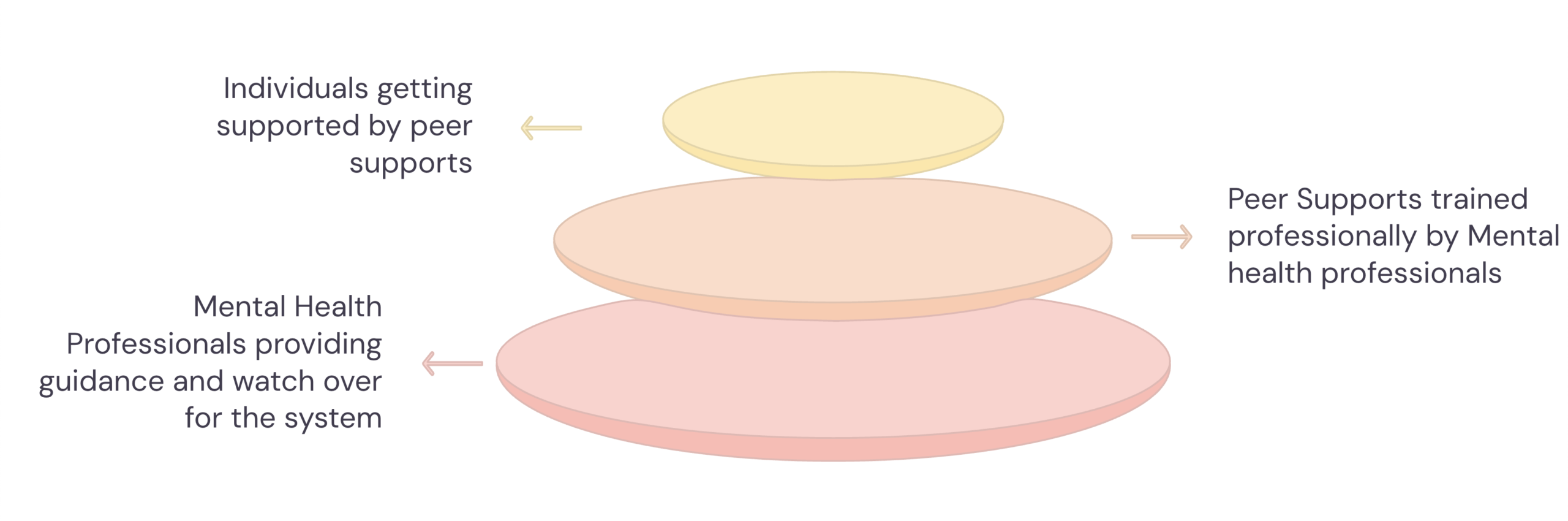
I wanted to create an ecosystem where mental health professionals provide a strong foundation, and peer supporters build on that foundation to offer a safe, accessible space for individuals.
How Can Dawnfield Slove This?
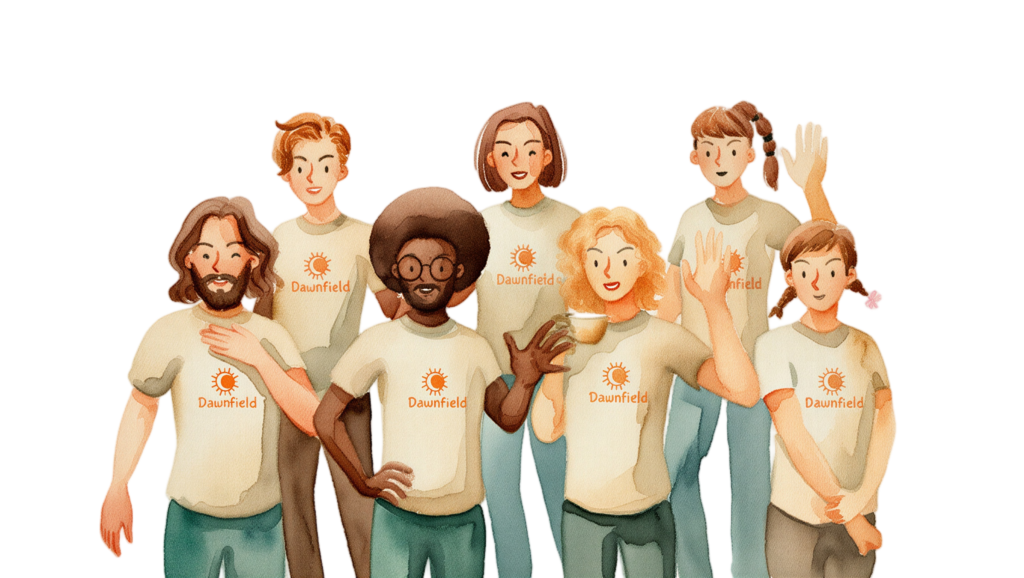
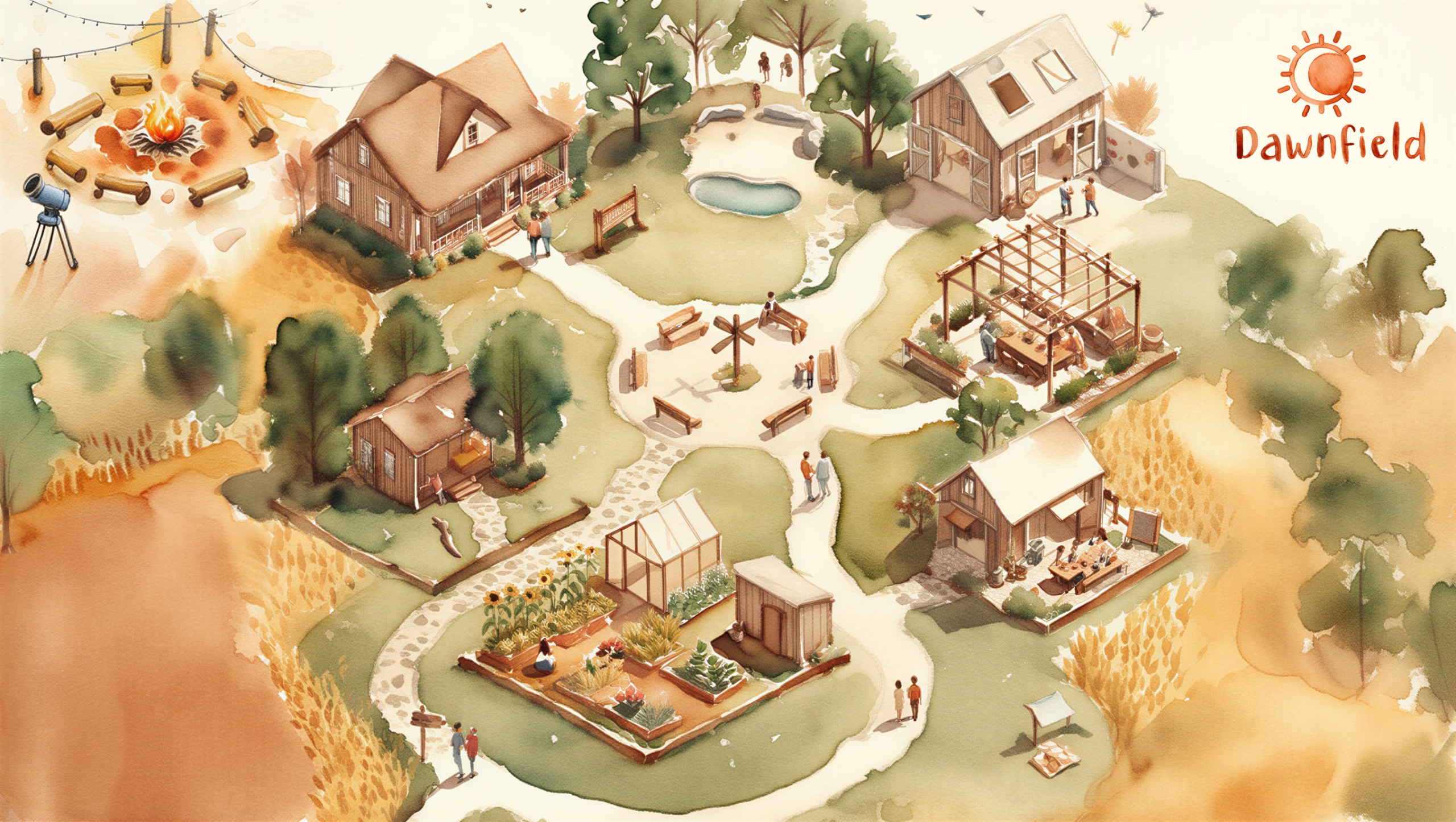
Dawnfield is a peer-supported wellness centre where youth can access guided activities, human connection, and emotional grounding while they wait for formal mental health care.
this service creates a layered ecosystem of care that meets people where they are and ensures no one falls through the cracks during the waiting period.
Service Concept Video
This is a video demo that showcase the service expectation and concepts.
Prototyping Phase
1. Concept Storyboarding
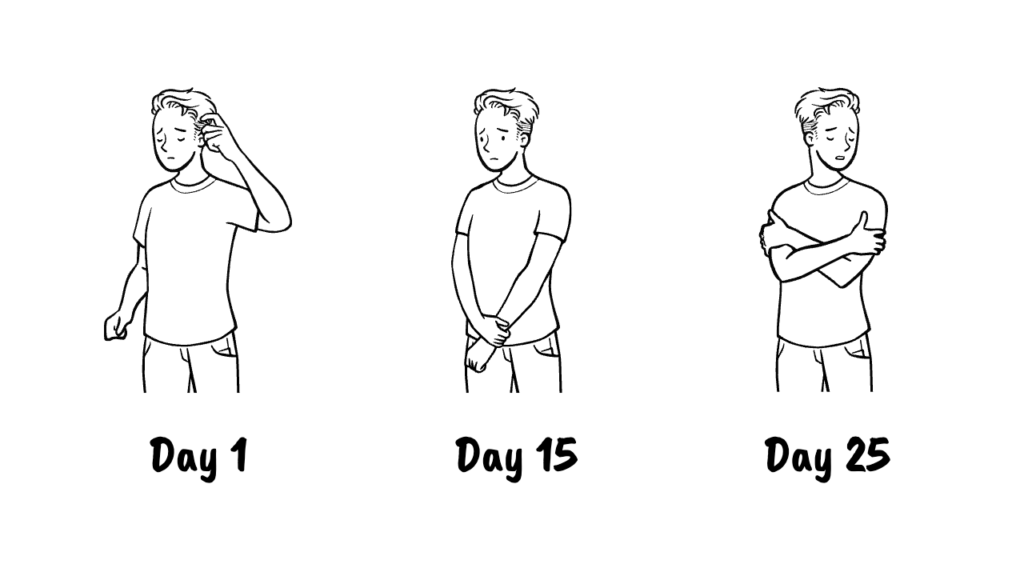
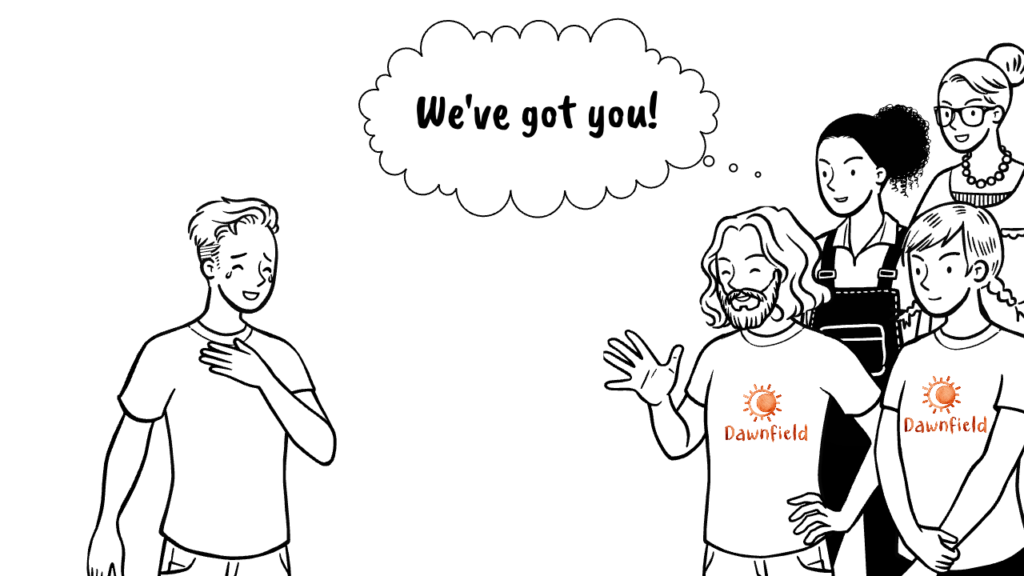
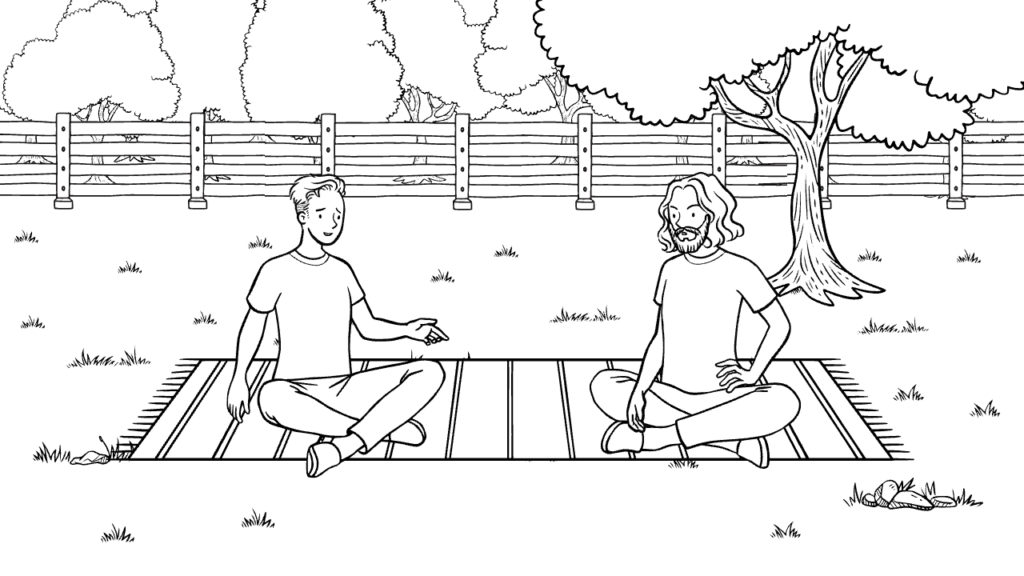
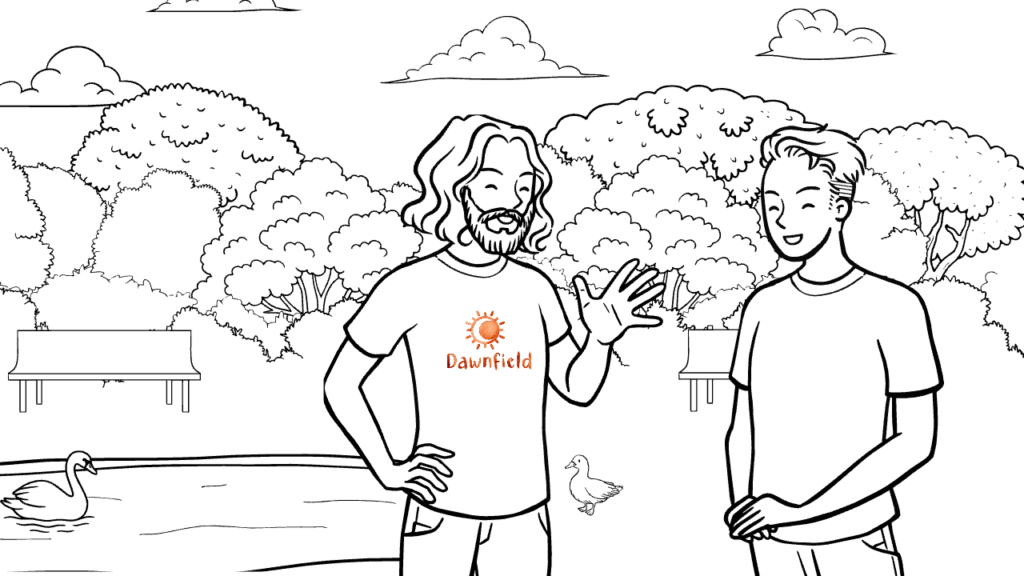
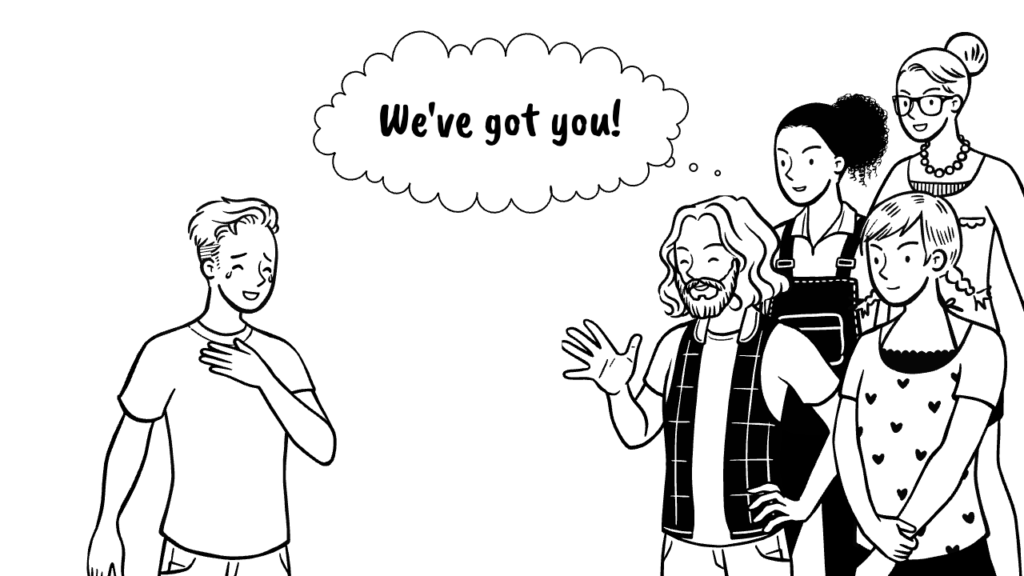
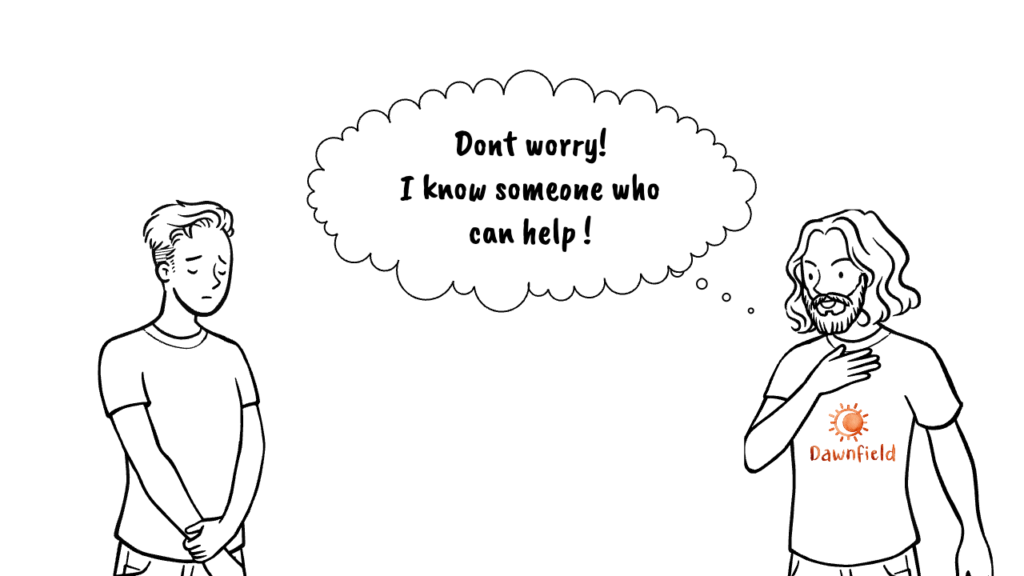
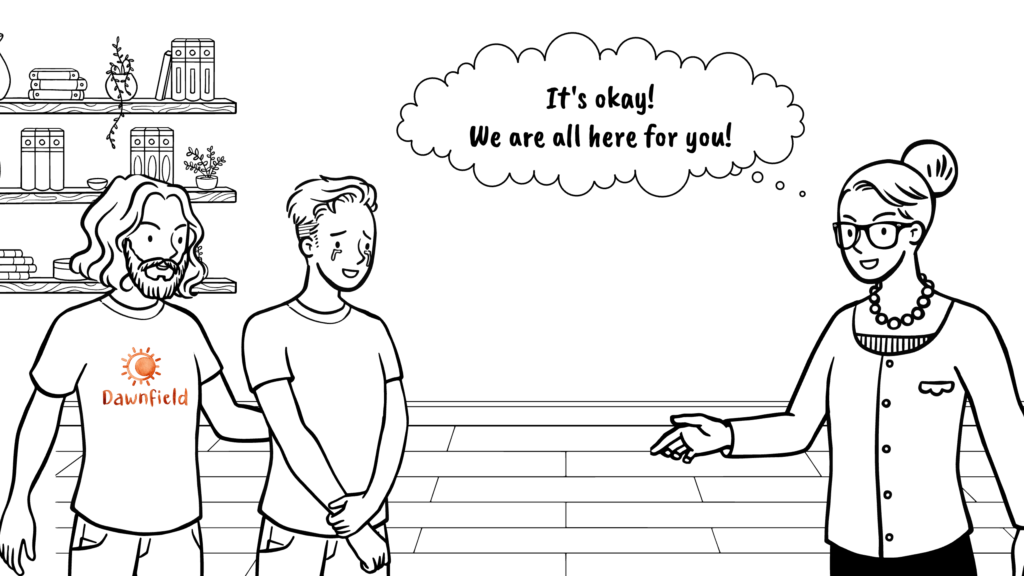
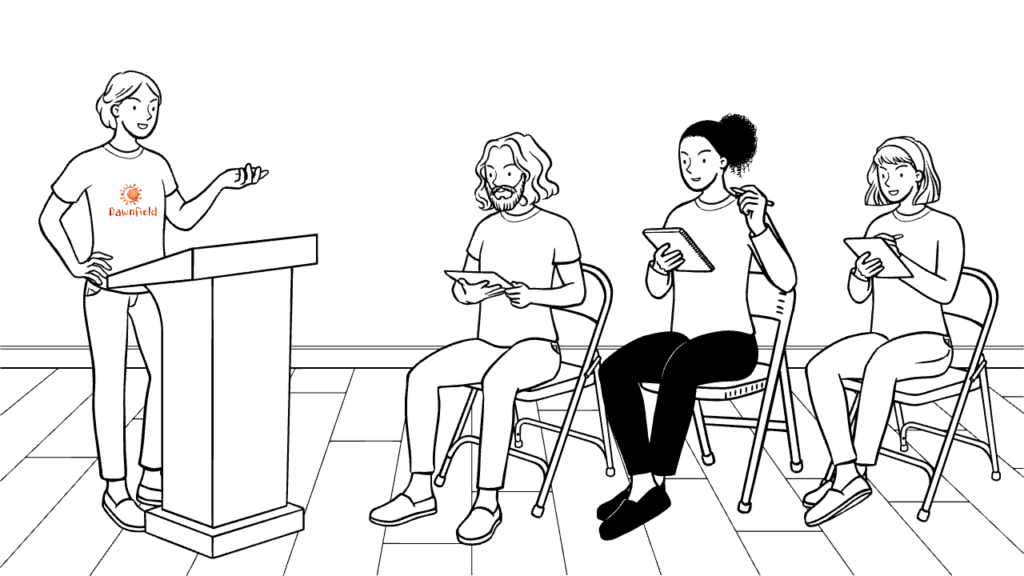
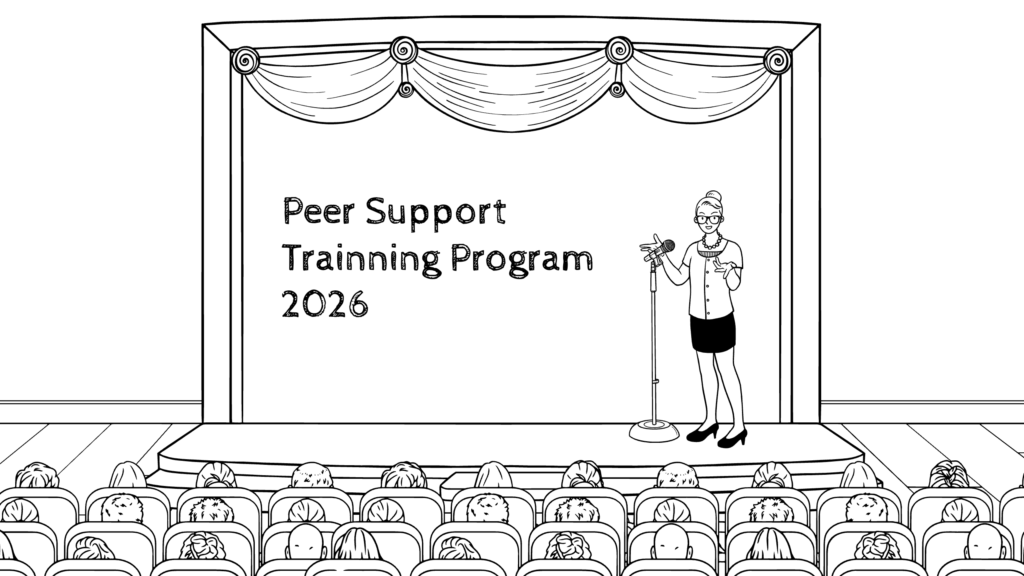
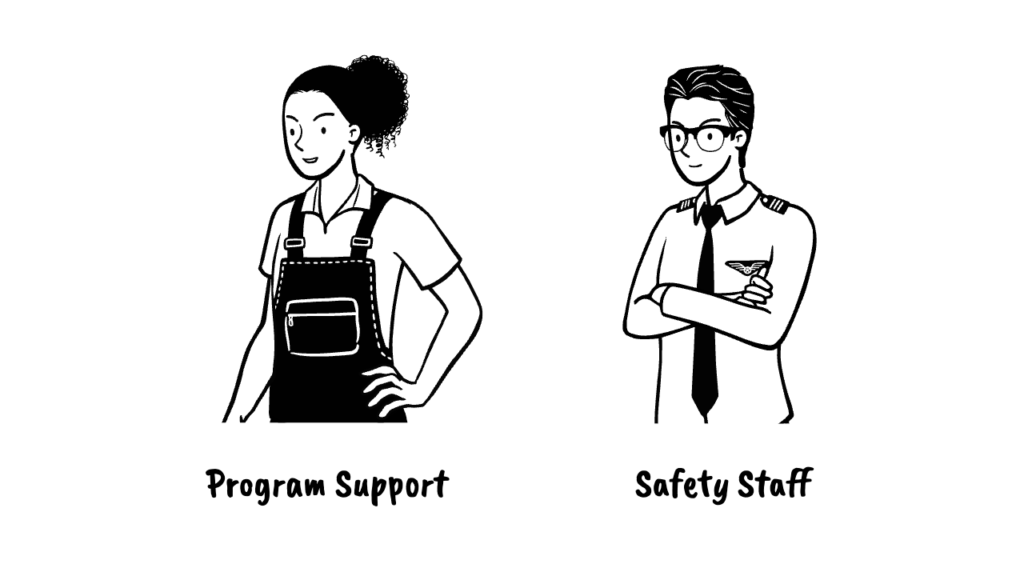

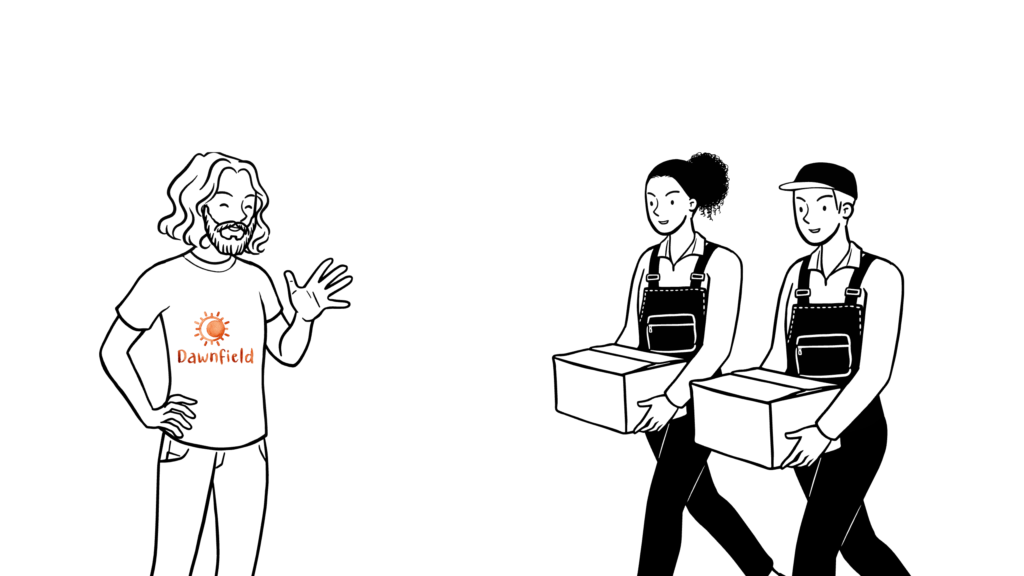
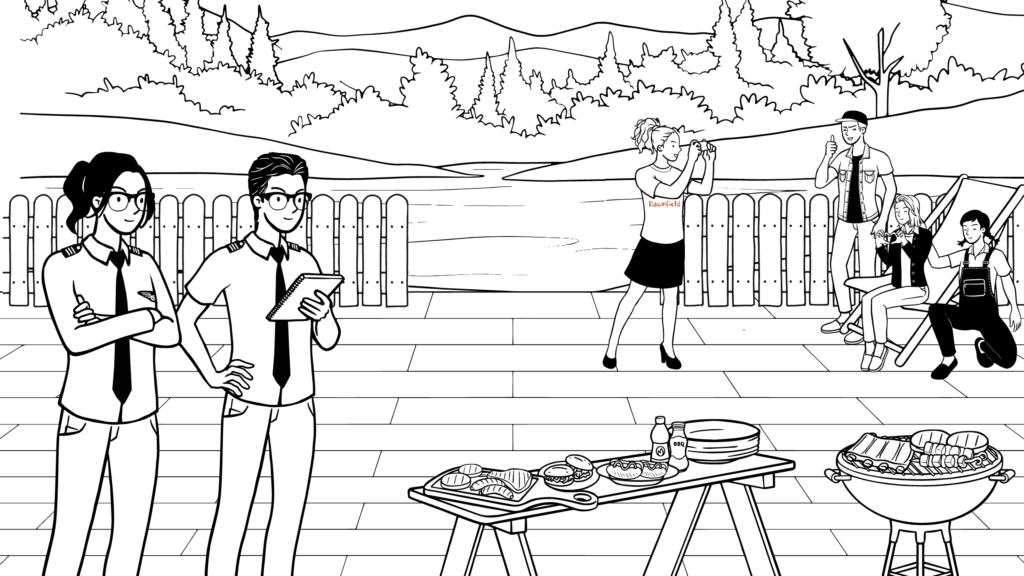
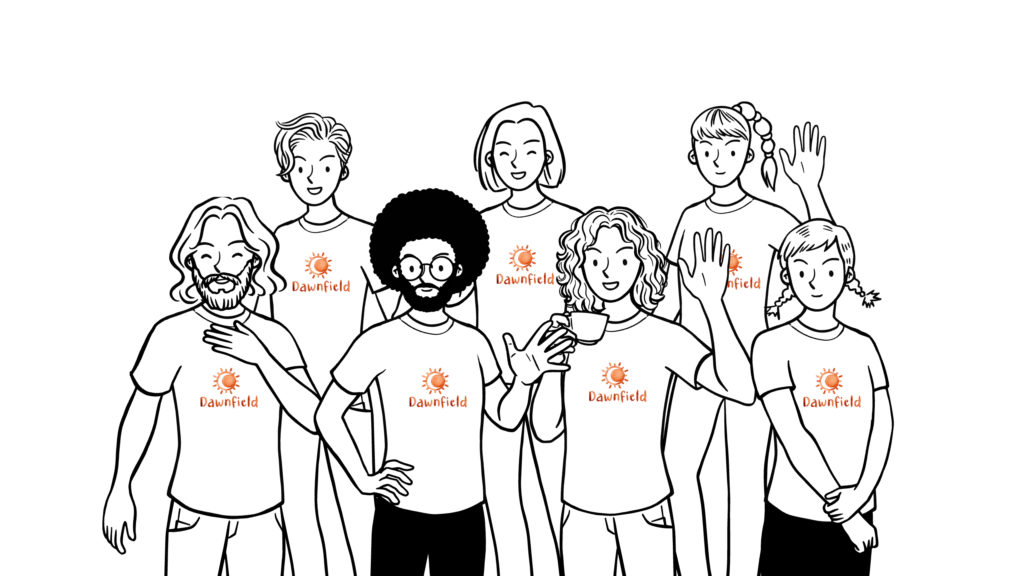
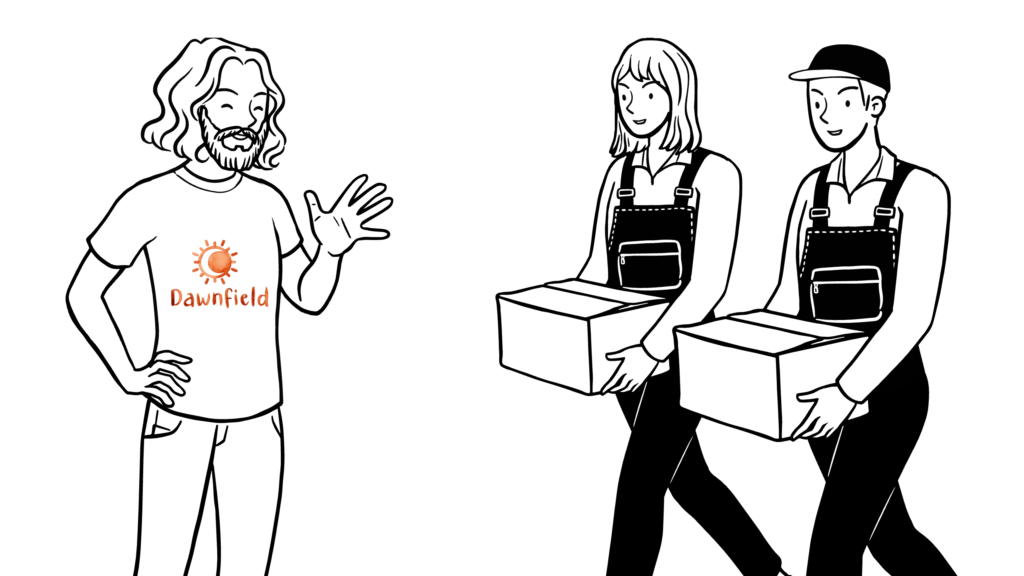
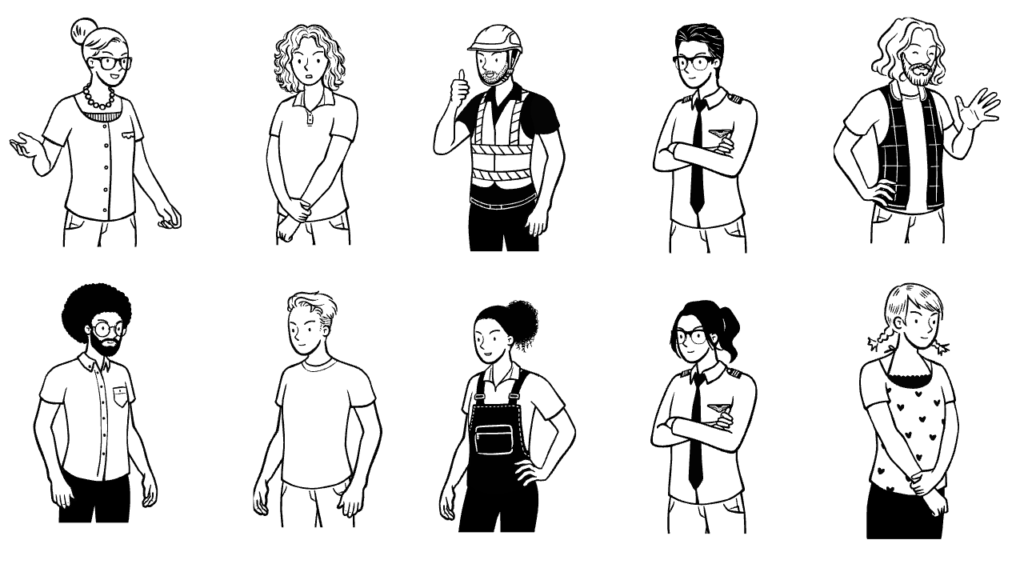
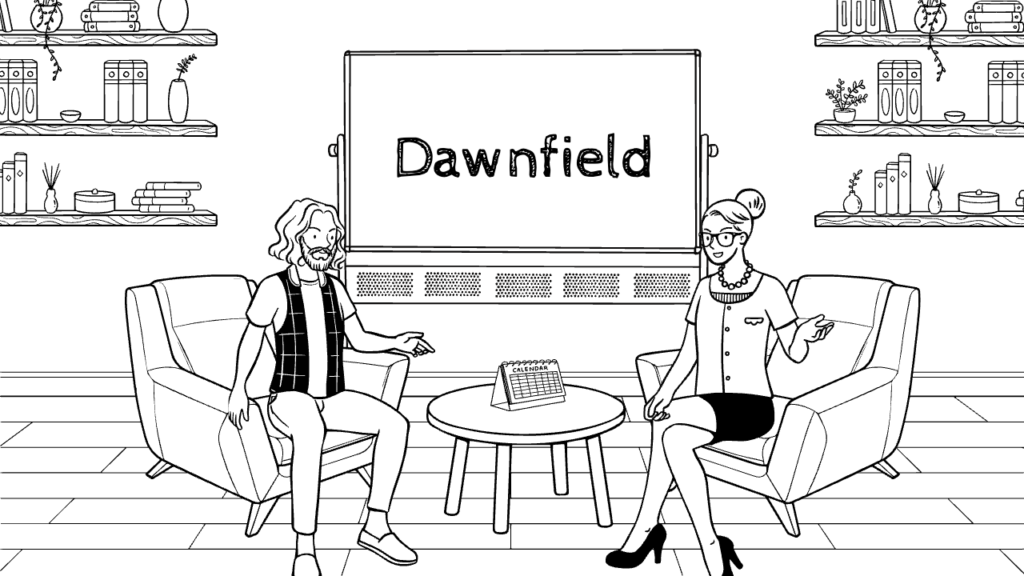
By creating these storyboards, I was able to visualize the full emotional arc of both journeys within the Dawnfield ecosystem.
2. Service Blueprintingting
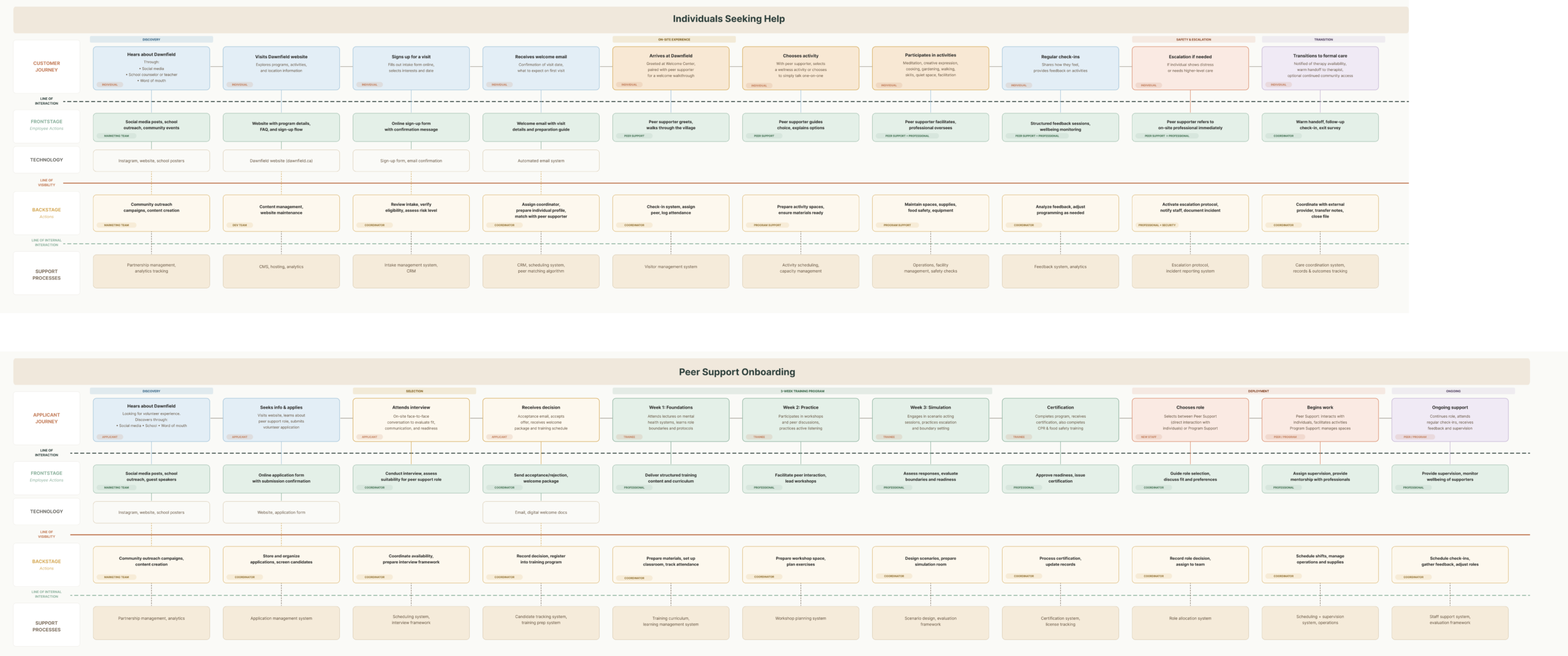
These two service blueprints demonstrate how Dawnfield operates as a two-sided ecosystem. The first traces the individual’s journey from discovering the service through to participating in wellness activities and eventually transitioning to formal care. The second traces the peer supporter’s journey from volunteering through training, certification, and deployment. Together, they reveal how every moment of human connection on the surface is supported by layers of coordination, professional oversight, and operational infrastructure underneath.
3. Simulation Testing
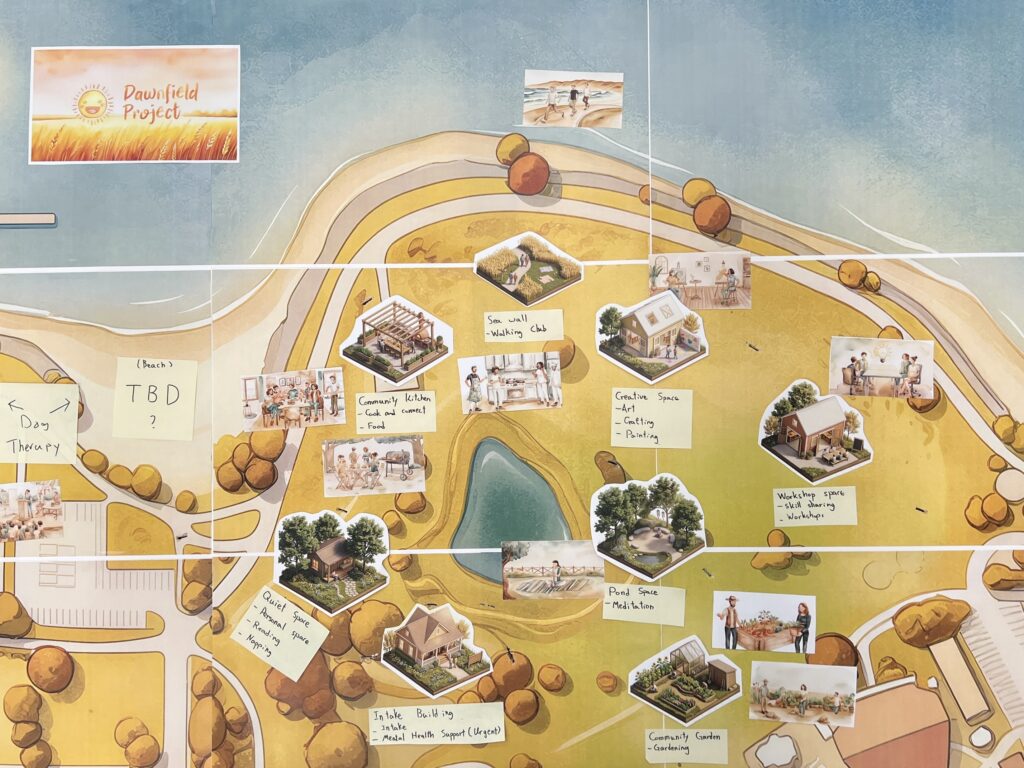
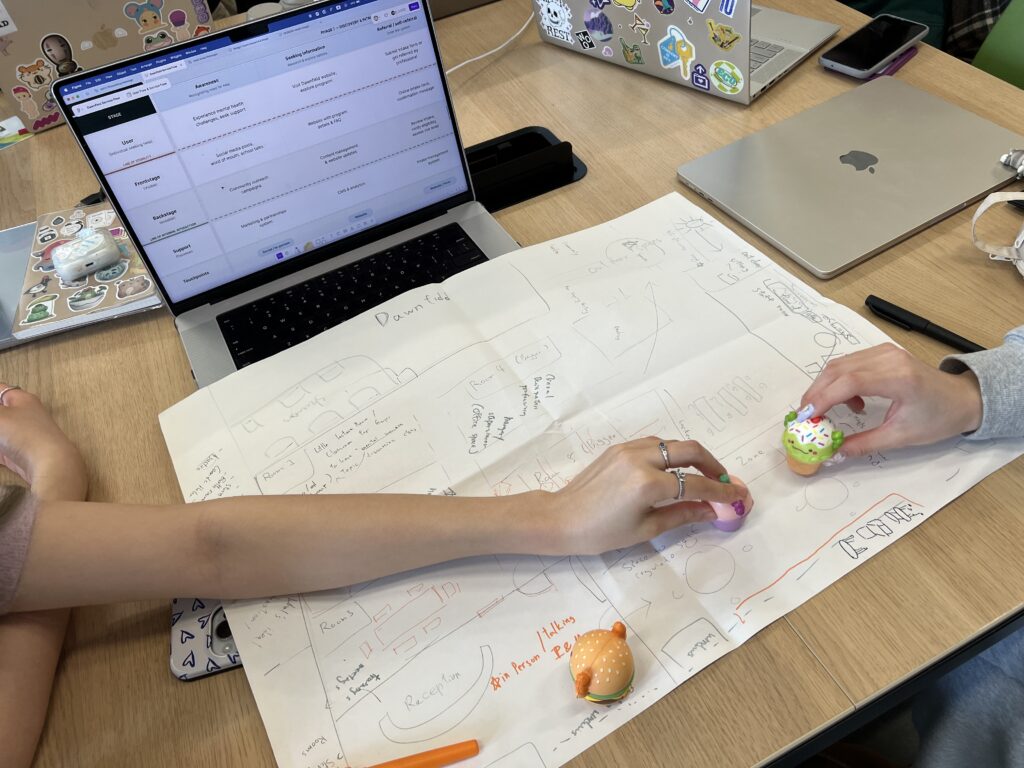
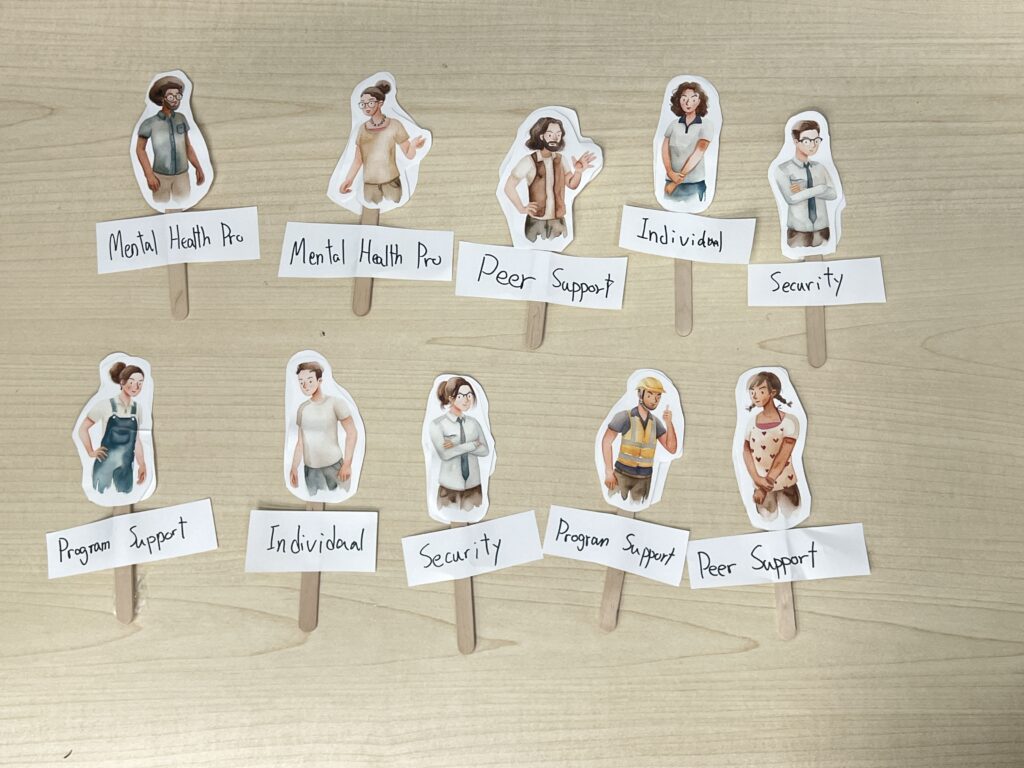
To validate the spatial design and service flow, I conducted simulation testing with mental health professionals using a printed village map, illustrated stakeholder figurines, and the Vanier Park site plan. Each figurine represented a role within the Dawnfield ecosystem: Mental Health Professional, Peer Support, Individual, Program Support, and Security. By physically moving the characters through the spaces, we traced both service journeys step by step, identifying missing touchpoints, testing how transitions between zones felt, and evaluating whether the layout supported the sensory gradient from active to calm. This hands-on approach surfaced operational insights that blueprints alone could not reveal, including the need for a reception area, gender-neutral washrooms, sound separation between spaces, and clear sightlines for supervision.
4. Mobile Website Prototyping
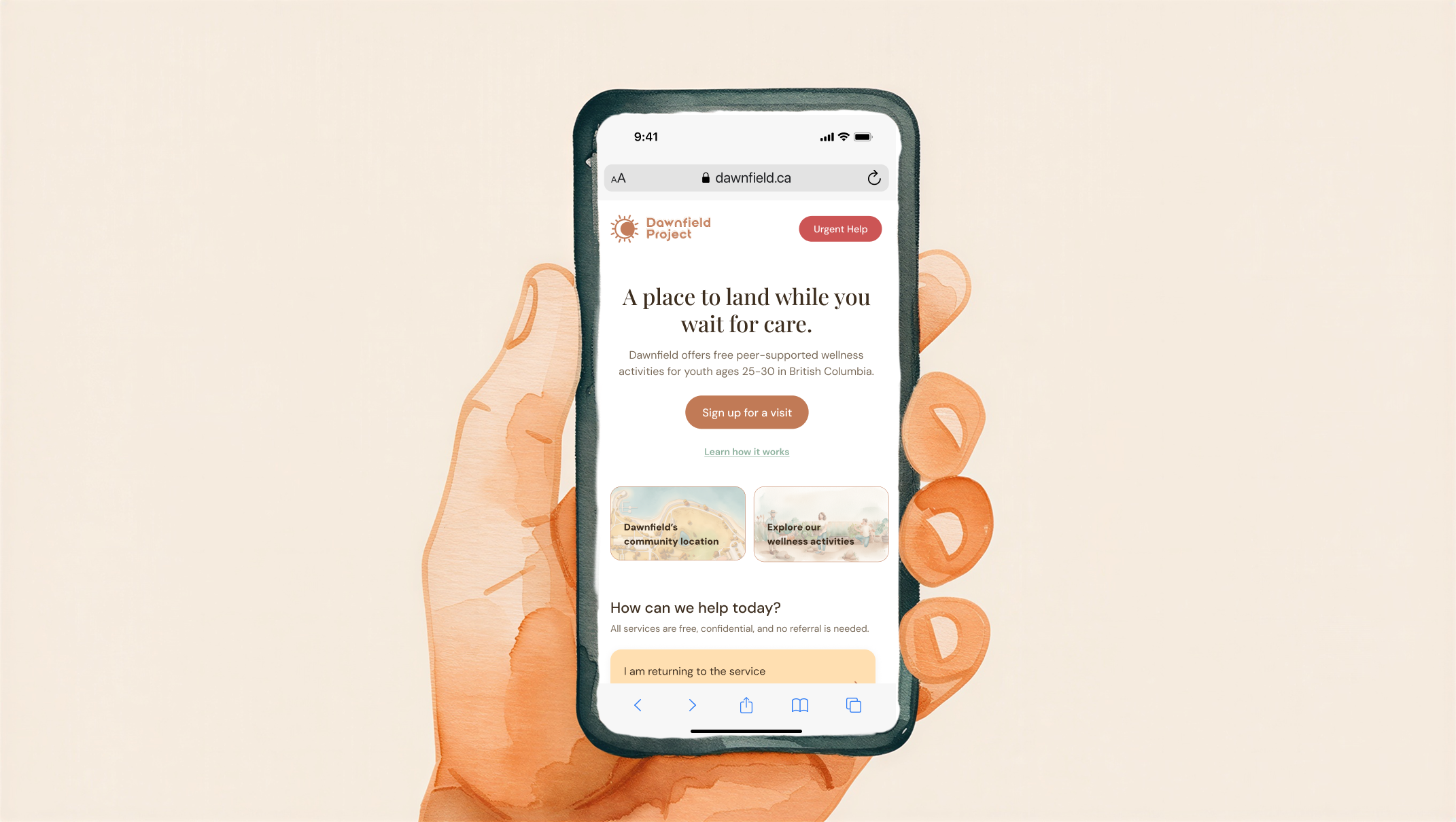
The mobile prototype demonstrates the complete sign-up experience for individuals seeking support through Dawnfield.
View Full Case Study, Other Key Process & Research deatils at https://terrence-h.com/dawnfield
Looking Forward…

Looking forward, I would like to pitch Dawnfield to organizations and government bodies that are actively working to improve youth mental health access in British Columbia.
My first target would be Foundry BC, which already operates a growing network of integrated youth wellness centres across the province and is currently expanding to 35 locations. Dawnfield’speer-supported waitlist model would complement Foundry’s existing services by addressing the gap between a young person’s first contact and their first appointment.
I would also look to present the project to Vancouver Coastal Health’s Child and Youth Mental Health and Substance Use teams, who oversee intake and treatment for youth across Vancouver and are directly familiar with the waitlist challenge this project addresses. At the municipal level, the City of Vancouver’s youth services division and Vancouver Parks and Recreation wouldbe key partners, particularly for exploring the use of public park spaces like Vanier Park as potential sites.
Beyond Vancouver, the BC Ministry of Health and the Ministry of Mental Healthand Addictions have both committed to expanding community-based youth mental health infrastructure through initiatives like A Pathway to Hope, which specifically calls for peer support integration and low-barrier access points. Dawnfield was designed to fit within this existing policy landscape, not as a replacement for any current service, but as a complementary layer of care that fills the space where no formal support currently exists.
![A New Hope [Chest] by Audrey Allanson](https://2026.theshow-ecuad.org/wp-content/uploads/2026/05/DSC01131-2-300x300.jpeg)