Human Bycatch
Trinidad Landajo
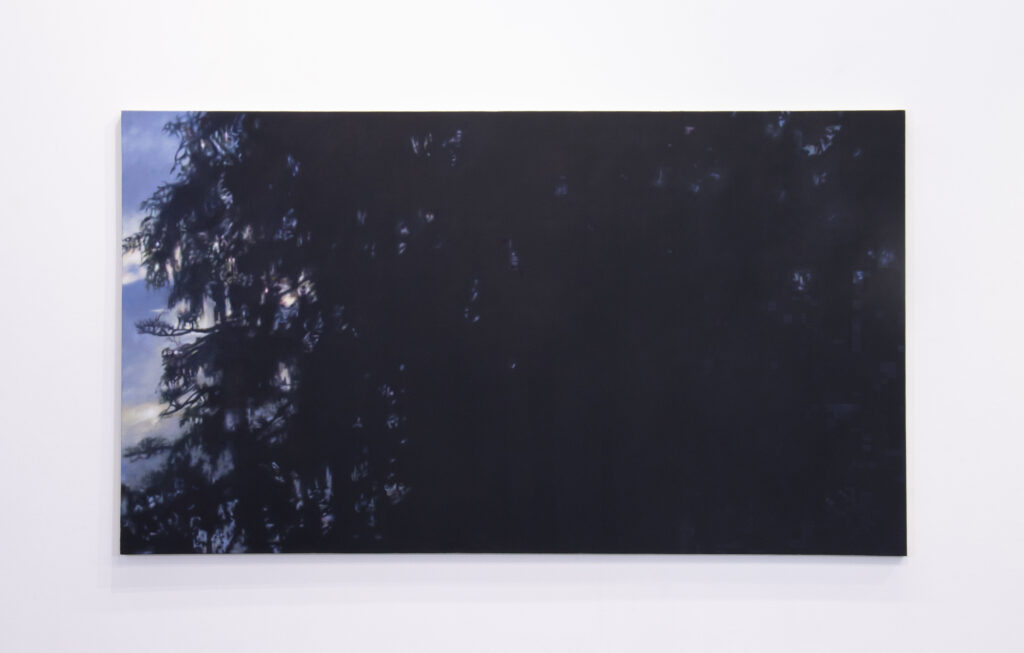
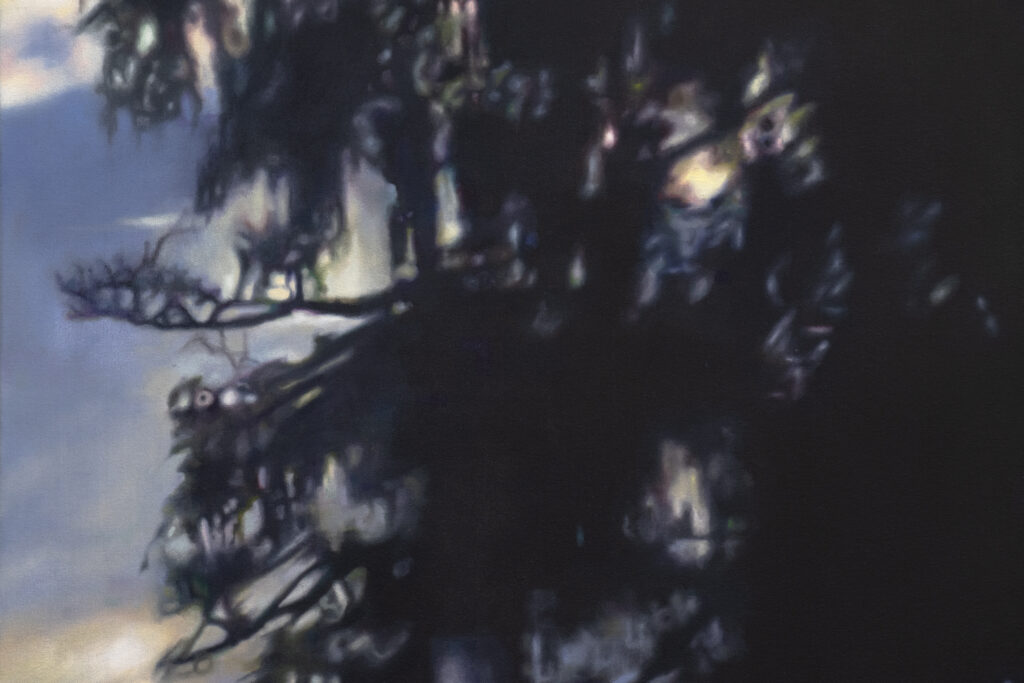
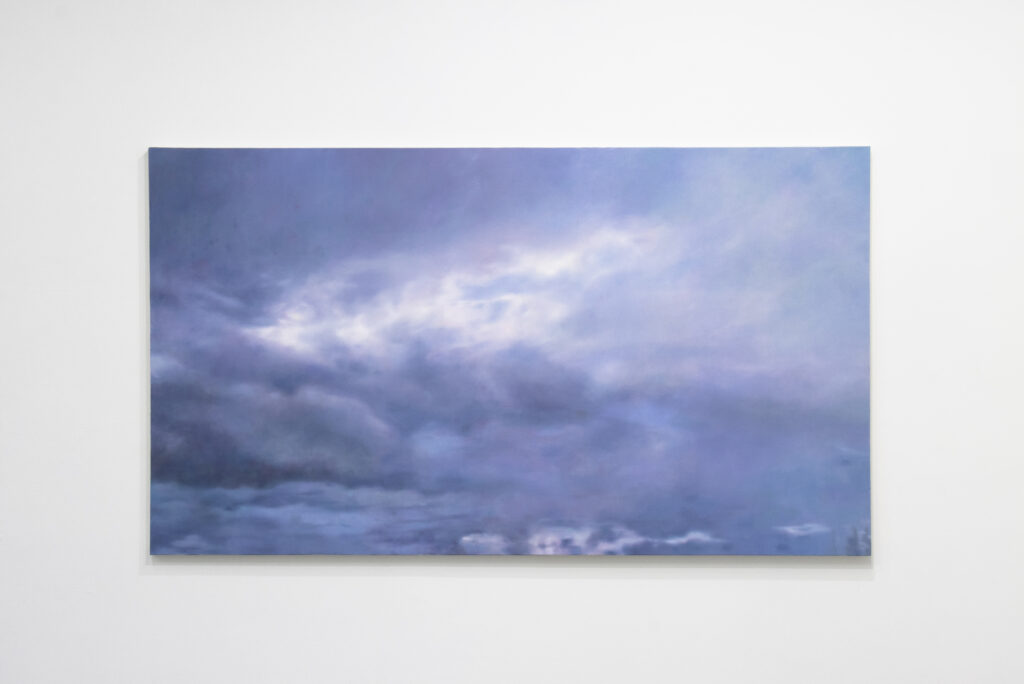
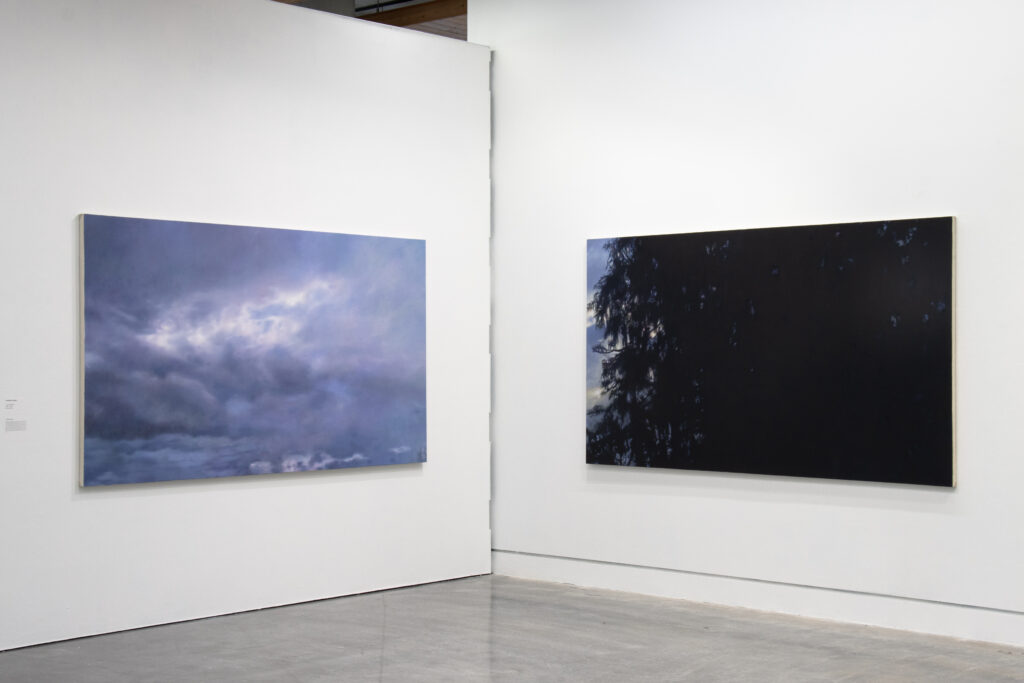
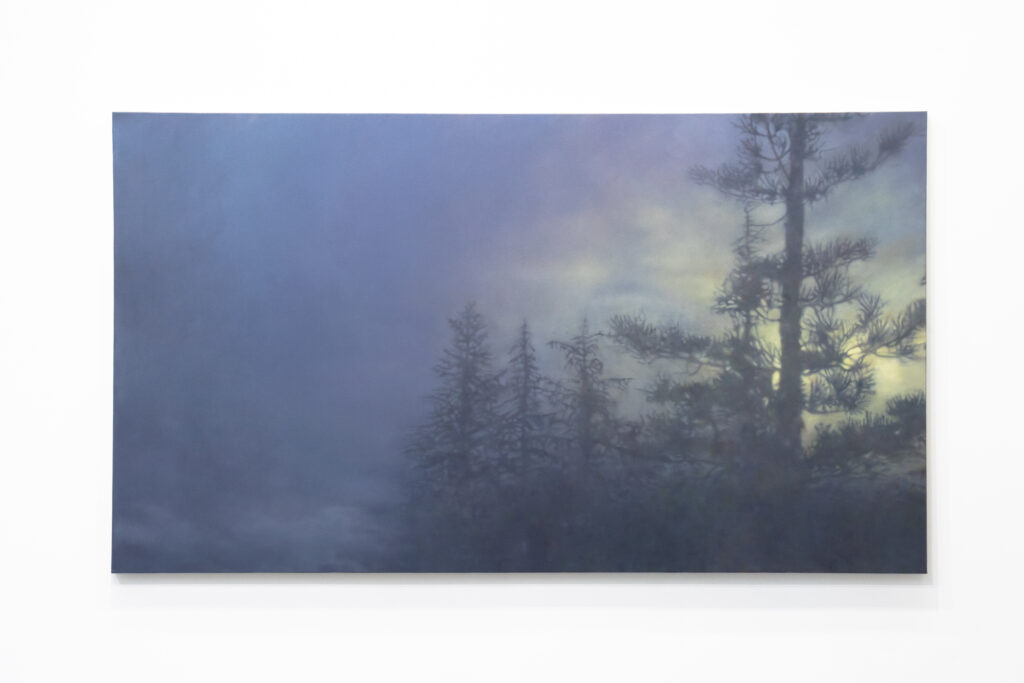
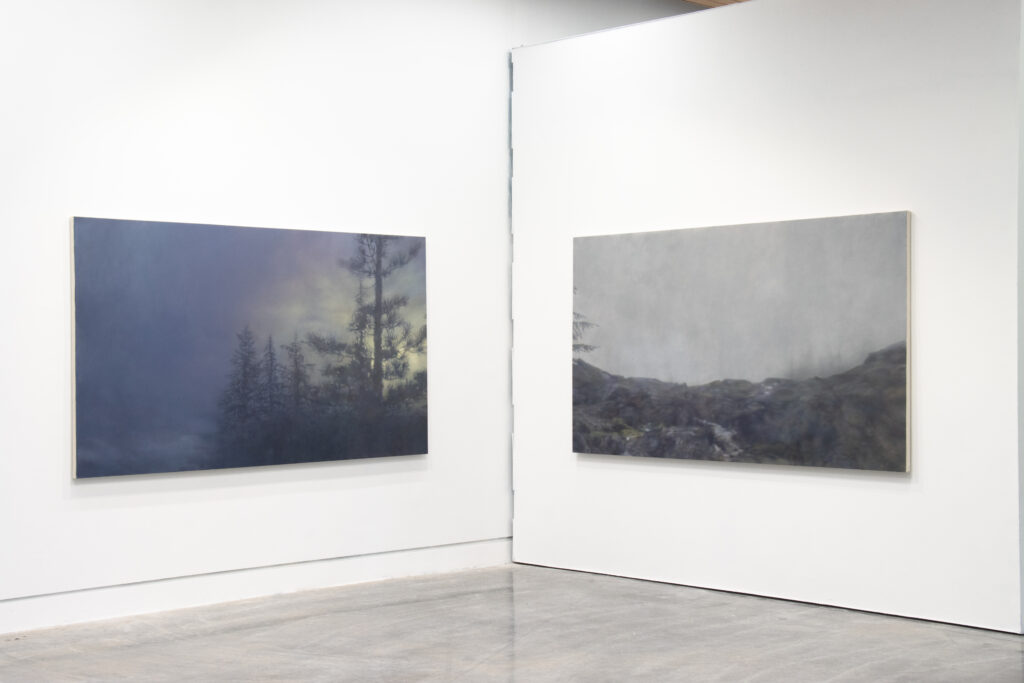
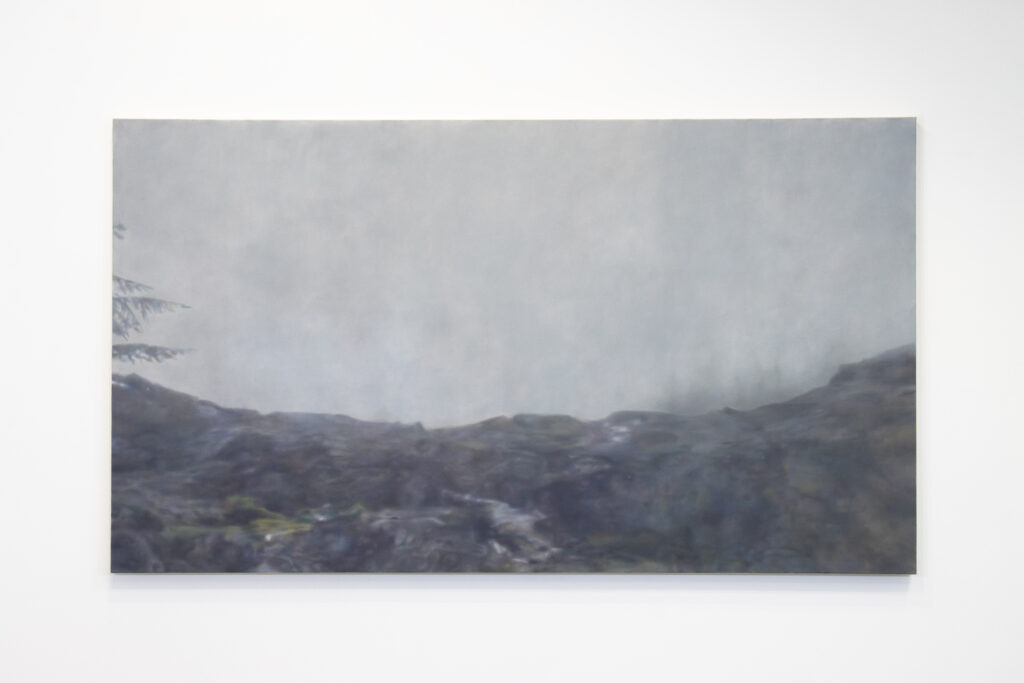
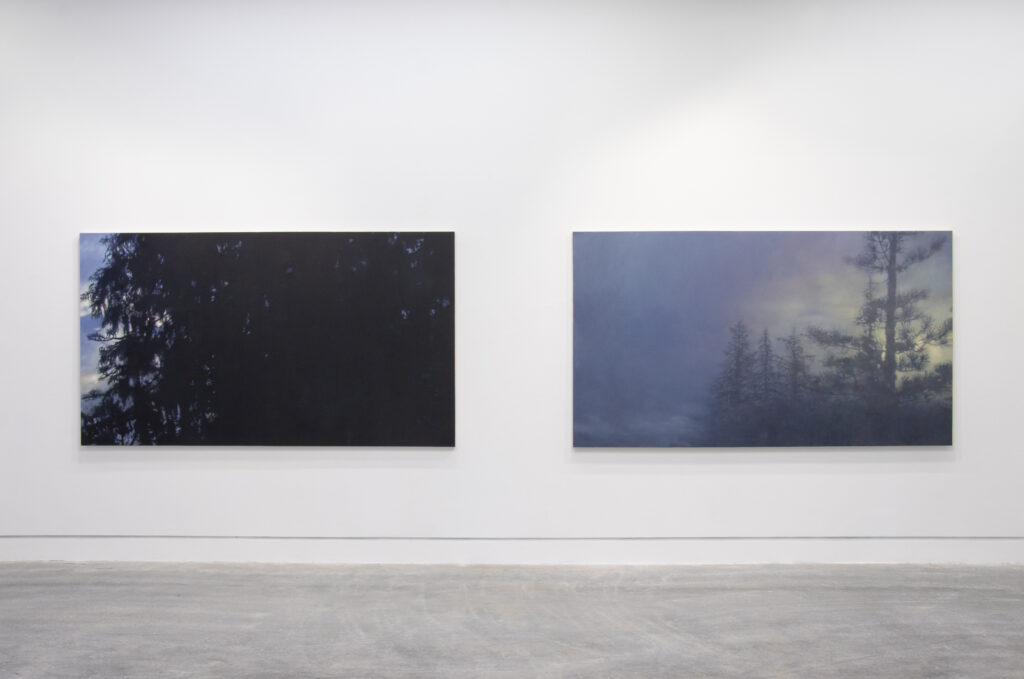
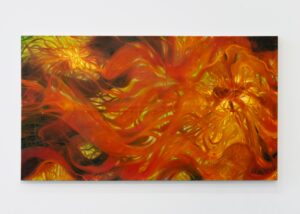
The work exhibited at The Show is one of the four paintings that constitute a series titled Human Bycatch. This project is part of my broader MFA thesis project.
My thesis project engages with landscape across two series of large-scale oil paintings and one video-installation that uphold the importance of slowing down the production and reception of images for both the maker and the viewer. By foregrounding physicality, material engagement and time, the work seeks to resituate the human within the image-making processes amidst the hyper-abundance of low-resolution digital images produced by surveillance infrastructures. It asks; What are the conditions through which most images emerge today? and seeks a poetic potentiality amongst the scale of operational systems, unveils the encounter with a new technological sublime and foregrounds embodiment as a response.
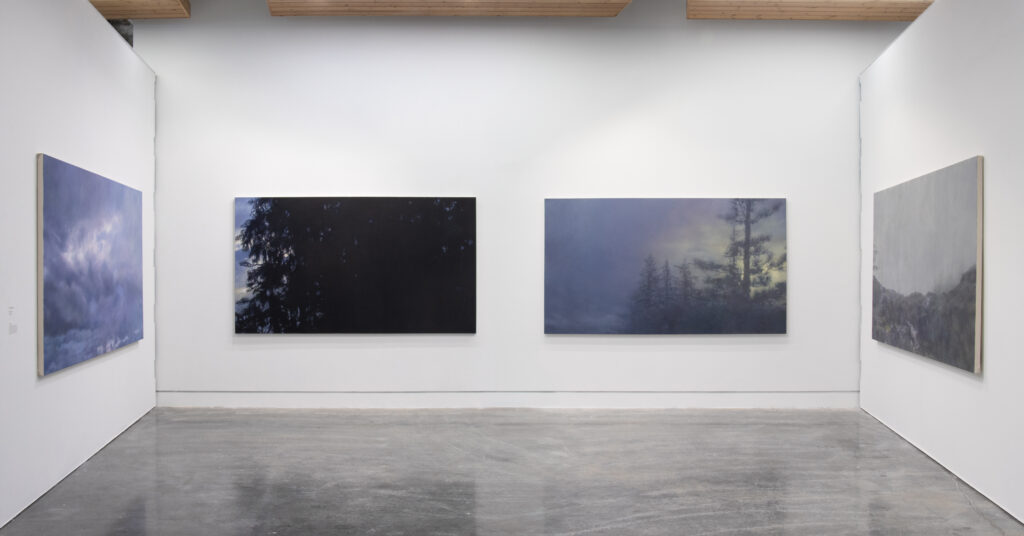
Human Bycatch, emerged after the experimental use of a trail camera throughout a 90-kilometer-long hike. Trail cameras (or camera traps) are normally used to monitor wildlife for ecological or hunting-related reasons. Their functioning and resulting images are, in many ways operational; their purpose is to map, to measure, to track, to accumulate temporal and spatial data. Their shutter is activated through the detection of movement with near-infrared sensors, for the purpose of tracking, for example, the presence of a wild animal without the disruptors of human presence. However, and contrary to the security camera, trail cameras are designed to minimize the amount of insignificant footage; they wait for the event to happen before photographing it.
Human Bycatch is a term utilized by people who use trail cameras to describe images that were accidentally triggered by a human instead of an animal or the surrounding environment. Throughout this hike, I used the camera’s straps –usually used to mount it on a tree– to loosely tie the camera around my torso, turned it on and kept walking. Through this setup, the camera would take videos activated by my own movement. Instead of having the event happen in front of the camera it was happening behind it. This subverts the purpose of the trail camera; the images were being taken constantly, producing bycatch, as long as I moved with it.