ugly veggie market
Yoojin Song
Overview
ugly veggie market is a branding project for a local produce market that focuses on vegetables that don’t meet typical grocery store standards. These are vegetables that might be crooked, uneven, or oddly shaped, but are still fresh and good to eat. Instead of being thrown away, they are brought into a space where they are still valued.
The project looks at food as more than just something we consume. It explores how everyday actions, like buying vegetables, can become moments of connection. Rather than a quick and transactional experience, the market is imagined as a place where people can slow down, interact, and engage with where their food comes from.
It shifts the experience from something quick and transactional to something more personal, where people can interact with the food and the people behind it.
Inspiration
why ugly veggies?
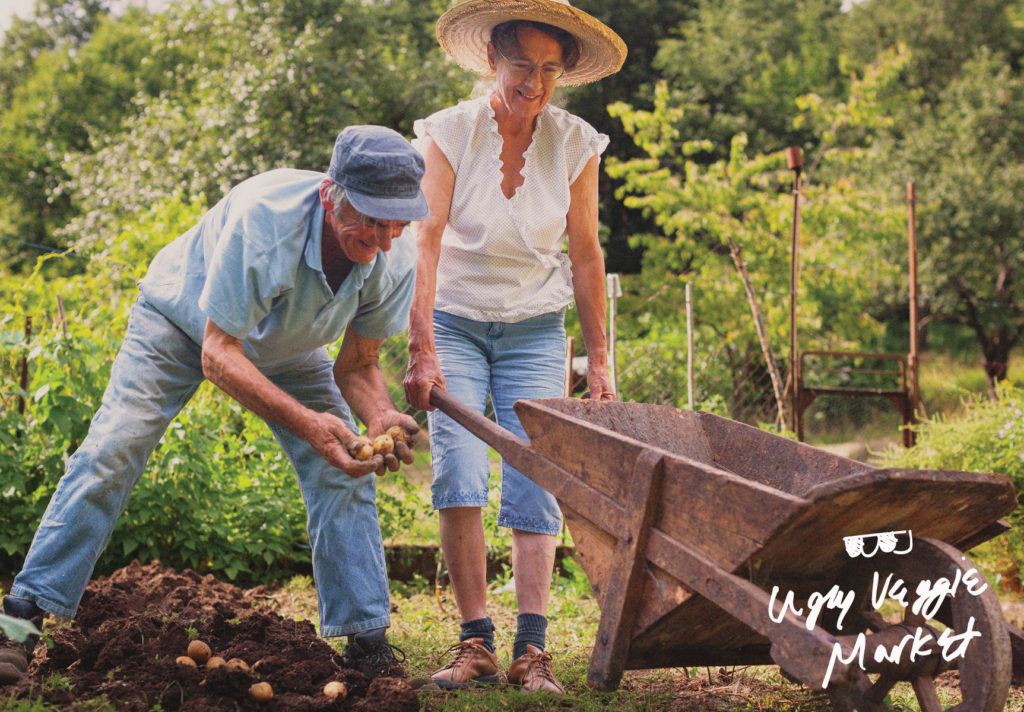
When I was little, my grandparents grew all sorts of vegetables. Whenever I went over to their house, the veggies always looked a little odd, definitely different from the ones I saw in grocery stores. When I asked why, they told me that only the “pretty” ones get sold in big stores and the ones that don’t meet that standard often go to waste, even though they’re perfectly good to eat. I always thought the uniqueness of these veggies made them more memorable, special, and fun.
Problem Space
A lot of good food goes to waste simply because it doesn’t look perfect. At the same time, people have become more distant from their food and from each other. Many meals now come from delivery apps or grocery stores where we never meet the people who grow, sell, or prepare what we eat.
Because of this, food has become more impersonal. People don’t see where it comes from or who is behind it.
This project responds by bringing back that human connection through something as simple as buying vegetables face to face. It is about slowing down, talking to people, and remembering that food can connect us.
ugly veggie market is imagined as a place where every vegetable, no matter how it looks, still has value. Instead of continuing the cycle of waste, it creates a small, local system where imperfect produce is sold and where people come not only to shop, but to meet, talk, and share.
Mission
- Give imperfect vegetables a second life
- Make shopping for food feel warm and human
- Support small farmers who grow with care
- Create moments that slow people down and bring them together
Visual Identity
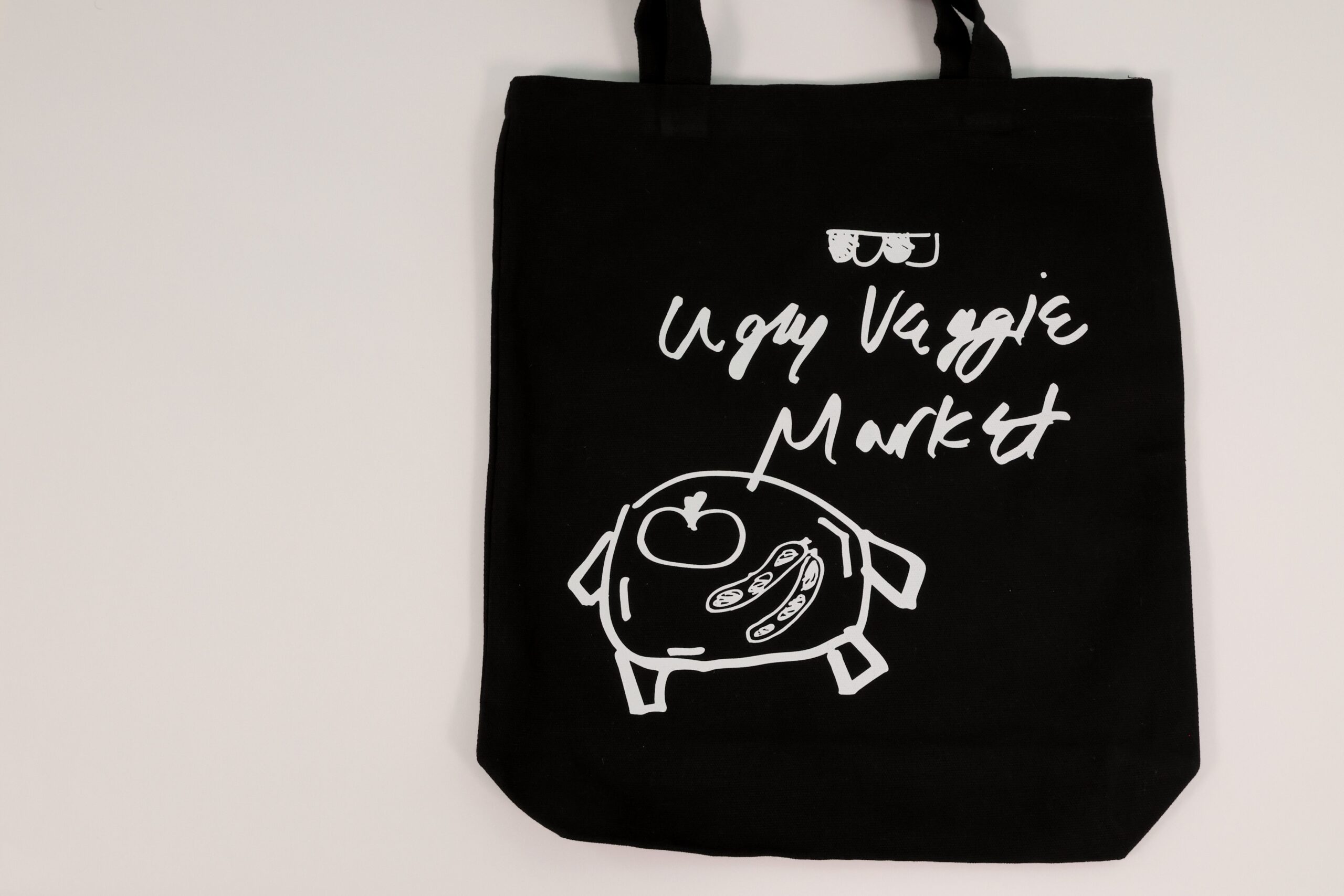
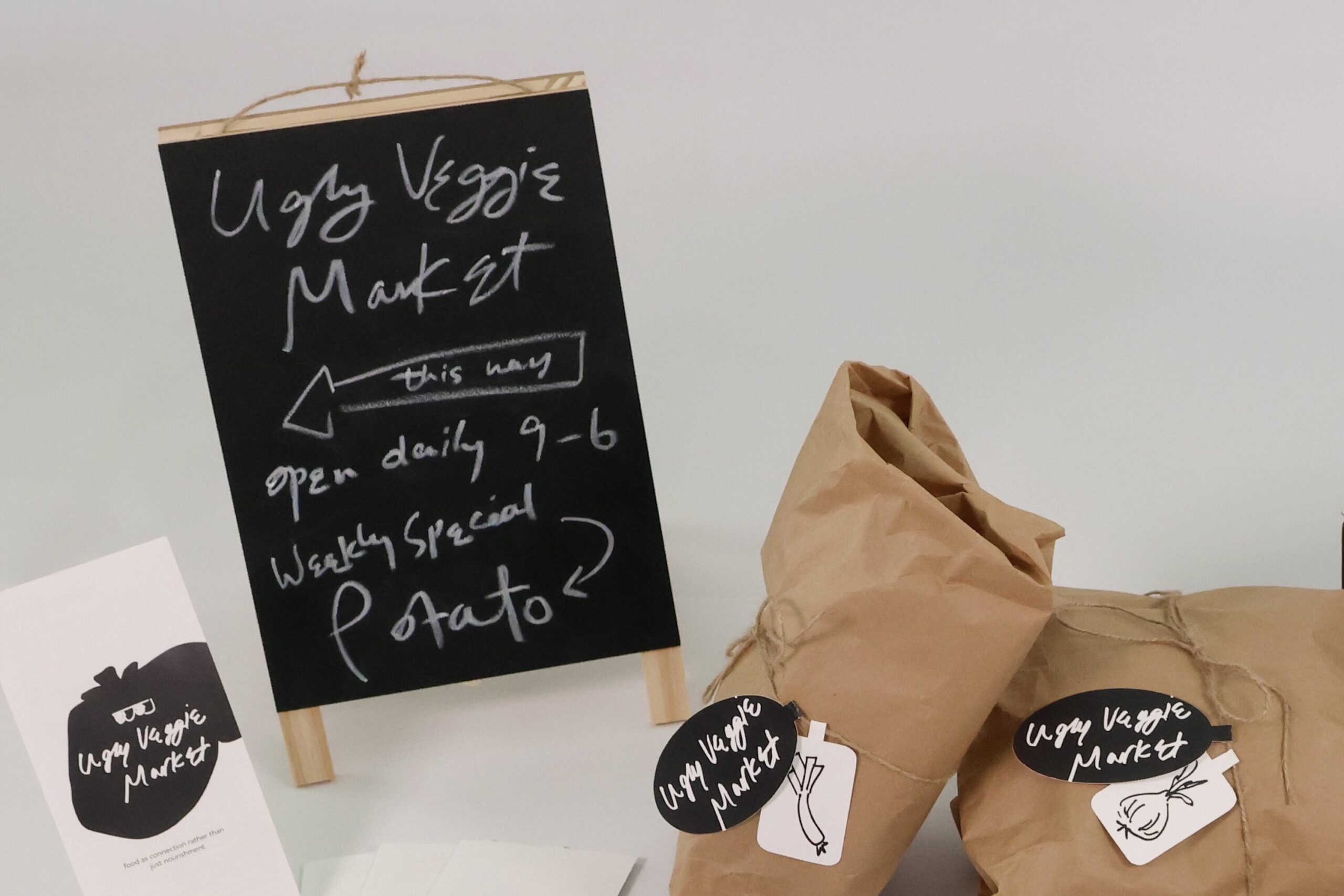
To feel approachable rather than “overly designed,” I moved toward a local, handmade, and rustic direction. I used a black-and-white system to let the natural colors of the vegetables stand out, reflecting the chalkboard aesthetic of small-town farm markets.
Logo
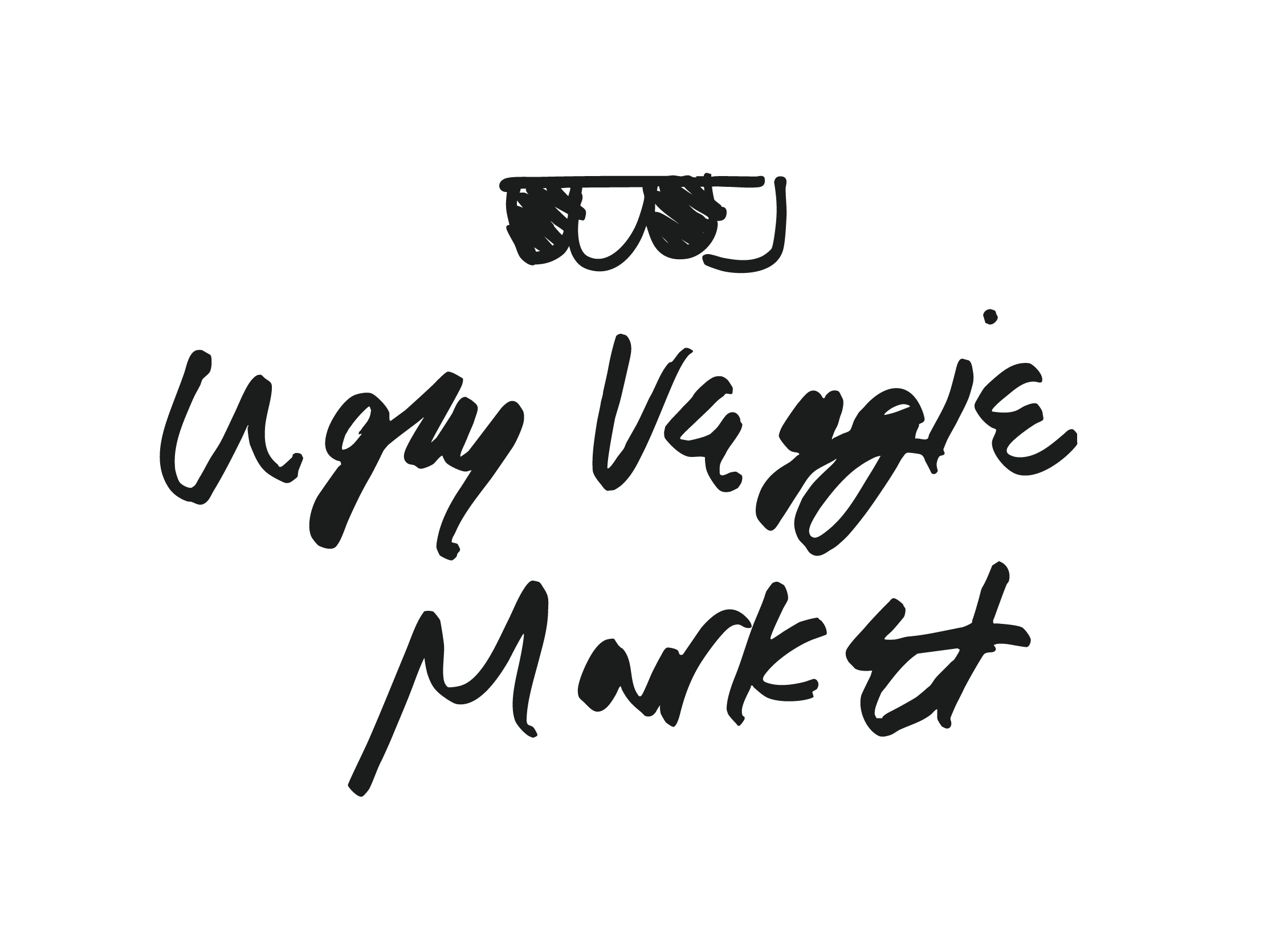
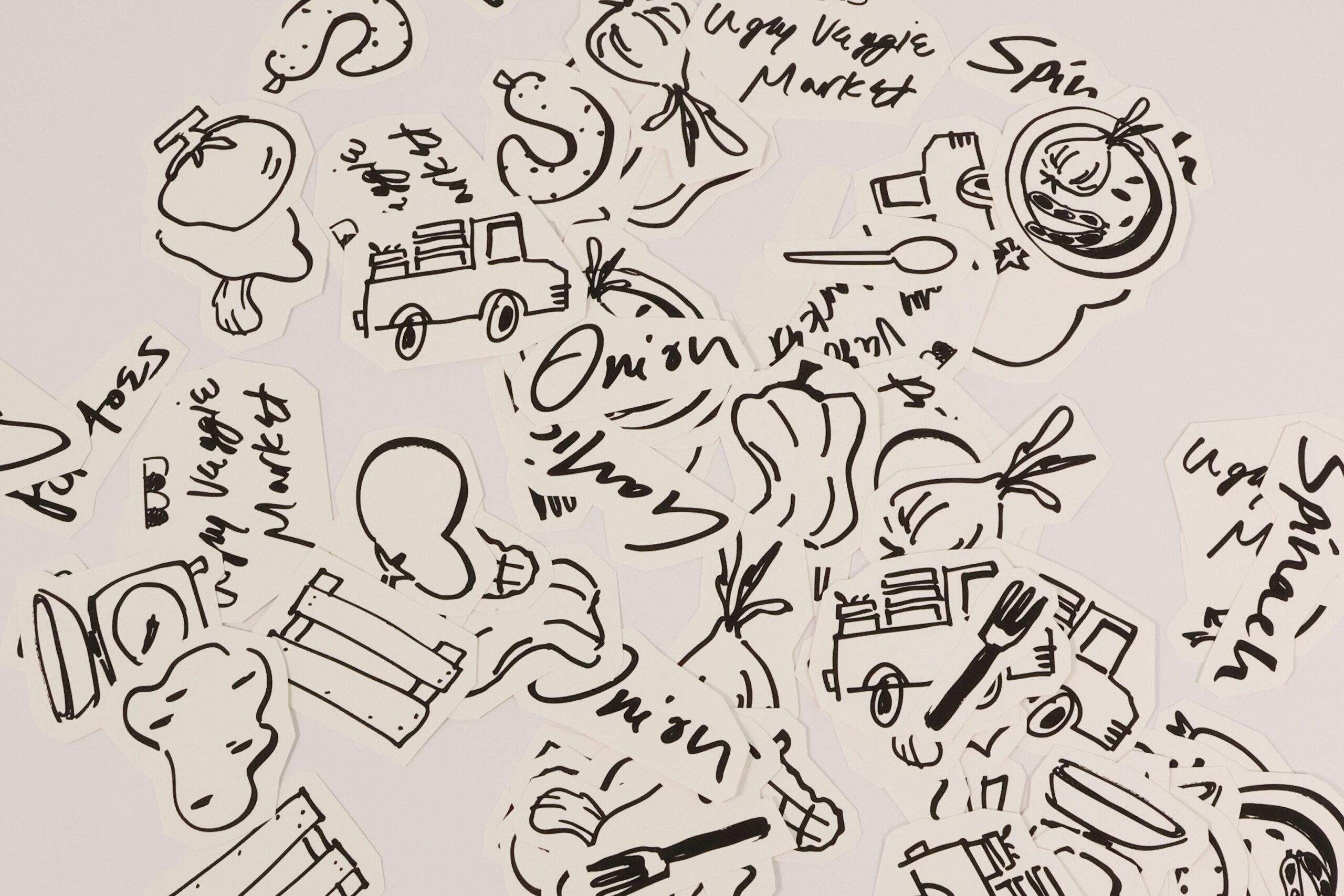
The logo is a handwritten wordmark with a simple canopy icon. Depending on the application, the icon or the type can be used on its own.
Colours
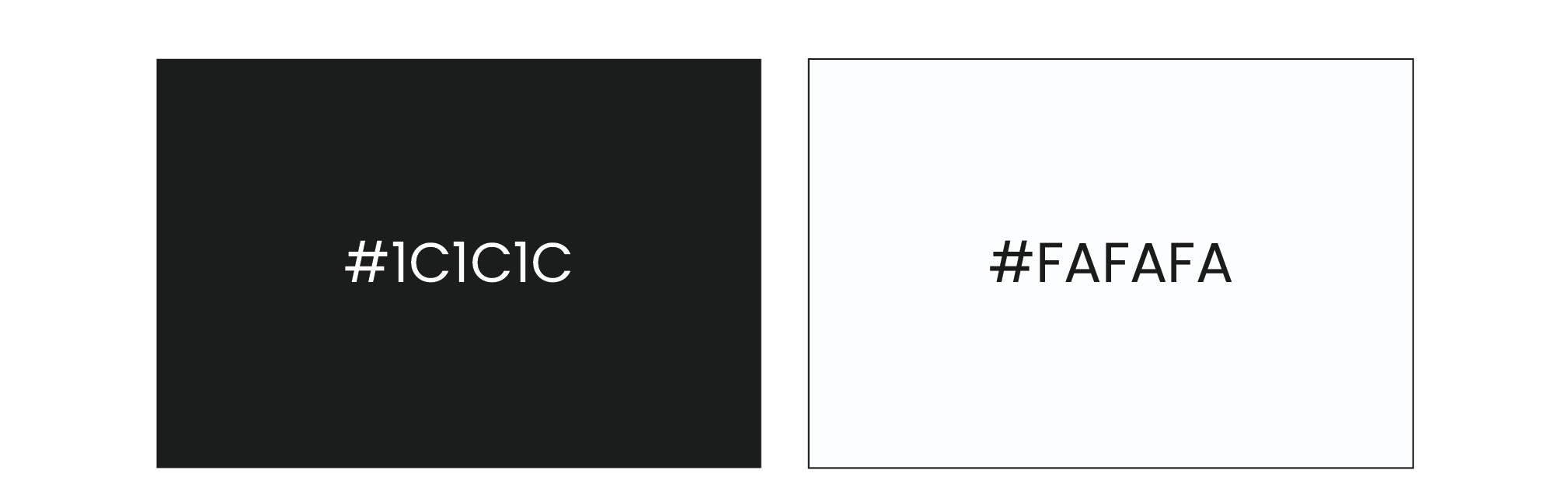
The colour palette is a black-and-white system. I chose this to pull focus toward the natural, vibrant colours of the produce itself. It also mirrors the chalkboard aesthetic you’d see at a local small-town farm market.
Typography
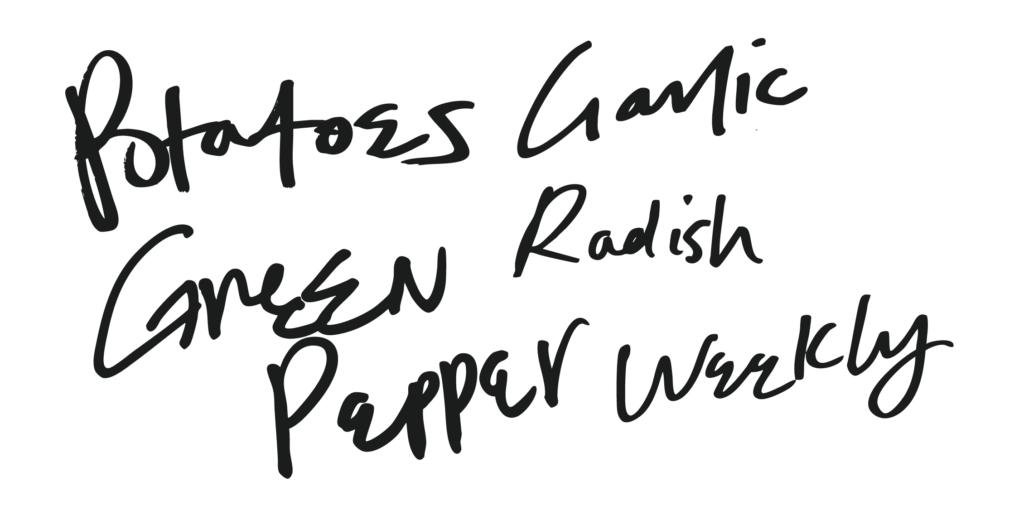
Primary Typeface
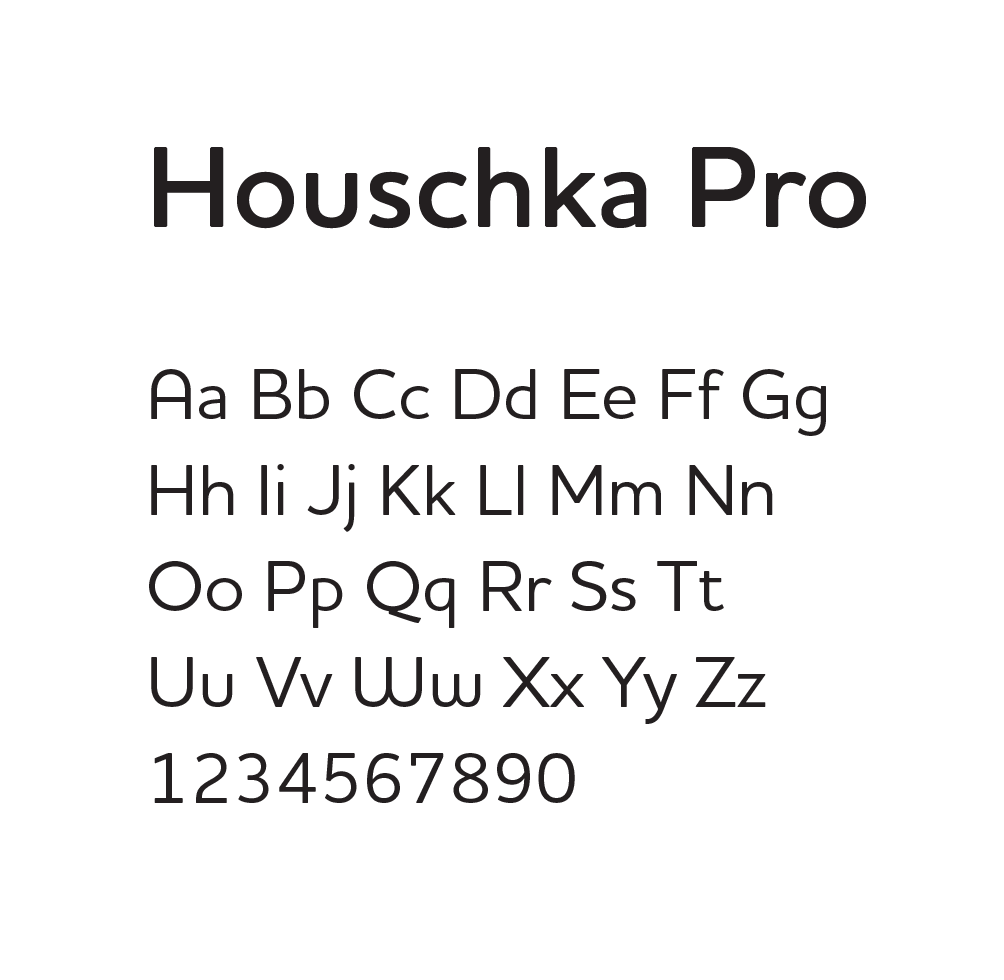
Secondary Typeface
For the primary typeface, I created a custom handwritten font to reflect that rustic, local feel I was aiming for. I wanted the letters to feel organic and personal, moving away from the rigid look of digital fonts to match the unique, “imperfect” shapes of the vegetables. By hand-drawing each word, the brand feels more like a conversation between neighbours than a corporate identity, keeping the focus on the human experience and the connection behind the food.
Packaging
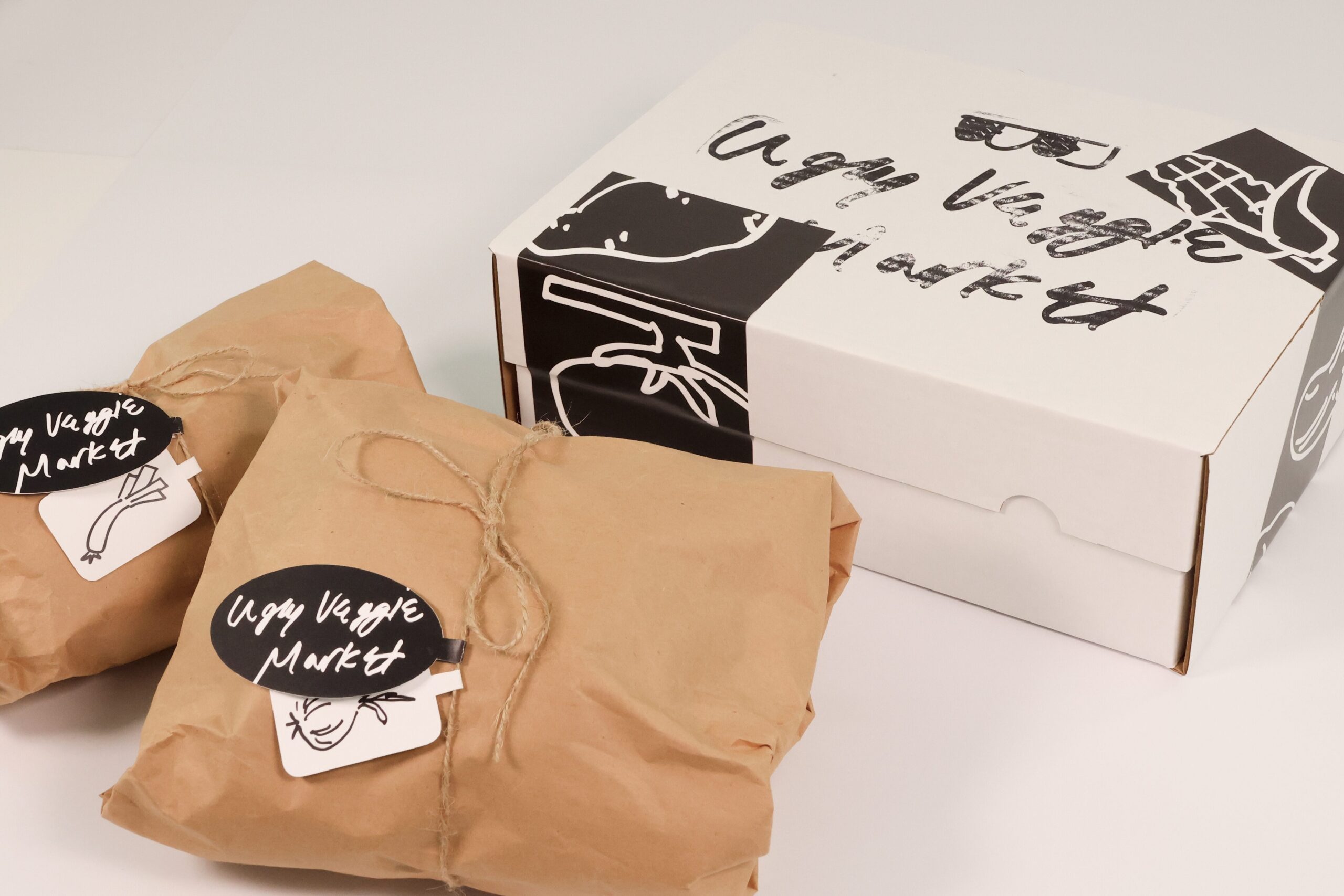
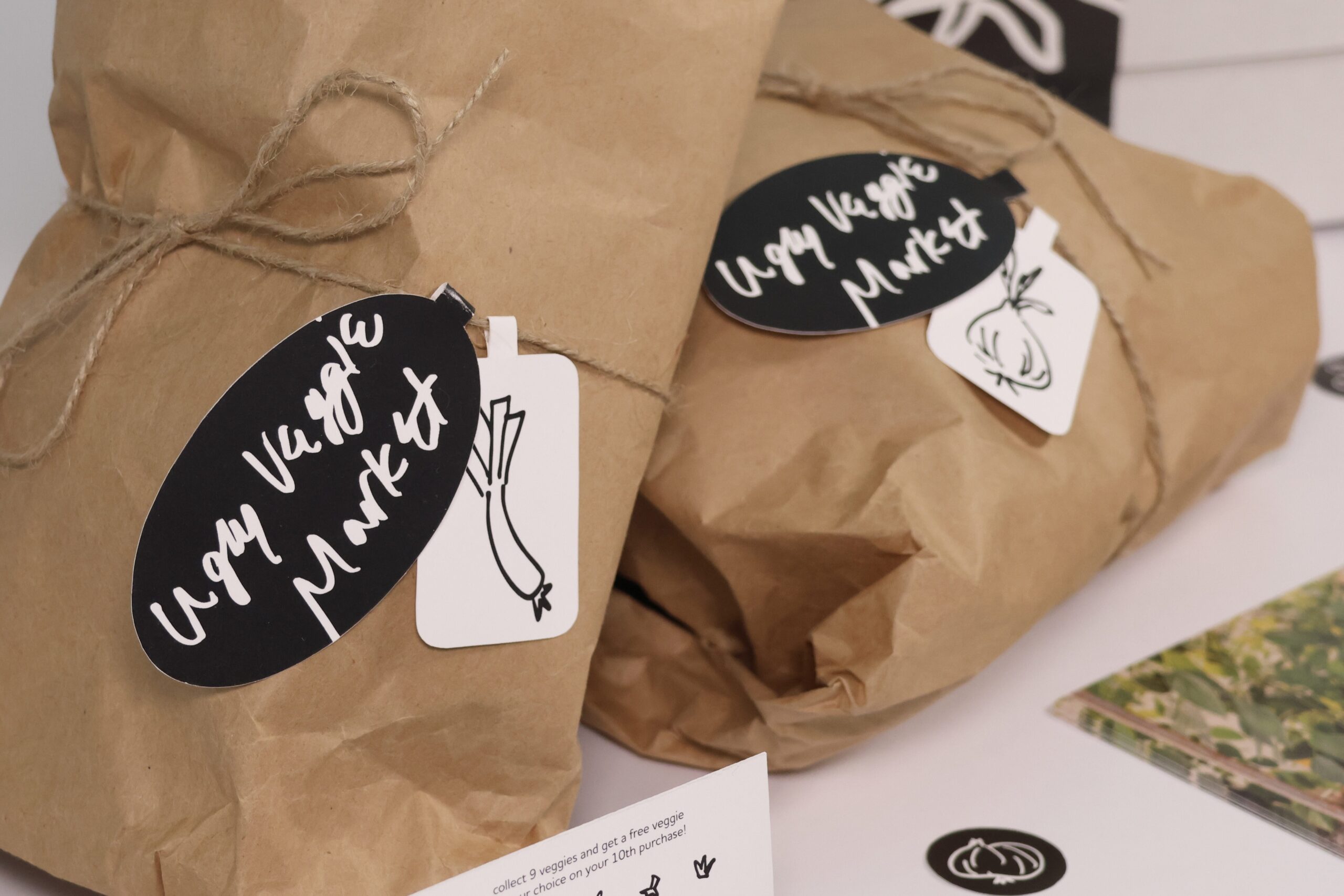
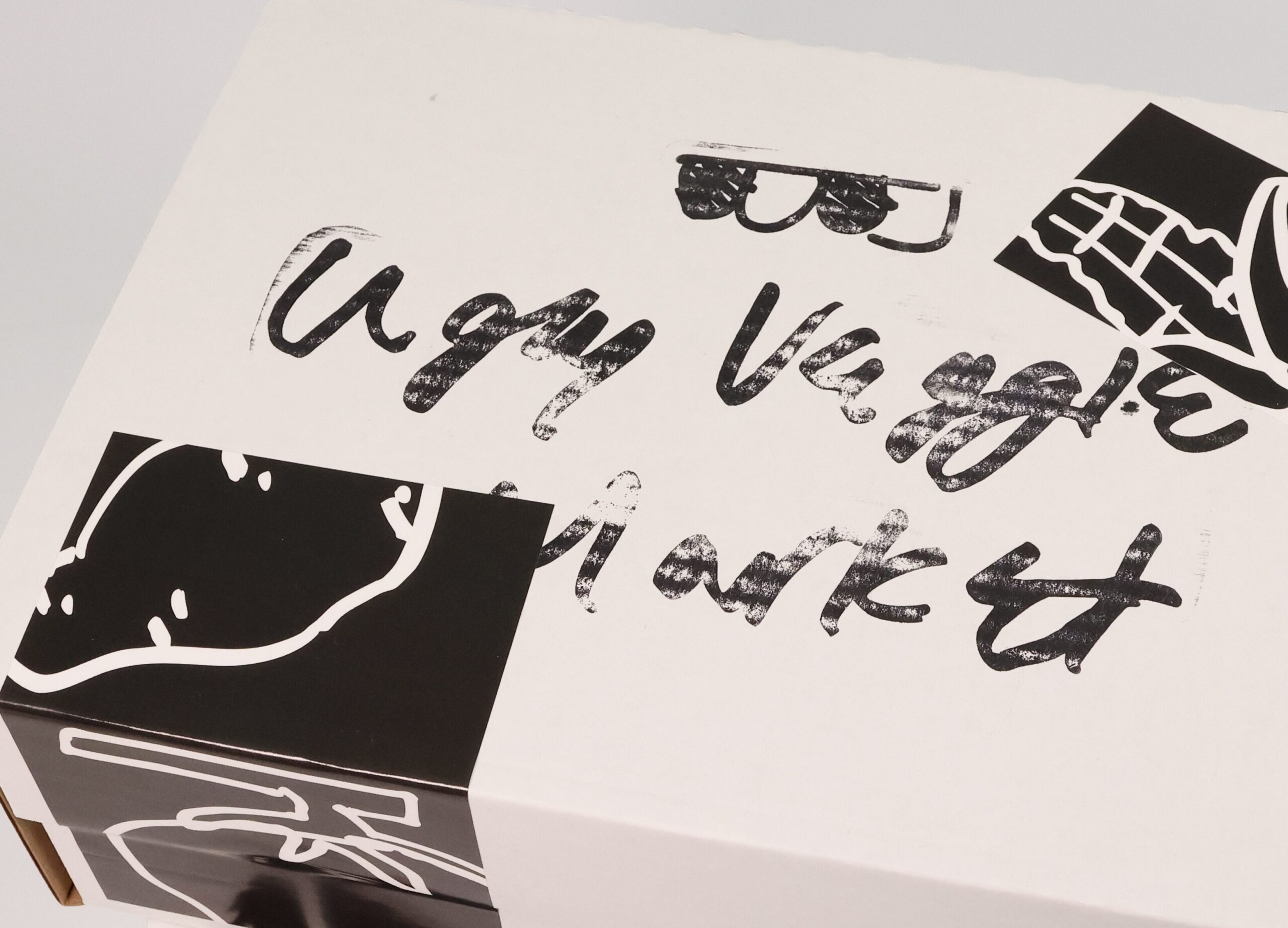
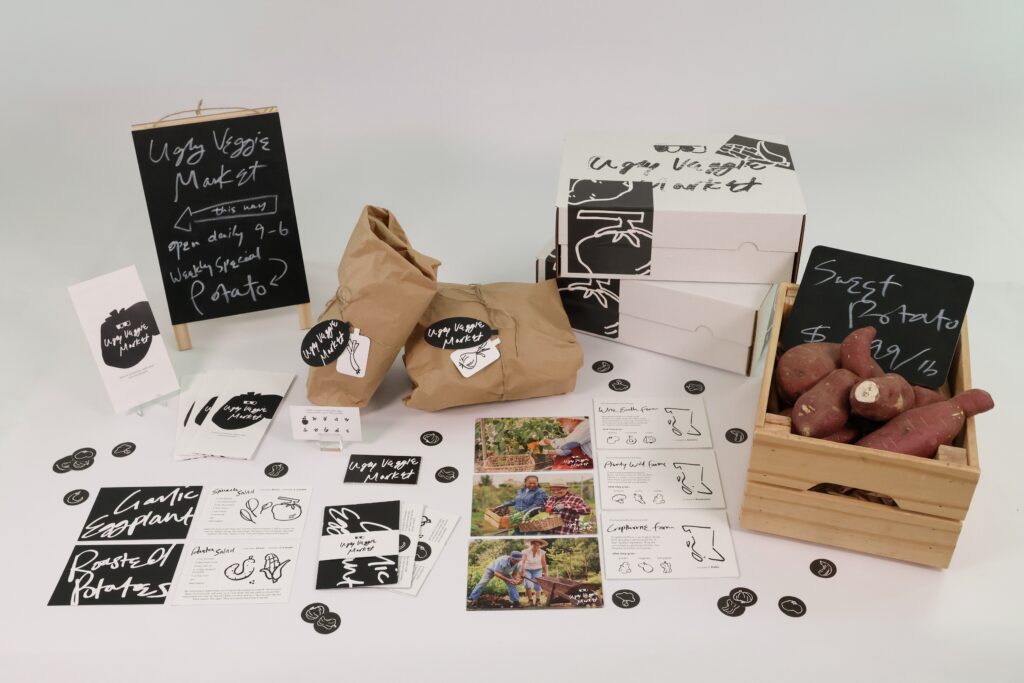
There are two types of packaging. Box packaging is used for larger purchases, and wrap packaging is used for smaller ones. This helps reduce unnecessary materials and avoid plastic use.
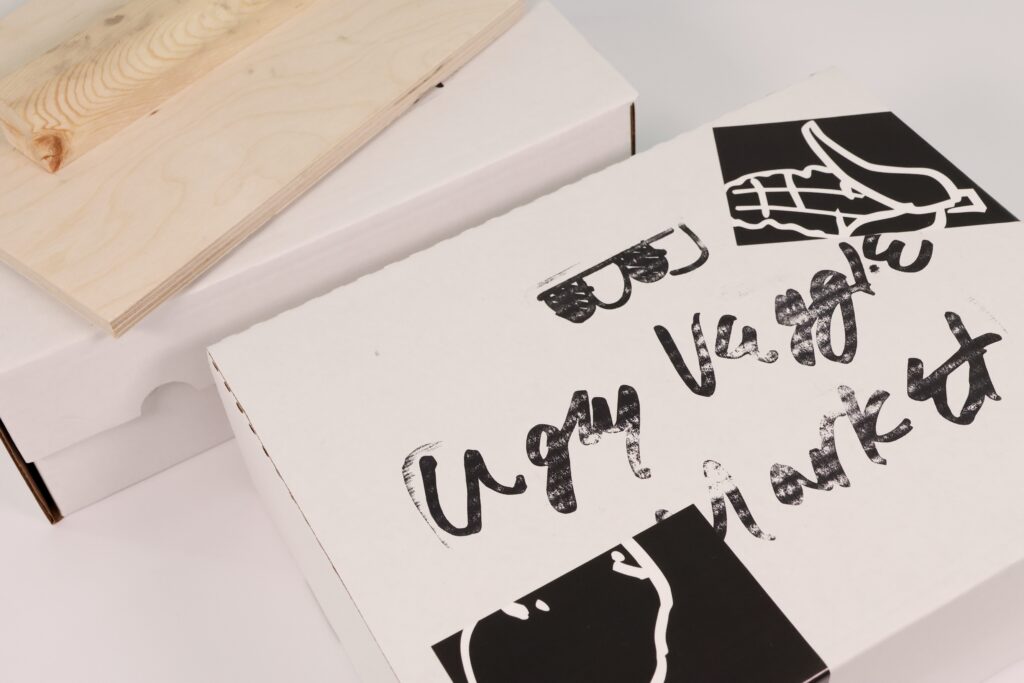
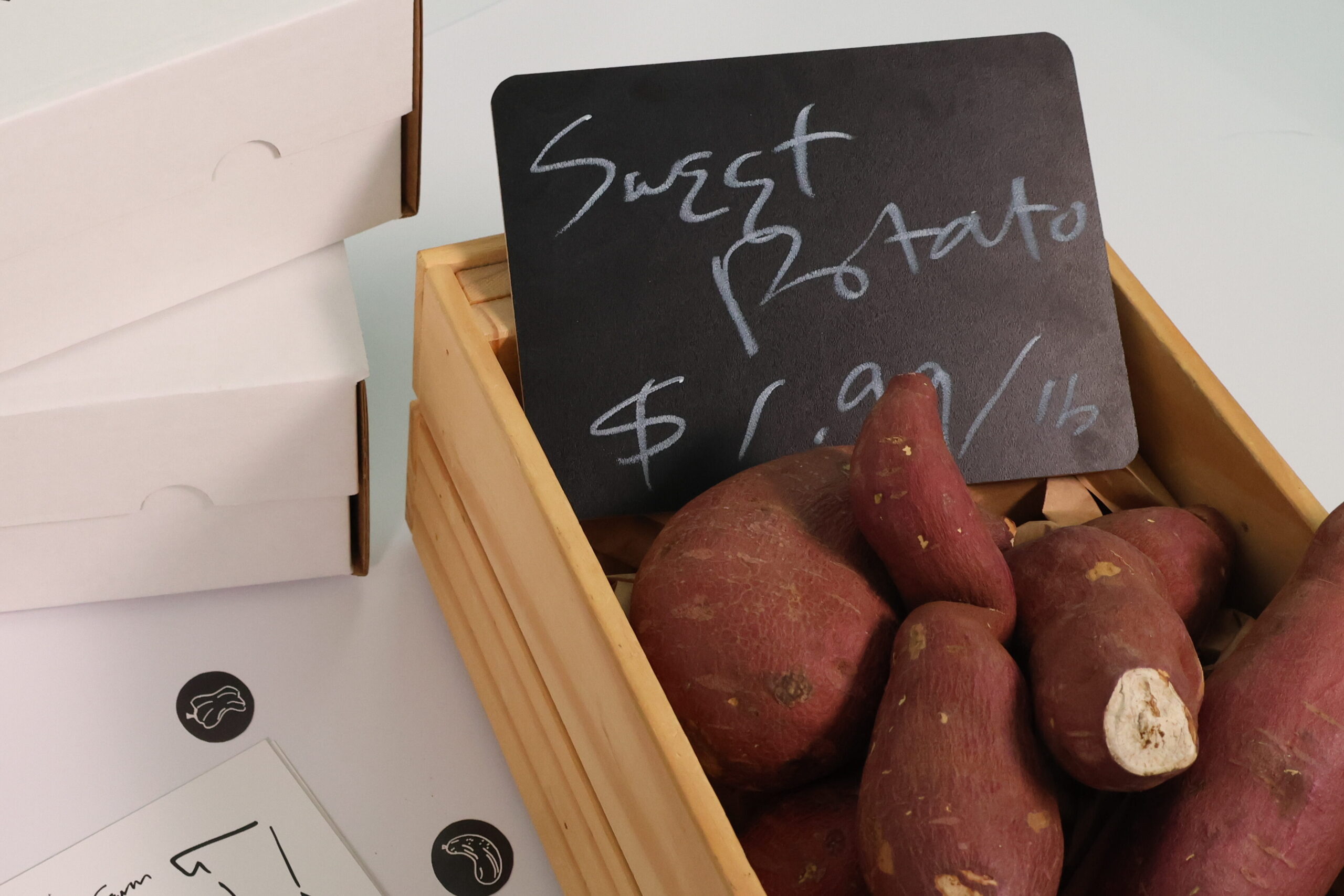
For larger purchases, a custom stamp is applied directly onto plain boxes, which are then sealed with branded tape. I chose this method so the market can easily repurpose any blank box, keeping things sustainable and resourceful while still looking intentional.
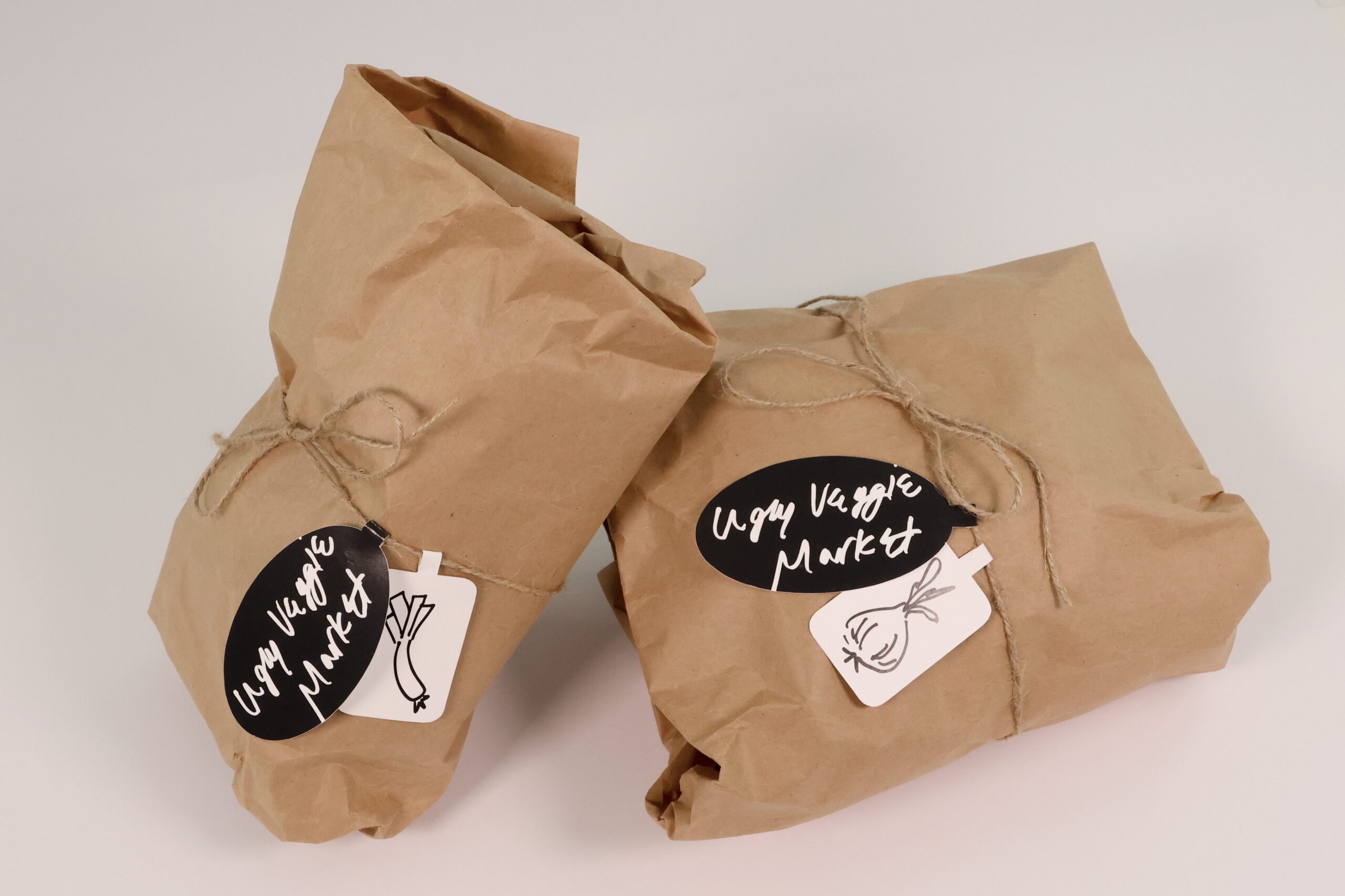
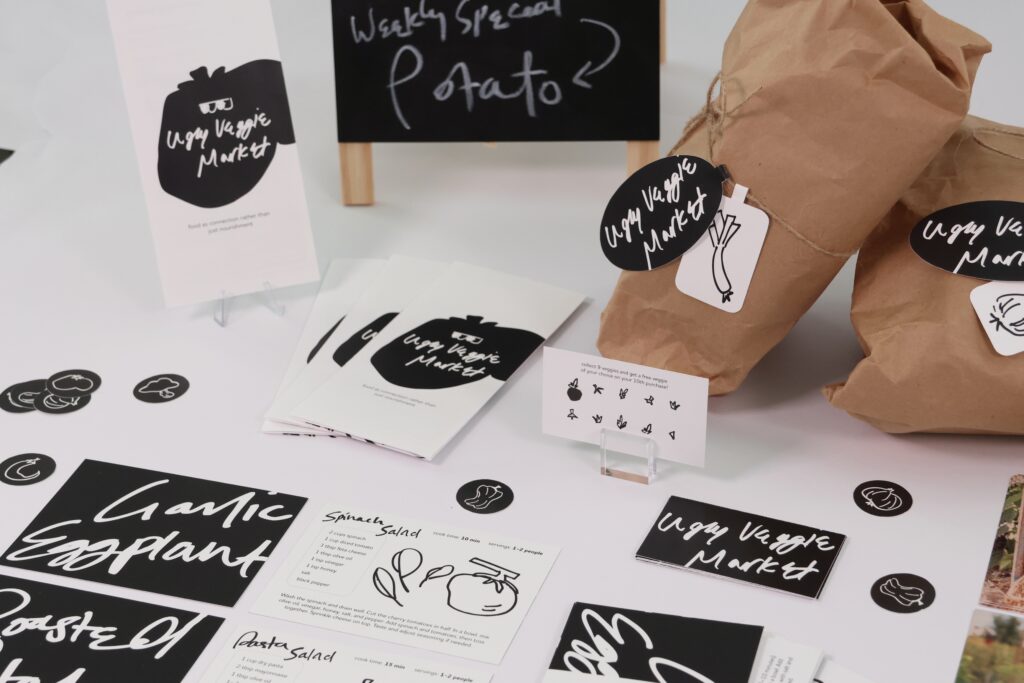
For smaller purchases, items are wrapped in simple butcher paper and finished with a brand tag and a vegetable tag. This keeps the packaging tactile and personal while avoiding plastic, keeping the focus on the fresh produce you’re taking home.
Farm Cards
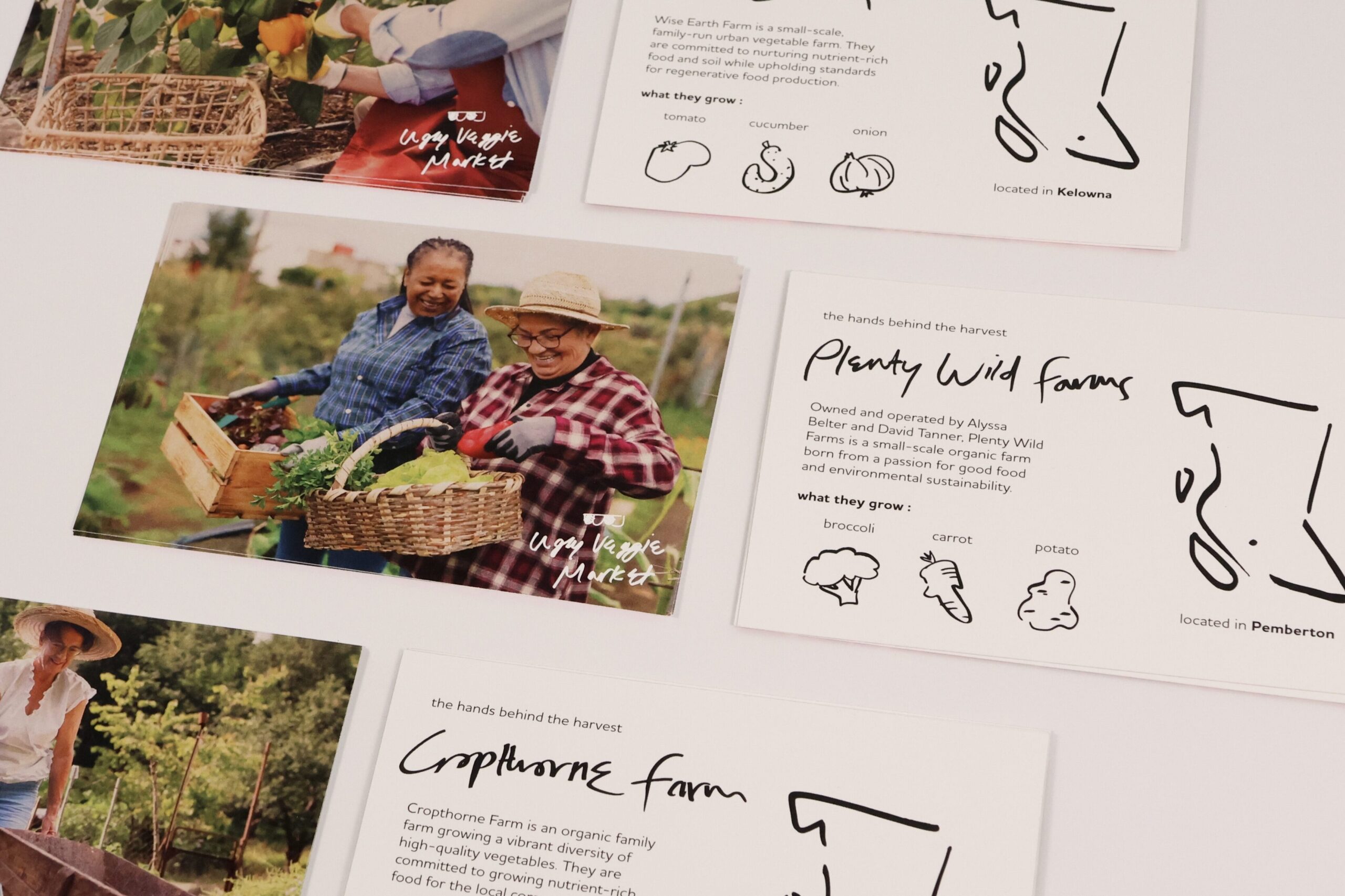
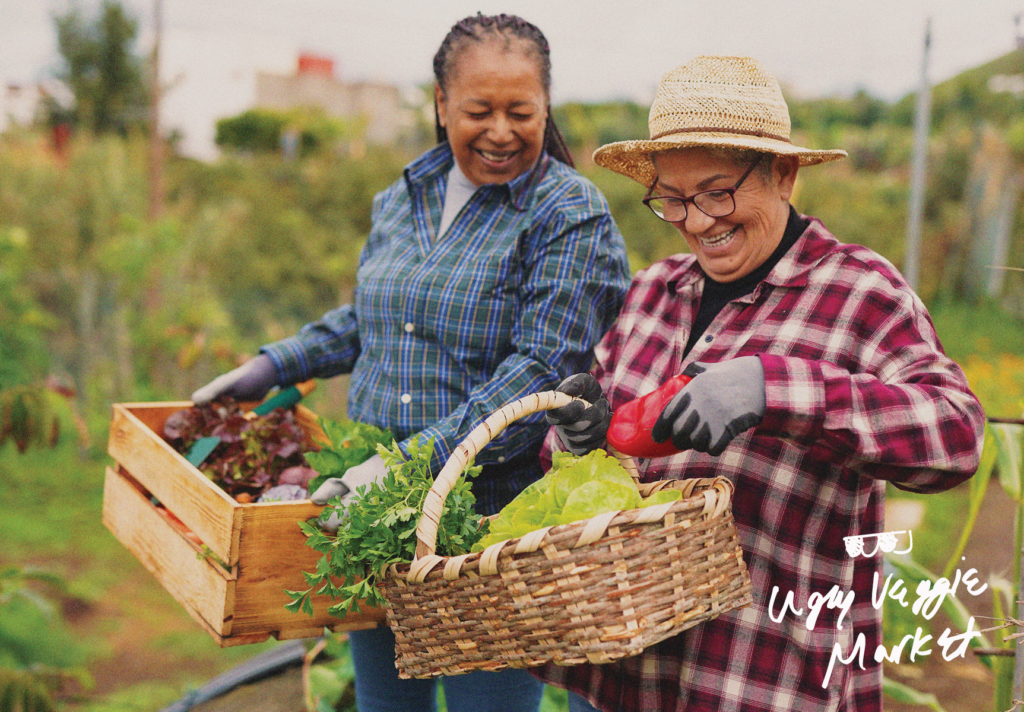
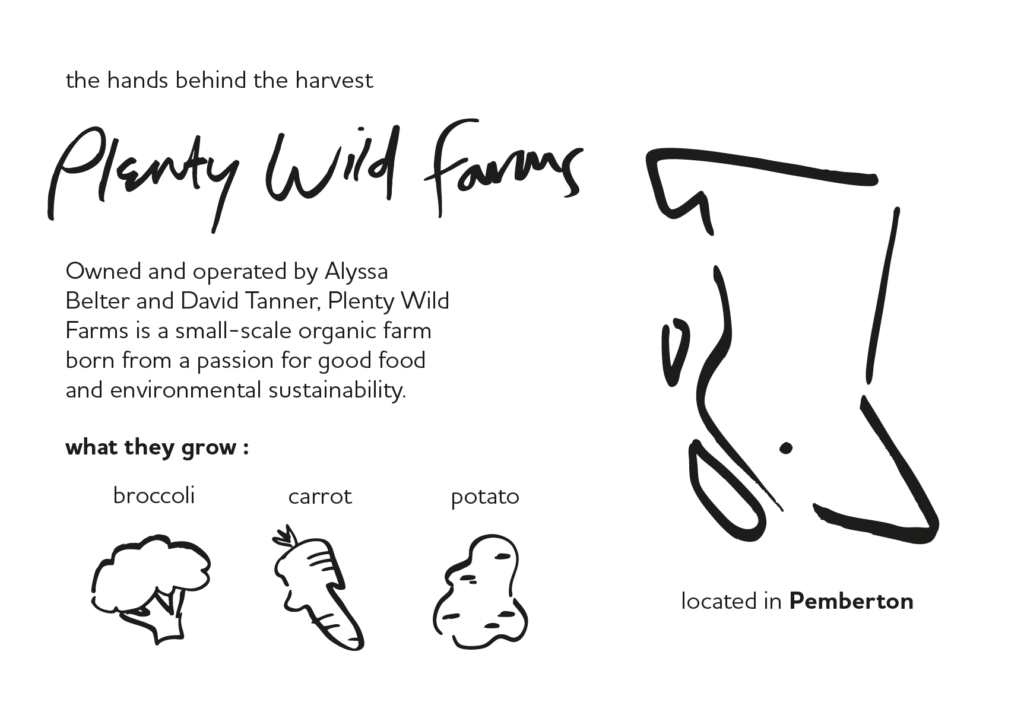
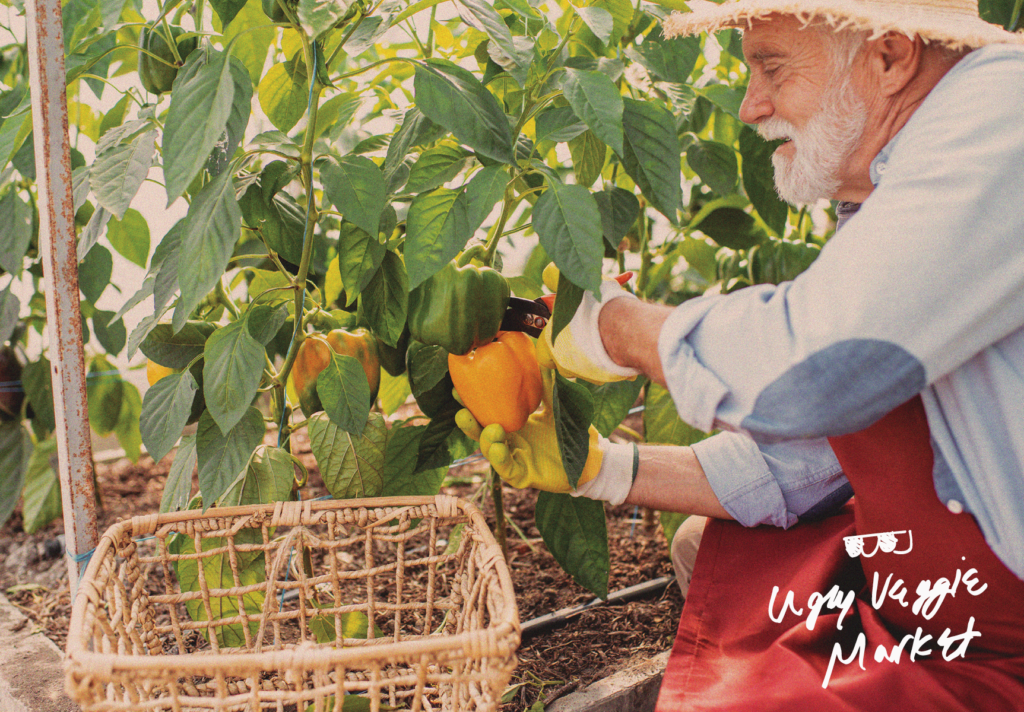
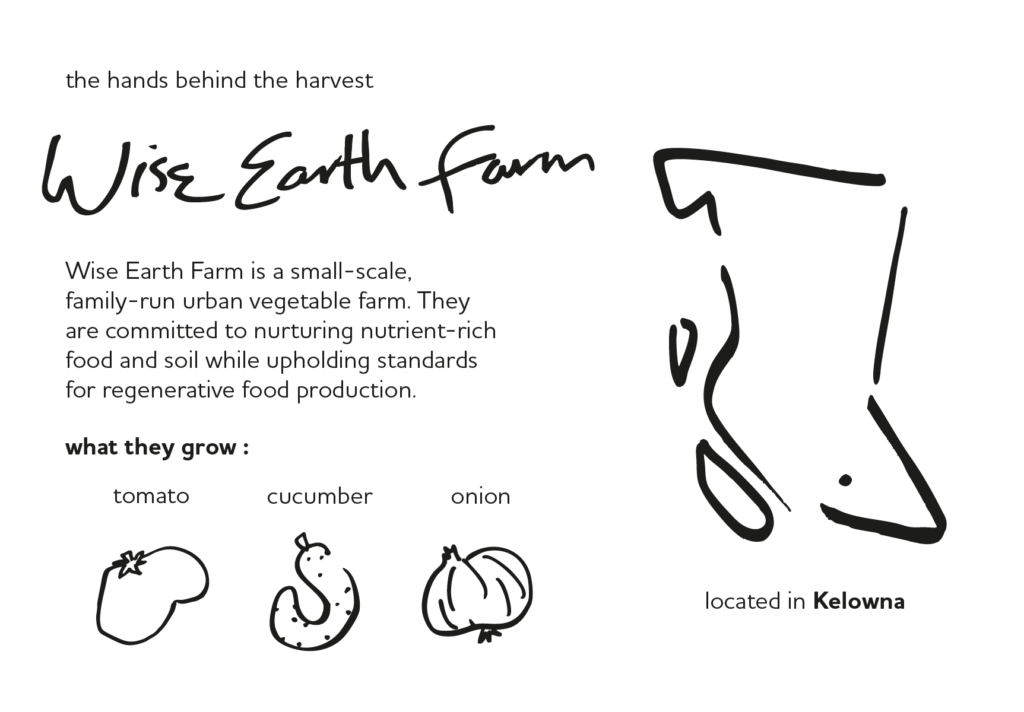
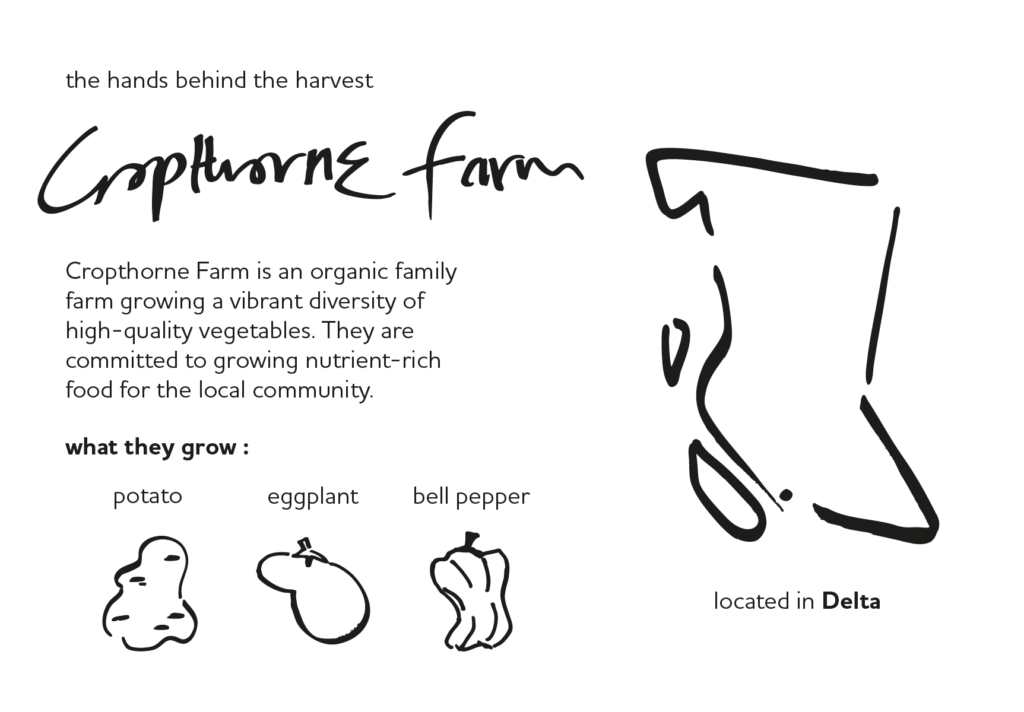
These cards introduce the local farms that supply produce to the market. Each card includes the name of the farm, a short description, what they grow, and where they are located.
They allow customers to learn where their food comes from and who grew it, creating a stronger connection between people and their food.
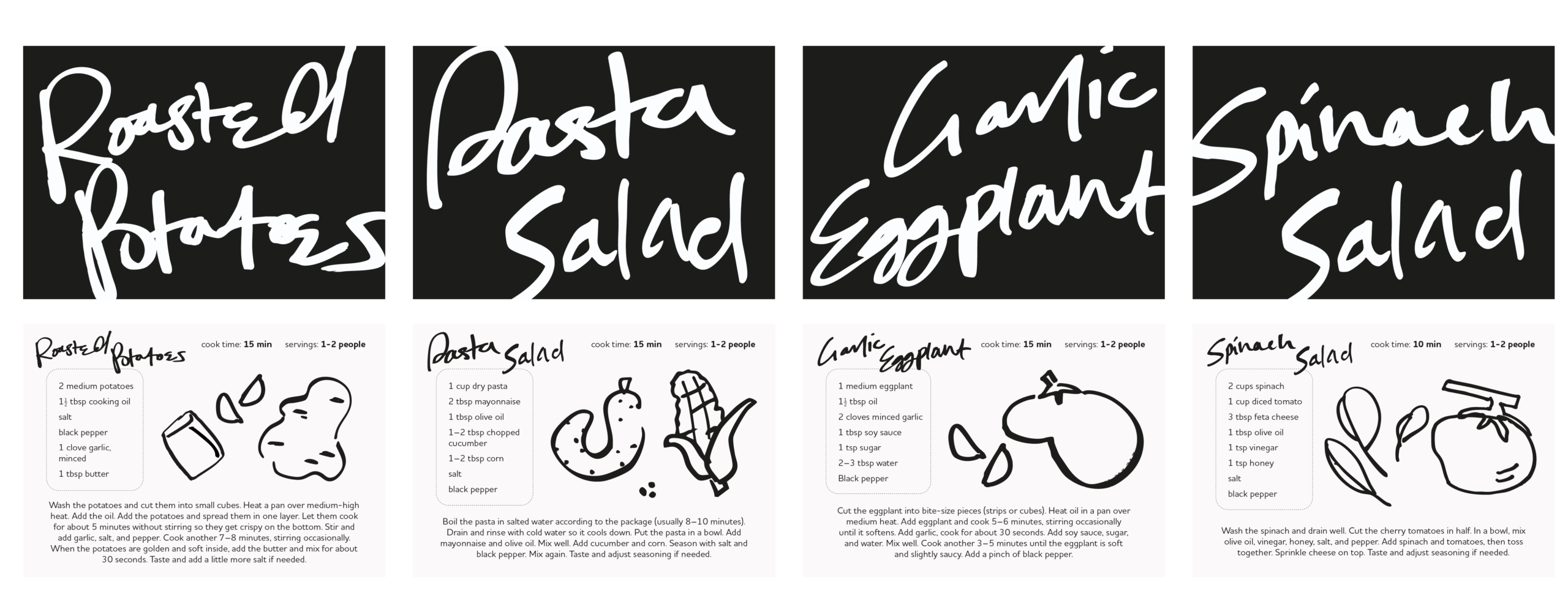
Recipe Cards
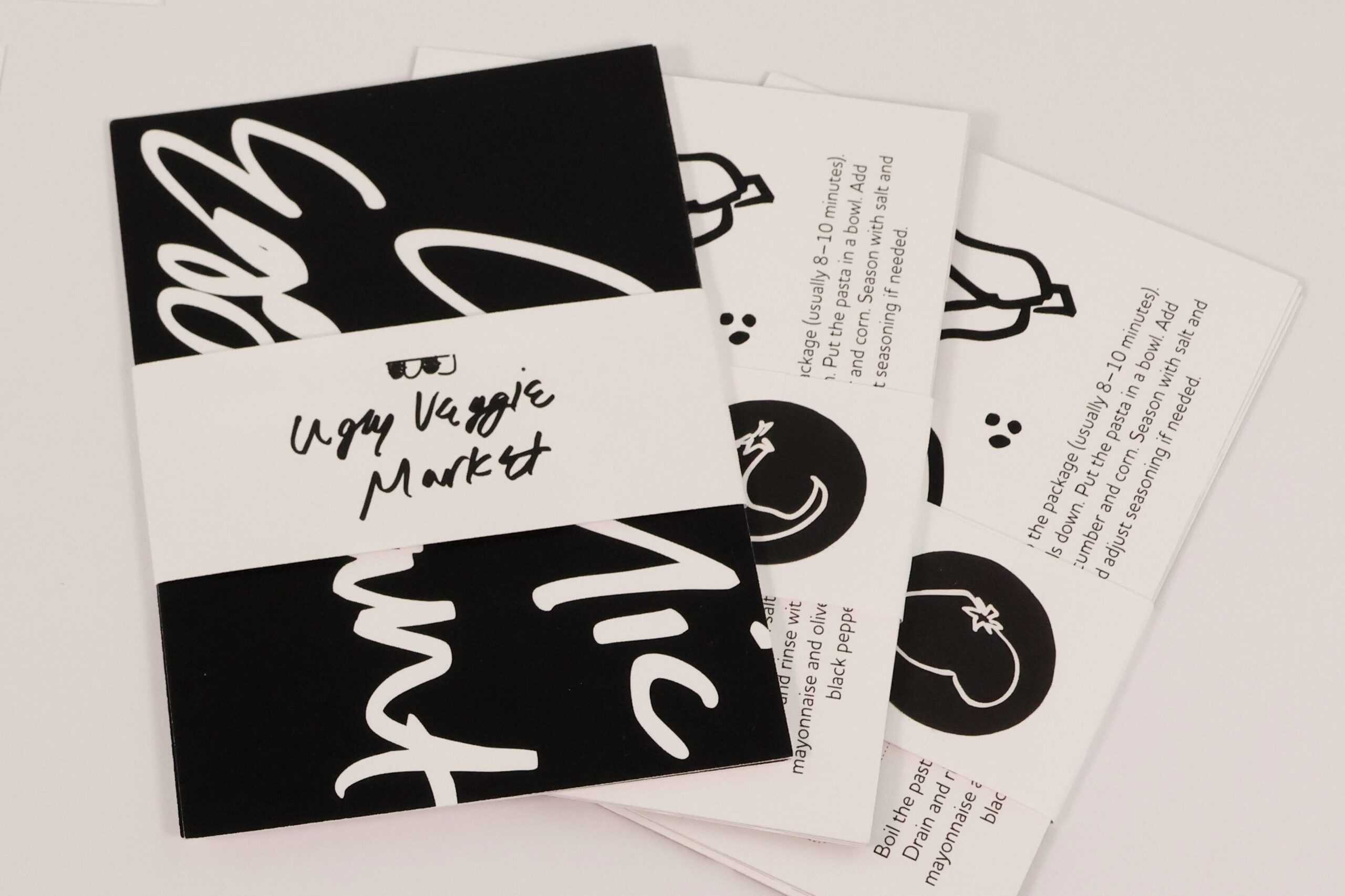
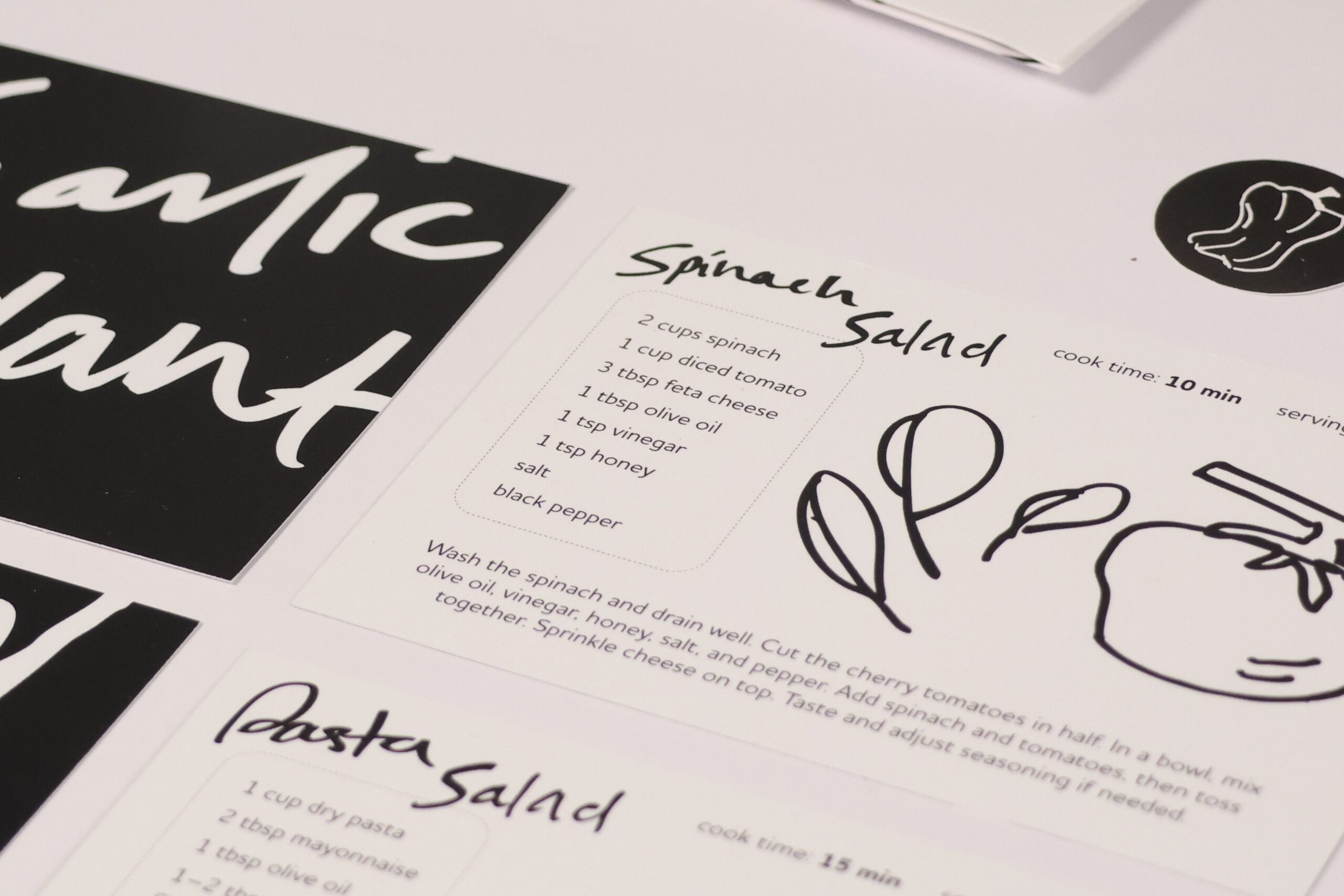
Recipe cards are given based on the vegetables customers purchase. Each one features a simple 15-minute recipe with minimal ingredients to ensure cooking feels accessible to everyone.
The goal is to make the process feel easy and approachable, encouraging people to step away from takeout and spend time preparing their own meals. By keeping the instructions short and the ingredient list small, these cards help bridge the gap between the market and the kitchen, turning a quick purchase into a meaningful home-cooked experience.
Brochure
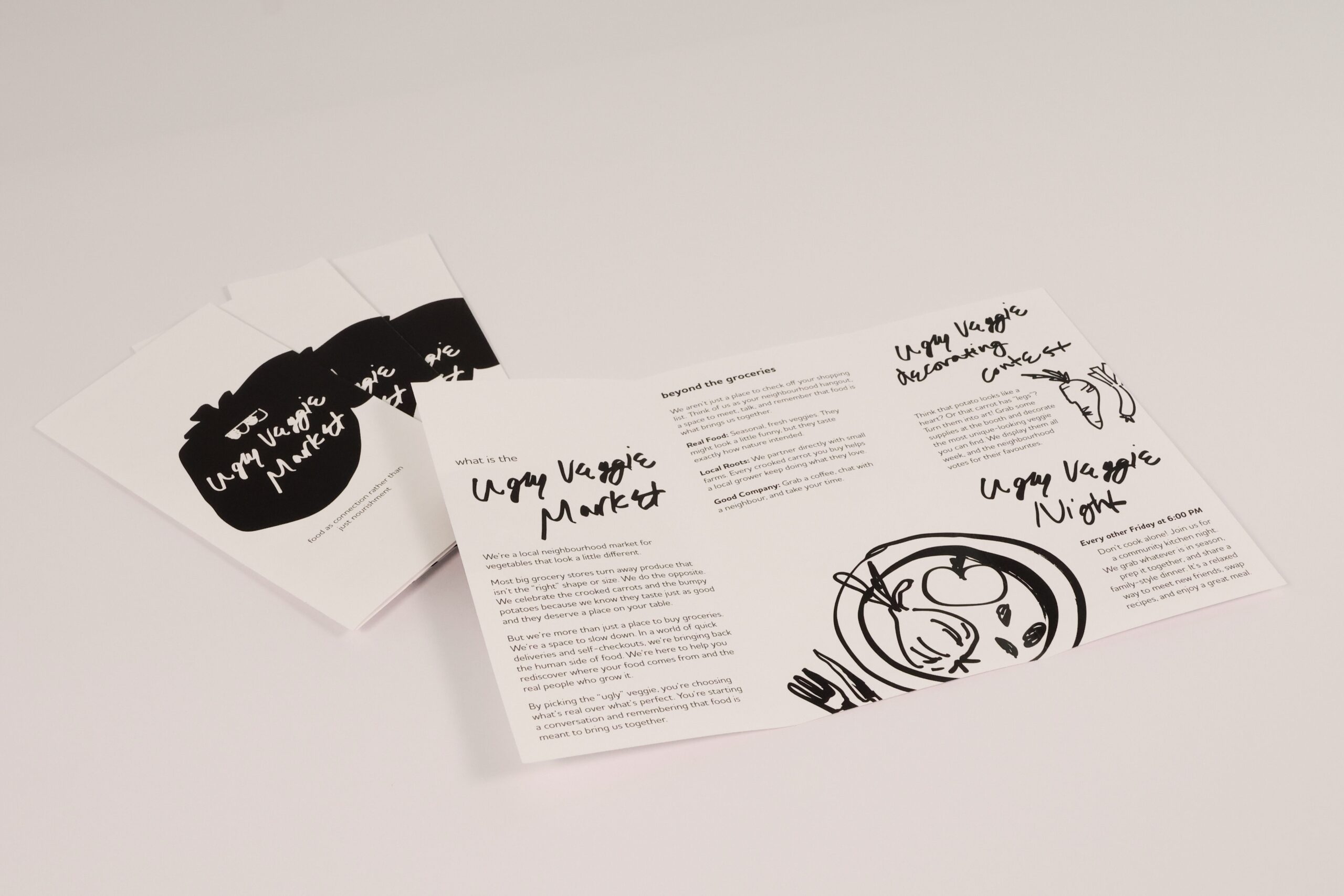
The brochure explains what ugly veggie market is, what it offers, and the reasoning behind the brand. It introduces core values like connection, community, and care, giving customers context for why the market exists and why these specific vegetables are being valued. By outlining the mission to reduce food waste and support local farmers, the brochure helps visitors understand the overall experience and the deeper meaning behind their purchase.
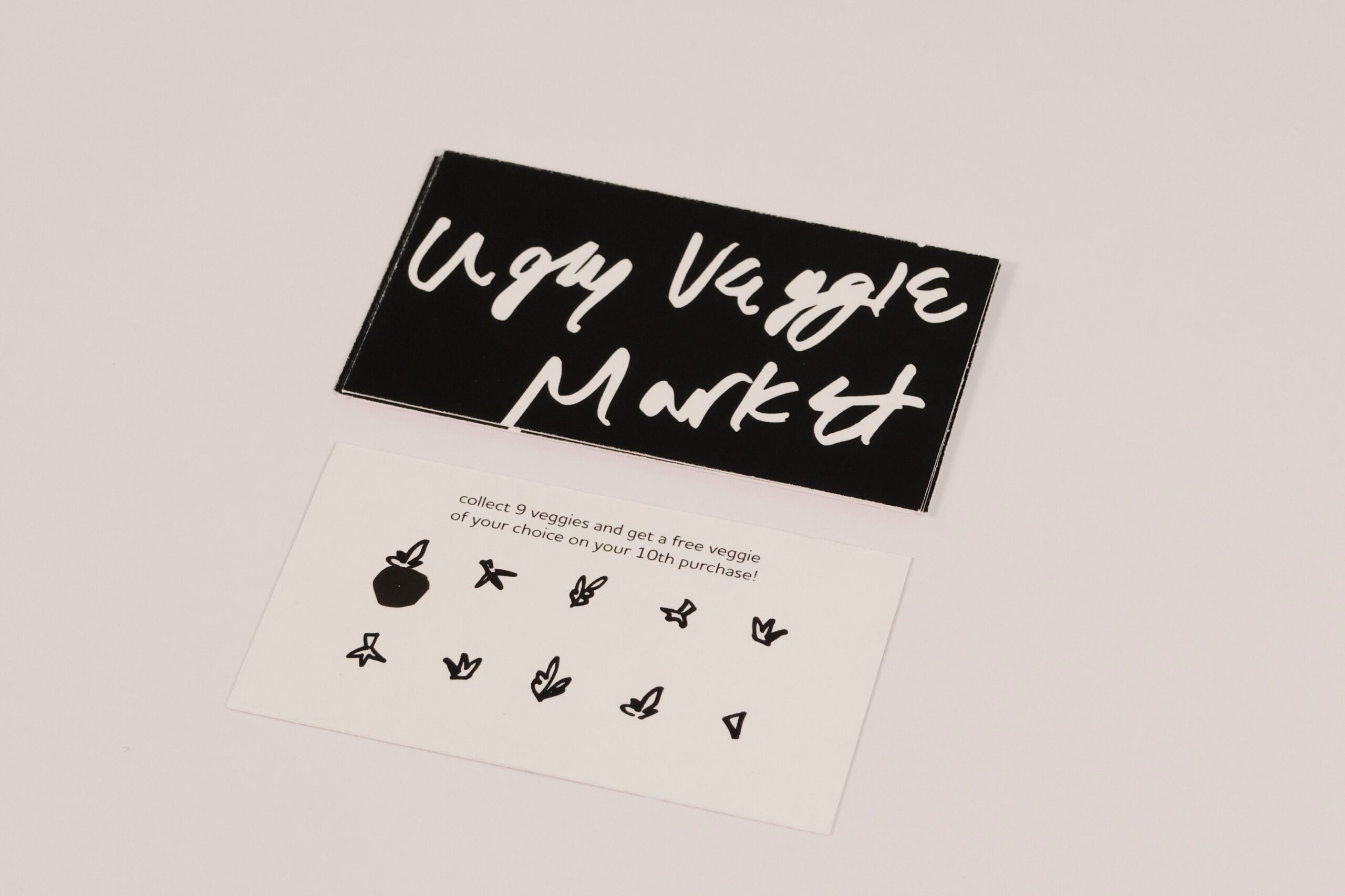
Loyalty Card
The cards begin with only stems. As customers collect stickers, the vegetables gradually “grow” into full forms.
Posters
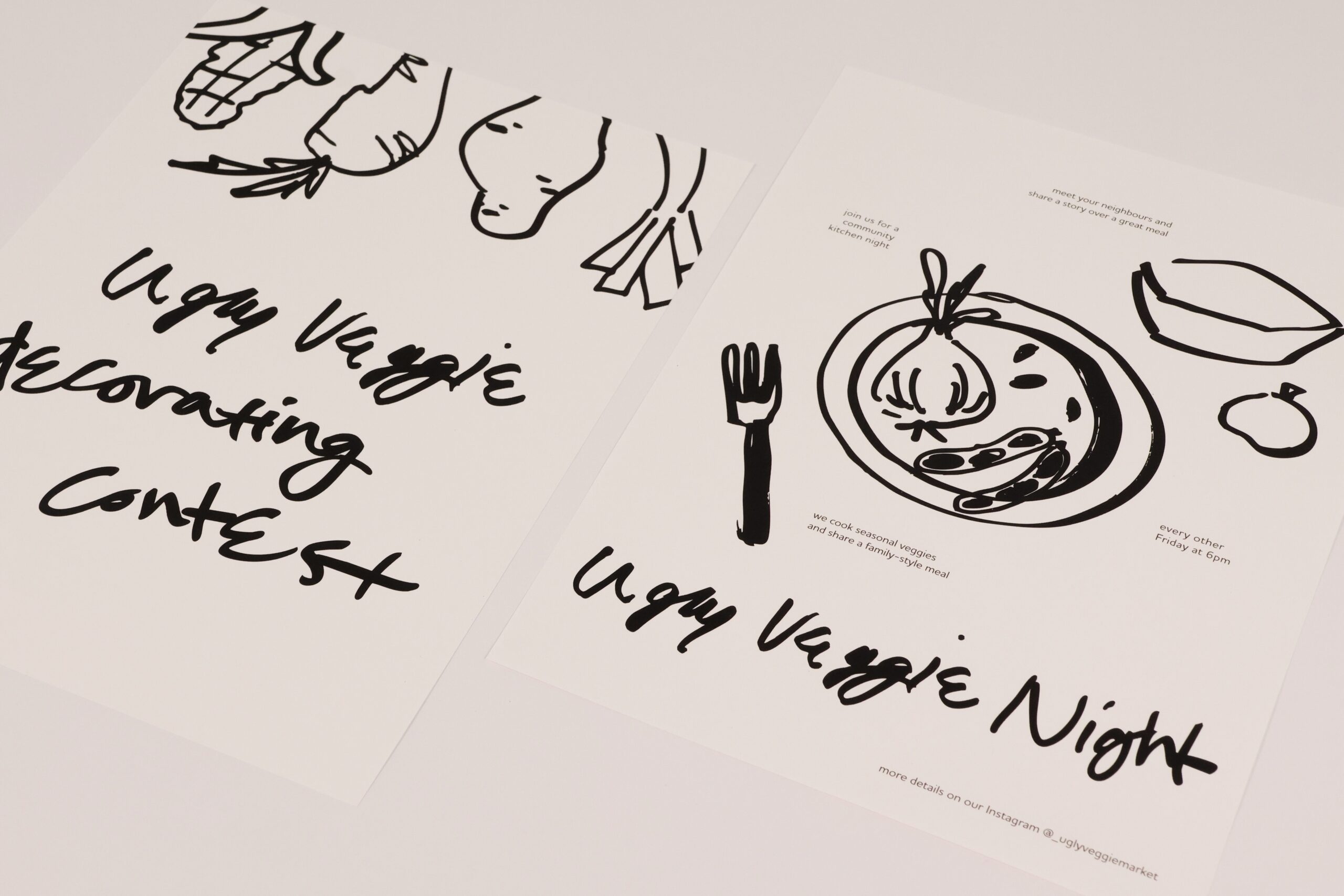
These posters promote events happening at the ugly veggie market. “ugly veggie night” is a cook and connect event where people come together to cook and share a meal, building community through the process of making food. The “ugly veggie decorating contest” invites customers to decorate vegetables, which are then displayed in the market for visitors to vote on a weekly winner. These events help create a more social and interactive experience, turning the market into a lively space where people can actually connect instead of just shopping and leaving.
Other Assets
The End.
Thank you for viewing my project, ugly veggie market.