Breathing Space
Hanzhi Yang
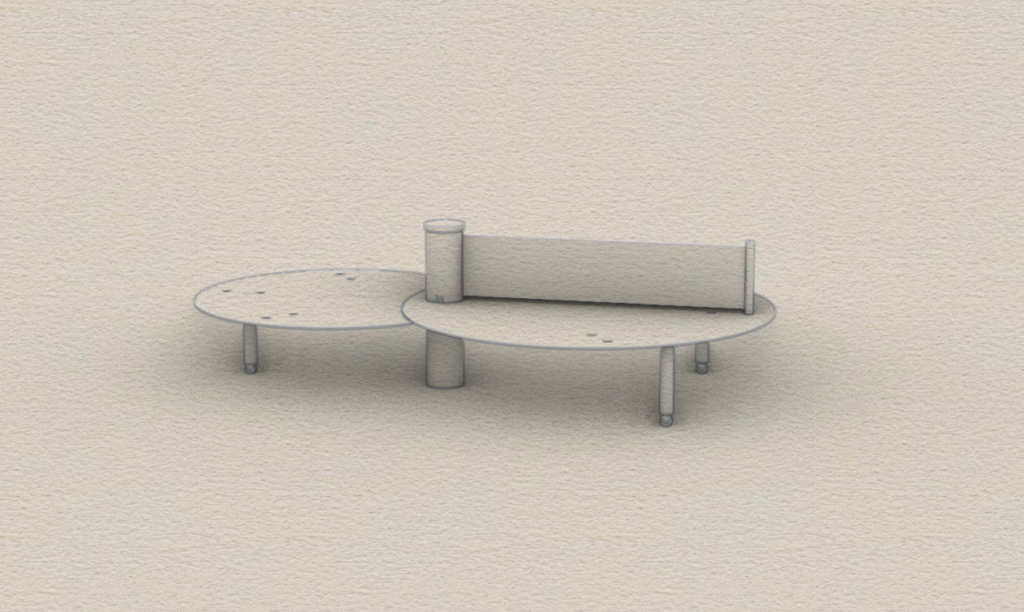
Your corner to focus, your table to discuss.
This work is inspired by my observations and reflections on everyday life. In contemporary public spaces, open environments subtly reduce the physical distance between people, making it difficult for individuals to maintain their ideal social spacing and psychological comfort at all times.
From domestic spaces to study and work environments, I have gradually come to realize that within settings fundamentally designed to encourage interaction and collaboration, it is no easy task to carve out a truly comfortable personal domain.
It is precisely in those moments that call for concentration or solitude that the presence of personal space becomes essential—enabling one to immerse oneself in their own pursuits or simply find a moment of respite.
Ideas of Space
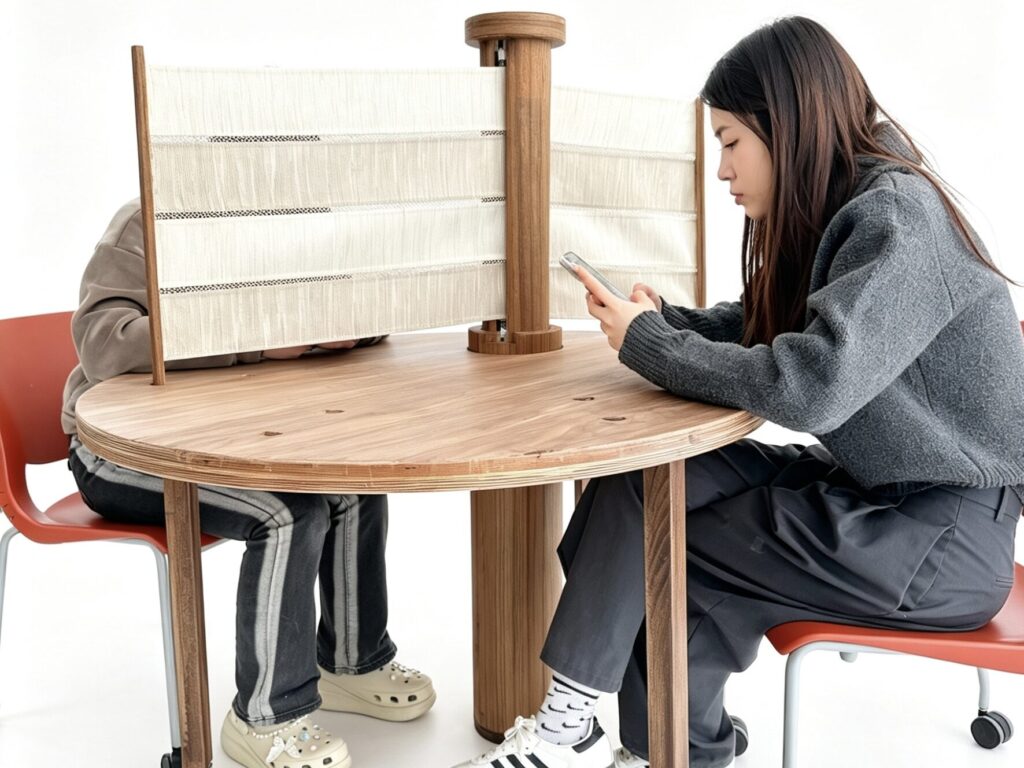
The creation of personal space often relies on physical partitions (such as desktop screens), while facilitating communication frequently draws on the sense of closeness that a round table brings.
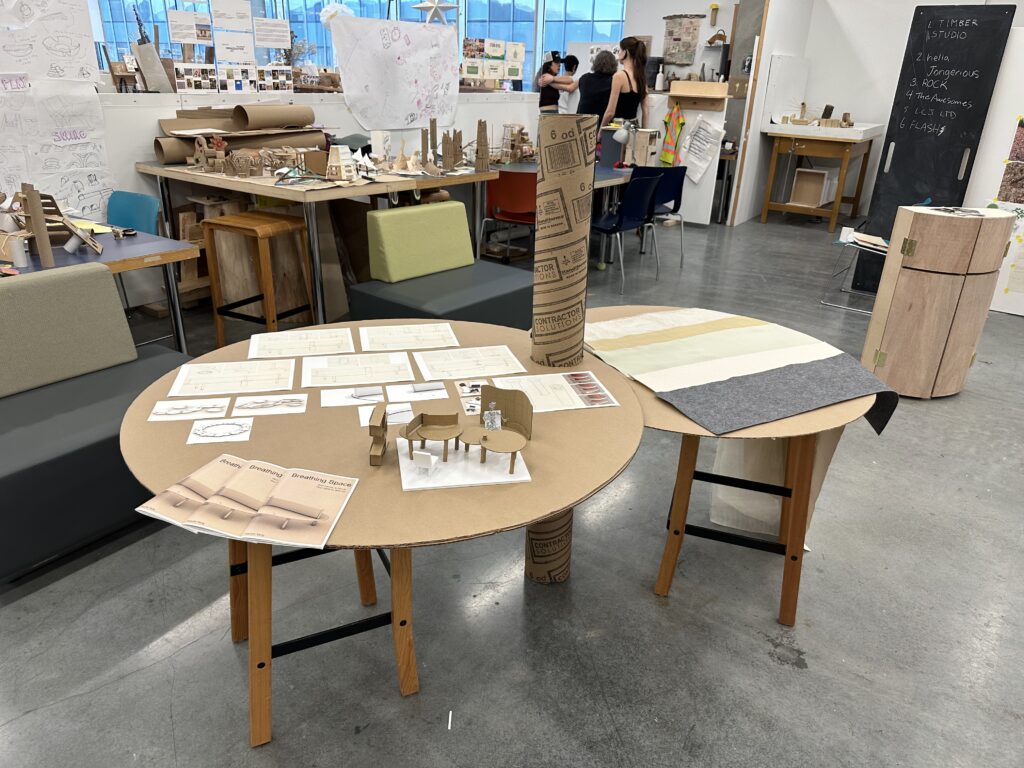
Rooted in the Chinese cultural tradition that a round table encourages discussion, and after multiple rounds of sketching, prototyping, and iteration, I ultimately designed a table that can flexibly divide space.
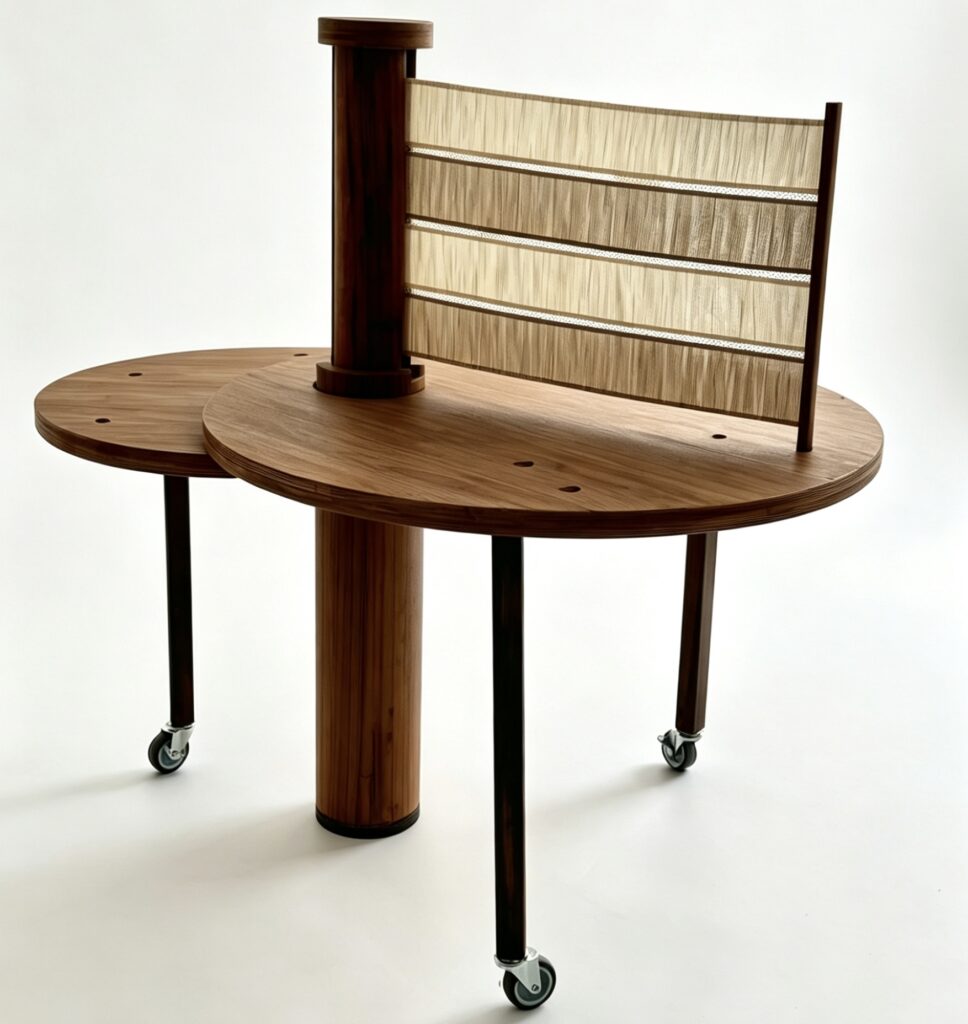
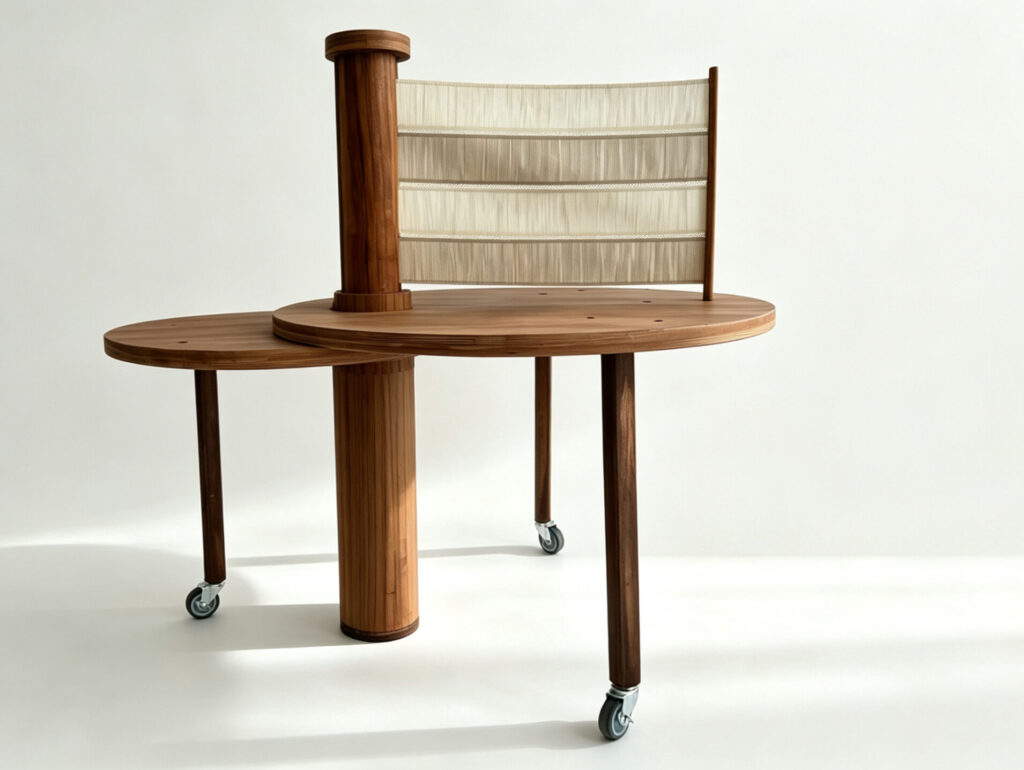
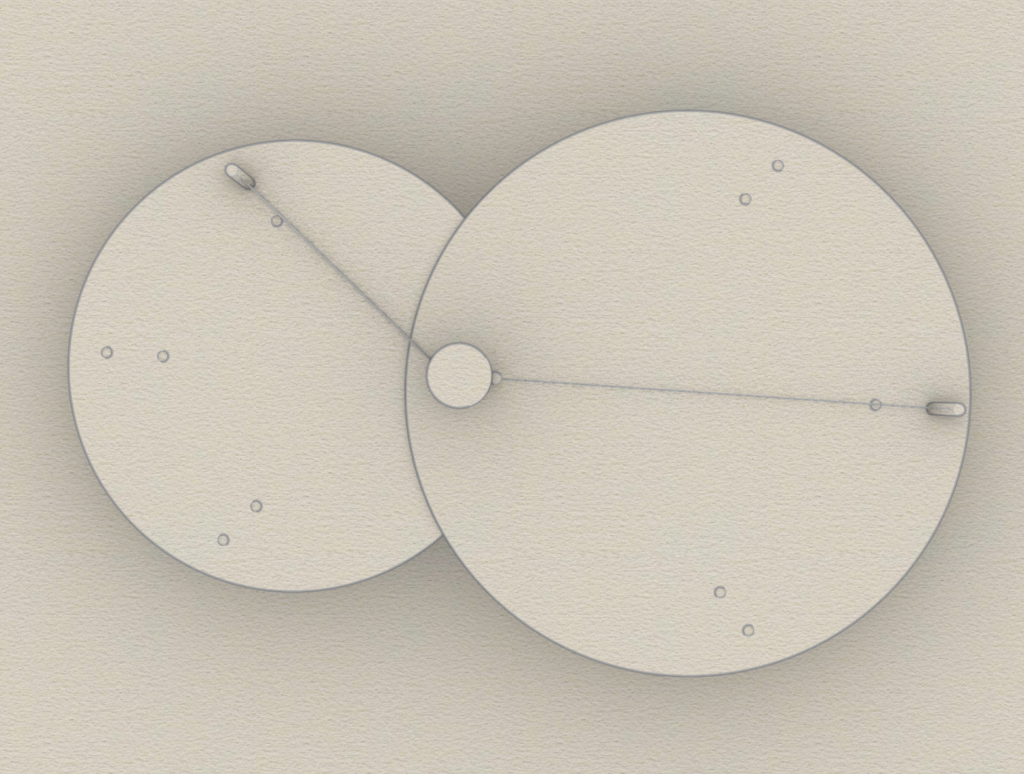
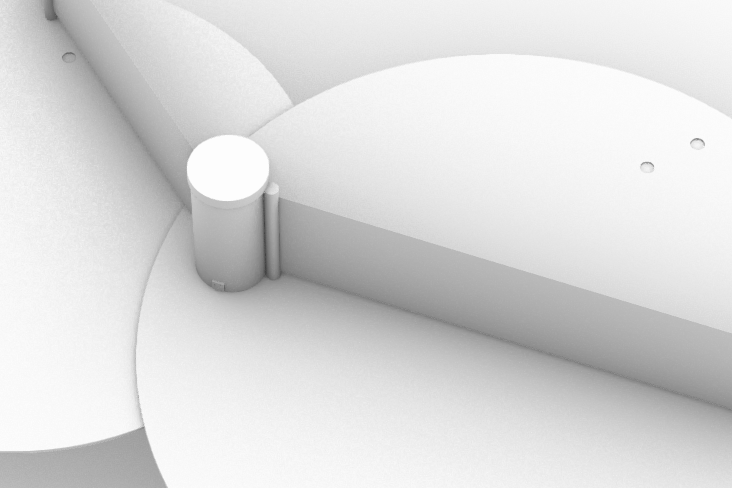
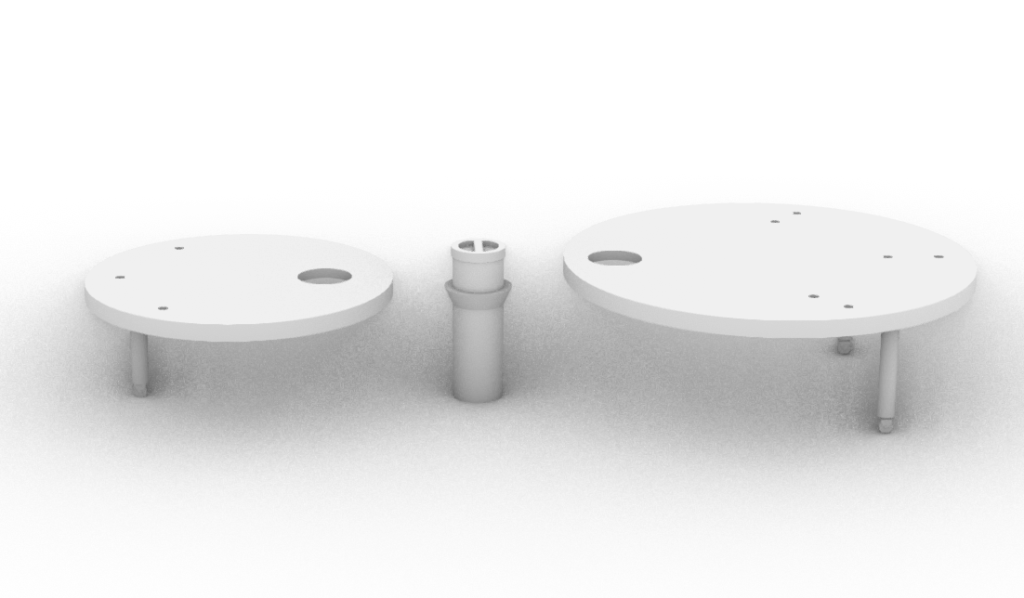
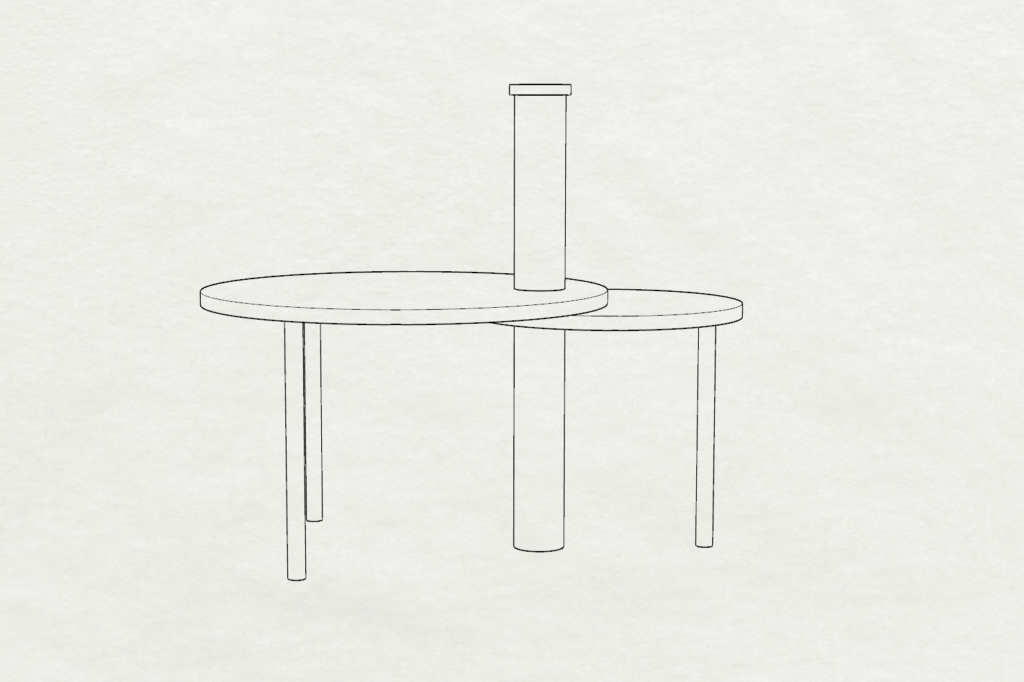
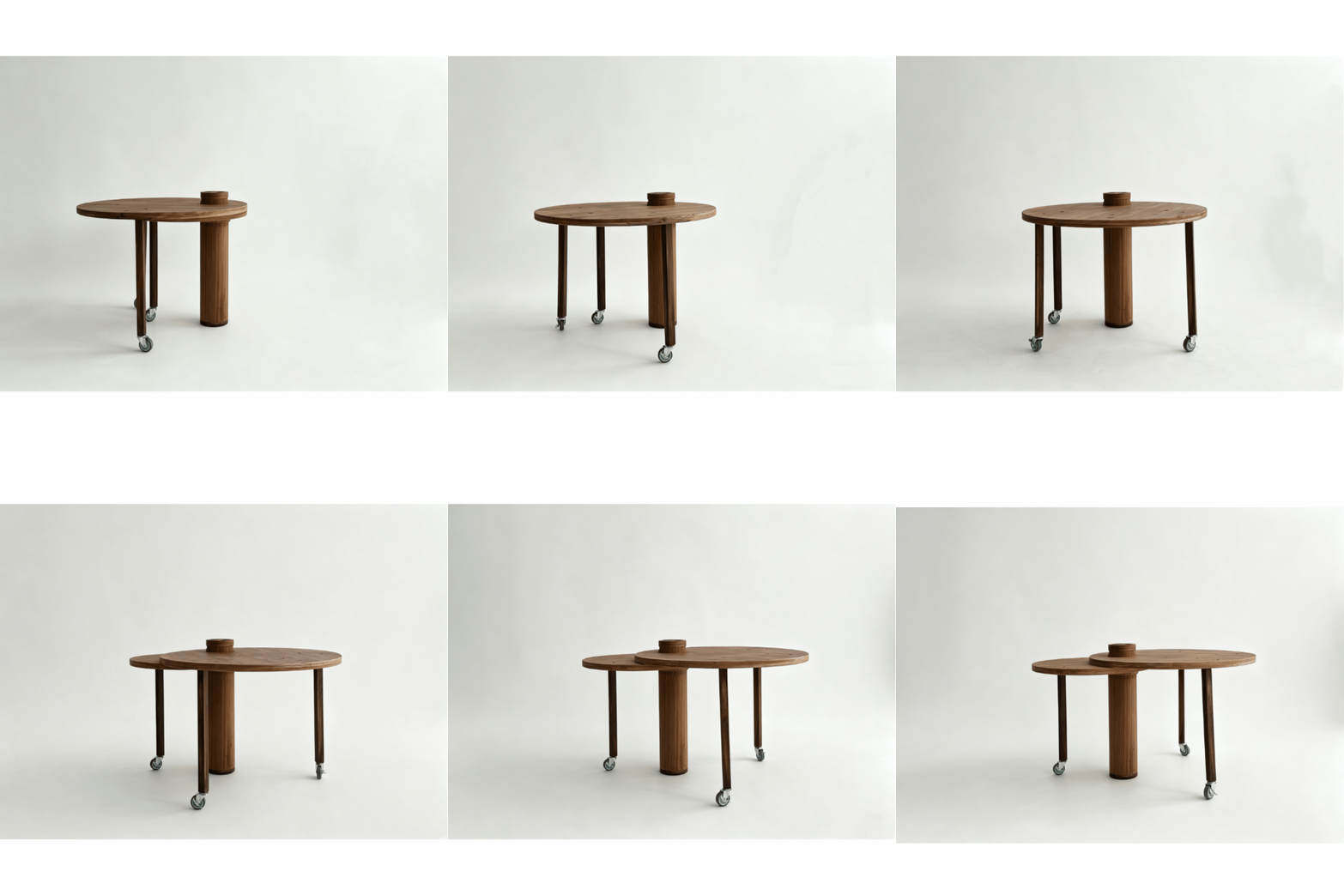
Its two tabletops can rotate around a central axis, expanding the usable area during group discussions or stacking together for storage when needed, achieving a fusion of compact partitioning and round table functionality.
Size and Layout
This table was originally designed for office spaces, with a clean and restrained aesthetic, accommodating 3–5 people. However, after in-depth conversations with the target audience, it became clear that the design of private space is equally effective in cafés or similar places.
As a result, the design is now available in multiple sizes to suit different spaces, allowing clients to choose and assemble the size that fits their spatial needs. The final prototype is the smallest version, which accommodates 2–3 people.
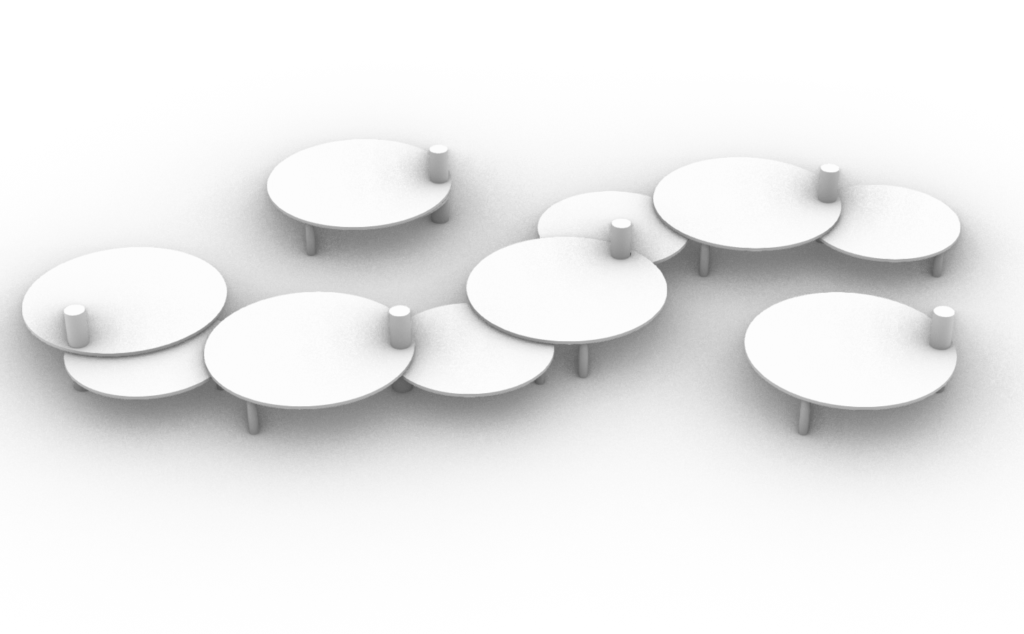
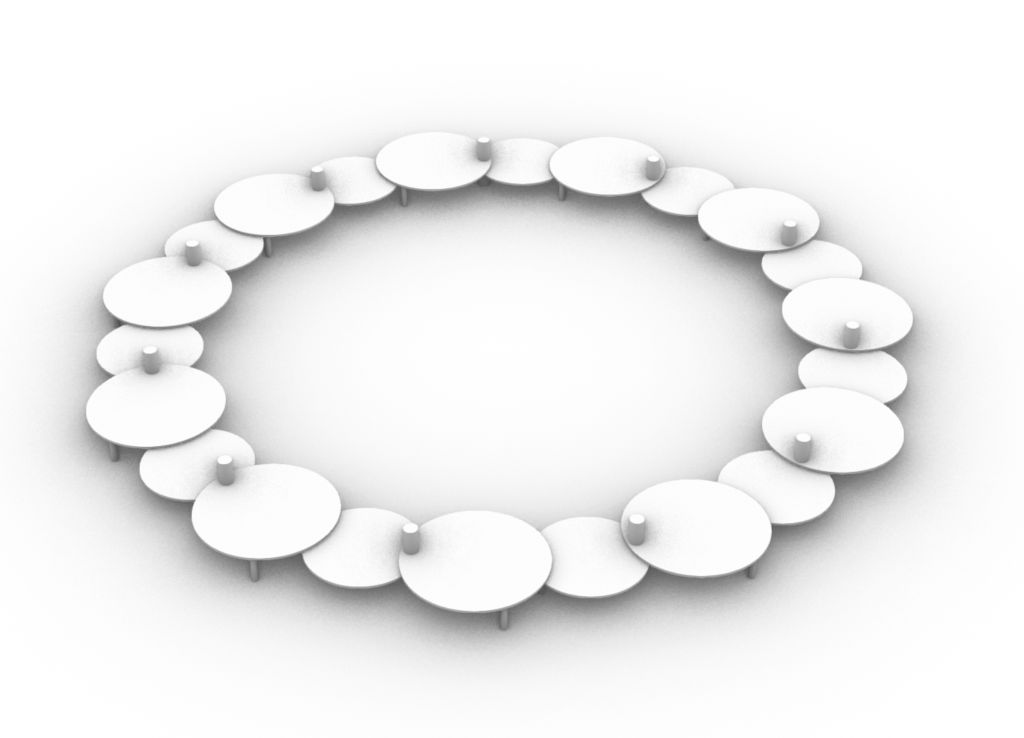
When multiple tables are placed together, the height differences between the tabletops allow for overlapping surfaces of various sizes, creating interesting visual patterns and spatial divisions.
Making Process
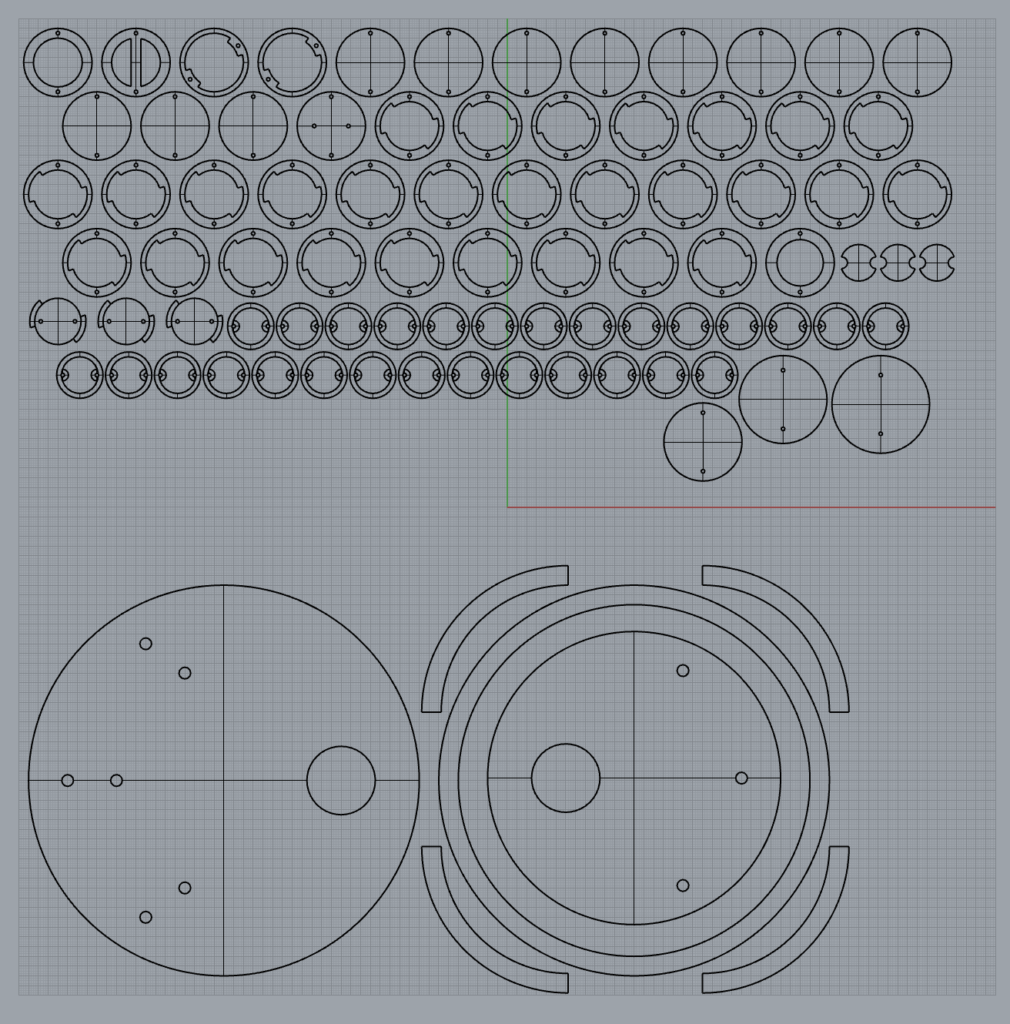
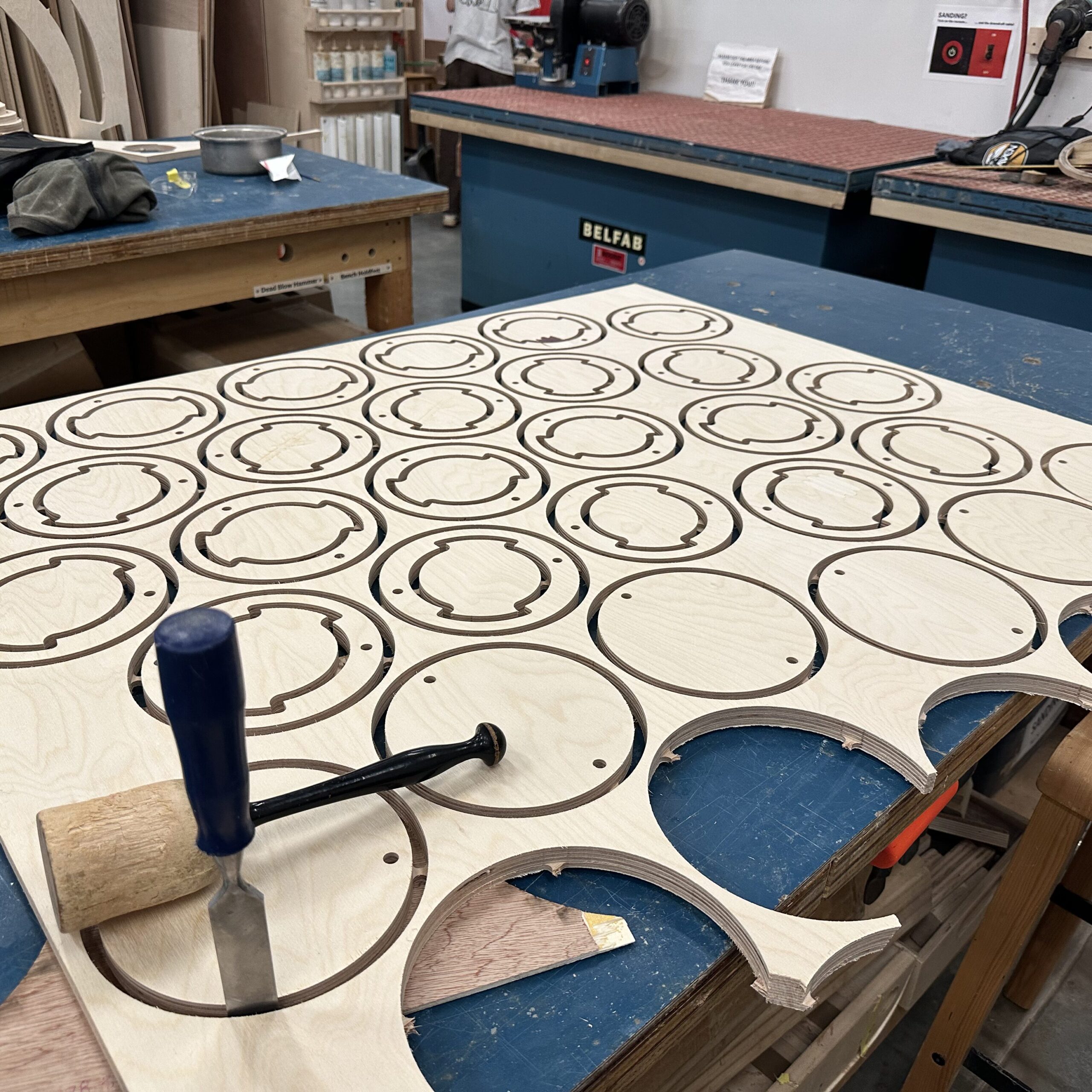
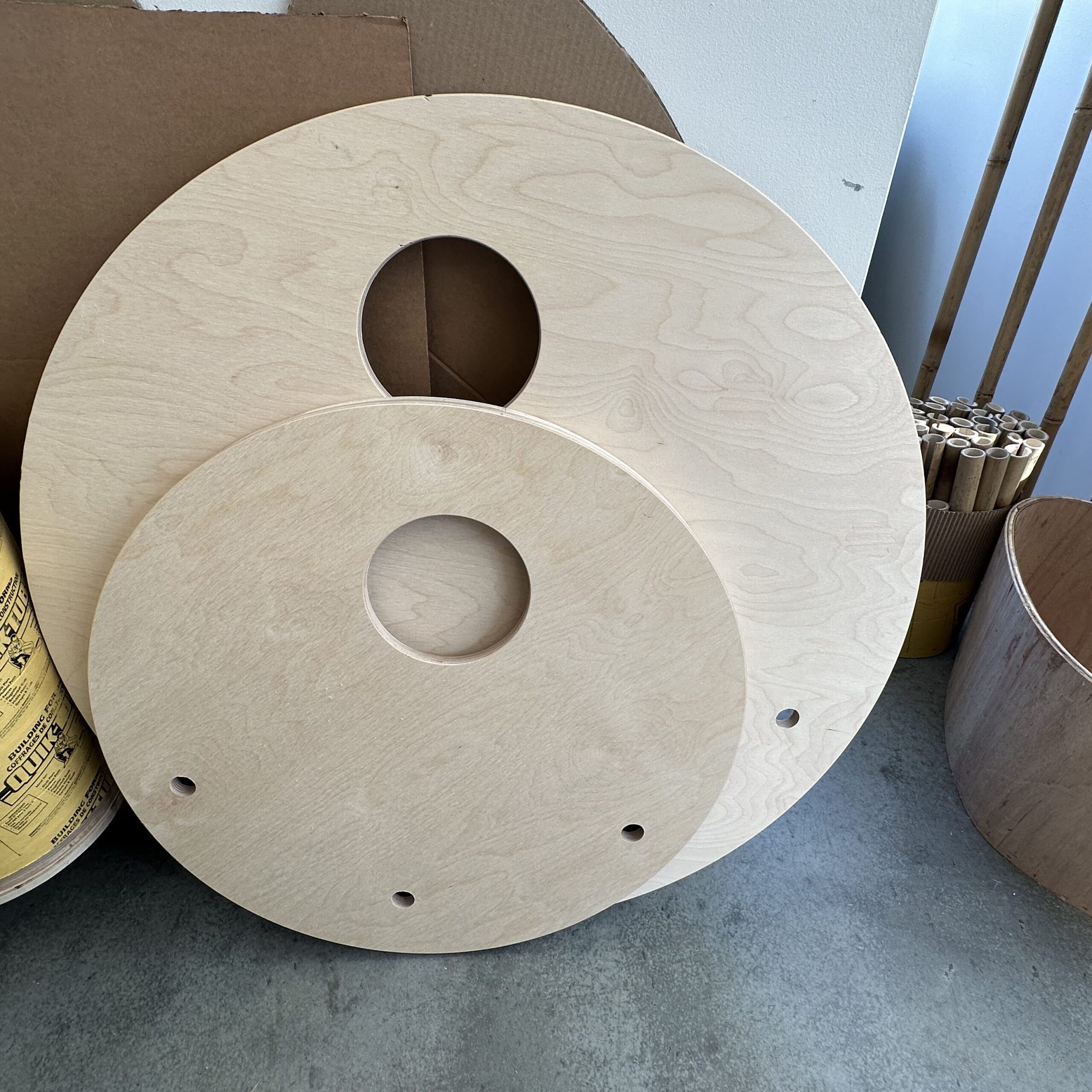
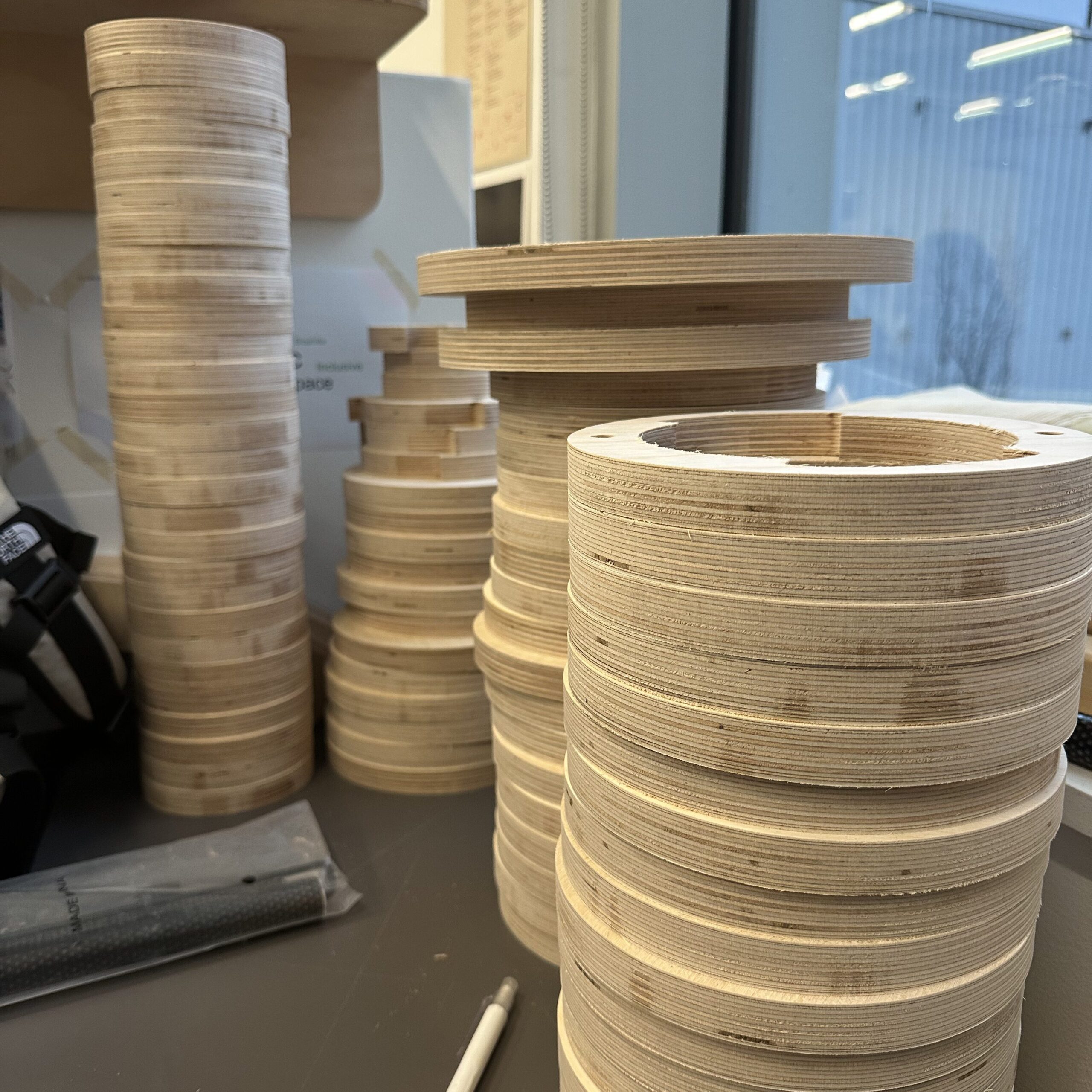
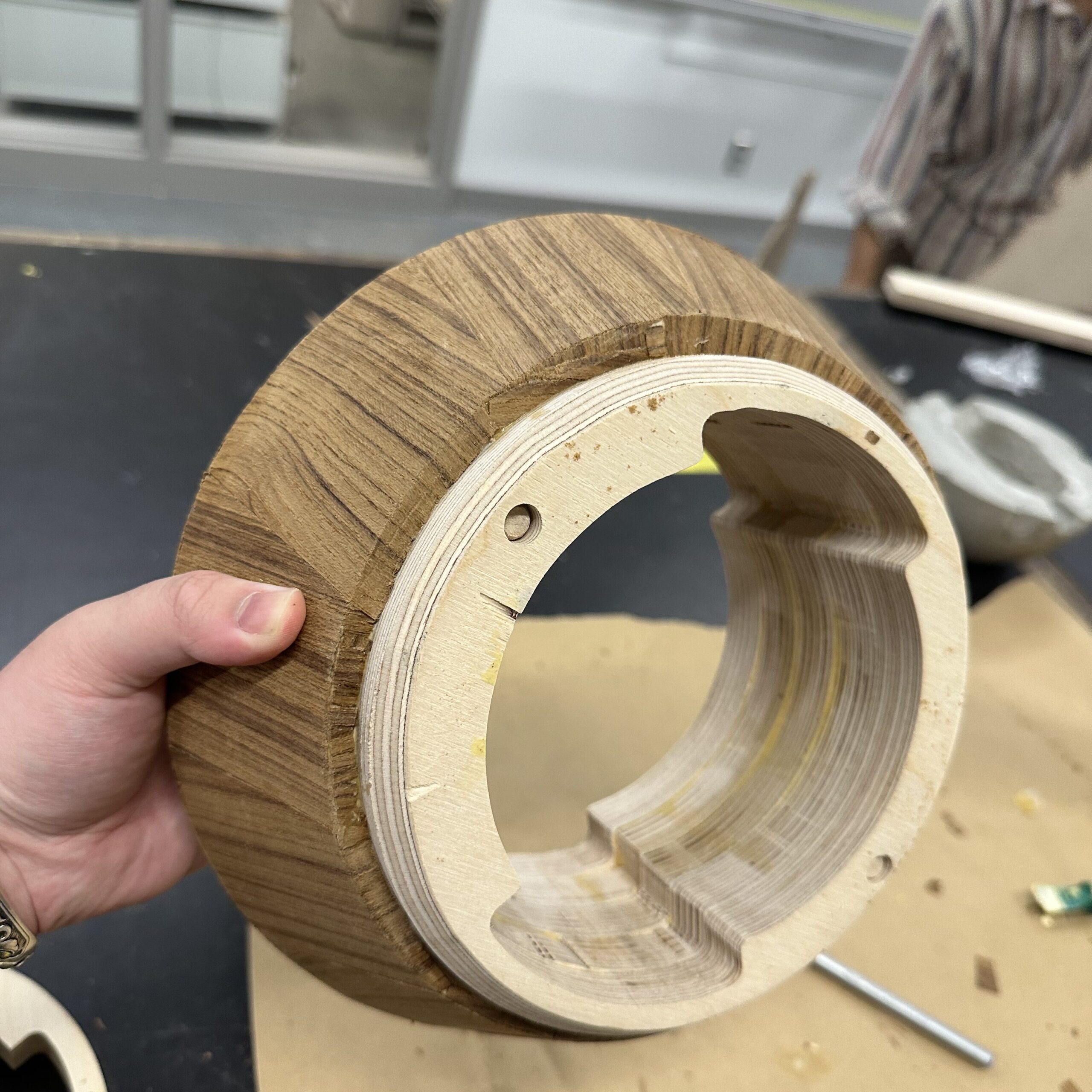
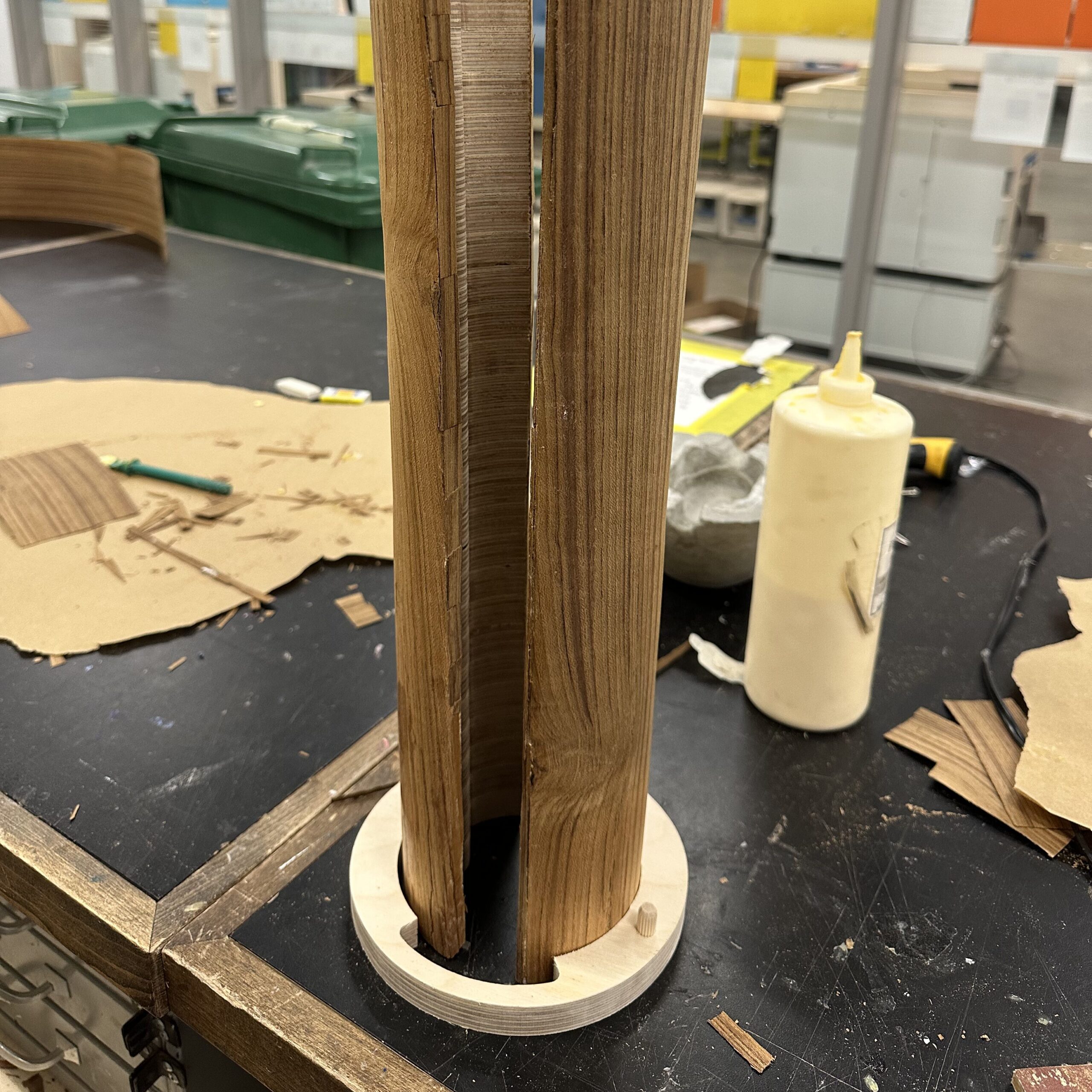
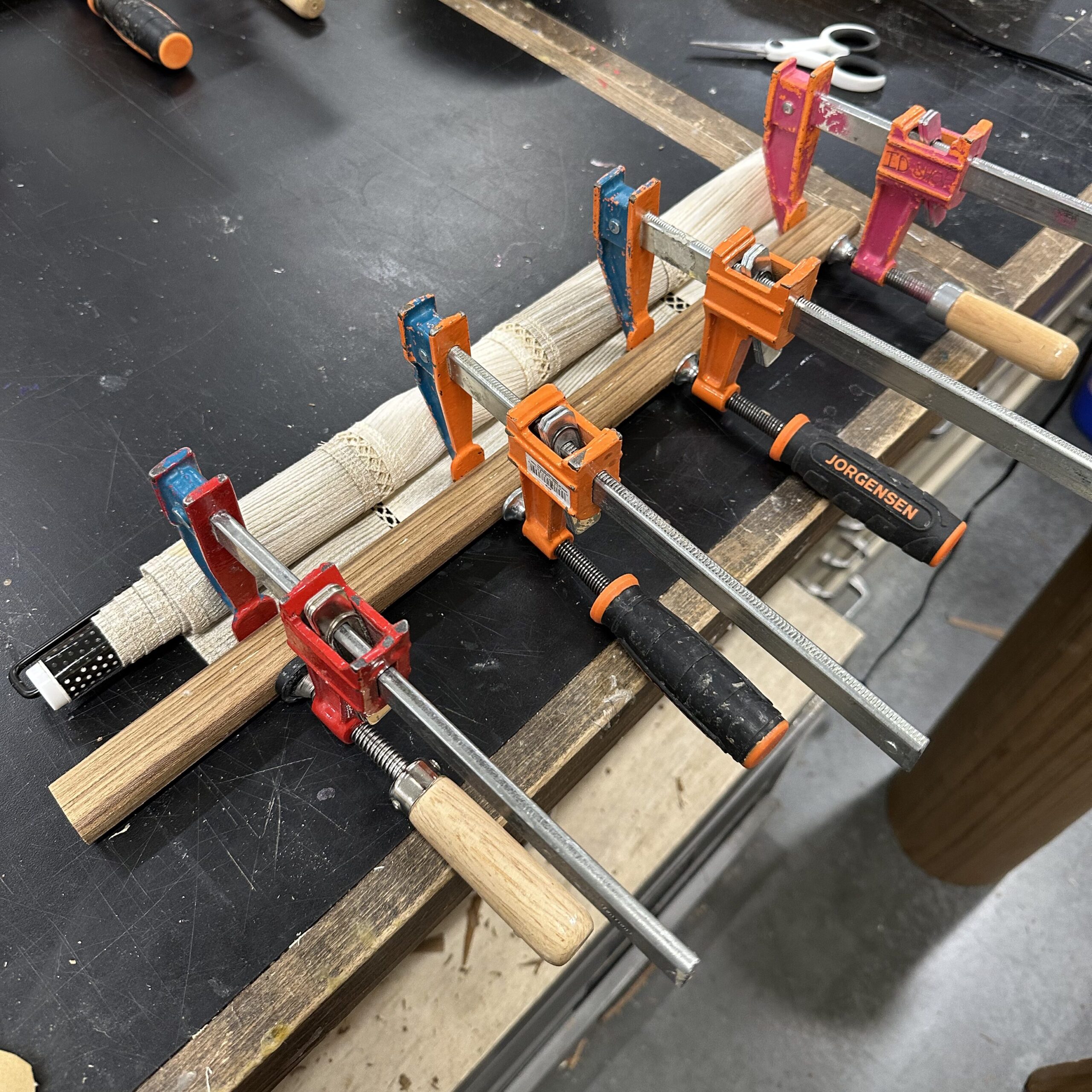
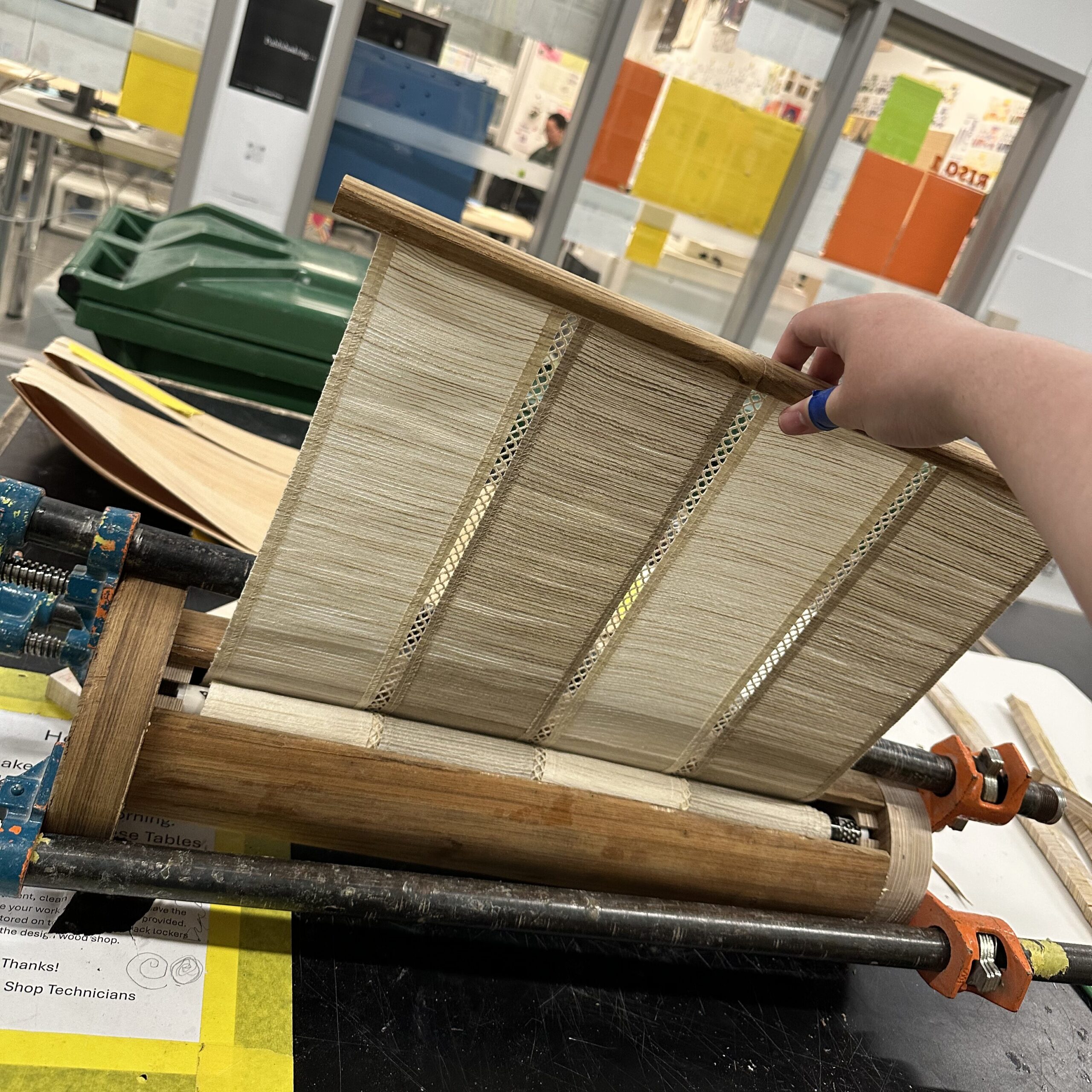
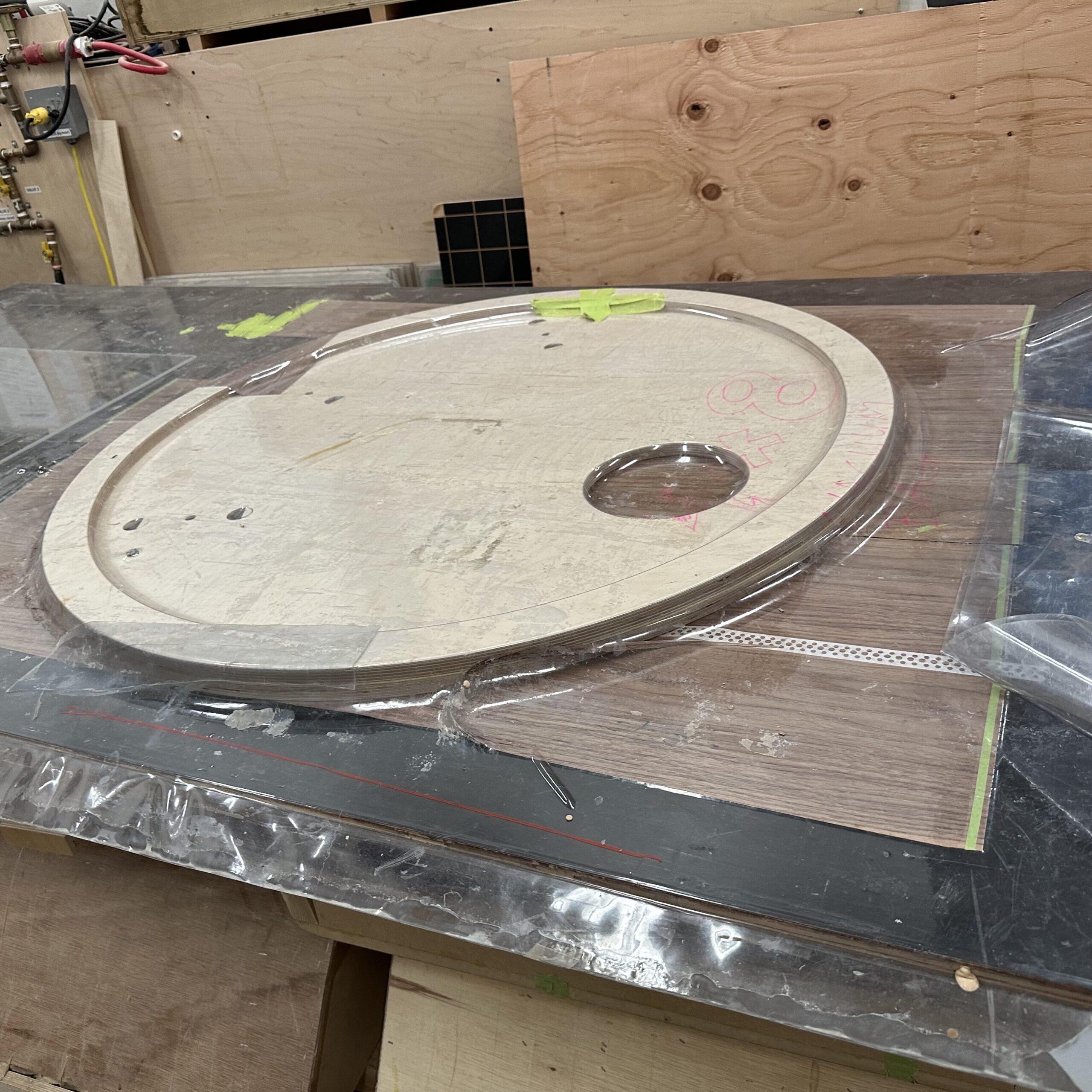
Working…keep working……
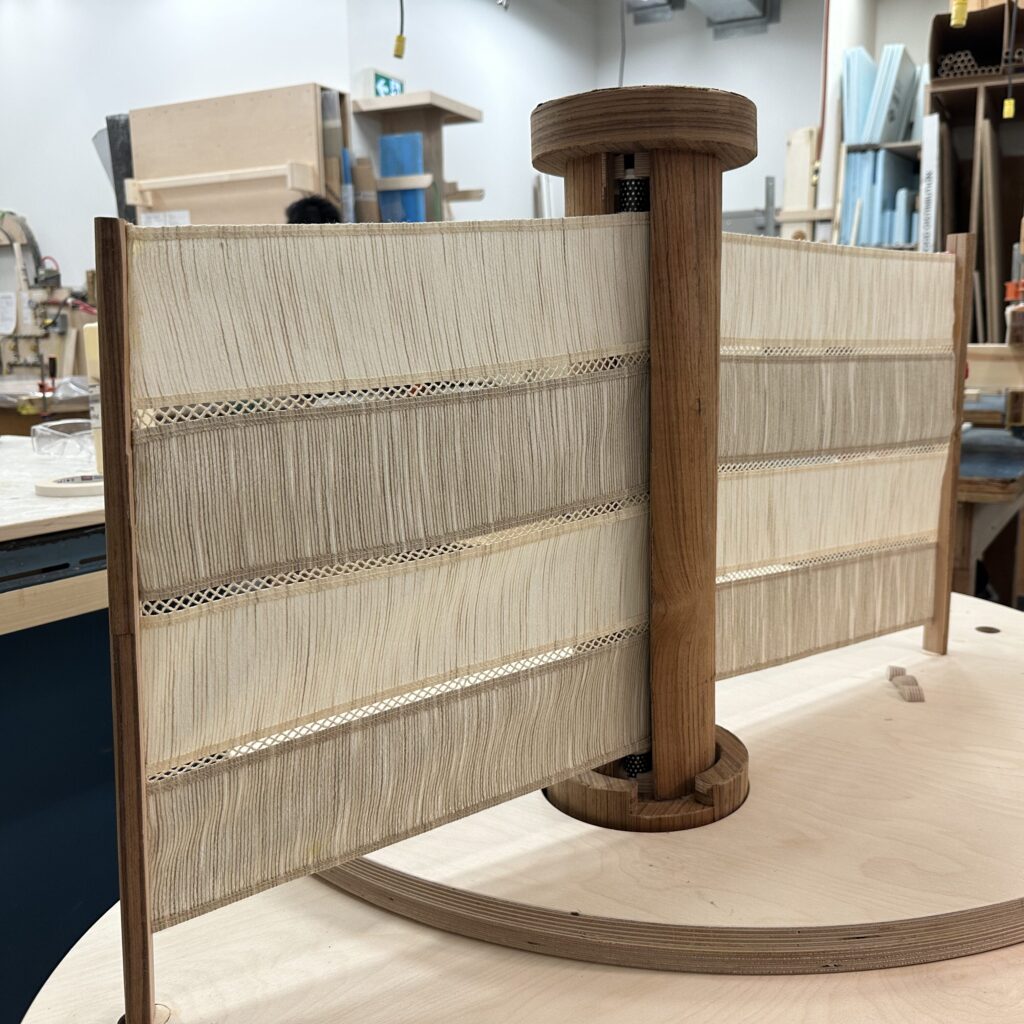
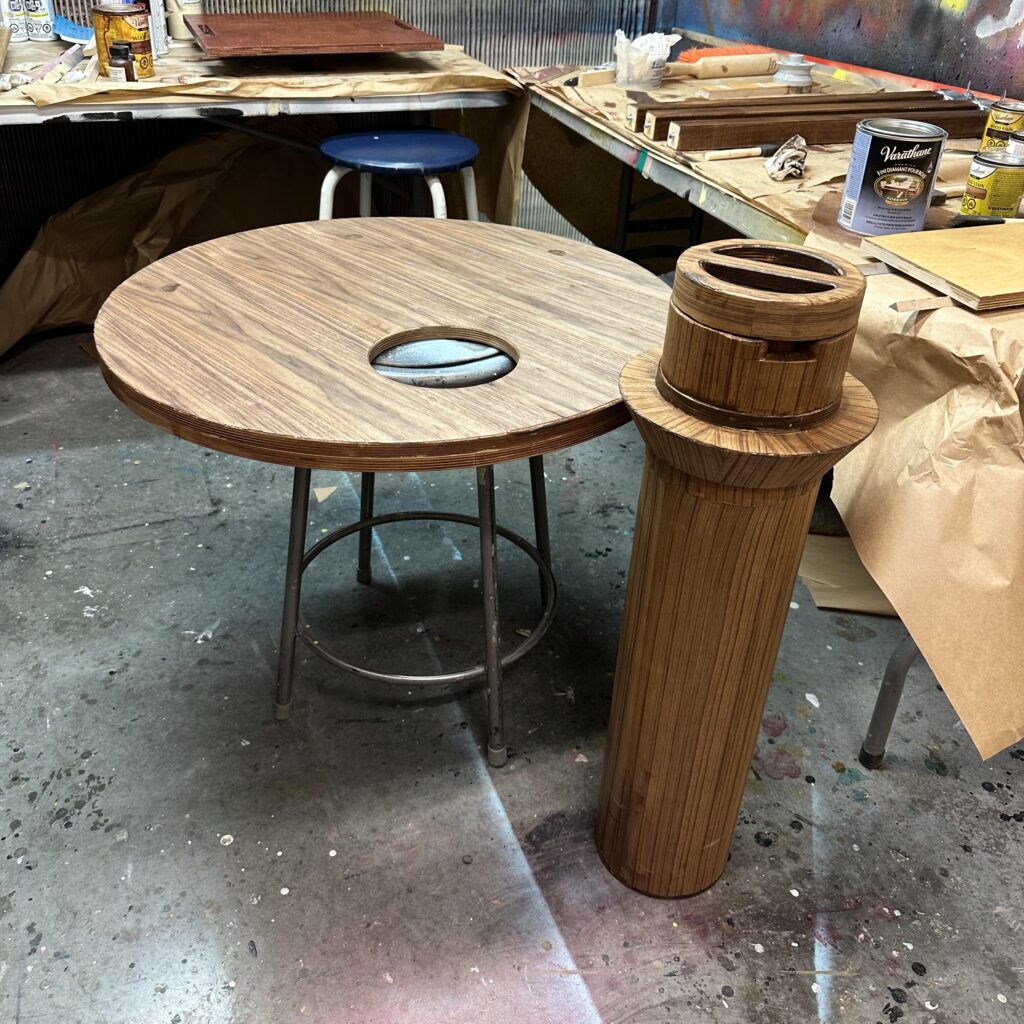
Dynamic Display
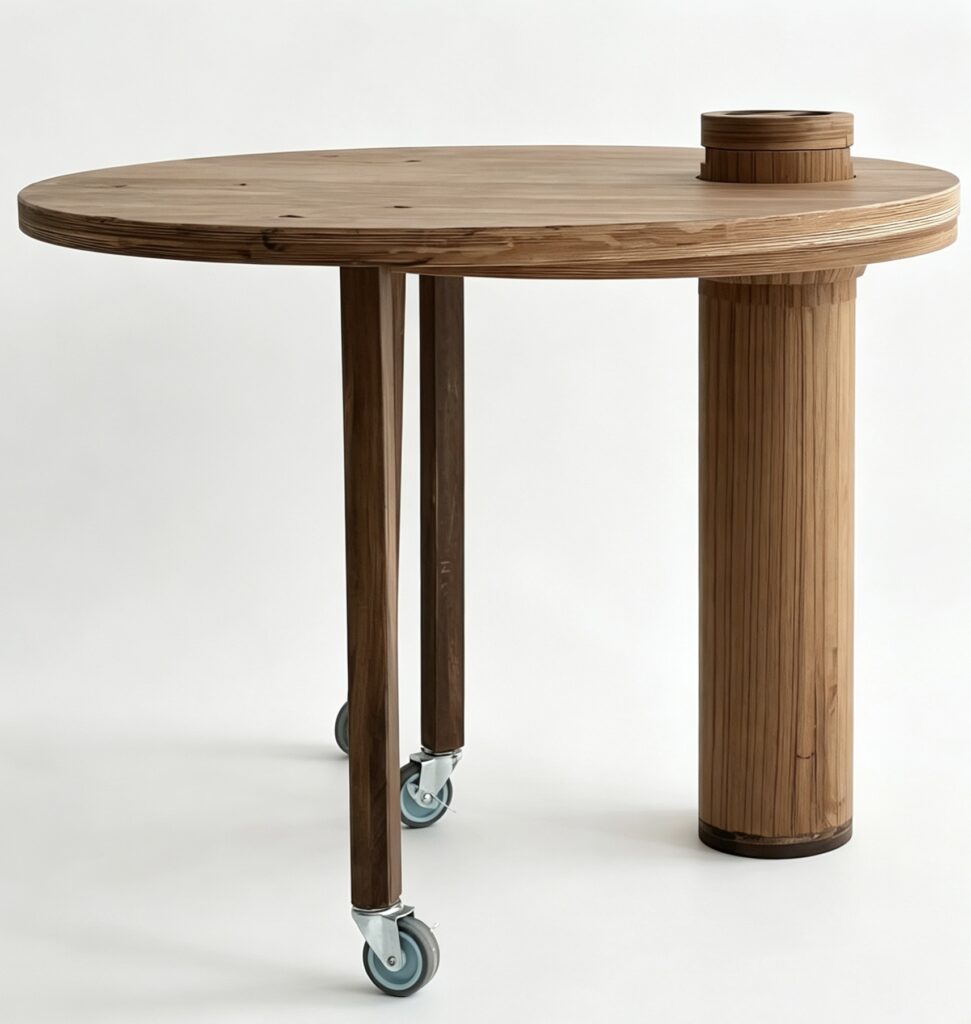
To ensure the table’s appearance can easily adapt to a wider range of usage scenarios, I chose a darker walnut veneer for its finish. This dark surface also creates a clear visual contrast with the screen.
- With the assistance of casters at the base, the two-tiered tabletops can be rotated open, thereby gaining a more spacious usable area.
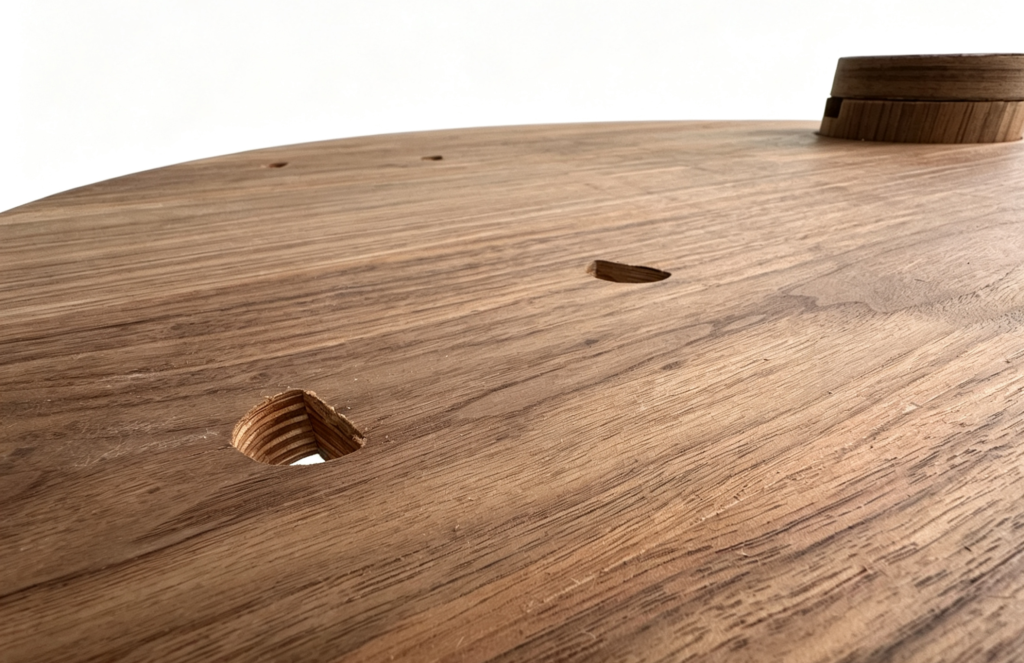
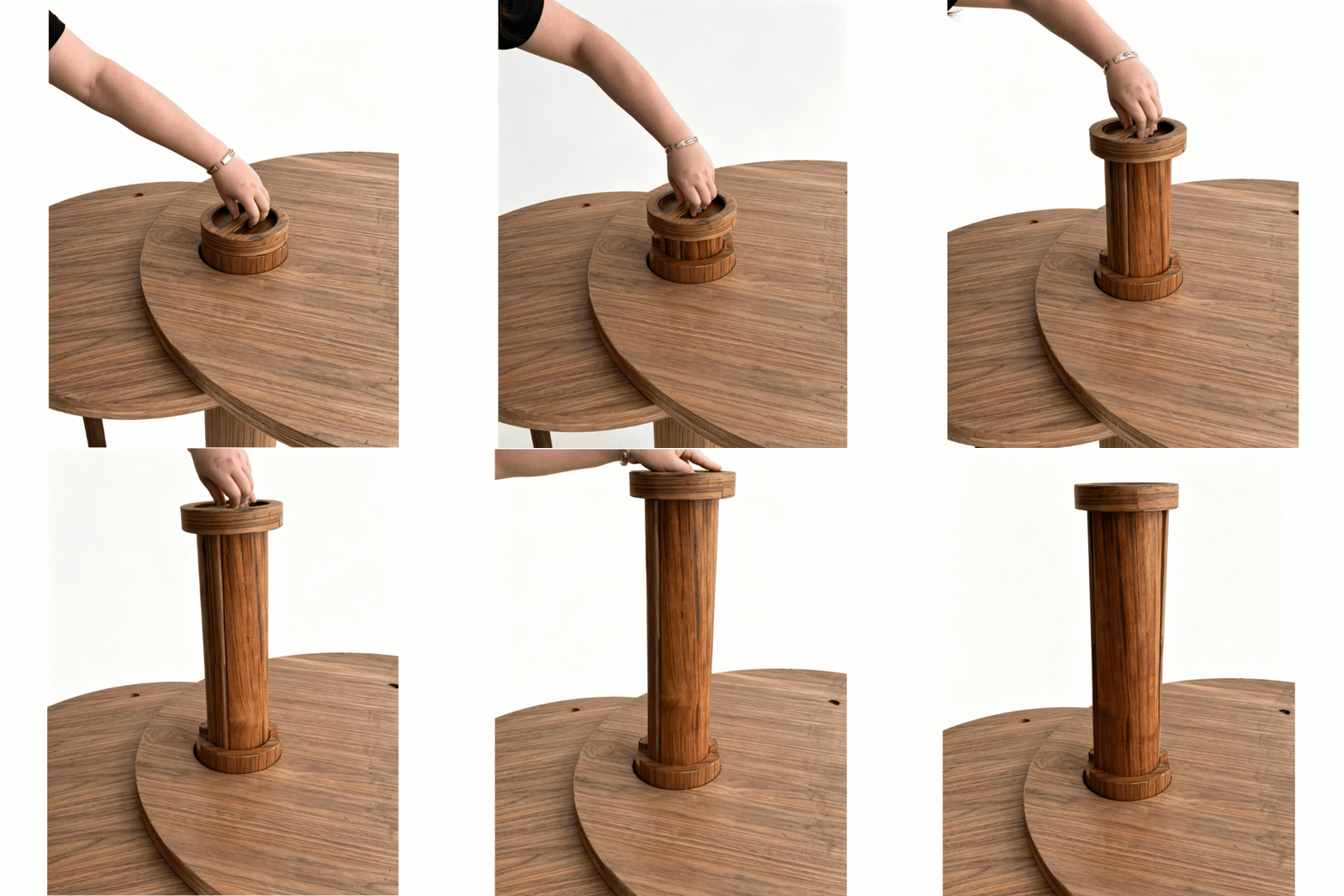
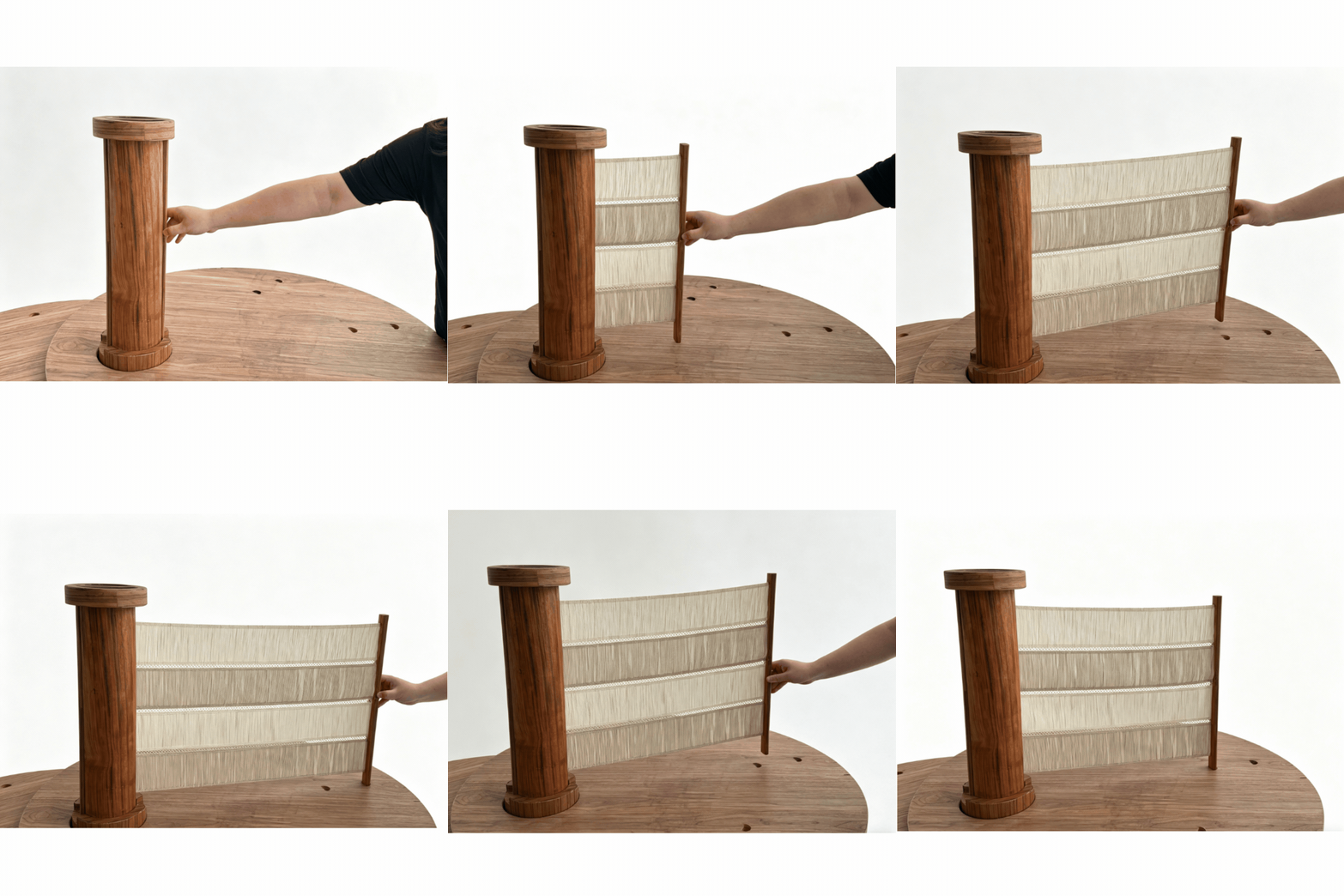
- The small central cylinder can be pulled out from the central column and secured by rotating it clockwise.
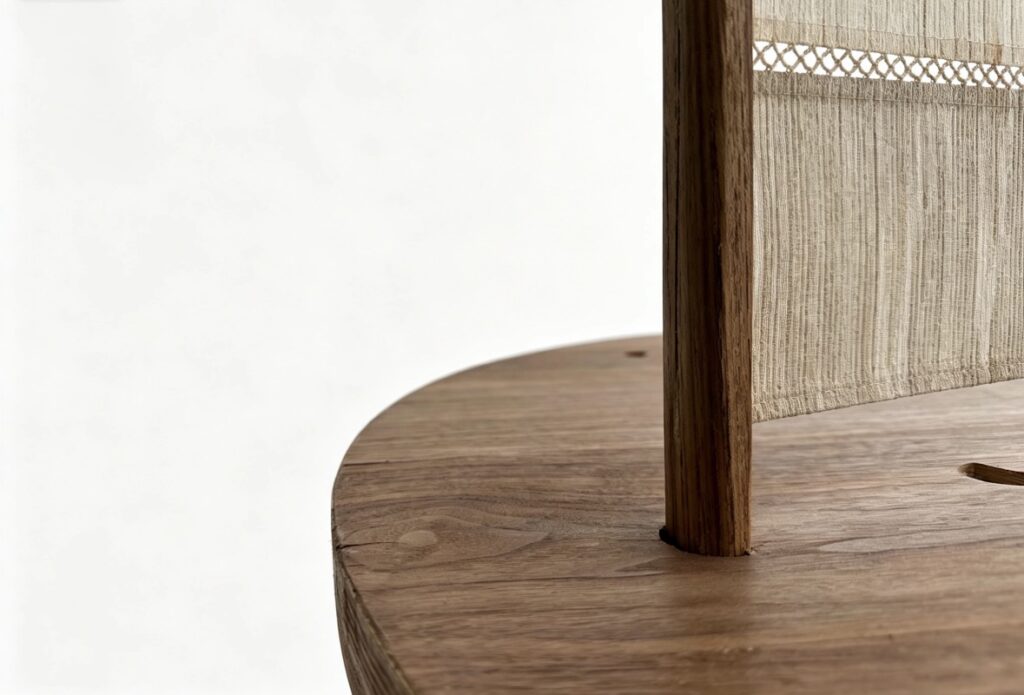
- The central screen can be pulled out and securely inserted into a semi-circular hole on the desktop.
Practical use
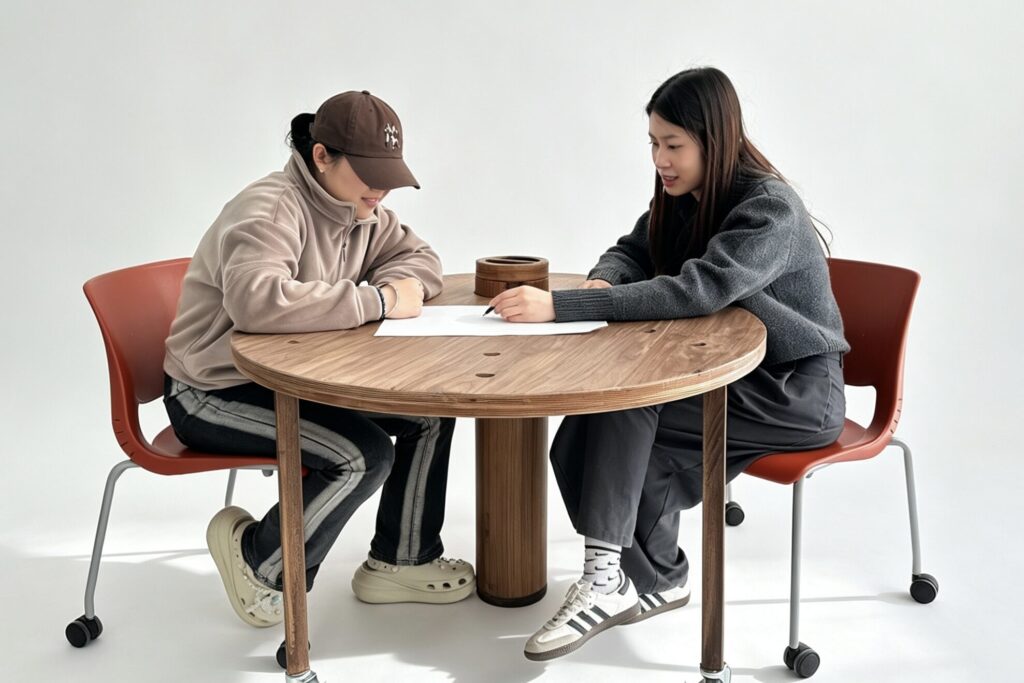
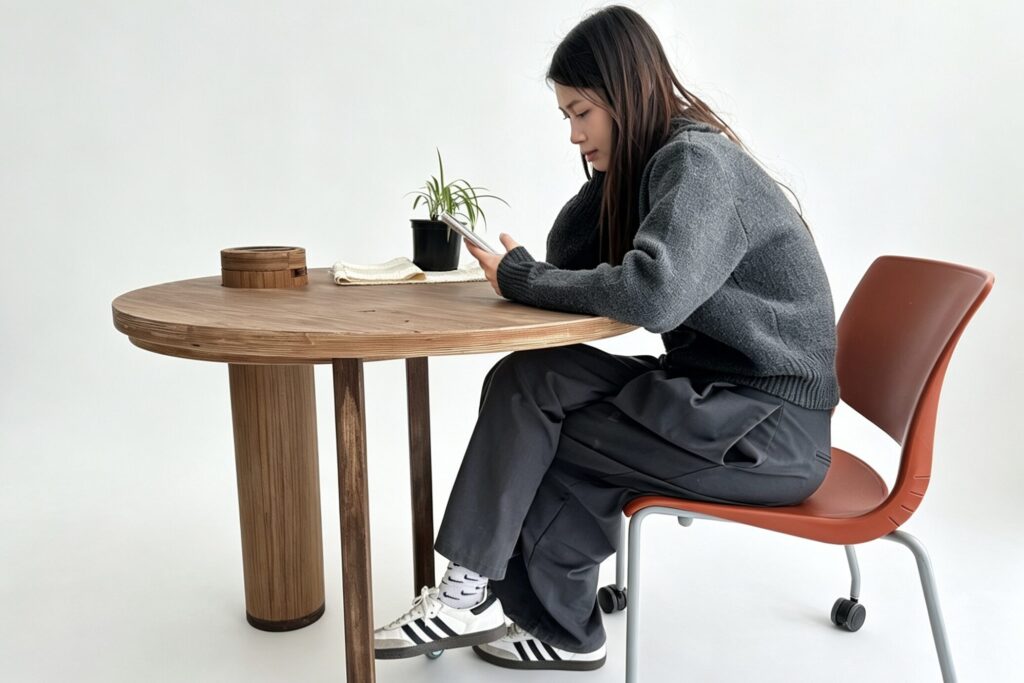
In actual use, the desktop provides ample space for two individuals to work independently.
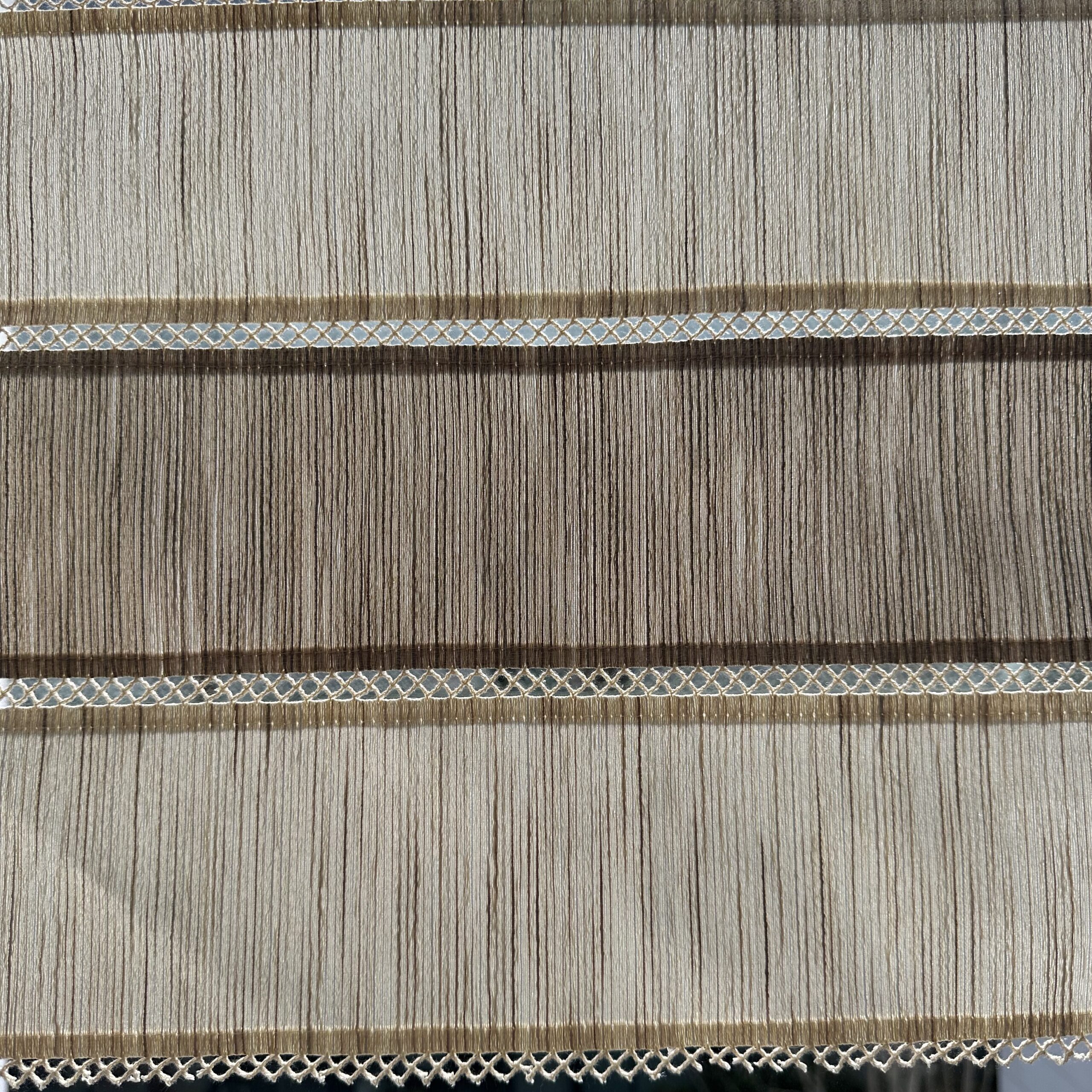
- In terms of privacy, the screen allows only a blurred silhouette to be seen from the opposite side, ensuring a sense of seclusion without making the space feel too enclosed.
- During group discussions, the central column can be fully retracted, eliminating any visual obstruction and facilitating smooth communication.
- When used by a single person, the two-tiered desktop can be stacked together to save space.