Wild Rest
Mingze Zhu
Connect through the natural touch of land and sea.
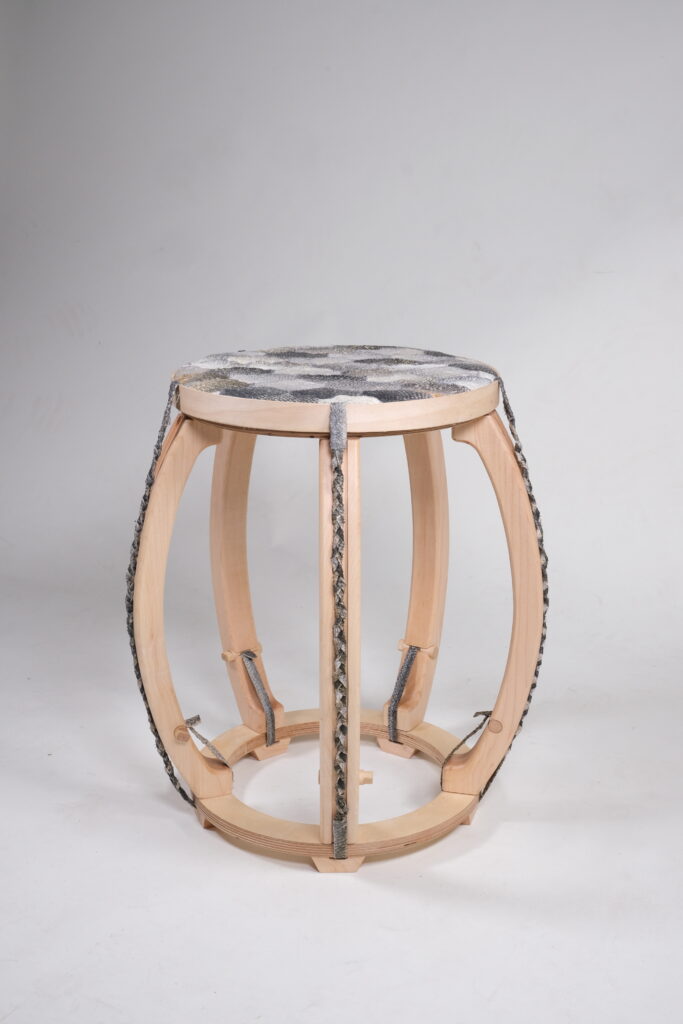
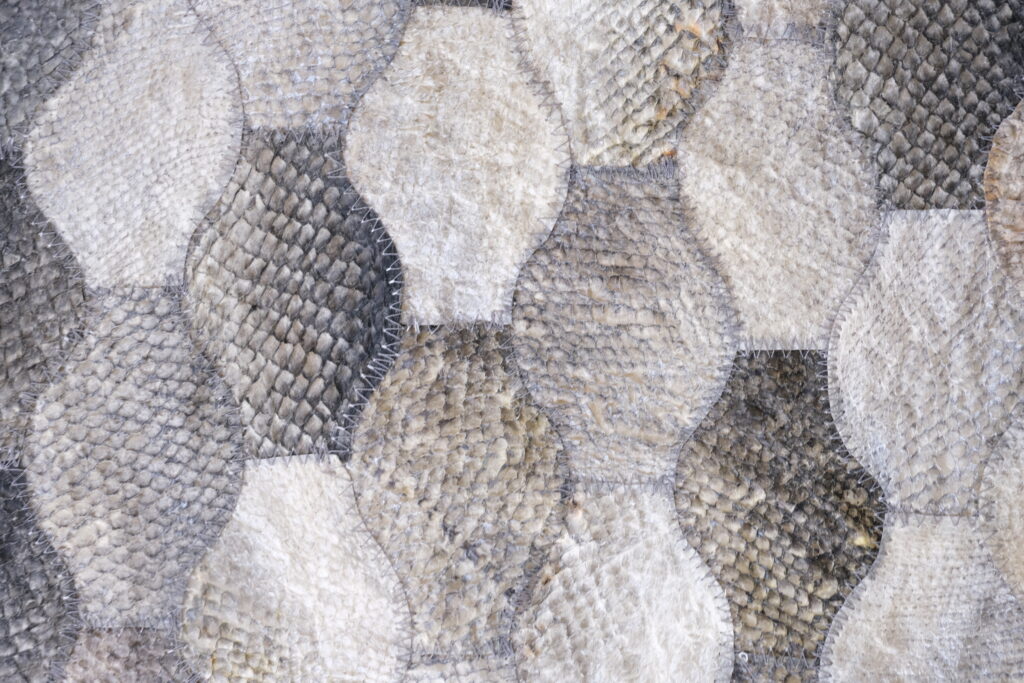
This project explores the potential of fish leather as a structural material in furniture design. Inspired by the fish skin traditions of the Hezhe people in China, it reflects on the contrast between the material’s historical value and its current status as waste. Through this lens, the project rethinks how discarded materials can regain value through design.
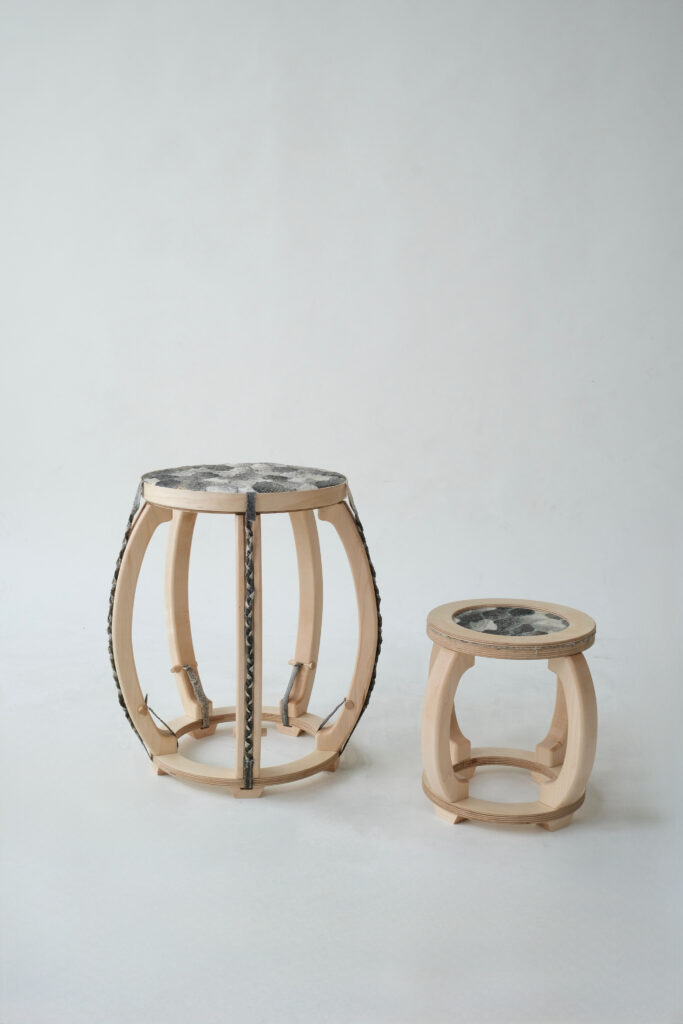
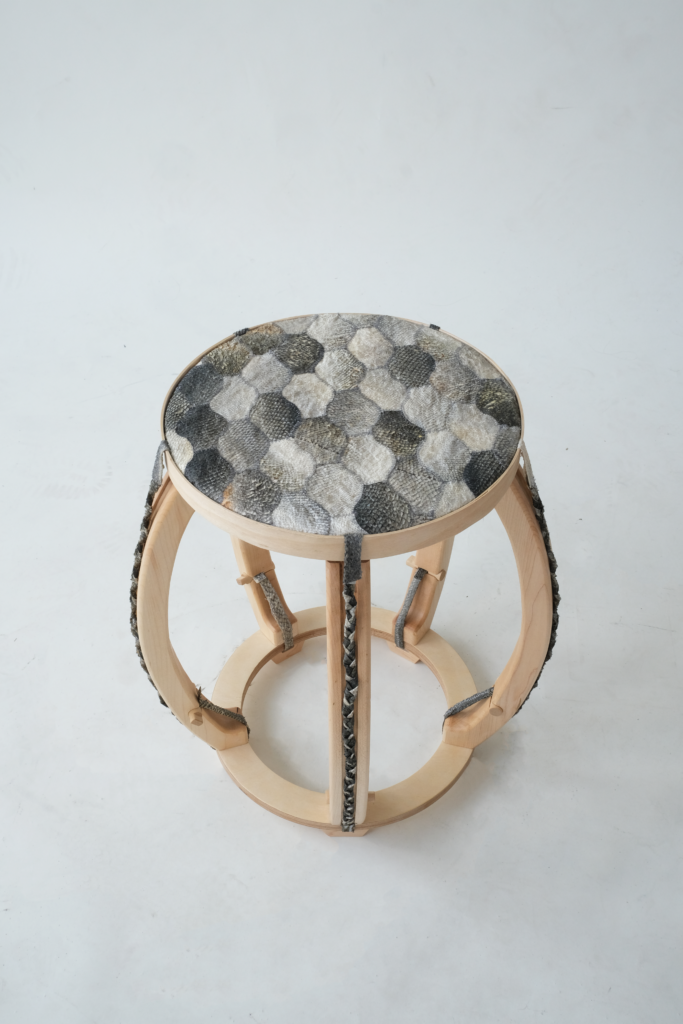
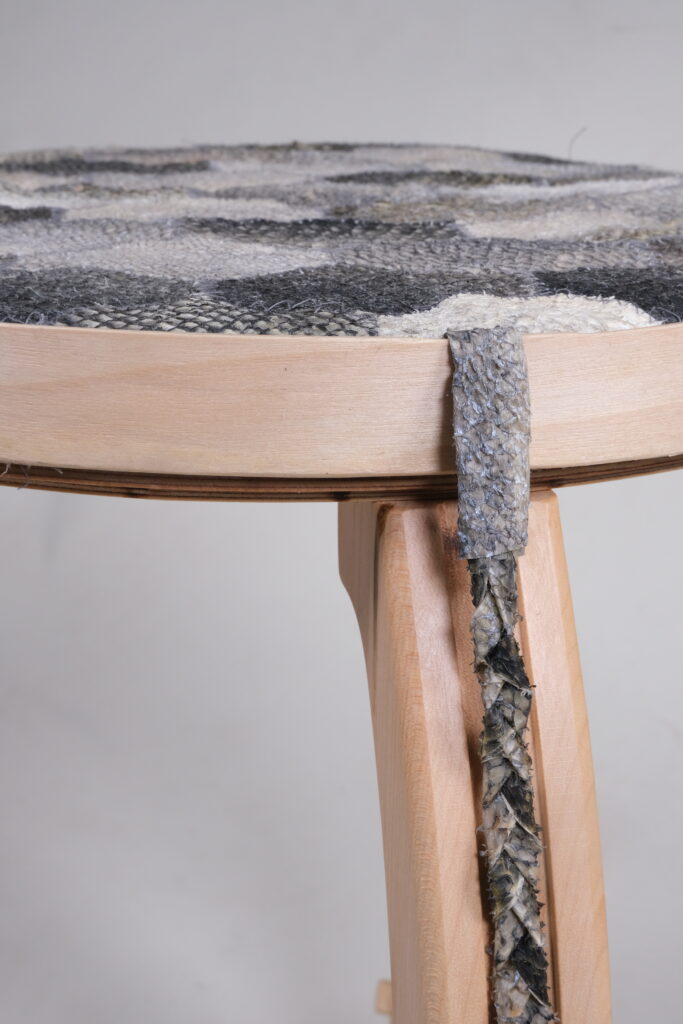
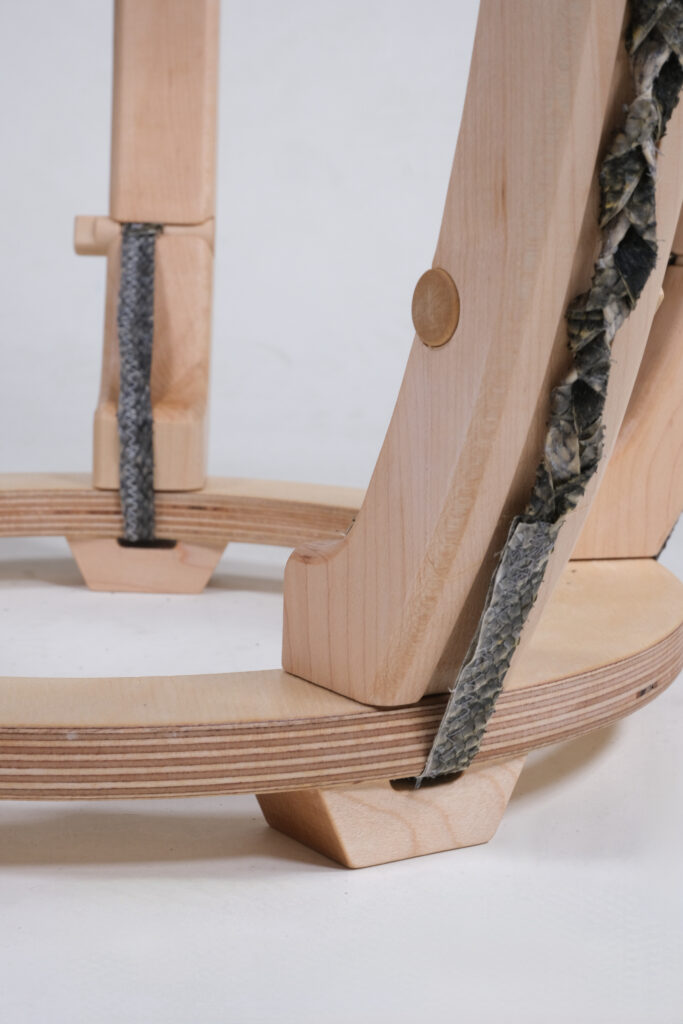
The final outcome is a garden stool, also known as a drum stool, that uses fish leather as a tensile element to hold a wooden frame together without relying on glue. By combining traditional material knowledge and influences from traditional Chinese furniture with contemporary fabrication, Wild Rest proposes a way of engaging with natural materials that emphasizes adaptability, sustainability, and material-driven design.
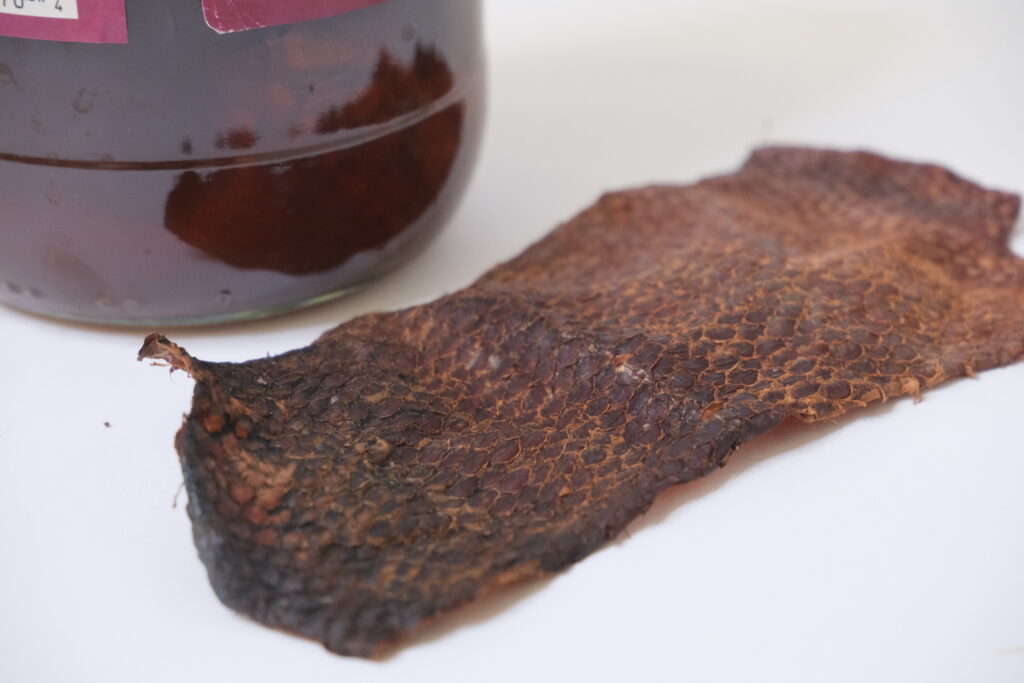
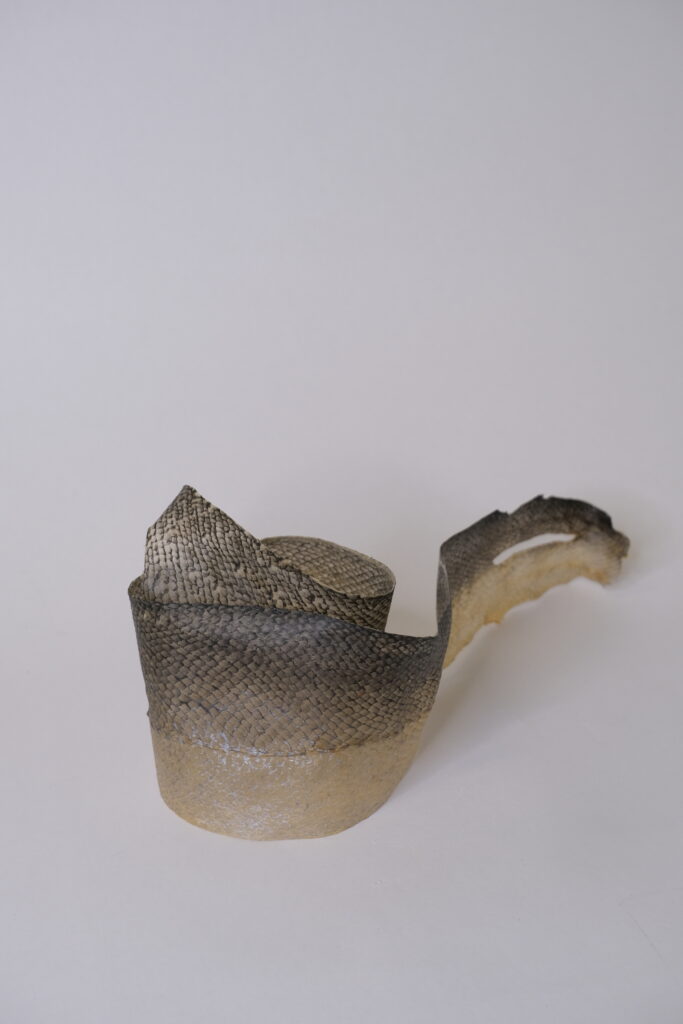
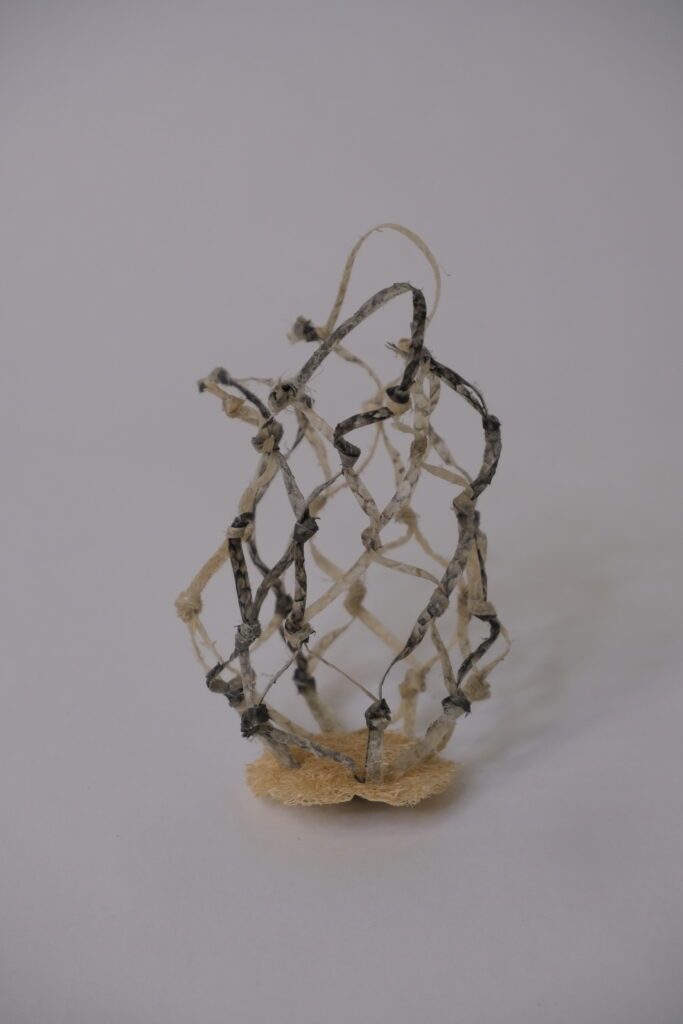
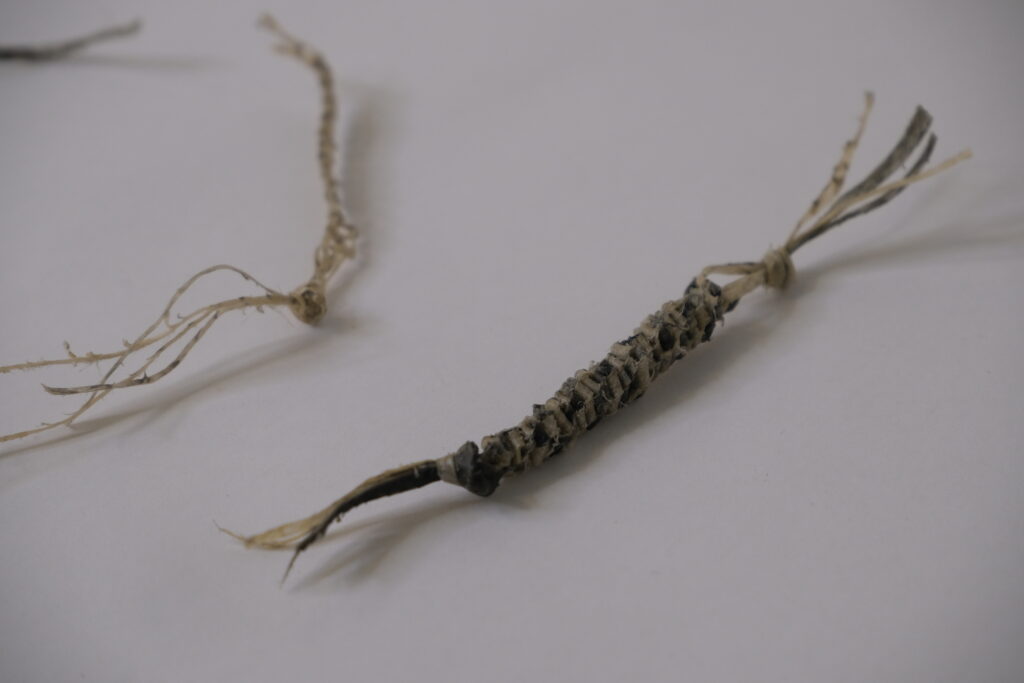
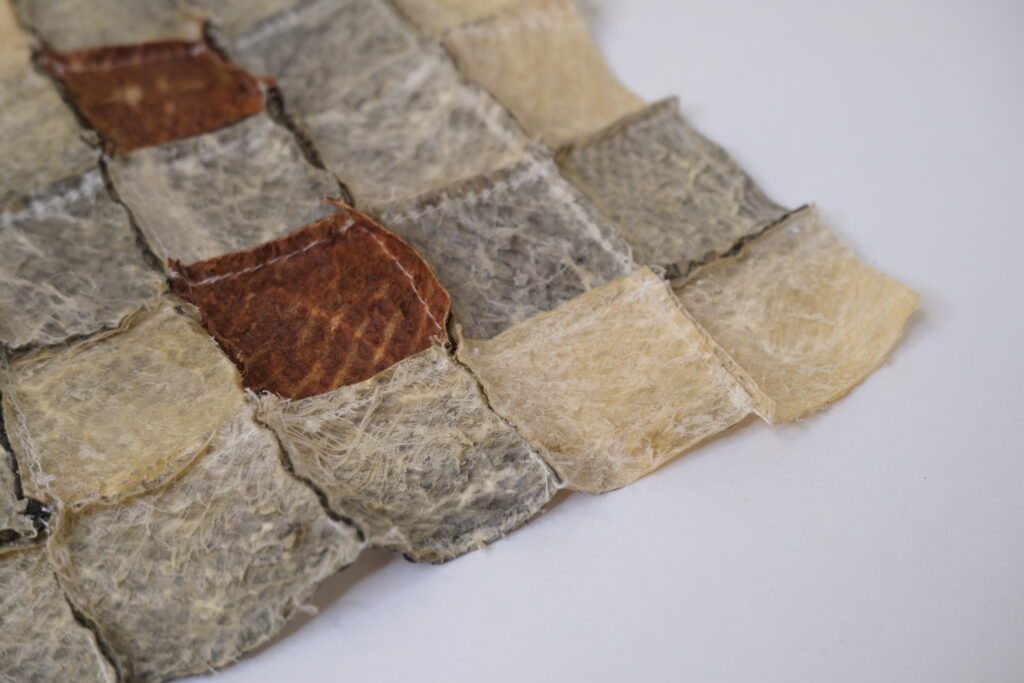
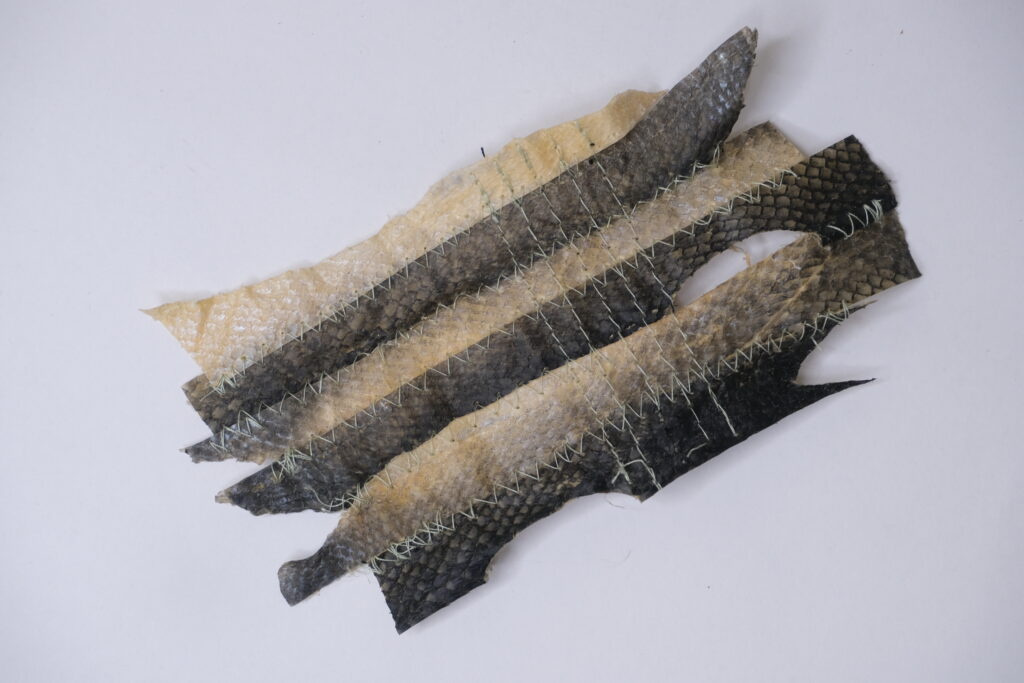
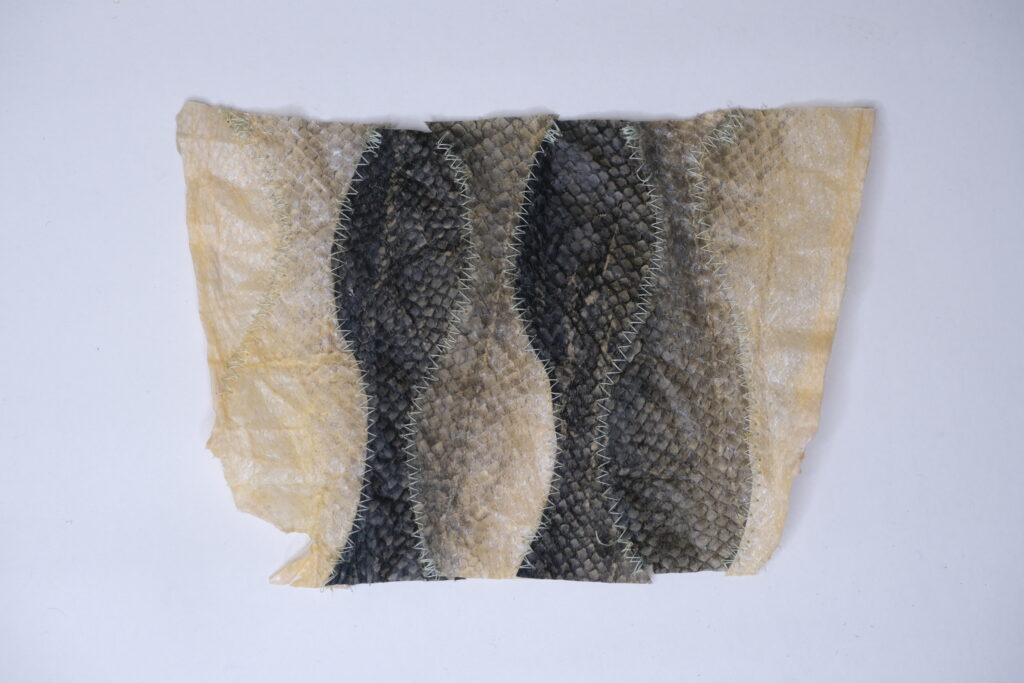
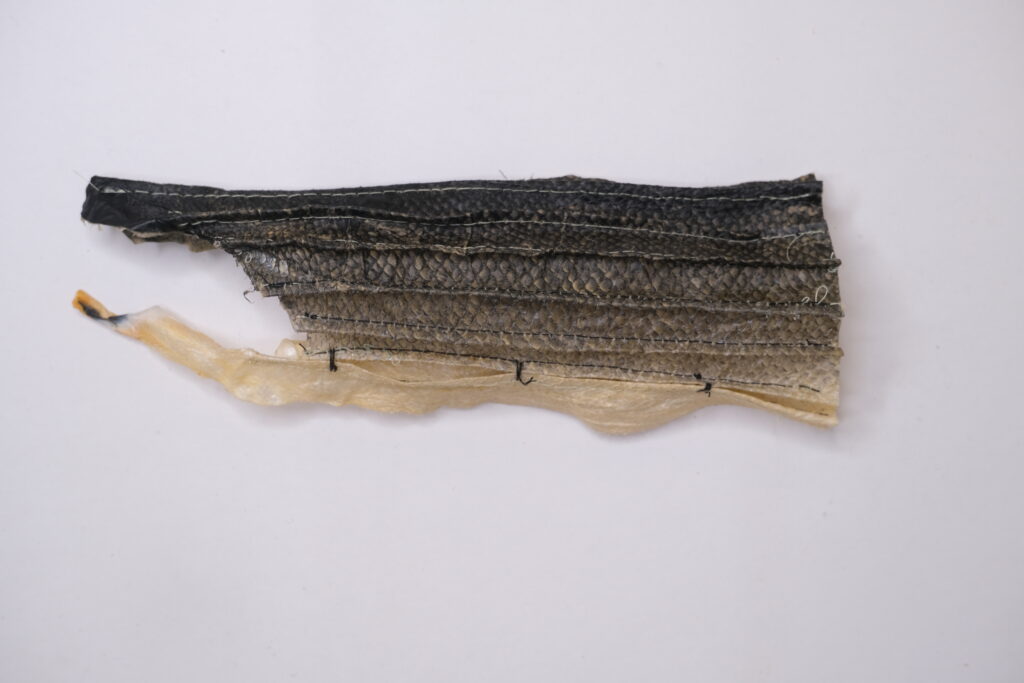
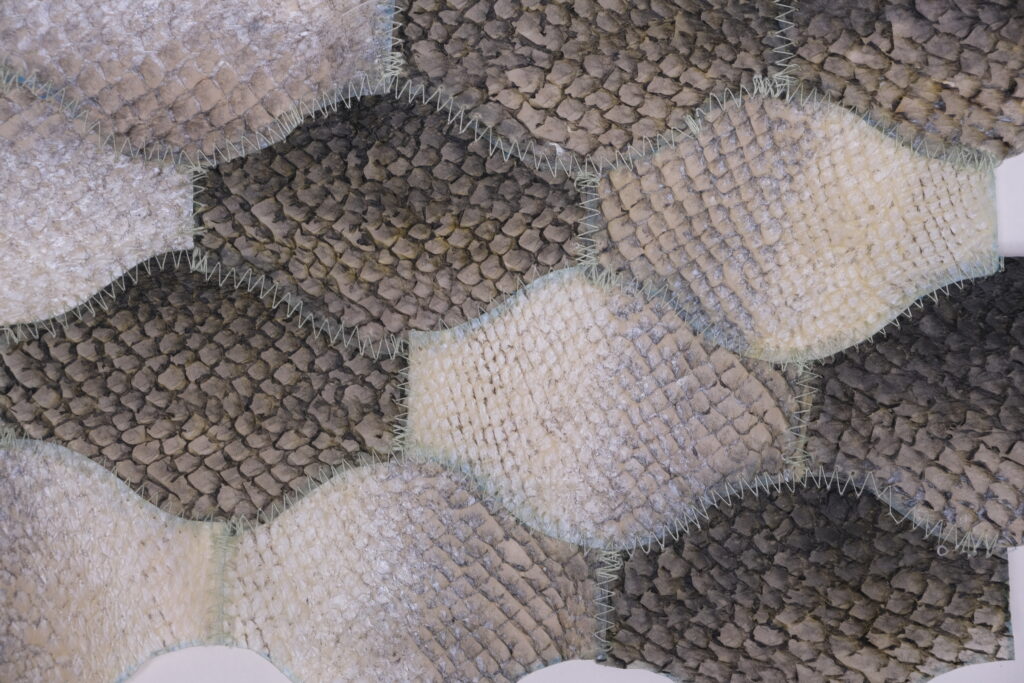
Material Study
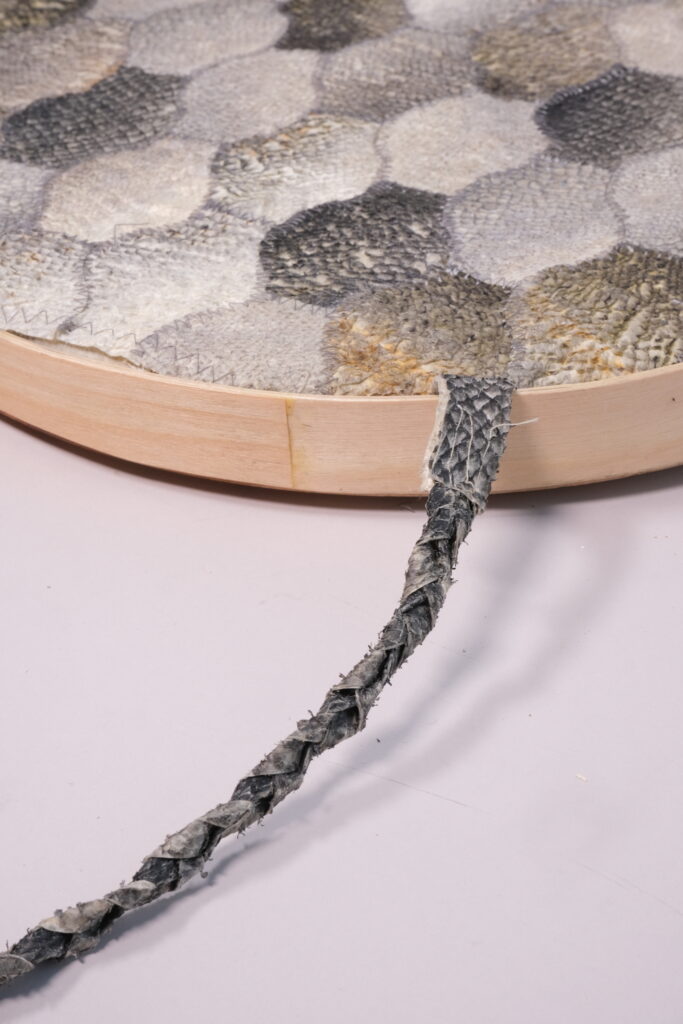
Through a series of experiments and prototypes, fish skin was processed using oil tanning and explored through sewing, patching, and braiding techniques. This process revealed its tensile properties, shifting its role from a surface material to a structural element.
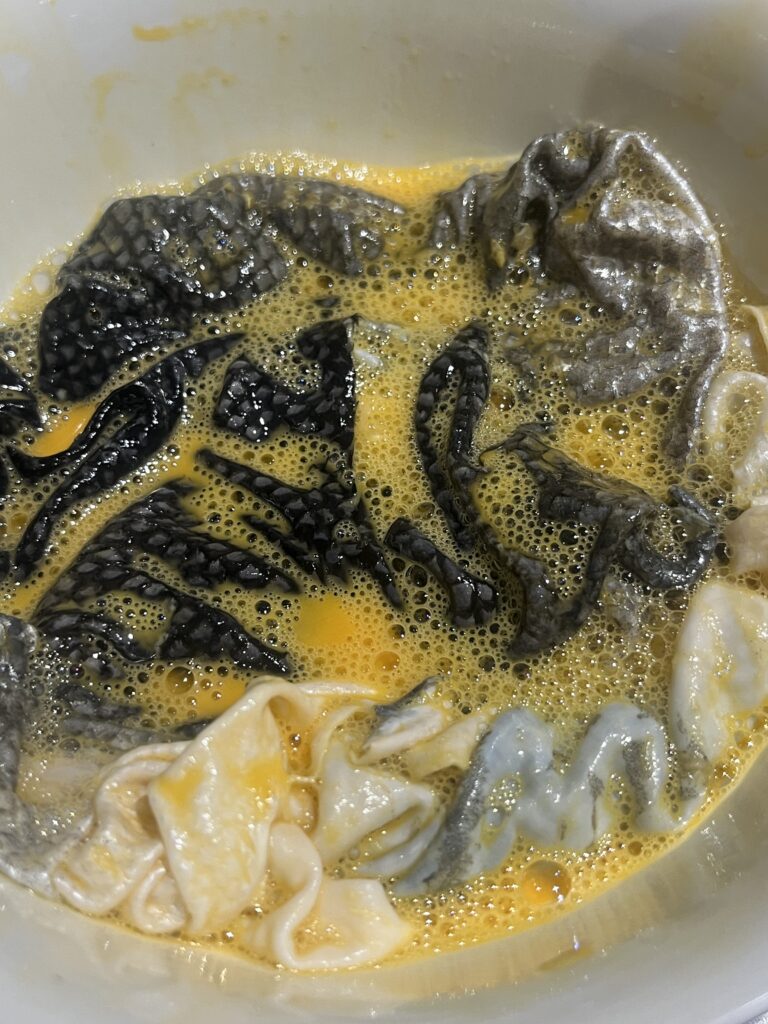
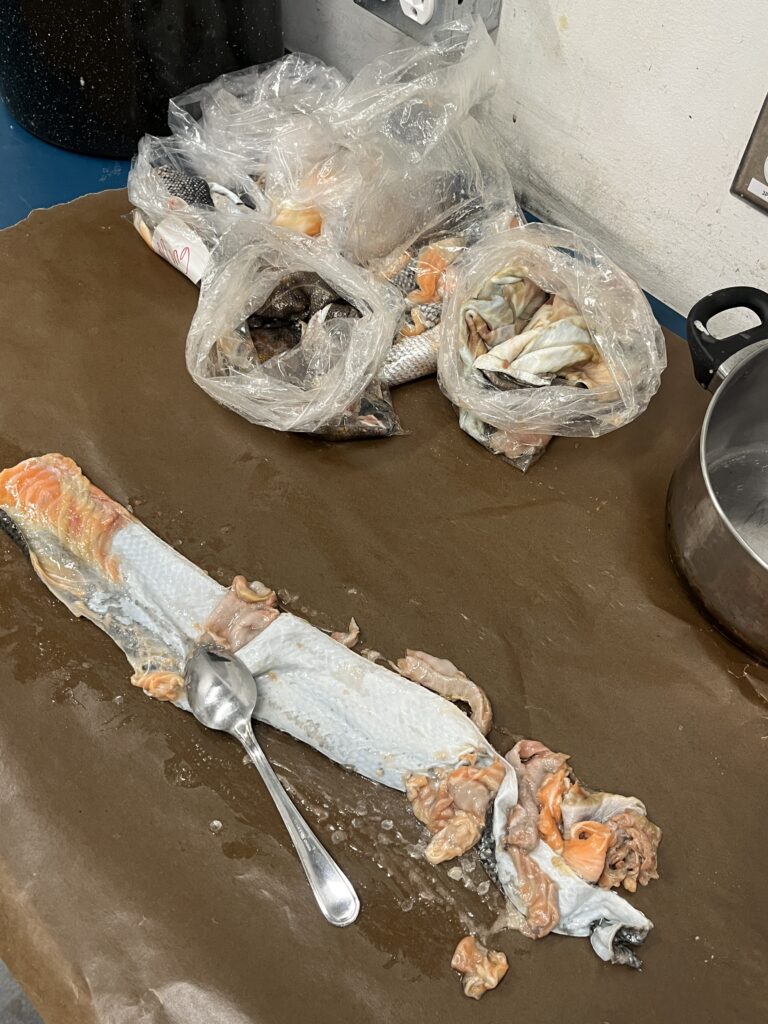
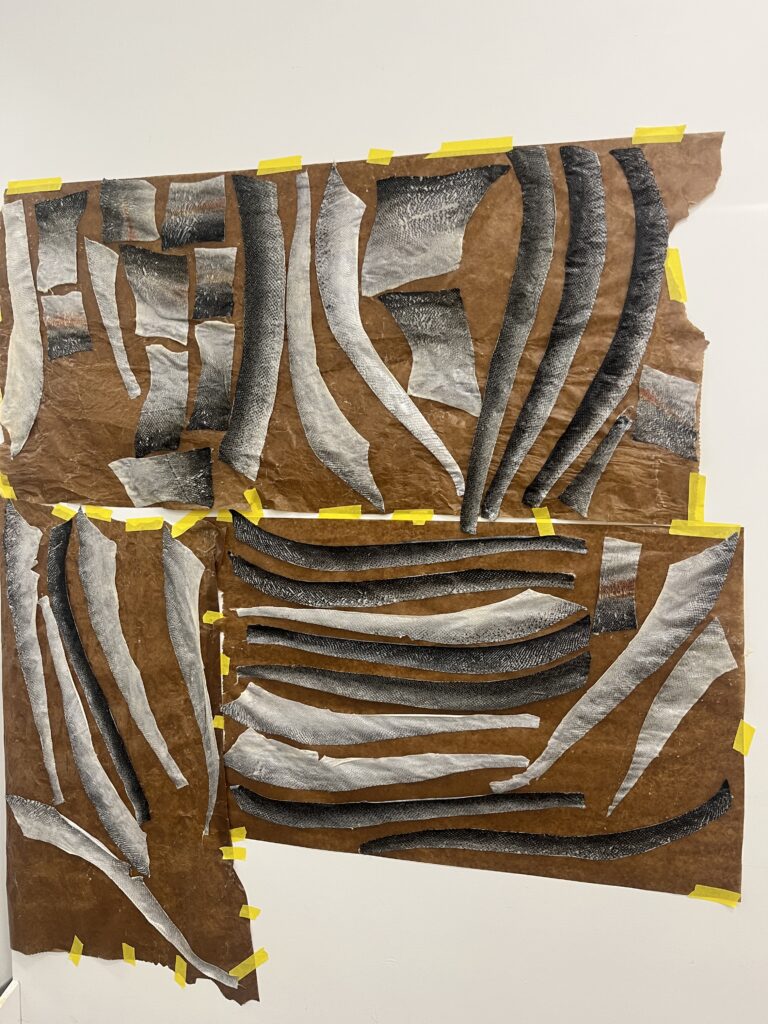
Discarded fish skins were collected at Tsuki Sushi Bar, Dami Sushi, and Seafood City at Granville Island, as well as from friends.
Production Process
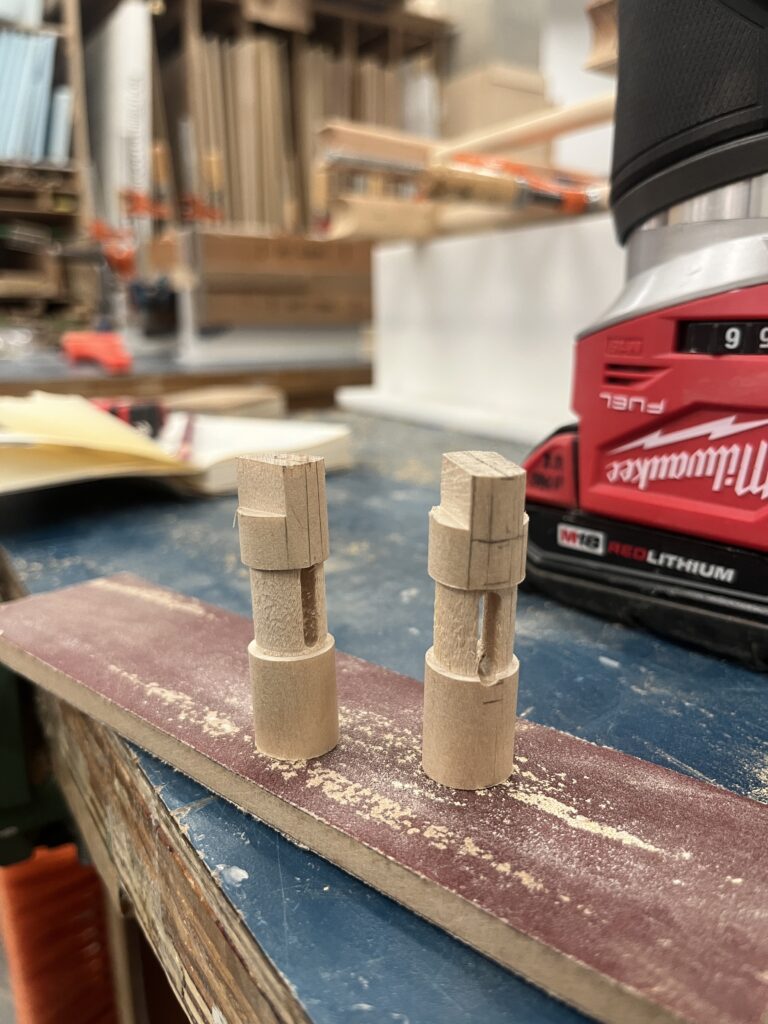
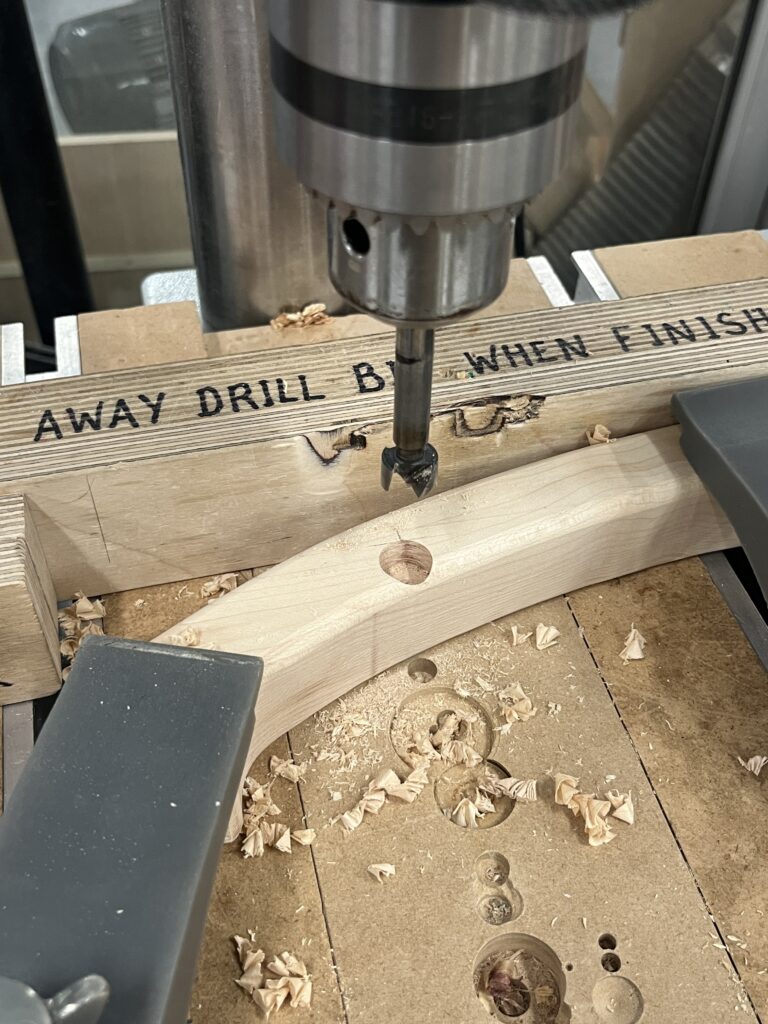
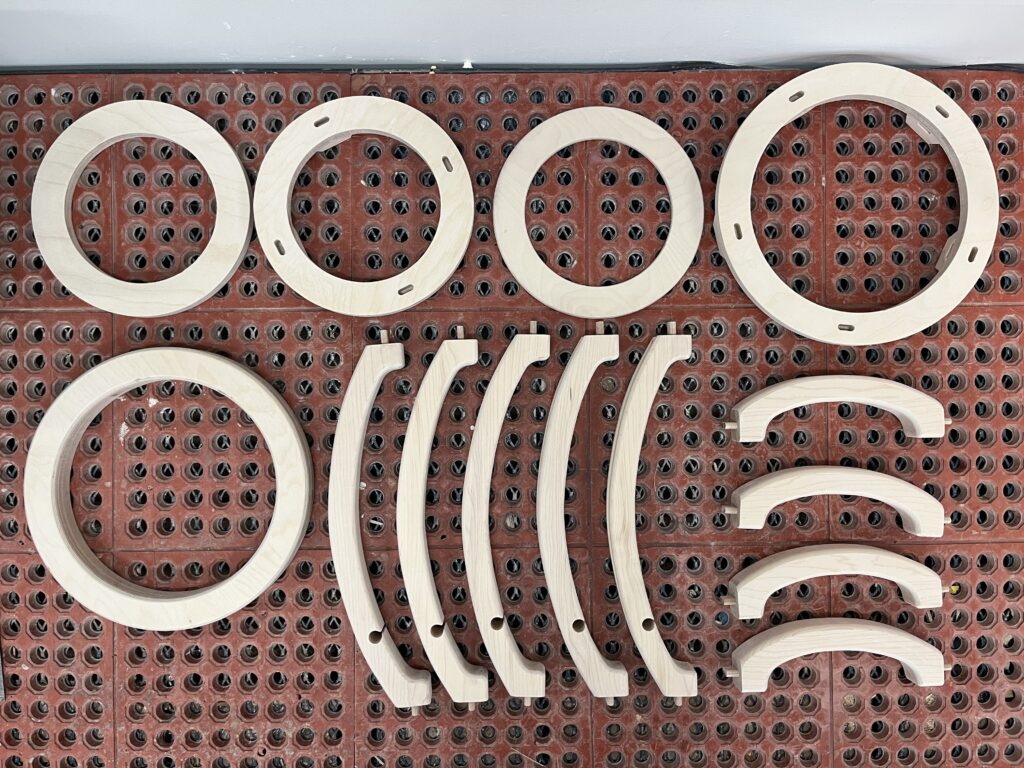
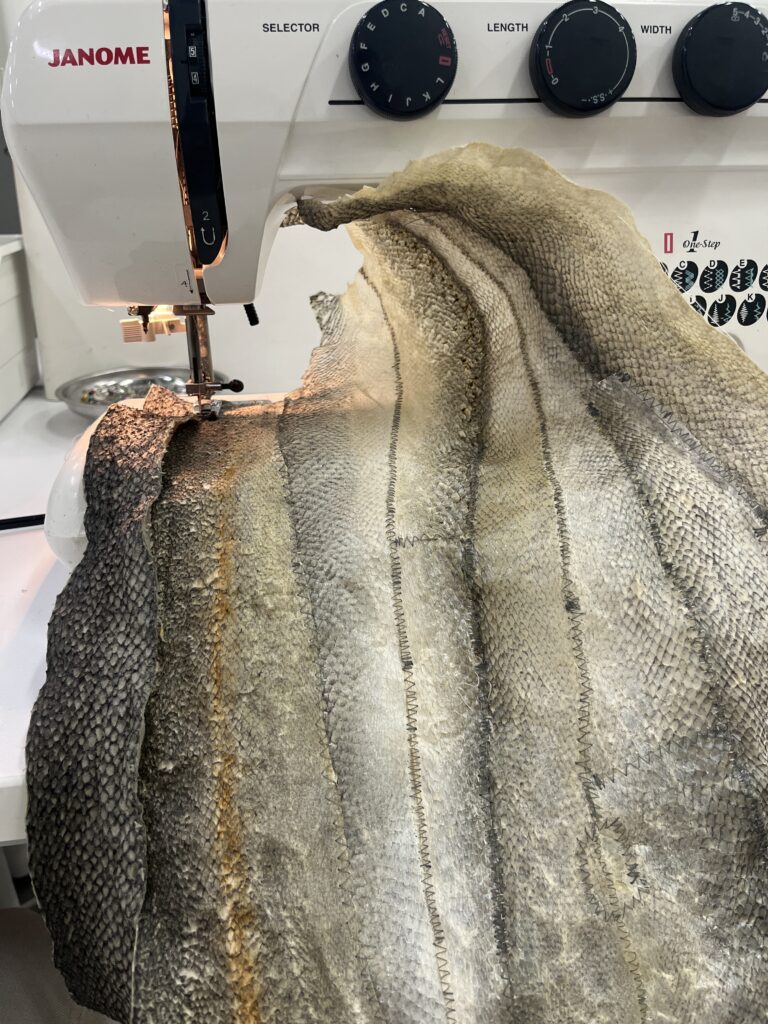
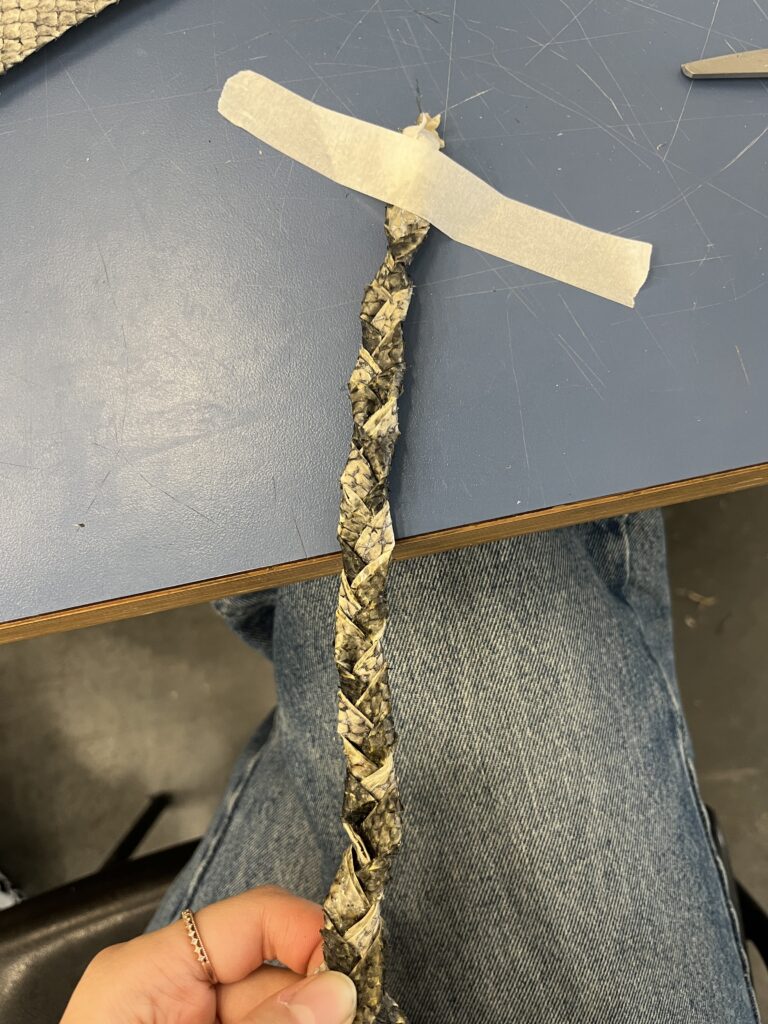
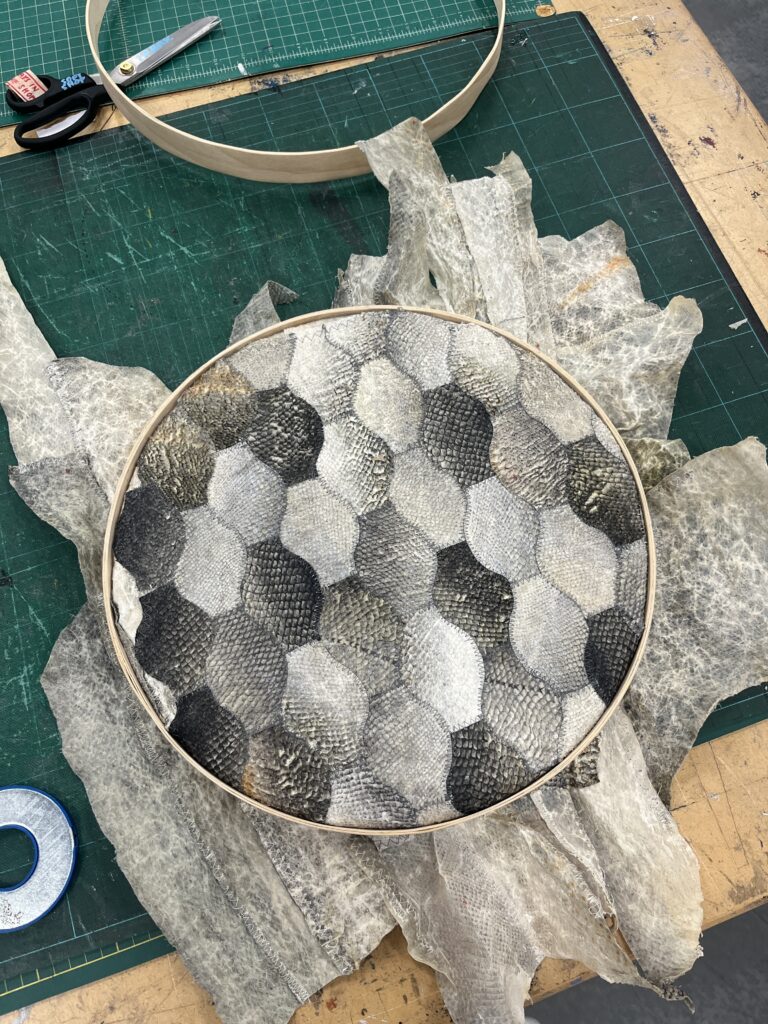
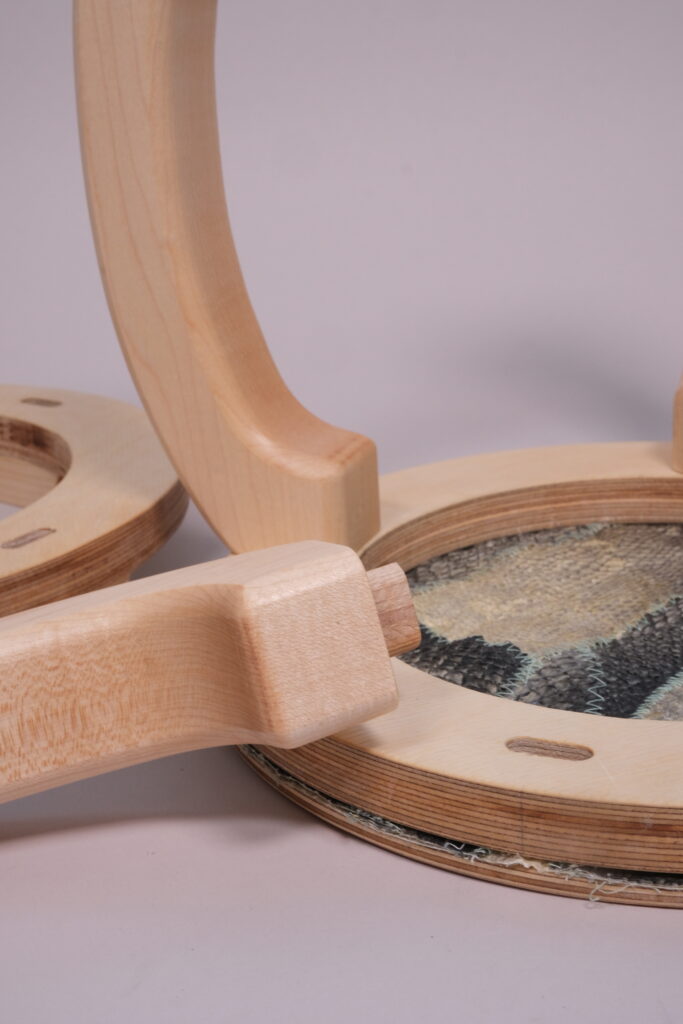
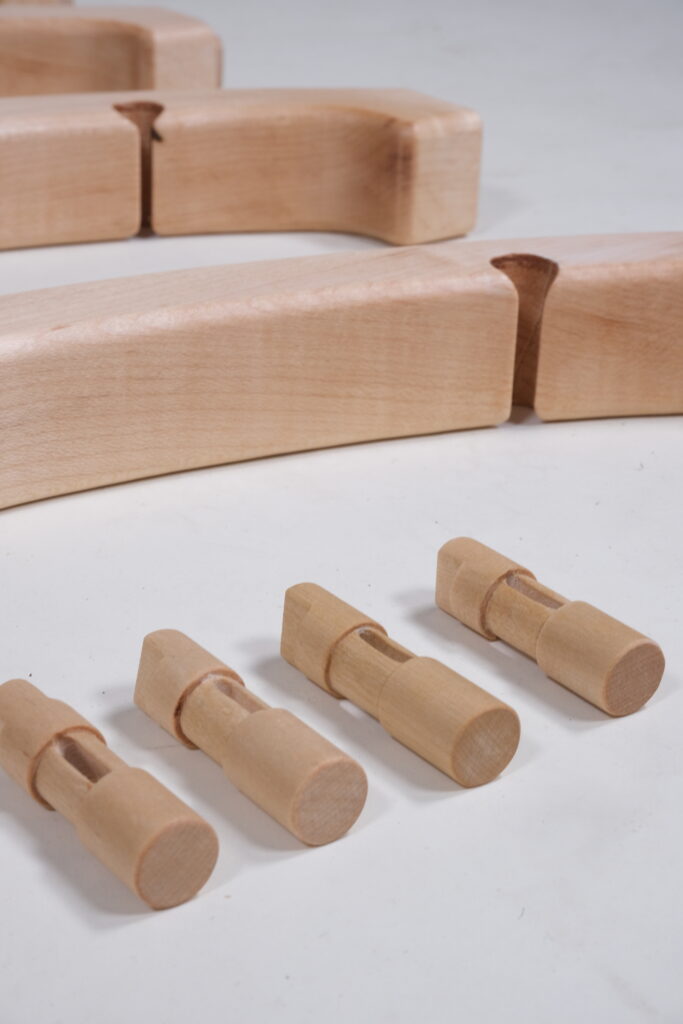
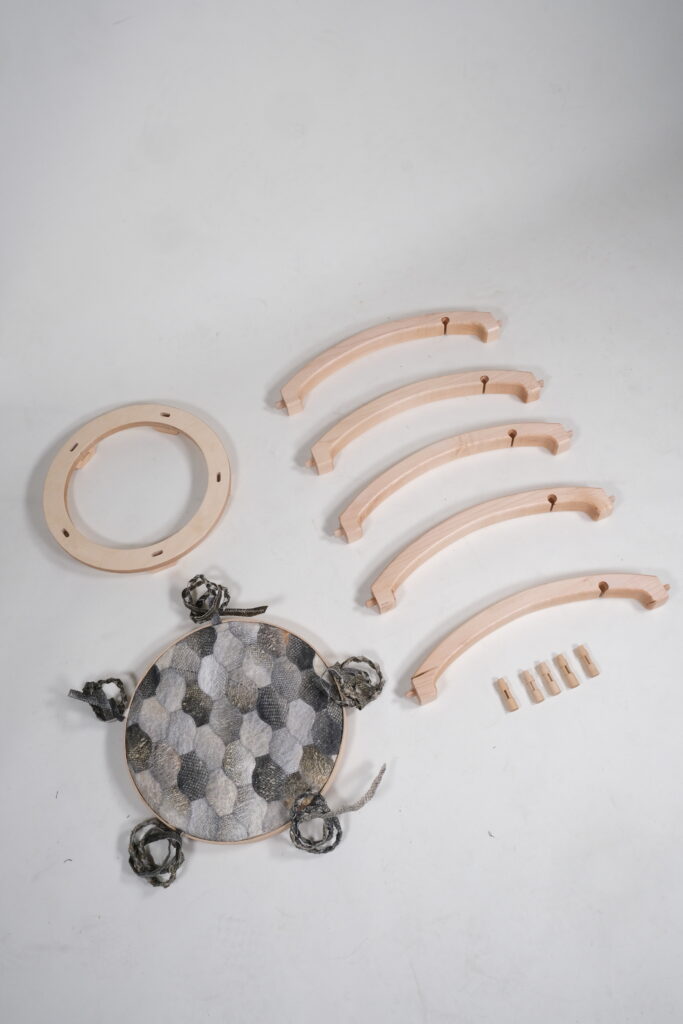
The final drum stool brings together wood and fish leather through a system of joinery and tension. A wooden frame provides structure, while the fish leather is held in place through a tension-based mechanism, allowing the material itself to play an active role in holding the piece together.
Ready-to-Assemble (RTA) System
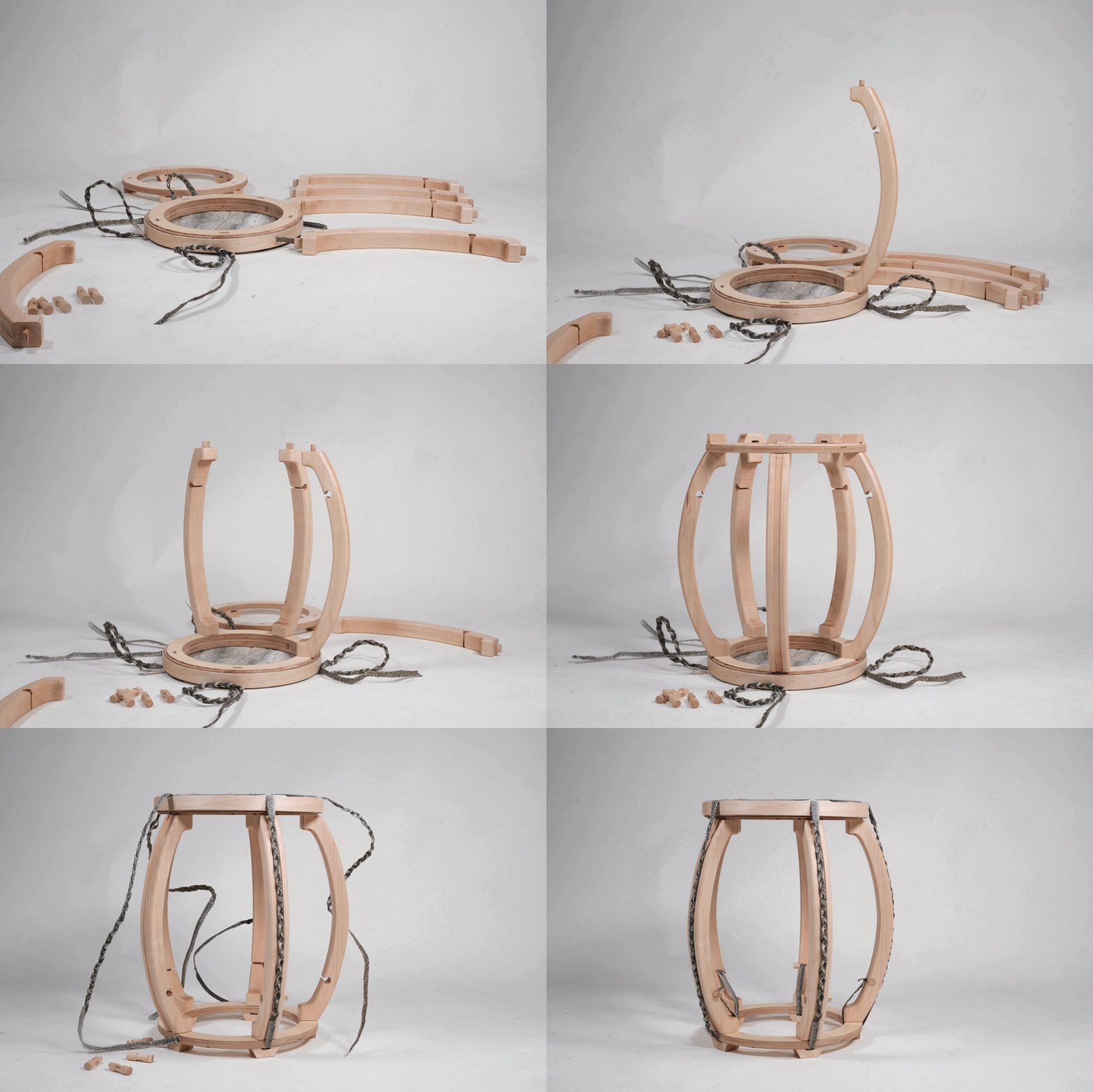
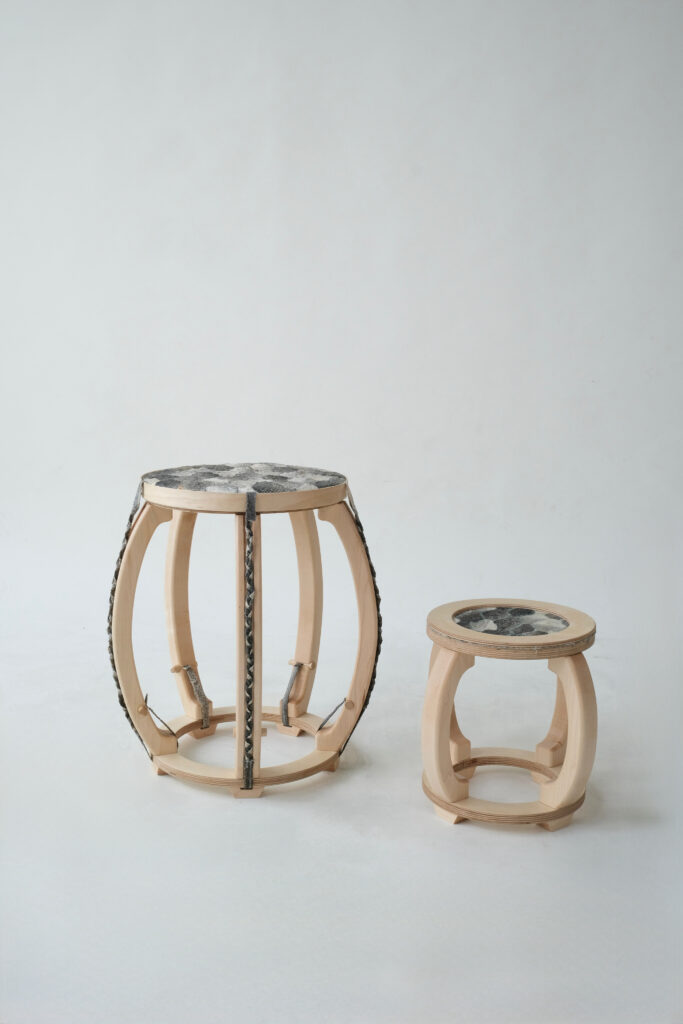
See waste as worth,
feel texture as touch,
transform endings into beginnings.