Making Noise!
Sophie Ryznar
Disrupting conventional materials and spaces through skateable furniture and thread wood.
Contents
Research and Concept Development
Project Preface – Seeing Through Skateboarding

From a very young age I felt drawn to skateboarding. It’s colourful, expressive, but what has drawn me in the most is how it’s countercultural in its rebellion of joy. Skaters make time for creativity and fun, and to me, in a world that prioritizes productivity and efficiency, there is nothing more rebellious than that.
Another aspect of skateboarding that captivated my younger self was that there is no such thing as a boy skateboard or a girl skateboard. Skateboarding has this beautiful way of rejecting even the binaries of our world. A friend once described this as “seeing through skateboarding”. When we see the world as a playground, with no limits, no barriers, and no silos. – It’s from these ideas that my project came to be.
What is “womens craft” anyways?
Making Noise! was inspired by the freedom and disruption that skateboarding embodies, but, as a designer myself, it made sense to explore this through making. In the same way that skating as a young girl felt like a protest, living creatively and making with your hands felt like a protest too.
As a designer working in textiles and wood, I found an interesting connection between one of my favourite mediums and skateboarding. Both woodworking and skateboarding have a history of being associated with masculinity. Being surrounded by so many talented craftswomen at Emily Carr, something stirred me here, and began to fuel my research. I investigated what was once considered “women’s craft” as rebellion.
The Research
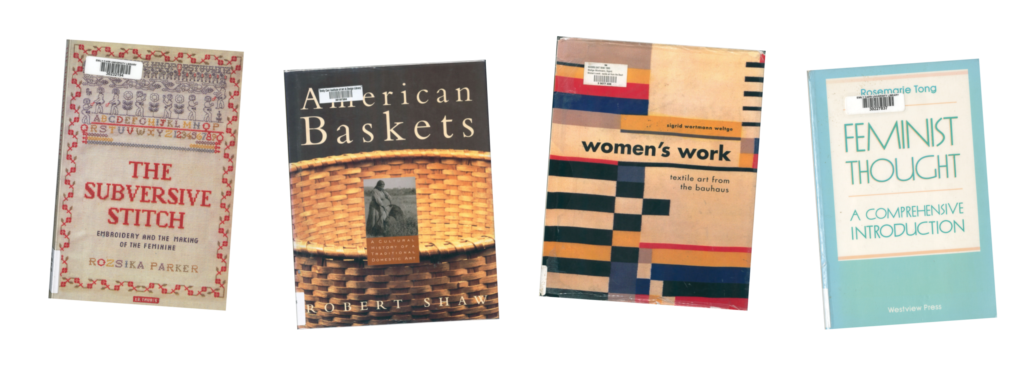
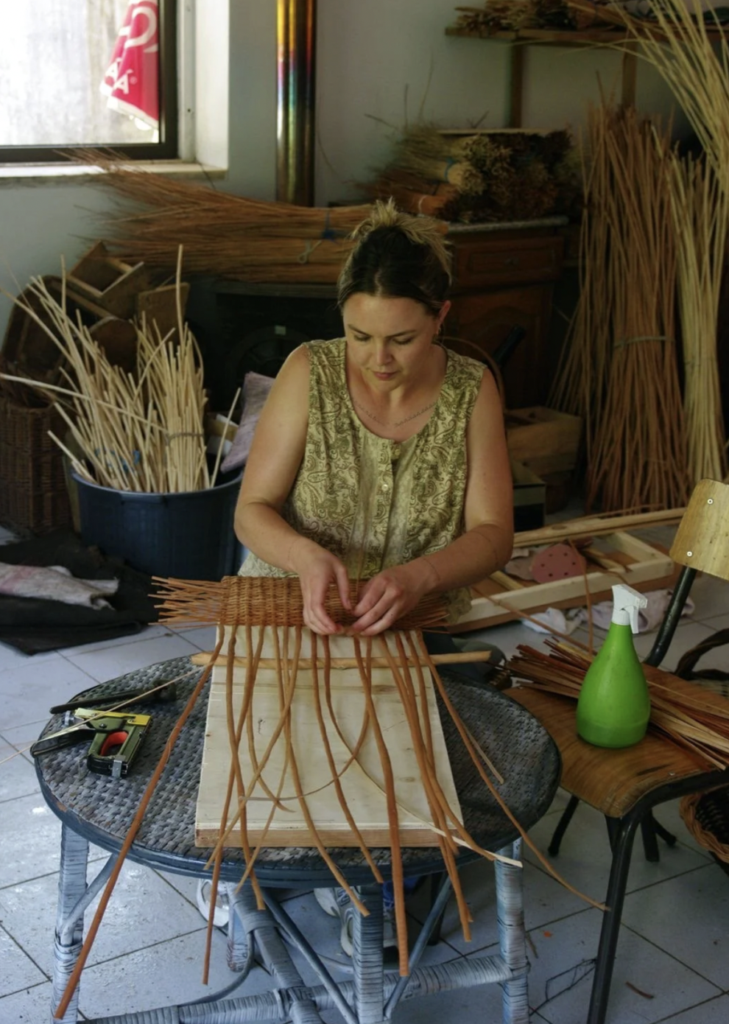
I dove into textile art, basket weaving, feminist theory, embroidery, and even hosted a mending workshop to explore “womens craft”, but something still didn’t sit right.
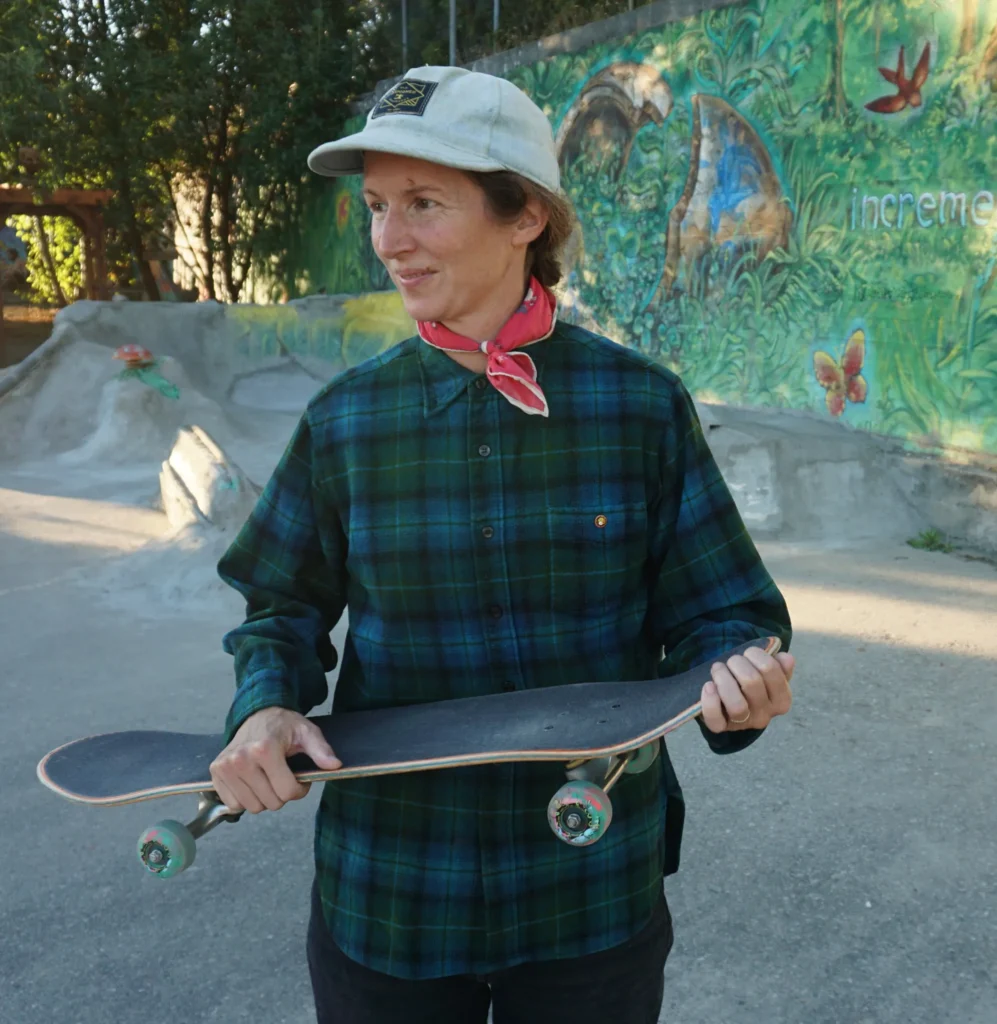
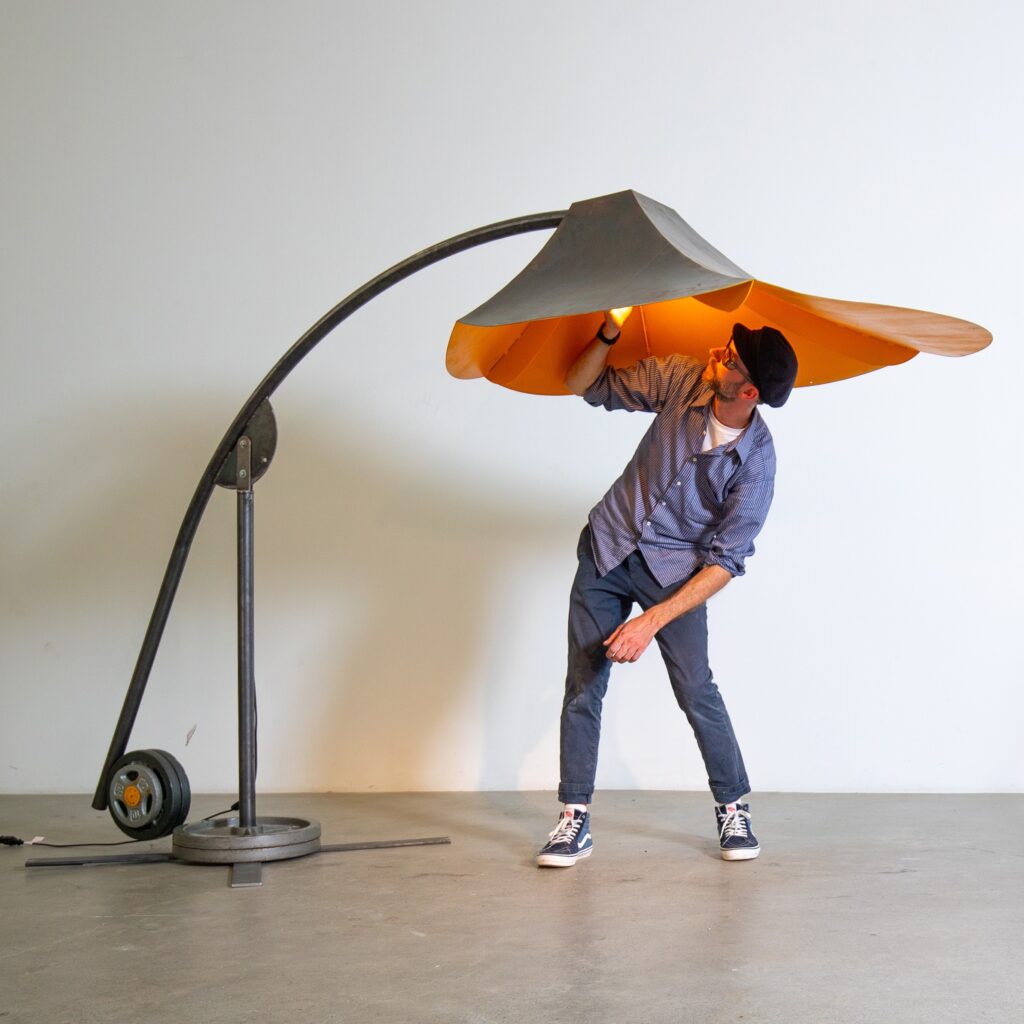
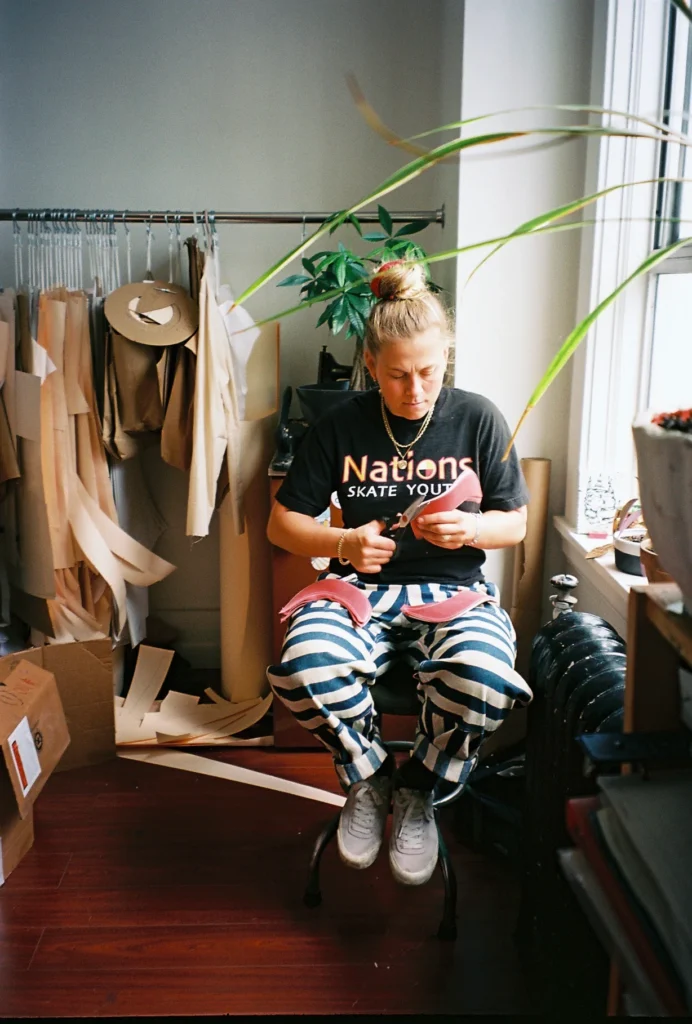
So, I thought the best way to move forward would be to talk with some badass makers in my community, and of course, women who have positively impacted the skate/snowboard scene.
A huge thank you to all of the makers and skaters in the community who contributed to this project through participating in these interviews. You have all truly shaped and inspired this project.


I researched some other women-led protests too. Including but not limited to Pussy Riot, Guerrilla Girls, the Riot Girl movement, and of course, grrrl zines.

Ramp Therapy
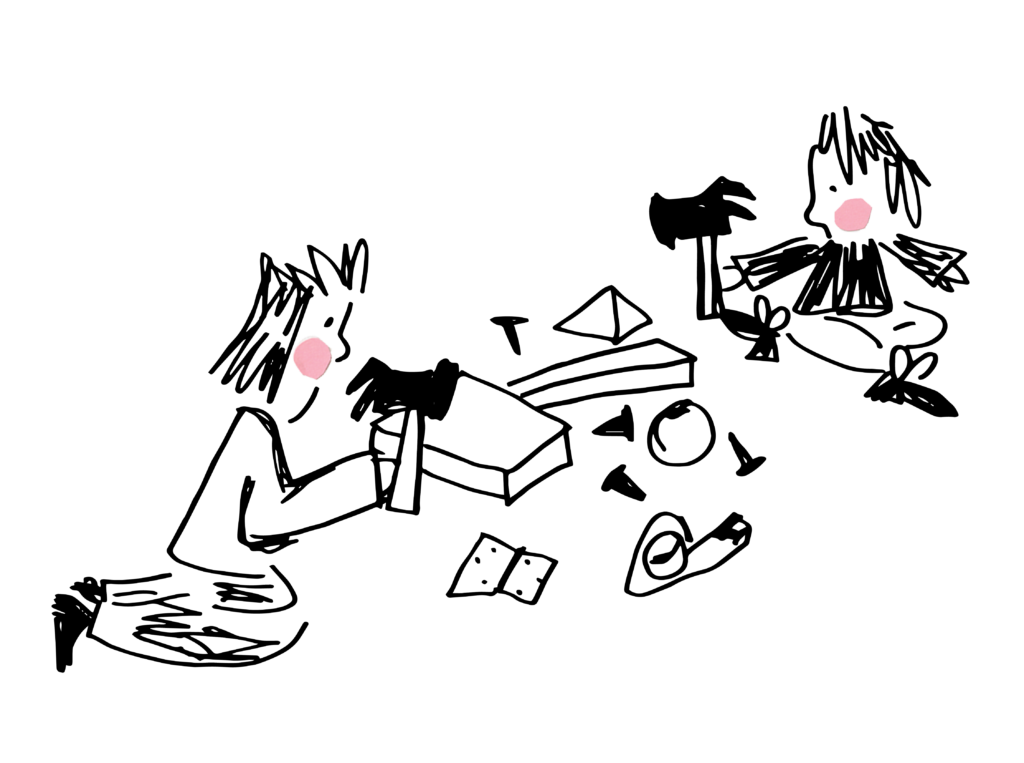
Feeling inspired, and a little enraged, my next move was to do what any skater with access to a woodshop would do – I built a ramp, and I put it in our studio.
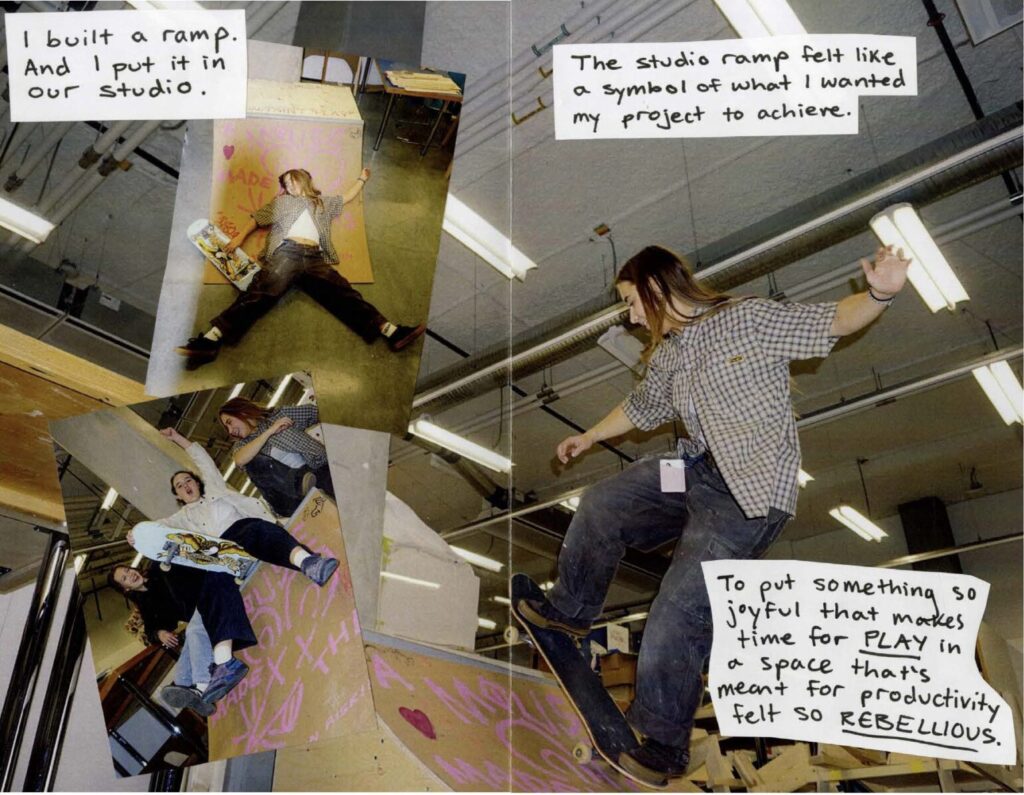
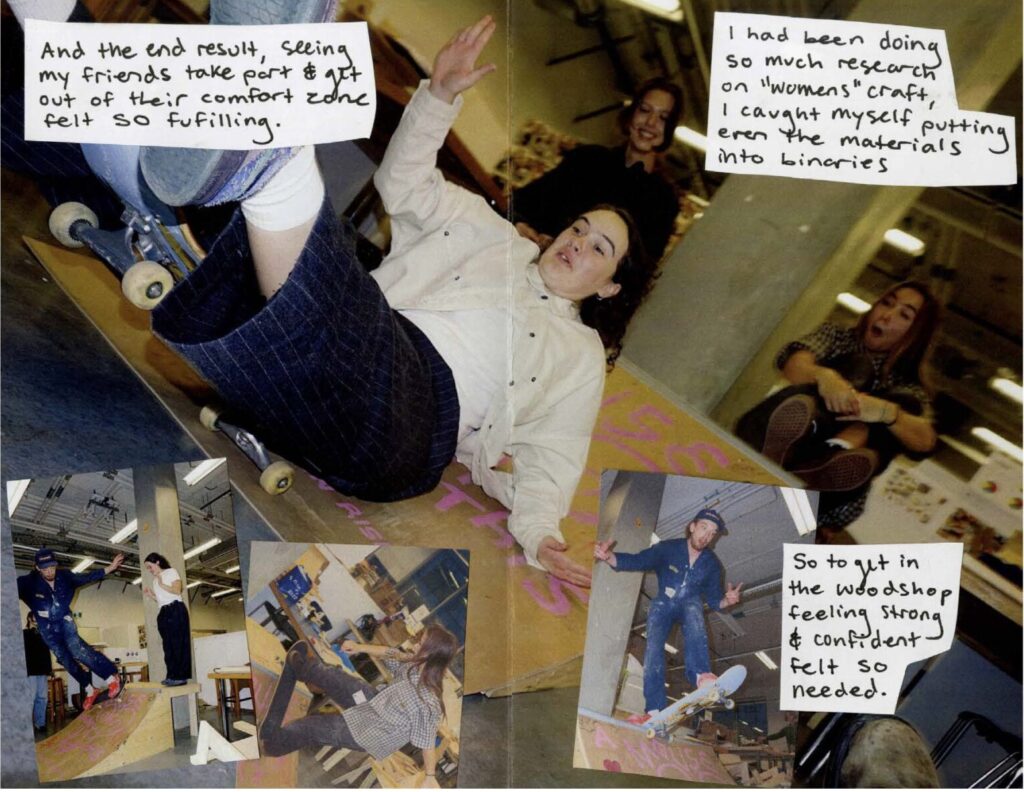
What felt like just a cathartic exercise after all that I had researched about craft and gender roles, actually ended up making a huge impact on my project. Through the ramp, I witnessed joy and colour, disrupting a place that is usually meant to be serious. Over time, without my knowing, this observation became the mission of my project. Although I did not realize this until much later.
Material Exploration
Material as Metaphor
Getting into material, I still found myself only drawn to two mediums – textiles and wood. They had become an extension or metaphor for what I had researched. Two materials that have a history of being siloed for the use of a specific gender – a perfect canvas for disruption.
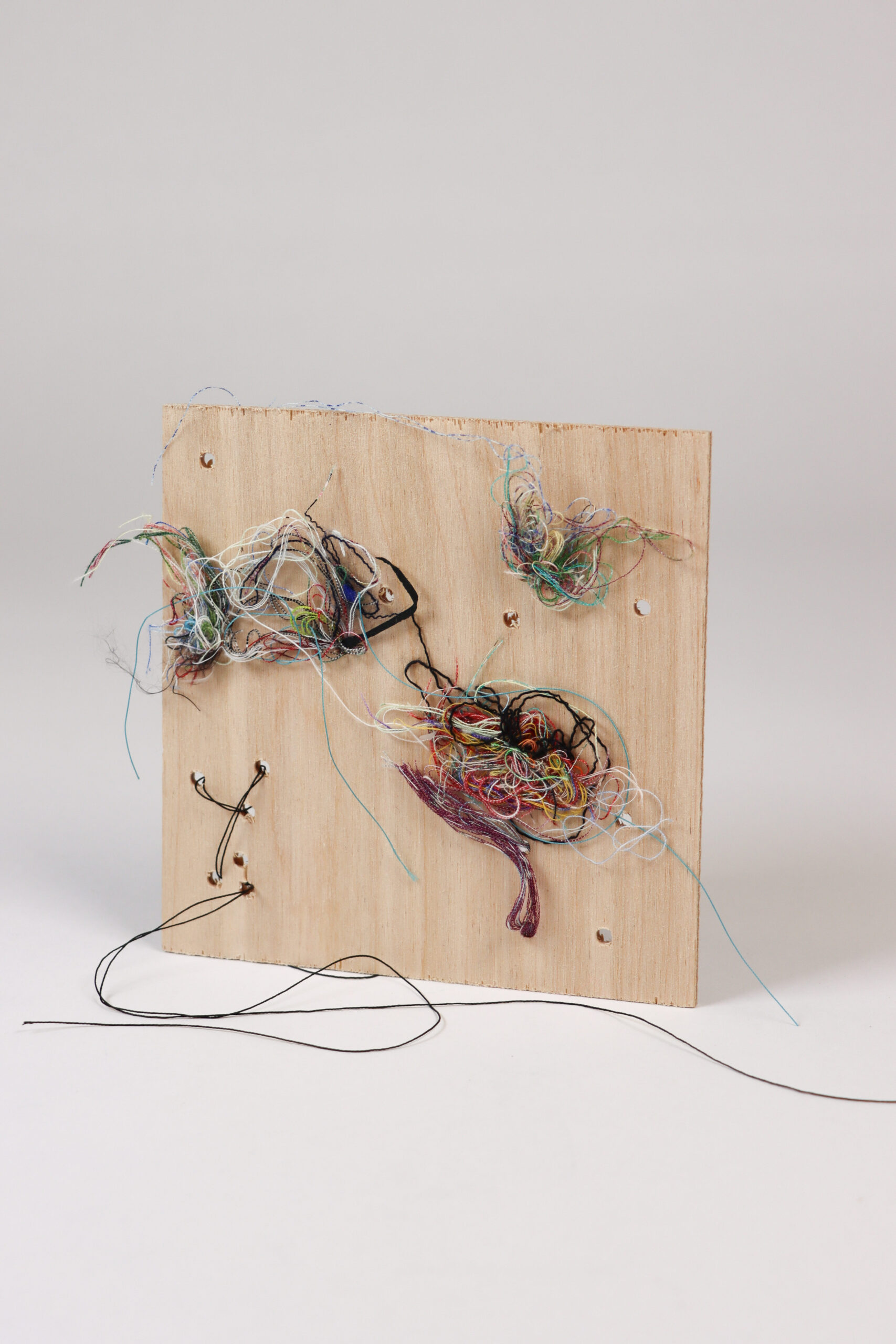
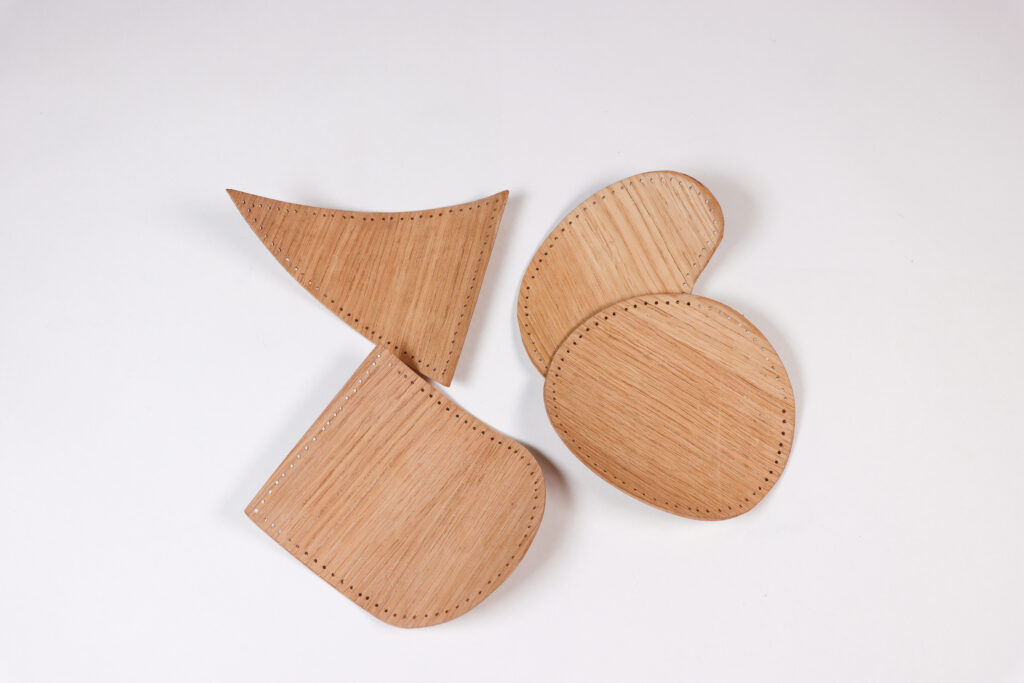
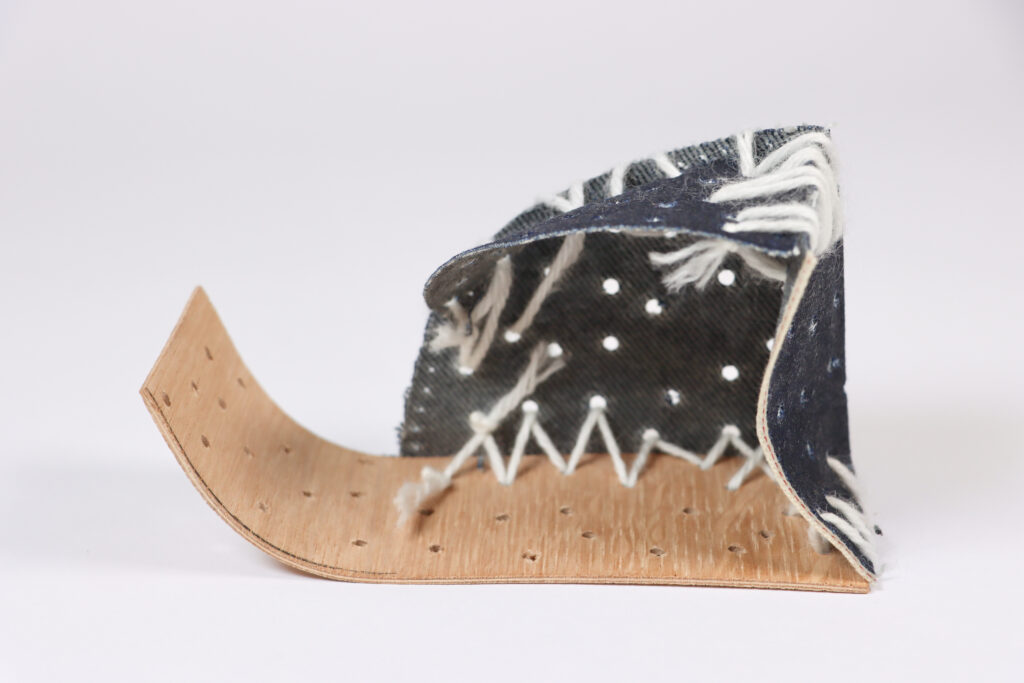
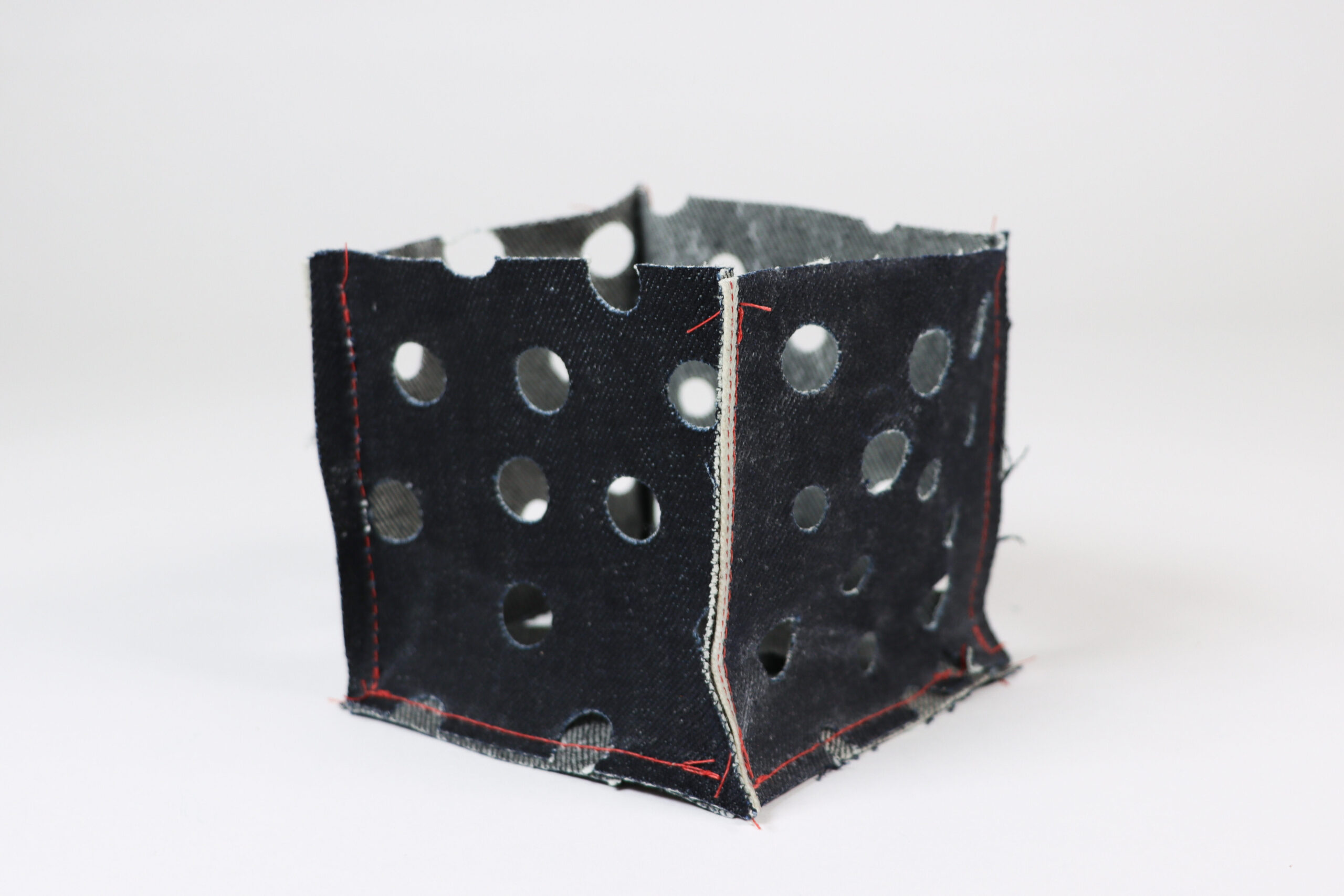
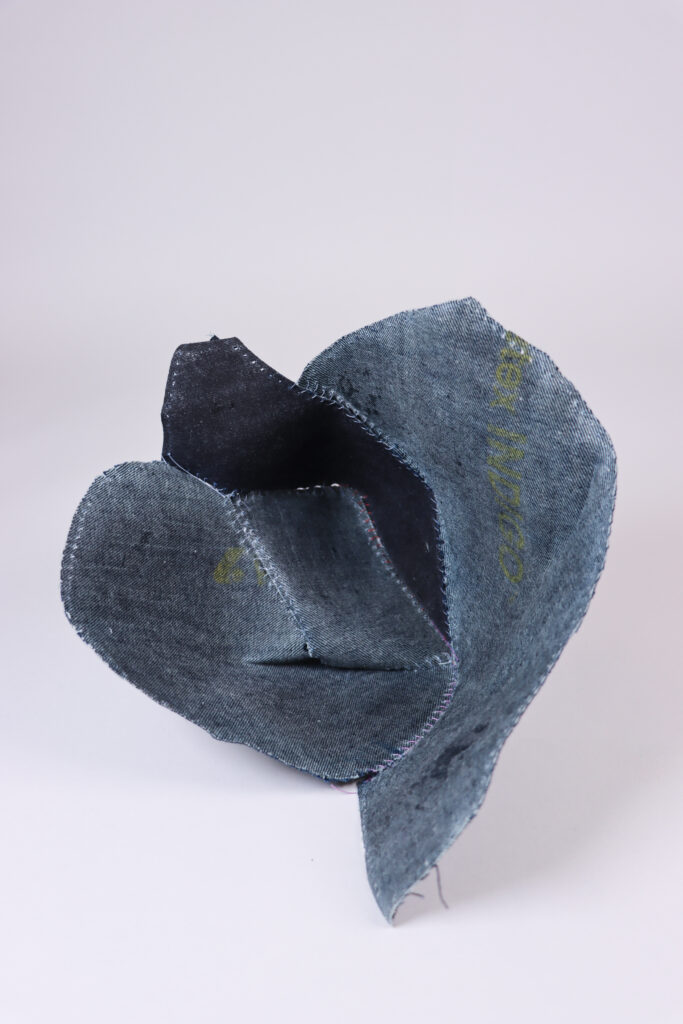
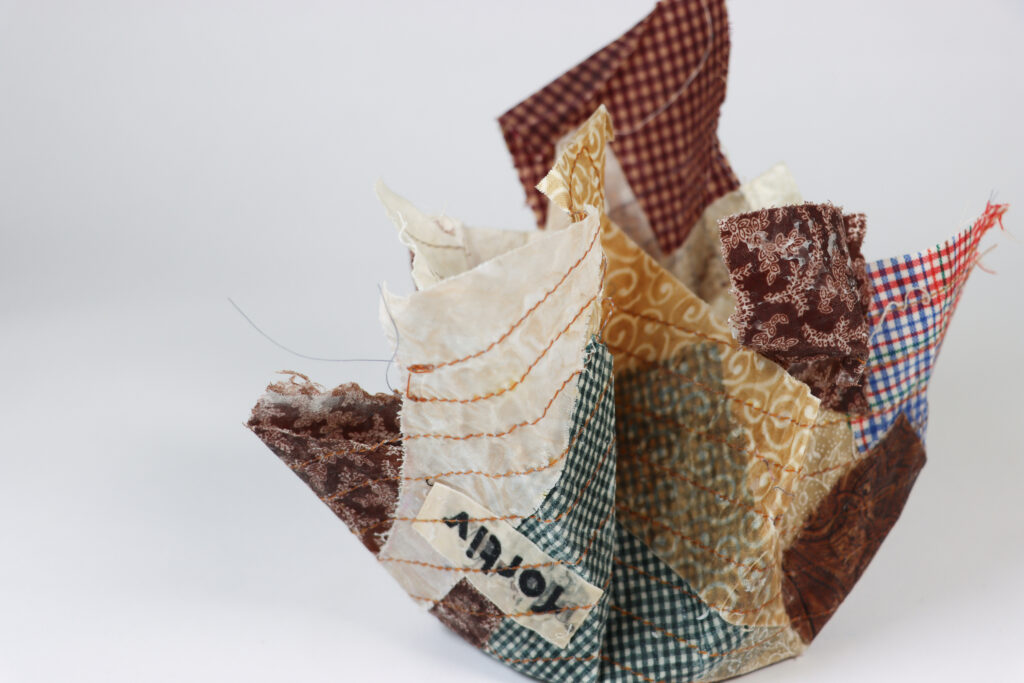
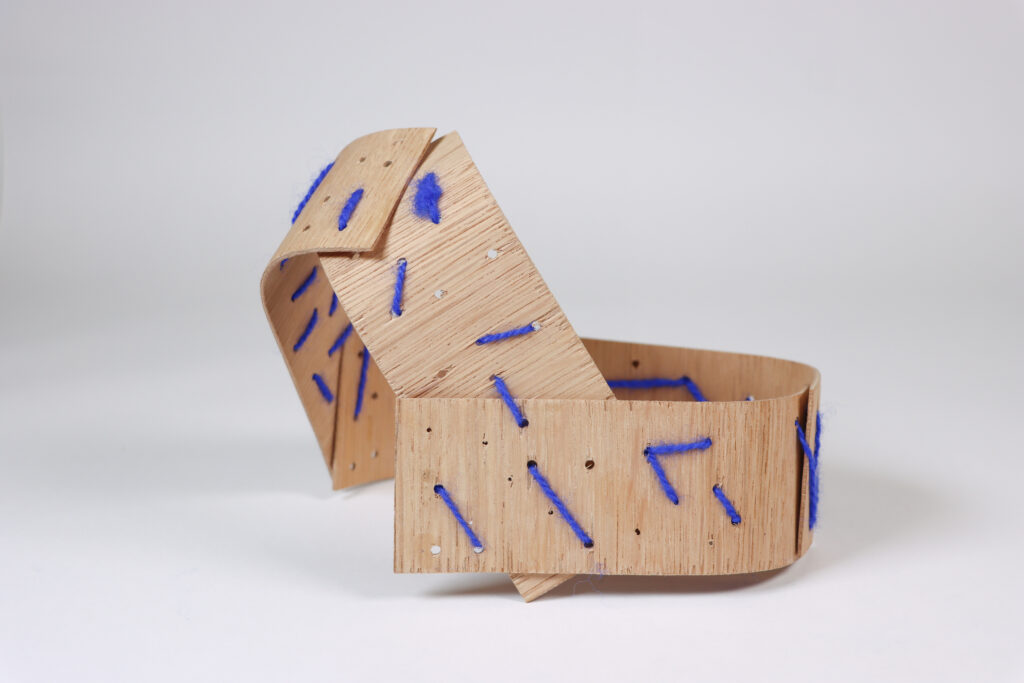
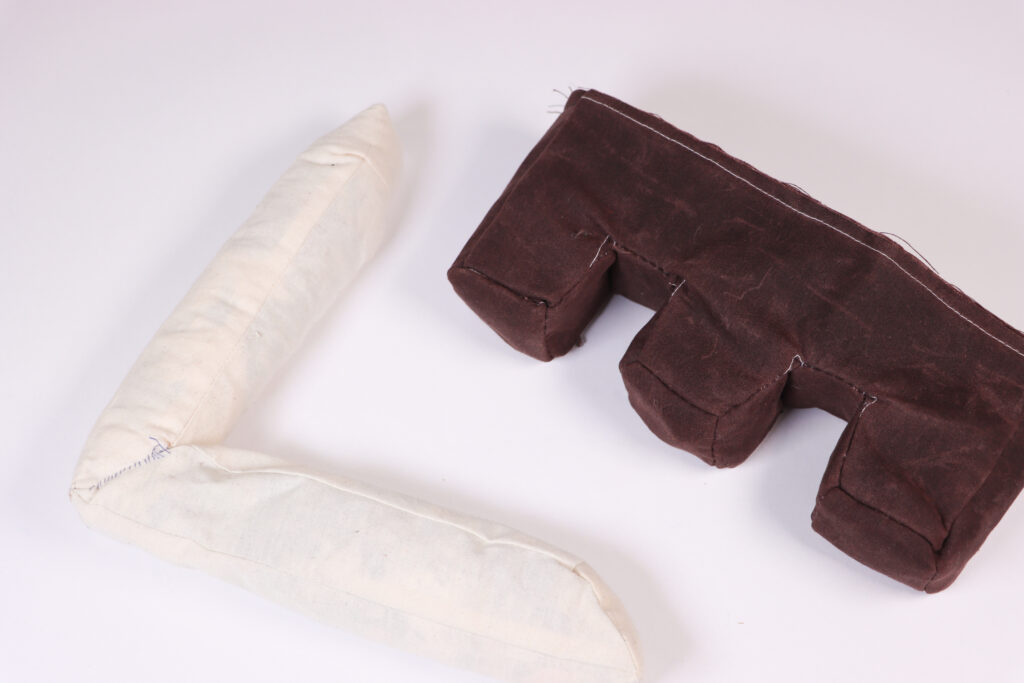
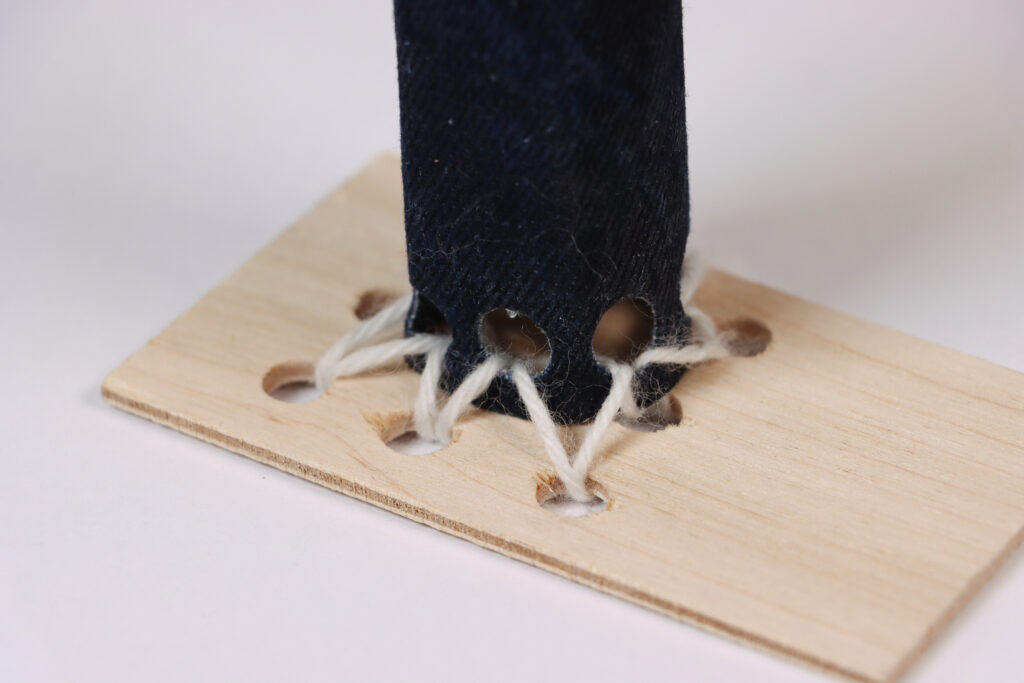
I combined them and joined them and melded their processes in every which way I could, making note not to impose binaries from our world onto the material. This means not just relating them in one way, for example, only manipulating textiles to be like wood.
I found myself working in an interesting place of juxtopositions. Hard vs soft, structured vs malleable, to sew vs to nail, to cut vs to fold. Until finally, I remembered that both textiles and wood are fibres. What would happen if I combined them at a deeper level? This is what lead me to create the material that my project is all about – thread wood.
WTF is Thread Wood?!
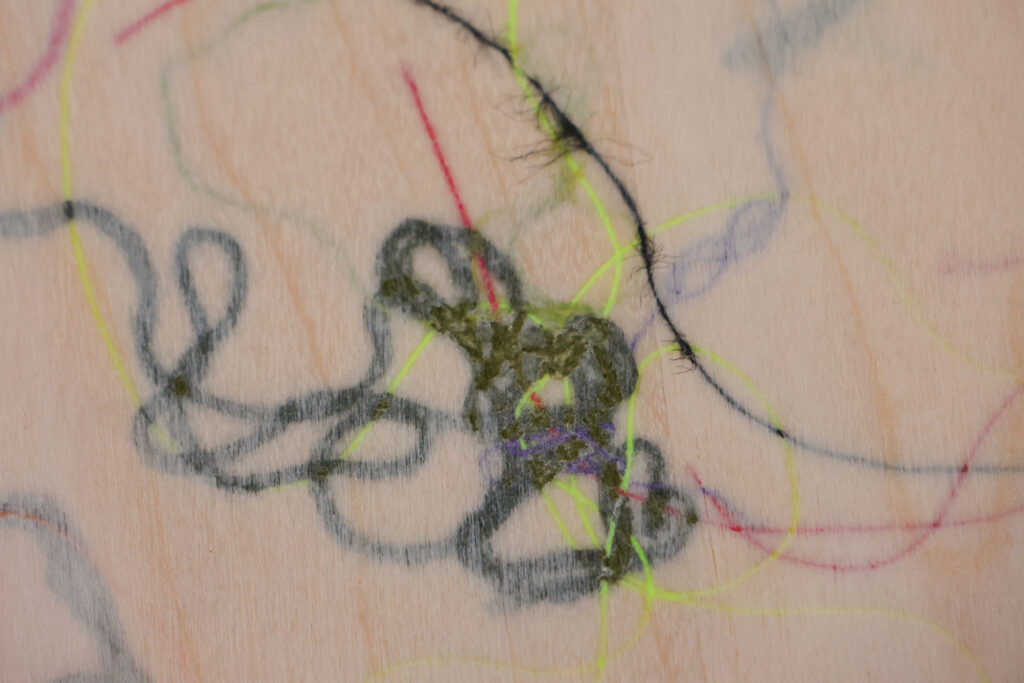
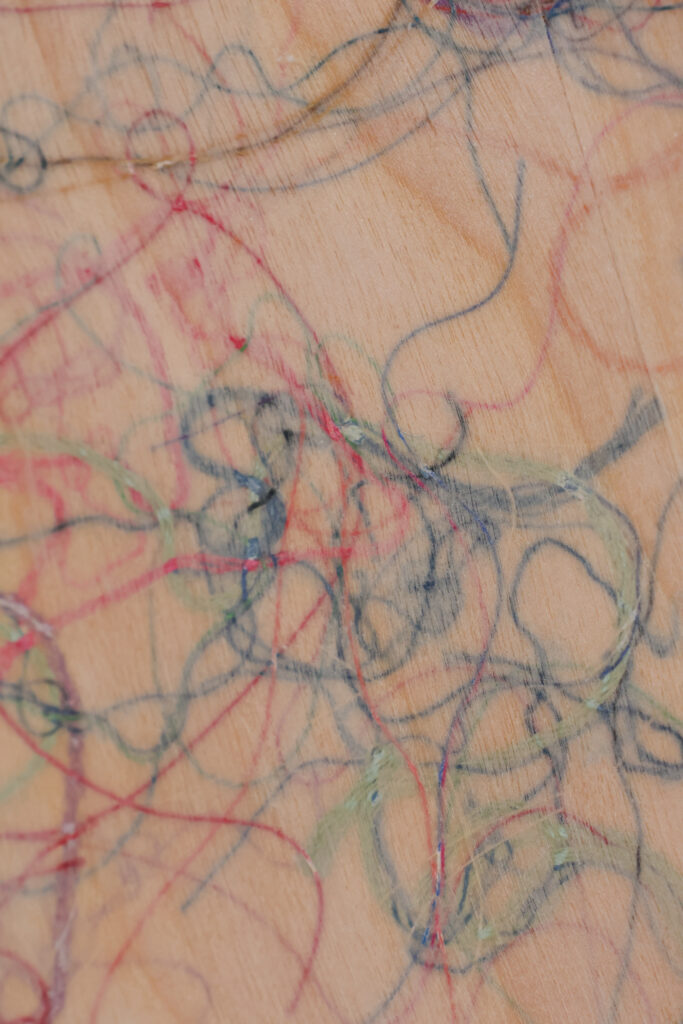

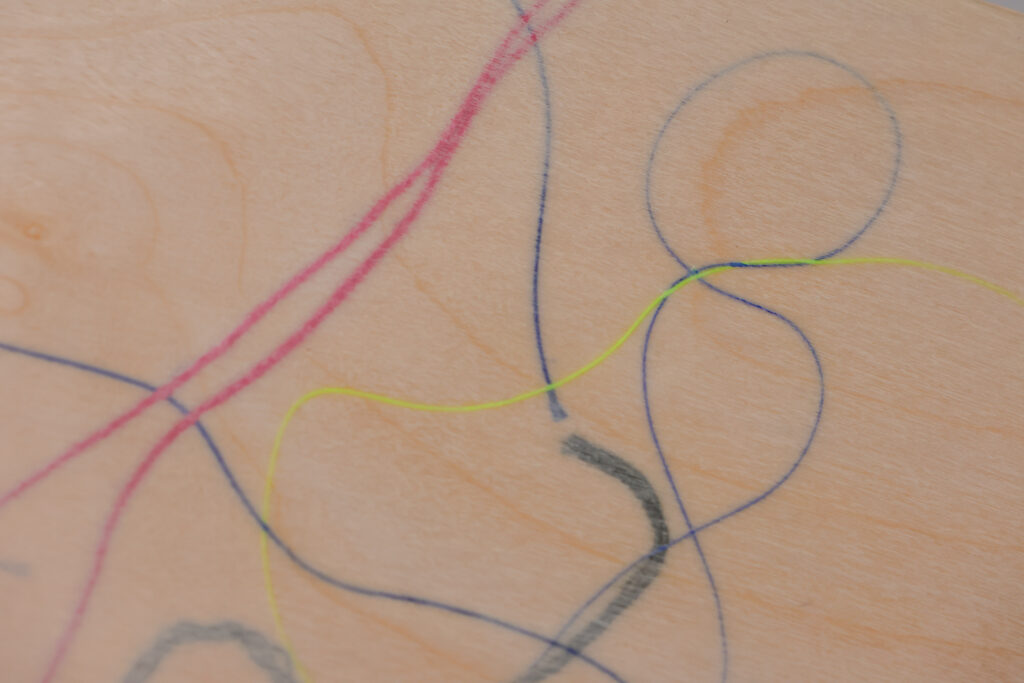
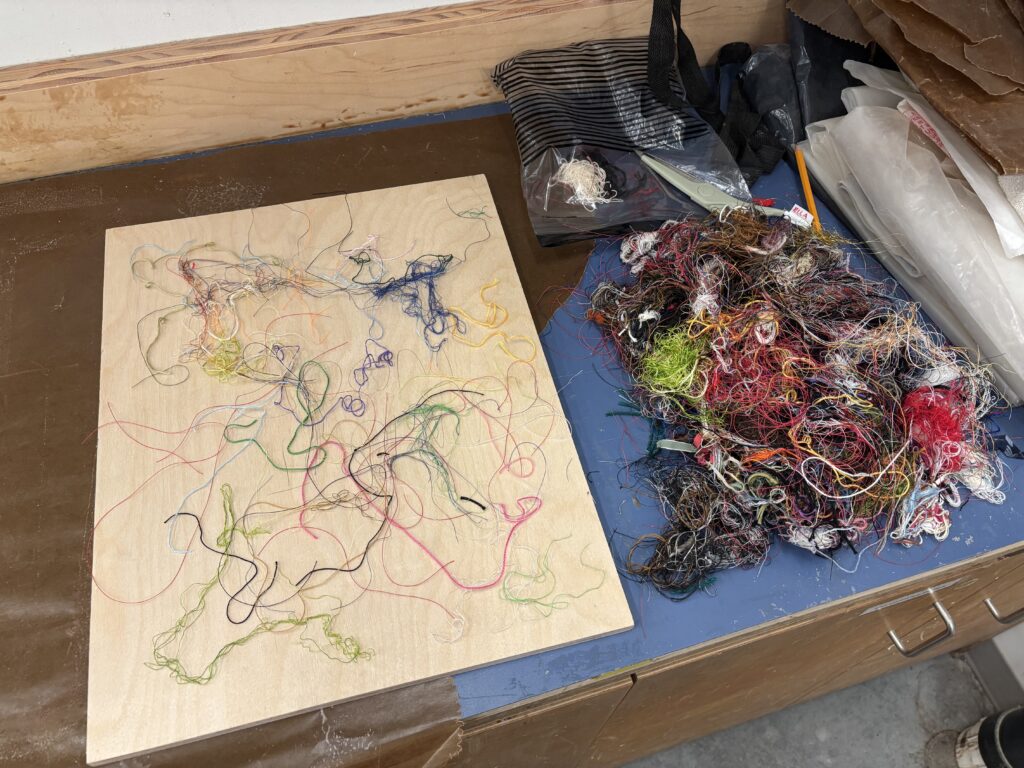
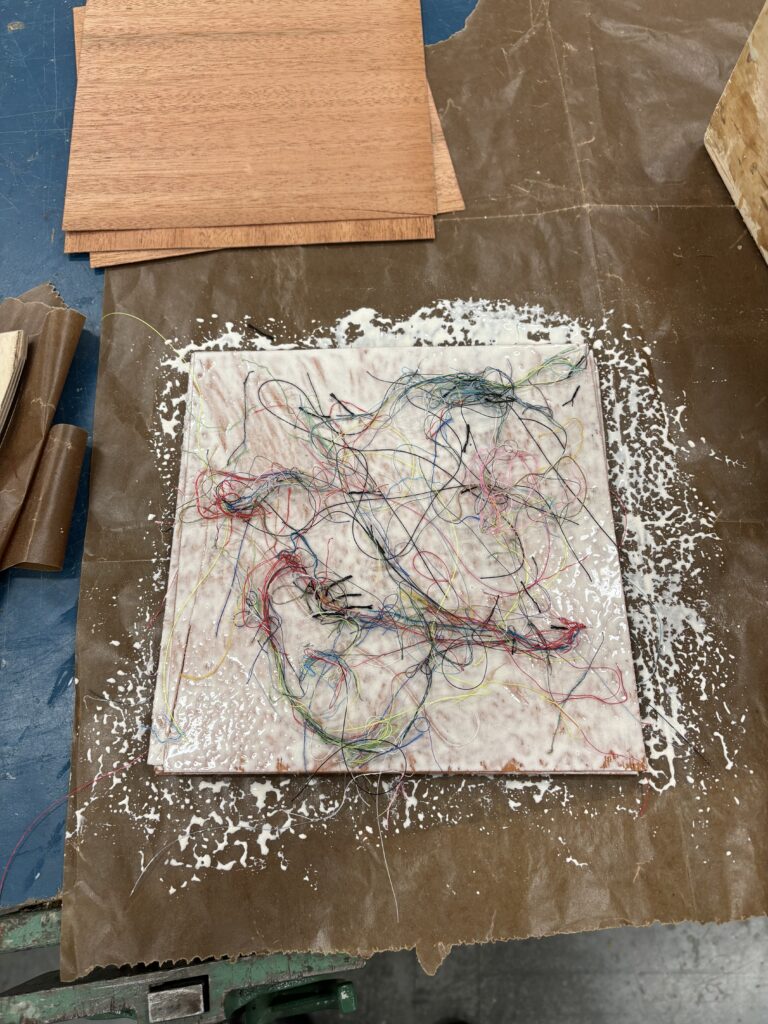
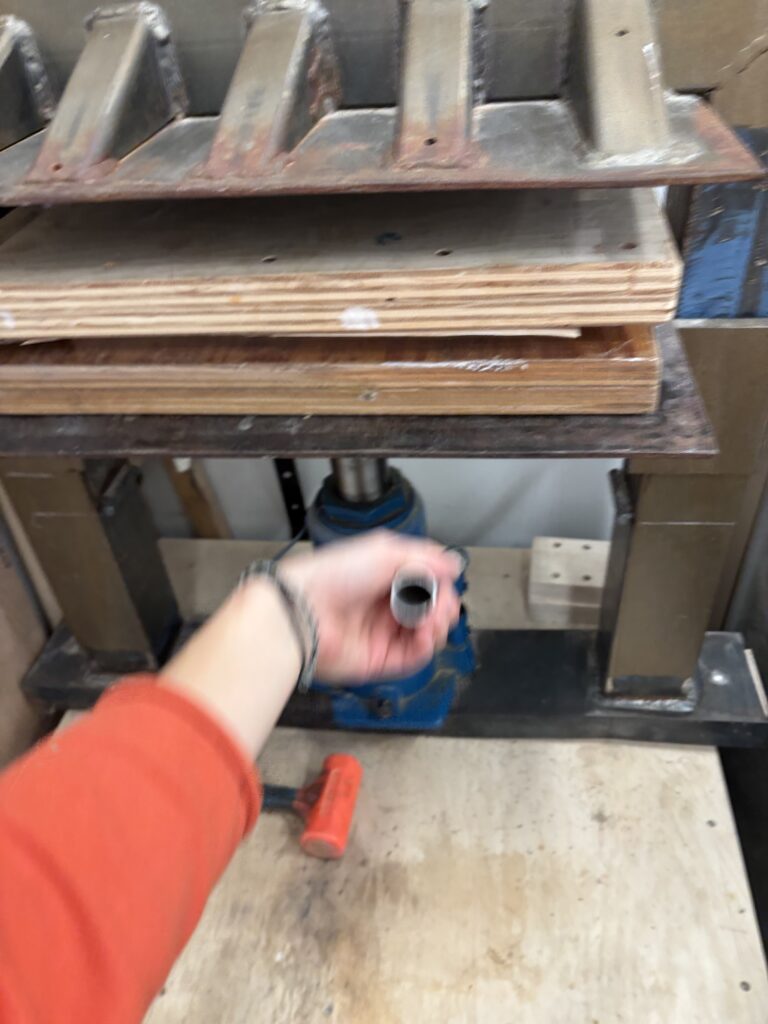
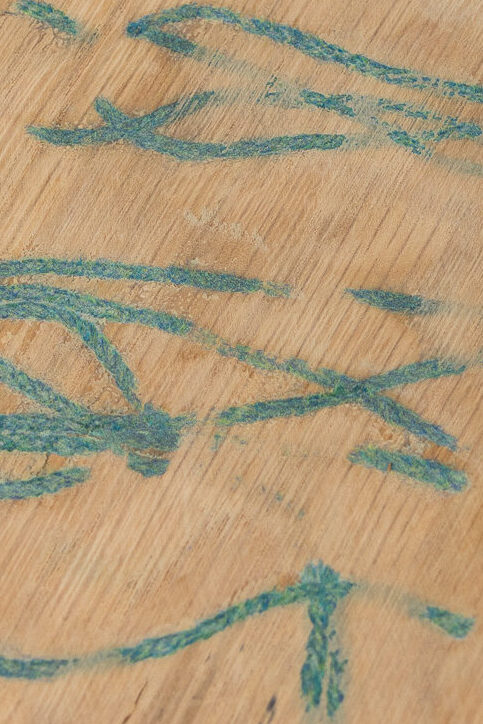
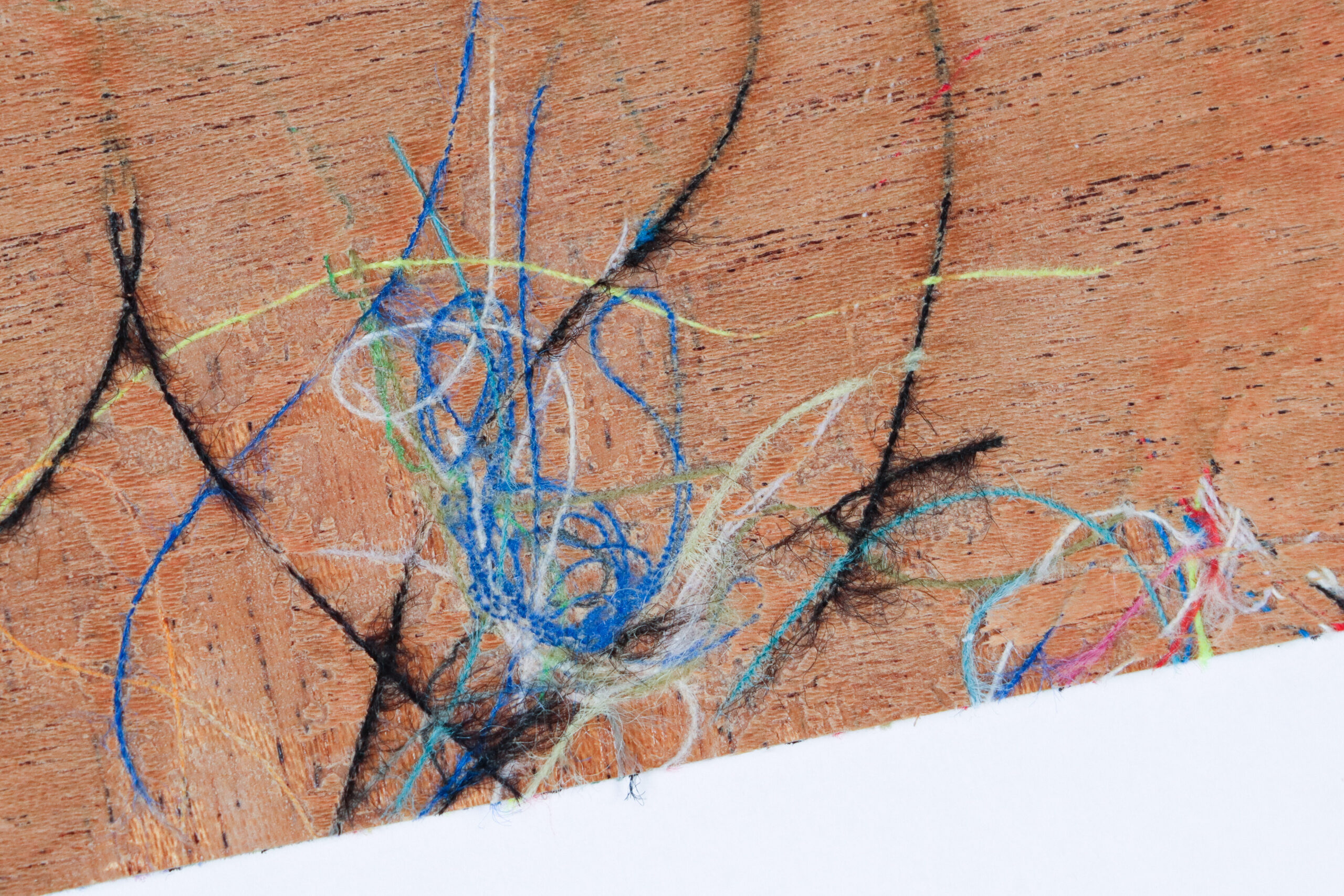
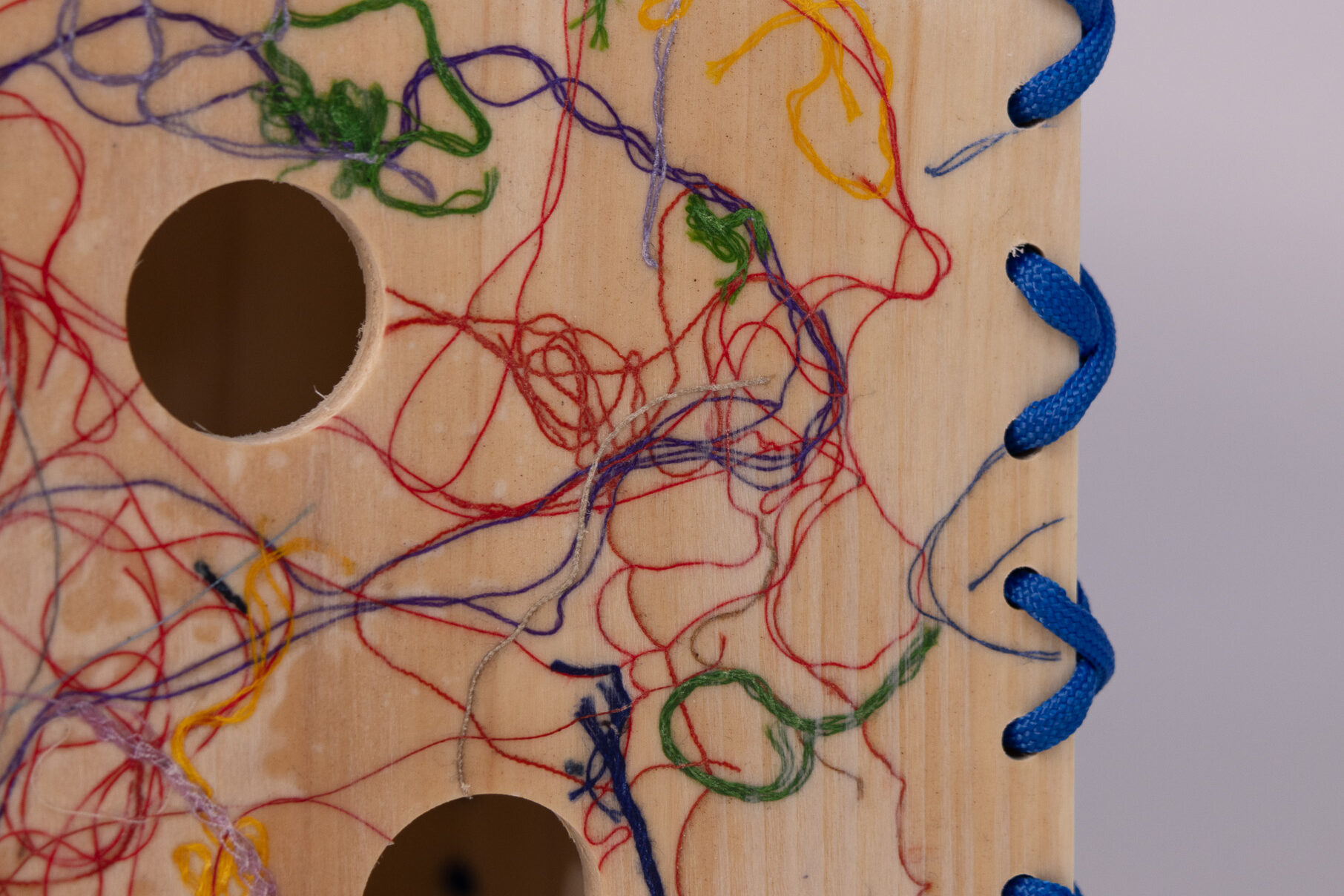
I created threadwood by essentially doing a wood lamination, but throwing thread in between the layers. The freshly glued “thread wood” is sandwiched together, and thrown into the hydraulic press. After using three different machines to sand down the top layer of veneer, thread is gradually revealed.
The glue-up process:
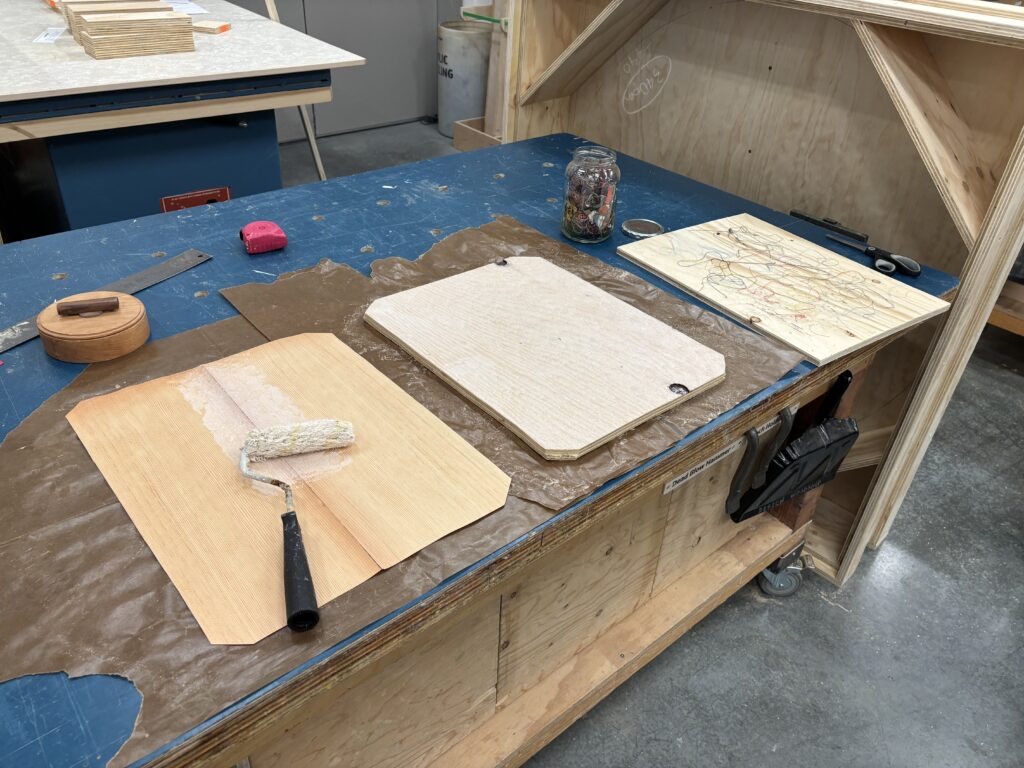
Sanding:
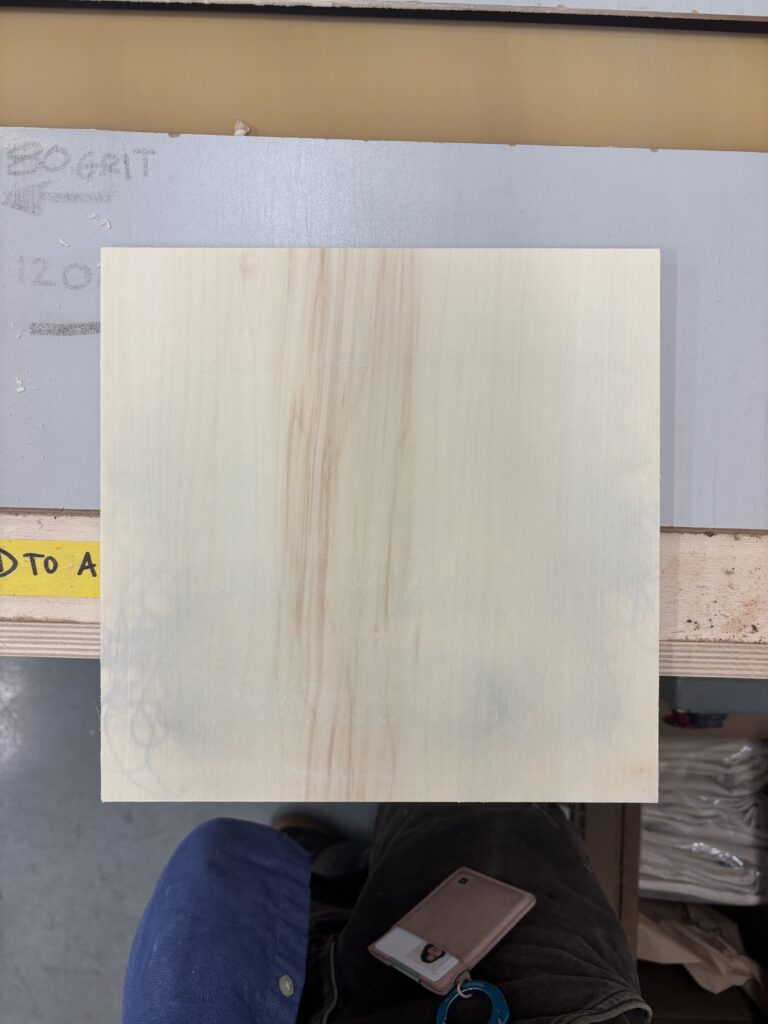
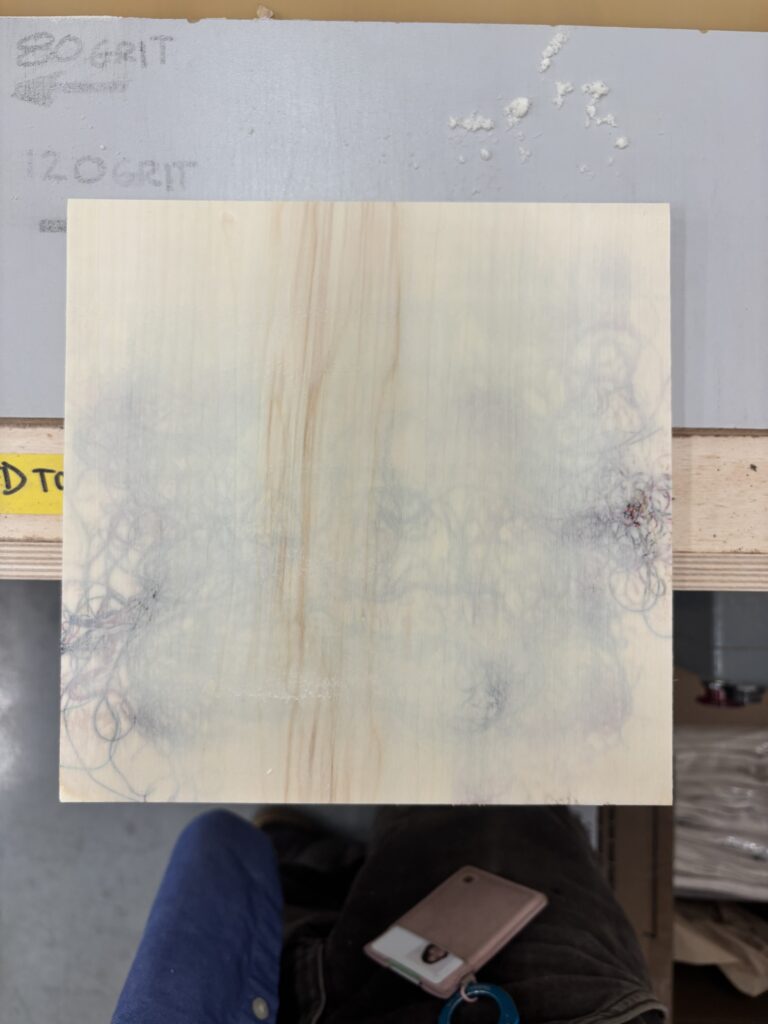
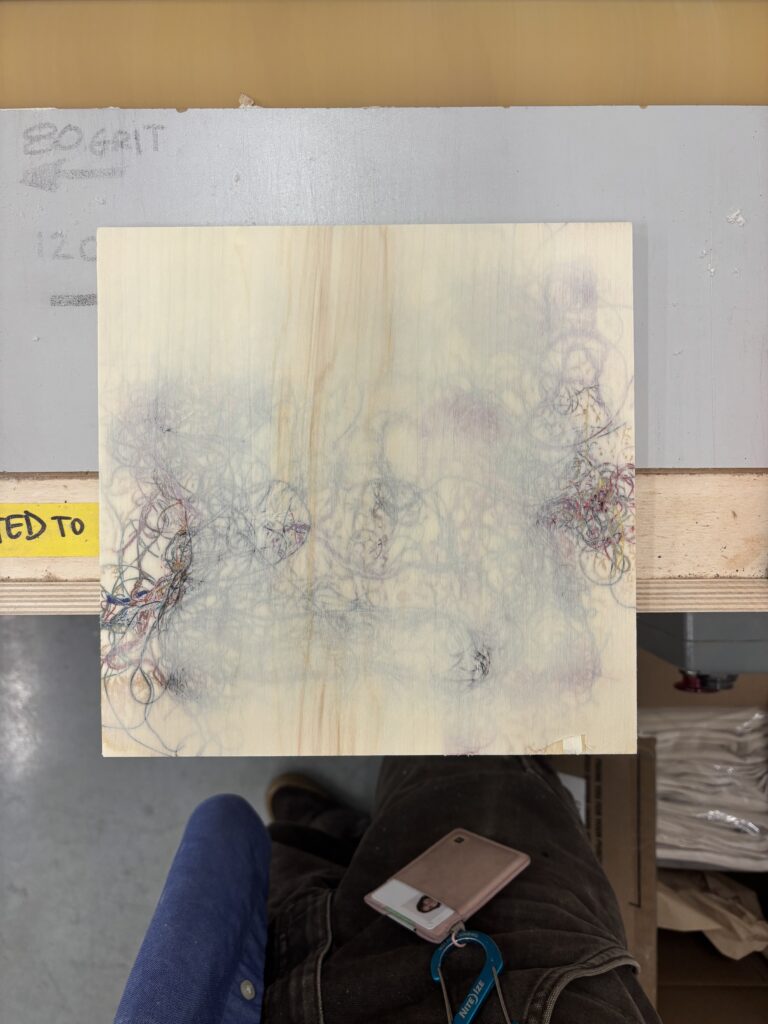
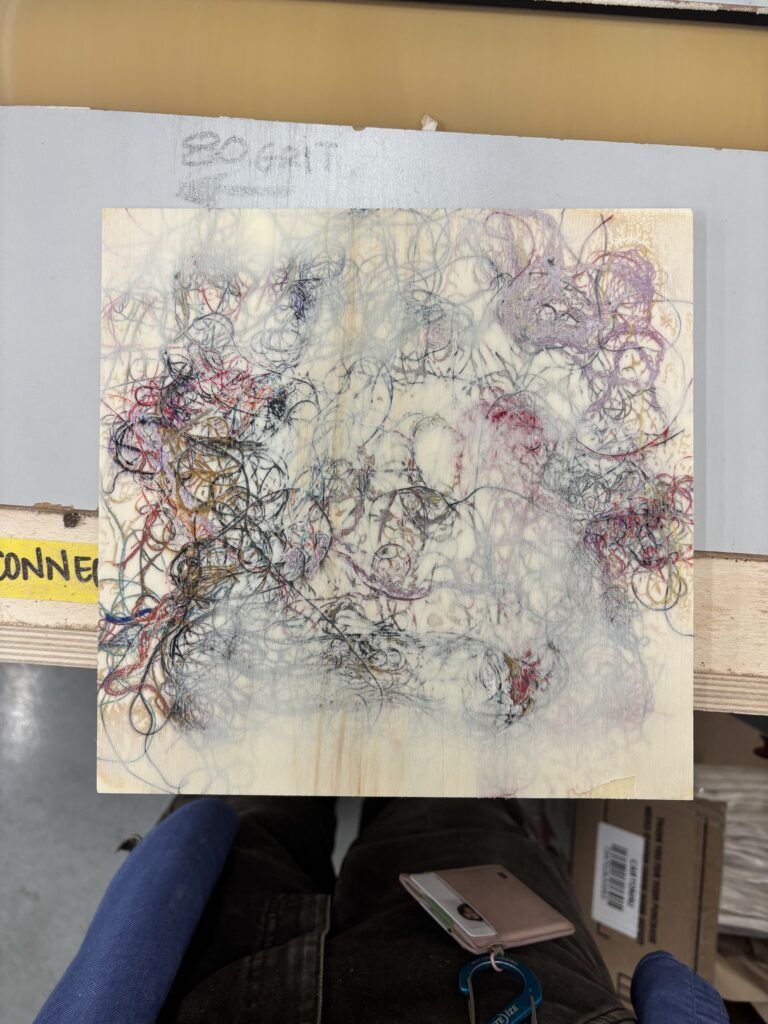
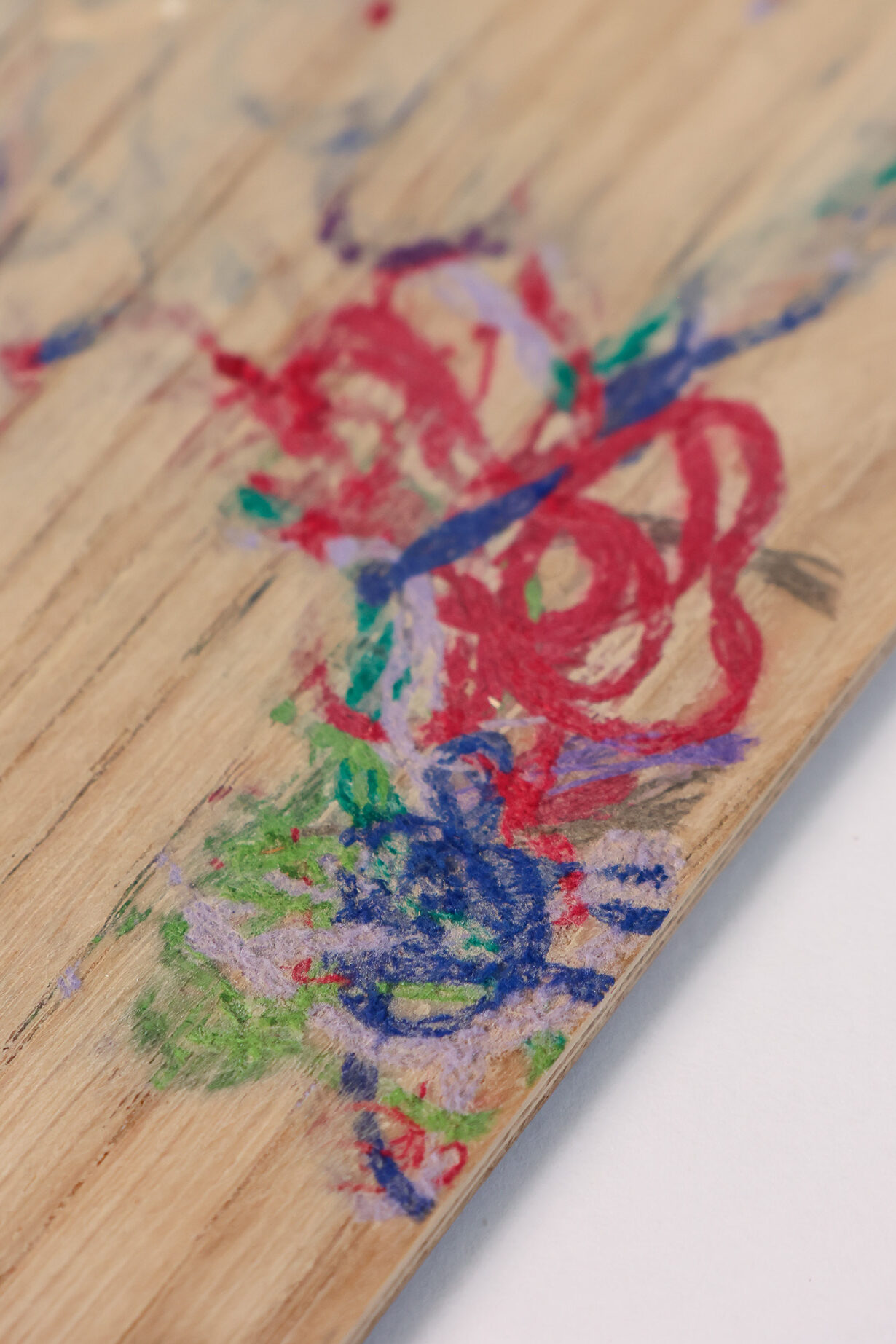
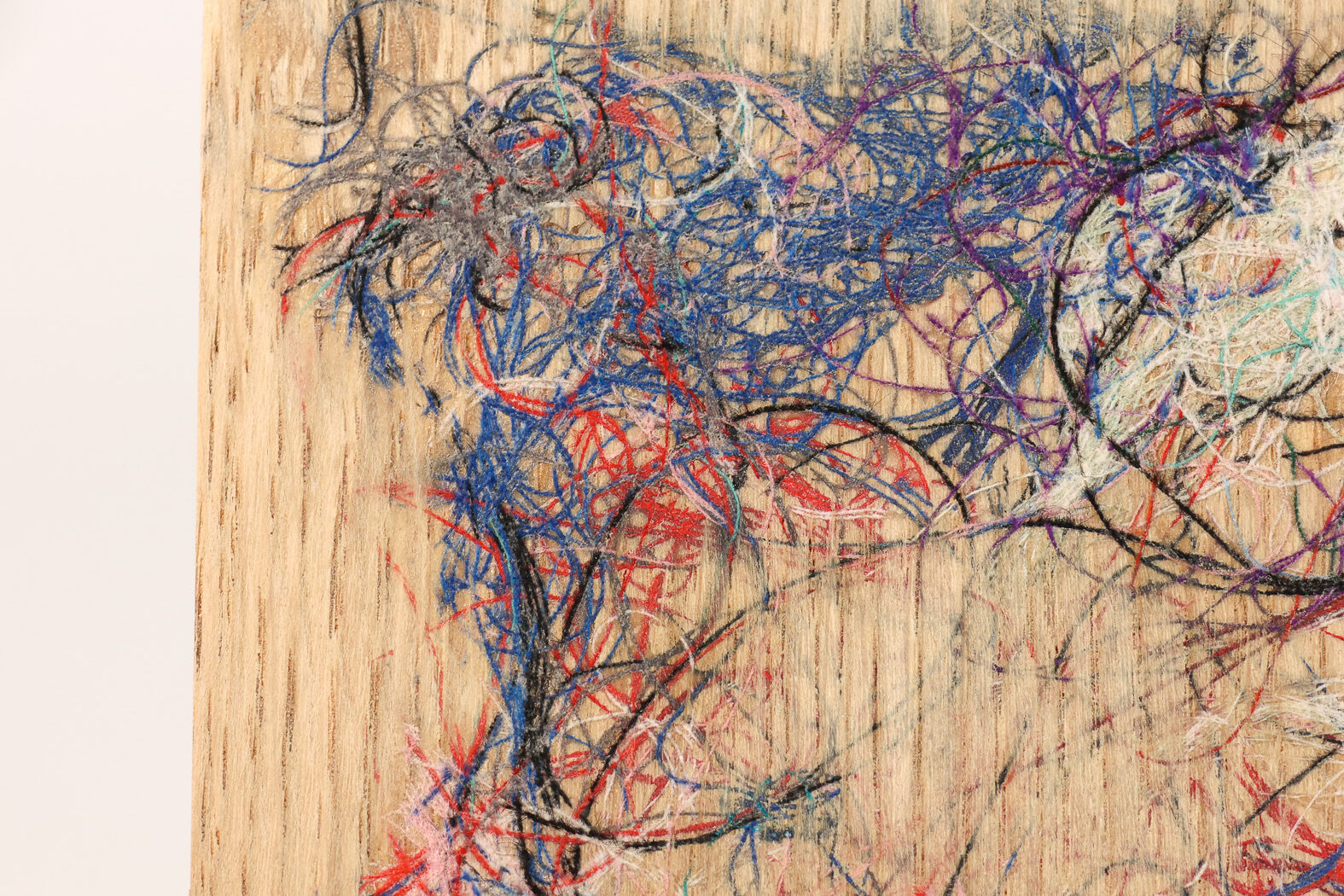
Thread wood felt like everything I was trying to say, wrapped up into one material. It felt like I had exploded all of those silos I had talked about before. And even better, it looks like confetti – an unapologetic, colourful explosion of joy, a celebration of making!
It has taken a lot of testing to understand thread wood. Tear out still happens, but I’ve learned to celebrate it as a special material property, with the potential of revealing more thread through wear as time goes on.
Sourcing Thread
All of the thread used for this project has been collected as scrap and repurposed from:
- the Emily Carr Soft Shop
- Vancouver-based shop and studio Alterior / A Living Taste
- UBC Slow Fashion Season workshops
Synthesis & Conclusions
Landing on Skateable Furniture
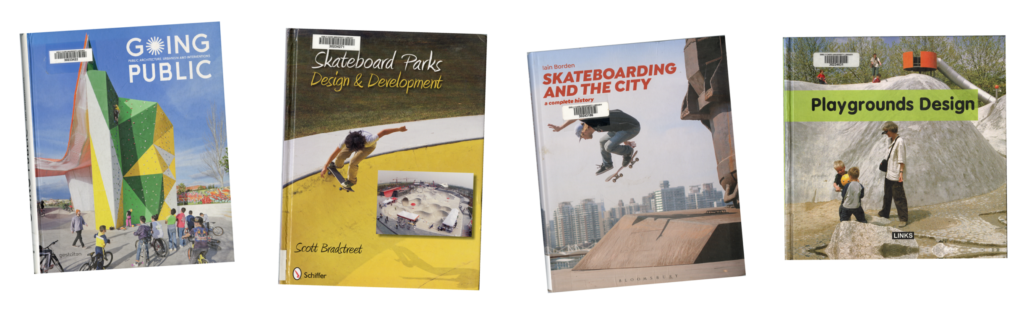
When thinking about this project’s final form, I kept coming back to the studio ramp – I knew that whatever I made, it had to be just as interactive. I looked through books on design for public spaces, skate park design, and architecture for play. I wanted my piece to be a hub for the community somehow.
But then I realized that the thing I loved most about the ramp, was its ability to disrupt a space with joy, creativity, and unseriousness.
This prompted me to explore skatable furniture for the home. The idea was that these features did not need to be completely transferable. They don’t need to just live outside, and they don’t need to be skated inside – challenging binaries of what certain objects are meant to do and where they’re meant to be.
Final Concept – Inspired by DIY Culture
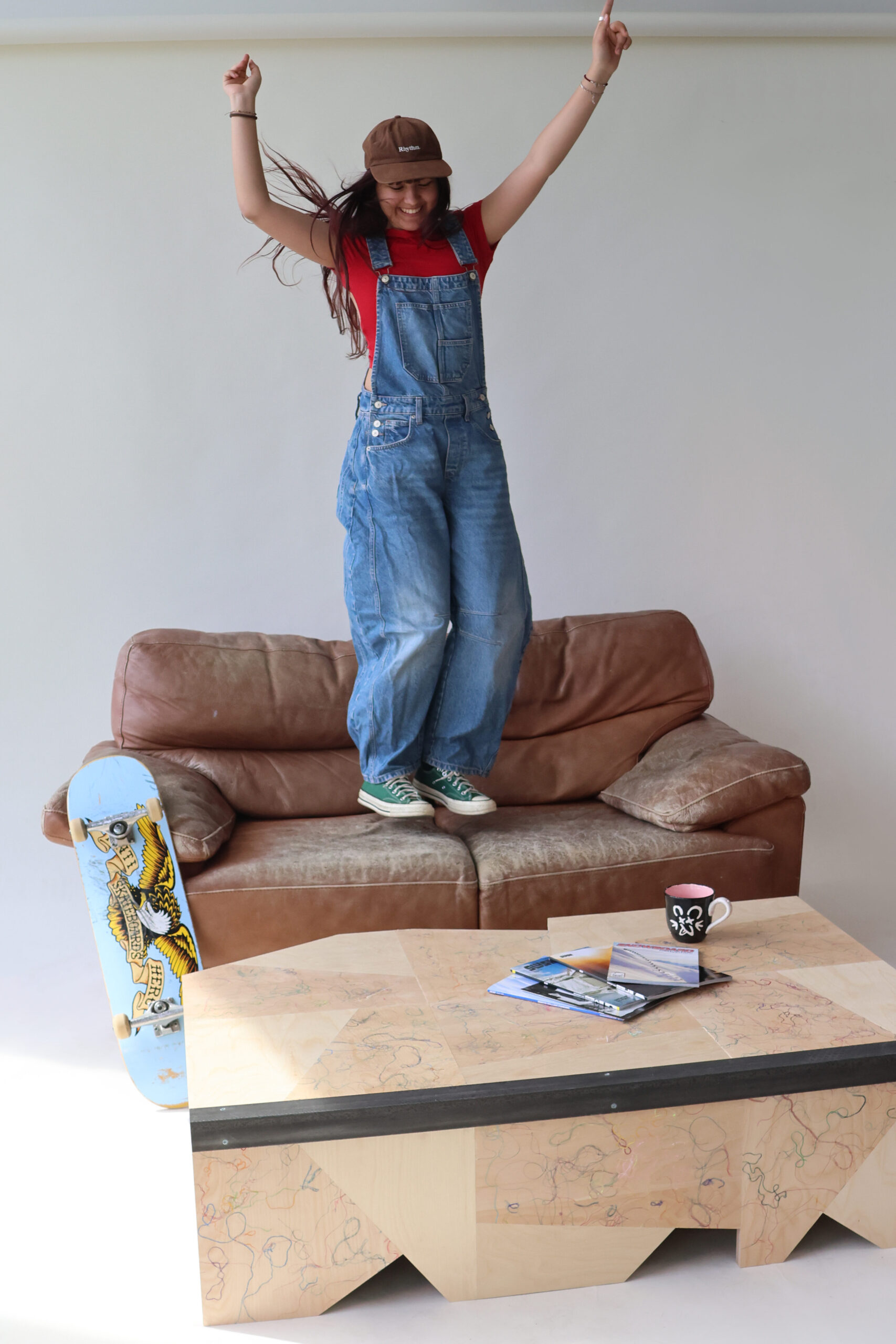
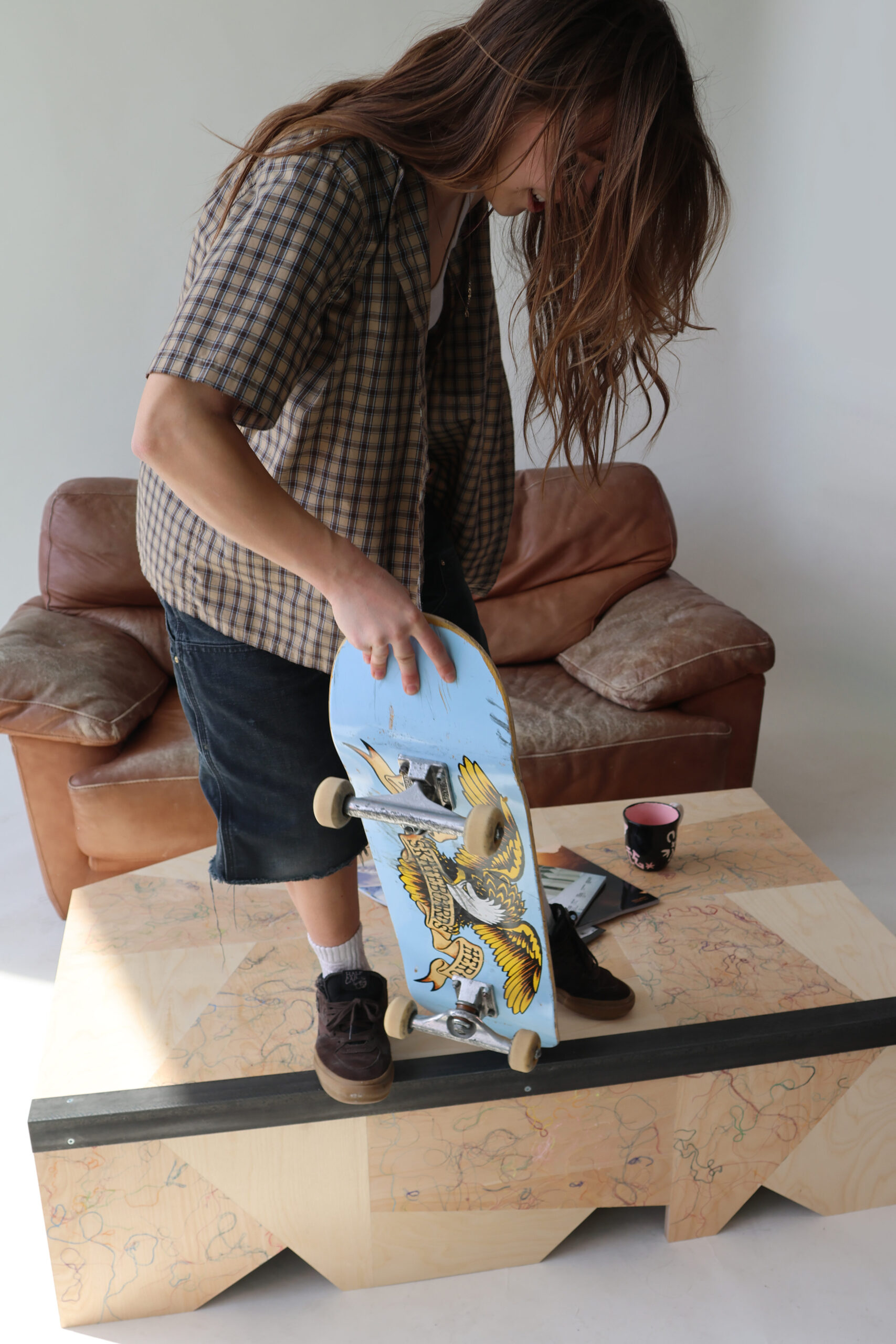
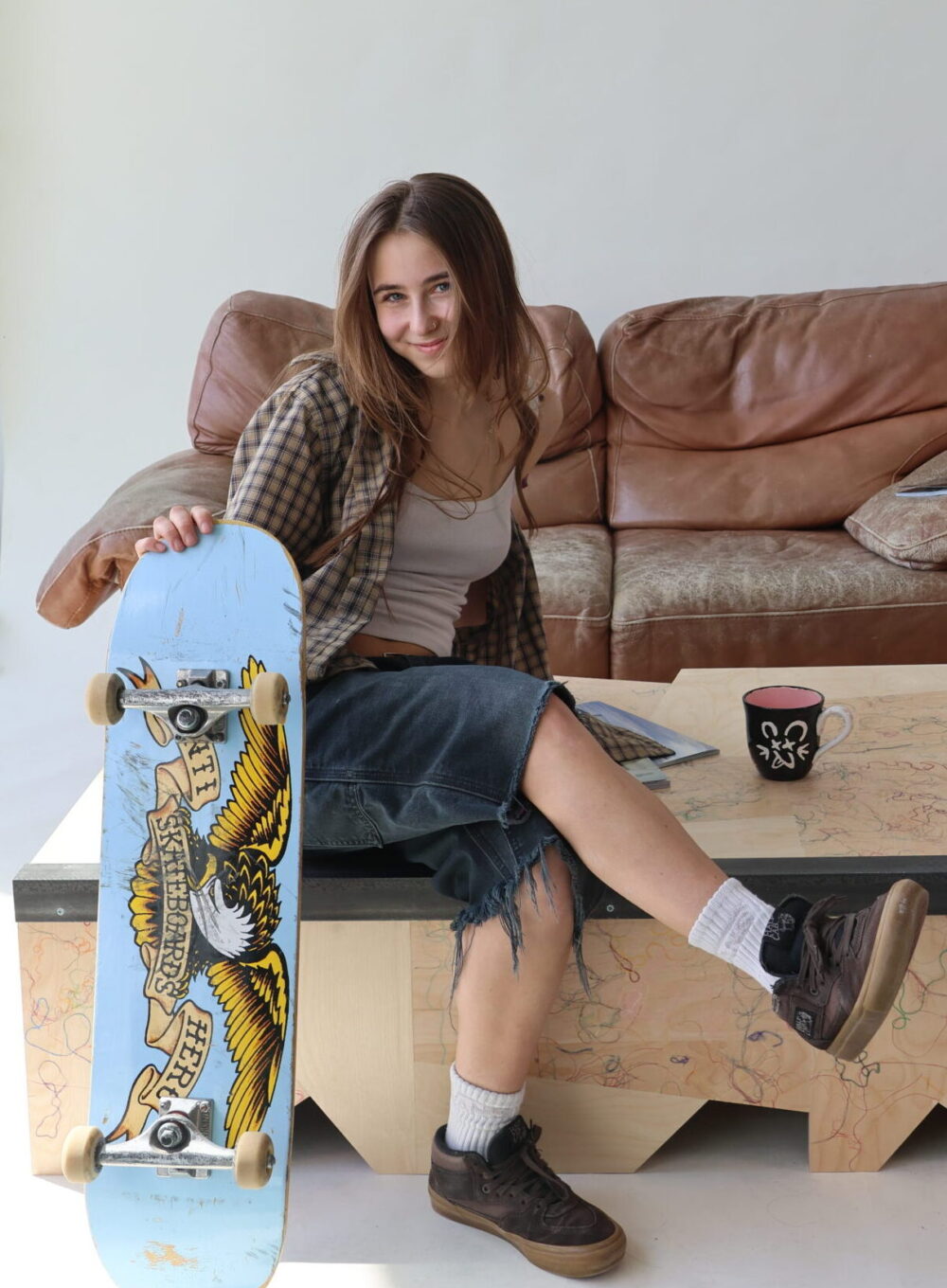
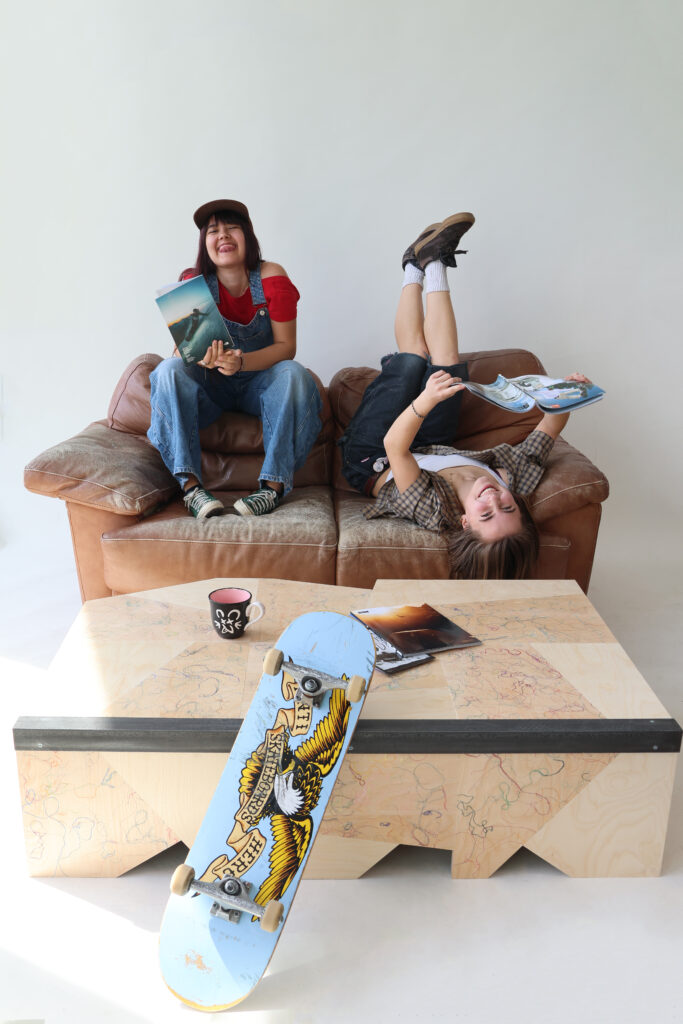
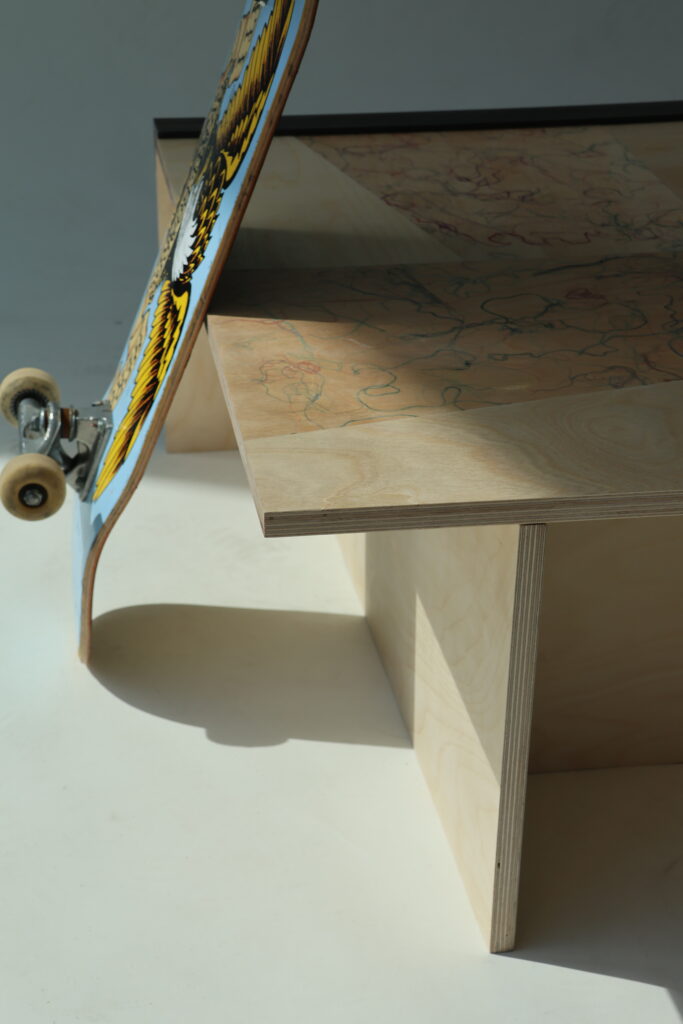
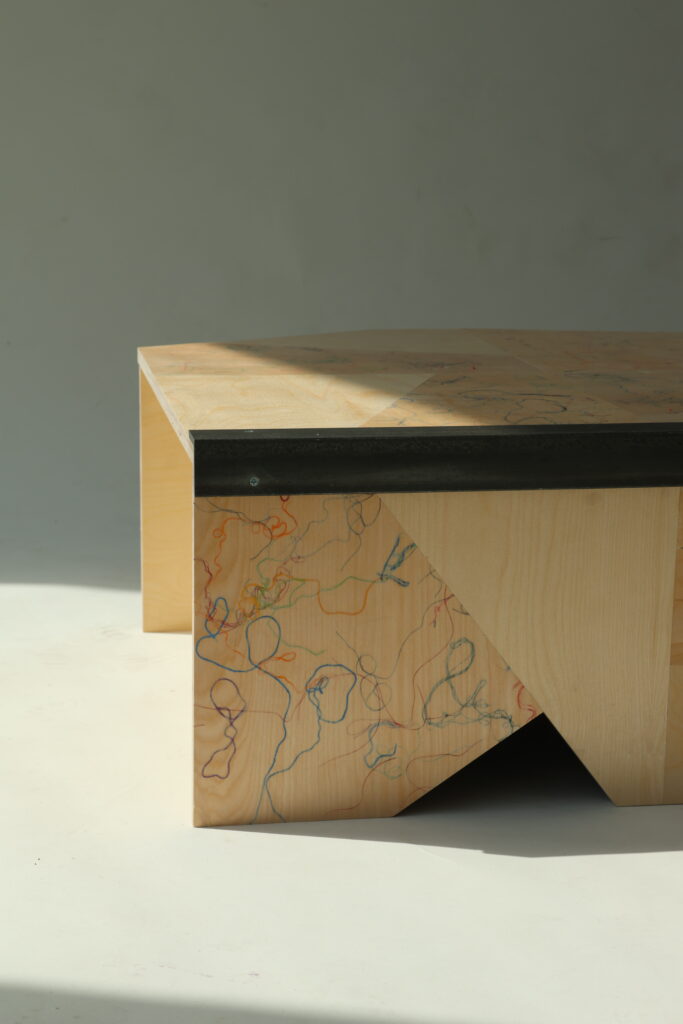
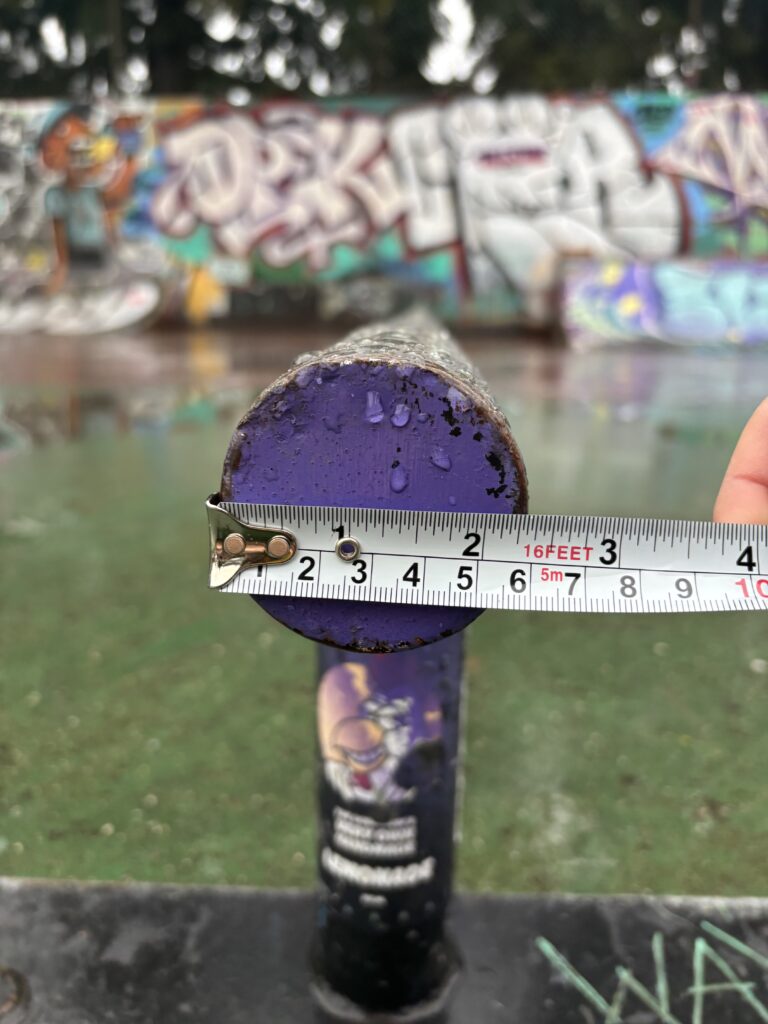
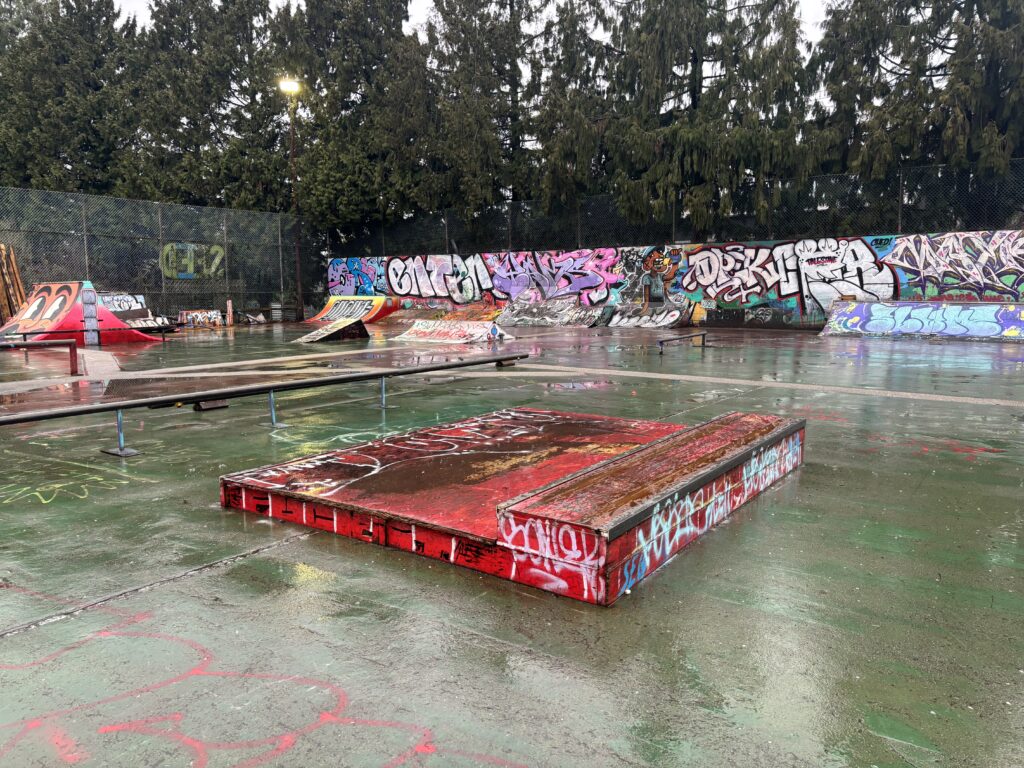
The final concept I landed on, was a low, coffee table grind box. I wanted to disrupt the home with bulky skate-like aesthetics. Sturdy ¾” ply, standard for any DIY skate feature, understandable joints, simple angles, no curves, and a 2 x 2” and ¼” thick angle iron that you could have stolen from a construction site.
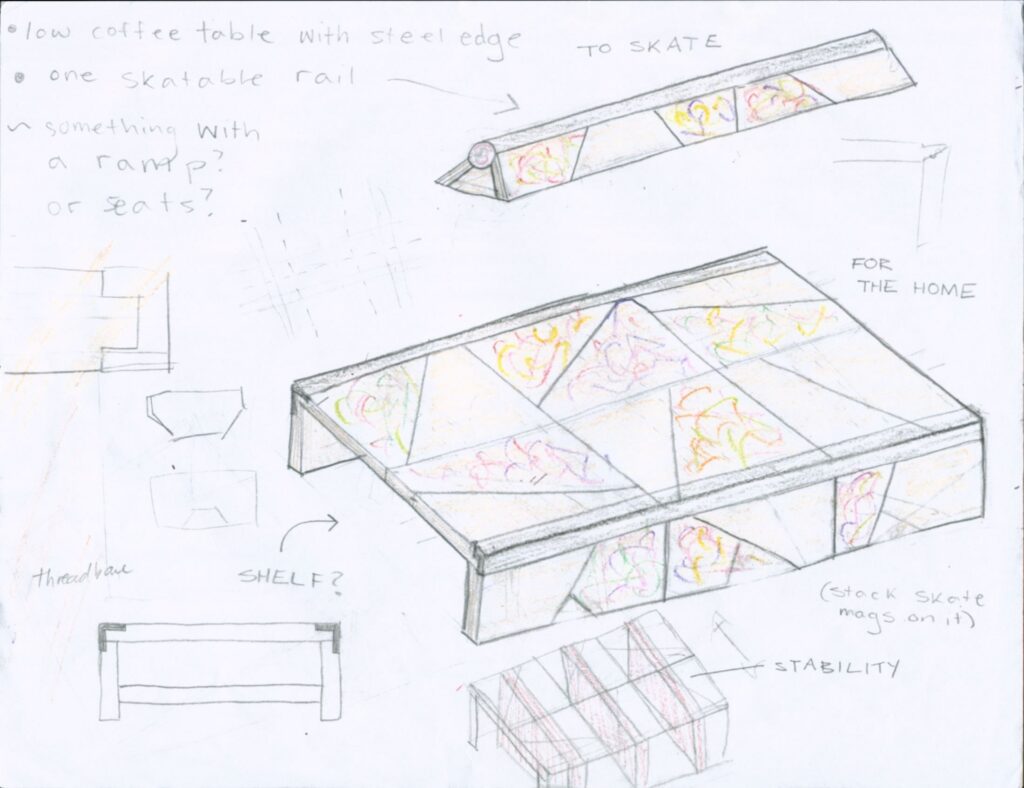
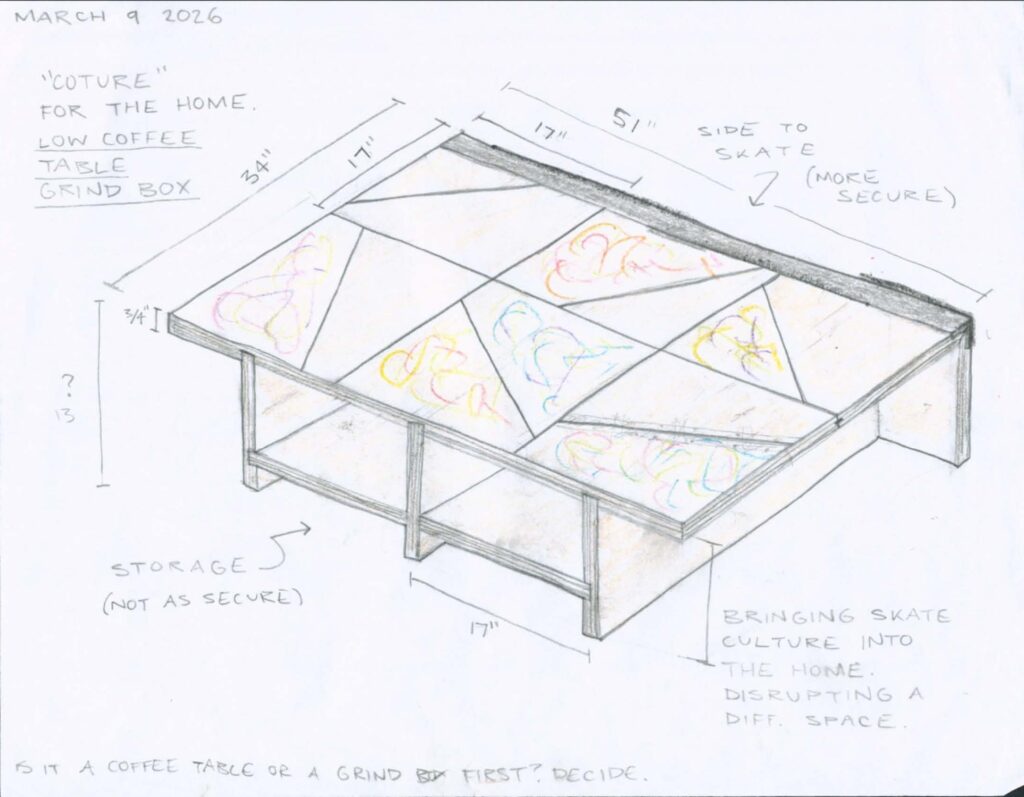
DIY culture is a huge part of skateboarding. I wanted my piece to use the same design language that you would see at any DIY skatepark, like for example, Britannia Courts. My material choices, thicknesses and most measurements were based on features that I have actually skated at this skatepark.
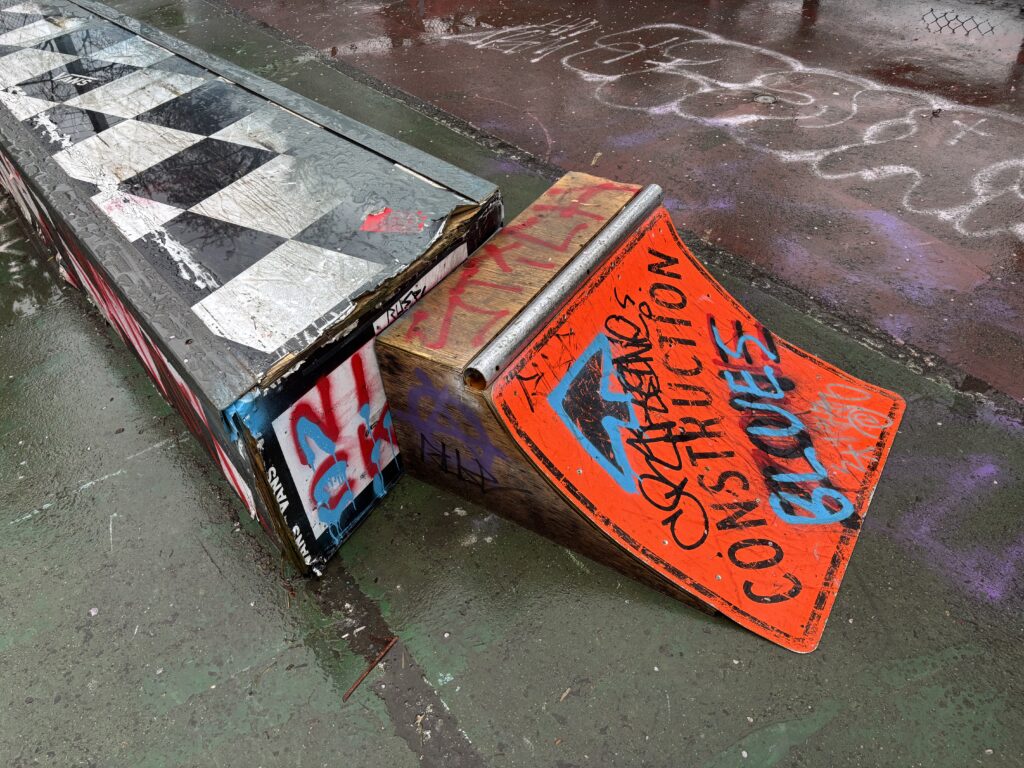
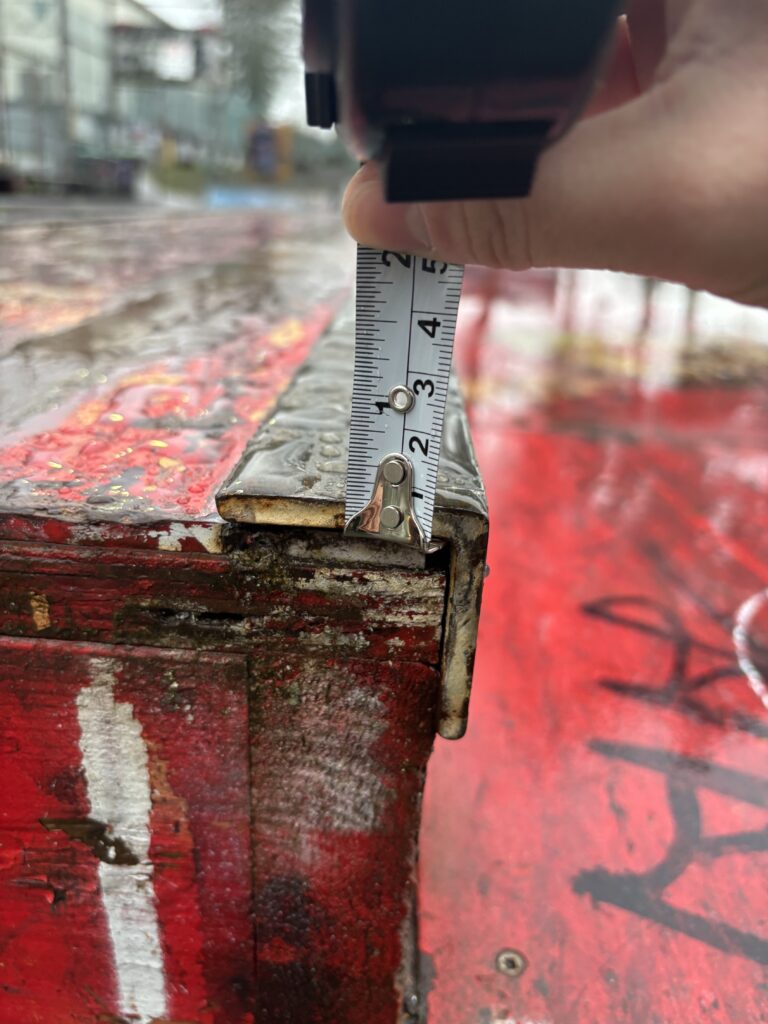
But Why all the Angles?

One of the largest challenges I faced in the development of my final design, was working around the size constraints of the thread wood. The dimensions of the material rely solely on the dimensions of the hydraulic press. I had to work within its measurements to build up my thread wood to a larger scale.
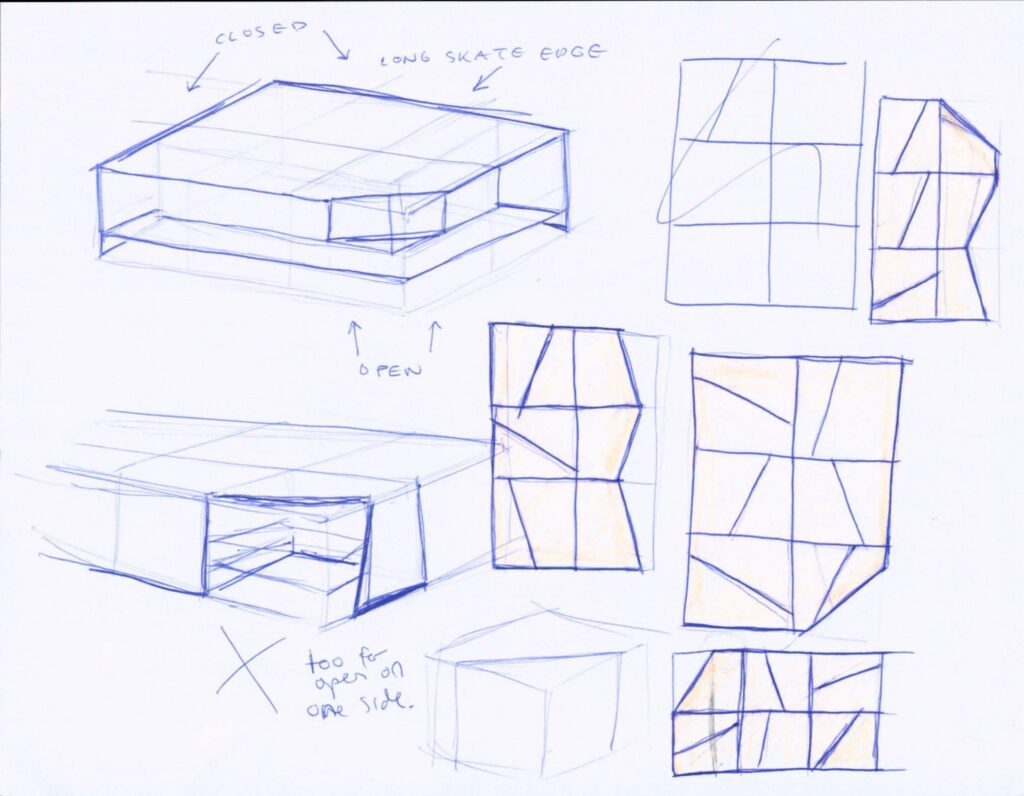
In an early prototype, I cut out plywood at funky angles as a way to reduce surface area and lighten the piece. These angles became an interesting method for me to build up the thread wood.
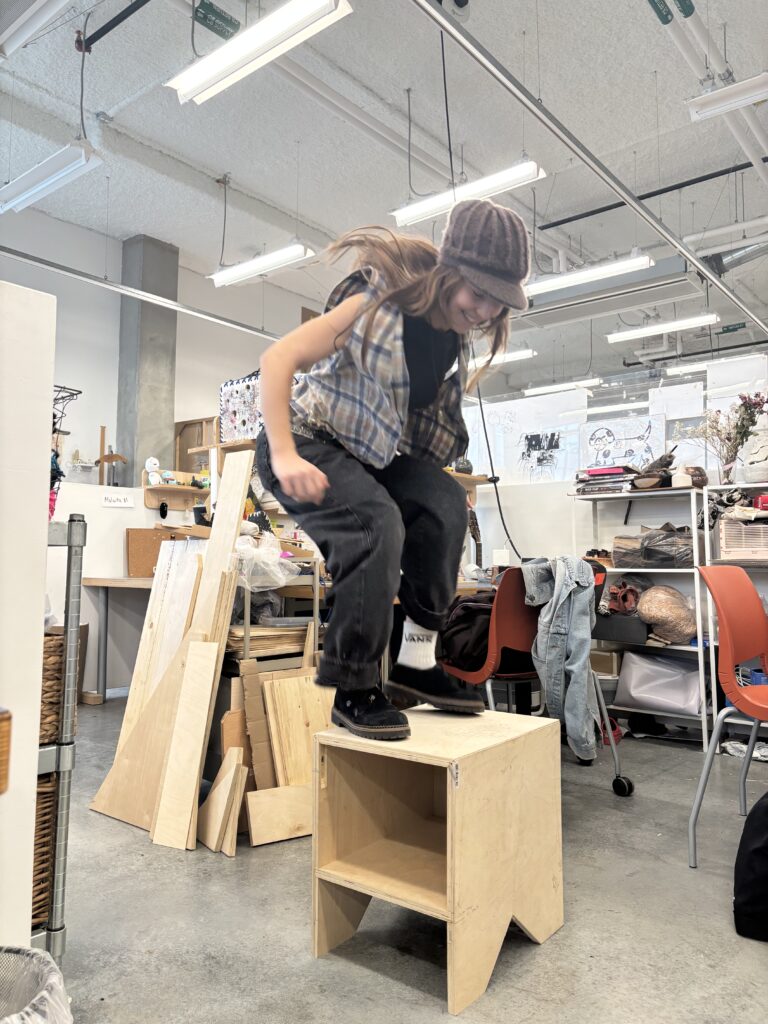
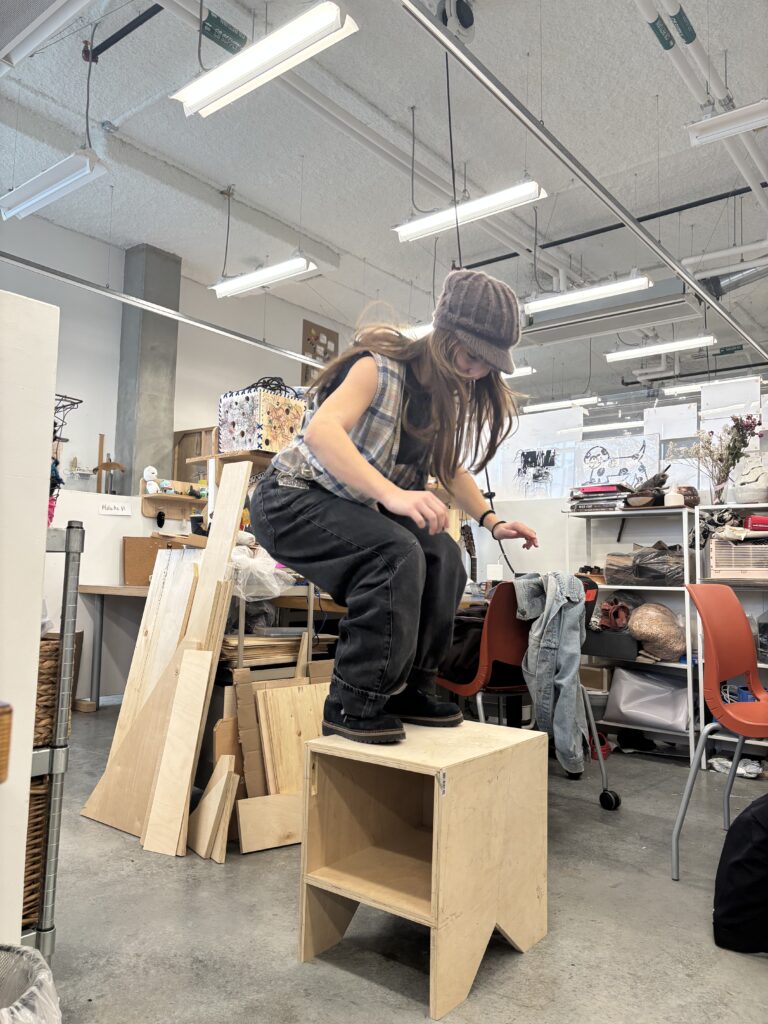
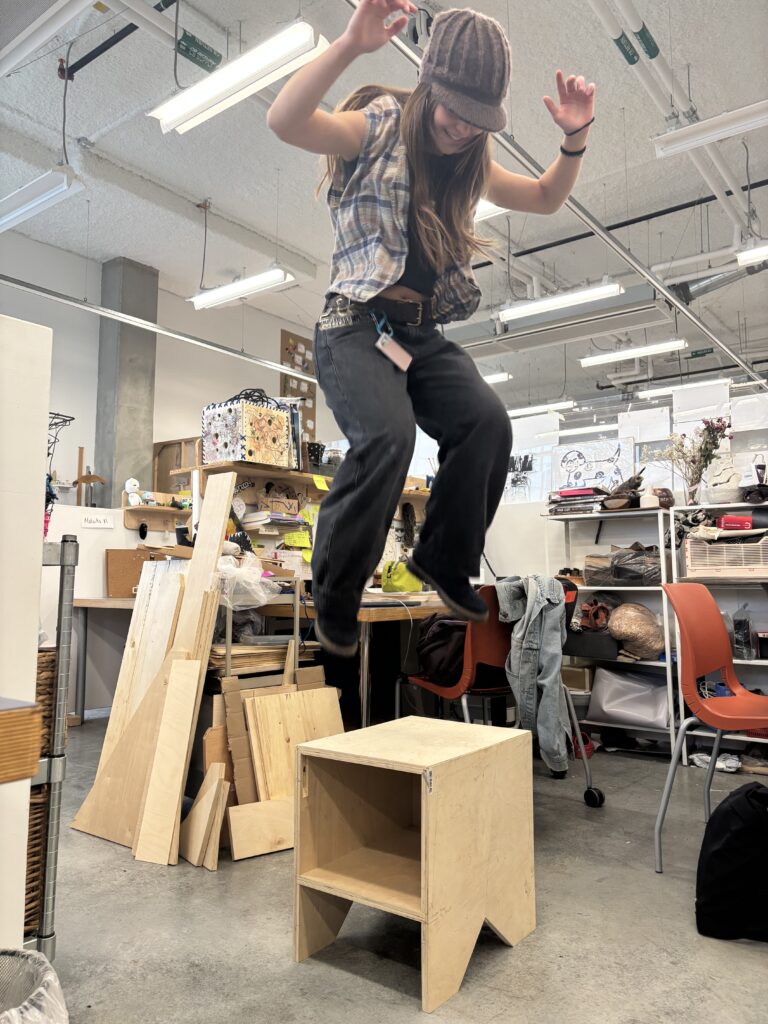
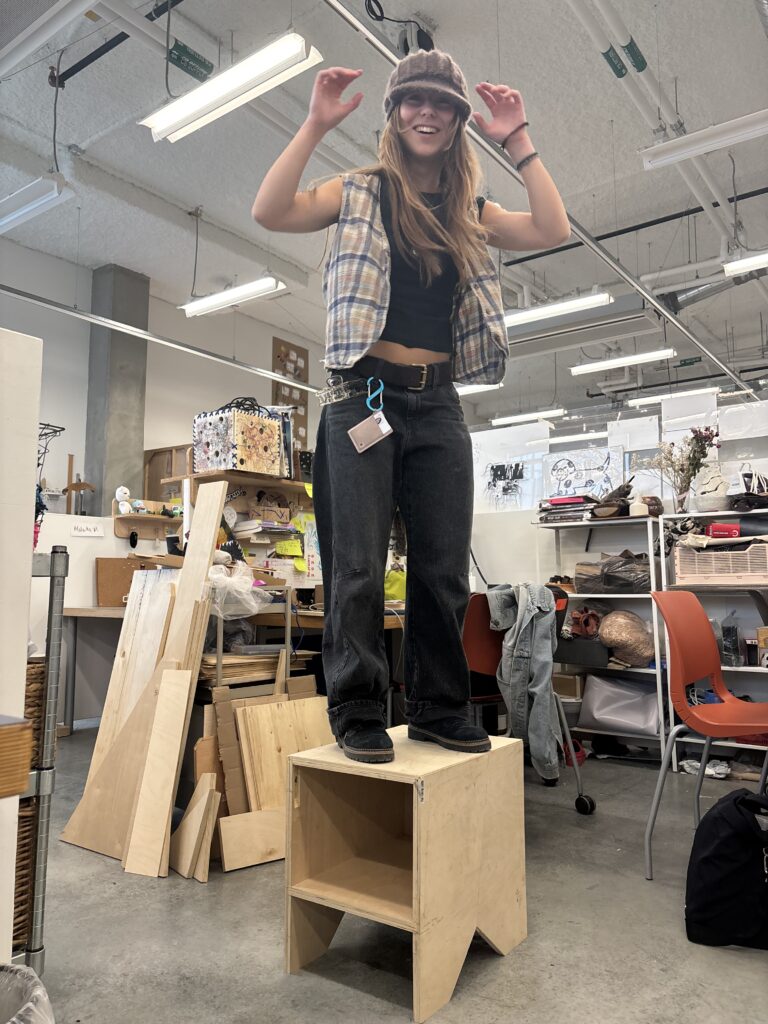
Angles and basic geometric shapes such as these are a fundamental part of skateboarding, and these cutouts eventually became my design language for this project. The asymmetry serves a purpose – another example of disruption.
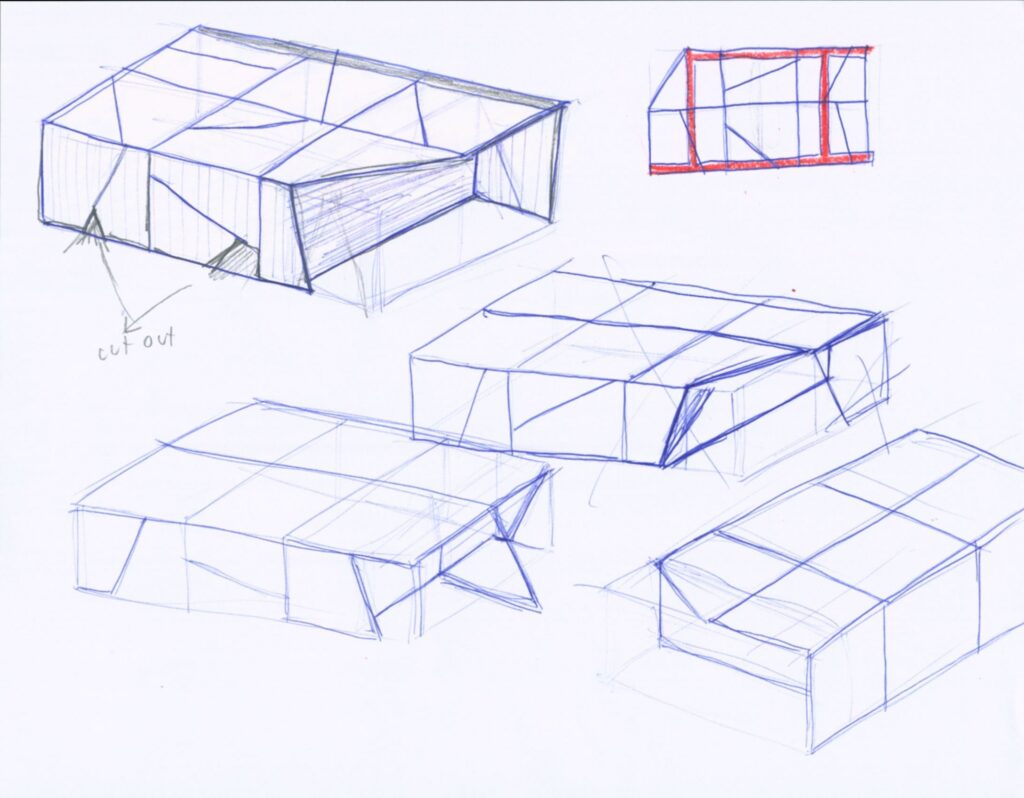
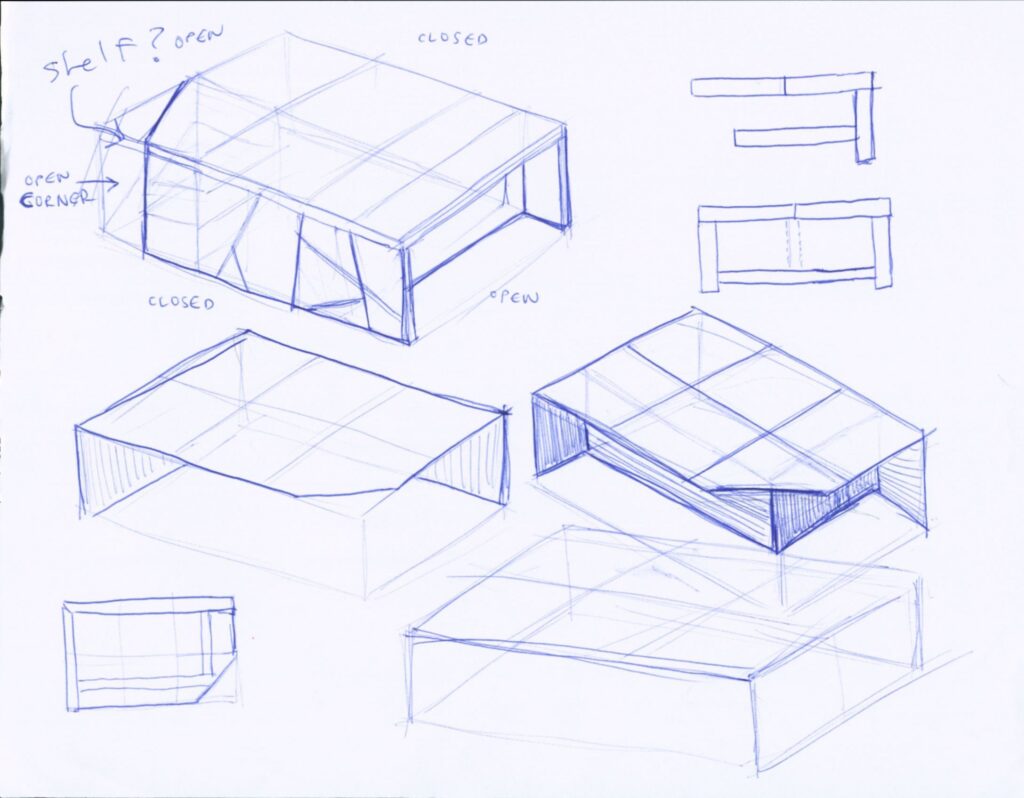
The Final Piece
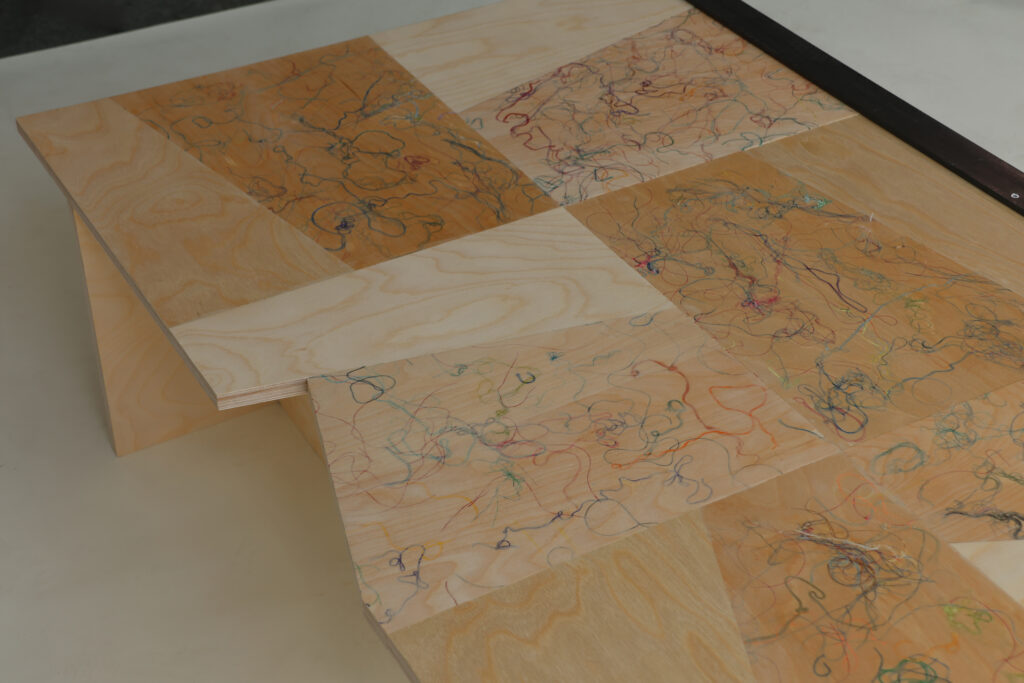
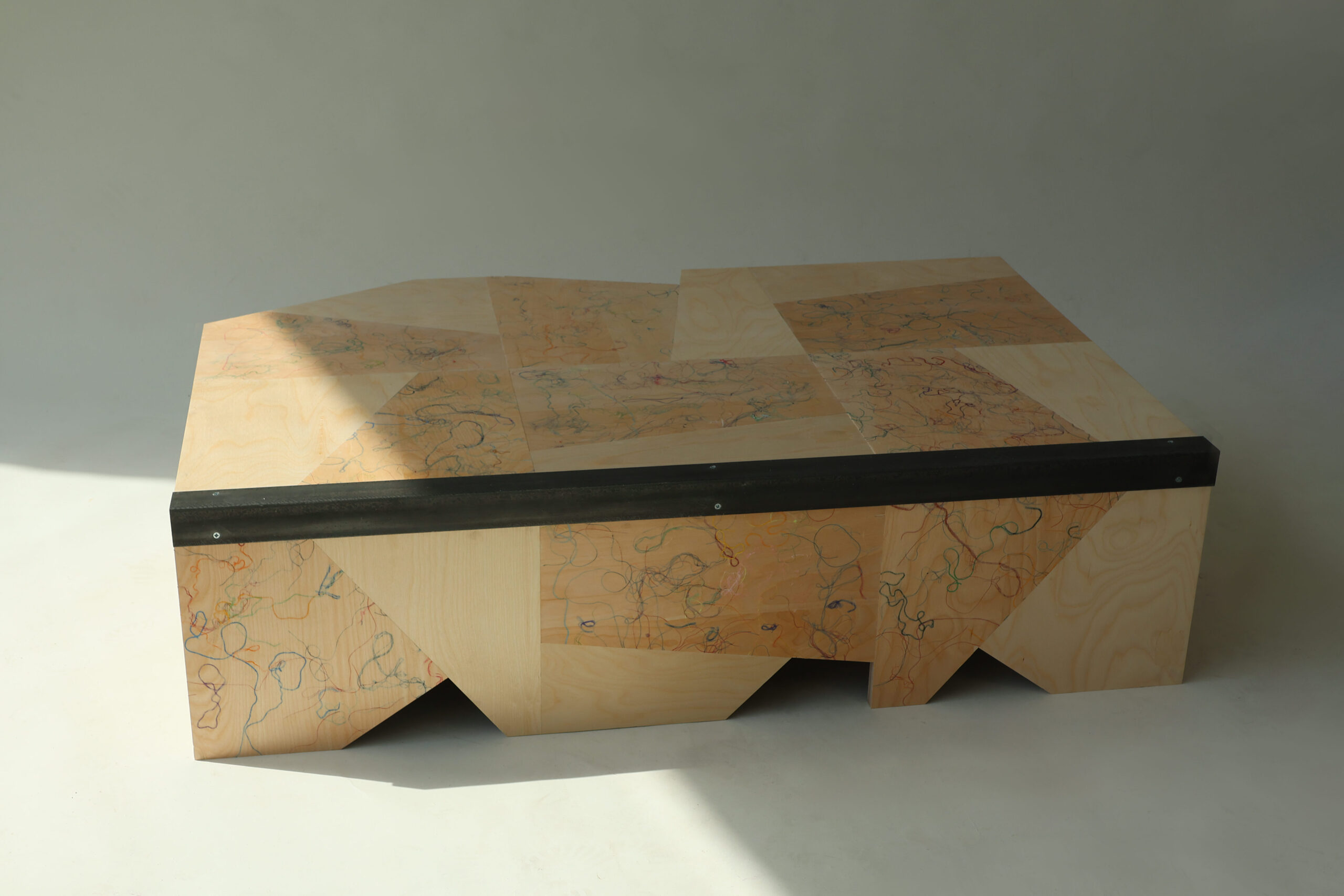
The final piece is meant to be ambiguous. It doesn’t conform to whatever you think it is – because it’s everything all at once.
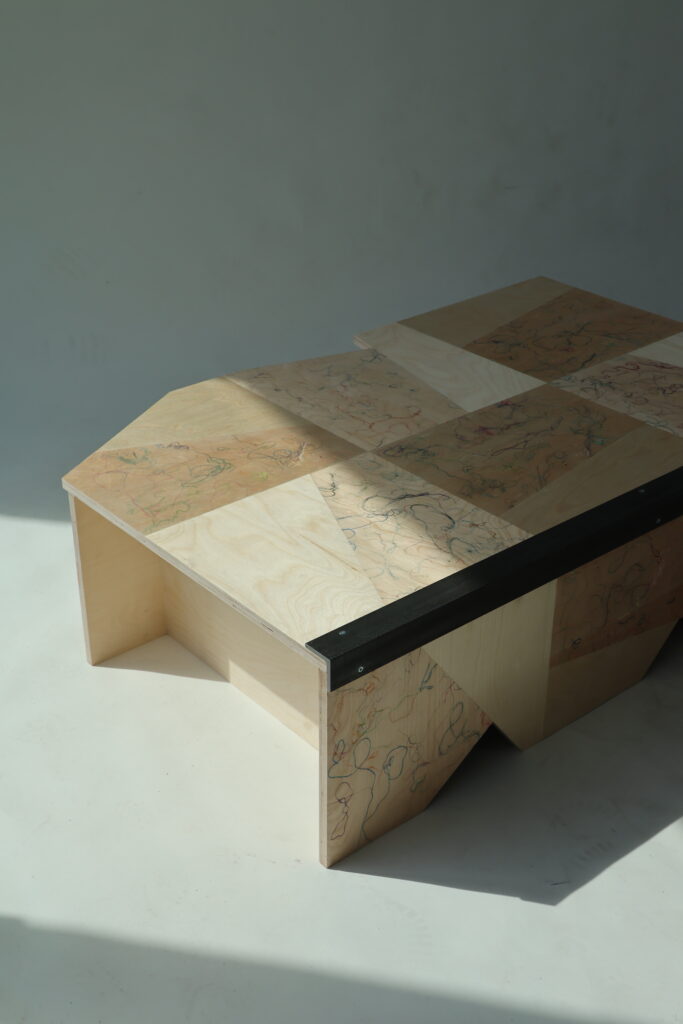
The material still has its kinks. There are little imperfections of tear out, or where thread got sanded too much and it’s fraying out of the wood. If you skate it, it will probably tear out a bit more – but that’s okay. I’m embracing the wear, and excited to see what will be revealed underneath. And especially stoked to see how the thread wood will look with colourful grind marks from skate decks.
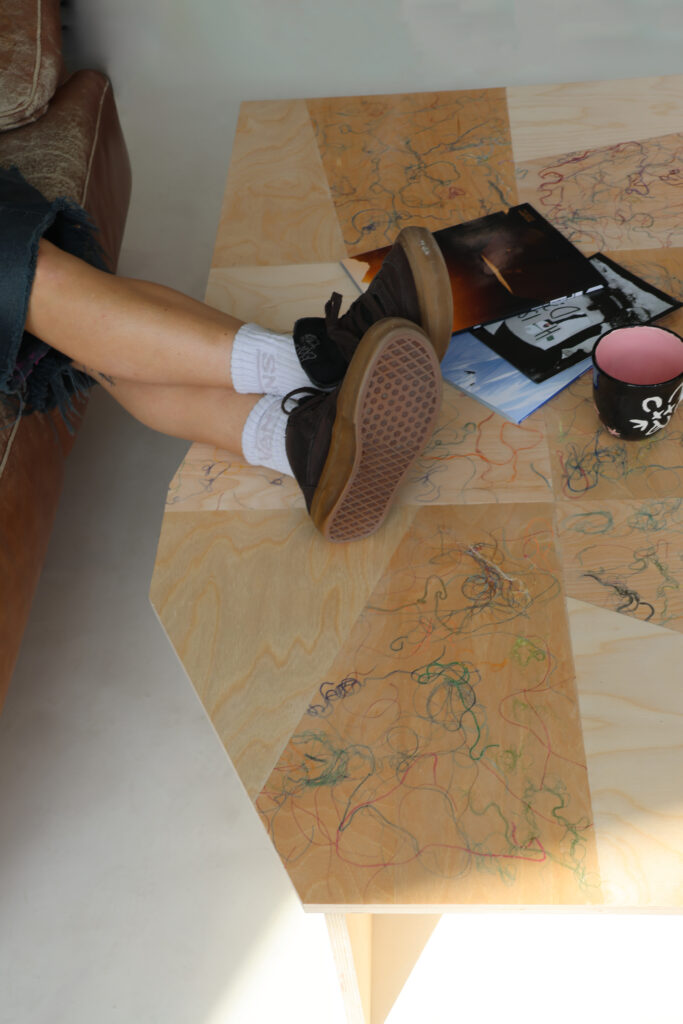
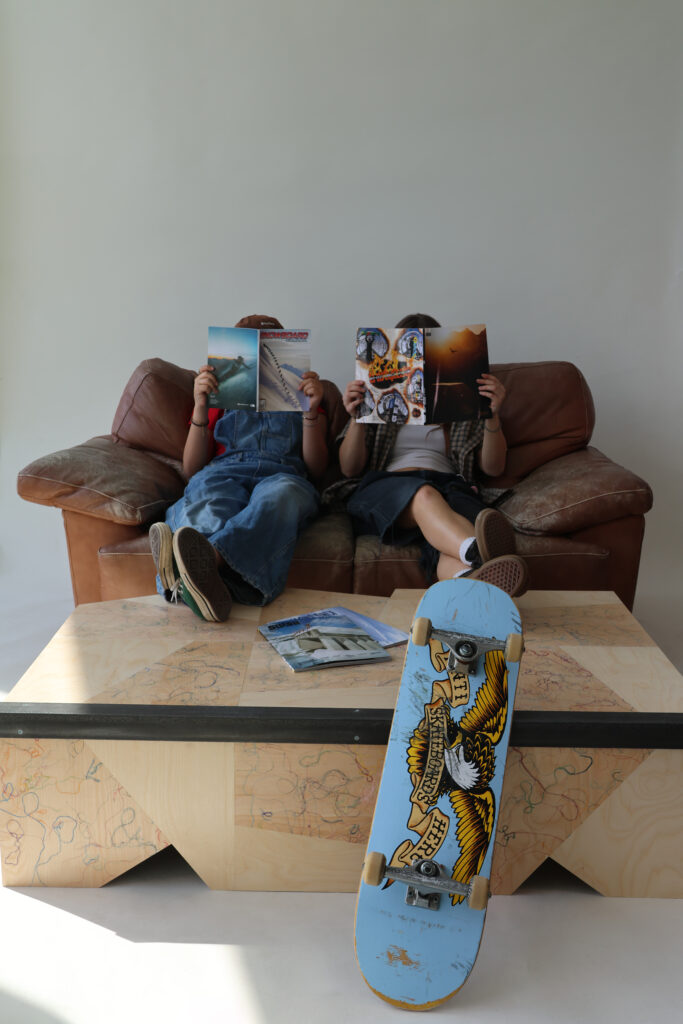
I think that’s why thread wood is so interesting – it kind of makes the object not take itself too seriously.
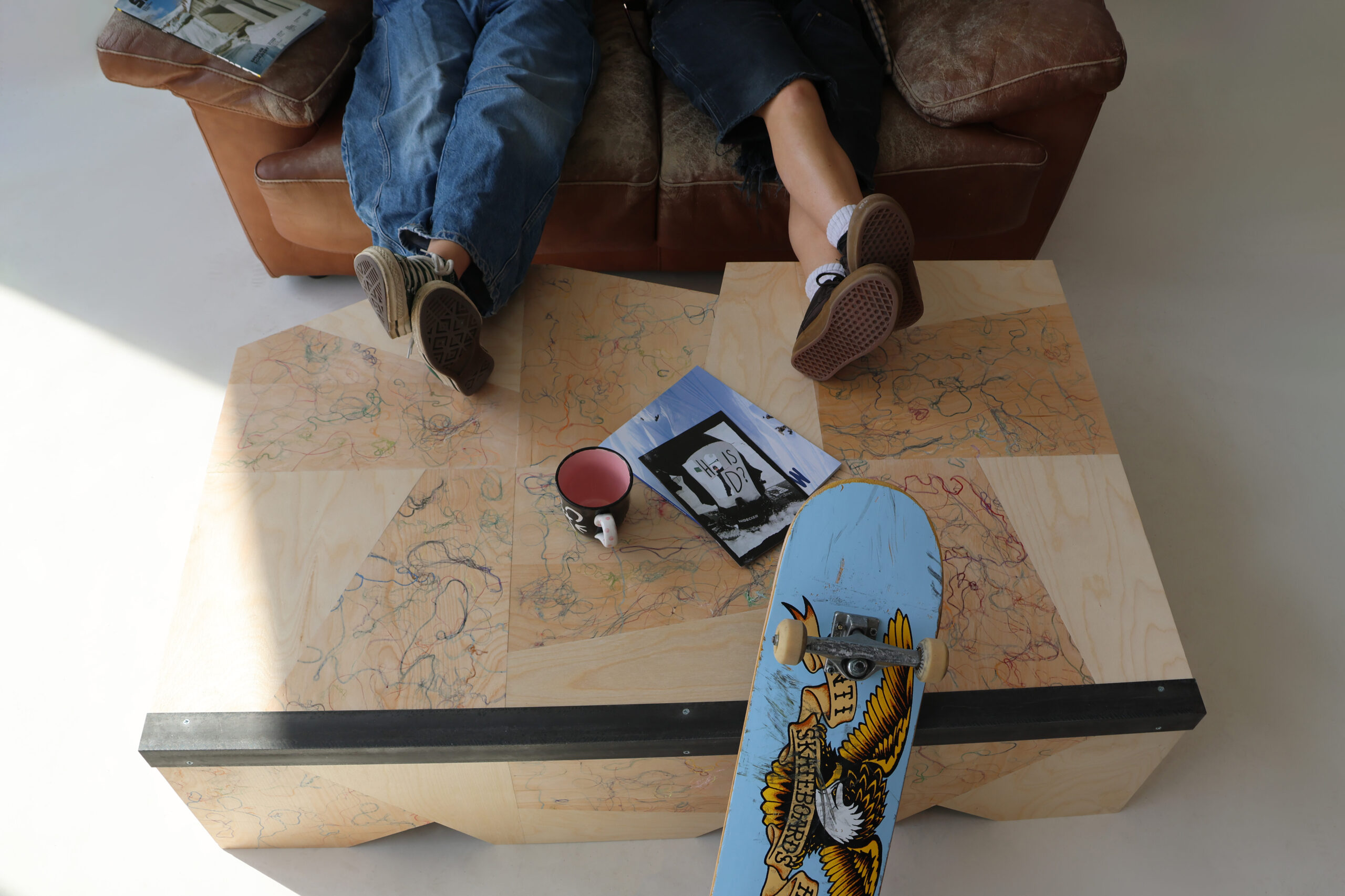
A friend said to me, “What if it lives in your living room as a coffee table for years, and one day, as you’re waiting to donate it, some little skater kids steal it from your alley?” – I thought that was a beautiful example of the potential life cycle of this piece.
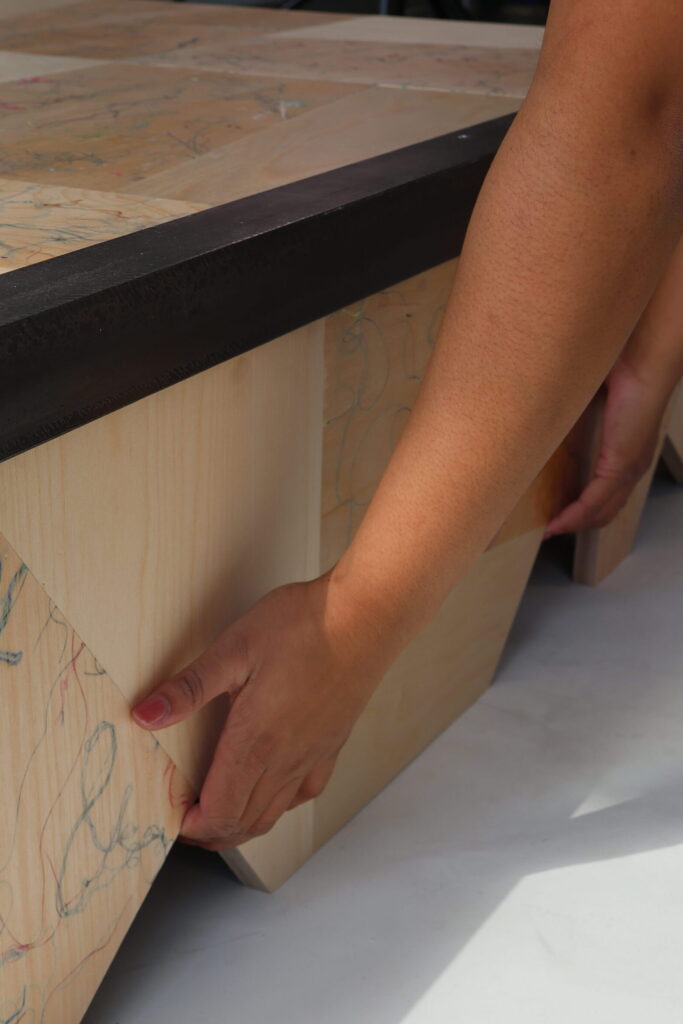
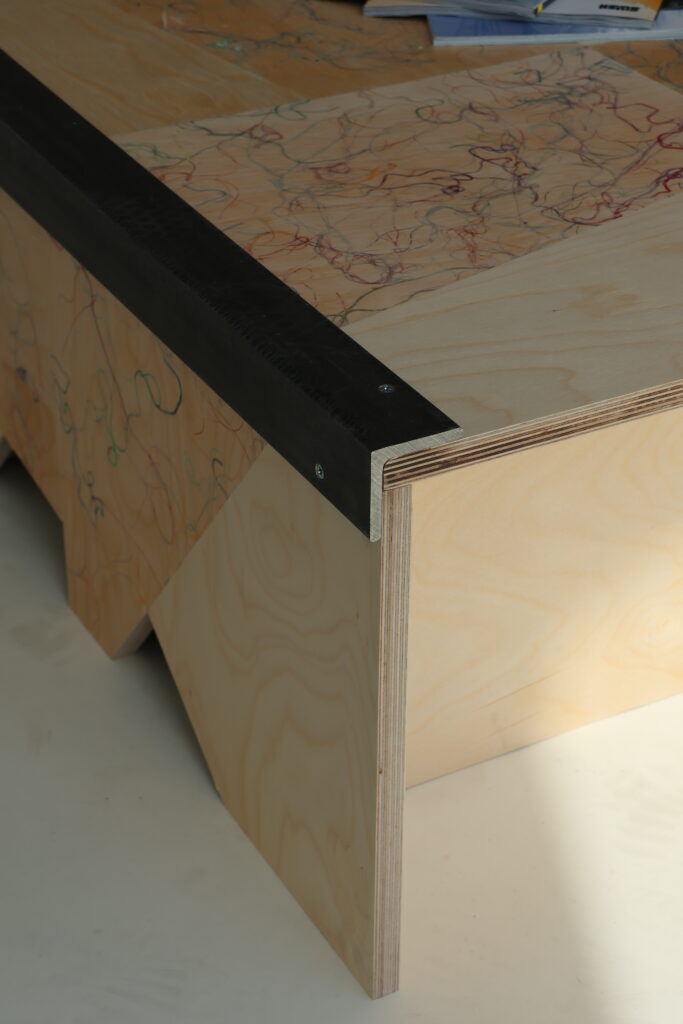
I brought the cut outs from the legs up to the table top. This softens the visual footprint of its big, chunky form. The cut outs also function as a kind of handle, making it a lot easier to carry outside, when you’re ready to scuff it up.
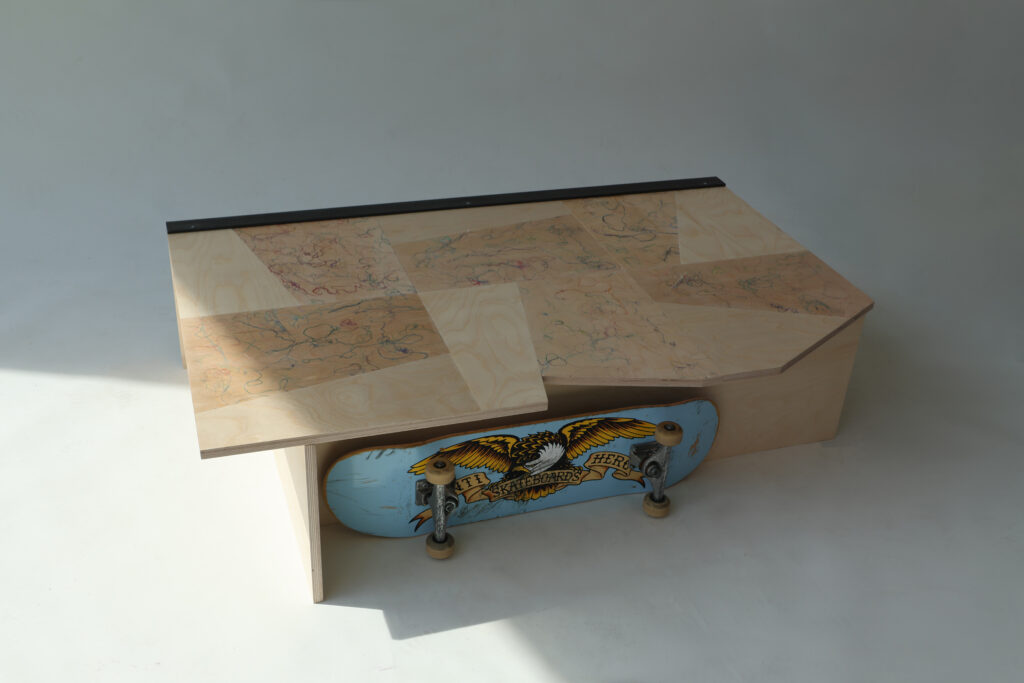
There is ample amount of leg or foot room all around the sides of the piece. These spaces really communicate that it’s something meant to be gathered around. These spaces also double as spot to fit your board.