The Identity of Space
Tiffany Patrick-Isicheli
Is this room a mirror or a mask?
The Challenge:
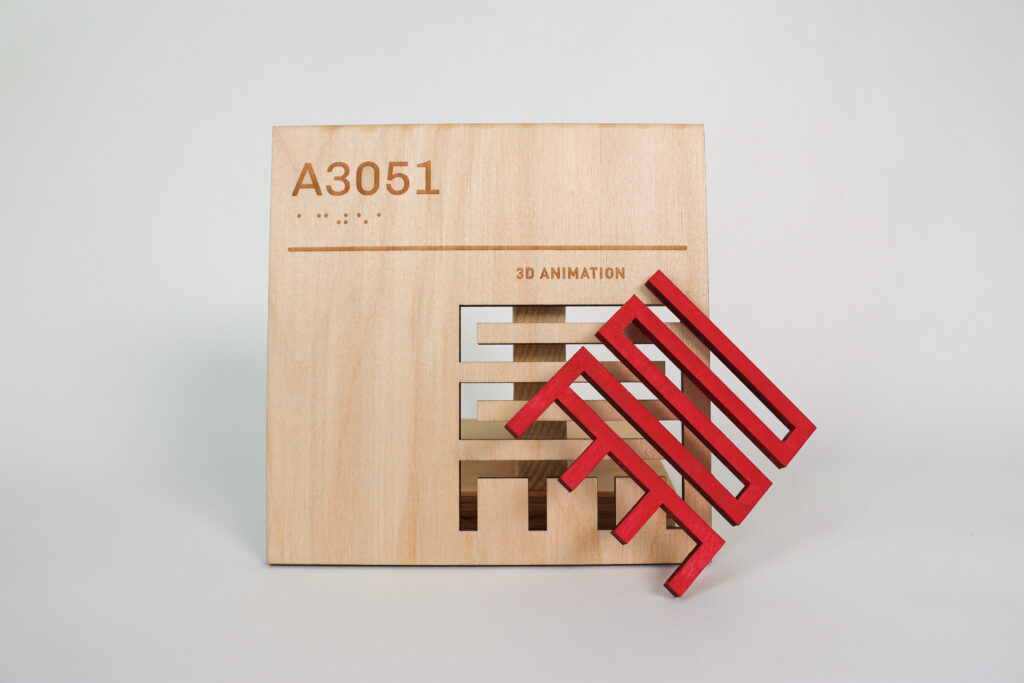
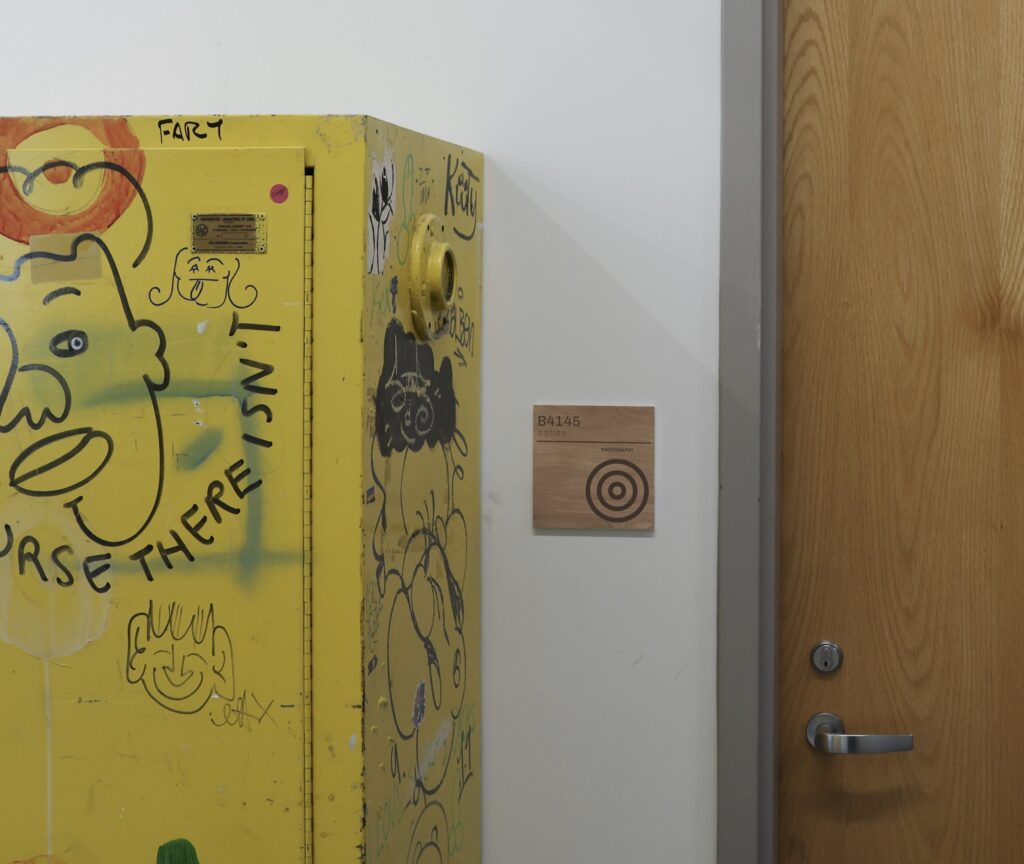
To dismantle the myth of institutional neutrality, I addressed how traditional wayfinding strips spaces of identity by relying on “universal” symbols. These standardized icons prioritize the functional movement of bodies while silencing the cultural history of the communities they serve. The challenge was to transform the Emily Carr campus from a sterile environment into a speculative canvas that rejects top-down navigation in favour of cultural agency and belonging.
The Insight:
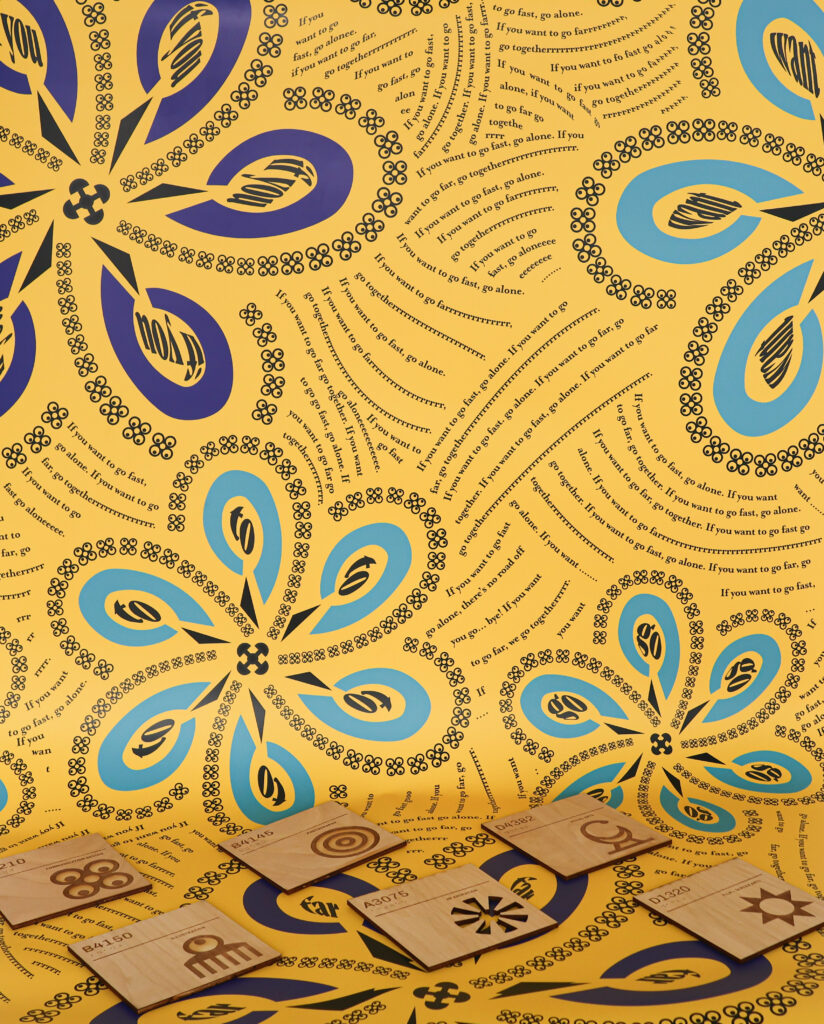
My research revealed that institutional “neutrality” is an active choice made by those in power to mask identity. When signage defaults to a purely functional afterthought, the environment is read as a place devoid of history. By shifting from universal icons to culturally specific symbols, wayfinding moves beyond a task of navigation to become a grassroots narrative that uses visual tools like murals and proverbs to root a space in its local culture.
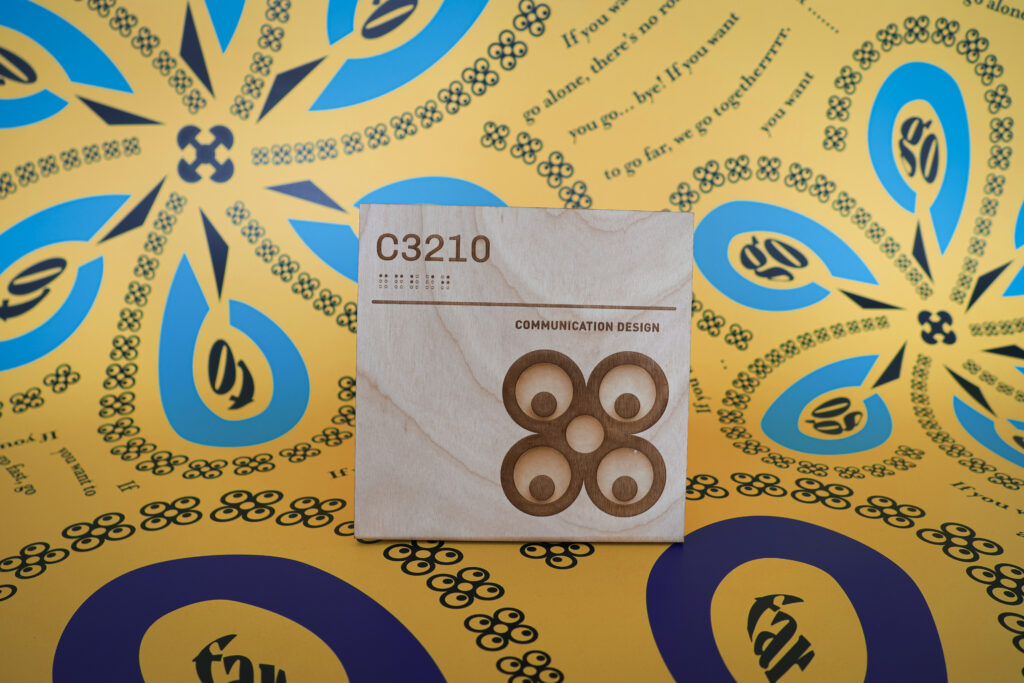
The Solution:
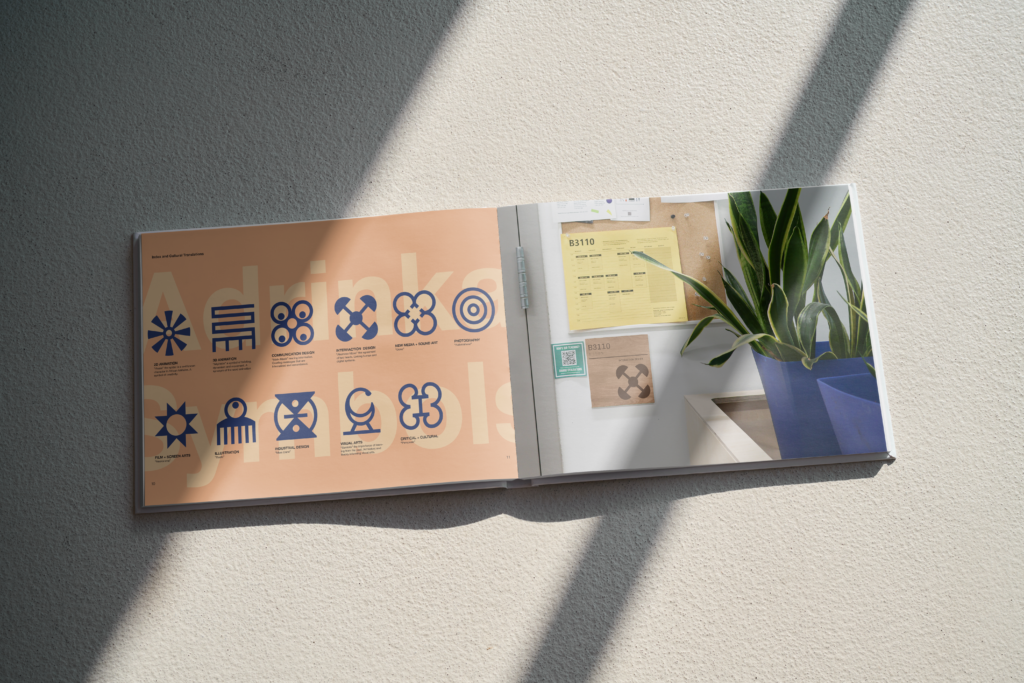
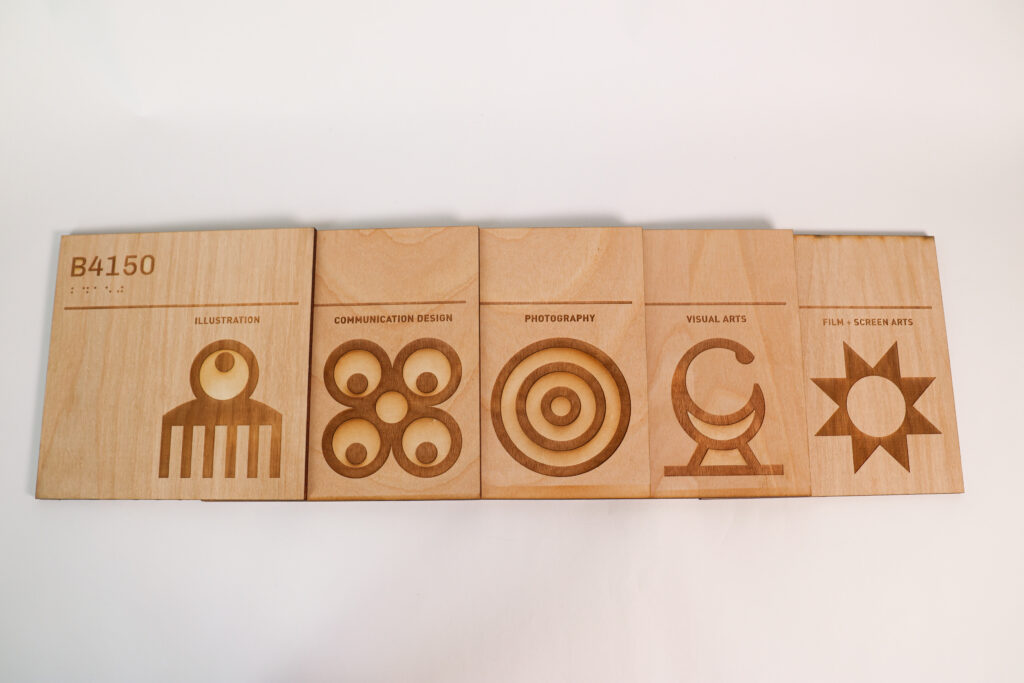
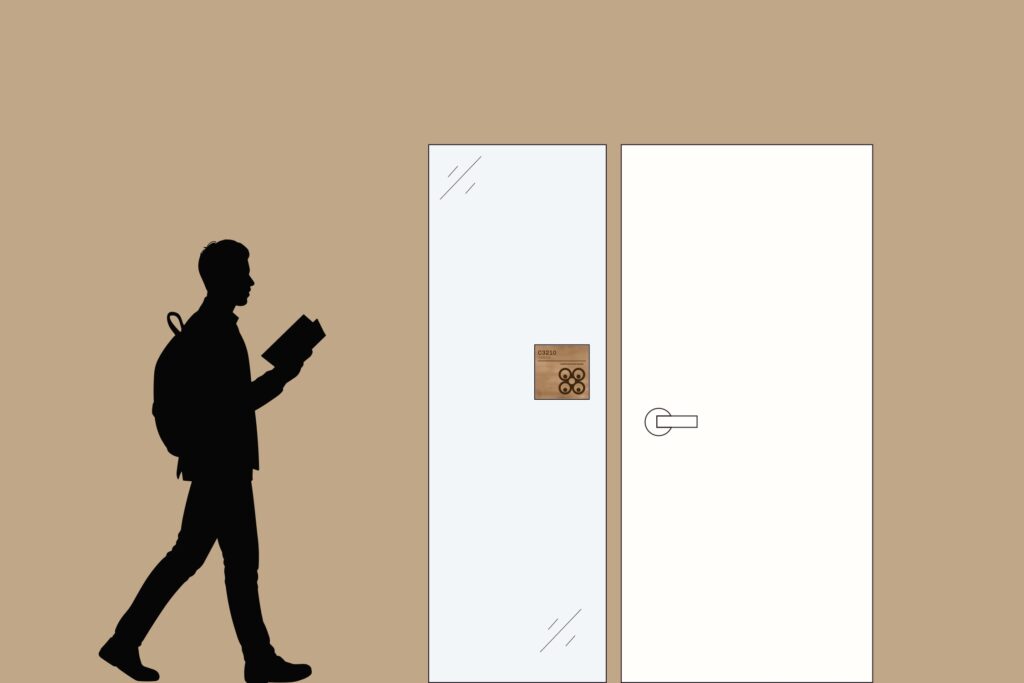
Replacing Emily Carr’s institutional signage with West African cultural signage system rooted in Adinkra symbols. By utilizing these icons as philosophical shorthands for academic majors, navigation is anchored ancestral wisdom. The result is a visual language where every sign and mural acts as a narrative of presence. This system restores power to communication design, turning the campus into a site of active storytelling and shared identity.
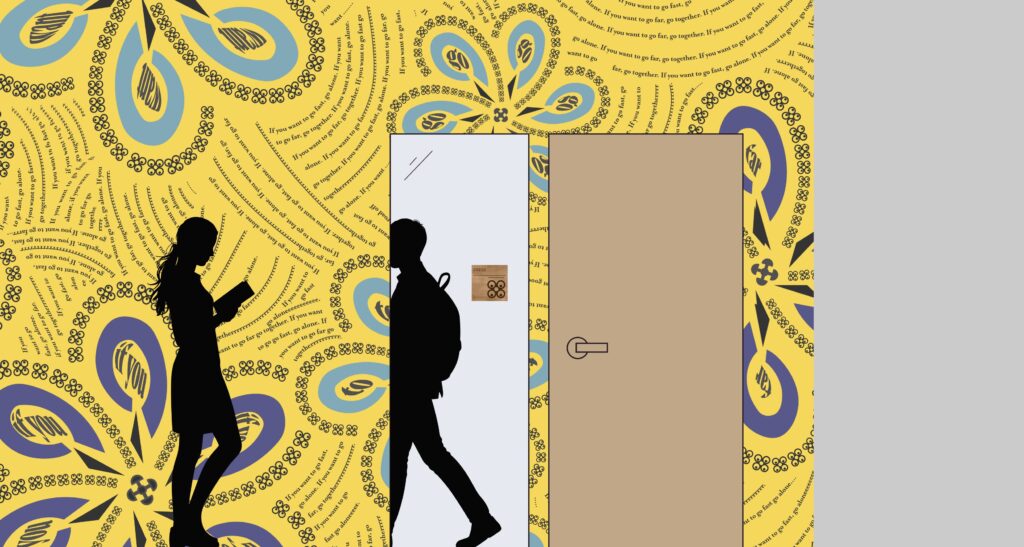
Cultural Context:
Adinkra are visual symbols originating from the Akan people of Ghana and Côte d’Ivoire that represent concepts, aphorisms, and philosophical meanings. Historically printed on cloth for royalty and funerals, these symbols represent the Akan culture and are frequently used in logos, art, and architecture to represent ideas, historical events, and values.
![A New Hope [Chest] by Audrey Allanson](https://2026.theshow-ecuad.org/wp-content/uploads/2026/05/DSC01131-2-300x300.jpeg)