Relationships with Textiles
Kimberly Brown
Exploring ways of making + altering textiles
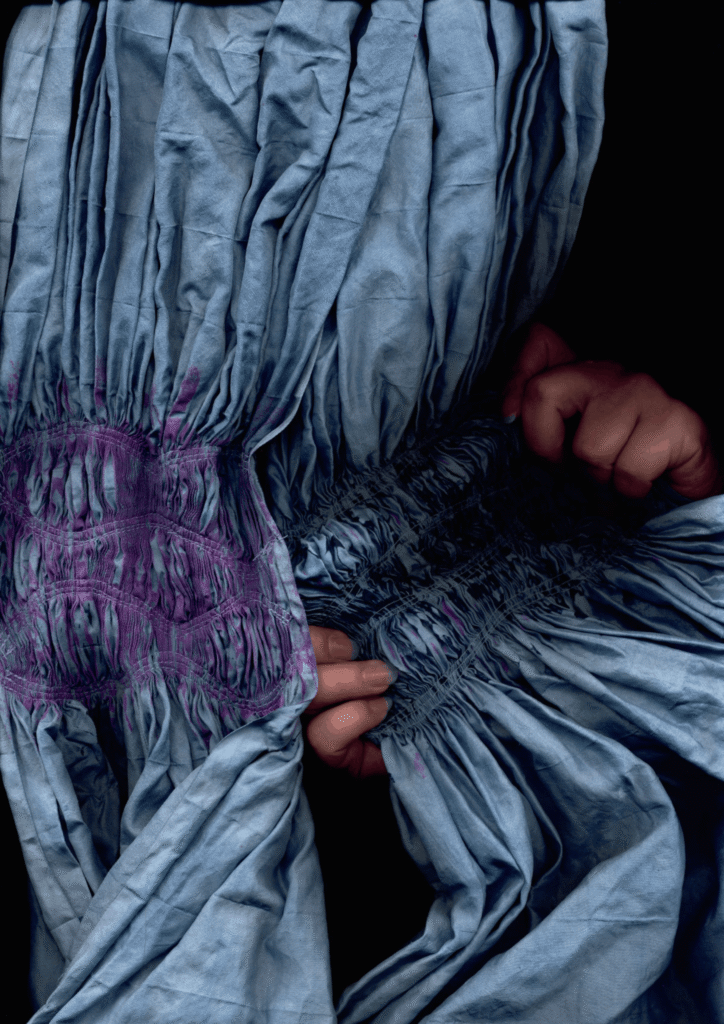
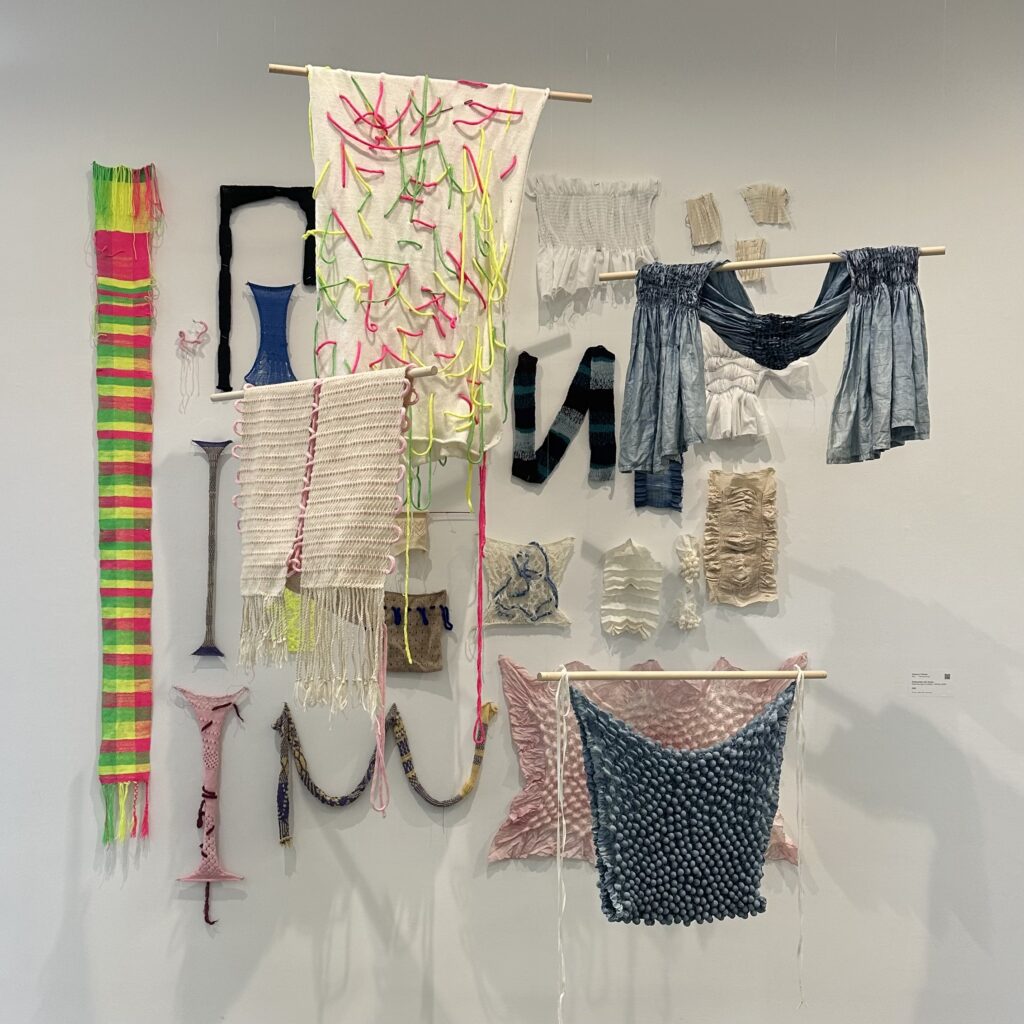
In this project, I have been working with textile-making and manipulation techniques, as well as expanding my skills in operating and building relationships with textile machinery.
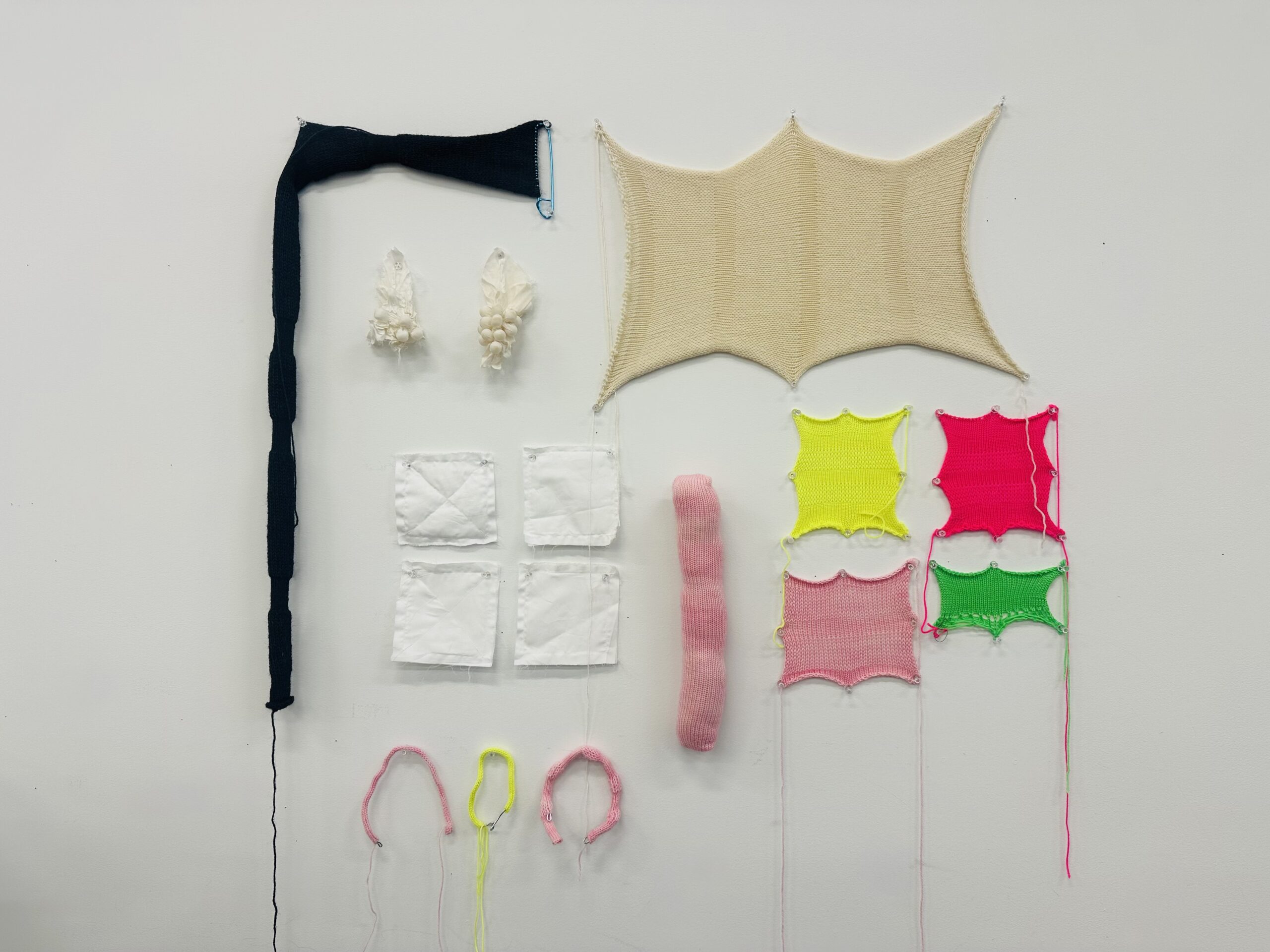
When I started this project back in September, I was looking at how textiles and textile objects could affect our emotions. How our interactions and emotional connections with textiles could lead us to view them more meaningfully. As my project developed throughout the first and second semesters, I found myself working with textiles in a way that developed an admiration for the material, rather than it being just an emotional effect. I found that I was developing a relationship with material, ways of making, and ways of working with textiles.
The plan for the semester became making textiles (objects, things, experiences) that are products of and representative of the processes by which they were made and altered.
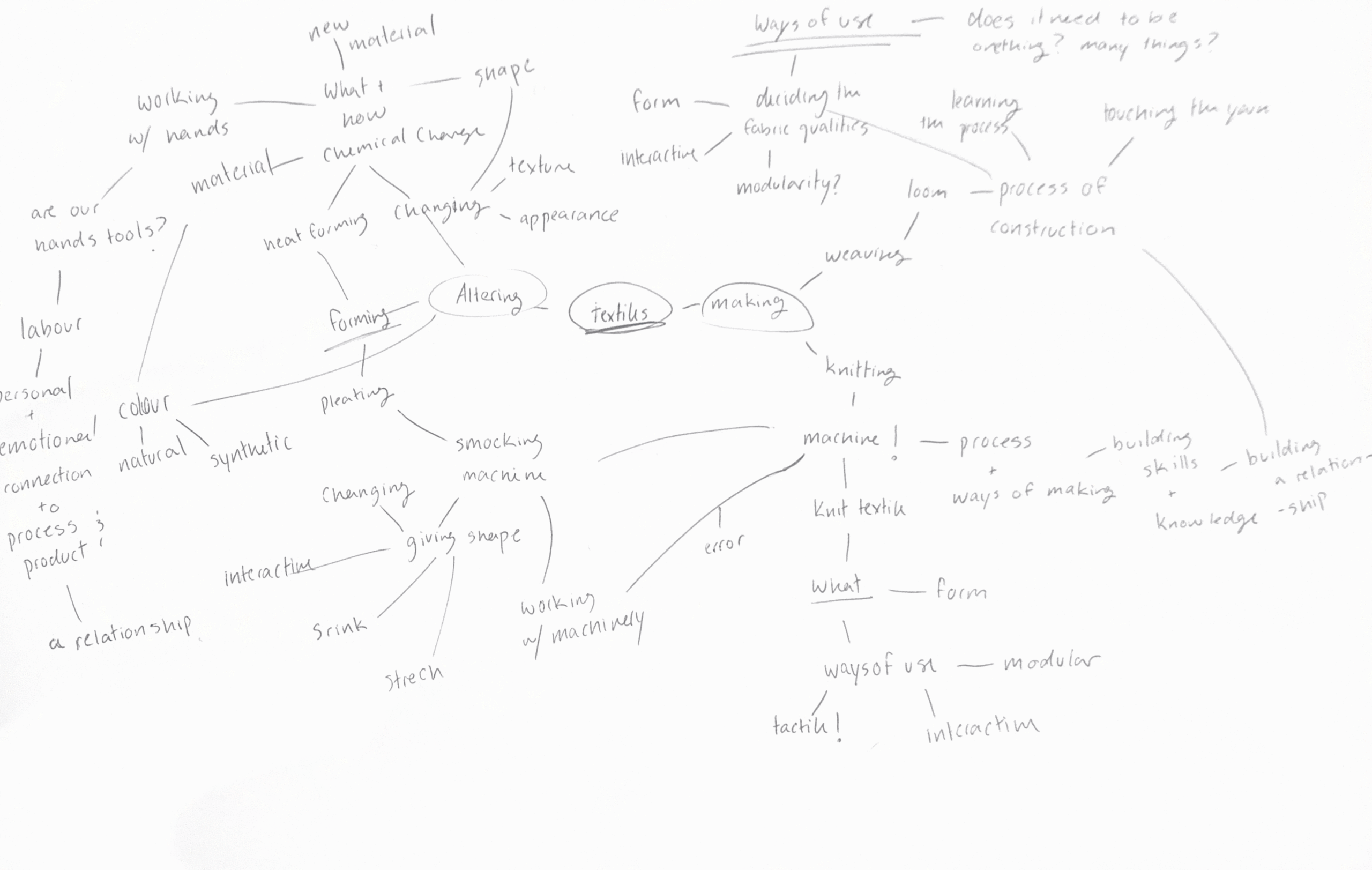
I would like to take a moment to introduce you to the tools/machinery that were integral to this project.
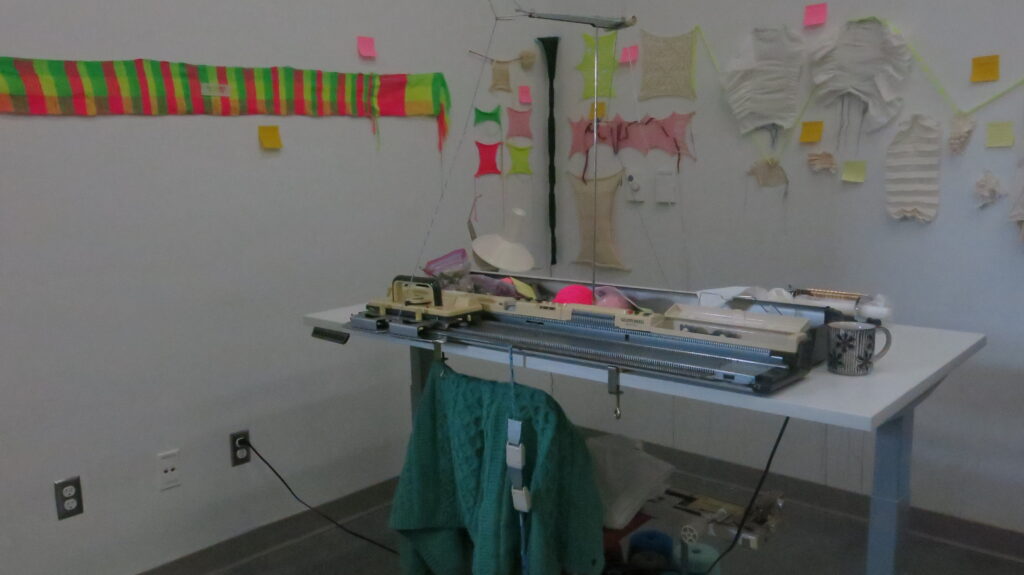
This is a knitting machine
This is a loom
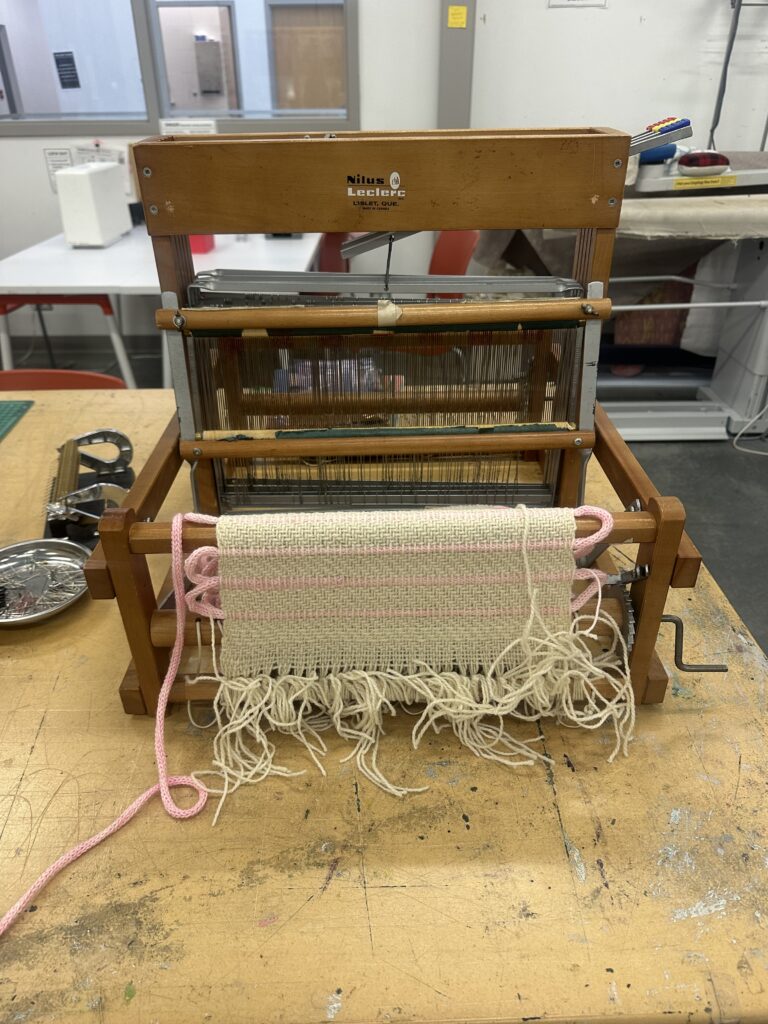
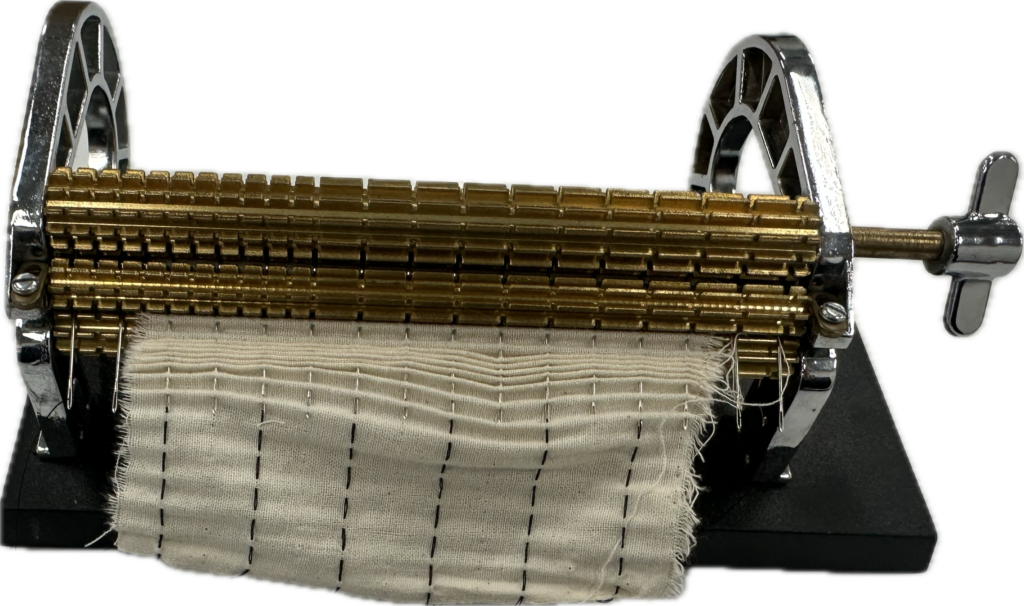
This is a smocking pleater
and these are my hands
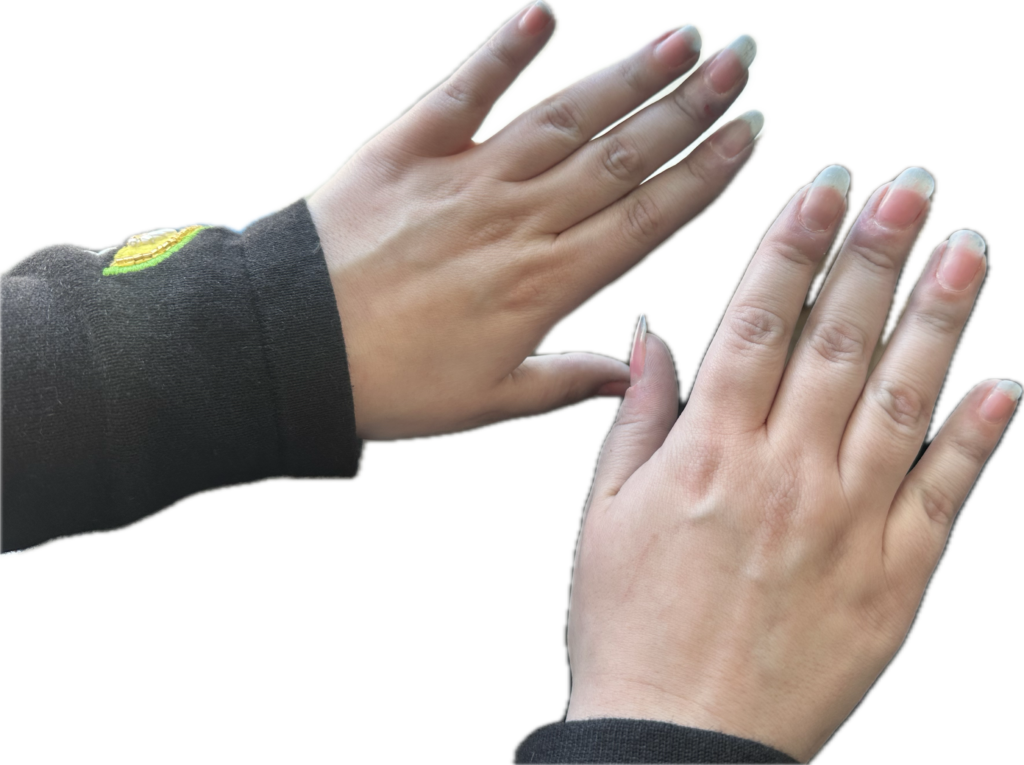
Using these tools, I was able to create and alter textiles
I first explored making textiles. I wanted to look at methods of making textiles using machinery. The most commonly produced textiles are woven and knit, both of which are made on a large scale using production machinery. For this project, I was working with domestic versions of those machines. This gave me an understanding of the process and helped me connect with the materials.
I started with machine knitting. I was working to find ways to add interest to knit fabric.
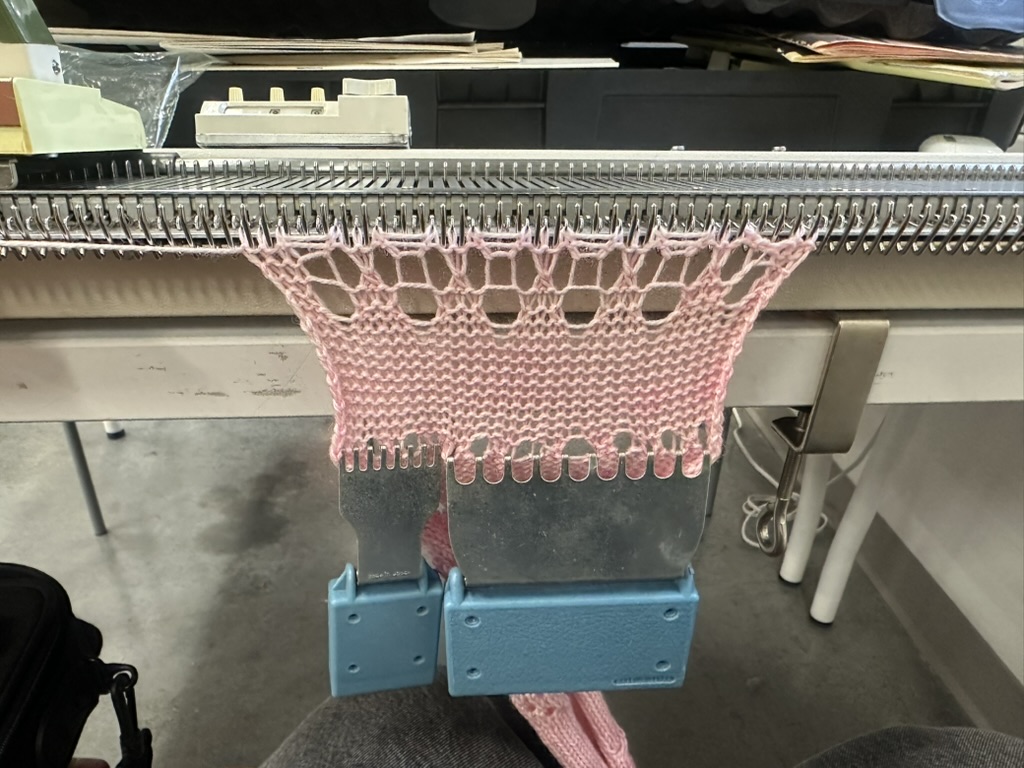
Here I was working on manually transferring stitches to create lace.
I found I liked the simplicity of lace and the way it allows other materials to be woven through the gaps in the fabric.
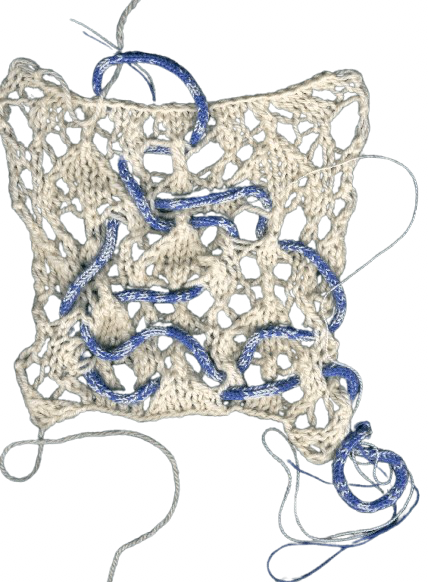
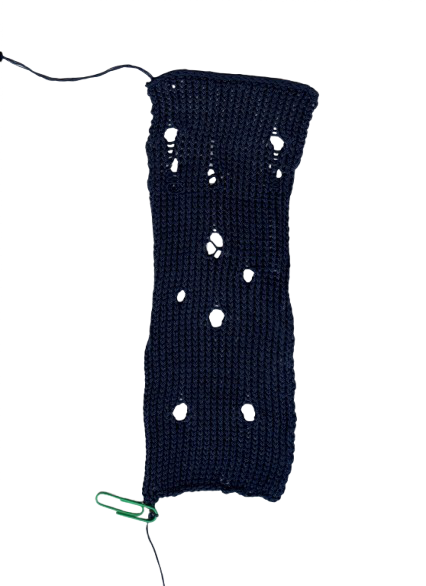
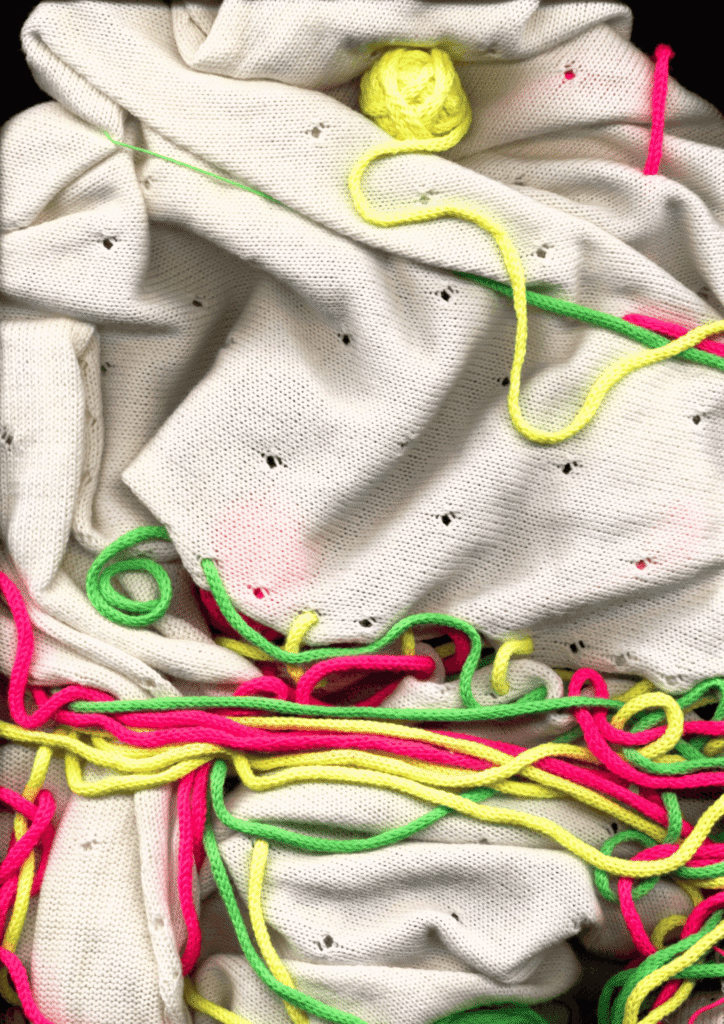
I decided to pursue making a larger-scale knit fabric with lace eyelets, which would allow for the fabric to be gathered and formed into a more three-dimensional structure. This is a sample I made to determine the specific types of eyelets I wanted to make.
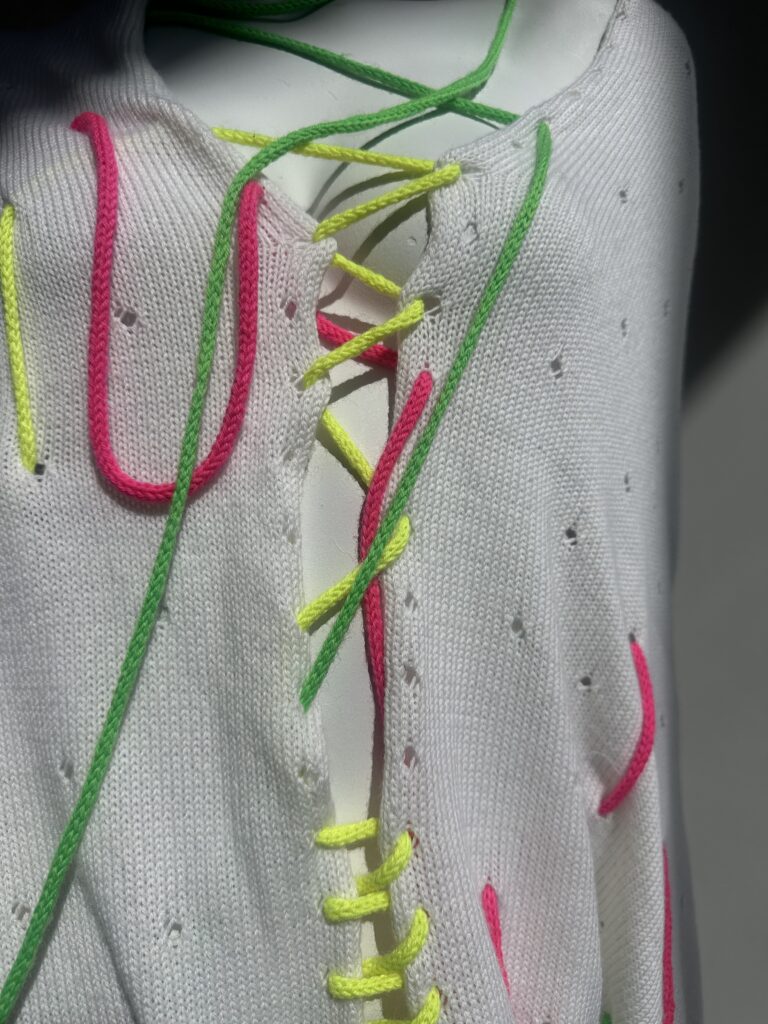
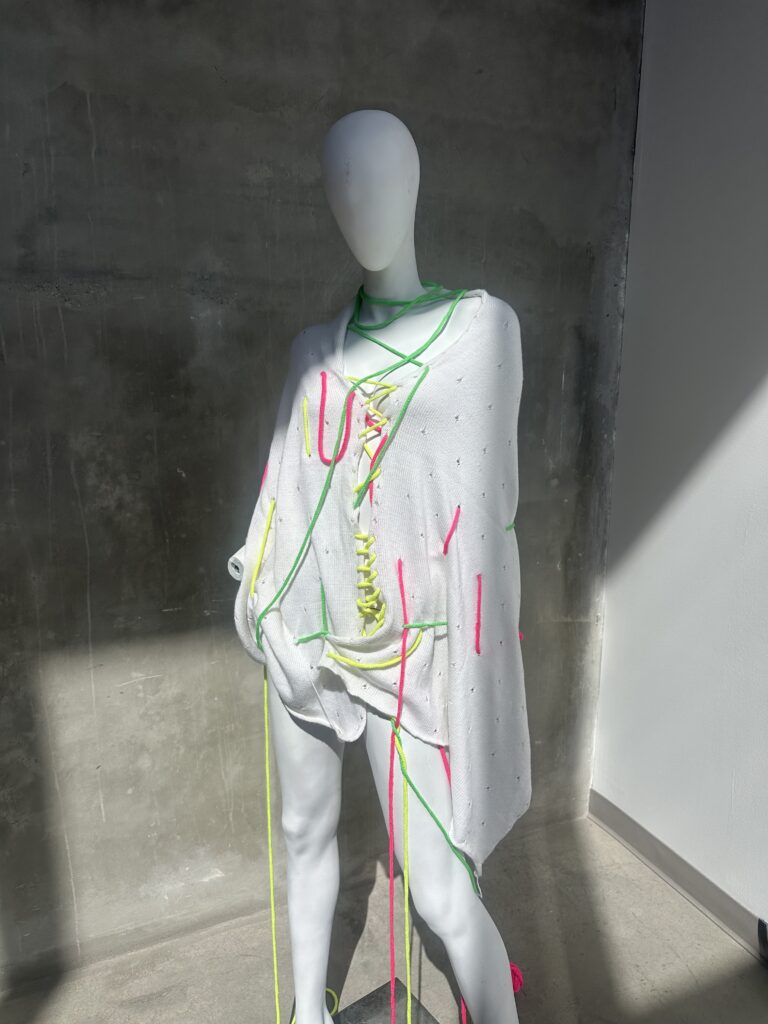
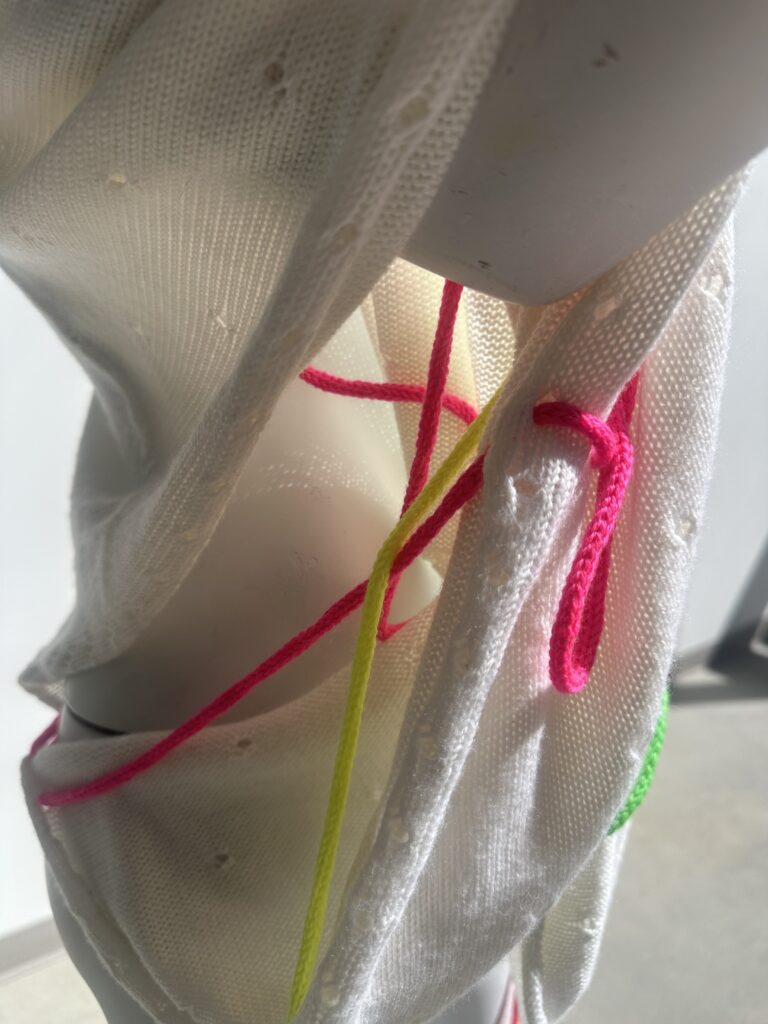
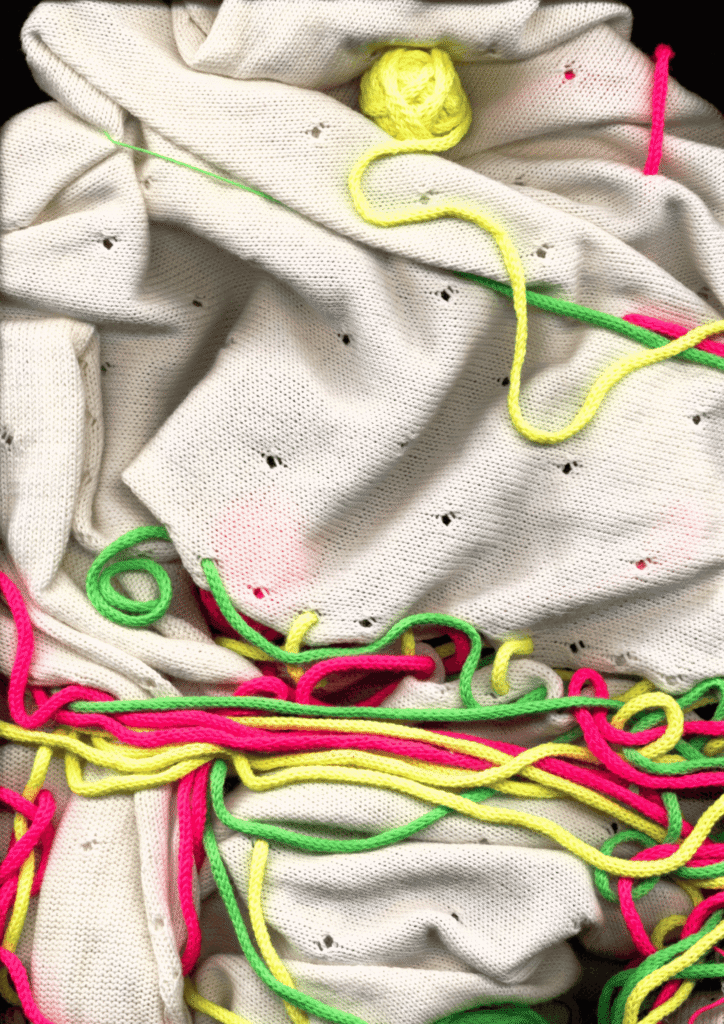
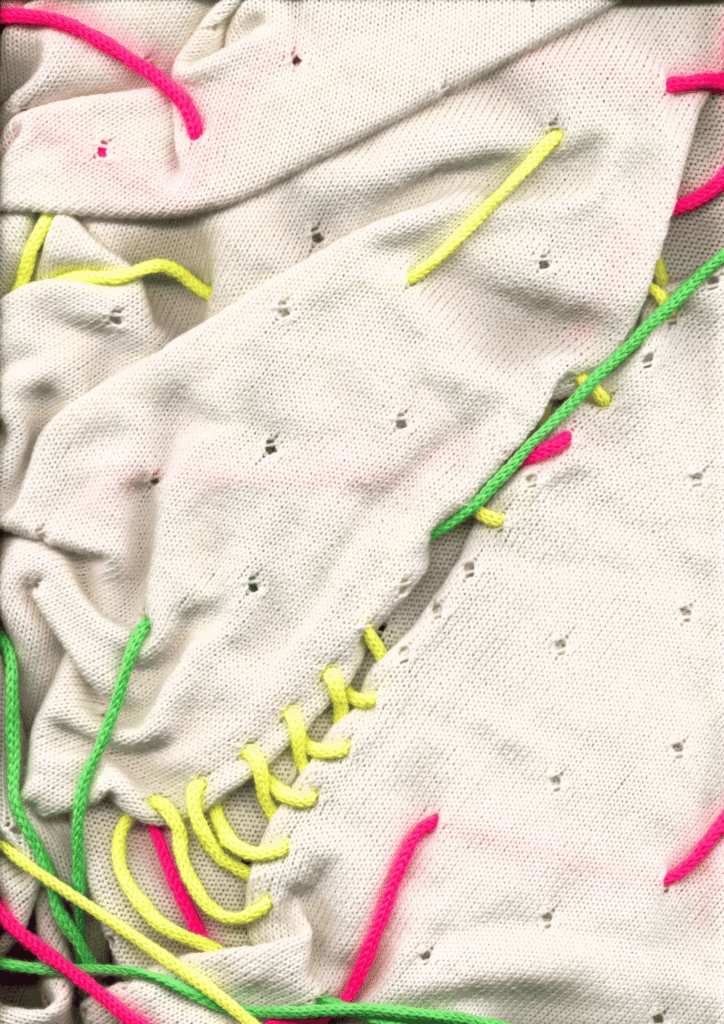
These are some photos of the fabric bound around a mannequin and scans of the textile
I was also looking at creating a textile by weaving
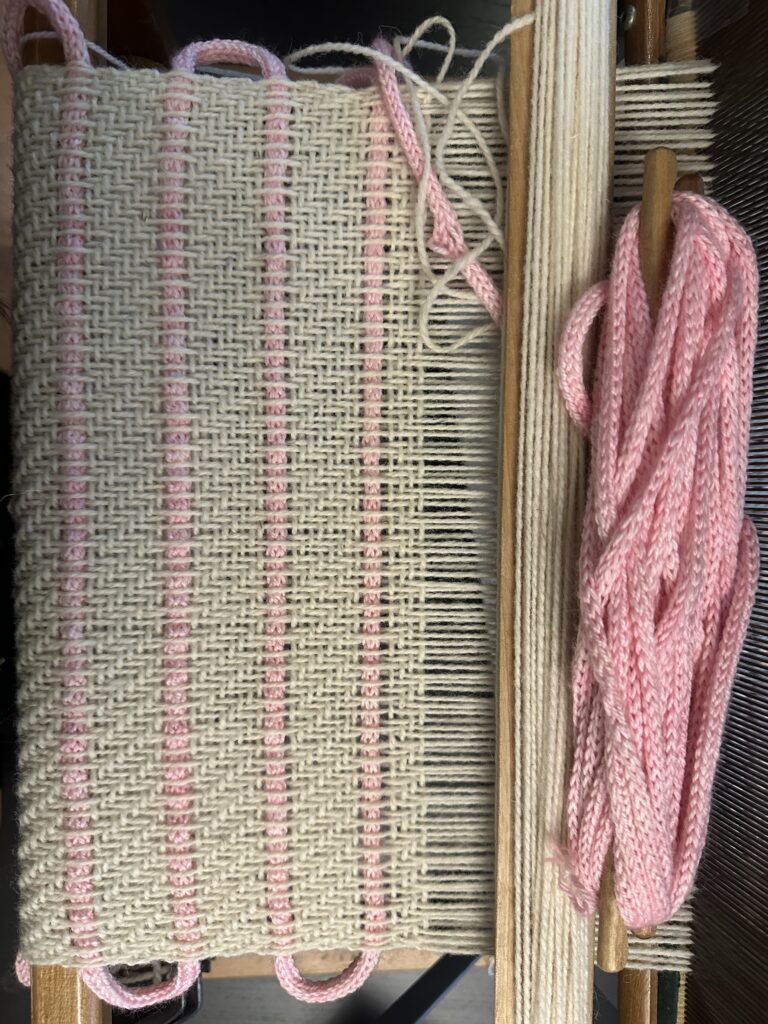
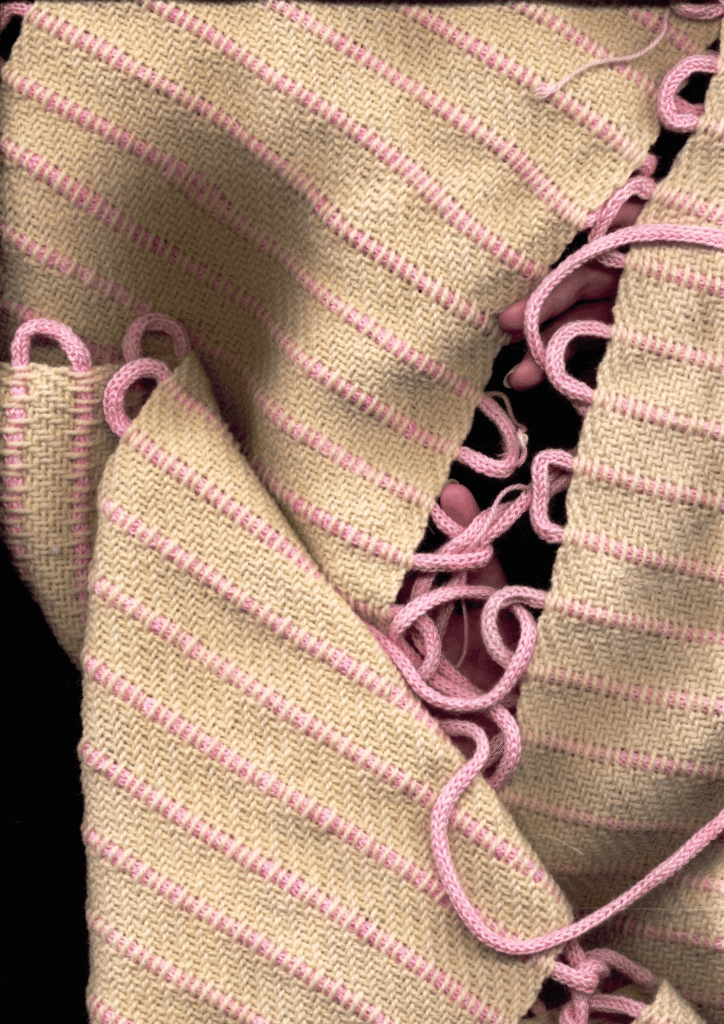
My plan for this loom was to weave different thicknesses of weft threads into the fabric to create an interesting texture. And to give the textile more form, I made loops of the contrast weft along the edges to be used to configure the finished woven fabric.
Here is the woven textile when it was finished
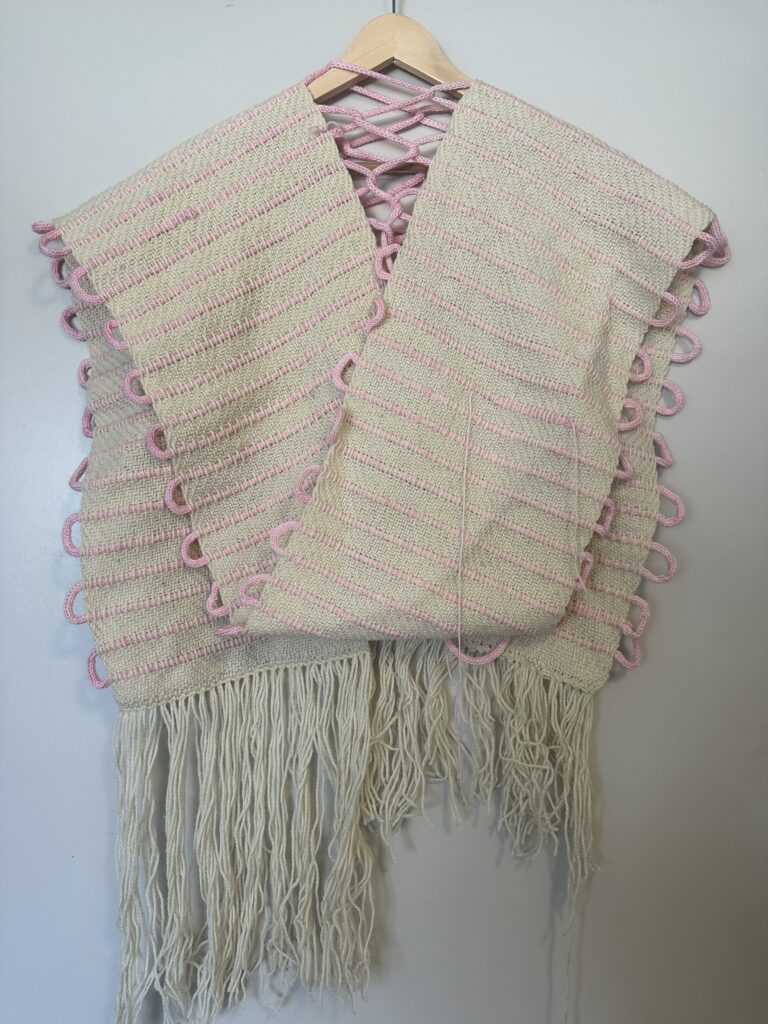
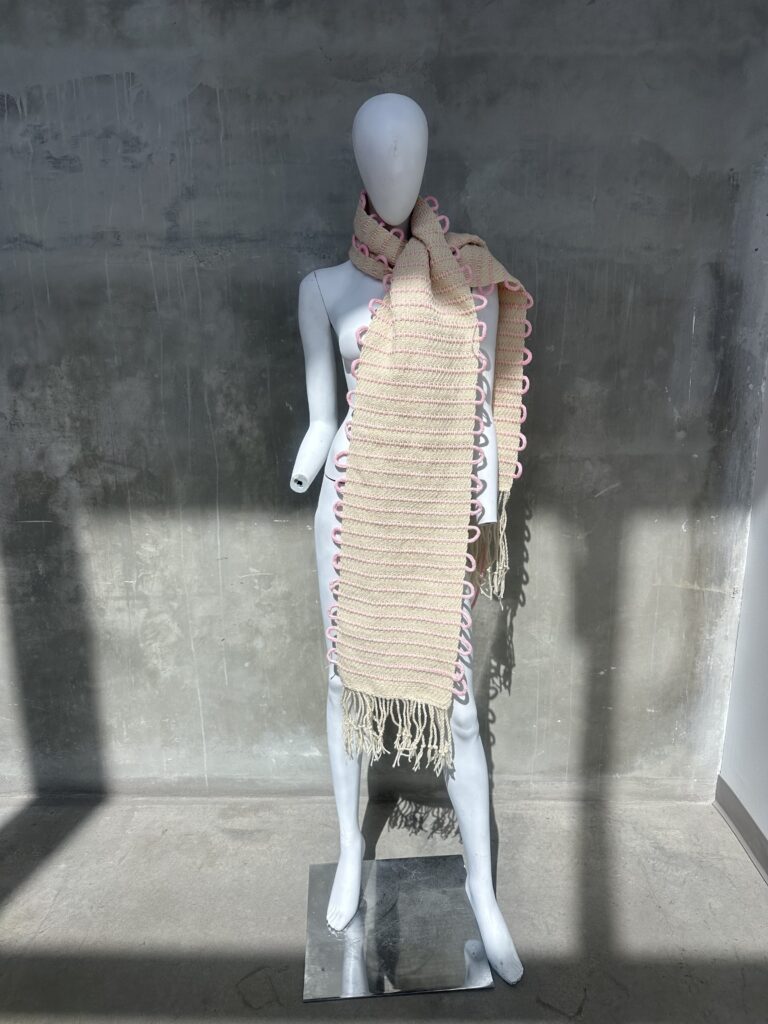
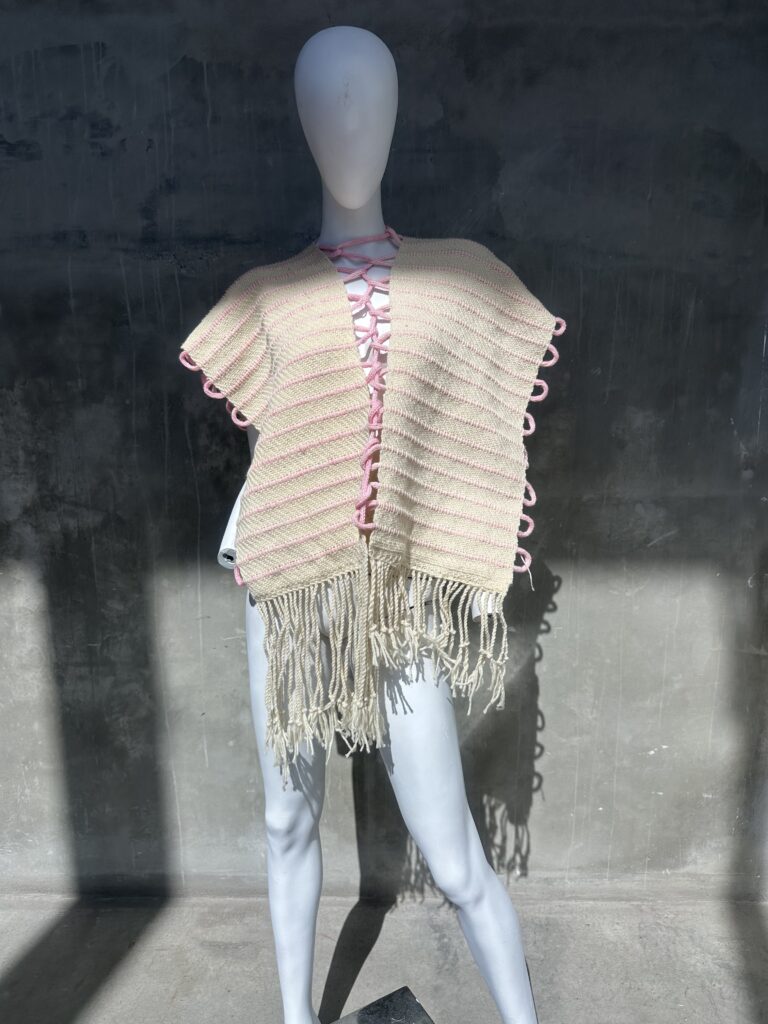
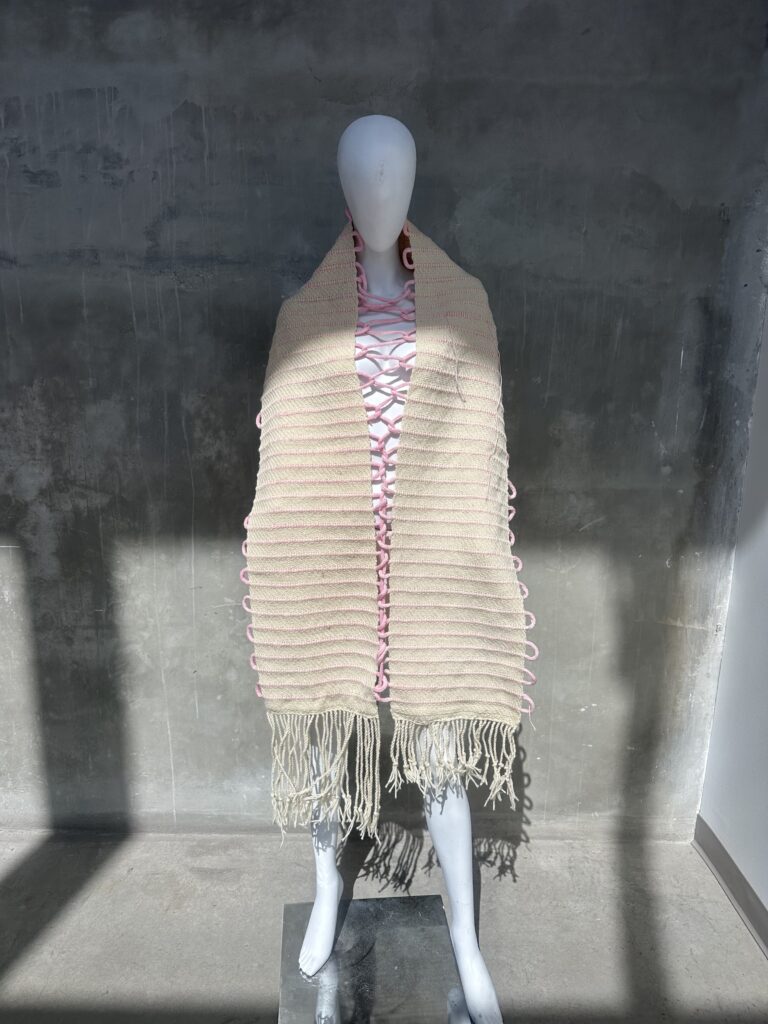
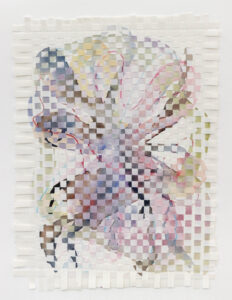
& scans
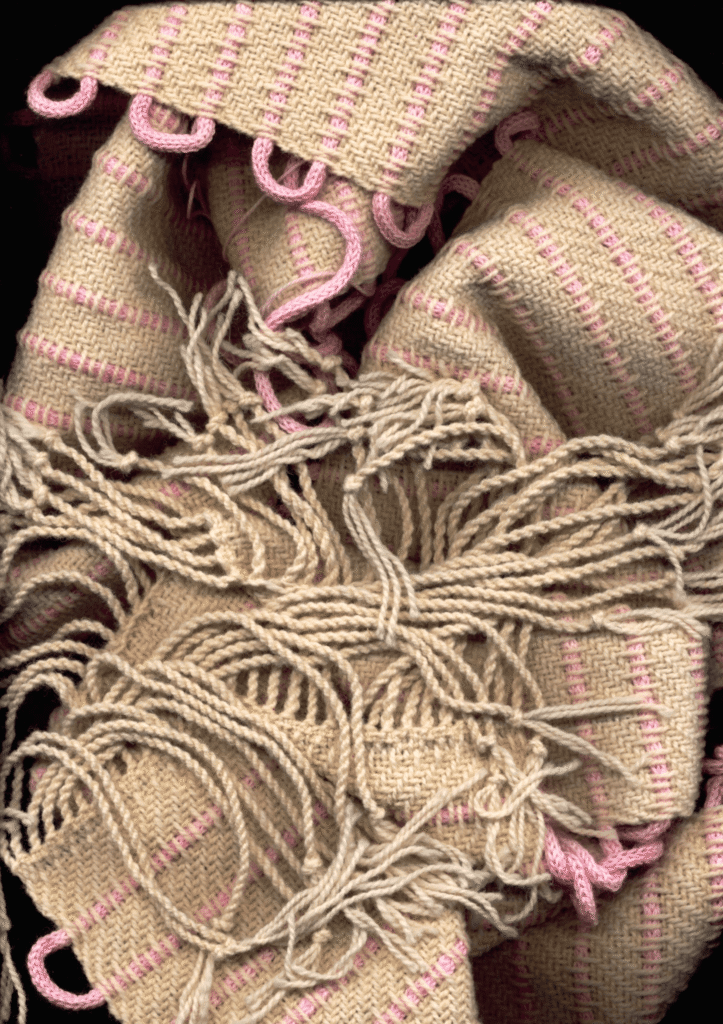
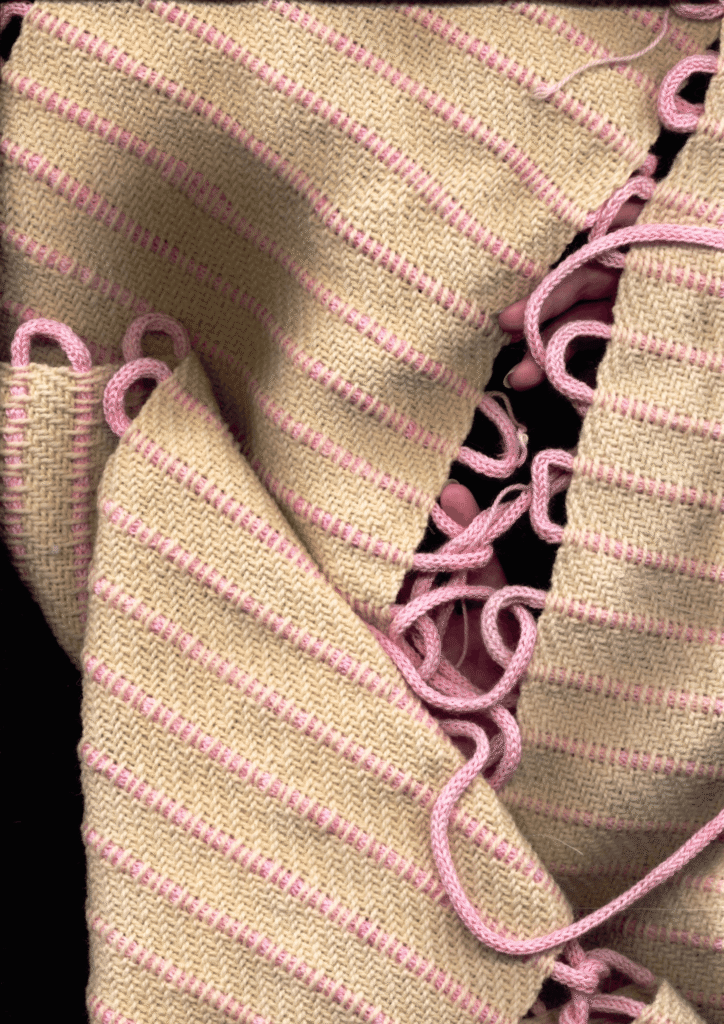
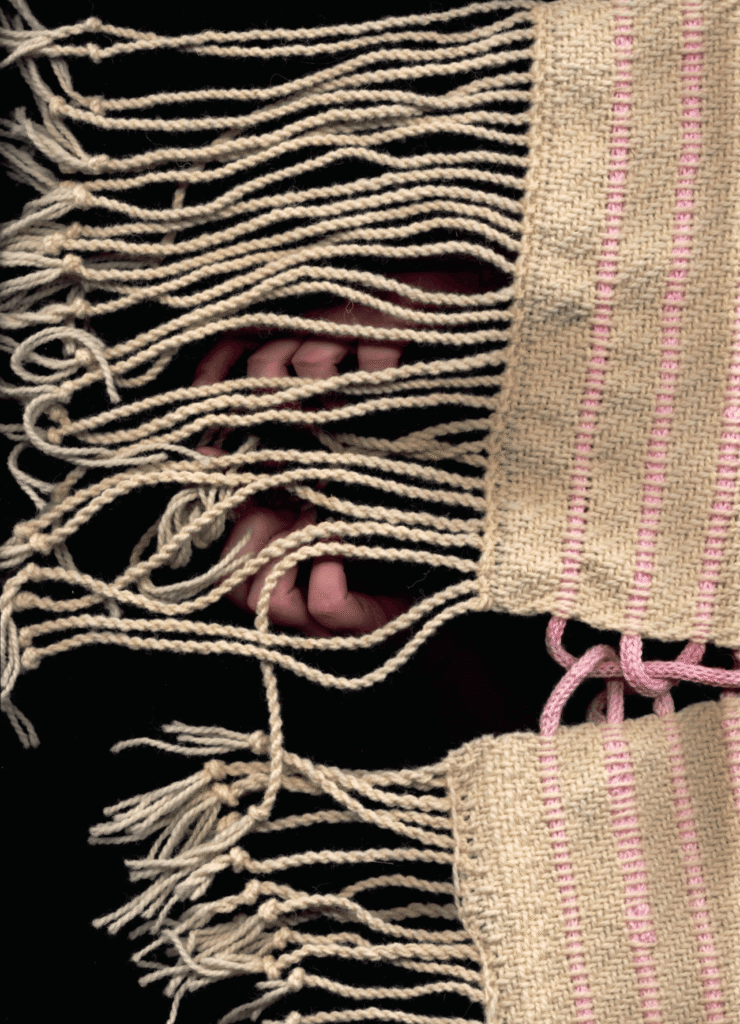
The second way I investigated was how to modify textiles using different methods to transform a flat piece of fabric into a more complex form, and to see what that complex form could lead to.
I wanted to preserve the original fabric while keeping it usable. Neither of the altered textile objects I made involved cutting any of the original fabric; rather, I relied on forcing the fabric into a different shape.
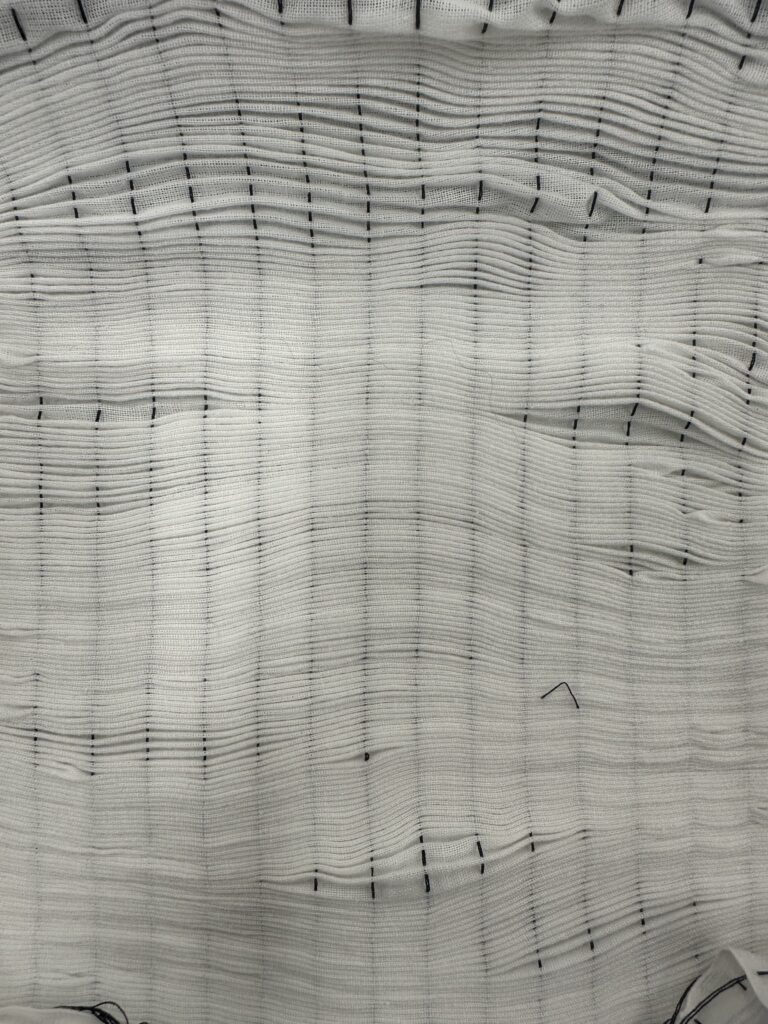
These are samples I made using my smocking machine.
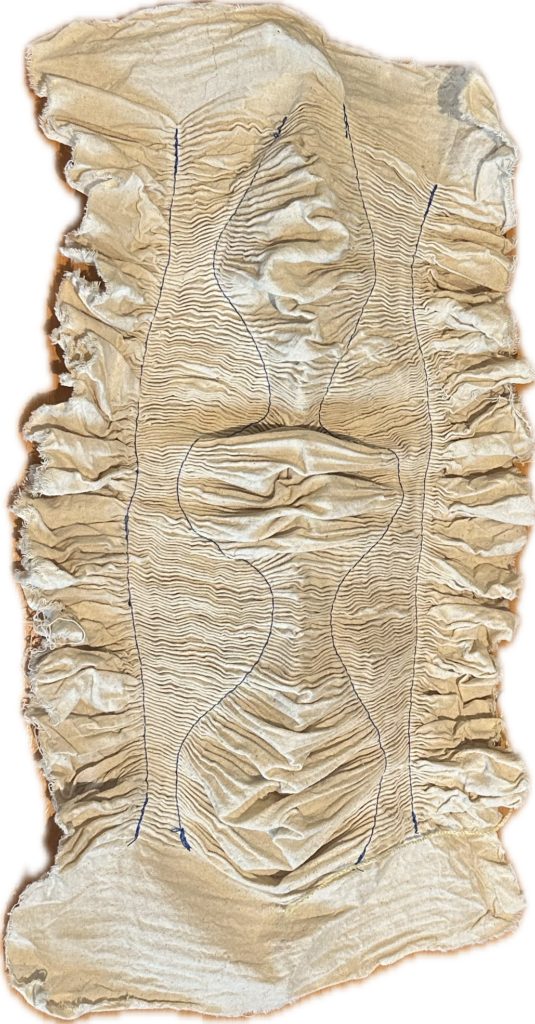
This is fabric I smocked using water-soluble thread. I then sewed these squiggly lines onto the pleated fabric. I washed away the threads and was left with this
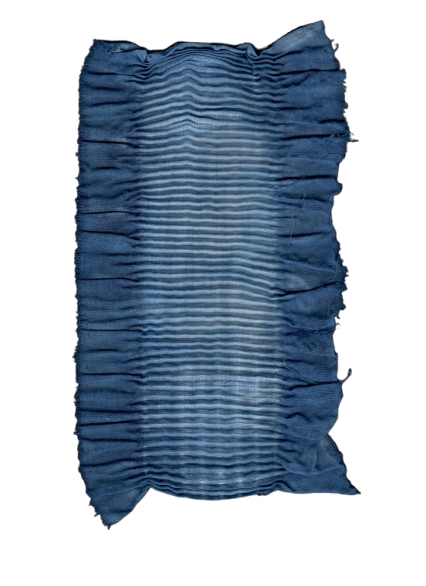
I wanted to see how colour could enhance the texture of the plated fabric, so I experimented with indigo dye. The parts of the textile that were bound together didn’t take up much indigo, but the exposed parts of the fabric have become a deeper blue.
I wanted to continue working with creating pleated and textured fabrics with the smocking machine. I decided to try exaggerating these textures with fabric paint so that the texture is more visually noticeable.
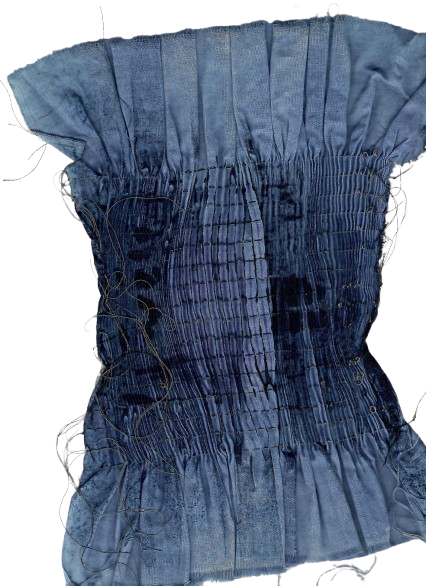
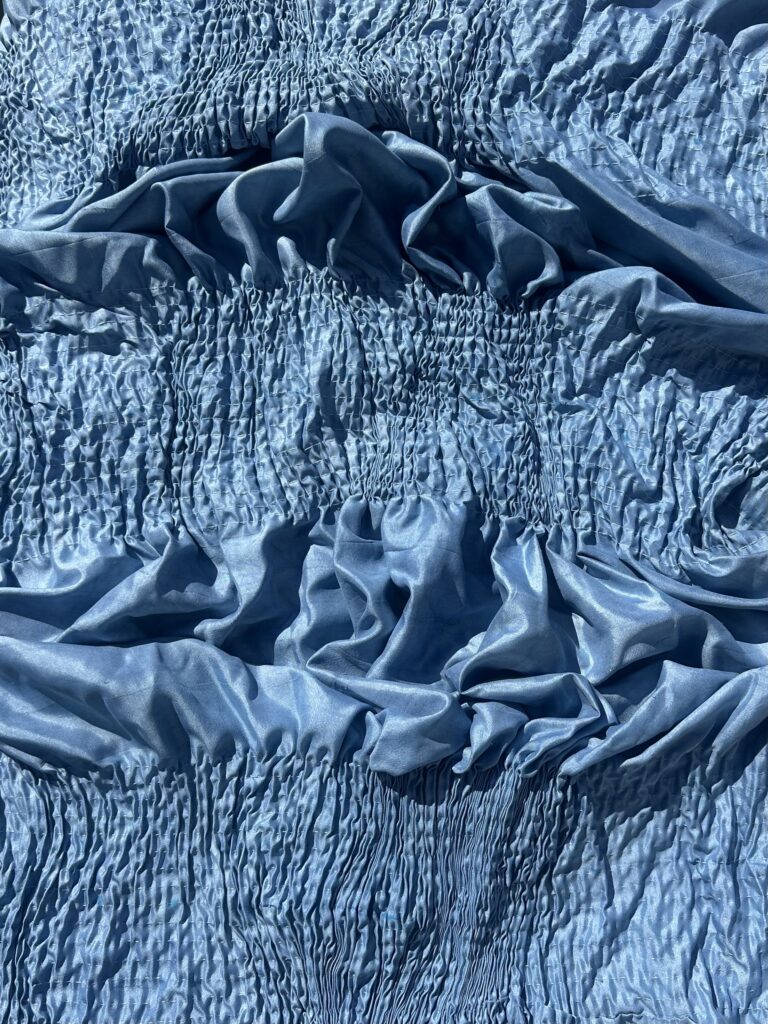
I wanted to experiment with a larger piece of smoked fabric, so I decided to repurpose some silk I used last semester for heat forming. I wanted to be mindful of how much fabric I was using in this project, as a key factor in how I work with material is how it gets disregarded as waste. I dyed this fabric with indigo. I then smocked across the fabric using the water-soluble thread.
I used fabric paint on top of the pleats to exaggerate the contrast in the texture the fabric had taken on. I sewed over the pleats in a similar way to what I had done in a few of the samples I made. I then washed the fabric so the thread would dissolve.
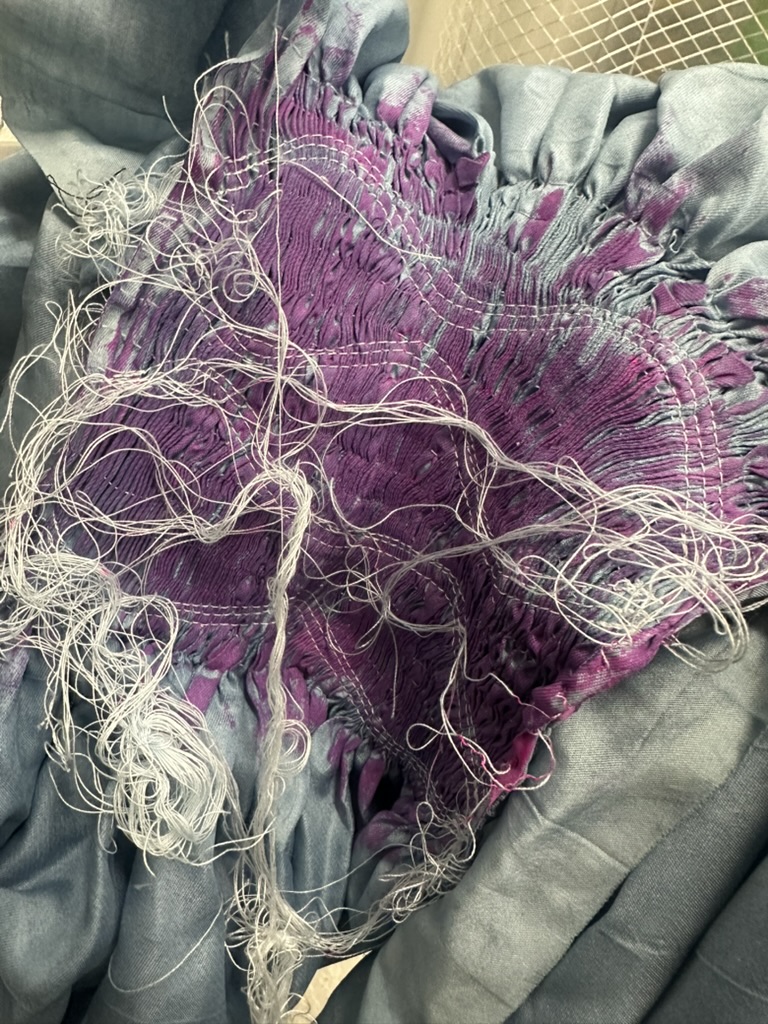
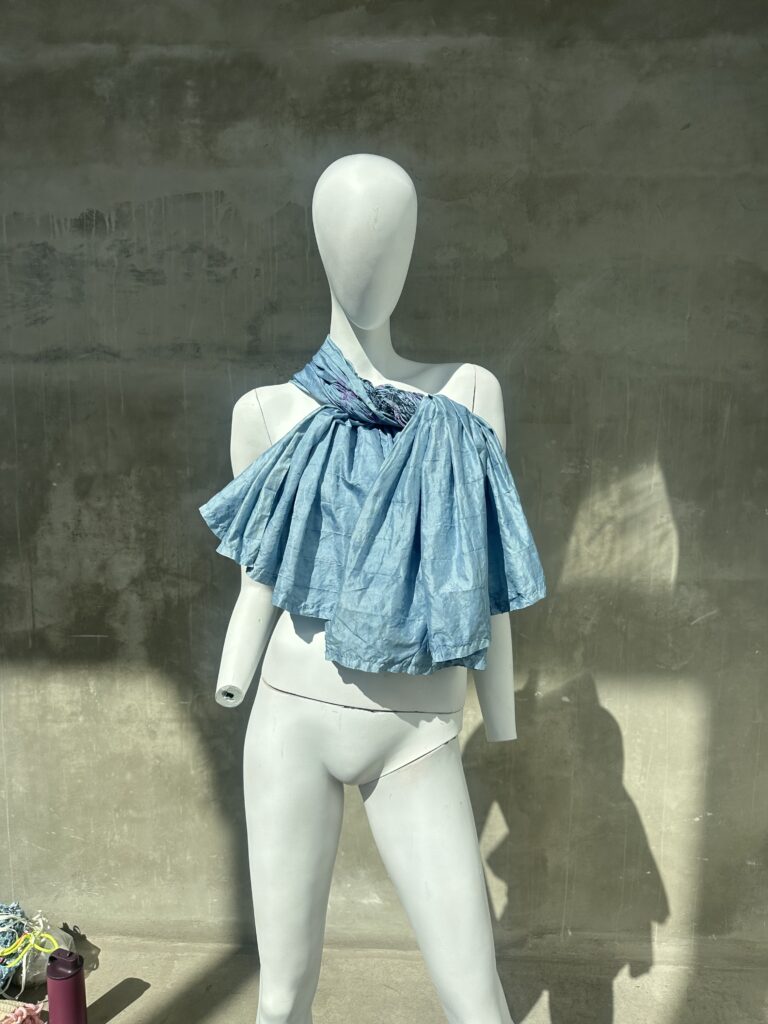
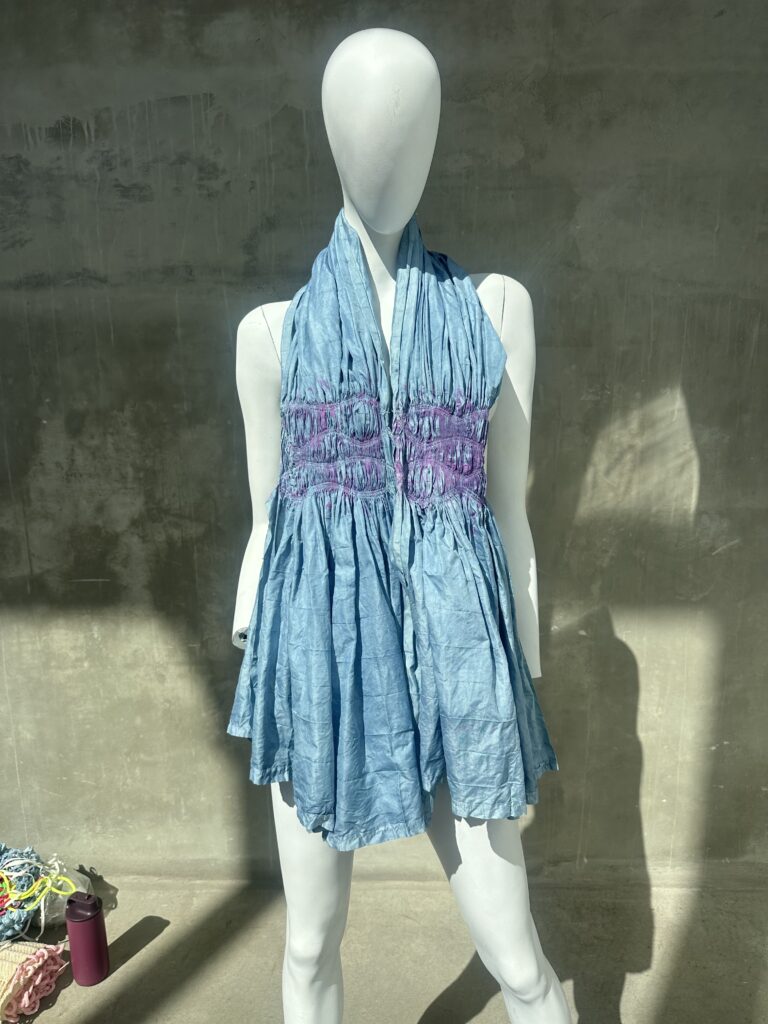
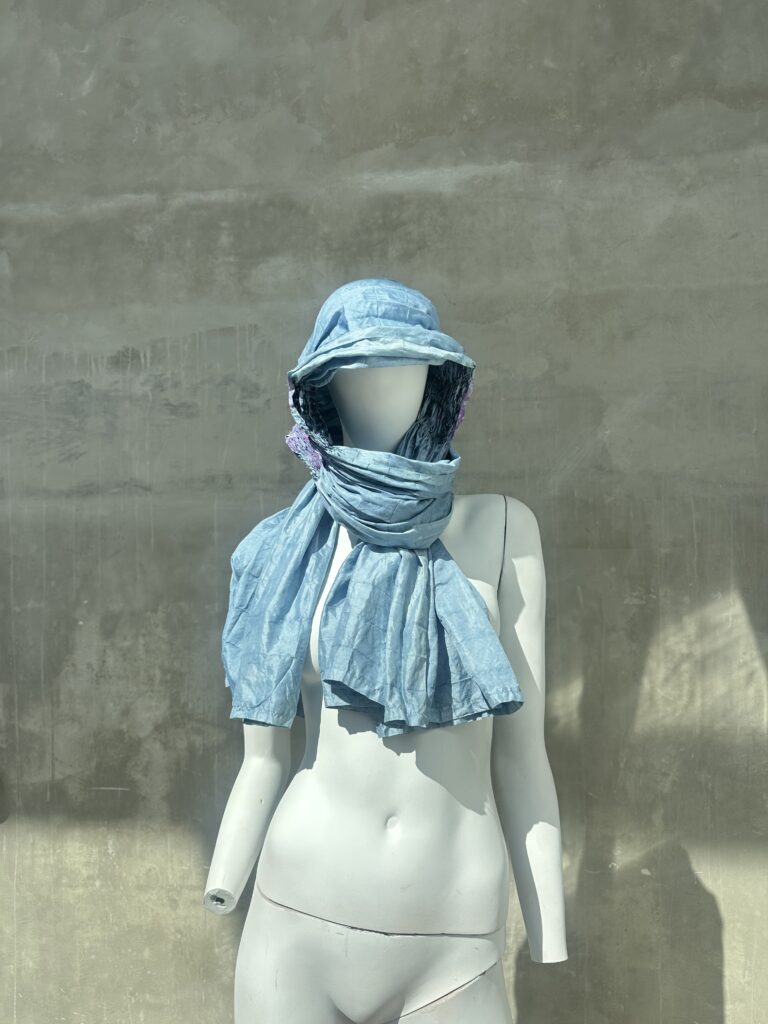
This is the fabric draped over a dress form. Though this textile alteration is not as modular as the other textile objects I made, it demonstrates how I altered a textile without taking away any material. I like that with this finished object, I can remove any stitches and return the fabric to its flat state to use again for something else.
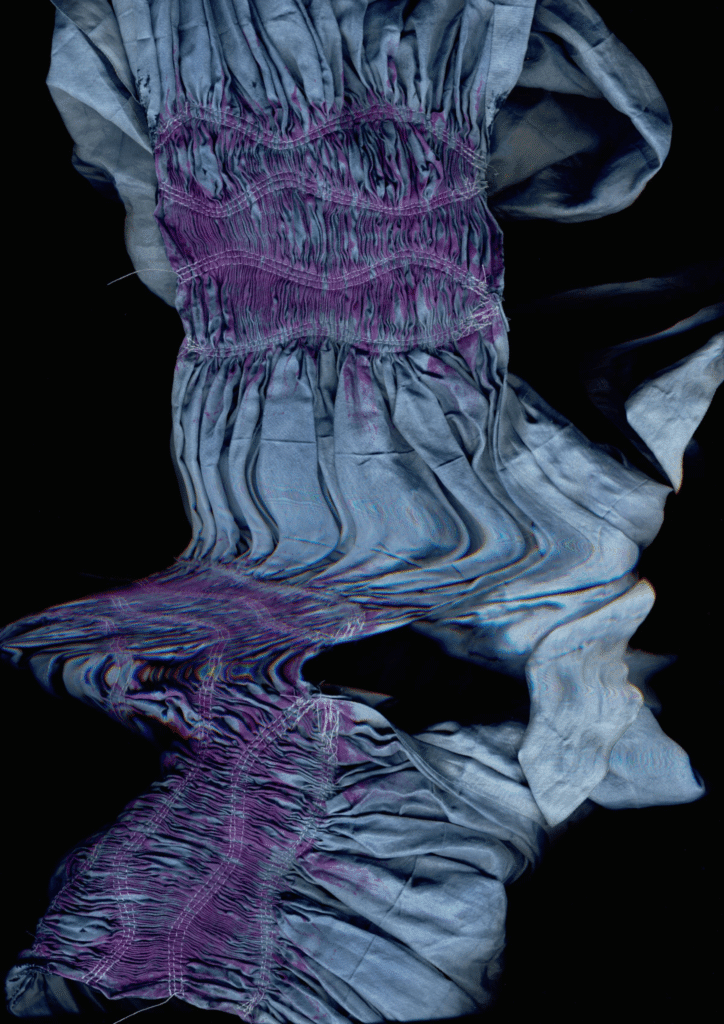
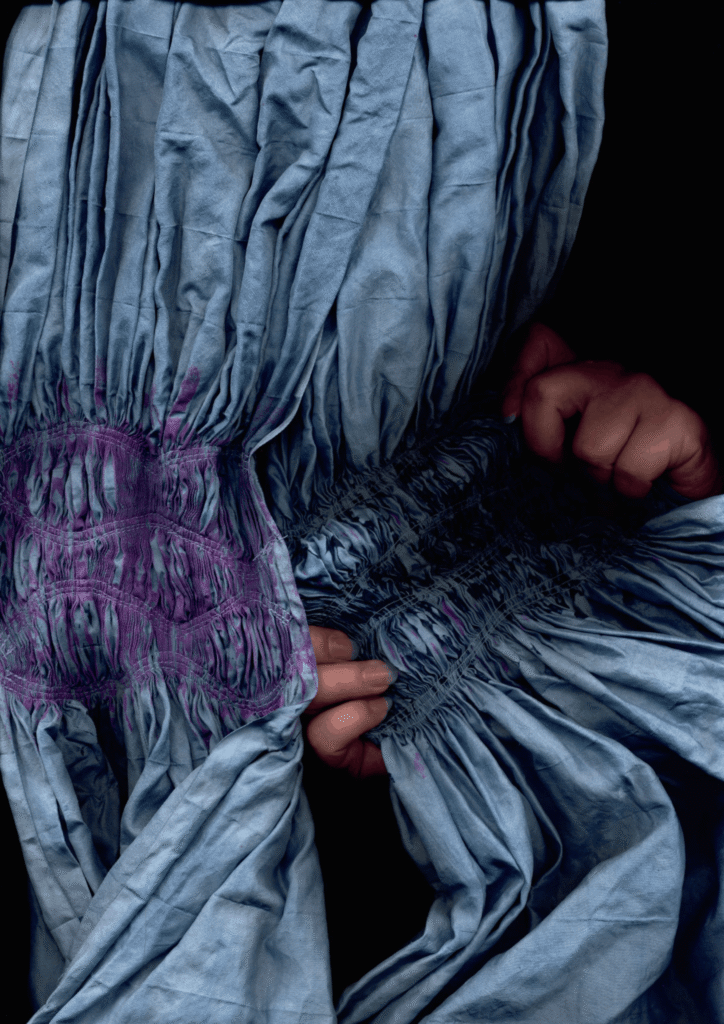
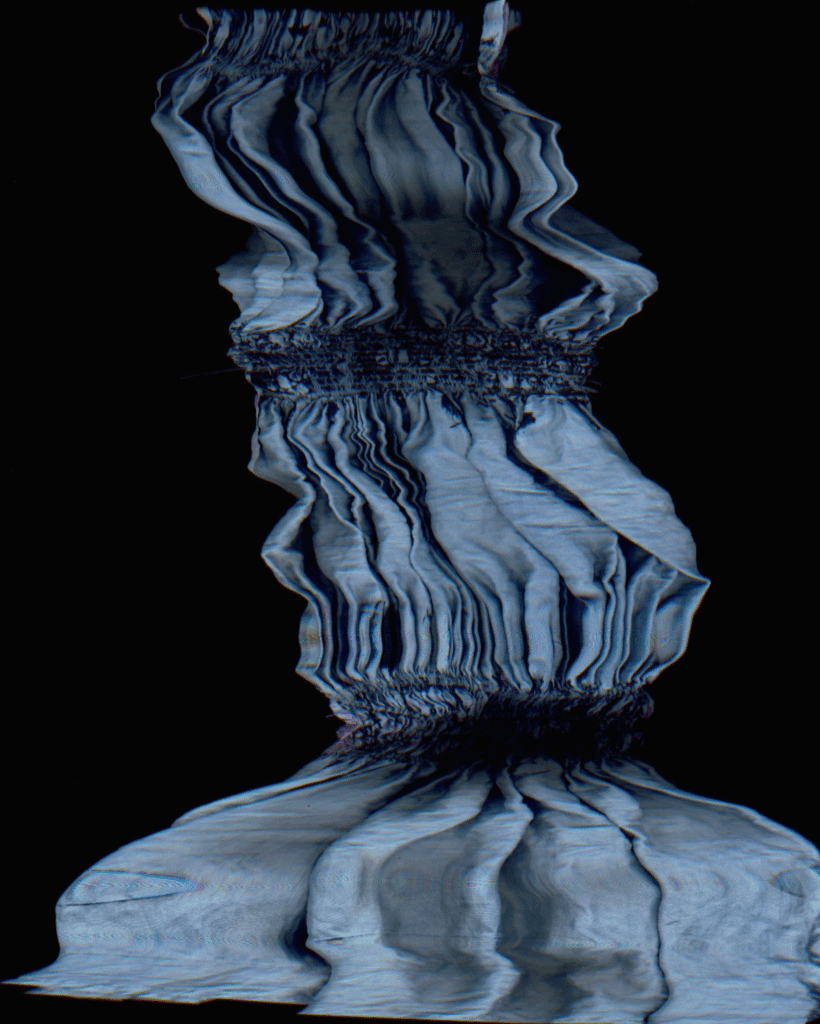
Another way of altering fabric I explored was heat forming
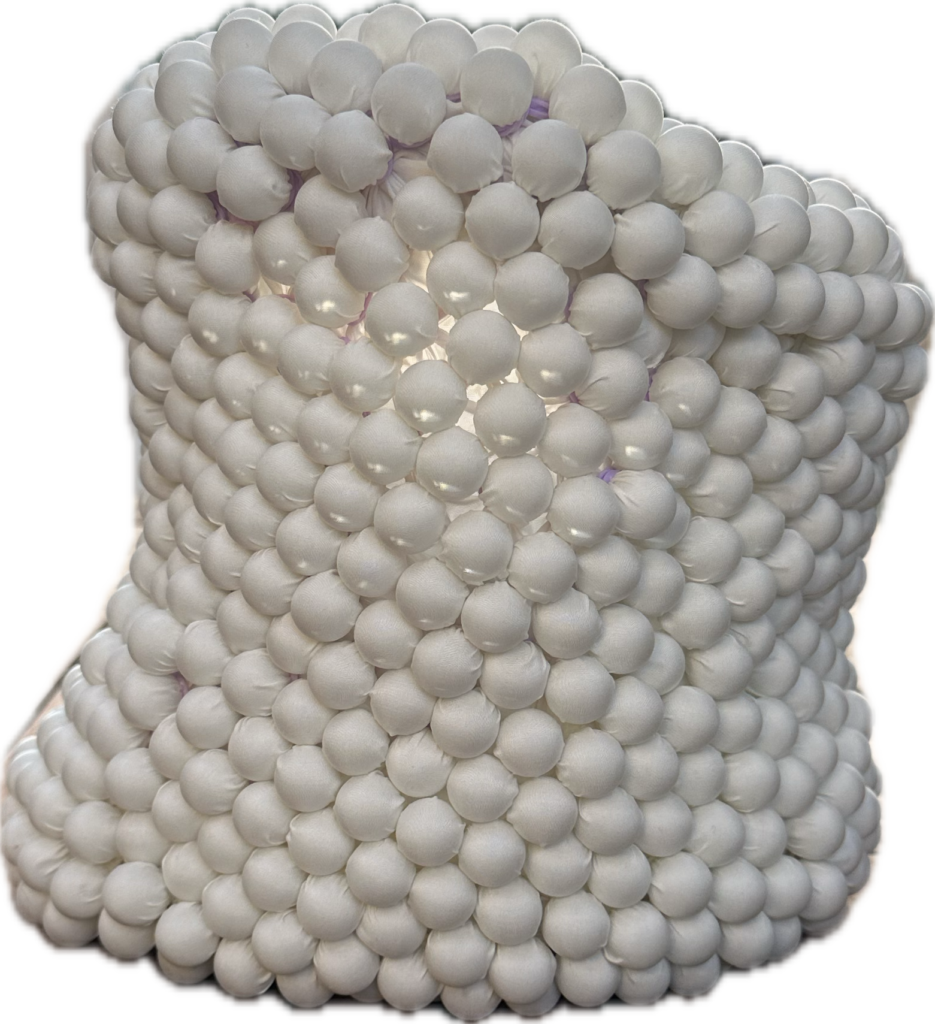
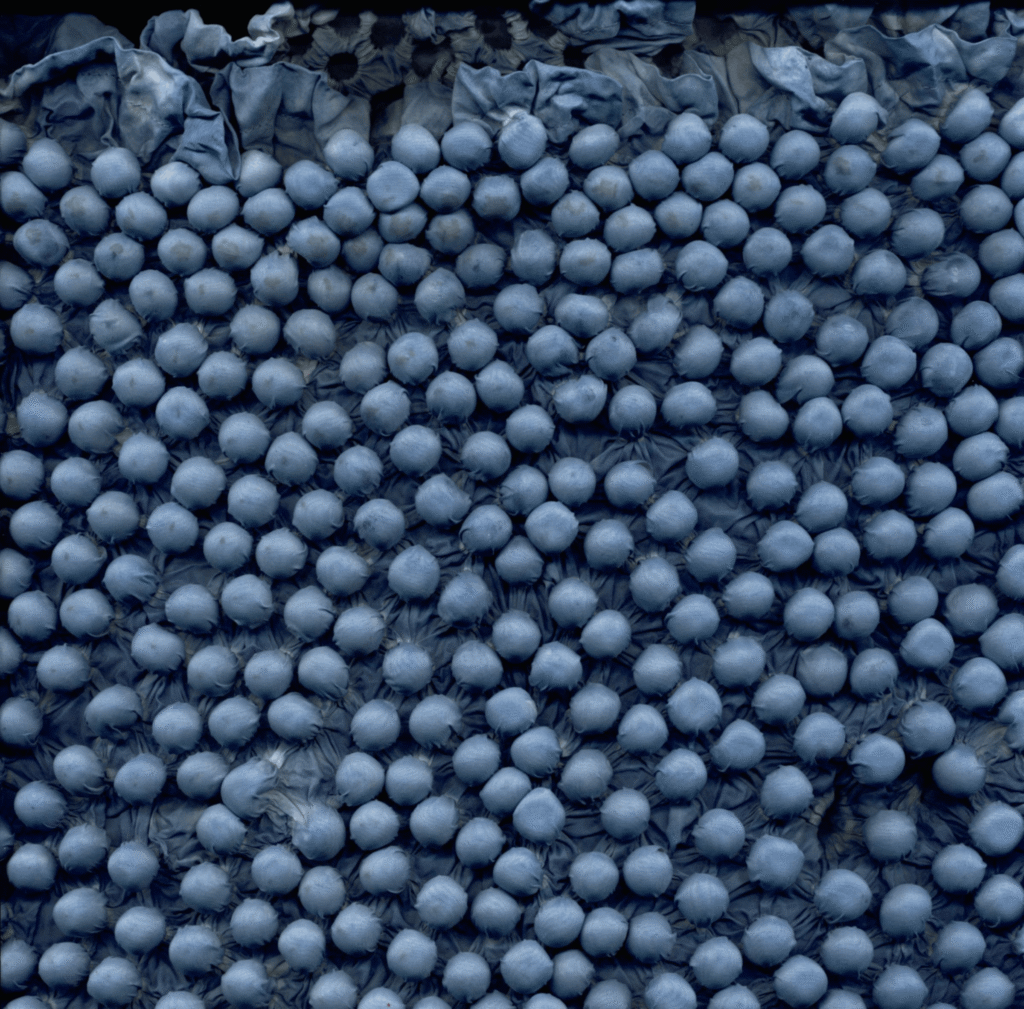
I chose to sew the fabric into a tube, then sewed the edges so the fabric had a channel for a drawstring at the top and bottom. I chose to use marbles to produce a specific effect from heat-forming. I bound the fabric around the marbles using Rainbow Loom bands.
I also chose to dye this textile in indigo, so I could emphasize its texture. The parts of the fabric covered by the elastic remain white, but the exposed fabric will take on the indigo dye. I then placed the fabric in a pot with a steamer rack to heat it.
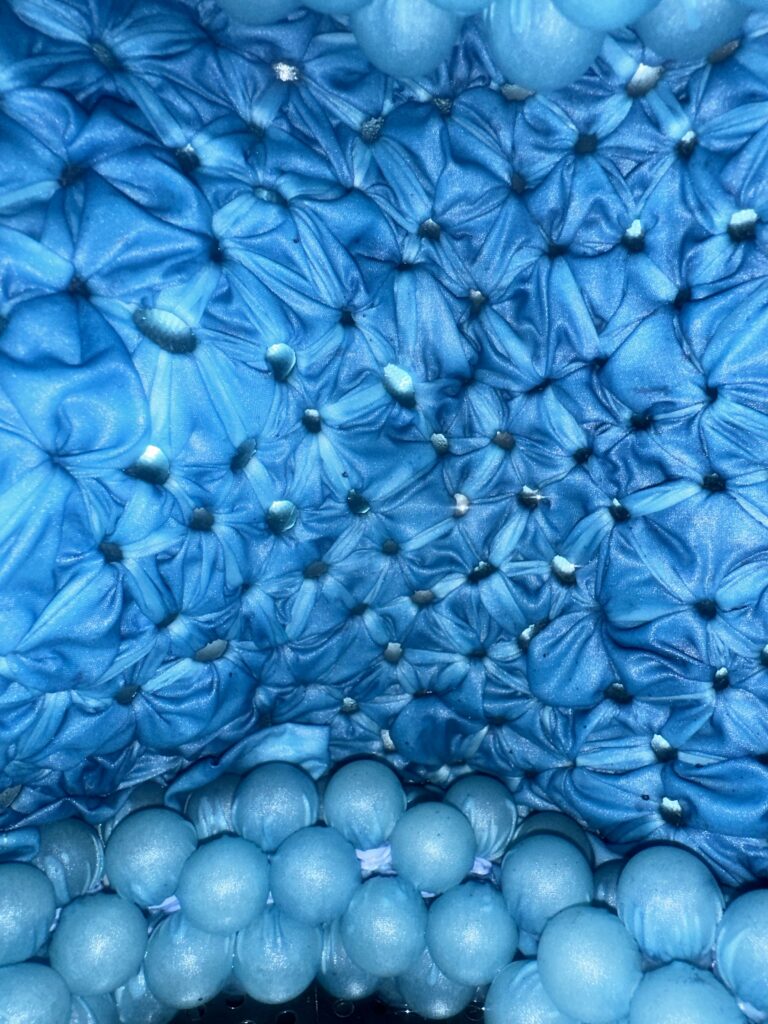
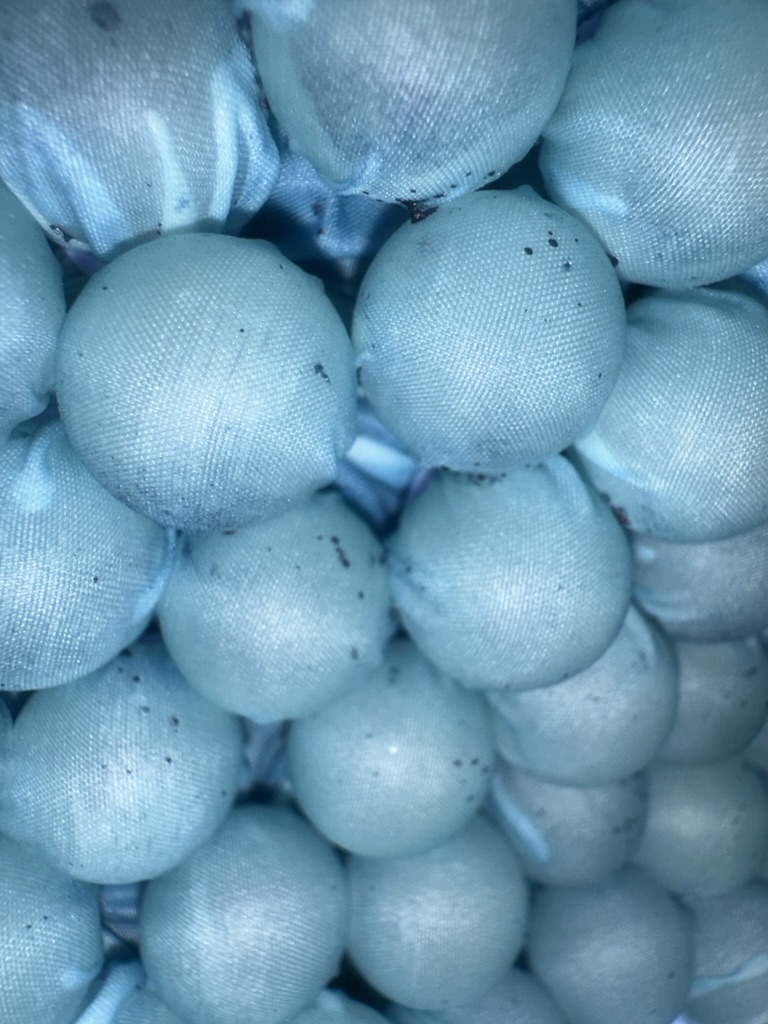
I was able to see the colour of the fabric come to life when it had oxidized in the steamer
I then removed the elastic bands.
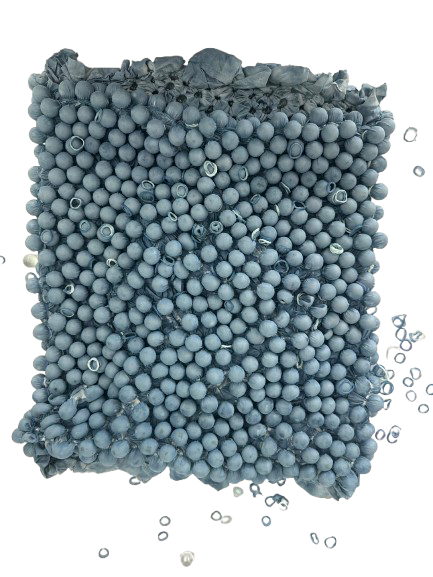
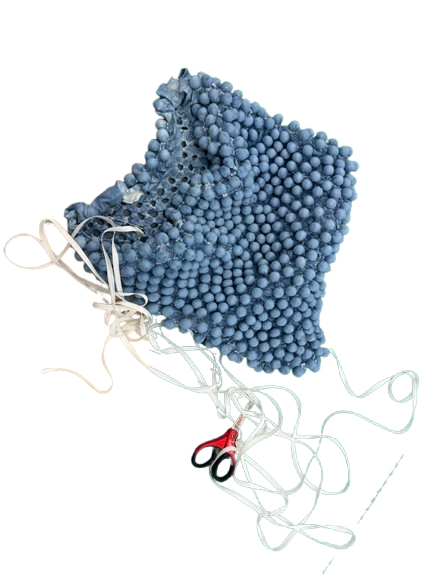
I inserted drawstrings into the fabric’s channels so it could be cinched closed.
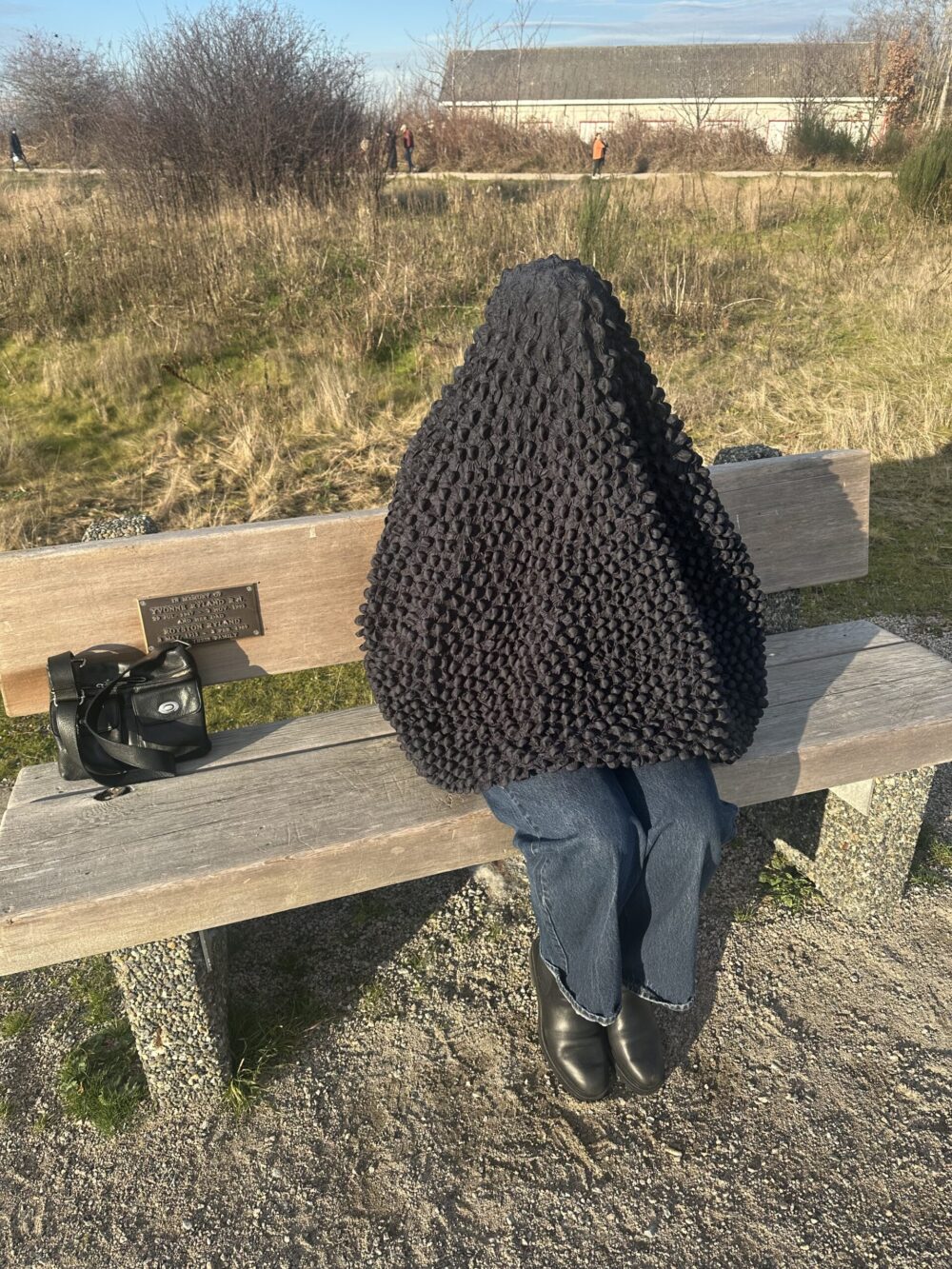
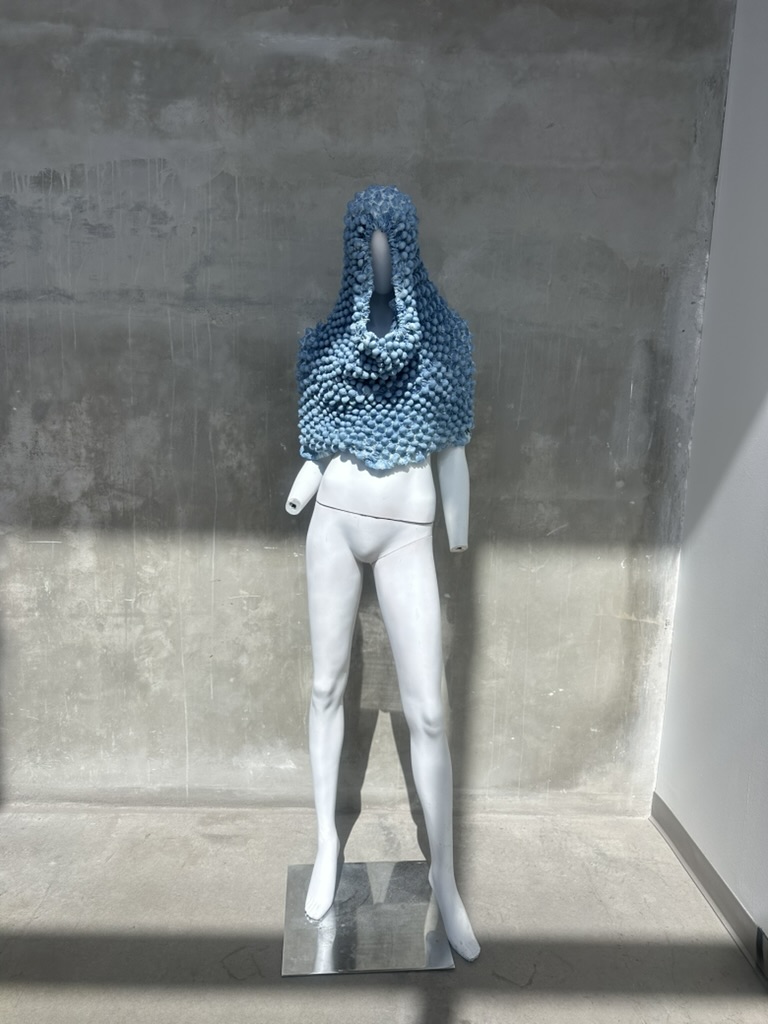
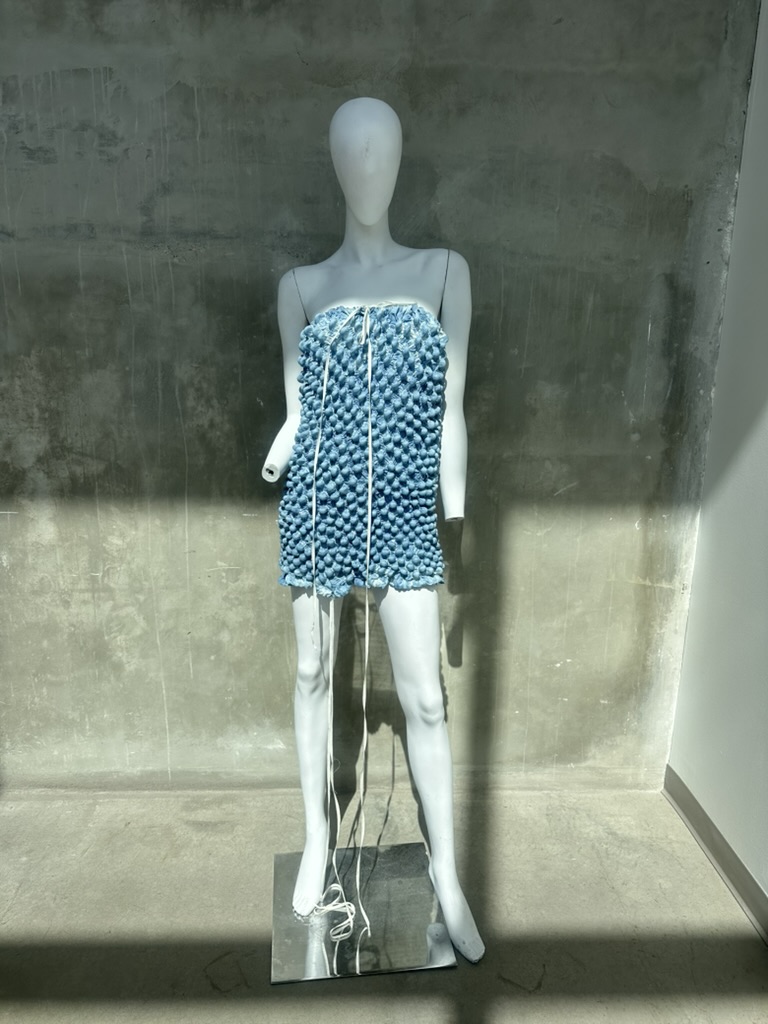
I styled the finished textile object on a mannequin in different configurations.
as a hood
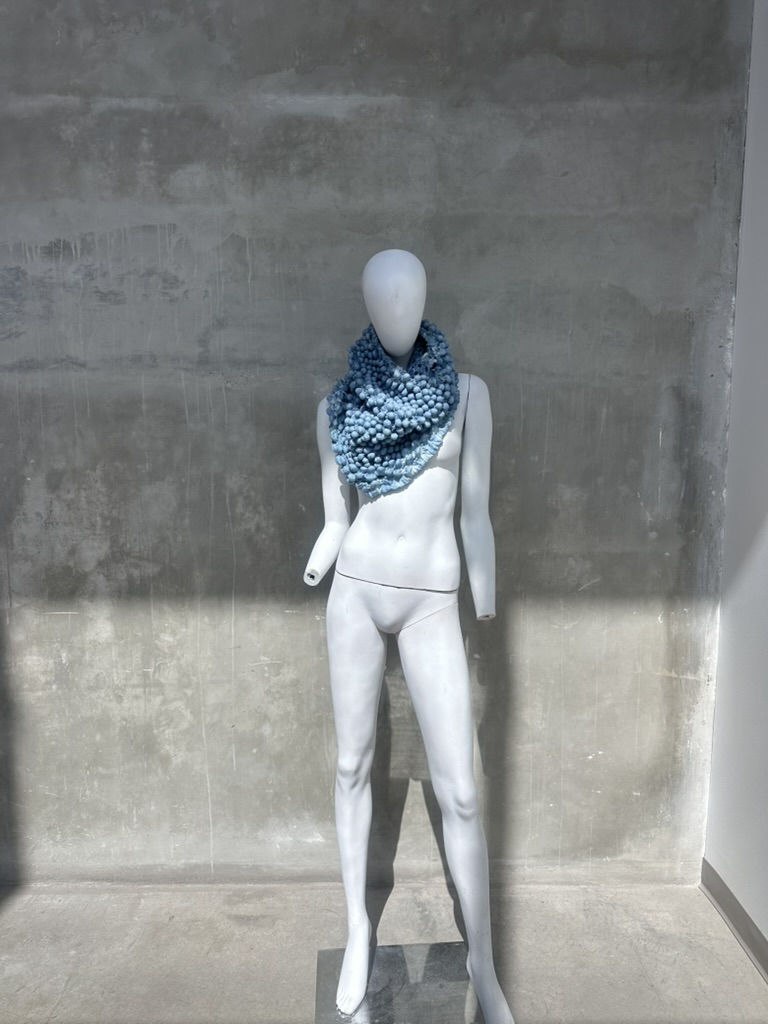
a scarf
a dress
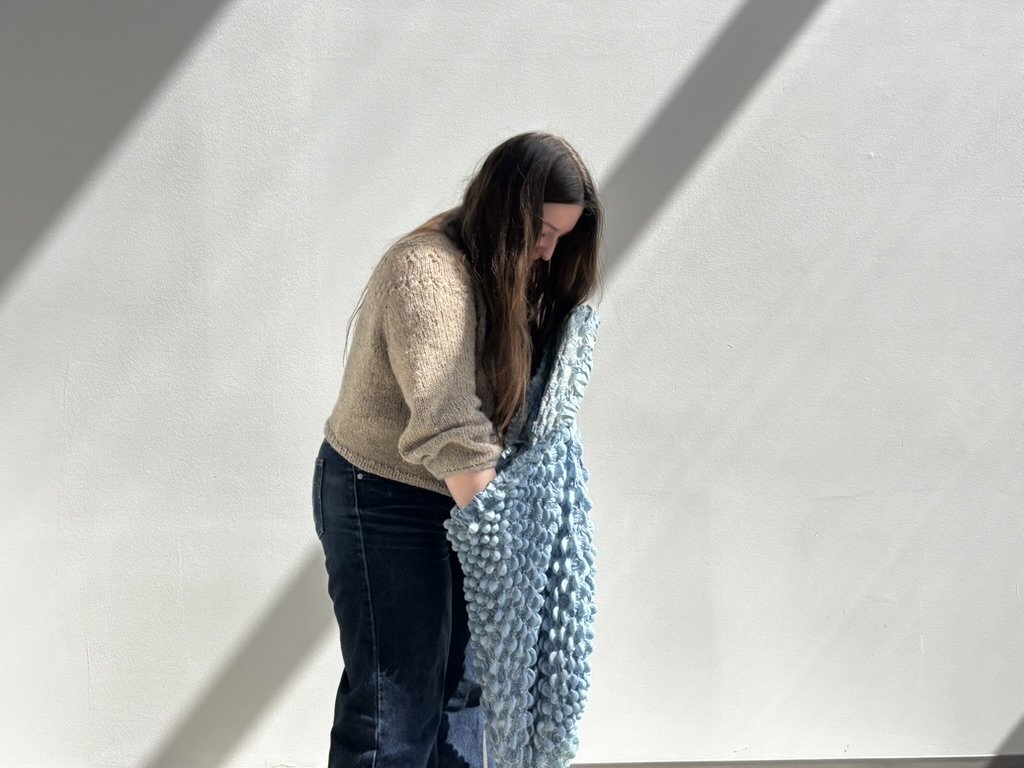
a bag
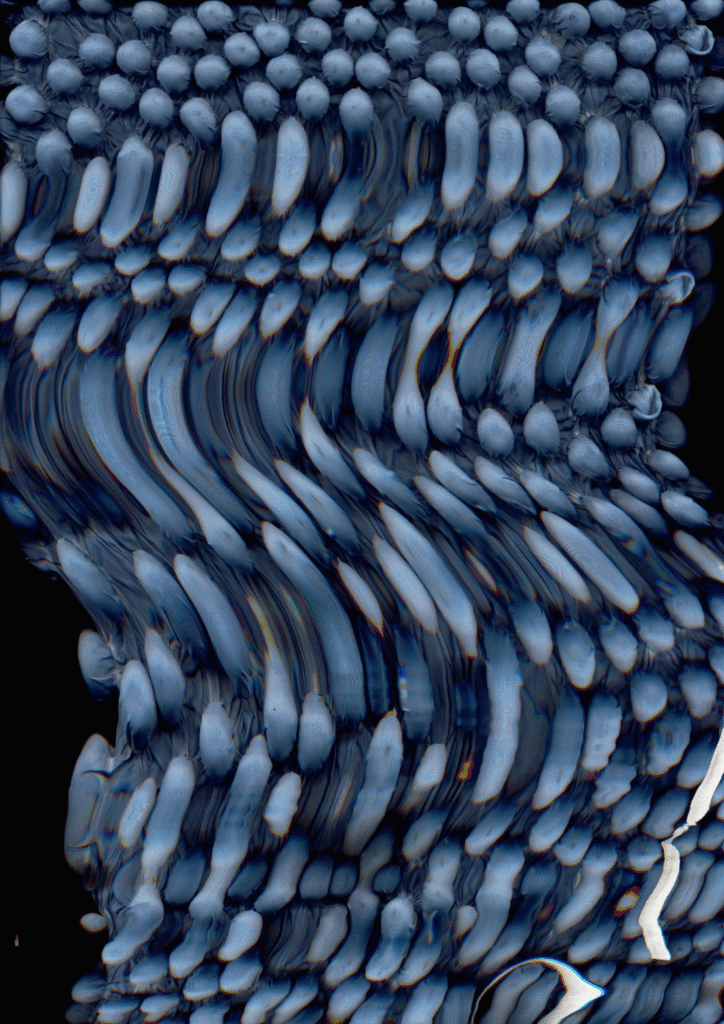
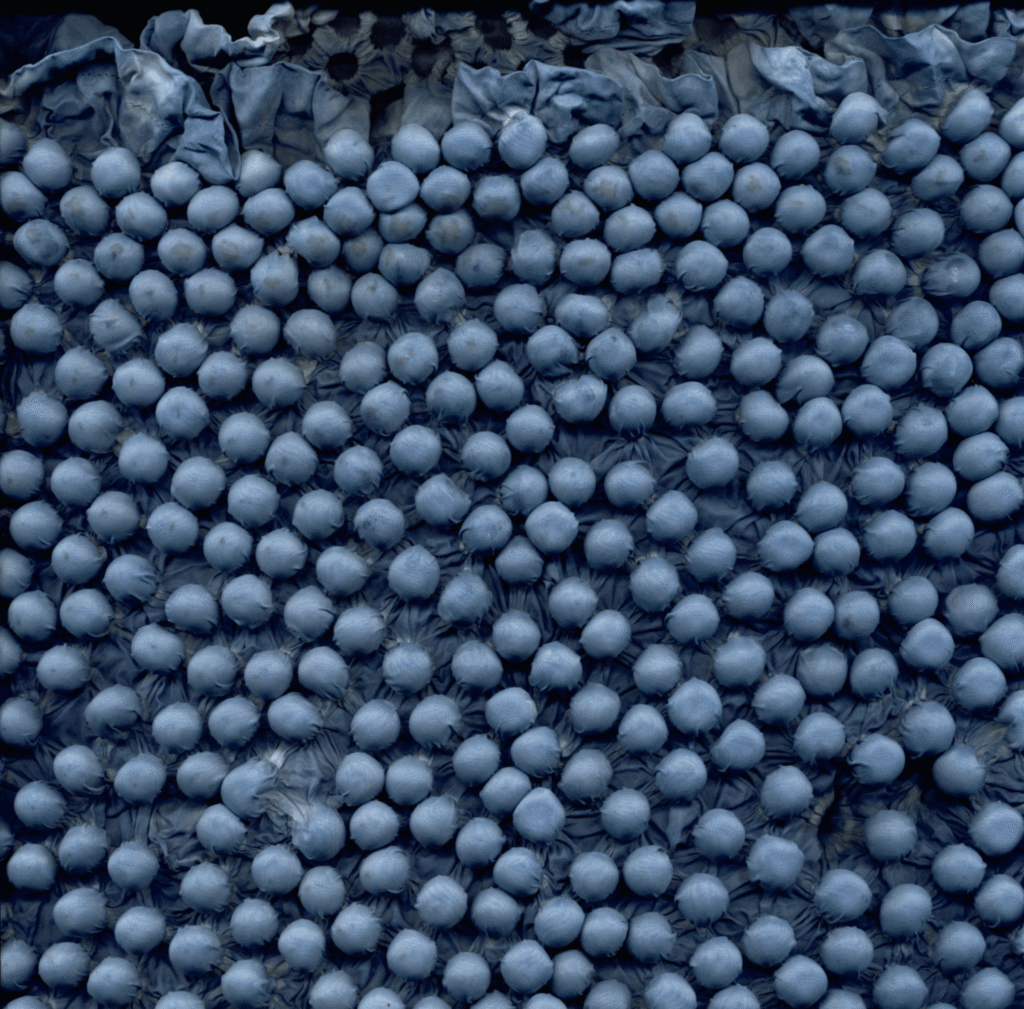
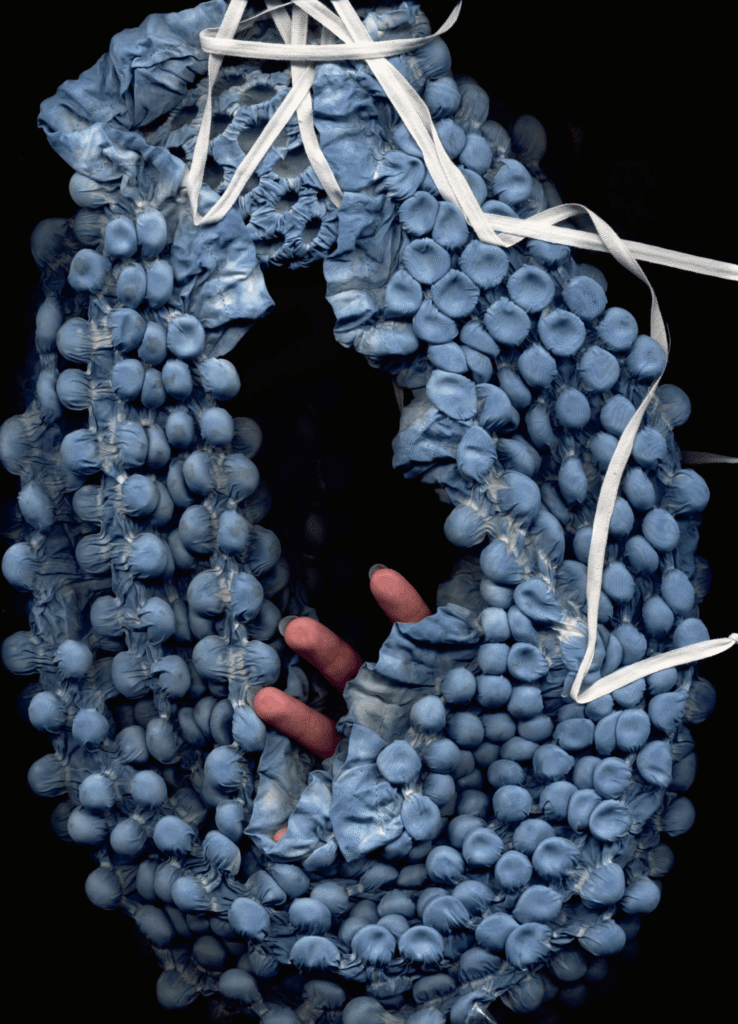
Here are some scans using my hands and movement across the scanner to inform the fabric’s shape and demonstrate potential forms.
This project helped me build my skills in making and working with textiles, and I hope to continue exploring new ways of making in the future.